Welcome to our websites!


Rotobed Hospital Beds - Durable, Comfortable Patient Care Solutions
Rotobed Hospital Beds: A Veteran’s Take on Innovation in Patient Care
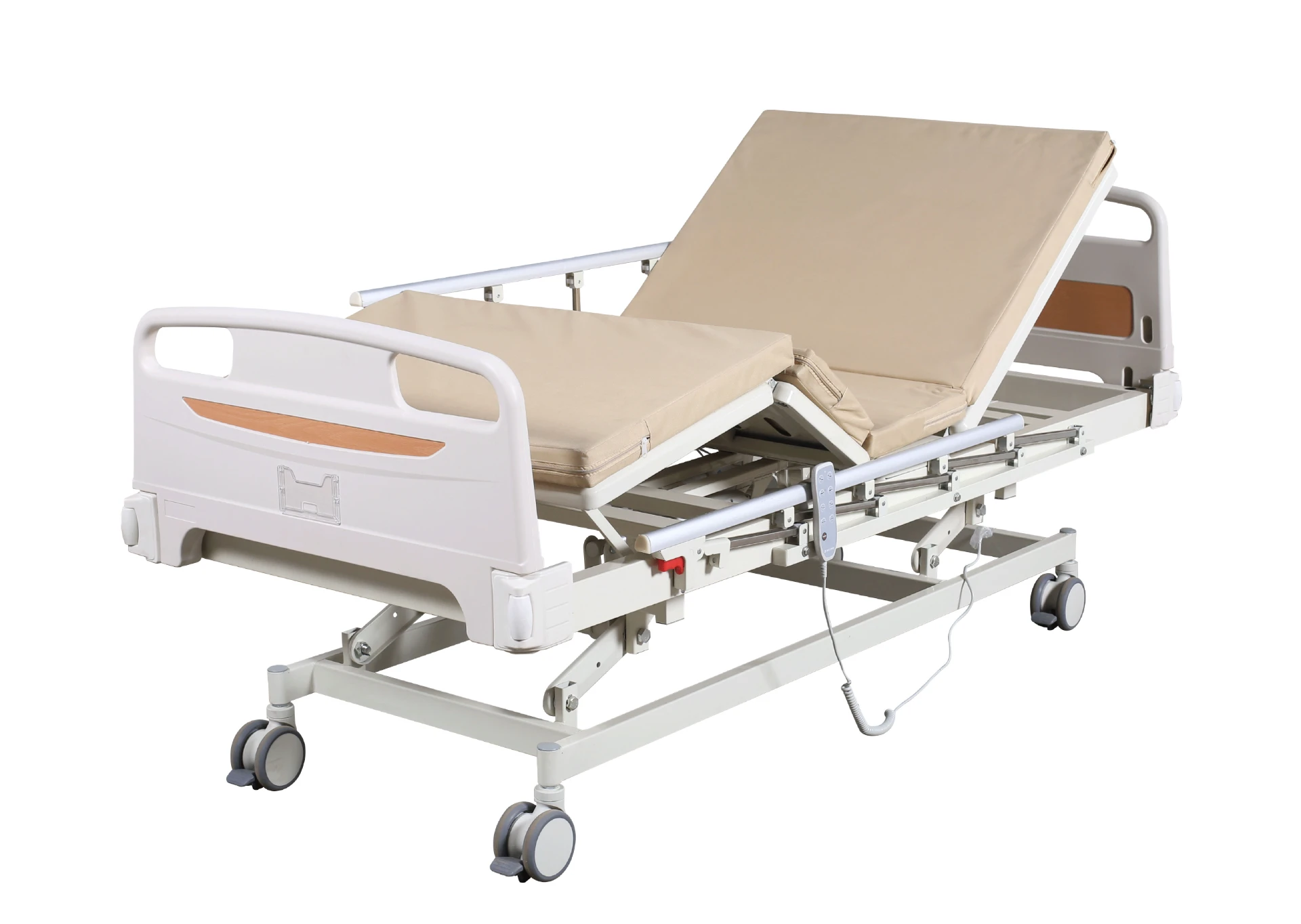
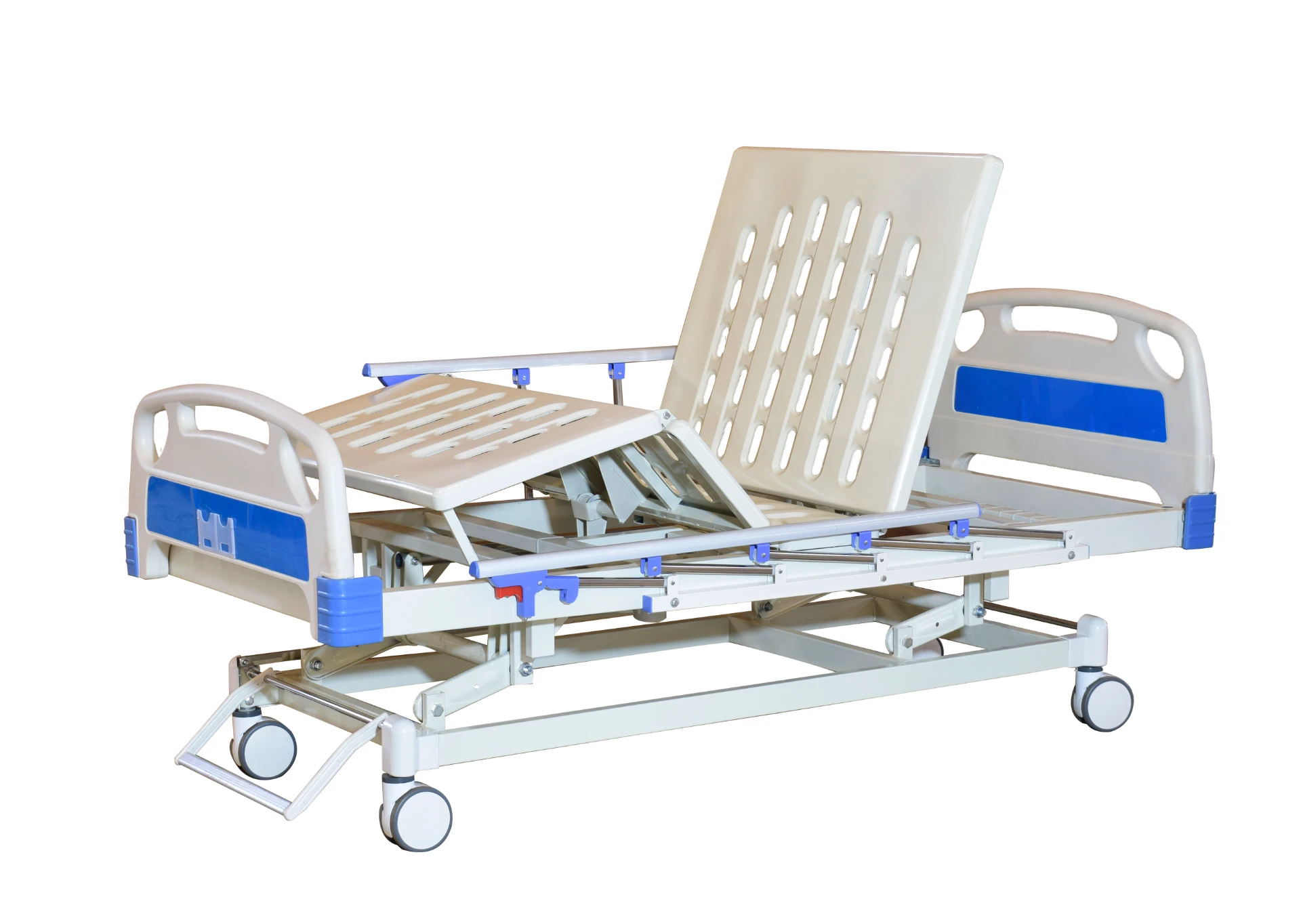
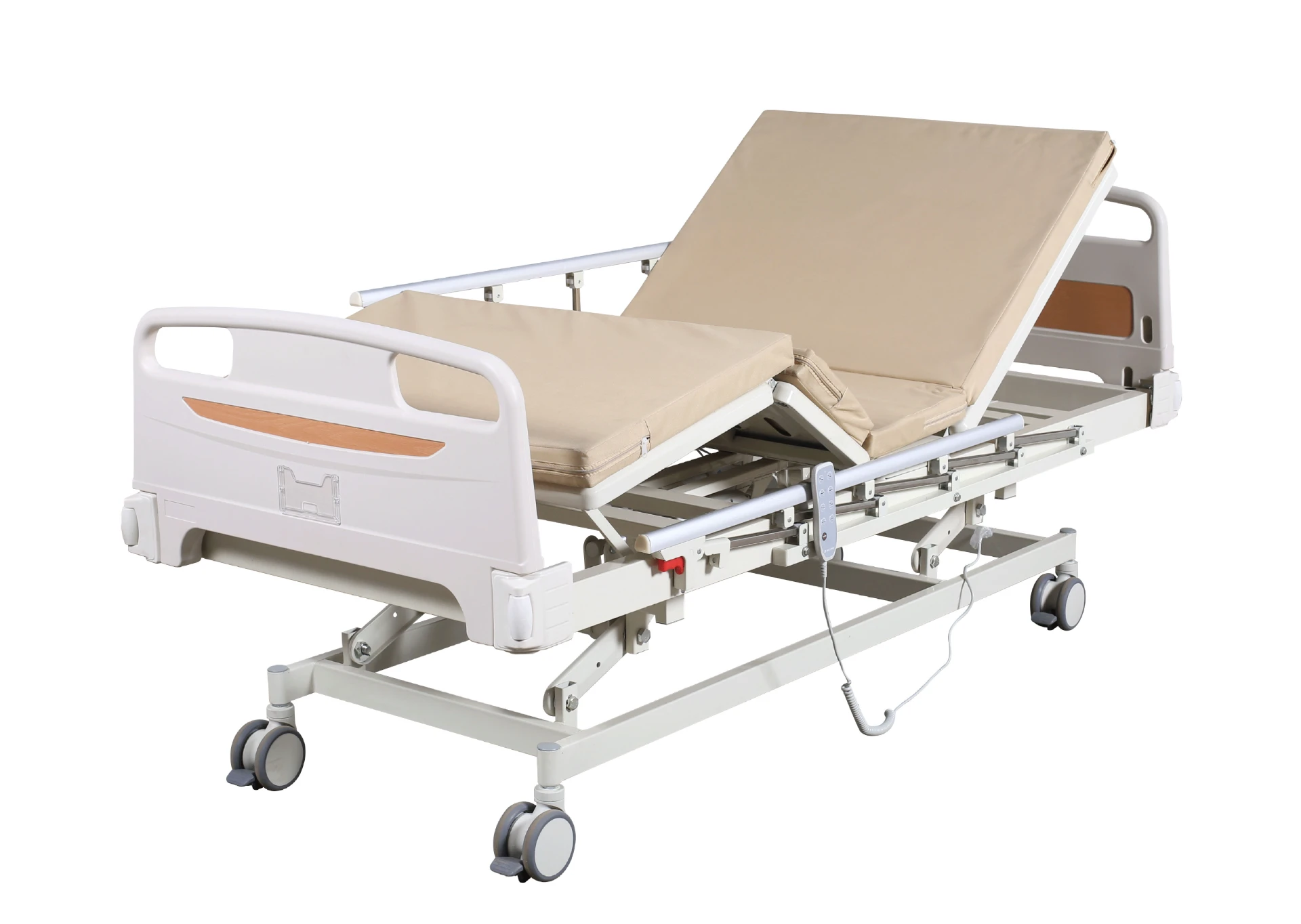
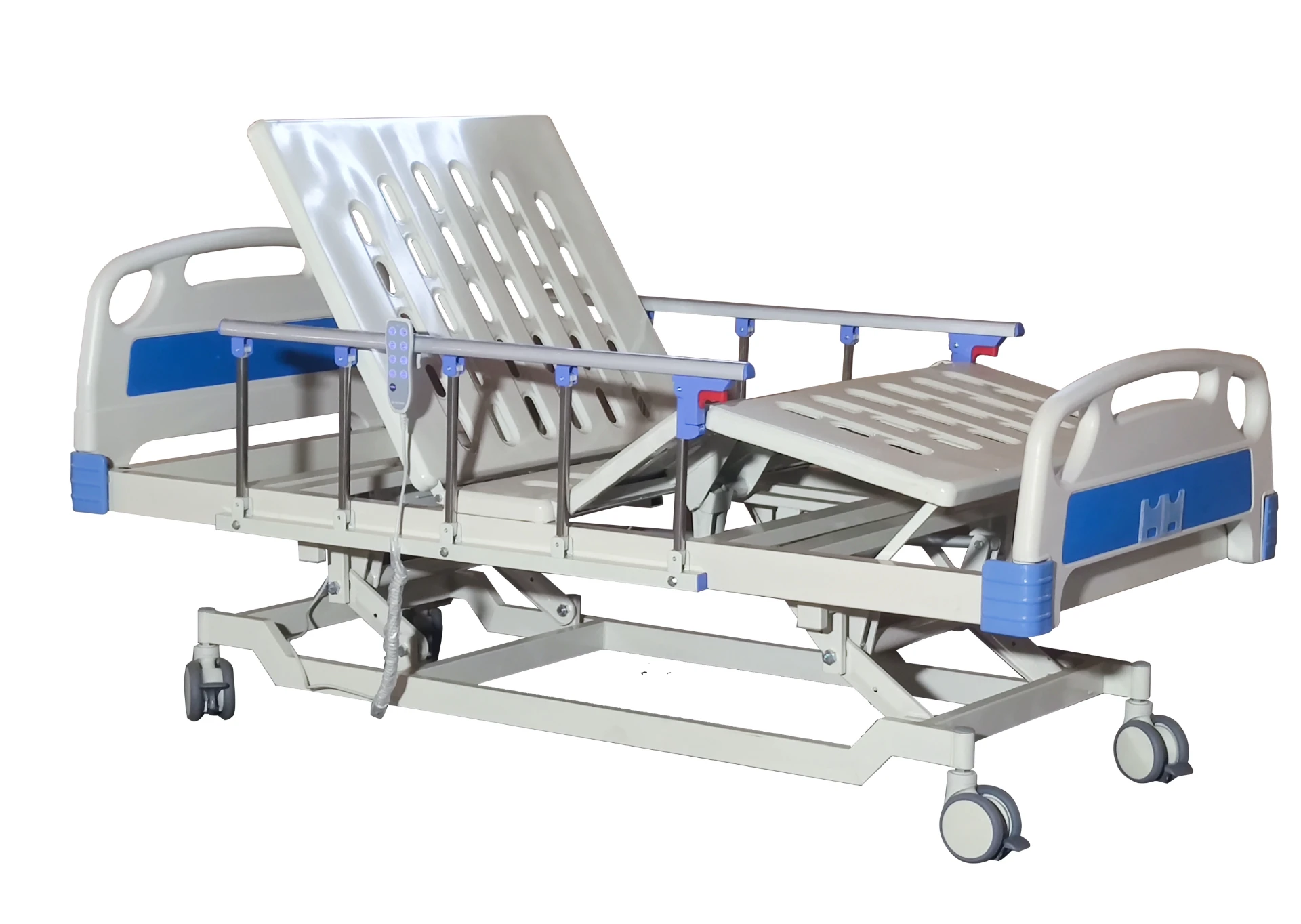
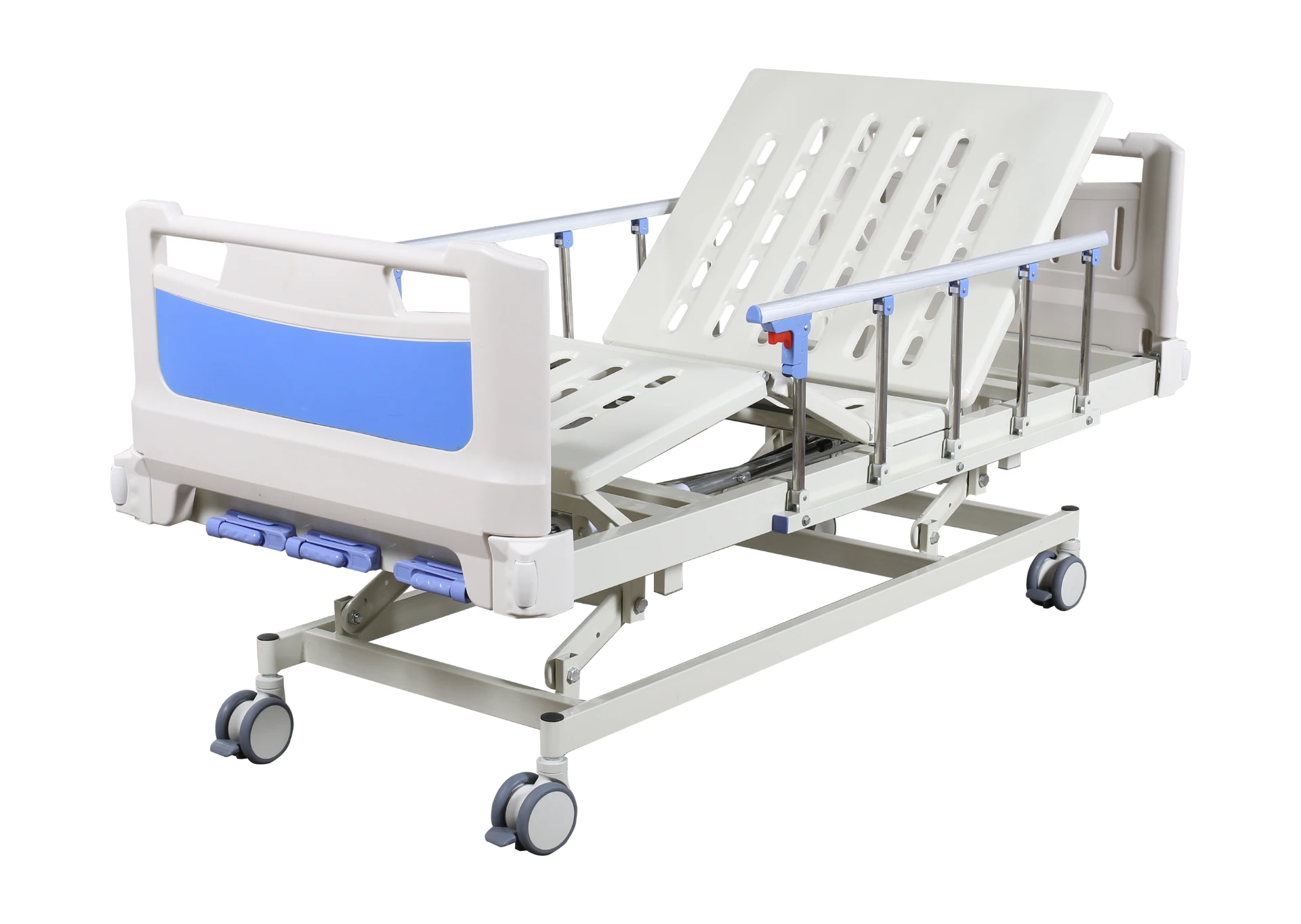
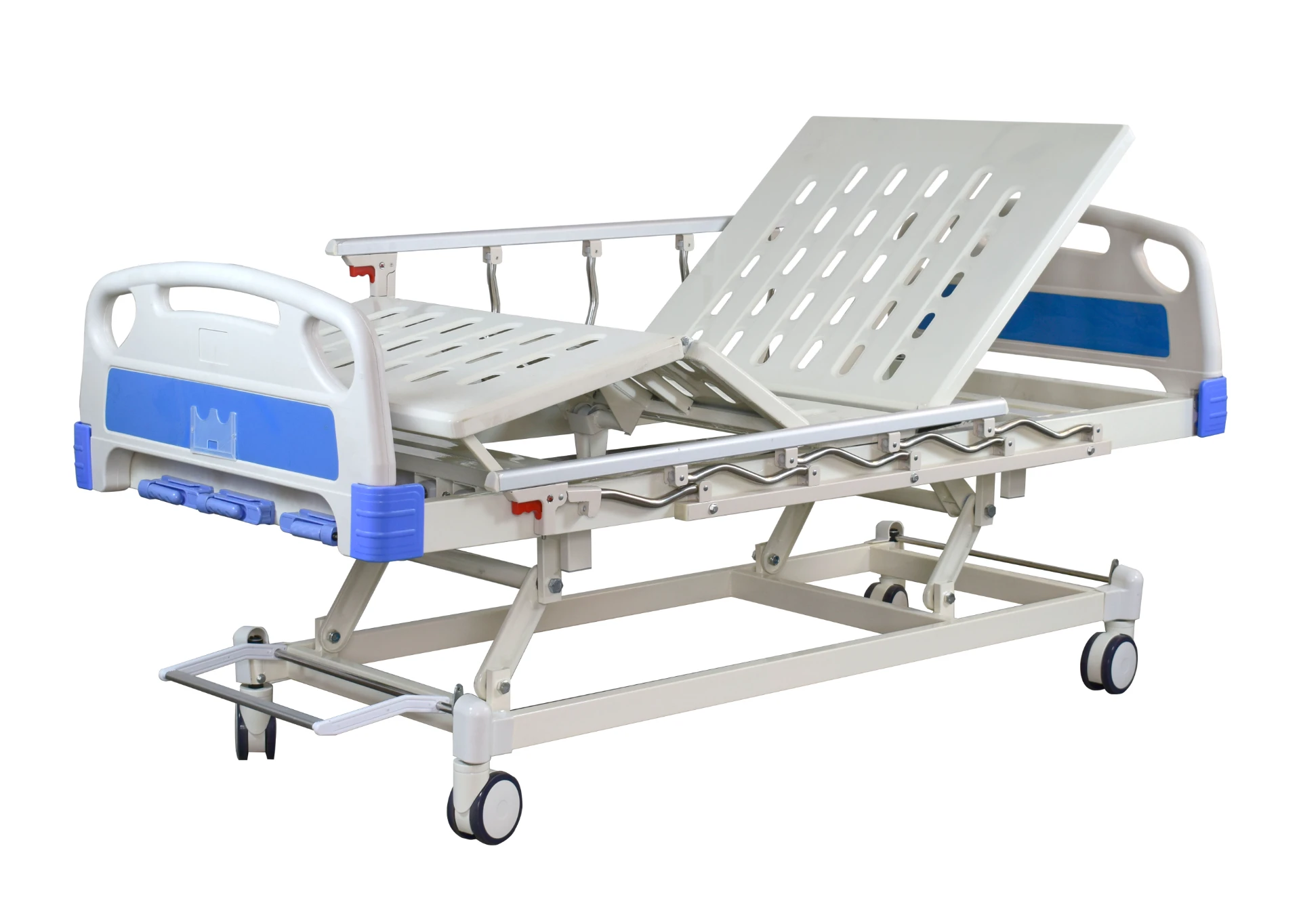
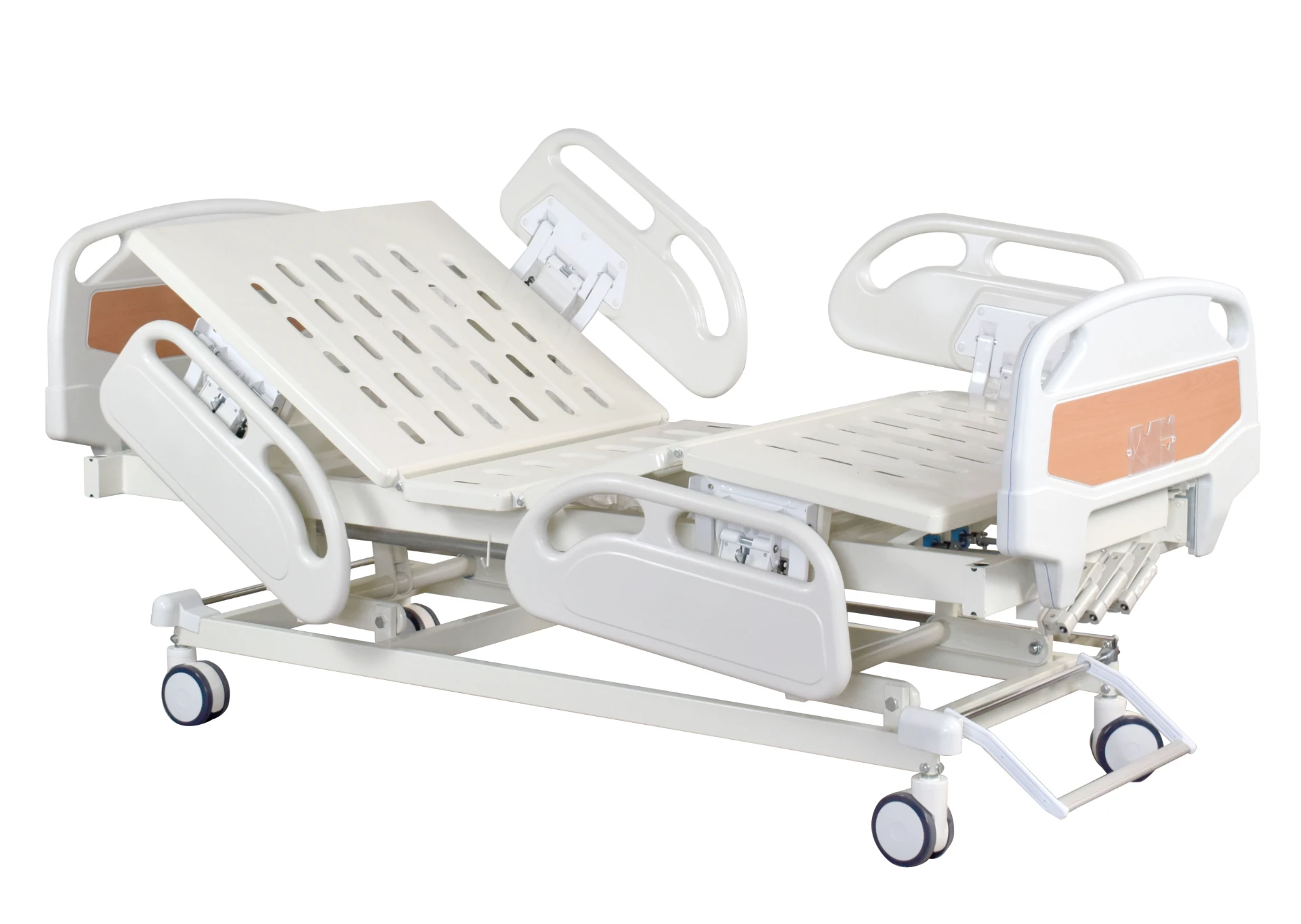
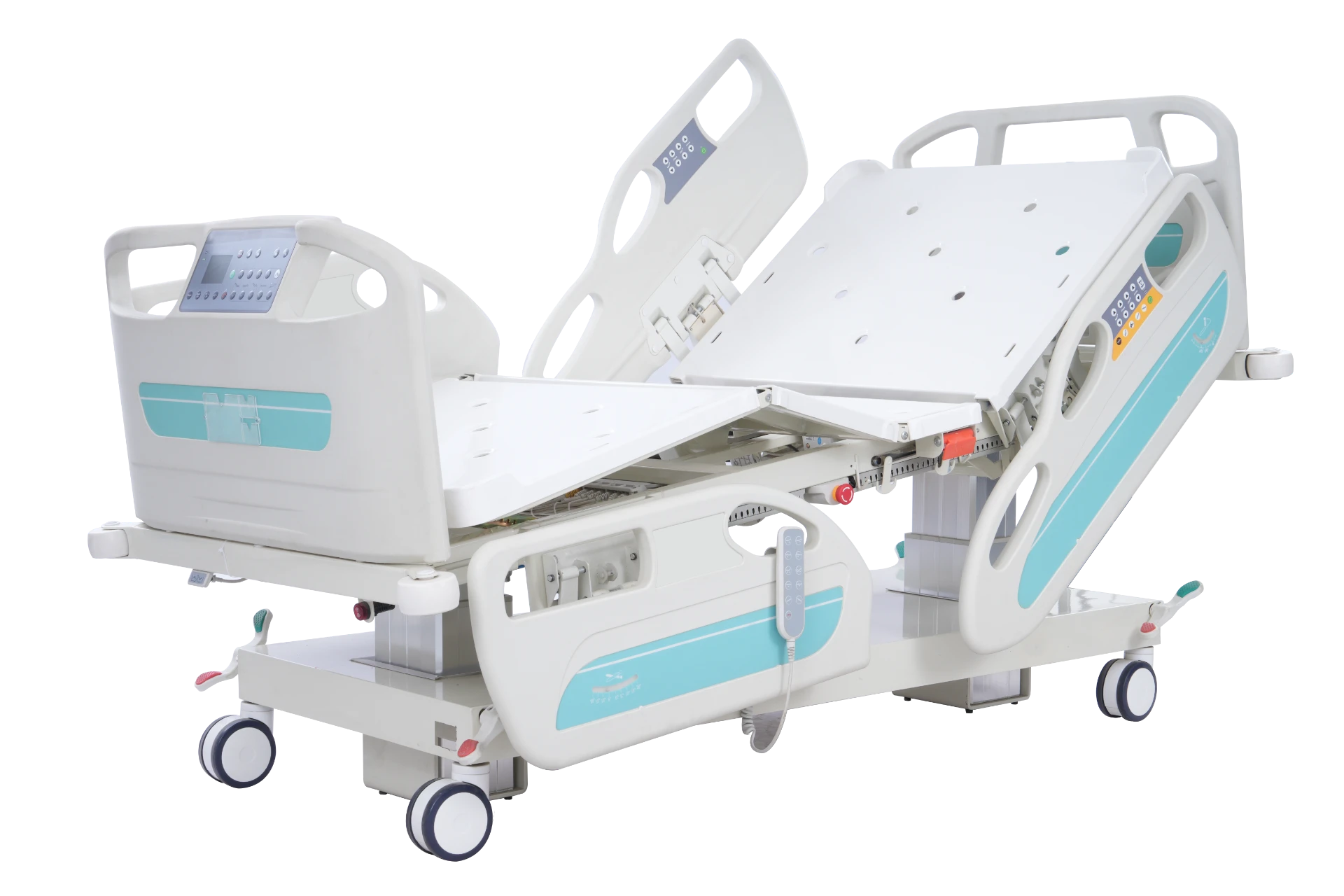
Having spent over a decade working around hospital equipment—from heavy-duty ICU setups to mobile emergency gear—I must say, the rotobed hospital concept still strikes me as a smart blend of engineering and practical care needs. These beds aren’t just tables to lie on; they’re sophisticated tools designed to ease patient recovery and lighten the workload for nurses and caregivers.
Oddly enough, early in my career, I thought hospital beds were all pretty much the same. It was only after a stint working on the supply chain side, supplying various healthcare institutions, that I really appreciated what goes into a quality rotobed. In real terms, these beds are the unsung heroes of hospital wards.
So, why are rotobed hospital beds a cut above? First, the core feature is the ability to gently rotate the patient—often with motorized controls—enabling better pressure distribution and reducing bedsores. Nurses love how this lessens manual lifting, which frankly, is a relief as back injuries are common in healthcare settings. Also, patient comfort is surprisingly enhanced, which can be a game-changer in long-term recovery.
Materials play a big role too. Rotobed frames typically use high-strength aluminum alloys or stainless steel—durable yet lightweight—combined with easy-to-clean, anti-bacterial surfaces which hospitals demand, especially nowadays. Many engineers I’ve talked to praise the modular design philosophy behind such beds, allowing for customizable accessories like IV stands or integrated monitoring panels.
| Specification | Details |
|---|---|
| Rotation Angle | Up to 80° left/right tilt |
| Weight Capacity | Max 250 kg (550 lbs) |
| Frame Material | Aluminum alloy / stainless steel |
| Control Type | Electric motorized, with manual override |
| Safety Features | Anti-fall locking system, emergency stop |
The testing phase for these beds is something I find fascinating. Beyond just weight load and mechanical endurance tests, many manufacturers simulate real-world hospital conditions—humidity, exposure to cleaning agents, even shock resistance from accidental impacts. I once visited a production line where they put these beds through a dozen cycles of rotation per hour over weeks. It’s not glamourous, but it’s crucial for trustworthiness.
When it comes to choosing a supplier or vendor for rotobed hospital units, I’ve seen quality and customization options vary widely. To give you a quick idea, here’s how a few popular vendors stack up, based on my hands-on experiences and industry feedback:
| Vendor | Customization | Durability | Price Range | Lead Time |
|---|---|---|---|---|
| CNBoxin | High – modular options | Excellent – premium build | Mid-range | 2–3 weeks |
| MedEquip Pro | Moderate – basic add-ons | Good | Budget-friendly | 4–6 weeks |
| HealthTech Inc. | Low – standard models only | Fair | Premium | 3–4 weeks |
One thing I noticed across hospitals: when a ward upgrades to rotobed hospital beds, they quickly witness fewer patient complaints about discomfort. Plus, nursing staff often report a drop in musculoskeletal strain injuries. Just last year, a medium-sized hospital I worked with replaced over 50 conventional beds with rotobed models from CNBoxin—and the feedback was overwhelmingly positive. You really see how thoughtful industrial design can impact human care.
Of course, there’s no one-size-fits-all. Some hospitals need highly configurable systems with lots of add-ons, others want straightforward, tough beds that just keep running. Frankly, it comes down to your exact use case, budget, and how much the staff will physically interact with these beds daily.
To sum up: rotobed hospital beds represent a smart intersection of engineering durability and patient-centric innovation. Their ability to improve comfort and streamline nursing work routines—backed by robust materials and solid testing regimes—makes them a worthwhile investment. If you’re exploring equipment upgrades, you might want to check out rotobed hospital solutions and see how they fit your facility’s unique demands.
References:
1. “Hospital Bed Innovations,” MedTech Journal, 2022.
2. Interview with Nurse Practitioner, 2023.
3. CNBoxin Technical Data Sheets, 2024.
-
Ultimate Guide to Choosing Extra Wide Waiting Room ChairsNewsApr.16,2026
-
Guide to Choosing Professional Waiting Room Chairs Wipeable SeatingNewsApr.09,2026
-
Enhance Your Space with Comfortable Wide Waiting Room ChairsNewsApr.07,2026
-
Selecting the Ideal Brown Waiting Room Chairs for a Welcoming SpaceNewsApr.04,2026
-
Choosing Comfortable Patient Waiting Room Chairs for Healthcare FacilitiesNewsMar.31,2026
-
Finding the Best Deals on Affordable and Cheap Reception Chairs for Your BusinessNewsMar.28,2026
-
Enhance Your Business Reception with Comfortable Blue Reception ChairsNewsMar.26,2026