Welcome to our websites!


Reliable Structure Beds in Hospital: Insights from Industry Experts
Understanding Structure Beds in Hospitals: A Veteran’s Perspective
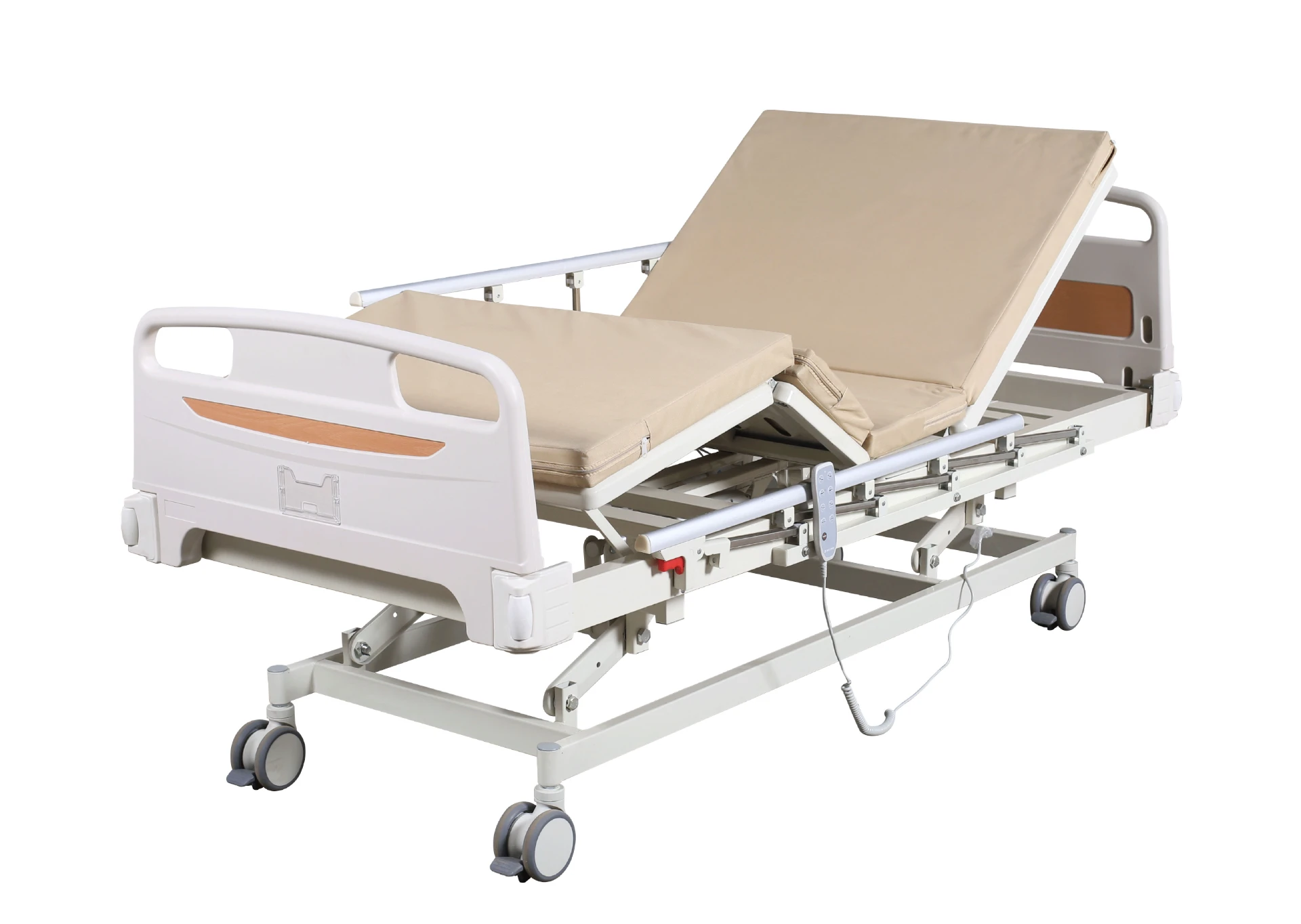
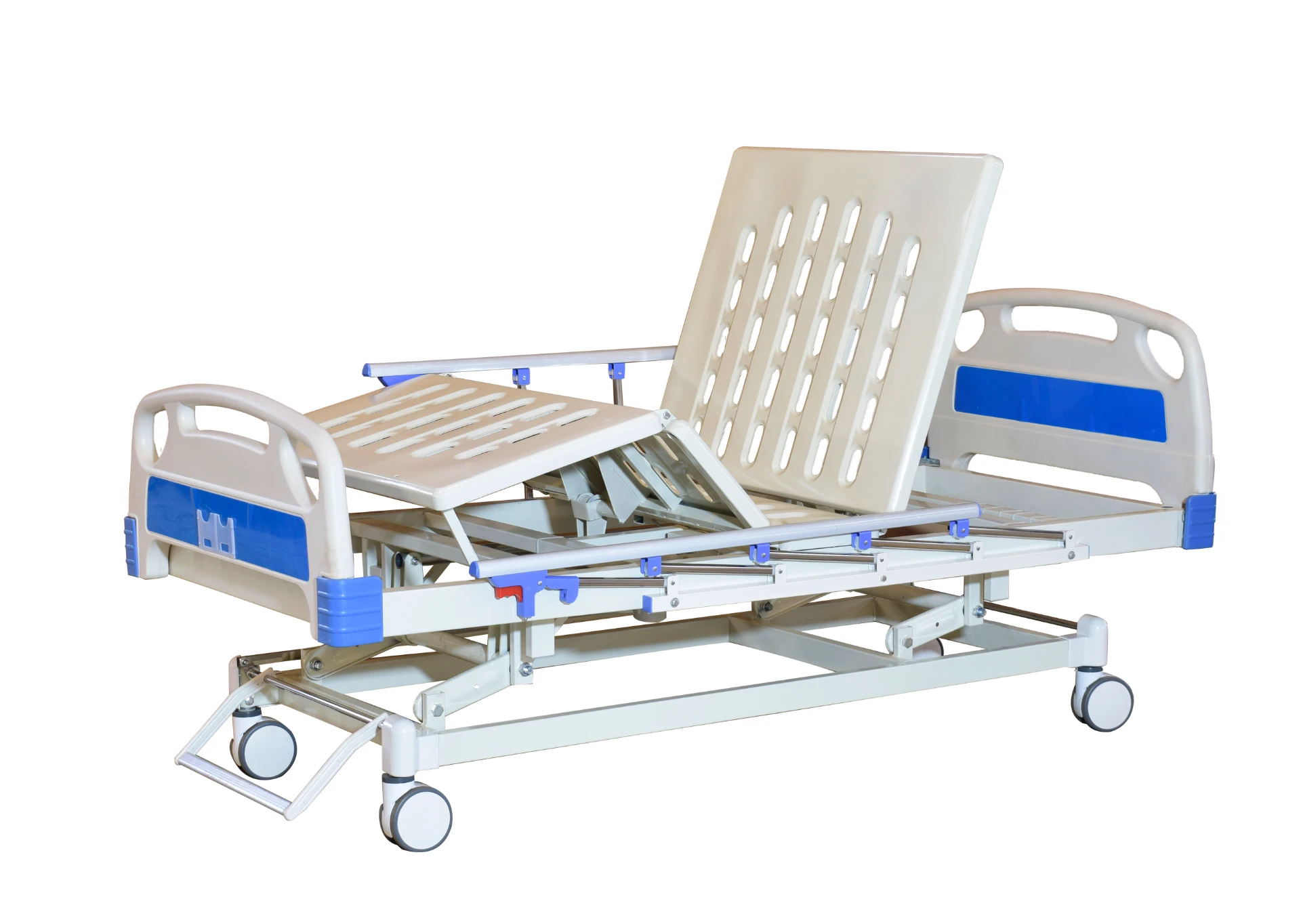
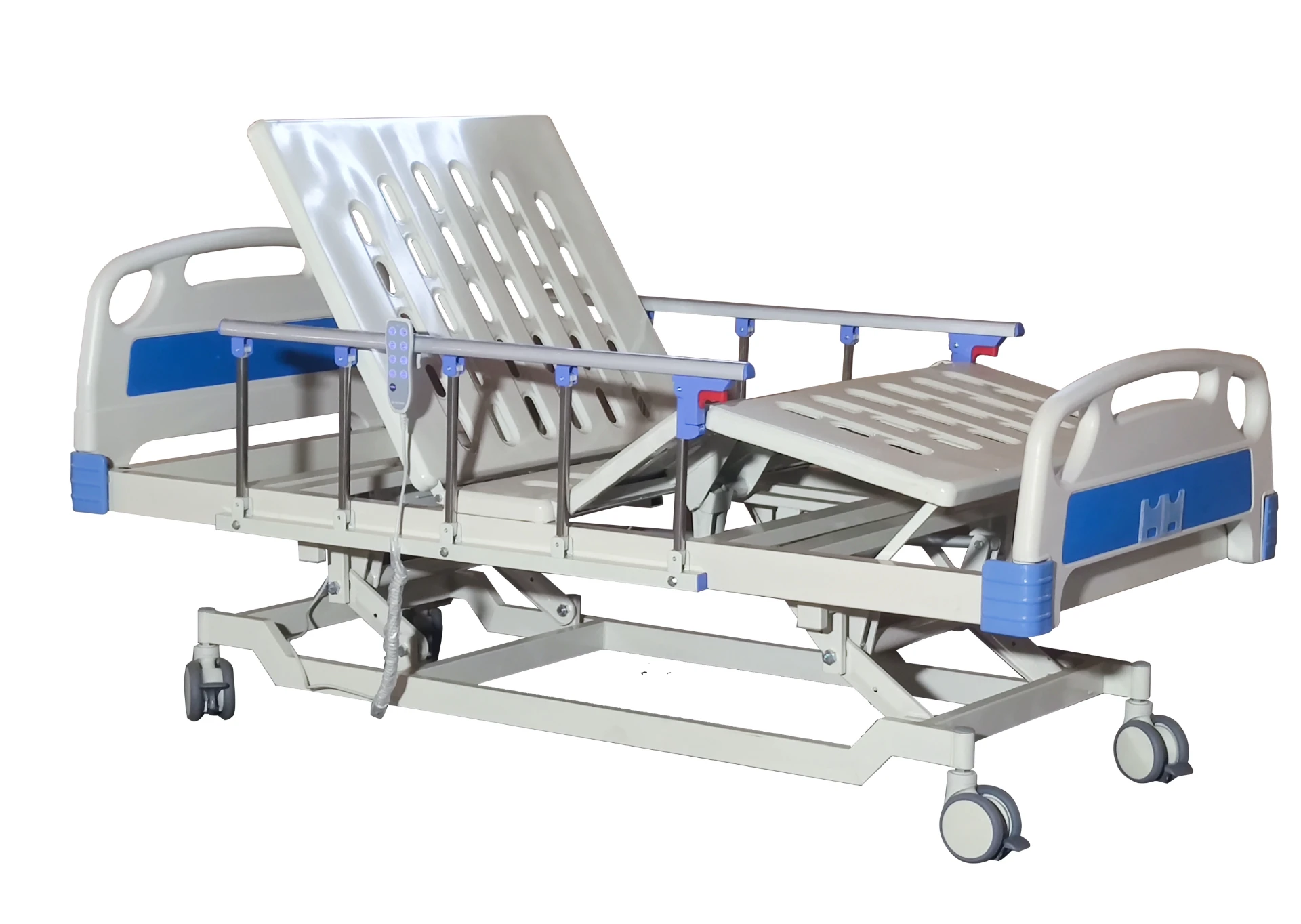
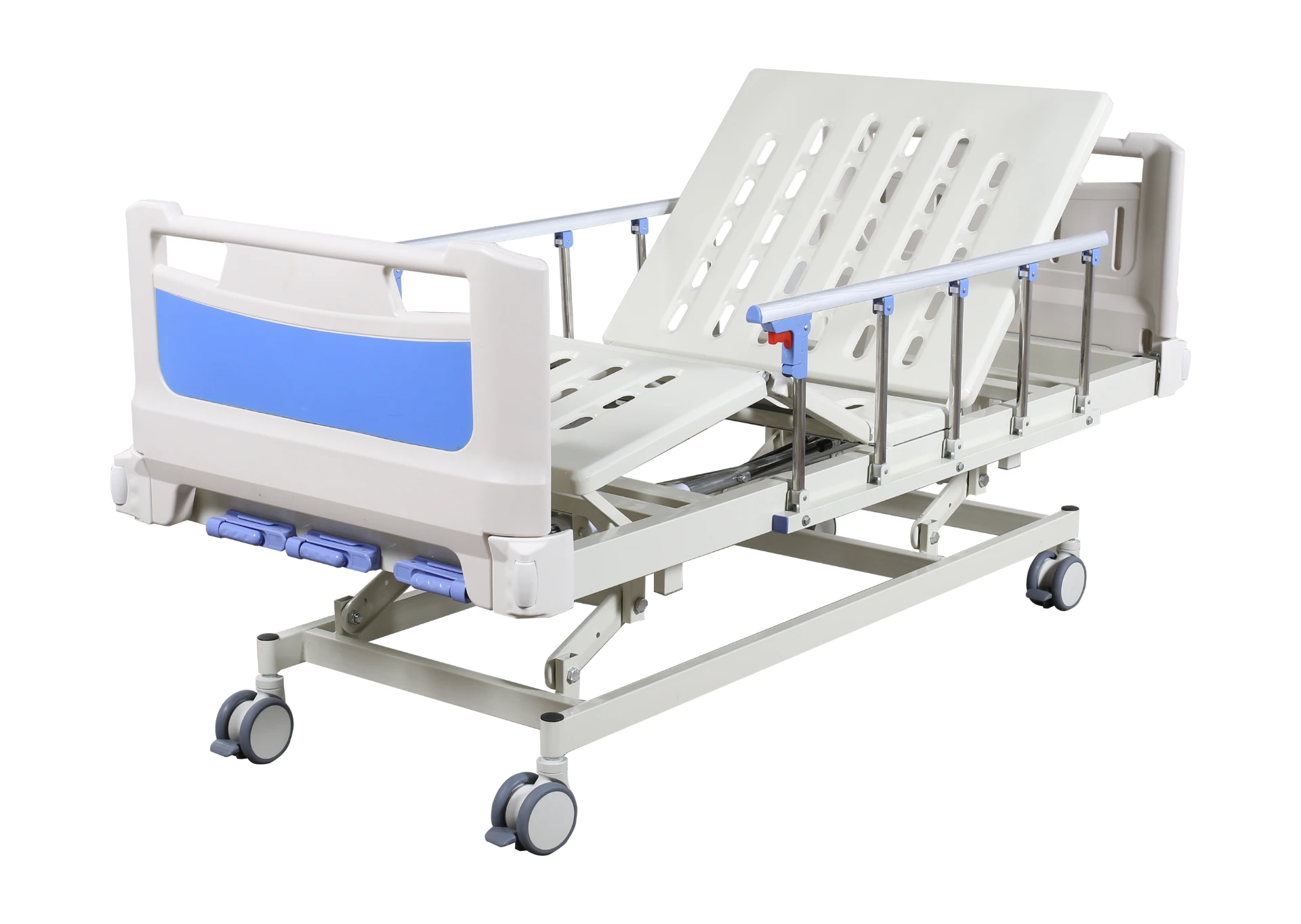
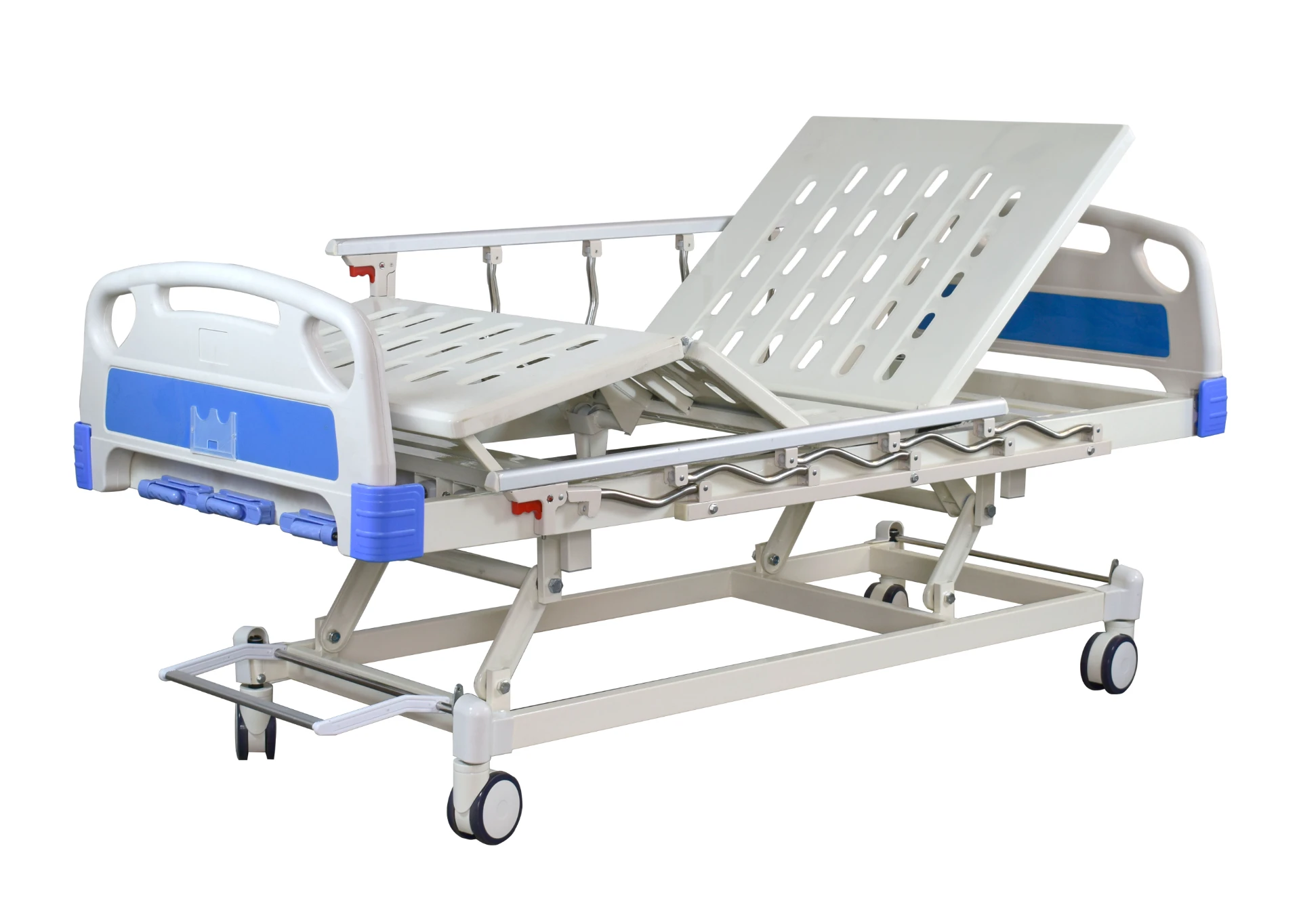
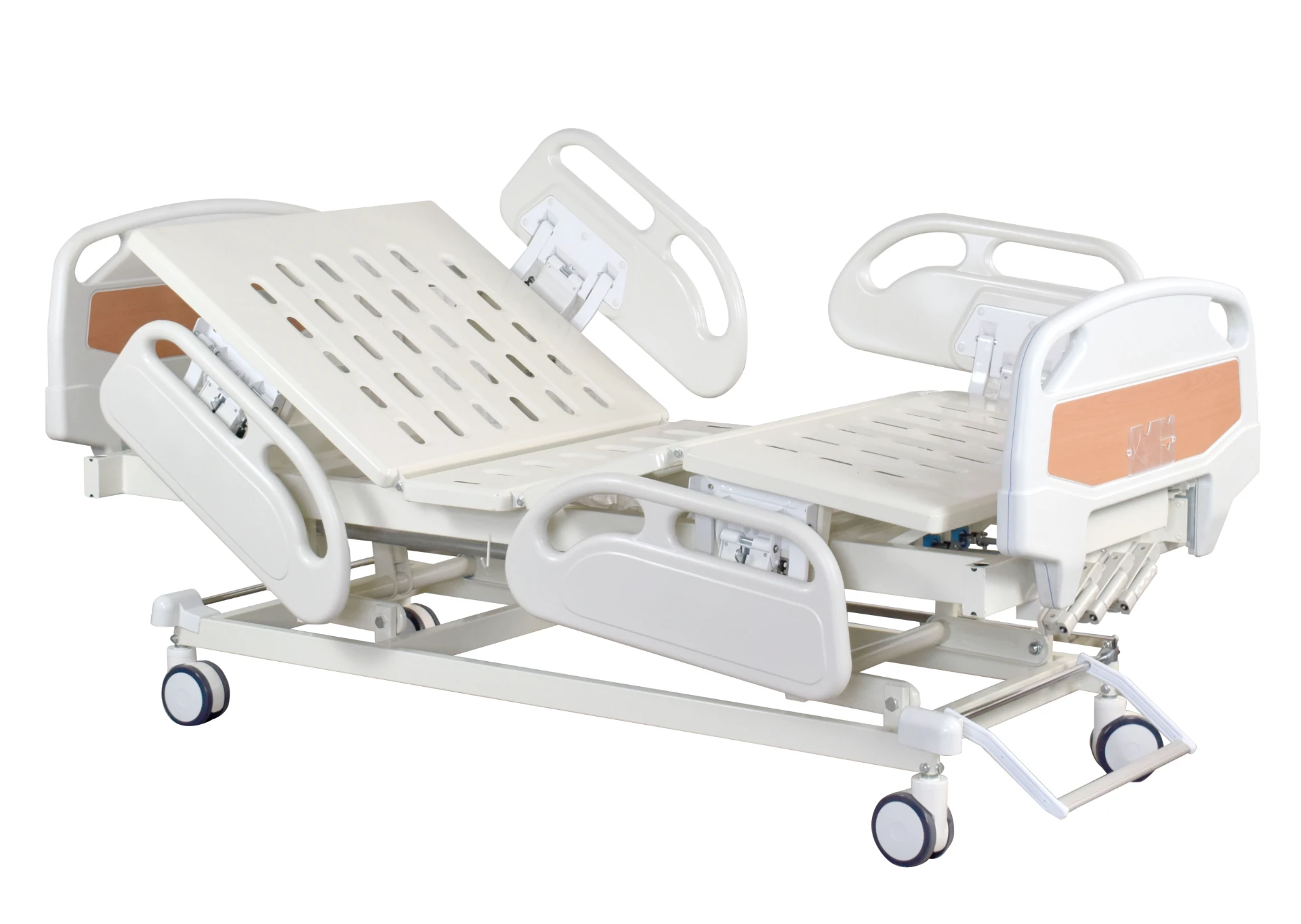
Having spent over a decade in the industrial equipment sector, specifically working closely with healthcare facilities, it’s surprising how much thought and engineering go into something as seemingly simple as a structure bed in hospital. You might think, “It’s just a hospital bed,” right? Well, not quite.
Structure beds are the backbone of patient care environments. Their frameworks — usually crafted from high-grade stainless steel or aluminum alloys — need to marry strength with comfort and flexibility. Oddly enough, hospitals don’t just buy any sturdy bed; they require something that can withstand rigorous sanitization processes, accommodate various mechanical parts, and be easily adjusted by both nurses and patients.
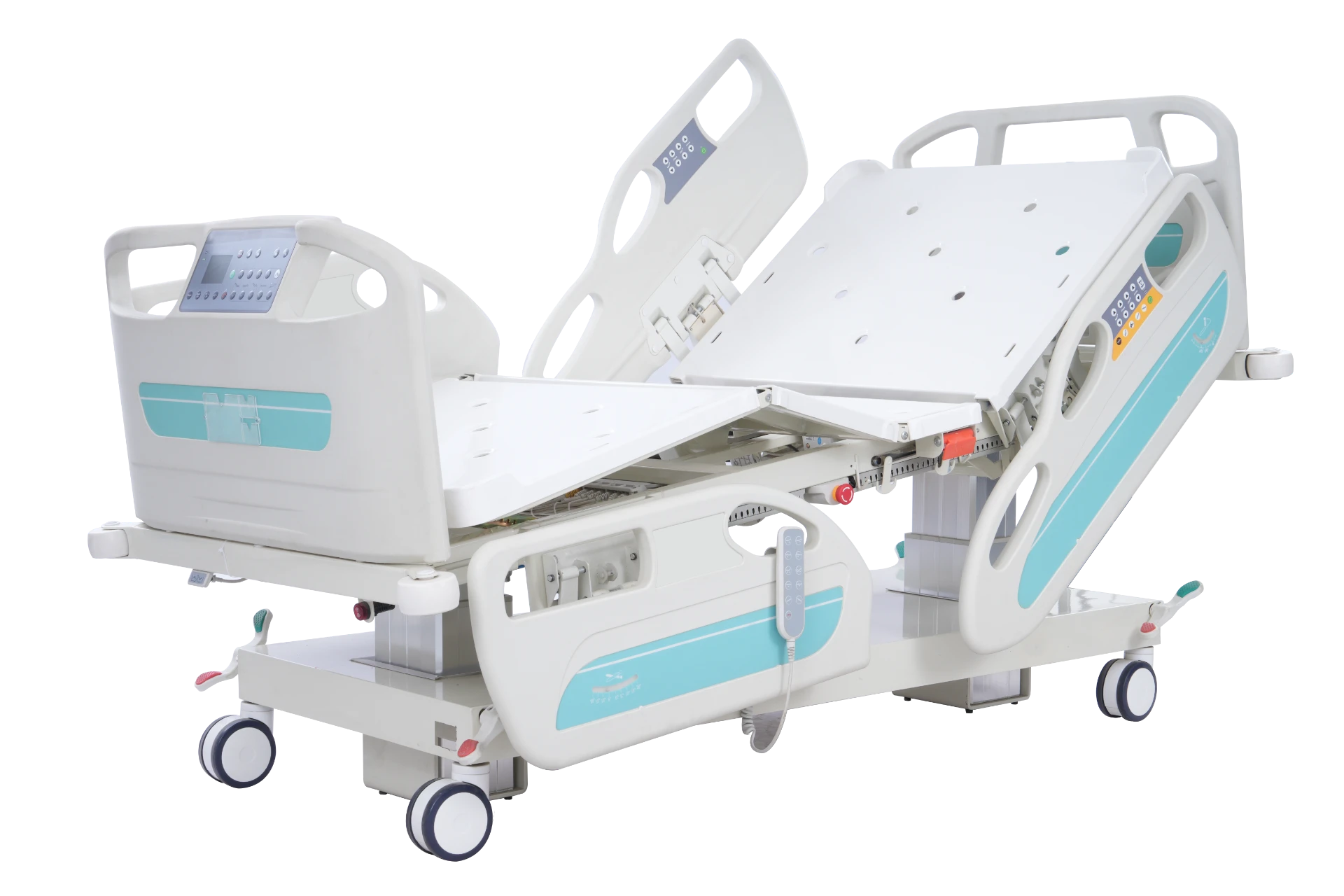
One thing I’ve noticed is the constant evolution of these beds toward modularity. Many engineers I speak with say it’s about customization — whether it’s adjustable height, tilt for better respiratory support, or easy attachment points for IV poles and monitors. Frankly, this adaptability can mean the difference between speedy recovery and complications.
| Specification | Details |
|---|---|
| Frame Material | Stainless Steel 304 / Aluminum Alloy |
| Weight Capacity | 250–350 kg (550–770 lbs) |
| Adjustability | Manual & Electric Options |
| Surface Finish | Powder Coated / Antibacterial Paint |
| Safety Features | Side Rails, Locking Wheels, Emergency Release |
Hospitals I’ve worked with often ask about the difference between vendors. To be honest, it’s about more than just specs — it’s about reliability under real-world conditions. Some vendors prioritize lightweight design while others emphasize rugged durability. Typically, you won’t find a one-size-fits-all. For example, intensive care units require beds with highly responsive motor systems and reinforced frames that can hold more weight.
| Feature | Vendor A | Vendor B | Vendor C |
|---|---|---|---|
| Frame Material | Stainless Steel | Aluminum Alloy | Hybrid Steel-Aluminum |
| Weight Capacity (kg) | 300 | 250 | 350 |
| Adjustability | Electric | Manual | Electric/Manual Combo |
| Warranty | 5 Years | 3 Years | 4 Years |
| Customization Options | High | Low | Medium |
It reminds me of when one hospital in the Midwest upgraded their entire ward with beds from a lesser-known vendor who promised low prices. Initially, it seemed an excellent deal. However, after a few months, the hospital reported multiple issues: the paint began peeling under frequent cleaning, and some beds’ motors failed — frustrating for staff and risky for patients. They eventually switched to a more established supplier who, though pricier, delivered on durability and service.
In real terms, the structure bed in hospital isn’t just a piece of equipment; it’s where patients spend some of their most vulnerable moments. That gives the design and build a whole other level of responsibility. From my experience, the best beds balance durability and humane engineering — allowing medical teams to deliver care without wrestling with faulty gear.
To sum this up: when it comes to hospital structure beds, don’t just look at the specs or prices. Think about reliability, aftersales support, and how well a bed can adapt to the dynamic needs of hospital care. It often pays to invest a little more upfront to save heartache later.
References:
- U.S. Food & Drug Administration (FDA) – Hospital Bed Safety Guidelines
- Healthcare Technology Management Journal – Durable Medical Equipment Trends
- Interviews with Hospital Facility Managers, 2022–2023
Hospital beds are more than metal and mechanics; they’re the quiet champions of patient care.
-
Ultimate Guide to Choosing Extra Wide Waiting Room ChairsNewsApr.16,2026
-
Guide to Choosing Professional Waiting Room Chairs Wipeable SeatingNewsApr.09,2026
-
Enhance Your Space with Comfortable Wide Waiting Room ChairsNewsApr.07,2026
-
Selecting the Ideal Brown Waiting Room Chairs for a Welcoming SpaceNewsApr.04,2026
-
Choosing Comfortable Patient Waiting Room Chairs for Healthcare FacilitiesNewsMar.31,2026
-
Finding the Best Deals on Affordable and Cheap Reception Chairs for Your BusinessNewsMar.28,2026
-
Enhance Your Business Reception with Comfortable Blue Reception ChairsNewsMar.26,2026