Welcome to our websites!


Reliable Medical Supplies: Walking Support, Rehab, & Patient Care
The Critical Role and Evolution of Advanced Medical Supplies
In the dynamic landscape of healthcare, the efficacy and safety of patient care are intrinsically linked to the quality and reliability of medical supplies. From basic diagnostic tools to complex surgical components, these essential items form the backbone of modern medical practice. This article delves into the intricate world of specialized medical components, focusing on critical accessories like fender wheel head boards used in various medical and surgical applications. We will explore the latest industry trends, the meticulous manufacturing processes, technical specifications, diverse application scenarios, and the strategic advantages offered by high-quality products. Furthermore, we will address critical aspects such as vendor comparison, customized solutions, and real-world case studies, ensuring a comprehensive understanding for B2B decision-makers and technical professionals. The continued evolution in material science and precision engineering is constantly enhancing products used in patient mobility, such as advanced `walking support` systems and comprehensive `rehab supplies`, underscoring the demand for robust and reliable components across the healthcare spectrum.
Current Industry Trends in Medical Supplies
The global market for medical supplies is undergoing significant transformation, driven by technological advancements, an aging population, and increasingly stringent regulatory demands. Key trends include:
- Advanced Materials & Miniaturization: A push towards lighter, stronger, and biocompatible materials like medical-grade polymers, titanium alloys, and specialized stainless steels is enabling smaller, more durable, and less invasive devices. This directly impacts components for `walking support` and other mobility aids.
- Digital Integration & IoT: The integration of smart features into medical devices, including sensors for monitoring and data collection, is becoming prevalent. While not directly applicable to a fender wheel head board, the equipment it supports often incorporates these features.
- Sustainability & Eco-friendliness: Growing awareness of environmental impact is leading to demand for recyclable materials, reduced waste in manufacturing, and energy-efficient production processes for all types of medical supplies.
- Personalized Medicine & Customization: The shift towards patient-specific treatments necessitates highly adaptable and customizable medical devices and components, from prosthetics to specialized `rehab supplies`.
- Supply Chain Resilience: Geopolitical factors and global health crises have highlighted the need for robust, diversified, and transparent supply chains for critical medical supplies, ensuring continuity and reliability.
- Stringent Regulatory Compliance: Evolving global standards (e.g., MDR in Europe, updated FDA guidelines) demand rigorous quality control, traceability, and documentation throughout the product lifecycle, impacting every facet of manufacturing.
These trends collectively underscore the importance of precision engineering, material innovation, and robust quality assurance in the production of every component, no matter how small, within the larger ecosystem of medical technology. The demand for resilient and hygienic solutions is particularly strong for items like `summer portable potty` units and complex `resus trolley equipment`, where reliability is paramount.
Detailed Manufacturing Process of Medical and Surgical Accessories
The production of specialized medical supplies, such as the fender wheel head board, demands an exceptionally rigorous manufacturing process to ensure unparalleled precision, durability, and compliance with strict medical standards. The process typically involves several critical stages:
1. Material Selection & Procurement
The foundation of a high-quality medical component begins with the meticulous selection of materials. For fender wheel head boards and similar structural parts, common materials include:
- Medical-grade Stainless Steel (e.g., 304, 316L): Chosen for its exceptional corrosion resistance, biocompatibility, and mechanical strength. Critical for parts requiring sterilization and contact with harsh cleaning agents.
- High-Performance Polymers (e.g., ABS, Polycarbonate, Nylon): Used for their lightweight properties, impact resistance, and ability to be molded into complex geometries. They offer electrical insulation and reduced noise for moving parts.
- Aluminum Alloys: Valued for their strength-to-weight ratio and natural corrosion resistance, often anodized for enhanced durability and aesthetics.
All incoming materials undergo stringent quality checks to ensure they meet specified chemical compositions, mechanical properties, and surface finishes according to international standards such as ASTM or ISO.
2. Primary Forming Processes
Depending on the material and design complexity, primary shaping methods are employed:
- Casting: For complex metal shapes, often followed by heat treatment to refine grain structure and improve mechanical properties.
- Forging: For high-strength metal components, enhancing fatigue resistance and structural integrity by aligning grain flow.
- Injection Molding: For polymer components, allowing for intricate designs, high volume production, and excellent surface finish. Precision molds are essential to maintain tight tolerances.
3. Precision Machining (CNC)
Once primary forms are established, Computer Numerical Control (CNC) machining plays a pivotal role in achieving the exact dimensions and tolerances required. Multi-axis CNC milling, turning, and grinding ensure accuracy down to micrometers. This stage is critical for interfaces, bearing surfaces, and attachment points that must seamlessly integrate with other `physical rehab supplies` or medical equipment.
4. Surface Treatment & Finishing
Surface treatments are applied to enhance corrosion resistance, improve aesthetics, reduce friction, and ensure biocompatibility:
- Polishing & Passivation: For stainless steel components, this removes free iron and contaminants, forming a protective oxide layer.
- Anodizing: For aluminum, creating a durable, corrosion-resistant, and often colored surface.
- Powder Coating/Painting: For enhanced protection and specific aesthetic requirements, often applied to housings or non-contact parts.
- Electropolishing: For an ultra-smooth, sterile-grade finish, essential for areas prone to microbial growth.
5. Assembly & Integration
Components are carefully assembled in cleanroom environments to prevent contamination. This includes integrating bearings, fasteners, and other sub-components into the final fender wheel head board assembly.
6. Testing & Quality Assurance
Quality control is embedded throughout the entire process, culminating in comprehensive final testing:
- Dimensional Accuracy: CMM (Coordinate Measuring Machine) inspections ensure all critical dimensions meet design specifications.
- Material Integrity: Non-destructive testing (NDT) such as ultrasonic or eddy current inspection verifies material quality and detects internal flaws.
- Load Bearing Capacity: Static and dynamic load tests simulate real-world stress to ensure structural integrity and safety, especially for `walking support stand` components.
- Corrosion Resistance: Salt spray tests or immersion tests confirm the effectiveness of surface treatments in preventing degradation.
- Sterilization Compatibility: For parts that undergo sterilization, compatibility with various methods (e.g., autoclave, ETO, gamma radiation) is verified.
- Functional Testing: The assembled unit is tested for smooth operation, braking effectiveness, and overall performance.
These tests adhere to international standards such as ISO 13485 (Quality Management System for Medical Devices), ISO 10993 (Biological Evaluation of Medical Devices), and specific ANSI or ASTM standards relevant to materials and applications. The expected service life of these robust components can exceed 5-10 years under normal operating conditions, owing to the superior materials and stringent manufacturing processes.
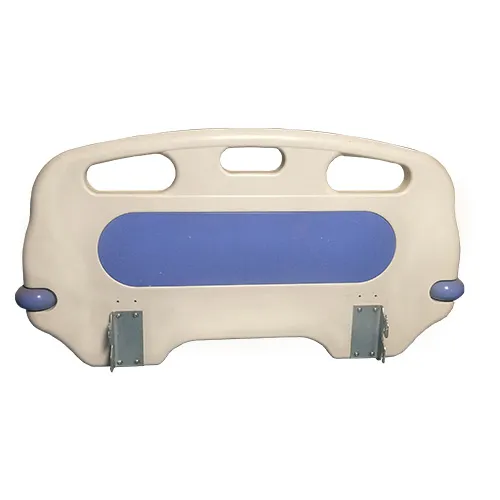
These specialized components primarily serve target industries including hospitals (general and specialized), rehabilitation centers, long-term care facilities, and medical equipment manufacturers. The advantages are clear: superior precision, extended service life, energy saving (indirectly, through reduced friction and reliable movement on `resus trolley equipment`), and exceptional corrosion resistance, critical for environments with frequent sterilization and exposure to bodily fluids.
Technical Specifications: Medical and Surgical Accessories Fender Wheel Head Board
The fender wheel head board is a critical component designed to protect medical equipment and facility infrastructure from damage caused by impact, while also ensuring smooth and safe mobility. Below are typical technical specifications for a high-performance unit, vital for `walking support` devices and hospital beds alike:
| Parameter | Specification | Measurement Unit |
|---|---|---|
| Material (Fender) | High-density ABS/Polypropylene (impact-resistant, chemical-resistant) | N/A |
| Material (Bracket/Housing) | Medical-grade Stainless Steel (304/316L) or Aluminum Alloy | N/A |
| Wheel Diameter | 75mm, 100mm, 125mm (common options) | mm |
| Mounting Type | Stem (threaded/grip ring), Plate (fixed/swivel) | N/A |
| Load Capacity per Unit | 50 kg - 150 kg (depending on wheel diameter and design) | kg |
| Braking Mechanism | Total lock (wheel and swivel), Directional lock | N/A |
| Bearing Type | Precision ball bearings (sealed for hygiene) | N/A |
| Compliance Standards | ISO 13485, CE (Medical Device Directive), FDA (where applicable) | N/A |
| Operating Temperature Range | -20°C to +80°C | °C |
| Chemical Resistance | Resistant to common hospital disinfectants and cleaning agents | N/A |
These detailed specifications ensure that the fender wheel head board performs reliably in demanding clinical environments, offering superior protection and mobility for various types of medical supplies and equipment.
Application Scenarios for Medical and Surgical Accessories
The versatility and robust design of specialized medical supplies like the fender wheel head board make them indispensable across a wide array of healthcare settings. Their primary function is to enhance mobility, ensure patient safety, and protect costly equipment and infrastructure.
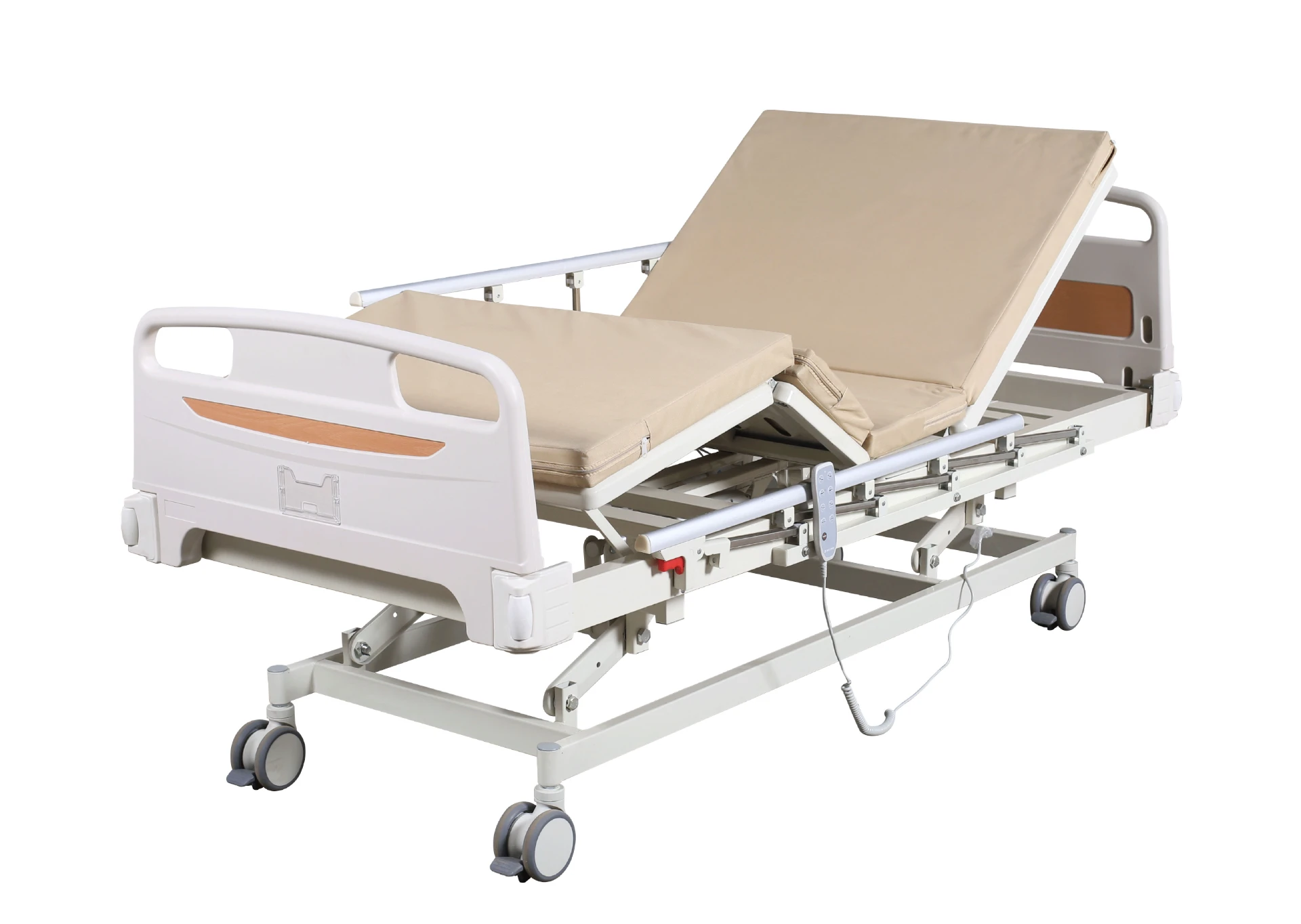
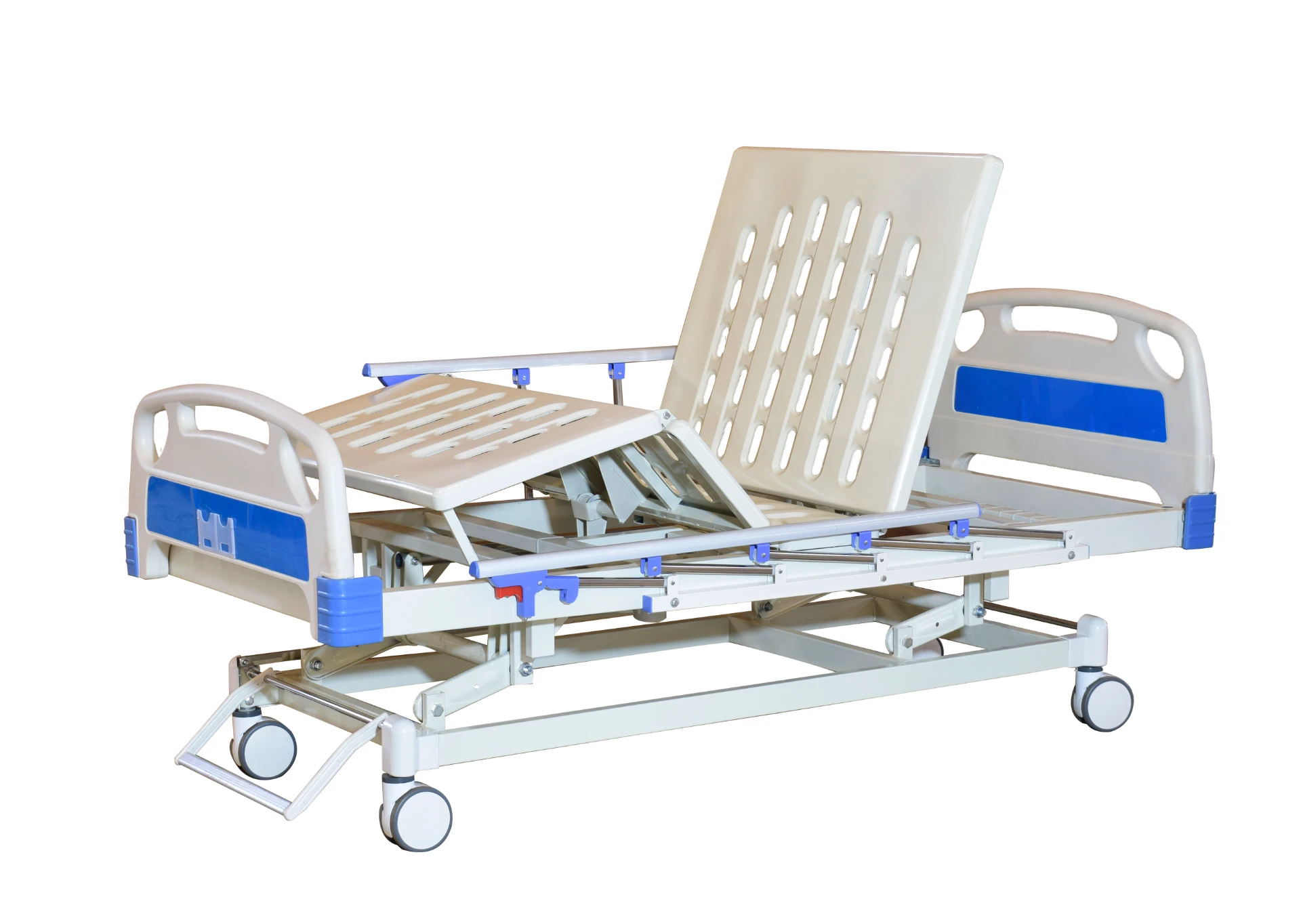
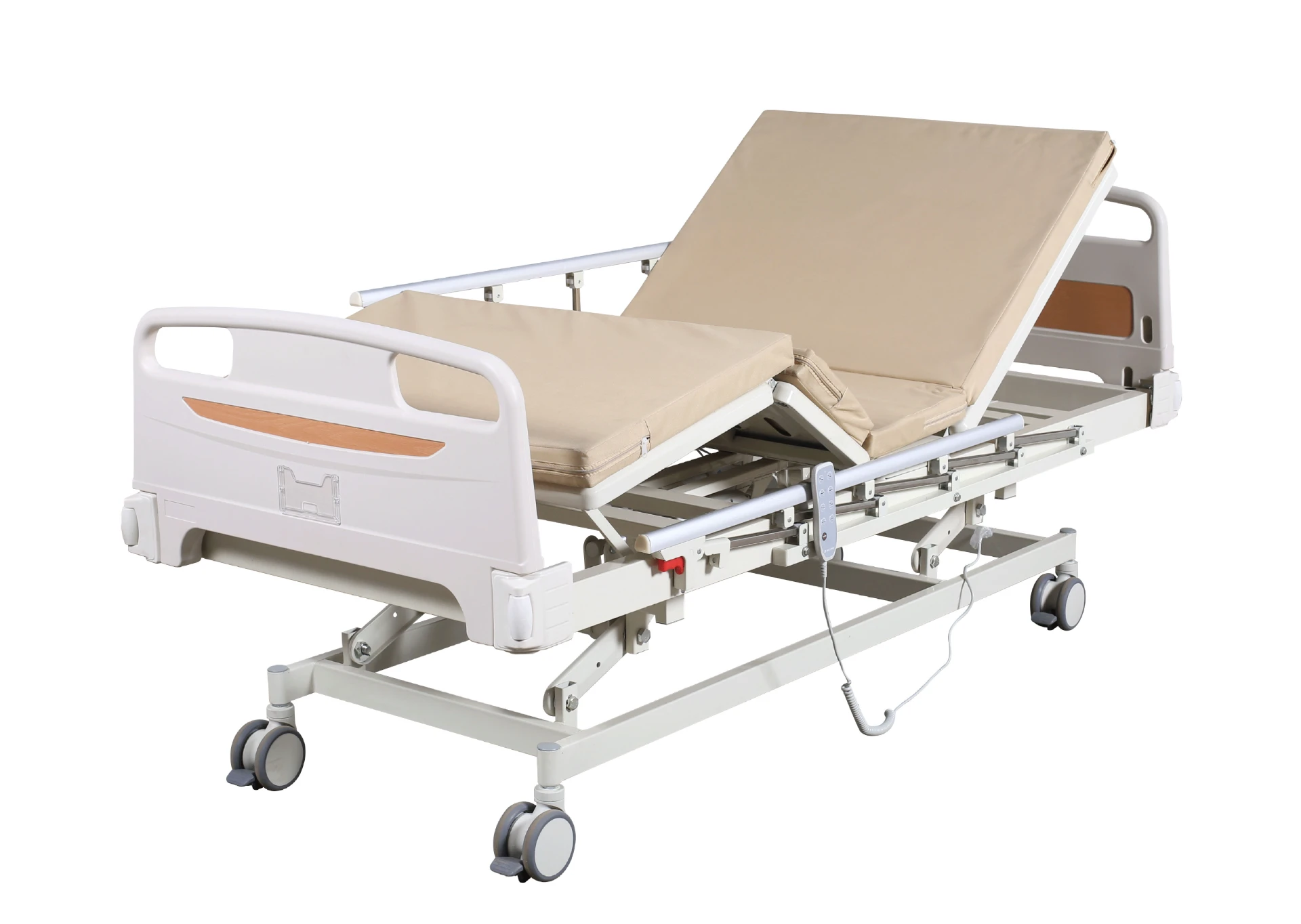
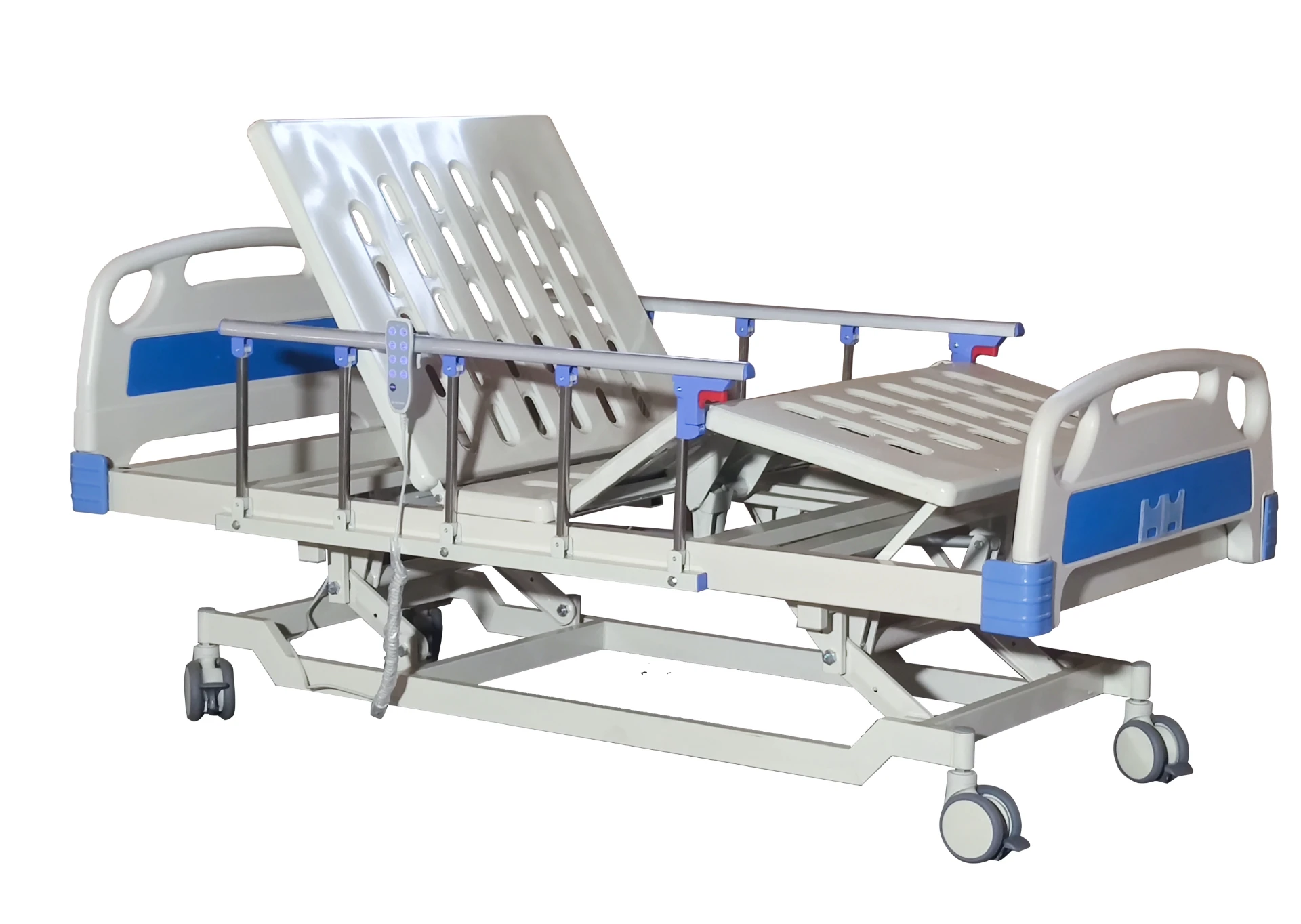
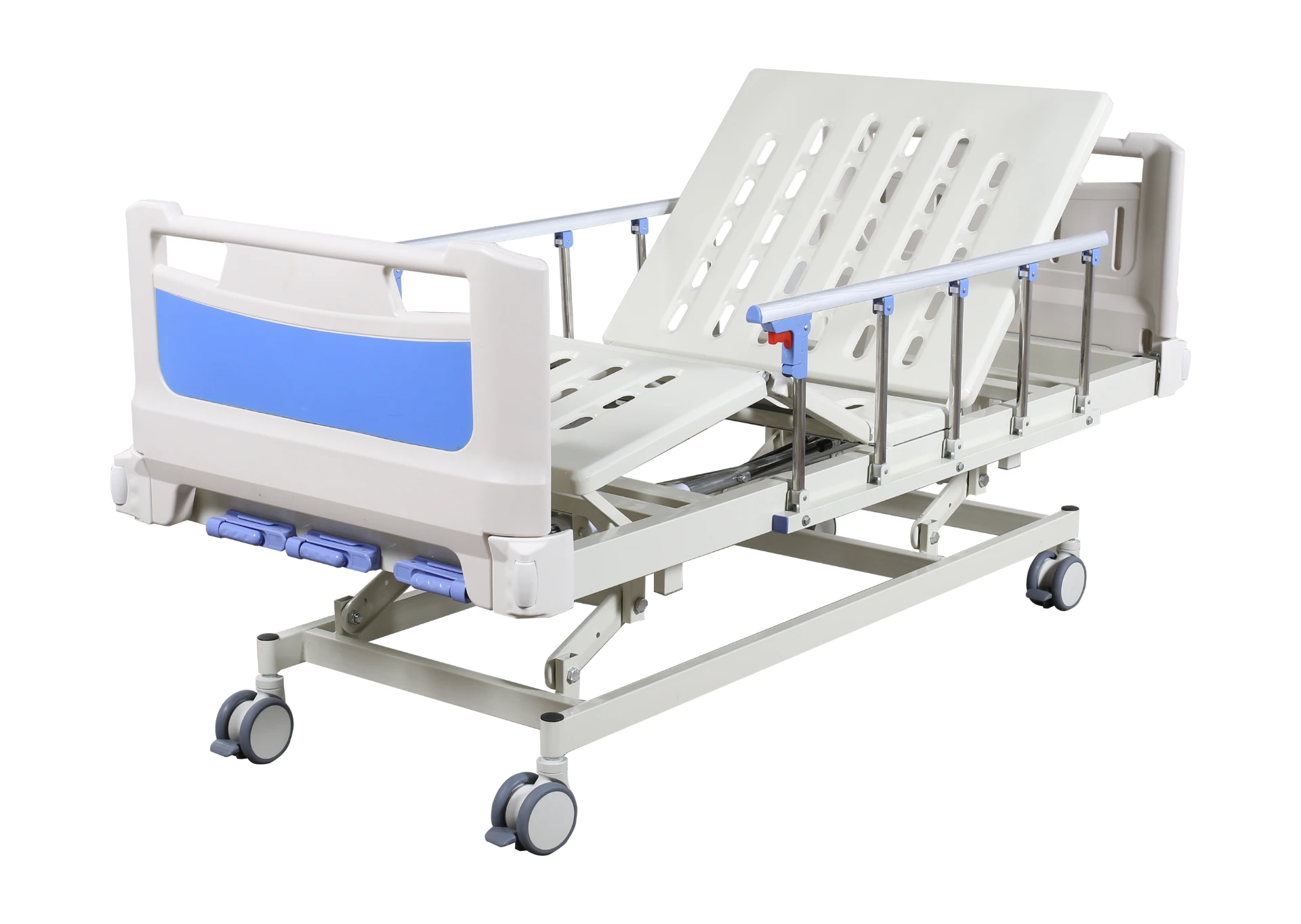
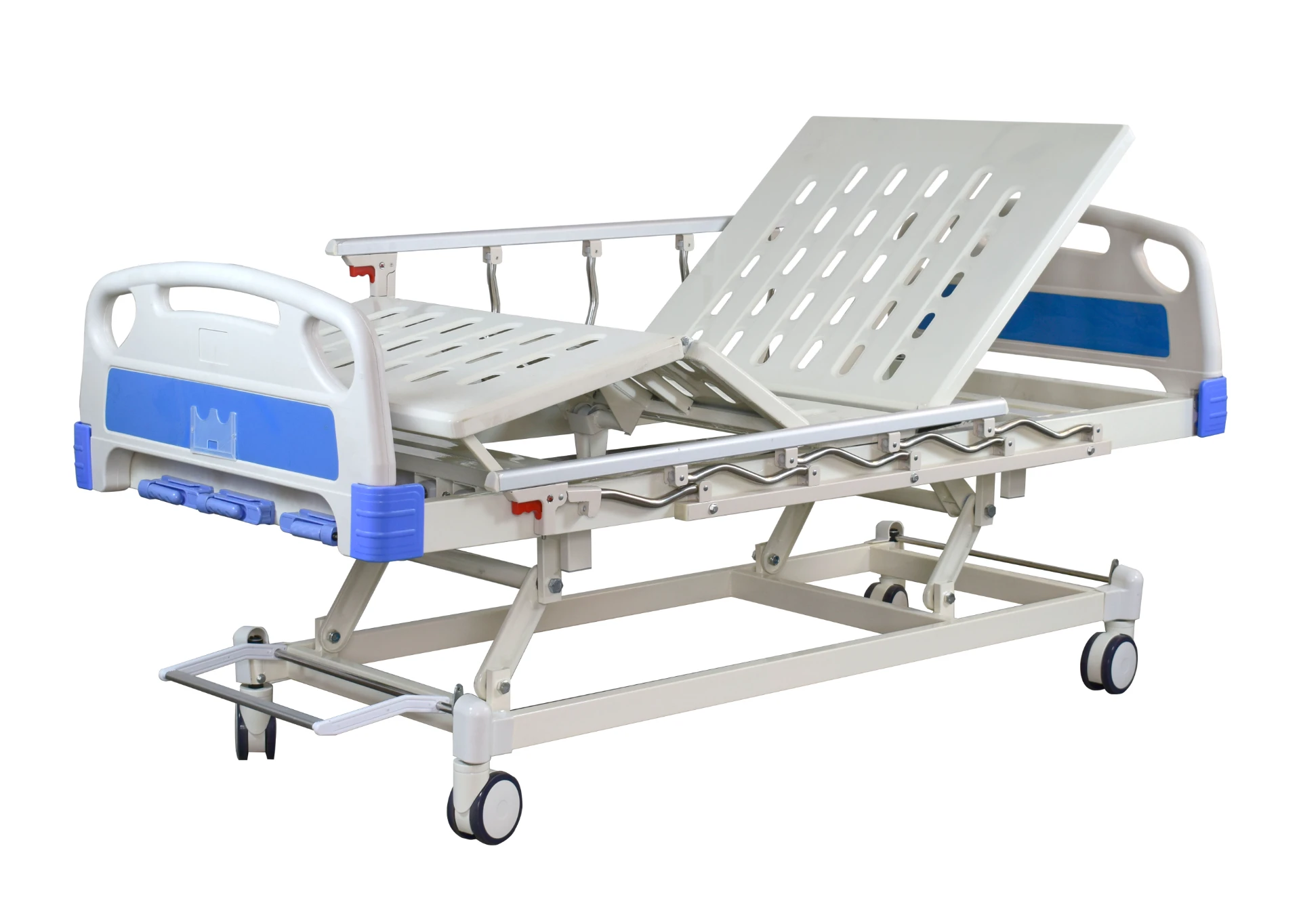
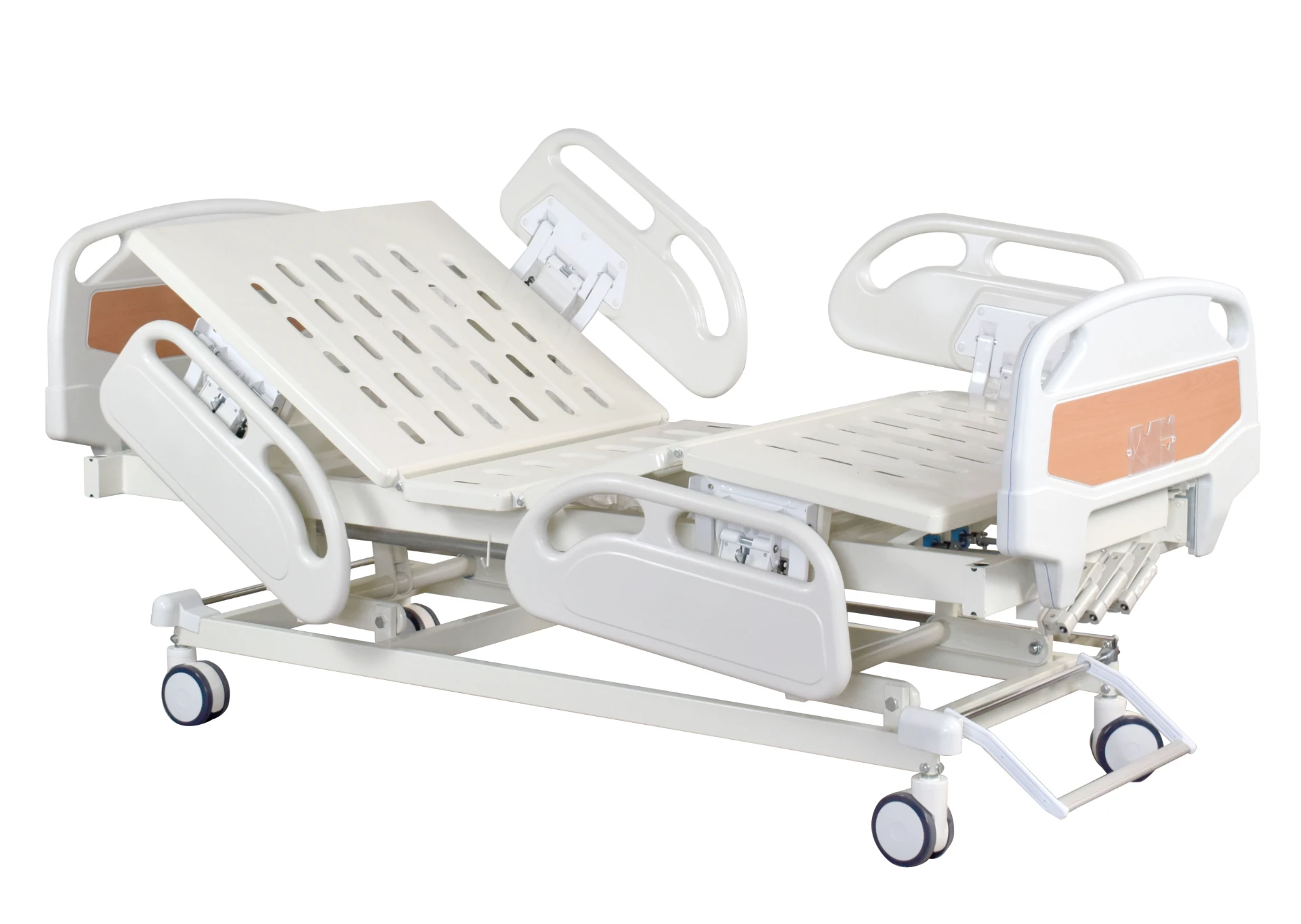
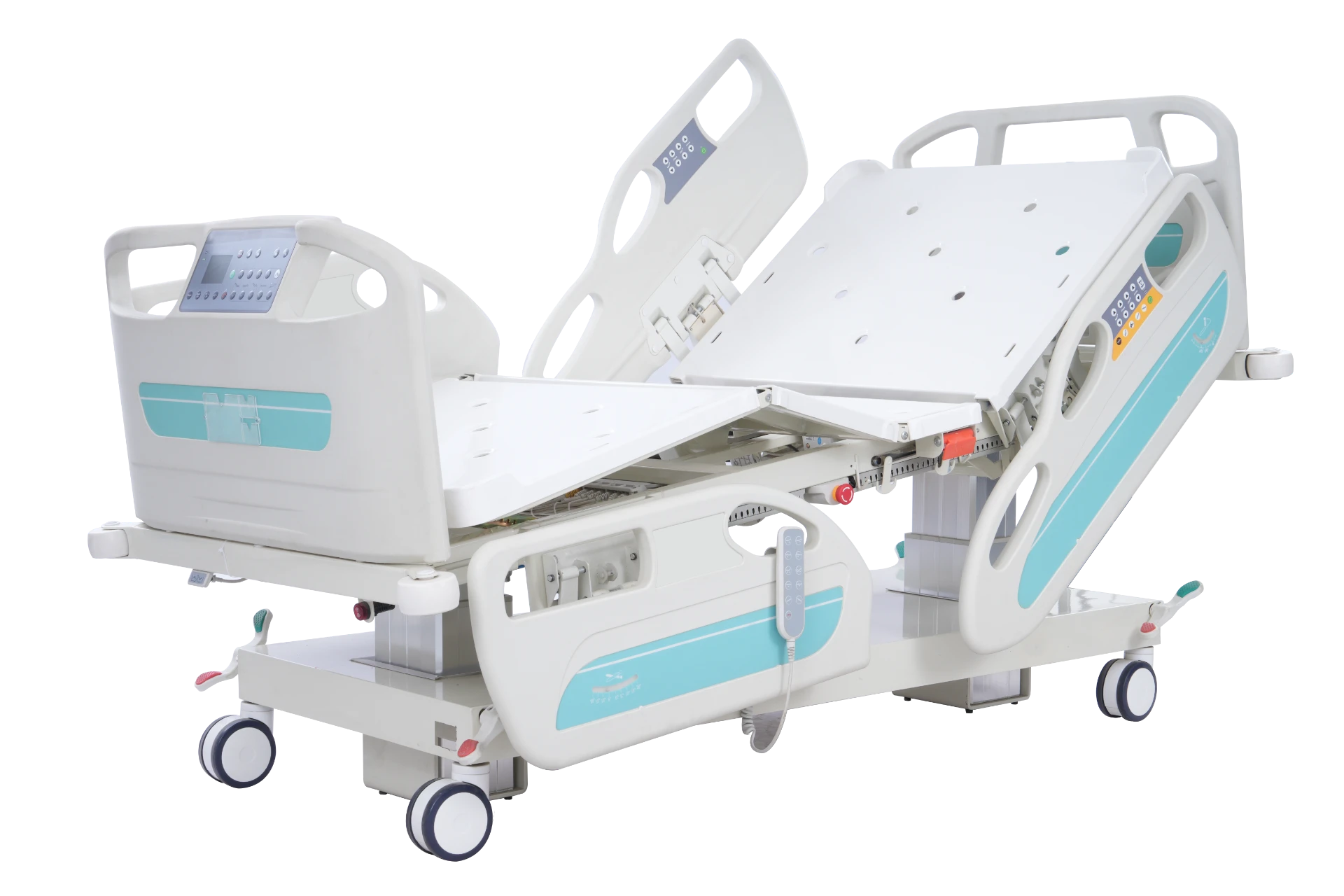
- Hospital Beds & Stretchers: These components are vital for the smooth, quiet, and safe movement of hospital beds and patient stretchers. The fender wheel protects walls, doorframes, and other furniture from impacts during transport, while the casters ensure effortless maneuverability in crowded corridors.
- `Resus Trolley Equipment` & Crash Carts: Critical for emergency response, `resus trolley equipment` demands highly reliable and agile casters. The fender wheel head board provides crucial shock absorption and wall protection, ensuring rapid and damage-free deployment in high-stakes situations.
- IV Stands & Infusion Pumps: Mobility is key for these devices, which often accompany patients during transport or are moved frequently within wards. Durable casters with protective fenders prevent damage to the equipment itself and surrounding areas.
- Operating Room (OR) Equipment: Anesthesia machines, surgical instrument trolleys, and mobile imaging units all rely on specialized casters for precise positioning and smooth movement within sterile environments. The fender protects these expensive devices from accidental bumps.
- `Walking Support Stand` & Patient Mobility Aids: High-quality casters are essential for `walking support stand` devices, ensuring stability, ease of movement, and patient confidence. The protective element helps prevent damage to walls in rehabilitation areas. This extends to other `physical rehab supplies` where mobility and protection are required.
- Laboratory & Pharmacy Carts: Secure and mobile transport of sensitive lab samples, medications, and equipment is crucial. Fender wheels protect valuable contents and laboratory furniture from impacts during movement.
- Specialized `Rehab Supplies` Equipment: From therapeutic chairs to exercise machines designed for rehabilitation, robust and smooth-rolling casters equipped with fenders ensure longevity of the equipment and safety of the patient environment.
- Long-Term Care Facilities & Assisted Living: In environments where residents frequently use mobility aids and staff move various equipment, fender wheels significantly reduce wear and tear on infrastructure and devices, including items like `summer portable potty` units which require frequent, gentle repositioning.
In each of these scenarios, the integration of advanced medical supplies like these specialized components not only improves operational efficiency and reduces maintenance costs but, more importantly, enhances the safety and comfort of patients and healthcare providers.
Technical Advantages of High-Quality Medical Components
Investing in superior medical supplies, particularly precision-engineered components, yields significant technical advantages that translate directly into operational benefits and enhanced patient care.
- Unmatched Durability & Longevity: Constructed from medical-grade materials such as 316L stainless steel and high-impact polymers, these components resist wear, tear, and deformation even under continuous heavy use. This extends the service life of the entire piece of equipment, reducing replacement costs and downtime for critical `resus trolley equipment`.
- Superior Corrosion Resistance: Essential for environments requiring frequent sterilization and exposure to aggressive cleaning agents and bodily fluids. Passivated stainless steel and chemically resistant polymers ensure the components maintain structural integrity and hygienic surfaces over time.
- Precision Engineering for Smooth Operation: Meticulous manufacturing processes, including CNC machining and high-tolerance injection molding, result in components with exact dimensions and minimal friction. This ensures smooth, quiet, and effortless movement, which is crucial for patient comfort and staff efficiency when handling `walking support` devices or transferring patients.
- Enhanced Safety & Stability: Robust designs and high load capacities prevent structural failure under stress. Advanced braking mechanisms provide reliable stopping power and secure positioning, paramount for patient safety in hospital beds, `walking support stand` equipment, and other `physical rehab supplies`.
- Optimal Hygiene & Sterilization Compatibility: Non-porous surfaces, sealed bearings, and designs that minimize crevices prevent bacterial growth and facilitate thorough cleaning and sterilization. This is a non-negotiable advantage in maintaining sterile environments.
- Reduced Maintenance & Total Cost of Ownership (TCO): The inherent durability and resistance to environmental factors mean less frequent maintenance and fewer replacements. This translates into significant long-term cost savings and improved operational uptime for medical facilities.
- Ergonomic Design & User-Friendliness: Components are designed with the end-user in mind, facilitating easier maneuverability, quick adjustments, and intuitive locking mechanisms, thereby reducing physical strain on healthcare staff.
- Energy Saving (Indirect): While not directly consuming energy, the low friction and smooth operation of high-quality casters reduce the effort required to move heavy medical equipment. This indirect "energy saving" comes from increased efficiency and reduced physical strain on staff.
These technical advantages underscore why selecting premium medical supplies components is not merely a matter of compliance but a strategic decision that impacts the overall quality of care, operational efficiency, and financial viability of healthcare institutions.
Vendor Comparison and Selection Criteria
Choosing the right vendor for specialized medical supplies requires a thorough evaluation beyond just price. B2B decision-makers must consider a holistic range of factors to ensure reliability, compliance, and long-term value.
| Criterion | High-Value Vendor Profile | Risk of Low-Cost Alternatives |
|---|---|---|
| Quality & Materials | Uses certified medical-grade raw materials (e.g., 316L SS, specific polymers), precision manufacturing processes. | Lower grade materials prone to corrosion, fatigue, and premature failure, leading to frequent replacements. |
| Certifications & Compliance | ISO 13485, CE marking, FDA registration (where applicable), material traceability. | Lack of essential certifications, potential non-compliance leading to legal and safety issues. |
| Technical Expertise & R&D | Strong engineering team, R&D investment, ability to offer custom solutions and technical support. | Limited technical understanding, inability to innovate or provide tailored solutions, poor support. |
| Customization Capabilities | Flexible manufacturing, willingness to adapt designs, materials, and features to specific client needs. | Standardized products only, unable to meet unique requirements for `rehab supplies` or `resus trolley equipment`. |
| Lead Time & Fulfillment | Reliable production schedules, efficient logistics, clear communication on delivery timelines. | Inconsistent delivery, long delays, impacting project timelines and operational continuity. |
| Warranty & After-Sales Support | Comprehensive warranty, responsive technical support, readily available spare parts. | Limited or non-existent warranty, poor support, leading to higher repair/replacement costs. |
| Industry Experience & Reputation | Years of service in the medical sector, strong client testimonials, established partnerships. | Newer entrant with unproven track record, lack of understanding of specific medical requirements. |
A reputable vendor of medical supplies will not only meet these criteria but also demonstrate transparency, proactive communication, and a deep understanding of specific application demands, whether for a `walking support stand` or high-performance operating theatre equipment.
Customized Solutions for Specialized Medical Applications
Recognizing that standard components may not always meet the unique and evolving demands of specialized medical equipment, many leading manufacturers of medical supplies offer comprehensive customized solutions. This flexibility is crucial for innovators and manufacturers seeking to differentiate their products or address niche market requirements.
- Tailored Dimensions and Load Capacities: Custom caster sizes, wheel diameters, and bracket configurations can be engineered to fit precise equipment specifications, ensuring optimal stability and maneuverability for devices ranging from pediatric `walking support` frames to bariatric patient lifts.
- Material Adaptations: For extreme environments or specific biocompatibility requirements, alternative medical-grade materials (e.g., specific grades of stainless steel, PEEK, PTFE) can be integrated, enhancing chemical resistance, temperature tolerance, or electrical properties.
- Specialized Coatings and Finishes: Beyond standard passivation, bespoke coatings can be applied for enhanced antimicrobial properties, anti-static discharge, or specific aesthetic integration with high-end `physical rehab supplies` or surgical devices.
- Integrated Sensor Technology: While a fender wheel head board itself is mechanical, it can be designed to seamlessly integrate with equipment featuring load sensors, position encoders, or battery charging systems, supporting the broader trend of smart medical devices.
- Unique Braking and Locking Mechanisms: Custom brake designs, pedal configurations, or even electro-magnetic locking systems can be developed to meet specific safety protocols or operational workflows, particularly for `resus trolley equipment` where quick, secure immobilization is critical.
- Ergonomic & Aesthetic Modifications: Design elements like handle shapes, color coding, or branding integration can be customized to improve user experience and align with overall product branding, an important consideration even for utilitarian `summer portable potty` designs.
A strong partnership with a manufacturing expert allows medical device companies to leverage extensive engineering capabilities, accelerating product development cycles and ensuring that bespoke components meet the most stringent performance and regulatory requirements. This collaborative approach fosters innovation and delivers truly optimized solutions for complex healthcare challenges.
Application Case Studies: Impact of Premium Medical Components
The tangible benefits of high-quality medical supplies are best illustrated through real-world applications. These case studies highlight how superior components contribute to operational excellence and patient outcomes.
Case Study 1: Enhancing Mobility in a Large Metropolitan Hospital
A leading metropolitan hospital faced persistent issues with the casters on their patient beds and medical carts. Frequent replacements due to corrosion, bearing failure, and insufficient load capacity led to increased maintenance costs and operational disruptions. Upon upgrading to premium fender wheel head boards with medical-grade stainless steel components and precision ball bearings, the hospital observed a significant reduction in caster-related failures by over 70% within the first year. The enhanced maneuverability of beds and `resus trolley equipment` improved response times during emergencies, and the integrated fender protection drastically reduced wall and doorframe damage, saving considerable repair costs annually. Staff reported reduced physical strain, demonstrating the indirect energy saving from smoother motion.
Case Study 2: Improving Safety and Durability in Rehabilitation Centers
A network of rehabilitation centers required robust and reliable components for their `walking support stand` devices and specialized `physical rehab supplies`. Previous standard casters often jammed or developed excessive play, posing safety risks to patients and hindering therapy progress. By implementing customized, heavy-duty casters with reinforced fender wheel head boards, the centers achieved superior stability and smooth directional control. Patient feedback highlighted increased confidence during therapy sessions, and therapists noted the improved ease of adjusting and moving equipment. The superior durability of the new components also led to an extended service life for the `rehab supplies`, reducing overall expenditure on equipment upkeep.
Case Study 3: Optimized Hygiene for Niche Medical Devices
A manufacturer specializing in `summer portable potty` units and other personal hygiene aids for long-term care facilities sought components that could withstand aggressive cleaning chemicals and repeated sterilization cycles without degradation. Generic casters rapidly deteriorated, compromising hygiene and structural integrity. Collaborating with a specialized `medical supplies` vendor, they integrated casters featuring electropolished stainless steel brackets and chemical-resistant polymer wheels. This customization ensured complete compatibility with their strict cleaning protocols, extended the product’s lifecycle, and maintained the highest standards of hygiene for sensitive patient care items.
These instances underscore that investing in high-quality components for `medical supplies` is a strategic decision that pays dividends in operational efficiency, patient safety, and long-term cost-effectiveness.
Ensuring Trustworthiness: FAQs, Lead Time, Warranty, and Support
Building trust in the B2B medical supplies sector requires transparency, clear commitments, and robust support systems. Our approach focuses on providing comprehensive information and reliable services.
Frequently Asked Questions (FAQs)
- Q1: What certifications do your medical components hold?
- A1: Our components are manufactured under an ISO 13485 certified Quality Management System. Specific products may also carry CE marking (Medical Device Directive) and comply with relevant FDA regulations, ensuring global market acceptance and safety standards for all medical supplies.
- Q2: How do you ensure the compatibility of components with existing medical equipment?
- A2: We offer detailed technical drawings and specifications. For custom orders, our engineering team works closely with clients to ensure seamless integration, considering mounting types, load capacities, and environmental factors specific to equipment like `resus trolley equipment` or `walking support stand` devices.
- Q3: What are the cleaning and sterilization requirements for your components?
- A3: Our components are designed with non-porous surfaces and medical-grade materials to withstand common hospital disinfectants and sterilization methods such as autoclaving (steam), ethylene oxide (ETO), or gamma irradiation, as per material specifications. Detailed cleaning guidelines are provided with each product.
- Q4: Can you provide data on the service life and durability of your fender wheel head boards?
- A4: Yes, through rigorous accelerated life testing and field performance data, our fender wheel head boards typically achieve a service life of 5-10 years under normal operating conditions. This is backed by materials testing for fatigue resistance and corrosion. This durability is critical for `physical rehab supplies` that see constant use.
Lead Time and Fulfillment
We understand the critical nature of timely delivery in the medical sector. Our optimized manufacturing processes and robust supply chain allow for efficient order fulfillment. Standard components typically have a lead time of 2-4 weeks. Custom-engineered solutions may require 6-10 weeks, depending on complexity and material sourcing. We maintain clear communication throughout the order process, providing regular updates to ensure transparency and reliability for all medical supplies.
Warranty Commitments
All our medical supplies components, including fender wheel head boards, are backed by a comprehensive 2-year manufacturer's warranty against defects in materials and workmanship. This warranty reflects our confidence in the quality and durability of our products, ensuring peace of mind for our clients. Full terms and conditions are available upon request.
Customer Support
Our dedicated customer support team is available to assist with technical inquiries, product selection, order status, and after-sales service. We offer expert guidance to ensure our clients select the most suitable `medical supplies` for their specific applications, providing unparalleled support from initial consultation through to post-installation.
Conclusion: Advancing Healthcare with Superior Medical Supplies
The continuous pursuit of excellence in medical supplies is paramount for the advancement of healthcare. As demonstrated, components like the medical and surgical accessories fender wheel head board are not mere accessories but foundational elements that ensure the safety, efficiency, and longevity of critical medical equipment. From the meticulous selection of medical-grade materials and precision manufacturing processes (casting, forging, CNC machining) to rigorous testing against ISO and ANSI standards, every step is designed to deliver unparalleled performance. The clear technical advantages—including superior corrosion resistance, exceptional durability, and ergonomic design—directly contribute to improved patient care and reduced operational costs across diverse applications, from `walking support` systems and `rehab supplies` to complex `resus trolley equipment`.
By prioritizing factors such as certified quality, customization capabilities, reliable lead times, and robust after-sales support, healthcare institutions and medical device manufacturers can forge strategic partnerships with vendors that truly understand the stringent demands of the industry. The commitment to delivering high-quality, trustworthy medical supplies underpins not only regulatory compliance but also the ethical imperative to provide the best possible care. This comprehensive approach ensures that every component plays its vital role in creating a safer, more efficient, and more advanced healthcare ecosystem for all.
References
- International Organization for Standardization (ISO). ISO 13485:2016 Medical devices — Quality management systems — Requirements for regulatory purposes.
- U.S. Food and Drug Administration (FDA). Medical Devices. Retrieved from FDA.gov.
- European Commission. Medical Devices Regulation (EU) 2017/745.
- ASTM International. Standard Specification for Wrought Stainless Steel for Surgical Implants. Retrieved from astm.org.
- MedTech Europe. The European Medical Technology Industry in 2023. Retrieved from medtecheurope.org.
-
Ultimate Guide to Choosing Extra Wide Waiting Room ChairsNewsApr.16,2026
-
Guide to Choosing Professional Waiting Room Chairs Wipeable SeatingNewsApr.09,2026
-
Enhance Your Space with Comfortable Wide Waiting Room ChairsNewsApr.07,2026
-
Selecting the Ideal Brown Waiting Room Chairs for a Welcoming SpaceNewsApr.04,2026
-
Choosing Comfortable Patient Waiting Room Chairs for Healthcare FacilitiesNewsMar.31,2026
-
Finding the Best Deals on Affordable and Cheap Reception Chairs for Your BusinessNewsMar.28,2026
-
Enhance Your Business Reception with Comfortable Blue Reception ChairsNewsMar.26,2026