Welcome to our websites!


Rehabilitation: Total Care Beds & Breathable Mattresses
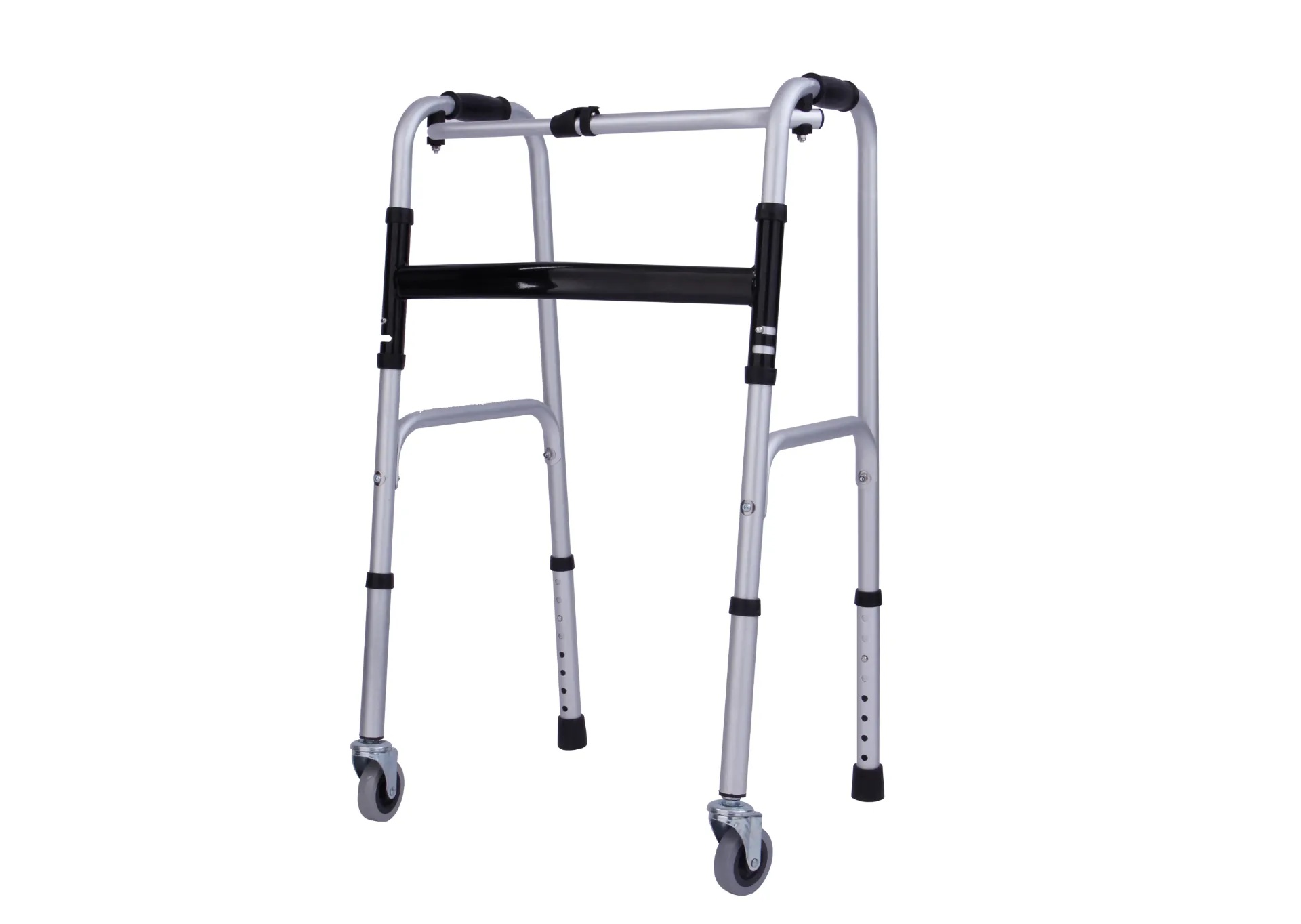
Rehabilitation Equipment Walking Aid for Home Use — Field Notes from a Pragmatic Buyer’s Guide
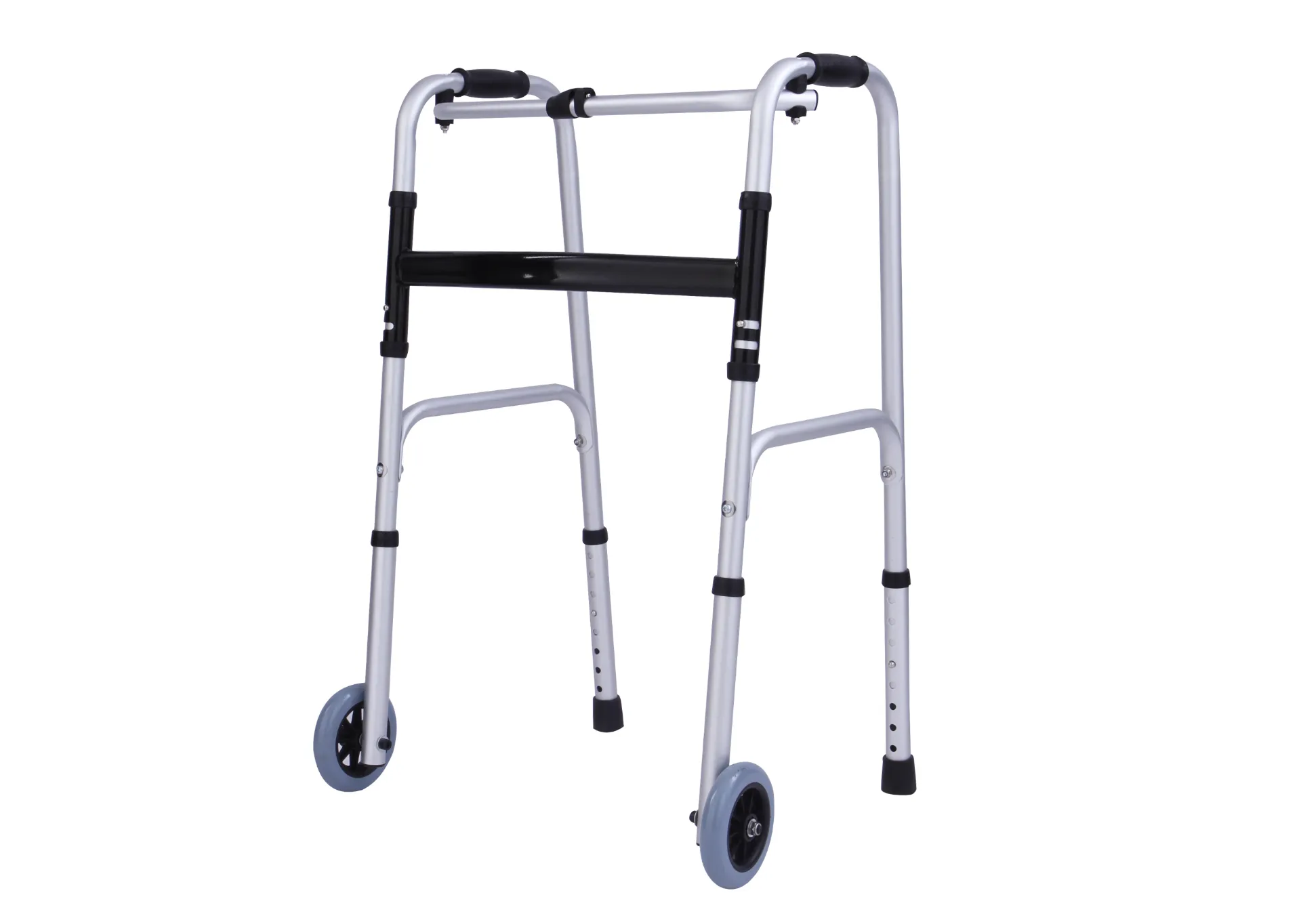
If you work in home care or have supported a parent post-surgery, you know the difference a good walker makes. In the world of Rehabilitation, small design tweaks change outcomes. This particular walker from Kaiyuan Road, Jizhou Economic Development Zone, Hengshui City, has been popping up in clinician chats I follow—so I put together what I’ve learned, plus some hands-on notes.
Industry trends (and what actually matters at home)
Broadly, home Rehabilitation gear is shifting toward lighter frames, quieter joints, and tool-free adjustability. Tele-rehab is nudging vendors to publish more test data (finally). To be honest, patients care about three things: stability, comfort, and whether it scratches the floor. This walker checks those boxes with a pragmatic, no-drama build.
Core specifications
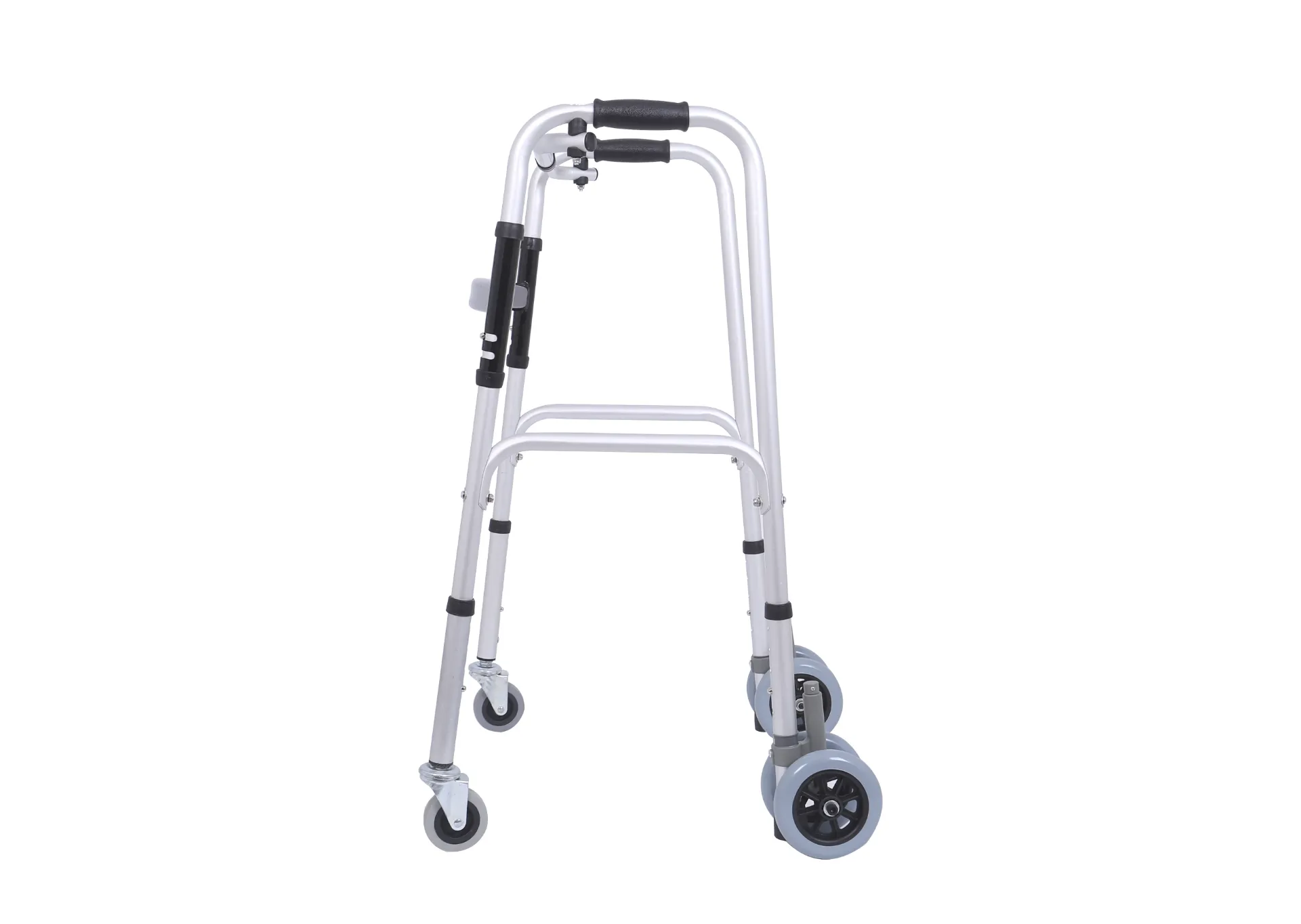
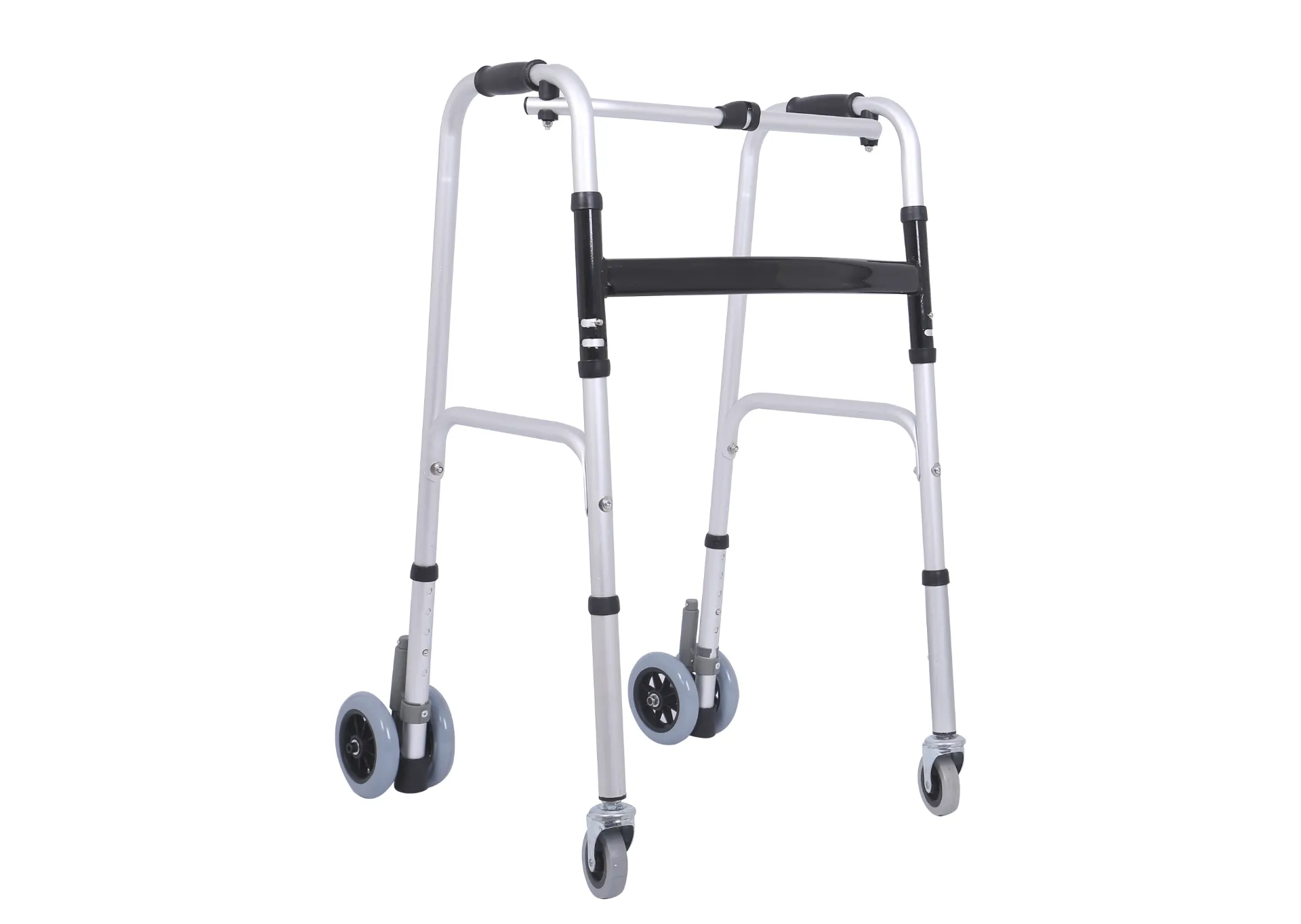
It’s a classic walker (not a rollator): light, foldable, height-adjustable. Here’s the snapshot.
| Product | Rehabilitation equipment walking aid for home use (Walker) |
| Frame material | 6061‑T6 aluminum alloy, anodized; joints with stainless steel fasteners |
| Height range | ≈ 750–940 mm (10 holes, 25 mm steps) |
| User weight rating | Up to 136 kg (300 lb) — real-world use may vary |
| Grips / tips | PP/TPR ergonomic grips; TPR anti-slip tips (Ø ≈ 35–40 mm contact) |
| Fold width | ≈ 110 mm for storage |
| Origin | Kaiyuan Road, Jizhou Economic Development Zone, Jizhou District, Hengshui City |
Process flow, testing, and service life
- Materials: 6061‑T6 tubes, precision-cut; anodized for corrosion resistance.
- Assembly: press-fit bushings, riveted crossbars, torque-checked fasteners.
- Testing standards: EN ISO 11199‑2 (rollator/walking aids), EN 12182 (general requirements); quality system aligned to ISO 13485.
- In-house test data: static load 1.5× rating for 10 min (no deformation); 50,000 cyclic stepping loads at 1 Hz; tip slip test on dry tile COF ≈ 0.60–0.65.
- Service life: ≈ 5 years with normal home use; replace tips annually or when worn.
- Industries served: home health, outpatient ortho, post-op recovery, elderly care facilities.
Where it shines (application scenarios)
Post‑hip or knee surgery, Parkinson’s early-stage gait training, and, surprisingly, long corridors in apartments where a rollator feels bulky. Many customers say it “just feels planted,” which is exactly what you want in home Rehabilitation.
- Advantages: light carry, quiet joints, tool-free height, stable stance.
- Consider: add tennis-ball sleeves or glide caps for carpeted floors (handy tip from therapists).
Vendor comparison (quick take)
| Vendor | Frame | Certs | Load | Lead time | Customization |
|---|---|---|---|---|---|
| CNBOXIN (this model) | 6061‑T6, anodized | ISO 13485 QMS, EN ISO 11199‑2 | ≈136 kg | ≈ 15–25 days | Height, grips, color, logo |
| Vendor A (generic import) | 6000-series, painted | Basic CoC | ≈100 kg | 7–10 days | Limited |
| Vendor B (premium brand) | 7000-series, anodized | ISO 13485, MDR/CE | ≈150 kg | 30–45 days | Broad options |
Customization and real-world feedback
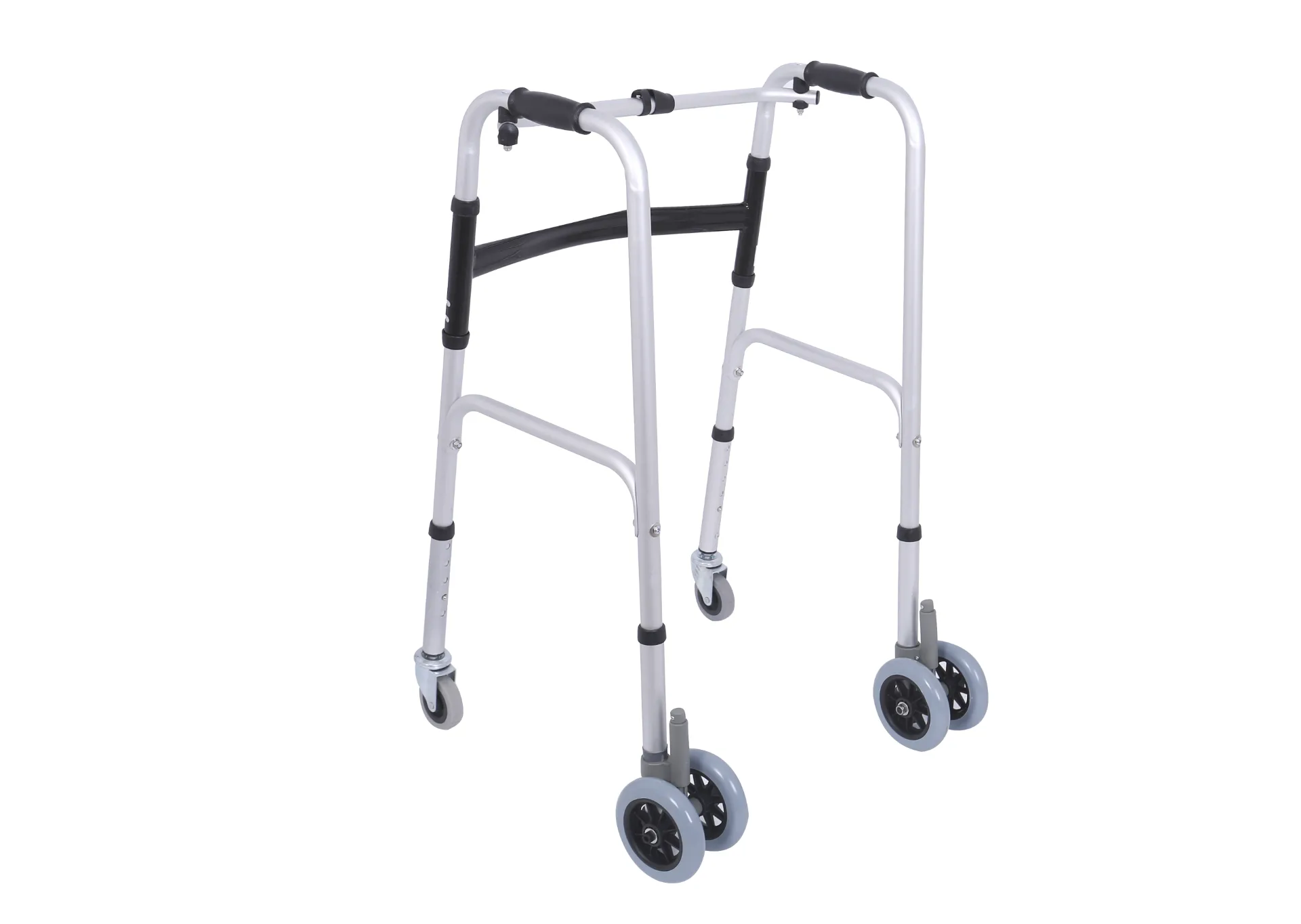
Options include color anodizing, softer grips (arthritic hands love these), and glide tips. One outpatient clinic told me they run these walkways all day; after six months, only the tips showed wear—cheap and quick to replace. That’s decent economics for home Rehabilitation programs and rental fleets.
Mini case study
A 72‑year‑old, post‑TKA, used this walker for the first 4 weeks, then stepped down to a cane. PT reported smoother sit‑to‑stand, minimal tip slip on vinyl, and “confidence improved by week two.” It’s not magic, but it’s steady. And in Rehabilitation, steady beats flashy.
Compliance, documentation, and what to ask your vendor
- Request ISO 13485 certificate, EN ISO 11199‑2 test report, and material RoHS declaration.
- Check batch traceability labels and torque records (simple, but tells you a lot).
- Ask for slip-resistance and fatigue-cycle data; make sure it matches your flooring context.
References
- EN ISO 11199‑2:2021 — Walking aids manipulated by both arms — Rollators and similar. https://www.iso.org/standard/73119.html
- EN 12182:2012 — Assistive products for persons with disability — General requirements. https://standards.cen.eu/
- ISO 13485:2016 — Medical devices — Quality management systems. https://www.iso.org/standard/59752.html
- WHO — Rehabilitation 2030 Initiative. https://www.who.int/initiatives/rehabilitation-2030
-
Ultimate Guide to Choosing Extra Wide Waiting Room ChairsNewsApr.16,2026
-
Guide to Choosing Professional Waiting Room Chairs Wipeable SeatingNewsApr.09,2026
-
Enhance Your Space with Comfortable Wide Waiting Room ChairsNewsApr.07,2026
-
Selecting the Ideal Brown Waiting Room Chairs for a Welcoming SpaceNewsApr.04,2026
-
Choosing Comfortable Patient Waiting Room Chairs for Healthcare FacilitiesNewsMar.31,2026
-
Finding the Best Deals on Affordable and Cheap Reception Chairs for Your BusinessNewsMar.28,2026
-
Enhance Your Business Reception with Comfortable Blue Reception ChairsNewsMar.26,2026