Welcome to our websites!


Premium Mobility Walking Aids: Support & Independence
Understanding the Modern Landscape of Mobility and Walking Aids
The global demand for advanced mobility walking aids is experiencing significant growth, driven by an aging population, rising chronic conditions, and an increasing focus on rehabilitation and independent living. As B2B decision-makers in the healthcare and eldercare sectors, understanding the technical evolution, application versatility, and robust manufacturing processes of these devices is crucial for strategic procurement and patient care enhancement. This article delves into the intricacies of modern mobility solutions, offering insights into their development, deployment, and impact.
The market extends beyond basic walking frames to sophisticated devices incorporating lightweight materials, ergonomic designs, and advanced safety features. This progression is not only enhancing user experience but also presenting new opportunities for healthcare providers, care homes, and specialized medical facilities to optimize operational efficiency and patient outcomes. From facilitating rehabilitation in acute care settings to enabling independent living in residential facilities, the role of high-quality mobility aids is indispensable.
Manufacturing Process of High-Quality Mobility Aids
The production of advanced mobility walking aids involves a meticulous multi-stage process designed to ensure durability, safety, and user comfort. This highly engineered sequence leverages cutting-edge manufacturing techniques and stringent quality control protocols.
- Material Selection and Sourcing: Key materials typically include aerospace-grade aluminum alloys (e.g., 6061-T6, 7075-T6 for high strength-to-weight ratio), stainless steel (e.g., 304, 316 for corrosion resistance in medical environments), and high-density polymers (e.g., ABS, Nylon for components like handles and wheels). Materials are selected based on load-bearing requirements, environmental exposure, and biocompatibility. Certificates of analysis (CoA) are verified for all incoming raw materials.
-
Component Fabrication (Casting, Forging, CNC Machining):
- Casting: For complex geometries like wheel hubs or specialized joint components, precision casting (die casting for aluminum, investment casting for steel) is employed, ensuring high dimensional accuracy and minimal material waste.
- Forging: Critical structural components, such as frame connectors or load-bearing brackets, may undergo forging to enhance grain structure, increase fatigue resistance, and improve overall mechanical properties.
- CNC Machining: High-precision components, including axles, brake mechanisms, and intricate adjusters, are produced via multi-axis CNC machining, ensuring tight tolerances and seamless integration. This stage is critical for achieving the precise fits required for smooth operation and minimal maintenance.
- Surface Treatment and Finishing: Components undergo processes such as anodization (for aluminum, enhancing corrosion resistance and aesthetics), powder coating (for steel, providing a durable, hygienic finish), and electro-polishing (for stainless steel, improving surface smoothness and cleanability). These treatments are crucial for longevity, ease of sanitization, and compliance with medical device standards.
- Assembly and Integration: Highly trained technicians assemble the various components, utilizing advanced welding techniques (e.g., TIG welding for aluminum frames) and precision fastening. Sub-assemblies like braking systems, seating, and adjustable mechanisms are integrated, followed by calibration checks.
-
Quality Assurance and Testing: Each unit undergoes rigorous multi-stage testing, adhering to international standards such as ISO 13485 (Medical Devices - Quality Management Systems), ISO 7176 (Wheelchairs - comprehensive range of tests), and ANSI/RESNA (Rehabilitation Engineering and Assistive Technology Society of North America) standards.
- Load Bearing Tests: Static, dynamic, and fatigue tests simulate long-term usage under maximum rated loads.
- Brake System Performance: Evaluation of braking efficiency, consistency, and durability.
- Corrosion Resistance: Salt spray tests for components exposed to various environments.
- Durability and Service Life: Cycle testing to predict operational lifespan, ensuring a minimum service life of 5-10 years under typical usage conditions for professional-grade devices.
- Final Inspection and Packaging: A final comprehensive inspection verifies all functionalities, aesthetics, and compliance documentation before sterile packaging and shipment.
Target industries benefiting from these robust manufacturing standards include healthcare (hospitals, clinics), eldercare (care homes, assisted living facilities), and rehabilitation centers. The emphasis on high-quality materials and processes results in devices offering significant advantages, such as enhanced user safety, extended service life, reduced maintenance, and improved infection control due to durable, easy-to-clean surfaces. This meticulous process ensures that each device, from a basic walker to a complex manual wheelchair, provides optimal performance and reliability in demanding medical environments.
Current Industry Trends in Mobility Solutions
The landscape of mobility walking aids is continually evolving, driven by technological advancements, demographic shifts, and changing healthcare paradigms. Several key trends are shaping product development and market demand:
- Lightweight and Durable Materials: There's a persistent push towards ultra-lightweight yet robust materials like carbon fiber composites and advanced aluminum alloys. This reduces user effort, improves transportability, and prolongs product lifespan.
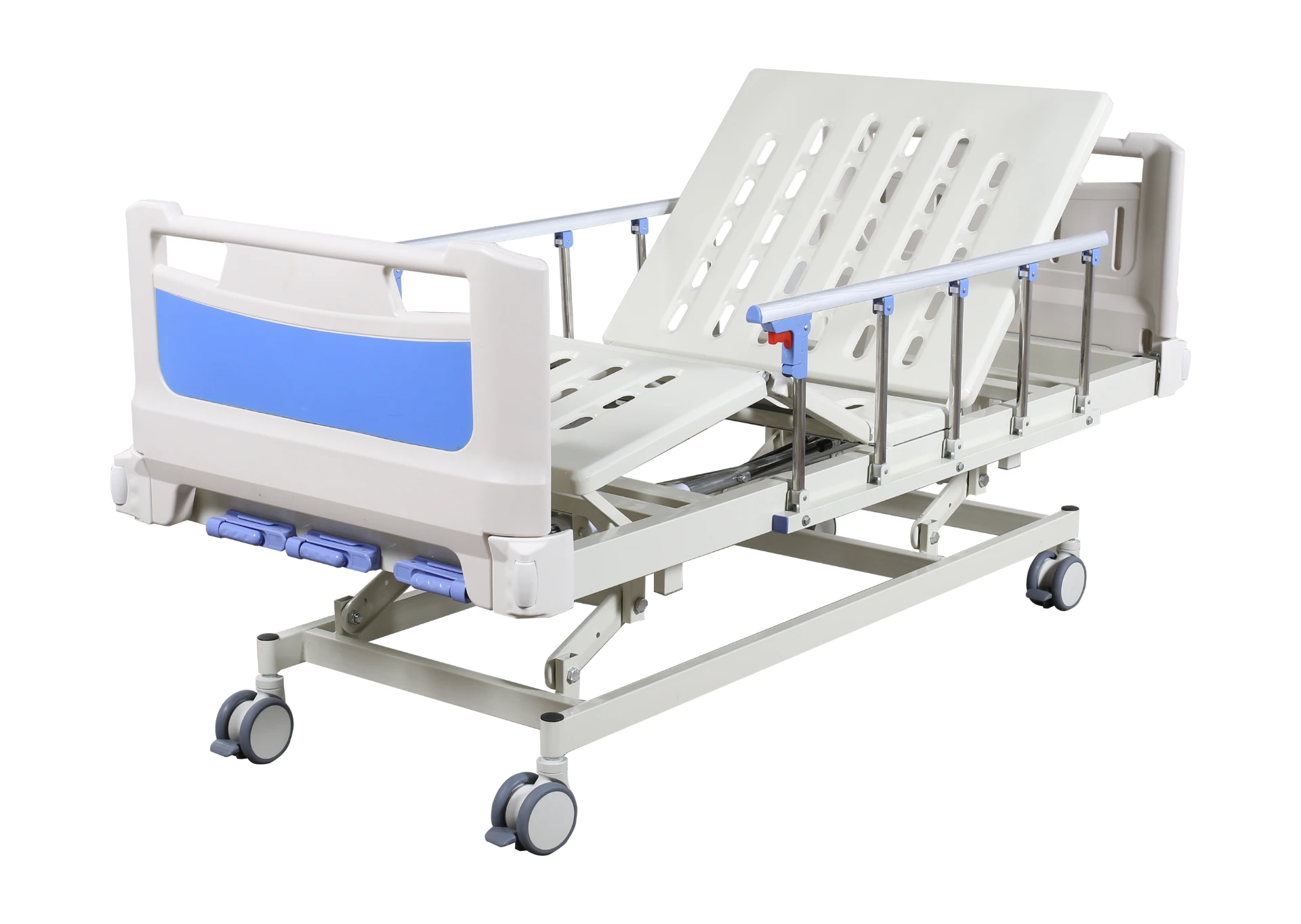
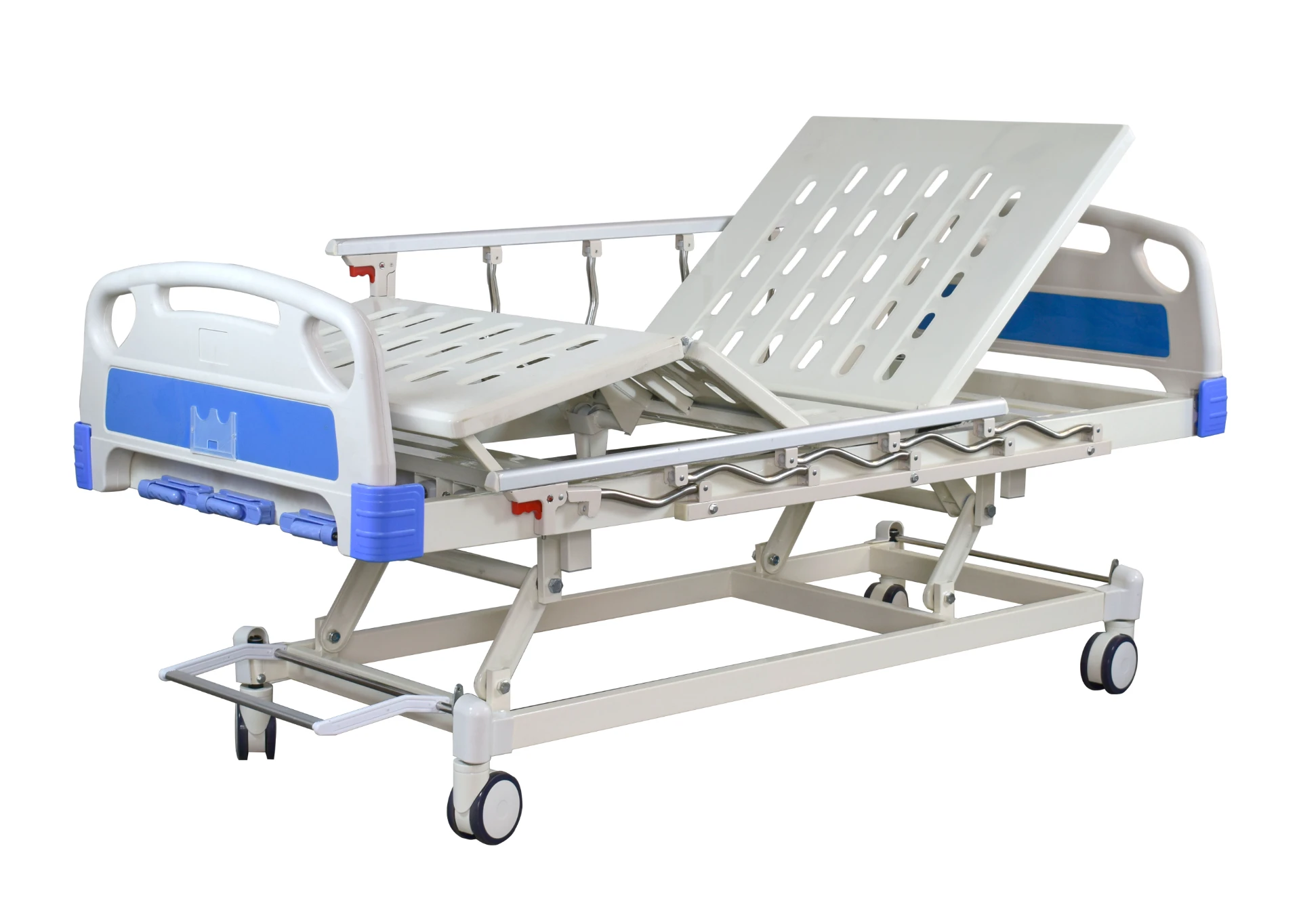
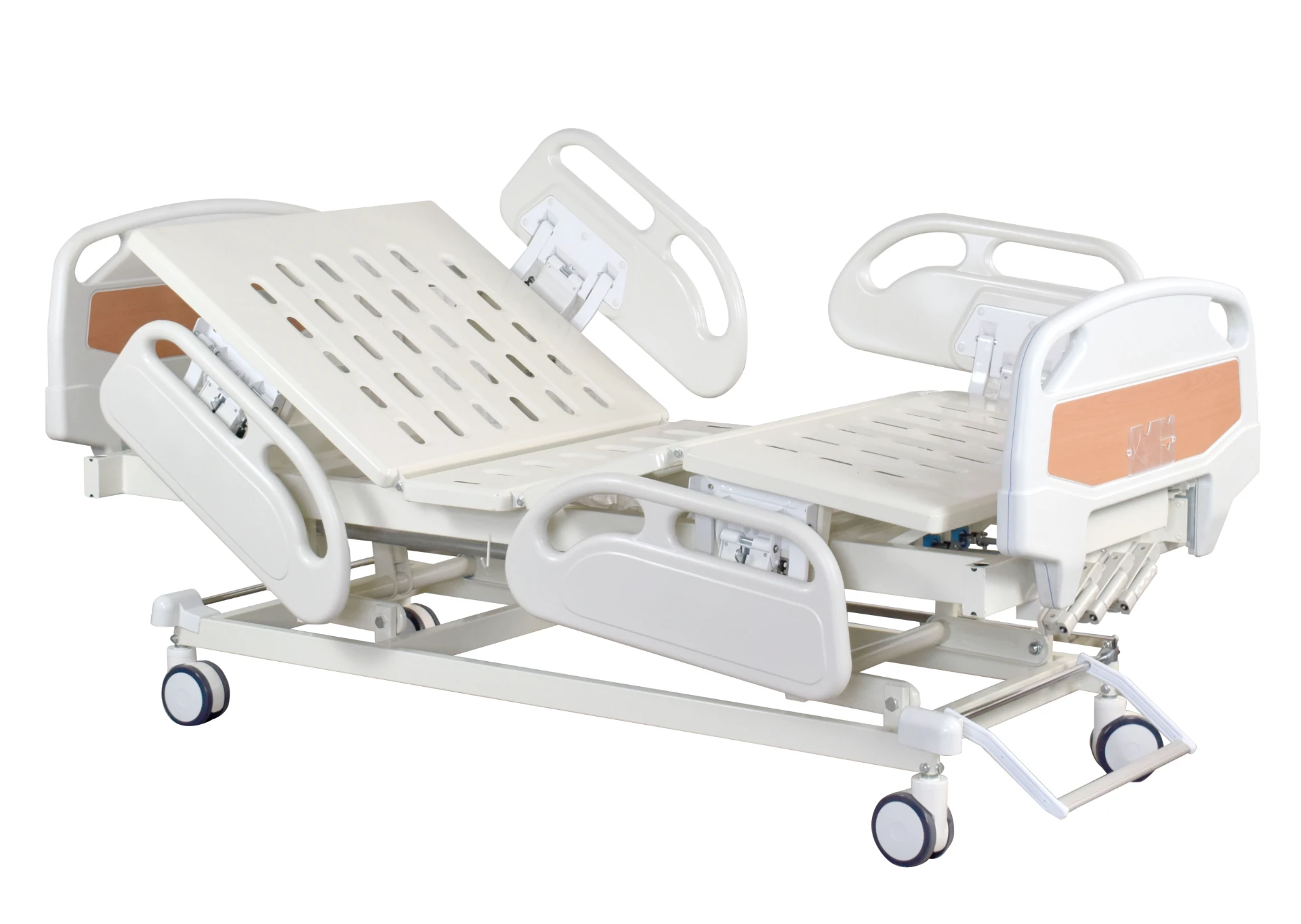
- Ergonomic and User-Centric Design: Manufacturers are prioritizing designs that offer superior adjustability, comfort, and intuitive operation. Features like adjustable seat heights, ergonomic handgrips, and easily deployable braking systems are becoming standard. This extends to specialized equipment such as care home beds and semi floor bed models, where patient comfort and caregiver ergonomics are paramount.
- Integration of Smart Technologies: While less common in basic manual aids, higher-end mobility devices are starting to integrate sensors for fall detection, GPS tracking, and even connectivity for remote monitoring, aligning with the broader trend of smart health devices.
- Enhanced Safety Features: Advanced braking systems, anti-tip mechanisms, and reflective elements are becoming standard, reflecting a commitment to minimizing accident risks. This also applies to critical transport solutions like ambulance beds, where safety during transit is non-negotiable.
- Specialization for Diverse Needs: The market is seeing greater specialization, with products tailored for specific conditions (e.g., bariatric solutions, pediatric aids), environments (e.g., outdoor rough terrain models), or patient groups (e.g., bariatric icu bed manual systems). Even maternity beds are seeing innovations in mobility features post-delivery.
- Sustainability and Recyclability: A growing focus on environmentally friendly manufacturing processes and materials that can be recycled or are sustainably sourced is influencing product design and material choice.
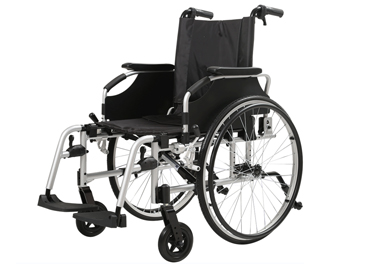
Figure 1: High-performance manual wheelchair demonstrating ergonomic design and durable construction.
Technical Specifications: Manual Wheelchair BX-WMA02
The Manual Wheelchair BX-WMA02 exemplifies modern engineering in mobility walking aids, combining robust construction with user-centric design. Its specifications highlight performance and durability critical for demanding institutional use.
| Parameter | Specification |
|---|---|
| Model | BX-WMA02 |
| Frame Material | High-Strength Aluminum Alloy (Aviation Grade) |
| Seat Width | 46 cm (18 inches) - Standard |
| Seat Depth | 40 cm (15.7 inches) |
| Backrest Height | 42 cm (16.5 inches) |
| Overall Width (Open) | 66 cm (26 inches) |
| Overall Length | 103 cm (40.5 inches) |
| Overall Height | 92 cm (36.2 inches) |
| Weight Capacity | 120 kg (264 lbs) |
| Net Weight | 14.5 kg (32 lbs) |
| Front Wheels | 8-inch Solid PVC |
| Rear Wheels | 24-inch Pneumatic Rubber (Quick-Release) |
| Braking System | Push-to-lock Parking Brakes (User & Attendant) |
| Armrests | Flip-up, Detachable, Padded |
| Footrests | Swing-away, Detachable, Height Adjustable |
| Upholstery | Breathable Nylon, Fire Retardant, Easy-to-Clean |
| Certifications | ISO 13485, CE, FDA (pending) |
The selection of aviation-grade aluminum for the frame provides exceptional structural integrity while keeping the overall weight manageable, facilitating easier transportation and maneuverability. The combination of solid PVC front wheels and pneumatic rubber rear wheels ensures both low maintenance and superior shock absorption over varied surfaces. The multi-functional braking system offers enhanced control and safety for both the user and attendants, a critical factor in busy healthcare environments.
Application Scenarios for Mobility Aids
The versatility of modern mobility walking aids allows for their deployment across a broad spectrum of healthcare and rehabilitation environments, optimizing patient care and operational efficiency.
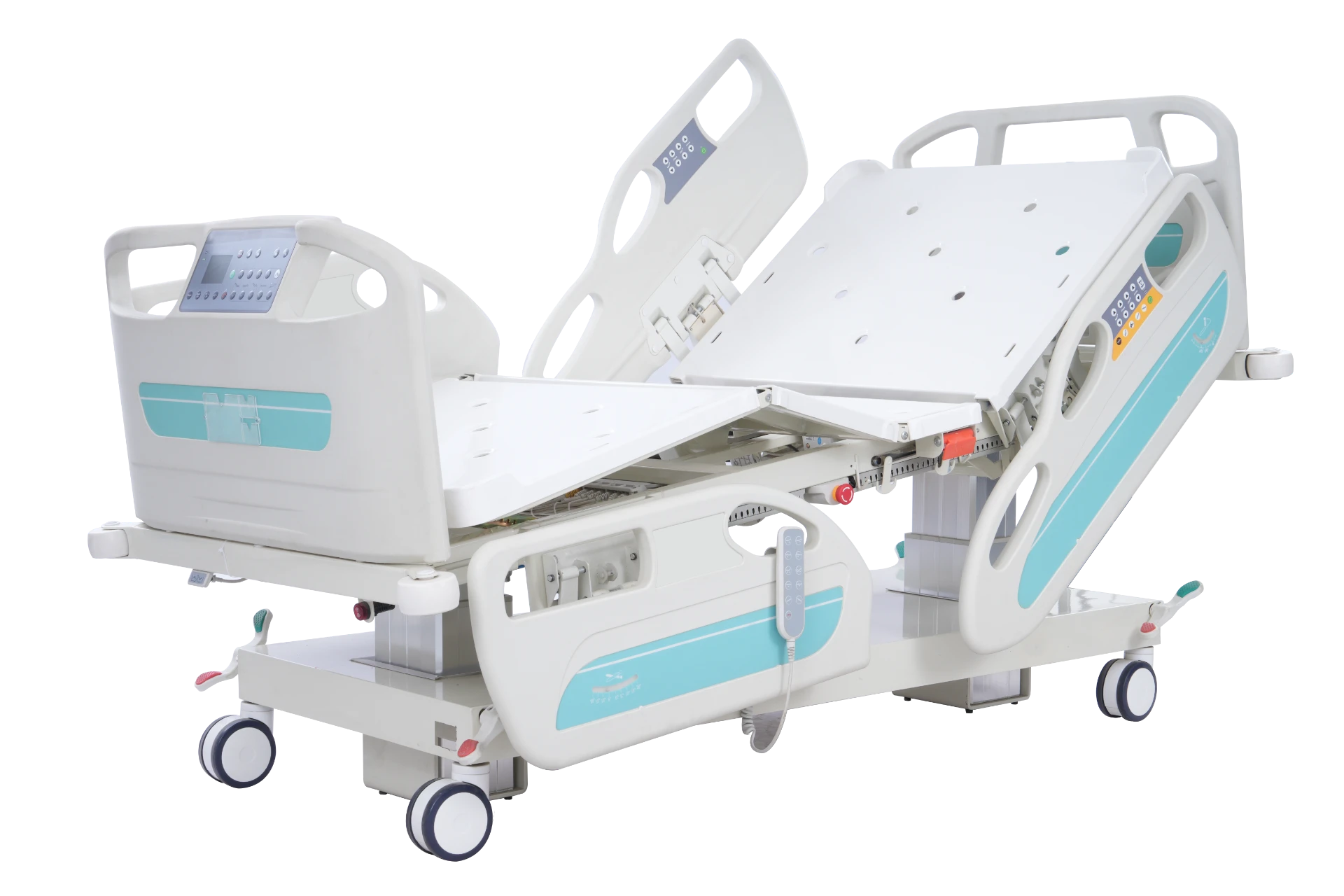
- Hospitals and Acute Care Facilities: Essential for patient transport between wards, diagnostic imaging, and operating theaters. Their robust construction and ease of maneuverability are critical in high-traffic hospital settings. This includes specialized equipment like icu bed manual models for critical patient movement.
- Care Homes and Assisted Living Facilities: Provides residents with enhanced independence and facilitates staff in safe patient transfers. Devices such as the Manual Wheelchair BX-WMA02 are ideal for daily activities, indoor and outdoor mobility, and group outings. They complement other crucial equipment like advanced care home beds for comprehensive patient support.
- Rehabilitation Centers: Integral to physical therapy and occupational therapy programs, aiding in gait training, strengthening exercises, and fostering gradual restoration of independent movement. Various types of walkers, rollators, and manual wheelchairs are deployed based on individual patient needs.
- Home Care Settings: Supports individuals requiring assistance with daily activities, enabling them to maintain independence within their homes. Lightweight and foldable designs are particularly valued here for ease of storage and transport.
- Emergency Medical Services (EMS): Specialized compact and lightweight wheelchairs or transport chairs are used by paramedics for safe patient transfer in confined spaces or during emergency evacuations, often supplementing ambulance beds for full patient mobility.
- Outpatient Clinics and Diagnostic Centers: Facilitates patient movement within the facility, reducing staff workload and improving patient flow.
The ability of these aids to integrate seamlessly into diverse operational frameworks underscores their value. For instance, the quick-release rear wheels and foldable frame of the BX-WMA02 make it highly adaptable for transport in various vehicles, crucial for patient transfers between different healthcare settings.
Technical Advantages of Advanced Mobility Aids
Modern mobility walking aids offer substantial technical advantages over conventional models, contributing to enhanced user experience, operational efficiency, and long-term cost savings for institutions.
- Optimized Biomechanical Support: Engineered designs focus on distributing pressure points evenly, reducing the risk of pressure sores and improving posture. This is achieved through contoured seating, adjustable backrests, and advanced cushioning materials.
- Superior Maneuverability and Control: Precision-engineered wheel systems, lightweight frames, and optimized turning radii allow for effortless navigation in confined spaces, crucial in crowded hospitals or residential settings.
- Enhanced Durability and Service Life: Utilization of high-grade materials (e.g., aircraft-grade aluminum, high-impact polymers) and robust construction techniques (e.g., reinforced welding, corrosion-resistant finishes) significantly extends product lifespan, reducing replacement frequency and total cost of ownership.
- Advanced Safety Mechanisms: Integrated anti-tip devices, redundant braking systems (user-activated and attendant-activated), and reflective components provide multiple layers of safety, minimizing the risk of accidents.
- Ease of Maintenance and Hygiene: Smooth, non-porous surfaces and detachable components facilitate easy cleaning and disinfection, crucial for infection control in clinical environments. Quick-release wheels and modular designs simplify routine maintenance.
- Modularity and Customization: Many contemporary aids offer modular designs, allowing for easy replacement of parts, upgrades, and customization to individual patient needs without requiring a full unit replacement.
These technical advantages translate into tangible benefits for B2B purchasers: improved patient safety and comfort, reduced operational costs through extended product life and lower maintenance, and enhanced reputation for providing high-quality care.
Vendor Comparison: Key Differentiators
When evaluating vendors for mobility walking aids, B2B purchasers must consider beyond initial cost. Key differentiators include manufacturing quality, product innovation, after-sales support, and adherence to international standards. The table below outlines a comparison of typical features and advantages among different vendor tiers.
| Feature/Criterion | Premium/Specialized Vendor | Mid-Tier Vendor (e.g., CNBoxin) | Budget Vendor |
|---|---|---|---|
| Frame Material | Carbon Fiber, Aerospace Aluminum | High-Strength Aluminum Alloy (Aviation Grade) | Standard Aluminum or Steel |
| Weight (e.g., Manual Wheelchair) | < 10 kg (22 lbs) | 12-16 kg (26-35 lbs) | > 17 kg (37 lbs) |
| Customization Options | Extensive, bespoke sizing & features | Modular components, adjustable settings | Limited, fixed configurations |
| Certifications | ISO, CE, FDA, TUV, RESNA | ISO, CE (FDA pending/achieved) | Basic CE, local standards |
| Warranty | 5-10 years on frame, 1-2 years components | 3-5 years on frame, 1 year components | 1-2 years total |
| After-Sales Support | Global network, dedicated reps, parts inventory | Regional service, online support, common parts | Limited, often reseller-dependent |
| Cost-Benefit Ratio | High initial cost, exceptional long-term value | Balanced performance and value, suitable for most institutions | Low initial cost, potentially higher long-term maintenance/replacement |
CNBoxin positions itself as a strong mid-tier vendor, offering products like the BX-WMA02 that deliver excellent performance, durability, and features at a competitive price point, making them ideal for institutions seeking a balance between quality and cost-effectiveness without compromising safety and reliability. Our commitment to ISO 13485 standards ensures that our products meet the stringent quality management requirements of the medical device industry.
Customized Solutions for Specific Institutional Needs
Recognizing that diverse healthcare environments have unique requirements, leading manufacturers of mobility walking aids offer customized solutions. These go beyond standard product configurations to address specific functional, ergonomic, and aesthetic needs.
- Specialized Dimensions and Capacities: For bariatric patients, pediatric users, or individuals with specific anthropometric requirements, manufacturers can adapt seat widths, depths, and weight capacities. This might also extend to specialized semi floor bed designs for fall risk patients or reinforced care home beds.
- Material and Finish Modifications: Custom requests for specific anti-microbial coatings, high-abrasion resistant materials for heavily trafficked areas, or color-coding for departmental use can be accommodated.
- Accessory Integration: Tailored integration of additional accessories such as IV pole mounts, oxygen tank holders, specialized trays, or unique control interfaces can be engineered to streamline workflows in clinical settings. This is particularly relevant for high-dependency patient transport and critical care environments.
- Ergonomic Enhancements: Adjustable backrest angles, specialized cushion materials, or altered footrest designs can be implemented to cater to long-term patient comfort or specific postural support needs.
- Fleet Management and Branding: Custom branding, serial number tracking systems, or specific fleet configuration support can be provided to large institutions to aid in asset management and identity.
Our engineering team collaborates closely with procurement specialists and clinical staff to understand precise requirements, leveraging our advanced manufacturing capabilities to deliver solutions that are not only functional but also seamlessly integrate into existing operational protocols.
Application Case Study: Enhancing Patient Throughput in a Tertiary Hospital
A large tertiary care hospital faced challenges with patient throughput and staff efficiency due to an aging fleet of manual wheelchairs that were heavy, difficult to maneuver, and prone to mechanical failures. This impacted patient transfer times, contributed to staff fatigue, and occasionally led to delays in critical services.
Solution Implemented: The hospital opted to replace its entire fleet with 150 units of high-performance mobility walking aids, including the Manual Wheelchair BX-WMA02 and several heavy-duty rollators. Key selection criteria included:
- Lightweight aluminum construction for ease of handling.
- Robust, low-maintenance pneumatic rear wheels for comfort over various surfaces.
- Dual braking systems for enhanced safety.
- Foldable design for efficient storage.
- Upholstery that withstands frequent disinfection.
Results Achieved: Within six months of deployment, the hospital reported significant improvements:
- 25% Reduction in Patient Transfer Times: The lighter, more agile wheelchairs allowed for quicker patient movement between departments.
- 15% Decrease in Staff-Reported Strain Injuries: Reduced effort required to push and maneuver the wheelchairs led to fewer incidents of musculoskeletal strain among nursing and transport staff.
- Improved Patient Satisfaction Scores: Patients reported greater comfort and a smoother experience, contributing to overall positive feedback.
- Lower Maintenance Costs: The durable construction and quality components resulted in fewer breakdowns and repair needs, projecting substantial long-term savings.
This case study demonstrates the direct impact of investing in technically superior mobility walking aids on both operational efficiency and quality of patient care in high-demand healthcare settings.
Frequently Asked Questions (FAQ)
Q1: What is the typical lead time for a bulk order of Manual Wheelchair BX-WMA02?
A1: For standard configurations, lead time typically ranges from 4-6 weeks for orders up to 500 units. For larger quantities or customized solutions, a detailed production schedule will be provided upon order confirmation, generally within 8-12 weeks. We maintain robust inventory management to expedite critical orders.
Q2: What warranty is provided for your mobility walking aids?
A2: We offer a 5-year limited warranty on the main frame of the Manual Wheelchair BX-WMA02 and other comparable aids, covering manufacturing defects. Consumable parts like tires, upholstery, and brake cables carry a 1-year warranty. Full warranty terms and conditions are available upon request.
Q3: Do you offer after-sales support and spare parts?
A3: Yes, we provide comprehensive after-sales support, including technical assistance, troubleshooting guides, and a readily available inventory of spare parts. Our support team is accessible via phone and email during business hours, ensuring minimal downtime for your equipment. We can also arrange for training sessions for your maintenance staff.
Q4: Are your products compliant with international medical device standards?
A4: Absolutely. Our manufacturing facilities are ISO 13485 certified, and our products, including the BX-WMA02, hold CE marking. We are actively working towards FDA 510(k) clearance for key markets to ensure broader compliance and market access.
Lead Time & Fulfillment Details
Our streamlined supply chain and efficient manufacturing processes enable us to offer competitive lead times. For standard orders of our mobility walking aids, including the Manual Wheelchair BX-WMA02, typical fulfillment is as follows:
- Order Confirmation to Production Start: 1-3 business days.
- Production & Quality Control: 3-5 weeks (depending on order size).
- Shipping (Ocean Freight): 3-6 weeks (variable based on destination).
- Air Freight Options: Available for urgent orders, with expedited delivery typically within 5-10 business days after production.
We utilize robust packaging solutions compliant with international shipping standards to ensure products arrive in pristine condition. Real-time tracking information is provided for all shipments.
Warranty Commitments
We stand behind the quality and durability of our mobility walking aids with comprehensive warranty coverage designed to protect your investment. Our commitment to excellence is reflected in our warranty structure:
- Frame Warranty: 5 years against manufacturing defects in the aluminum frame.
- Component Warranty: 1 year on all other components, including wheels, brakes, upholstery, armrests, and footrests.
- Exclusions: Normal wear and tear, damage due to misuse, neglect, accidents, or unauthorized modifications are not covered.
Warranty claims are processed efficiently by our dedicated customer service team. We require proof of purchase and a description of the defect. Our goal is to ensure prompt resolution and minimize disruption to your operations.
Dedicated Customer Support
Our commitment to our B2B partners extends far beyond the sale. We provide robust customer support to ensure seamless integration and long-term satisfaction with our mobility walking aids. Our support services include:
- Technical Assistance: Expert guidance for installation, operation, and troubleshooting.
- Spare Parts & Accessories: Easy access to genuine replacement parts and compatible accessories to maximize product longevity and functionality.
- Training & Resources: Comprehensive user manuals, video tutorials, and on-site or remote training sessions for your staff on product usage and basic maintenance.
- Dedicated Account Management: A designated account manager to assist with order management, technical inquiries, and strategic planning for your evolving mobility needs.
We understand the critical nature of reliable equipment in healthcare and are committed to providing timely and effective support to maintain your operational continuity.
References
- International Organization for Standardization (ISO). ISO 13485:2016 Medical devices — Quality management systems — Requirements for regulatory purposes.
- International Organization for Standardization (ISO). ISO 7176 Series: Wheelchairs.
- Rehabilitation Engineering and Assistive Technology Society of North America (RESNA). ANSI/RESNA Standards for Wheelchairs.
- World Health Organization (WHO). Guidelines on the provision of manual wheelchairs in less-resourced settings.
- Journal of Rehabilitation Research and Development. "Impact of Lightweight Wheelchairs on User Function and Caregiver Strain."
-
Ultimate Guide to Choosing Extra Wide Waiting Room ChairsNewsApr.16,2026
-
Guide to Choosing Professional Waiting Room Chairs Wipeable SeatingNewsApr.09,2026
-
Enhance Your Space with Comfortable Wide Waiting Room ChairsNewsApr.07,2026
-
Selecting the Ideal Brown Waiting Room Chairs for a Welcoming SpaceNewsApr.04,2026
-
Choosing Comfortable Patient Waiting Room Chairs for Healthcare FacilitiesNewsMar.31,2026
-
Finding the Best Deals on Affordable and Cheap Reception Chairs for Your BusinessNewsMar.28,2026
-
Enhance Your Business Reception with Comfortable Blue Reception ChairsNewsMar.26,2026