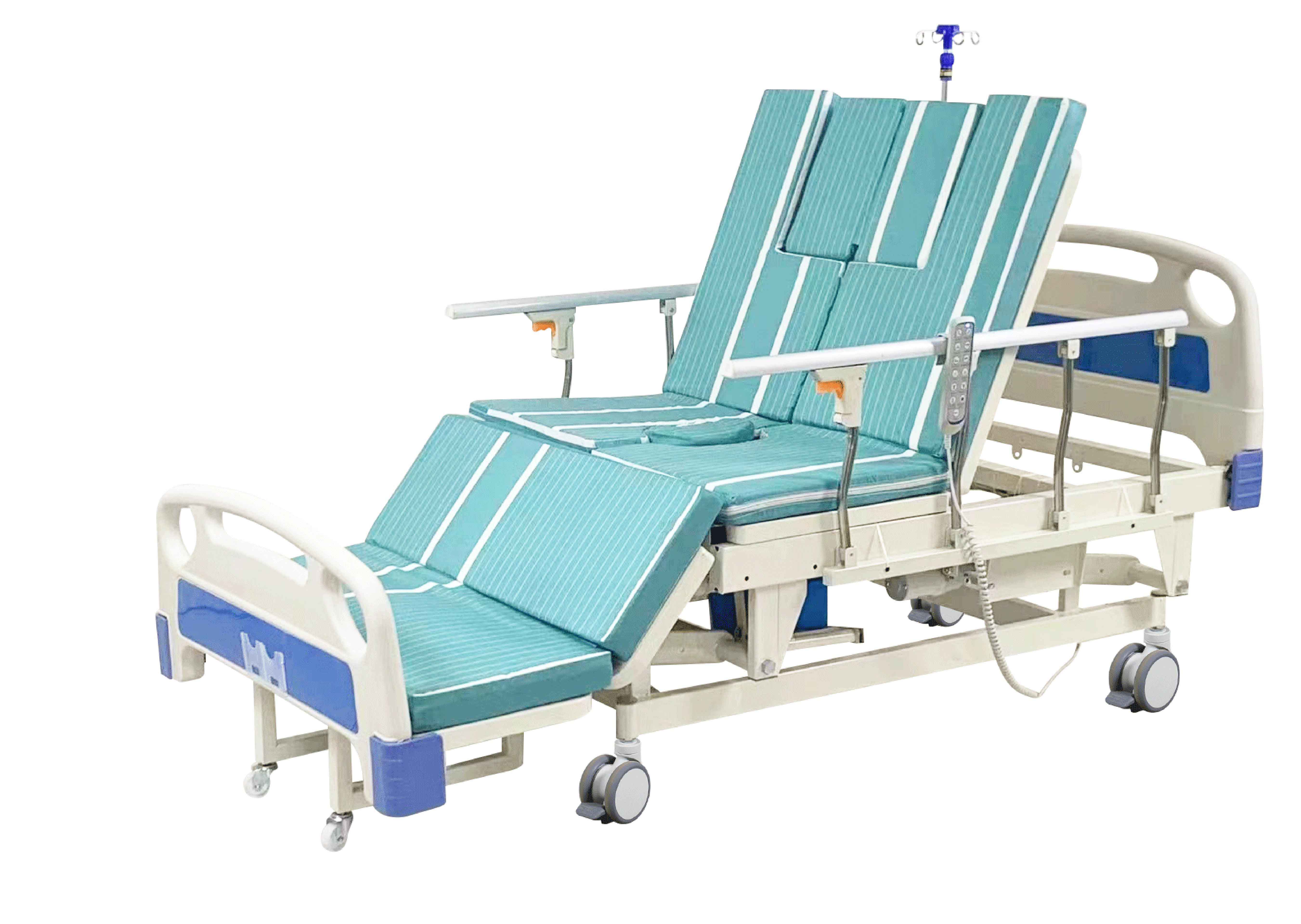
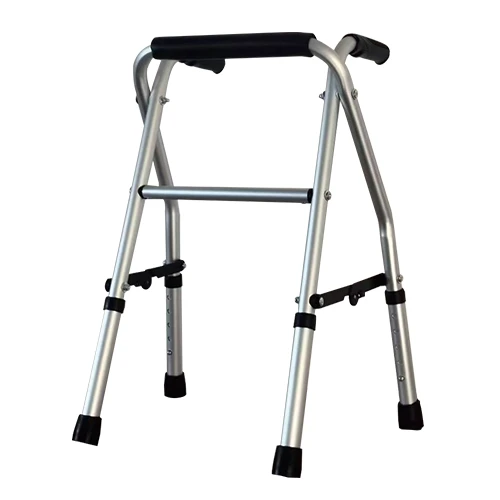
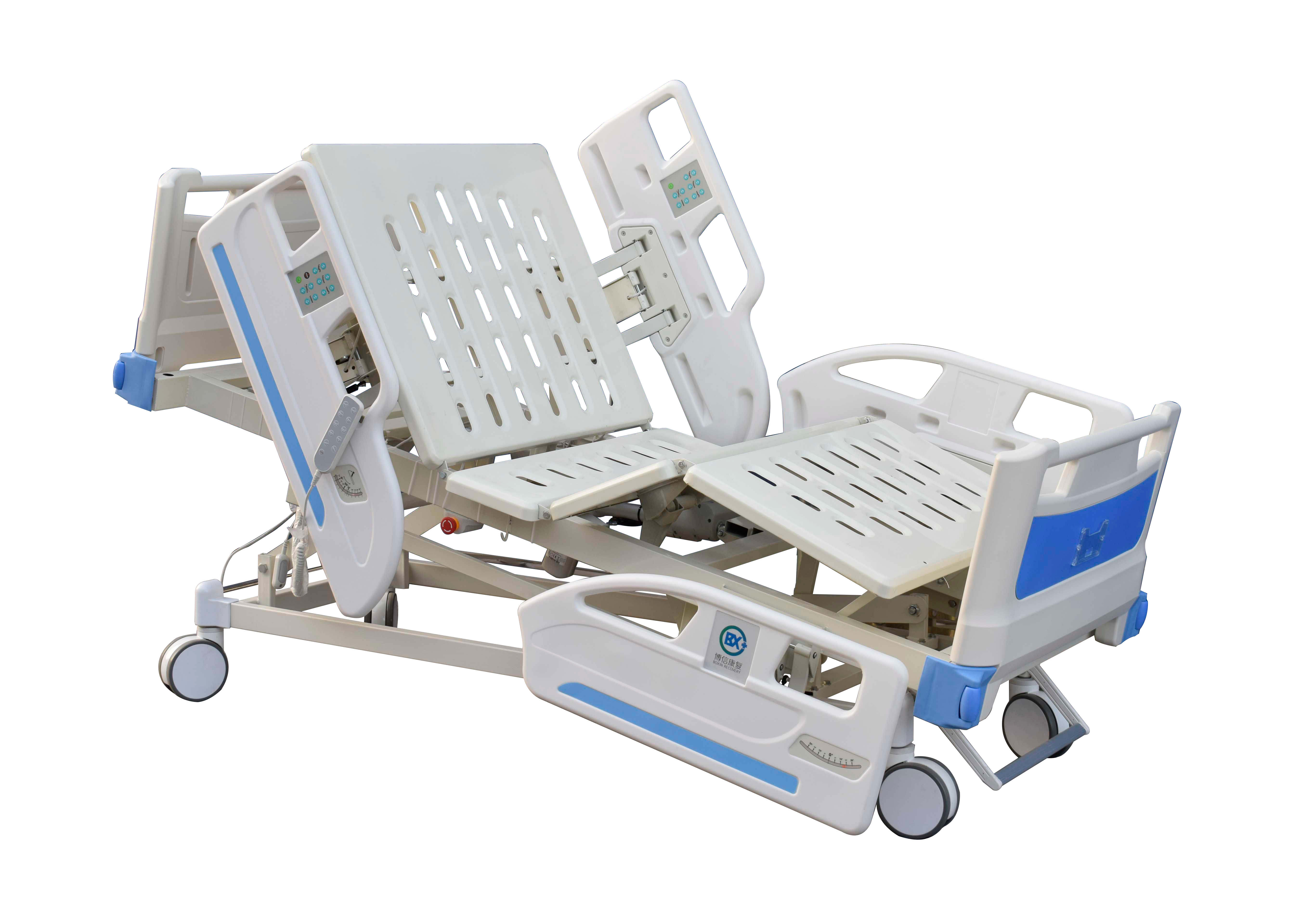
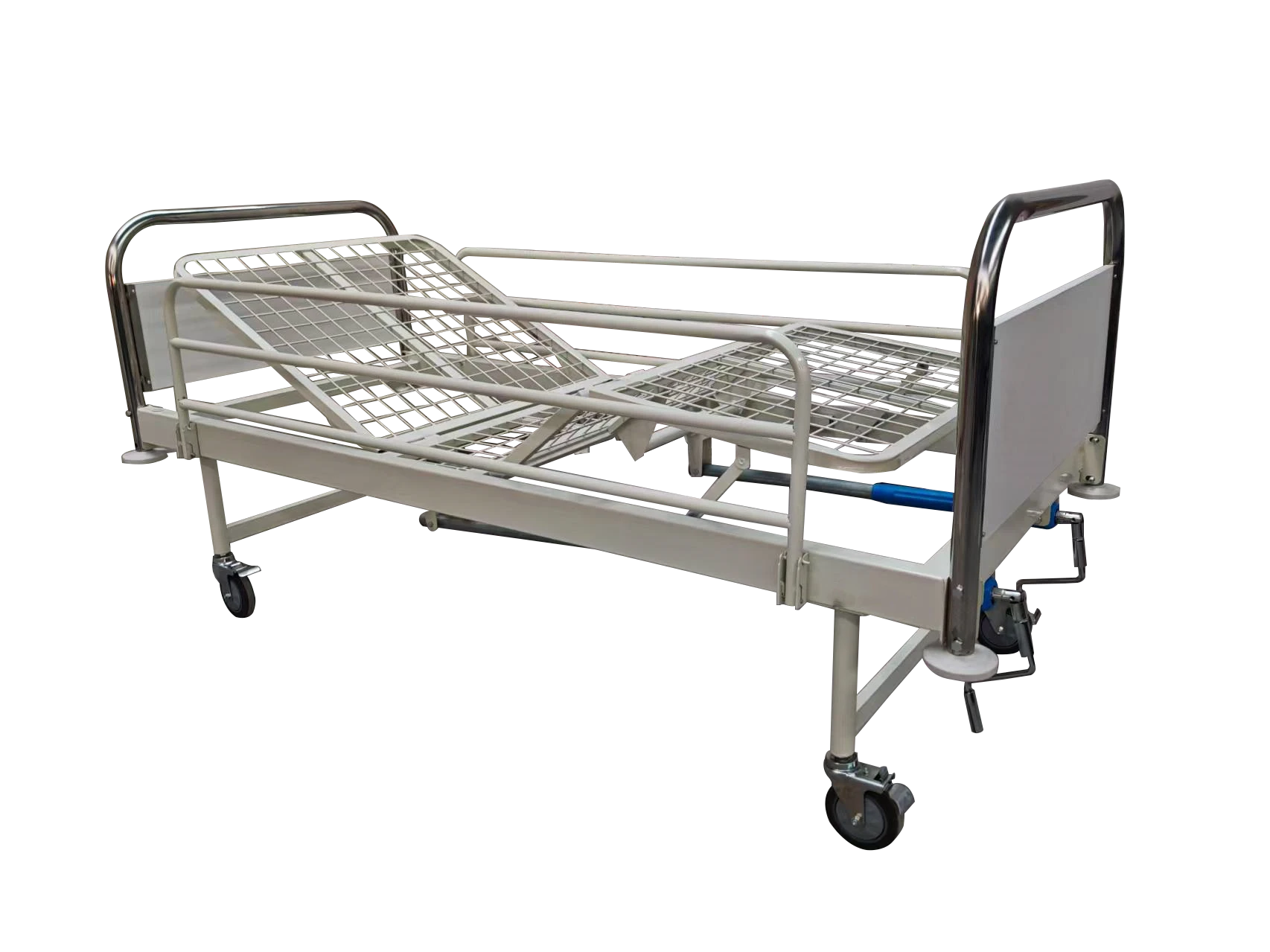
High-Quality Medical Bed for Sale in Asia - Japan

Optimizing patient care across Japan with advanced rehabilitation equipment designed for durability, clinical safety, and ergonomic support in diverse healthcare settings.

Advanced Patient Support and Recovery Solutions

Addressing the critical need for precision-engineered beds and mobility aids in Japan's healthcare sector through integrated manufacturing and certified quality standards.

Healthcare Equipment Landscape in Asia - Japan

Analyzing the intersection of an aging population and the demand for specialized medical furniture.

Japan's medical furniture market is primarily driven by one of the world's fastest-aging populations, leading to a significant increase in the demand for long-term care and rehabilitation facilities. This demographic shift requires a high volume of specialized medical bed for sale options that prioritize both patient dignity and caregiver efficiency.

The regional infrastructure is characterized by a dense network of highly standardized hospitals and private nursing homes. Given Japan's strict adherence to safety and quality protocols, there is a strong preference for equipment that holds international certifications such as ISO and CE, ensuring that every hospital bed and mattress combination meets rigorous clinical performance benchmarks.

Despite the advanced infrastructure, procurement officers often face challenges in balancing high-end technical specifications with sustainable hospital bed price points. There is a growing need for reliable global manufacturing partners who can provide industrial-grade equipment without compromising on the precision required for Japanese clinical environments.
Evolution of Patient Mobility Equipment

Tracing the transition from basic support frames to intelligent rehabilitation systems.

Industry Development Milestones

Early Market Development
Initial focus was on basic manual frames and static mattresses, emphasizing fundamental stability and simple hygiene requirements for acute care.

Mechanization and Ergonomics
The introduction of electric actuators and adjustable positioning allowed for better pressure relief and easier patient transfers, reducing the physical strain on nursing staff.

Integrated Care Era
Current systems integrate specialized materials and multi-functional designs, such as the modern hospital chair, which allows for seamless transitions from resting to sitting.

Future Strategic Directions

1. Smart Actuation

Integration of sensors to monitor patient movement and automatically adjust bed angles to prevent pressure ulcers and improve respiratory function.

2. Material Bio-compatibility

Development of advanced antibacterial and hypoallergenic coatings for mattresses to reduce hospital-acquired infections in long-term care settings.

3. Modular Adaptability

Designing equipment that can be easily upgraded with new modules as patient needs evolve from intensive care to active rehabilitation.

How technological and commercial shifts are redefining medical furniture procurement.

Automated Positioning
Shift toward electric ICU and nursing beds to minimize manual lifting and enhance caregiver safety.
Intelligent Monitoring
Integrating weight sensors and movement alerts into bed frames to improve patient safety in elder care.
Value-Based Procurement
Focusing on total cost of ownership and durability certifications over lowest initial purchase price.
Sustainable Manufacturing
Increasing demand for ISO14001 certified production processes to reduce the environmental footprint of medical steel.

Future Market Outlook

Over the next 3-5 years, the Japanese market will likely see a surge in "home-hospitalization" equipment, where clinical-grade beds are adapted for residential use. This will necessitate a balance between high-performance medical specs and aesthetic integration into home environments.

Furthermore, the integration of robotics in nursing will drive the need for beds and chair hospital designs that are compatible with automated patient transfer systems, streamlining the workflow in crowded urban medical centers.

Clinical Application Scenarios

Tailored equipment deployment for specific healthcare environments in Japan.

Acute Care ICU Units

Intensive care units in Tokyo hospitals require high-specification electric ICU beds with precise positioning for critical patients, ensuring stability and ease of access for life-support equipment.

Long-Term Geriatric Facilities

Elderly care centers utilize specialized nursing beds with high-quality air mattresses to prevent pressure sores in immobile patients, emphasizing comfort and long-term durability.

Post-Surgical Rehabilitation

Rehabilitation clinics employ beds that facilitate early mobilization, allowing patients to transition safely from a lying to a sitting position to accelerate recovery.

Community Home Care

Home-care providers deploy compact, electric nursing beds that fit within residential spaces while providing the same clinical safety standards as hospital-grade equipment.

Emergency Transit Hubs

Hospital transfer trolleys and stretchers are utilized in high-traffic urban clinics to ensure rapid, safe patient movement between diagnostic departments.

Hebei Boxin Recovery Equipment Expertise

Dedicated to providing professional medical and rehabilitation equipment since 2008.

2008

Company Foundation

Hebei Boxin Recovery Equipment Co.,Ltd was established as a professional manufacturer focused on medical and rehabilitation equipment.

Current Status

Global Market Presence

Operating from a 40,000 square meter facility, Boxin has entered over 5,000 hospitals in more than 80 countries, holding CE (MDR), ISO13485, and ISO9001 certifications.

Medical Bed Procurement FAQ for Asia - Japan

Essential answers for healthcare providers and procurement specialists.

What certifications are required for importing medical beds into Japan?

Equipment must typically meet strict quality management standards. Boxin provides comprehensive certifications including ISO13485 for medical devices, ISO9001, and the European Union CE (MDR) certification to ensure global compliance.

How does the hospital bed price vary between manual and electric models?

Electric beds have a higher initial cost due to motors and control systems but offer higher ROI by reducing nursing labor and improving patient outcomes. Manual beds are more cost-effective for basic recovery needs.

Why is the mattress choice critical for long-term care in Japan?

With a high elderly population, preventing pressure ulcers is a priority. Air mattresses and high-density foam are used to redistribute pressure, which is essential for patients with limited mobility.

Can I customize hospital chairs for specific rehabilitation needs?

Yes, professional manufacturers design chairs with various adjustability levels to support different stages of patient recovery, from total support to active sitting exercises.

How are these medical beds shipped and delivered to Japan?

Equipment is manufactured in professional facilities and exported through certified channels. Boxin utilizes structured packing and quality inspection processes to ensure damage-free delivery to over 80 countries.

What is the typical lifespan of a clinical-grade hospital bed?

Lifespan depends on the build quality. Beds using robot welding and high-grade steel, like those produced by Boxin, are designed for long-term clinical use with regular maintenance of electric components.

Upgrade Your Facility Today

Contact our team to source certified medical beds and rehabilitation equipment tailored for the Asia - Japan healthcare market.

Request Information
  • wechat

    8615369929097

If you are interested in our products, you can choose to leave your information here, and we will be in touch with you shortly.


0