Welcome to our websites!


Plain Bed Hospital: Essential Insight into Healthcare Infrastructure and Global Applications
Understanding the Plain Bed Hospital: A Global Healthcare Essential
When we talk about healthcare infrastructure worldwide, one item might not demand headlines, but quietly underpins patient care everywhere: the plain bed hospital. These simple yet crucial components are, frankly, the unsung heroes across hospitals, clinics, and temporary medical facilities. They matter globally because whether you’re in a bustling urban medical center in Europe or a remote community clinic in sub-Saharan Africa, the availability of basic hospital beds greatly affects patient outcomes. Plus, they’re essential during emergencies, pandemics, or natural disasters — where rapid expansion of care facilities becomes a race against time.
Mini takeaway: Understanding plain hospital beds sheds light on a foundational yet often overlooked aspect of global healthcare delivery and emergency response.
Introduction: The Global Relevance of Plain Bed Hospitals
Worldwide, healthcare systems are under pressure to improve access, reduce costs, and handle surges in patient numbers. According to the World Health Organization, healthcare infrastructure gaps persist in many low- and middle-income countries, where the ratio of hospital beds per 1,000 people remains far below the recommended levels (WHO, 2022). For example, some African nations have fewer than 1 bed per 1,000 inhabitants, while OECD countries average around 4.7 beds per 1,000.
Plain hospital beds—not flashy tech-laden contraptions—are often the first line of expanding capacity. They’re even more critical given trends like aging populations and rising chronic illnesses. Yet, challenges arise: inconsistent quality, supply chain constraints, and durability issues affect healthcare delivery. In disaster zones or humanitarian crises, the problem magnifies. That’s where modular, plain, robust hospital beds step in, balancing cost, functionality, and durability.
Mini takeaway: Basic hospital beds remain a key factor in bridging healthcare access gaps, especially in resource-limited settings and crisis response.
What Is a Plain Bed Hospital, Exactly?
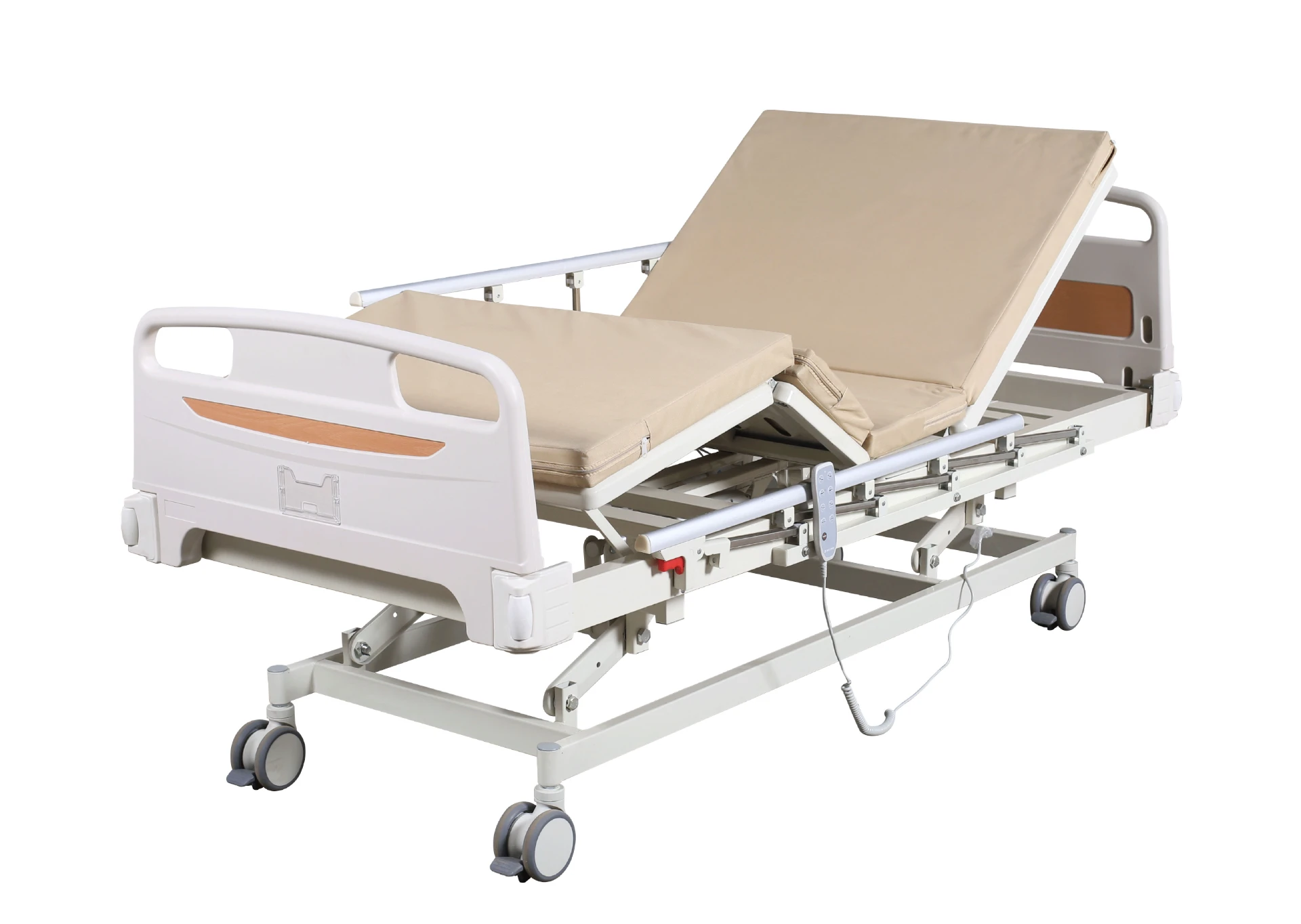
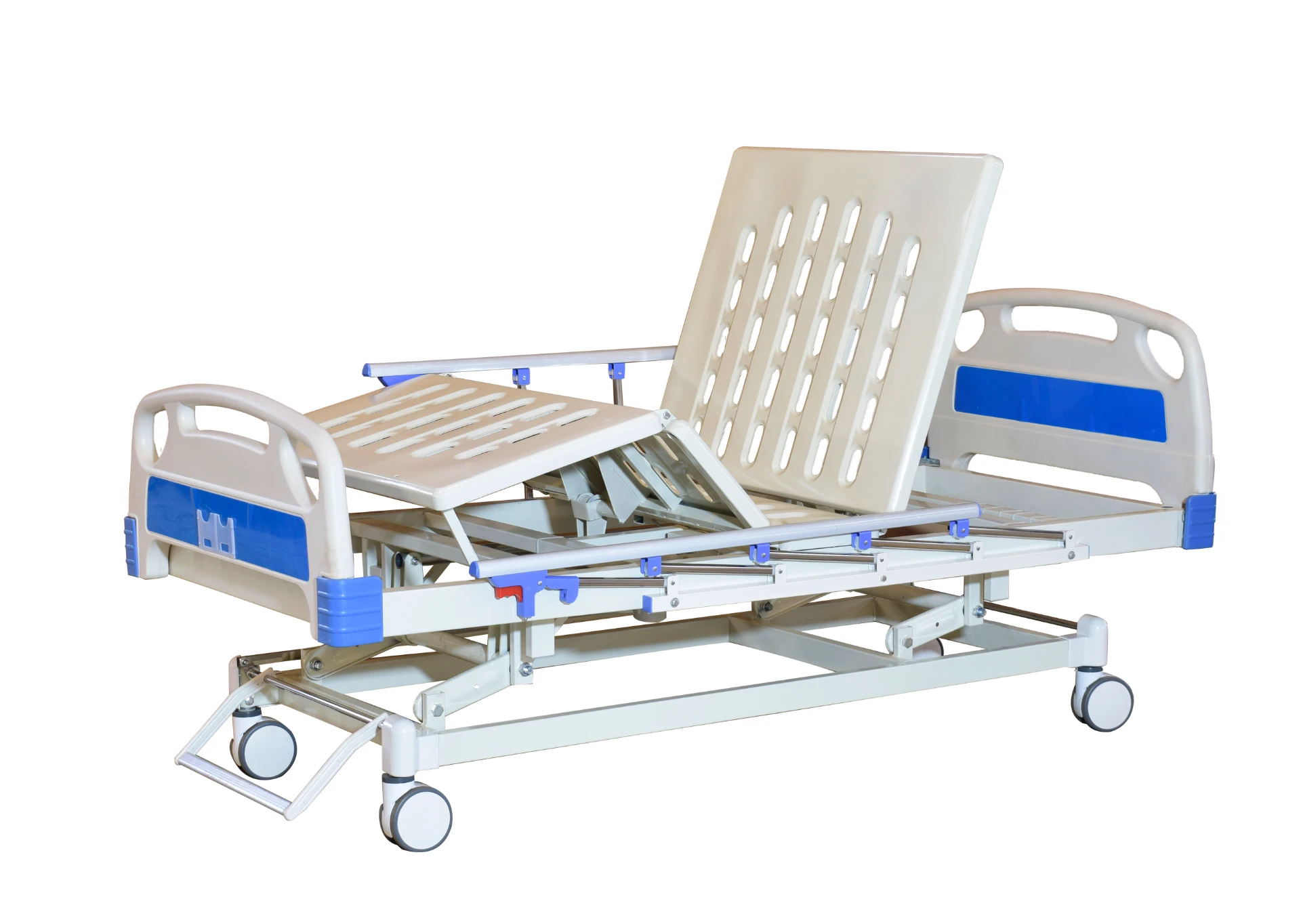
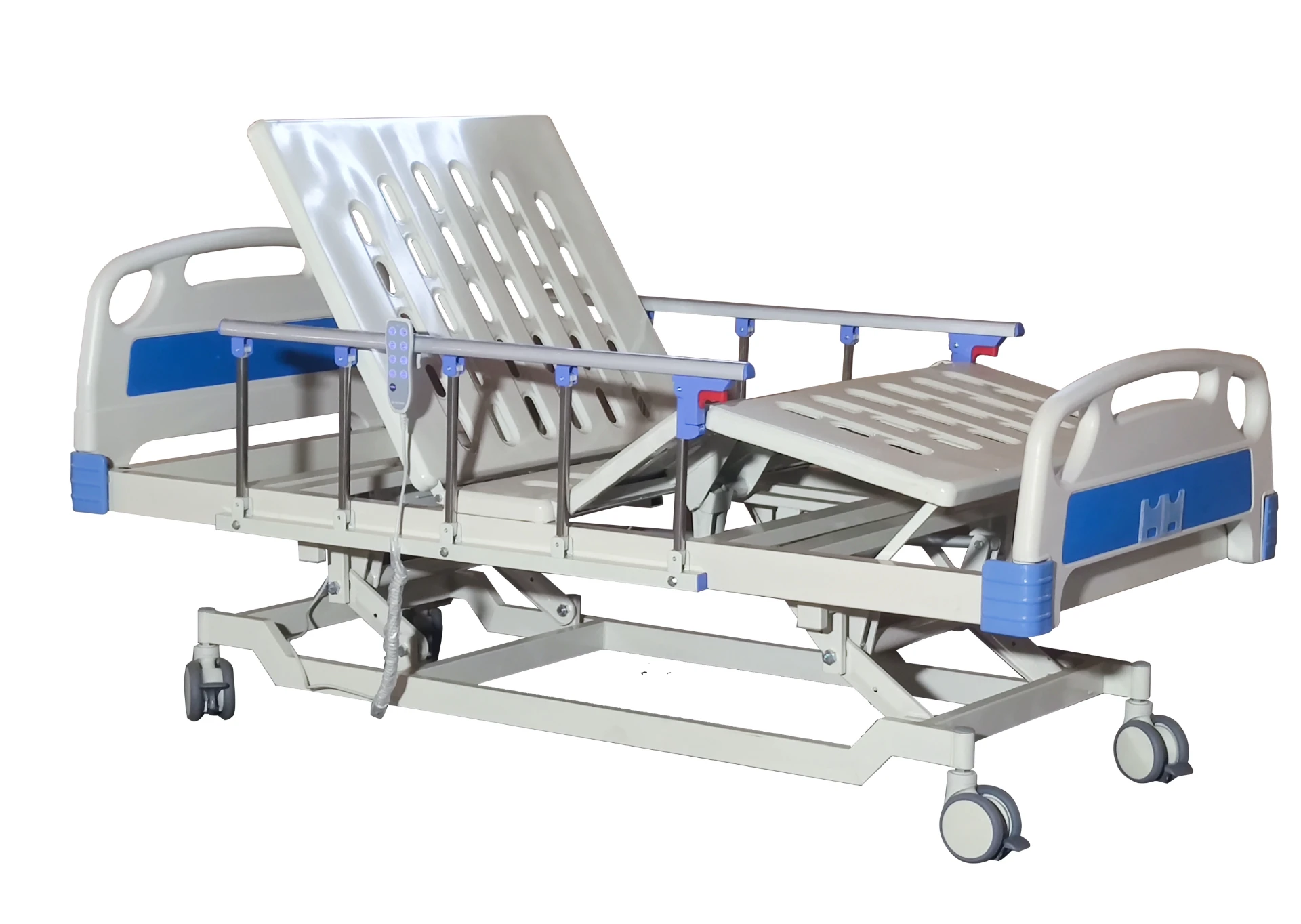
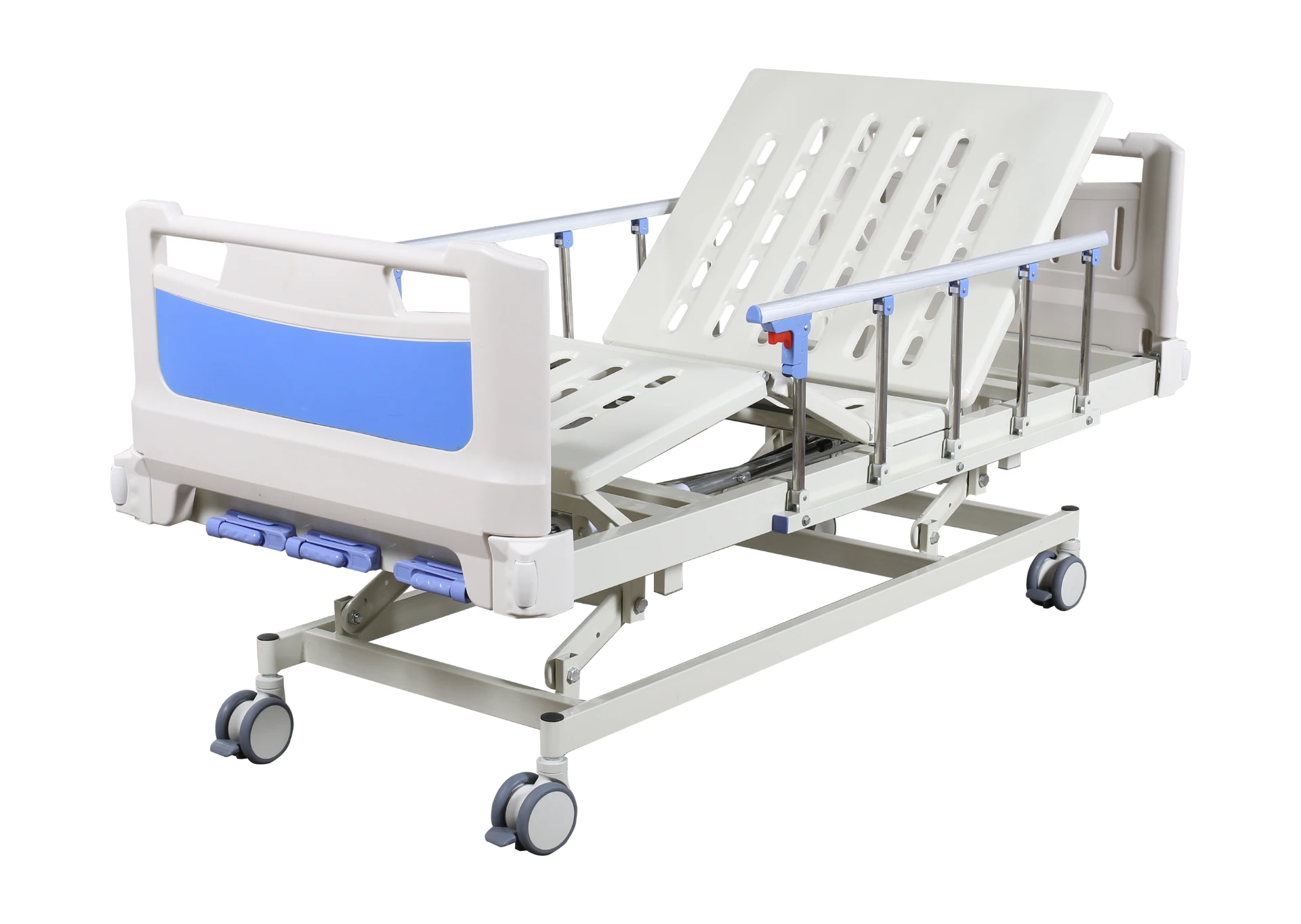
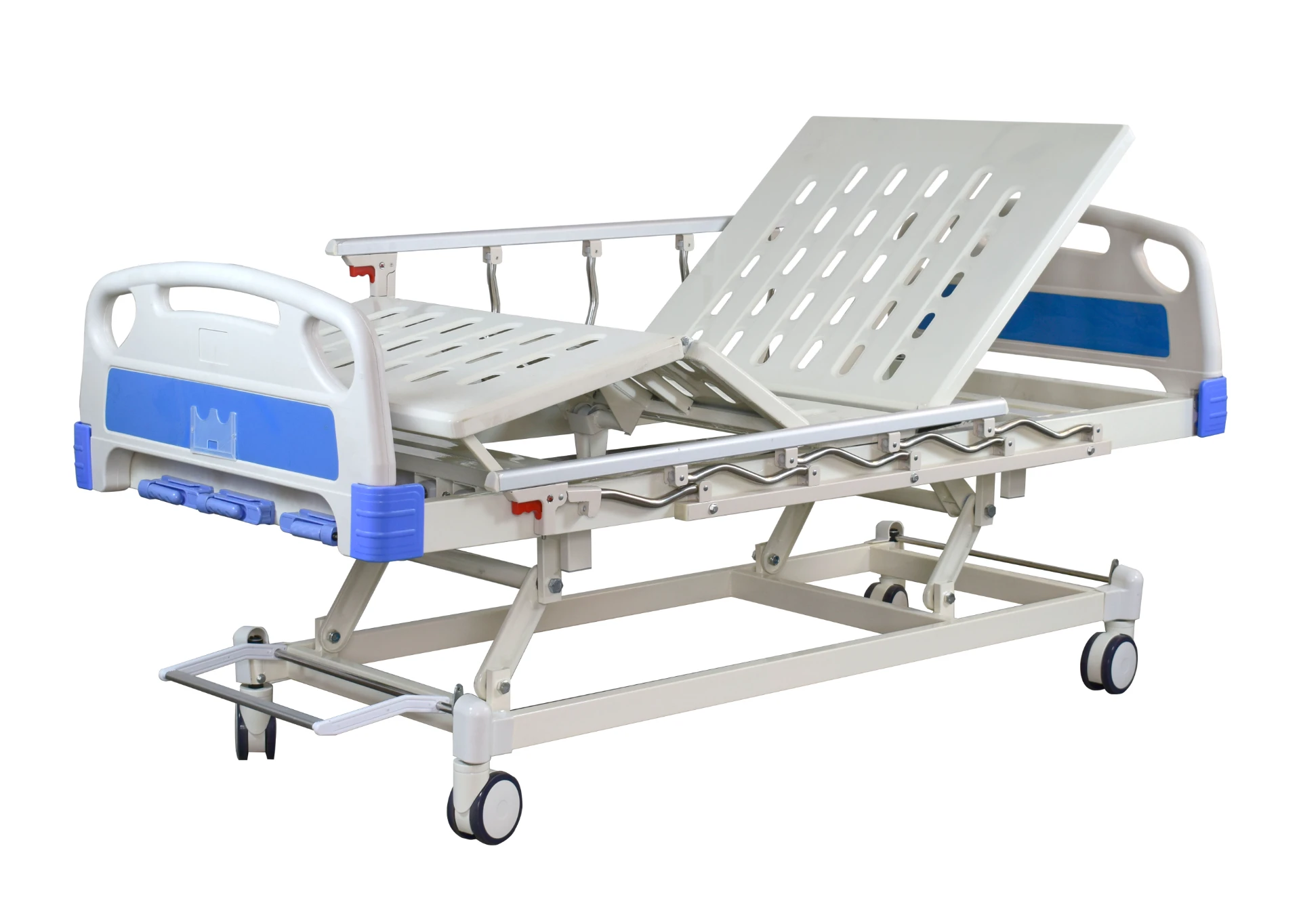
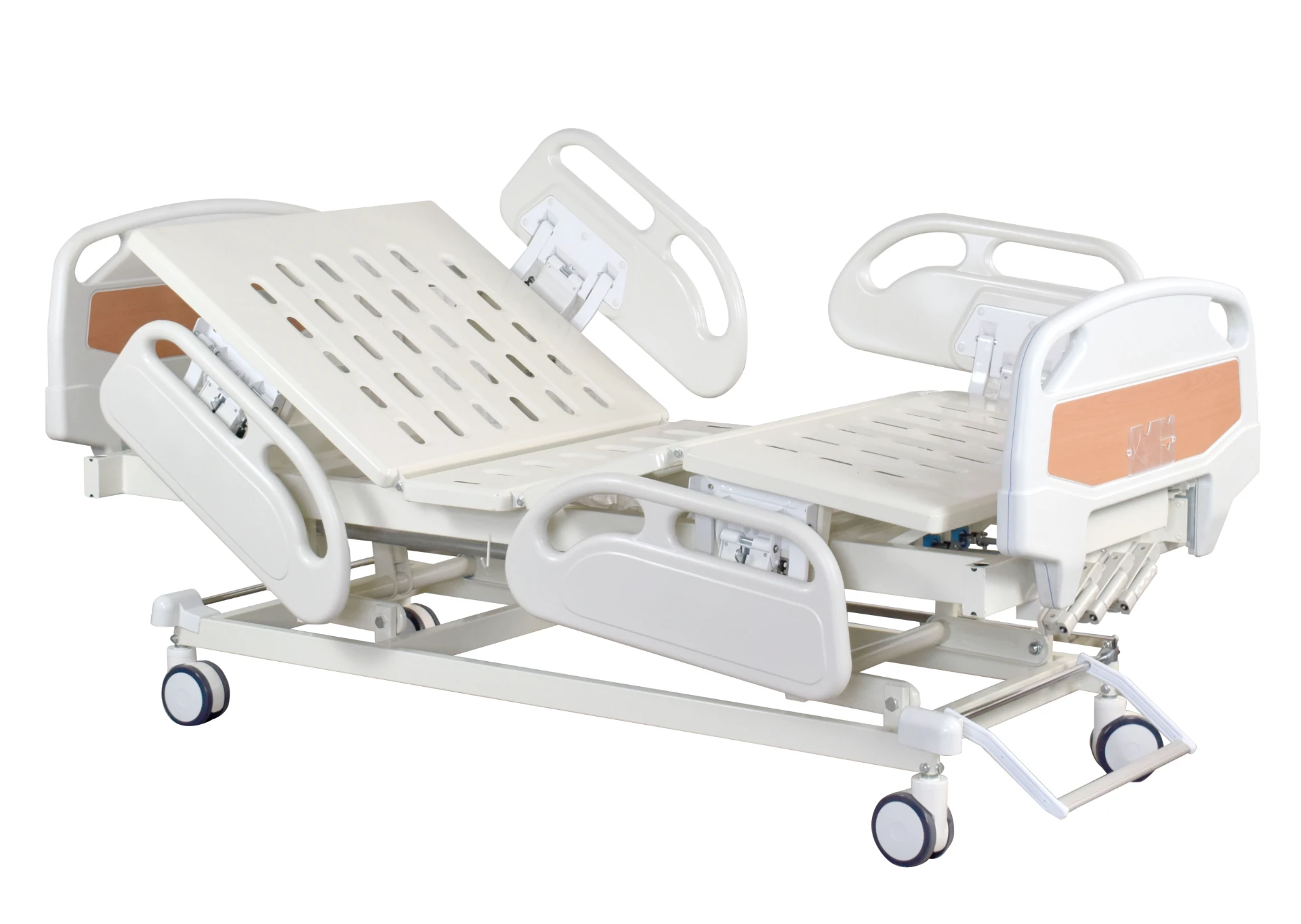
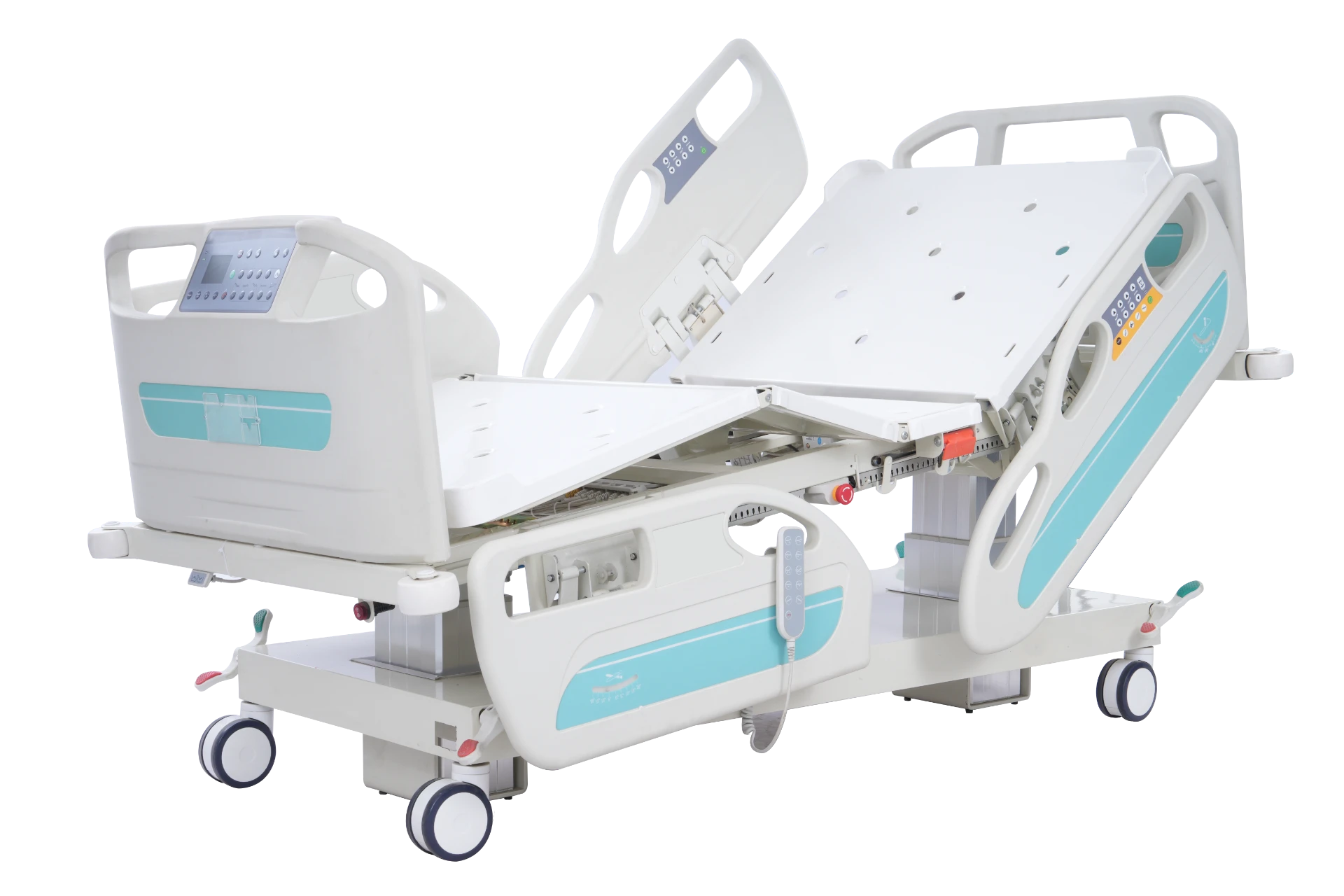
Simply put, a plain bed hospital is a no-frills medical bed primarily designed for patients requiring rest and treatment in clinical or emergency settings. It’s usually adjustable to support patient comfort and care, but stripped of elaborate features like integrated monitors or motorized controls.
These beds form the backbone of healthcare facilities, particularly in situations where speed, scalability, and cost-efficiency matter more than luxury or technological bells and whistles. They're often made from durable materials such as steel and high-quality plastics for ease of cleaning and durability.
In humanitarian and industrial sectors, the plain hospital bed takes on additional significance: its portability and straightforward design allow quick deployment in field hospitals, disaster relief zones, and temporary clinics.
Mini takeaway: The plain hospital bed balances simplicity with vital functionality, supporting diverse healthcare needs worldwide.
Core Components of a Plain Bed Hospital
Durability
Healthcare environments are demanding. Beds must withstand continuous use, cleaning chemicals, and patient movement. Manufacturers commonly prioritize robust steel frames with corrosion-resistant finishes, ensuring a lifespan often exceeding 10 years even in strenuous conditions.
Adjustability
Basic adjustability (like inclination of the headrest) matters both for patient comfort and clinical procedures. Though not motorized, plain beds have manual levers or cranks offering flexibility to caregivers.
Cost Efficiency
Setting up large-scale wards or emergency units requires affordable options. Plain hospital beds avoid costly features, focusing on essential functions — which helps hospitals, especially those with tight budgets, to invest wisely without compromising safety.
Ease of Cleaning
Infection control is a global healthcare pillar. Plain beds feature smooth surfaces and minimal seams designed to be sanitized quickly and thoroughly, reducing cross-contamination risks.
Scalability & Portability
Modular plain beds enable scaling up or down based on patient volumes, especially vital in mobile clinics or field hospitals. Lightweight versions coupled with stackable designs allow easy transport and storage.
| Feature | Specification |
|---|---|
| Frame Material | Powder-coated carbon steel |
| Bed Dimensions | 200 cm L x 90 cm W x 45 cm H |
| Adjustments | Manual head and knee inclines |
| Weight Capacity | Up to 200 kg |
| Mobility | Fixed or lockable caster wheels (optional) |
| Surface Material | Waterproof, easy-to-clean polymer mesh or metal slats |
Global Applications & Use Cases
From the bustling hospitals in Tokyo to remote clinics in Nepal, the plain bed hospital adapts flexibly. Let’s peek at a few typical scenarios:
- Post-Disaster Relief: After earthquakes or floods, NGOs and UN agencies quickly erect field hospitals using modular plain beds. These beds’ ease of transport and setup saves countless lives.
- Rural and Remote Healthcare: In areas lacking permanent infrastructure—think parts of rural India or sub-Saharan Africa—health workers rely on durable, straightforward beds to treat patients safely.
- Temporary Pandemic Facilities: The COVID-19 pandemic forced speed and scale in hospital capacity. Plain beds formed the backbone of many makeshift wards worldwide.
- Industrial Medical Units: Large-scale mining or oil operations maintain onsite medical facilities equipped with plain beds for emergency or routine care.
Interestingly, many engineers note that the plain bed’s simple design reduces maintenance headaches, which becomes a big plus in rough environments where technical support is scarce.
Mini takeaway: Plain hospital beds support healthcare delivery worldwide—from fast-deploy humanitarian efforts to ongoing rural care.
Advantages & Long-Term Value of Plain Bed Hospital
Tangible benefits include obvious cost savings and ease of maintenance. But there’s more than economics at play. Because these beds are dependable, patients experience dignity and comfort—two things often missing in emergency or low-resource settings.
Their impact ripples outward: safer beds reduce fall risks, faster cleaning protects against infection, and scalable deployment bolsters trust in healthcare systems. There’s a quietly revolutionary aspect here: solid, humble beds enabling innovation in care delivery.
Future Trends & Innovations
Advancements are quiet but promising. Manufacturers experiment with sustainable materials—like recyclable composites and bamboo—for eco-friendly bed frames. Lightweight alloys and foldable designs improve logistics and usability.
Digitization also creeps in: sensors embedded in some hospital beds help monitor patient vitals remotely, though this hasn’t quite hit the plain bed market en masse yet. Automation in assembly lines improves quality consistency and lowers costs.
Green energy initiatives promote production using renewable electricity. In time, these environmentally conscious moves may redefine what we expect from even the simplest hospital bed.
Challenges & Solutions
The biggest hurdles are supply chain disruptions and balancing affordability with quality. On occasion, hospitals settle for subpar beds that break or are unhygienic, which compromises care.
Innovative approaches to these problems include local production hubs, modular designs allowing easy spare part replacement, and partnerships between NGOs and manufacturers for bulk procurement at lower prices. Transparency in product testing and certification – such as ISO 9001 quality verification – assures buyers of durability and safety.
FAQ: Frequently Asked Questions About Plain Bed Hospitals
- What advantages do plain hospital beds have over motorized models?
- Plain beds are more affordable, easier to maintain, and less prone to mechanical failure. They require minimal training to operate, making them preferred in low-resource and emergency settings.
- How durable are plain hospital beds in harsh climates?
- With proper materials like powder-coated steel and waterproof surfaces, plain beds can last 10+ years even under exposure to heat, humidity, or heavy cleaning protocols.
- Can plain beds be quickly deployed for emergency field hospitals?
- Definitely. Their simple design and modular assembly make them ideal for fast setup in disaster zones or pandemic surge centers.
- Are plain hospital beds eco-friendly?
- Traditional beds use metal and plastics, but newer models incorporate recyclable materials and sustainable manufacturing practices to reduce environmental impact.
- How can NGOs source plain hospital beds internationally?
- By working with certified manufacturers or distributors who specialize in medical equipment exports and comply with international shipping and quality standards.
Plain Bed Hospital: A Conclusion and Call to Action
In real terms, the plain bed hospital represents a fundamental healthcare asset: simple, practical, and everywhere needed. Its role is quietly pivotal — improving patient comfort, safeguarding health, and enabling scalable care worldwide.
If you’re interested in sourcing high-quality, durable plain hospital beds, or want to learn more about their latest innovations, visit our website. Improving healthcare starts with basics done right.
| Vendor | Price Range | Lead Time | Certifications | Customization Options |
|---|---|---|---|---|
| MedEquip Co. | $250 - $400 | 2–4 weeks | ISO 13485, CE | Color, frame type |
| GlobalHealth Supplies | $220 - $350 | 3–6 weeks | FDA registered, ISO 9001 | Headrest adjustment, caster wheels |
| FieldMed Solutions | $180 - $300 | 1–3 weeks | CE, ISO 13485 | Foldable design, lightweight frame |
Ultimately, the plain bed hospital embodies a powerful idea: that simple, well-crafted essentials underpin profound impacts in global health. When it comes down to care, sometimes less truly is more.
- World Health Organization. "Hospital beds (per 10,000 population)". Global Health Observatory data repository. 2022.
- International Organization for Standardization (ISO). Quality management systems — Requirements (ISO 9001). 2015.
- Wikipedia: Hospital bed
-
Ultimate Guide to Choosing Extra Wide Waiting Room ChairsNewsApr.16,2026
-
Guide to Choosing Professional Waiting Room Chairs Wipeable SeatingNewsApr.09,2026
-
Enhance Your Space with Comfortable Wide Waiting Room ChairsNewsApr.07,2026
-
Selecting the Ideal Brown Waiting Room Chairs for a Welcoming SpaceNewsApr.04,2026
-
Choosing Comfortable Patient Waiting Room Chairs for Healthcare FacilitiesNewsMar.31,2026
-
Finding the Best Deals on Affordable and Cheap Reception Chairs for Your BusinessNewsMar.28,2026
-
Enhance Your Business Reception with Comfortable Blue Reception ChairsNewsMar.26,2026