Welcome to our websites!


Pediatric Hospital Bed Insights: Durable, Safe & Comfortable Solutions
Choosing the Right pediatric hospital bed: Insights from the Industrial Equipment Sector
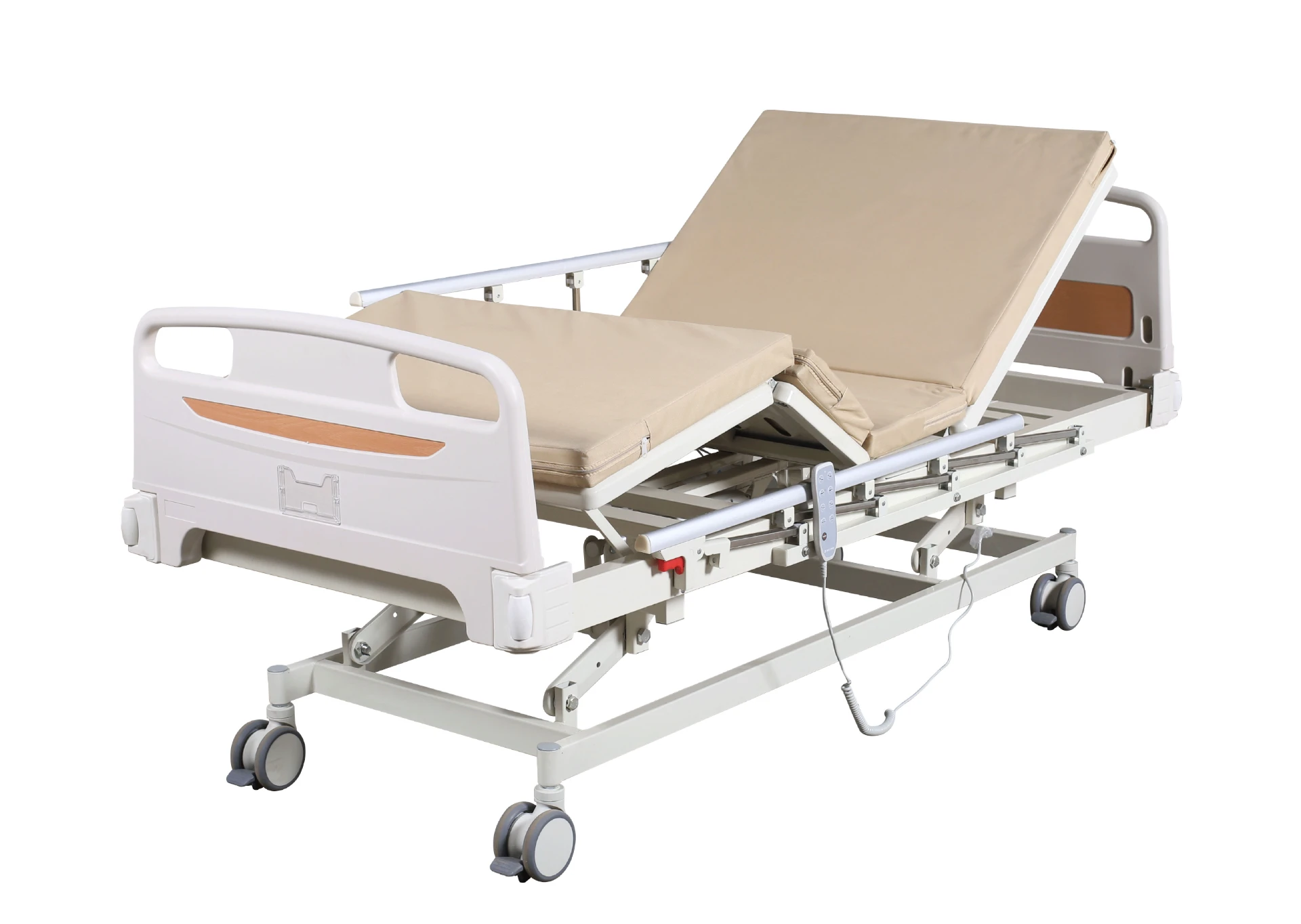
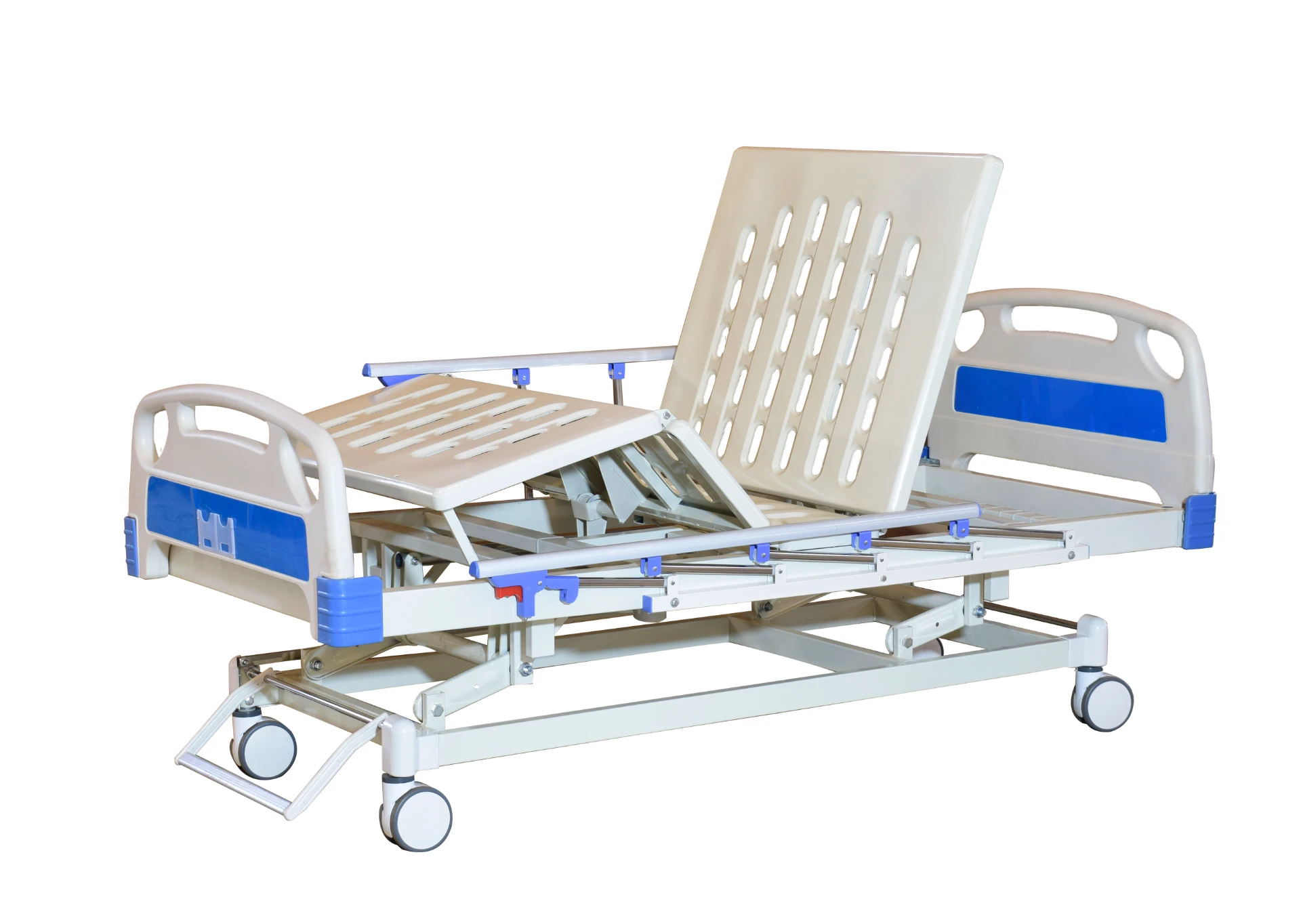
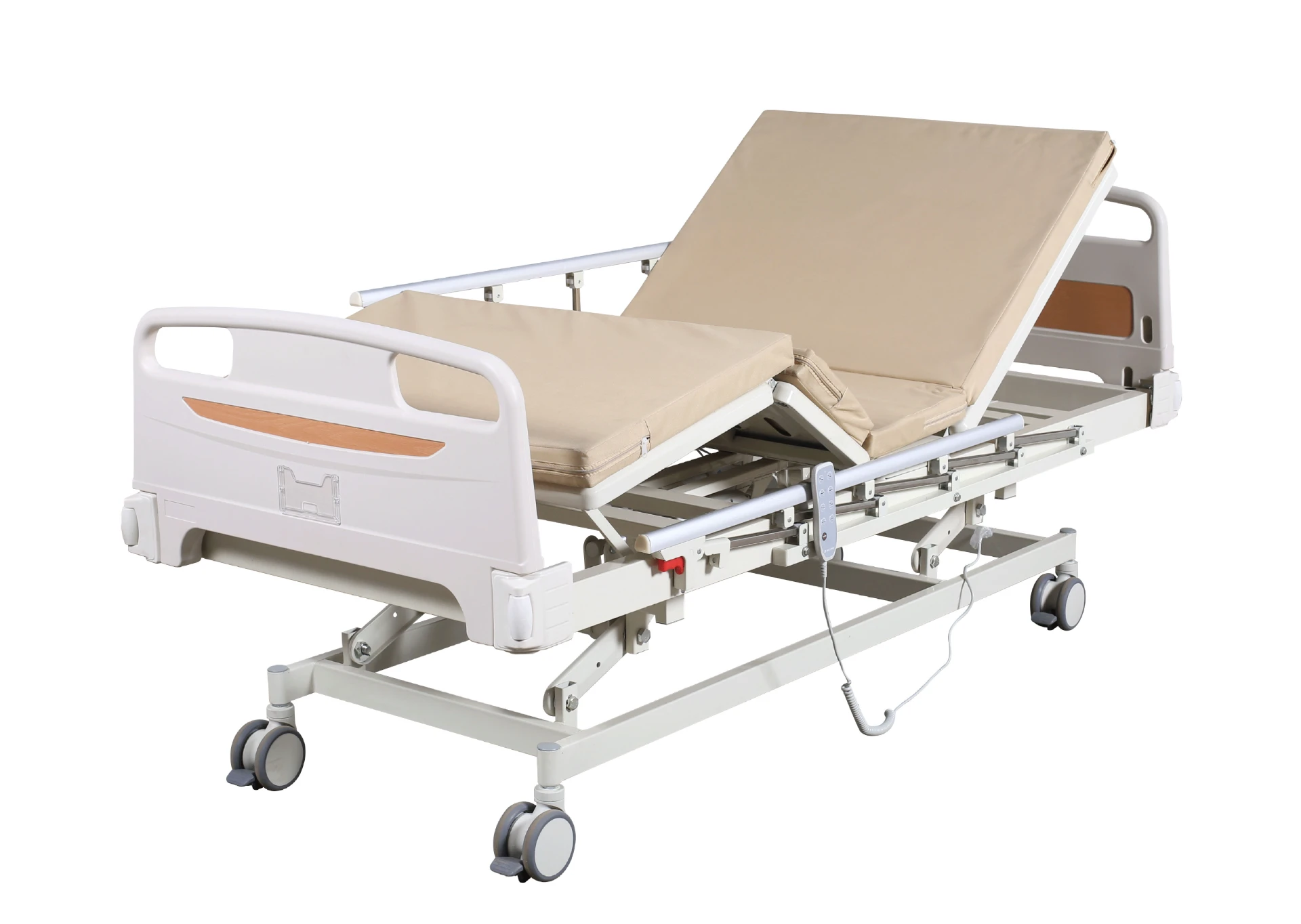
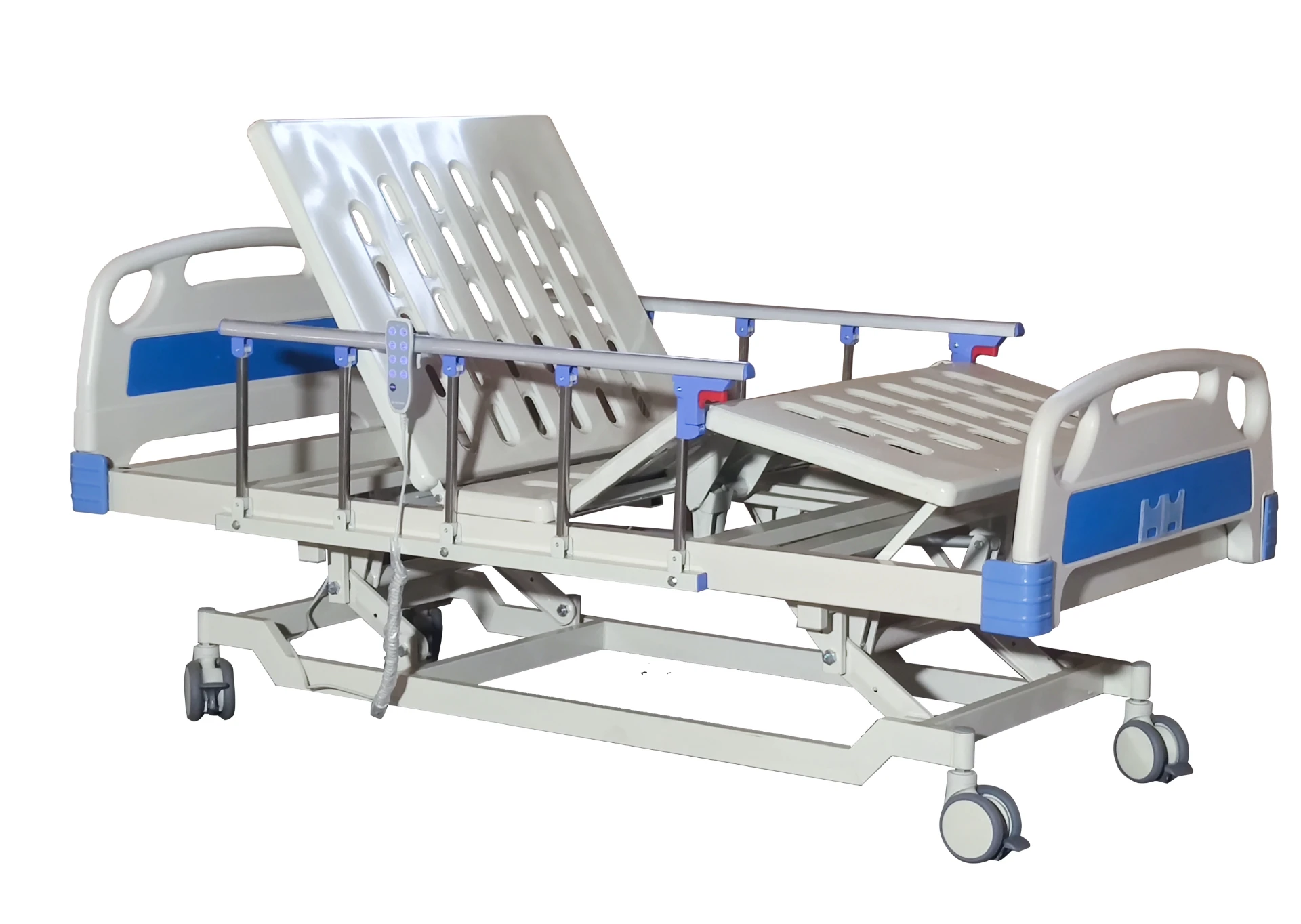
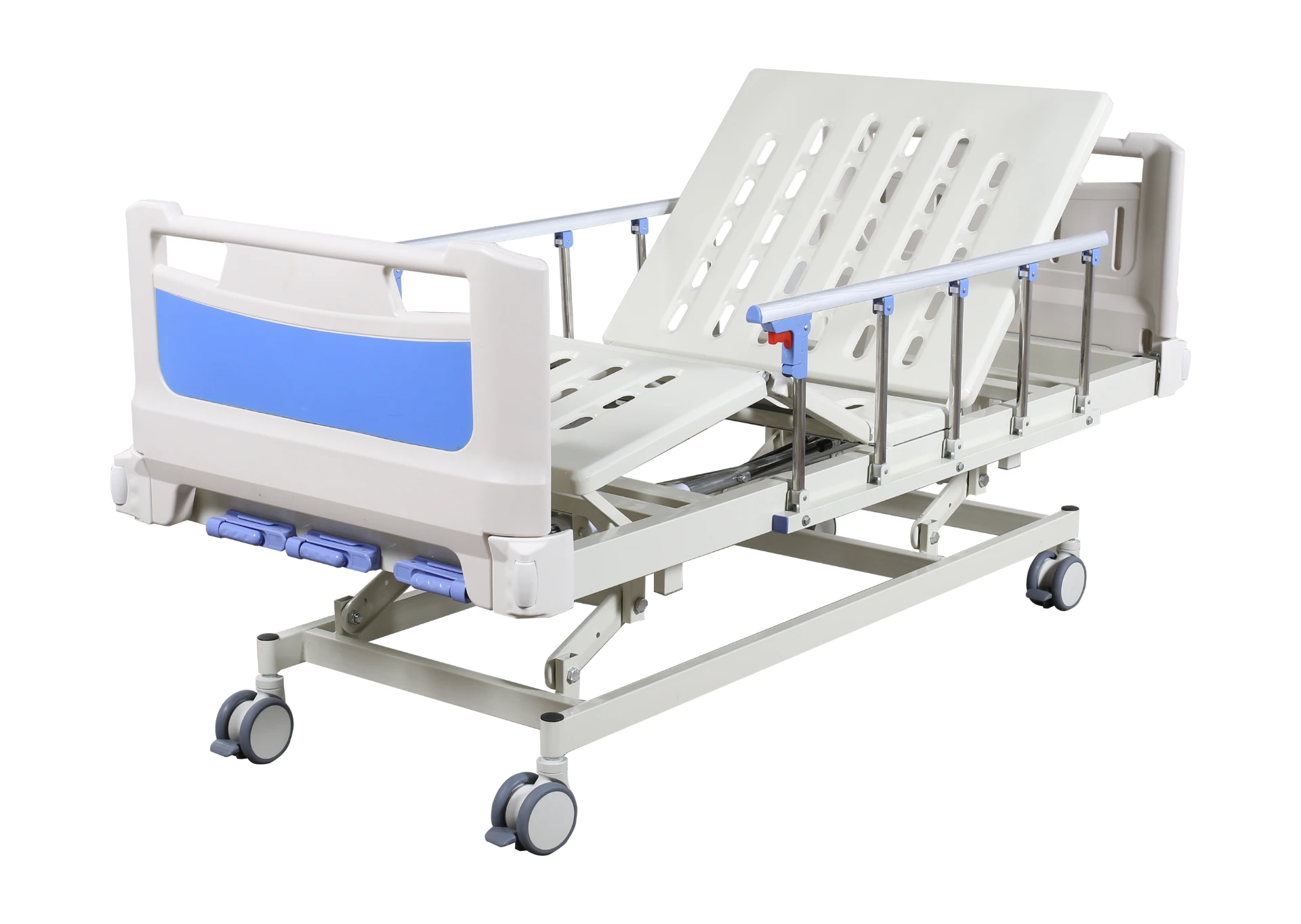
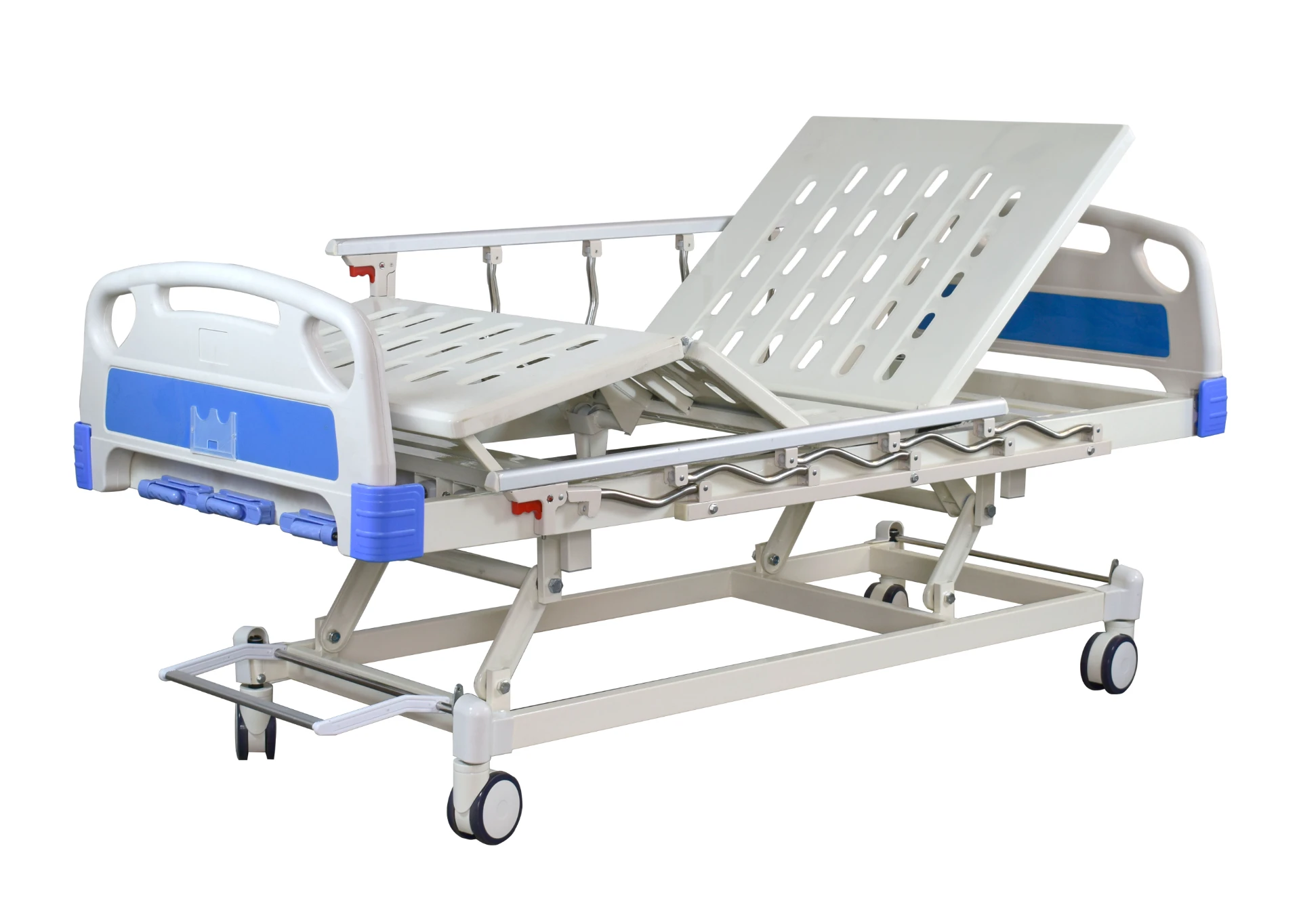
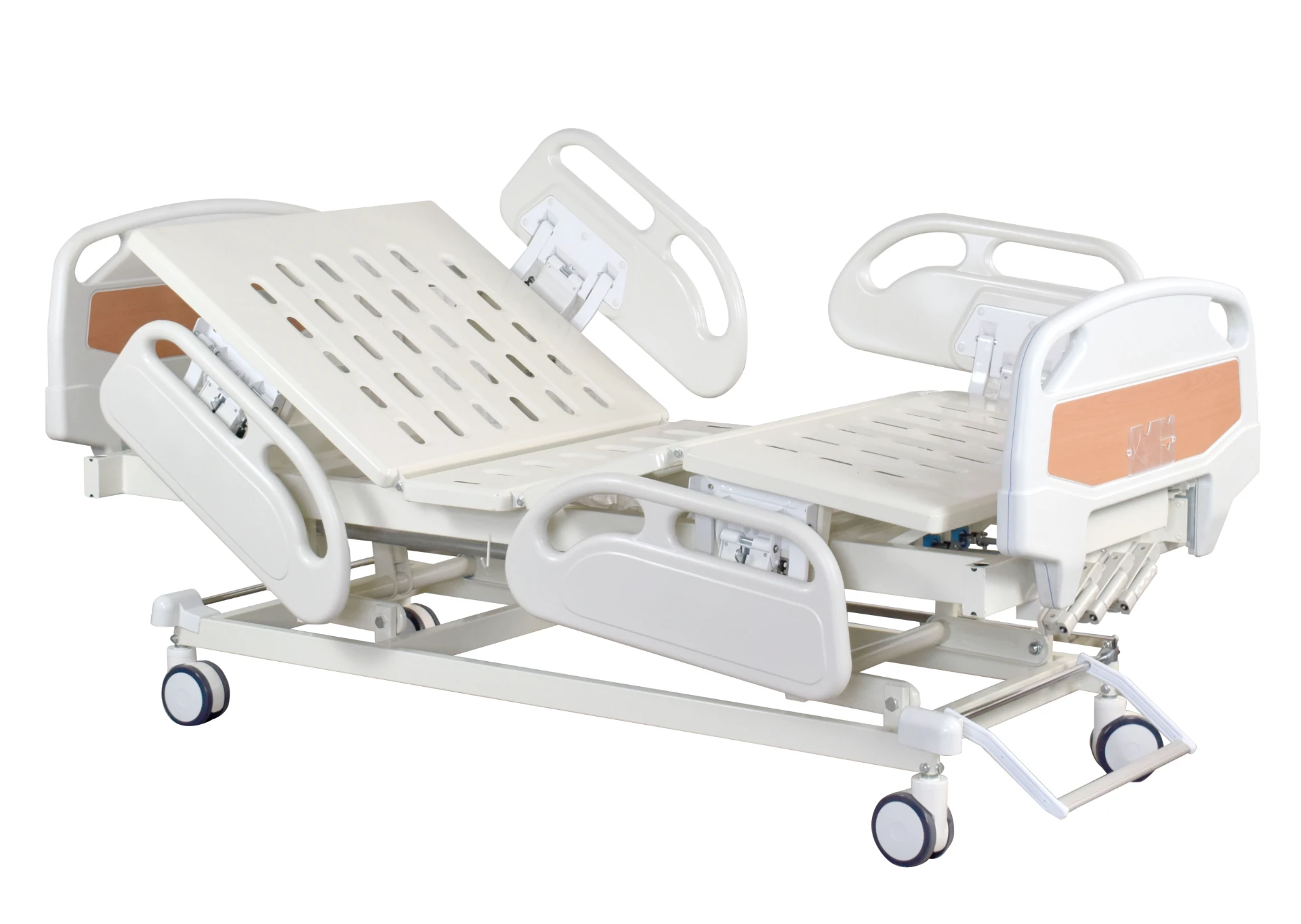
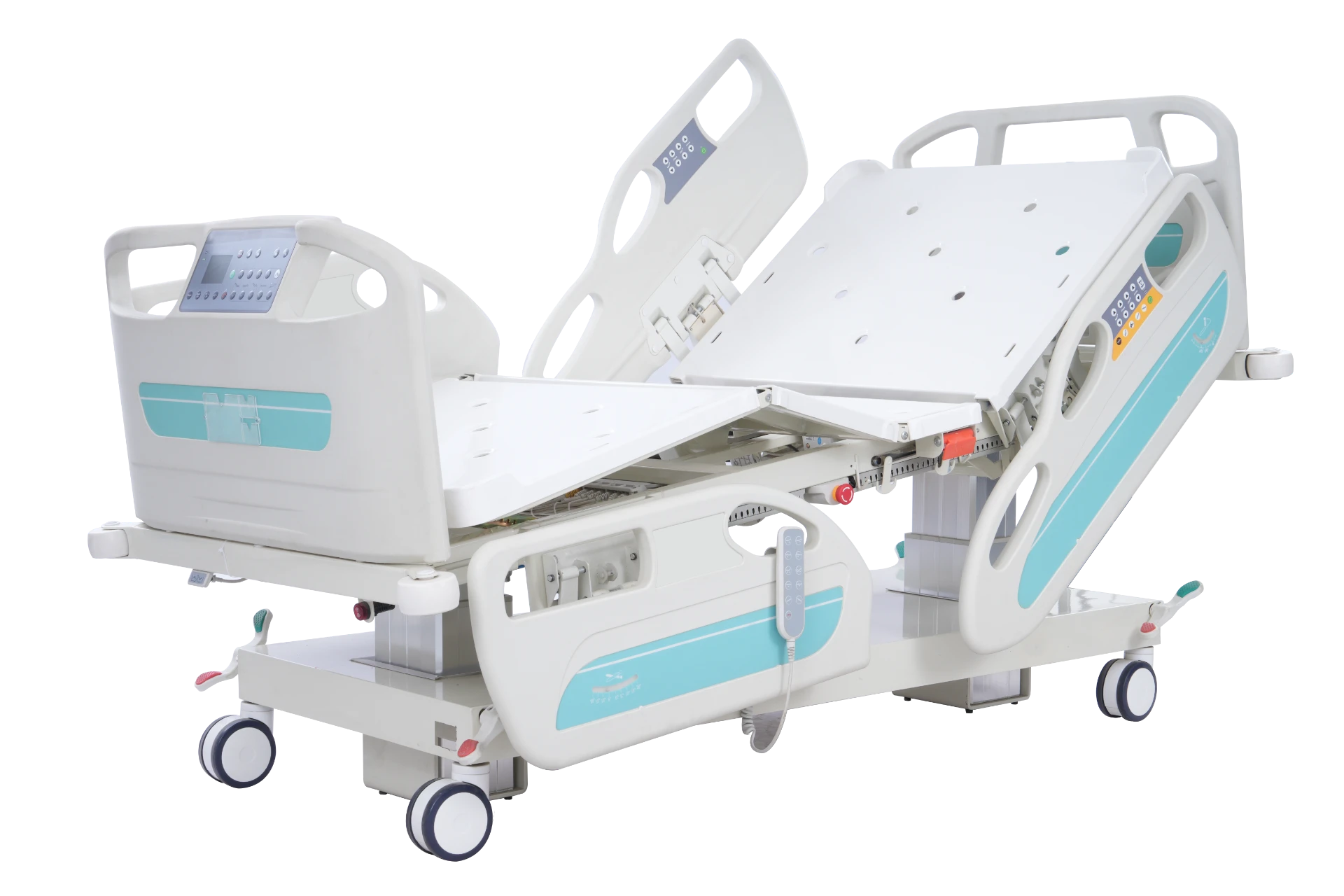
Having spent several years working closely with medical equipment in industrial settings, I can say pediatric hospital beds are more than just smaller versions of adult beds. Frankly, they’re a distinct breed designed to meet unique clinical and emotional needs. The smallest details—from adjustable side rails to mattress materials—matter a lot here.
Oddly enough, when engineers first handed me specs for a pediatric bed, I was struck by how much care goes into ergonomics and safety. The bed needs to secure tiny patients safely, provide comfort during long hospital stays, and support caregivers’ workflows efficiently. And yes, it’s quite the balancing act.
In real-world use, the ideal pediatric hospital bed stands out because of its modular design—allowing quick adjustments to height and tilt, critical for both treatment and comfort. It also usually features easy-to-clean surfaces, important given hospital sanitation protocols. I remember visiting a children’s ward where nurses said the electrically adjustable beds were a game-changer—they could react quickly and reduce strain from manual lifting.
| Feature | Spec / Detail |
|---|---|
| Bed Length | 150 – 180 cm (adjustable) |
| Bed Width | 70 – 90 cm |
| Height Adjustment | 30 – 80 cm (electric or manual) |
| Side Rails | Foldable, slatted metal or ABS plastic, safety locks |
| Mattress Type | Pressure-relief foam with waterproof cover |
| Weight Capacity | Up to 150 kg |
| Additional Options | IV pole, oxygen bottle holder, caster brakes |
Now, when it comes to vendors in this space, it’s a bit like picking tools for a craftsman’s kit. You want reliability, yes, but also service support and, frankly, a product that feels well-thought-through. Based on experience and industry chatter, here’s a simplified comparison:
| Vendor | Build Quality | Customization | After-Sales Support | Price Range |
|---|---|---|---|---|
| CNBoxin | Robust steel frame, corrosion-resistant | High: modular options, mattress choices | Comprehensive, quick response | Mid to High |
| MediChild Beds | Good, lightweight alloy frame | Moderate: standard configurations | Average, regional limits | Low to Mid |
| PediaCare | Premium materials, advanced tech | High customization, smart features | Excellent, 24/7 hotline | High |
The tradeoff often boils down to budget vs. feature set. You know, in hospitals tight on funding, a sturdy, reliable bed from a vendor like CNBoxin that can be customized enough usually hits the sweet spot.
There’s a story I remember from a pediatric hospital in the Midwest—it involved a child with mobility challenges who benefited greatly from a bed that could tilt and adjust dynamically during therapy sessions. The impact was more than physical comfort; it fostered independence and confidence. Little things, but they add up.
Looking ahead, I suppose smart beds with integrated monitoring might become standard, but until then, the focus remains on ergonomic design, safety, and dependability. If you’re in procurement or clinical engineering, keep those priorities close to heart.
To wrap this up, if you’re seeking a blend of engineering know-how, practical design, and reputable service in pediatric hospital beds, you might want to check out the options on CNBoxin. Their equipment ticks a lot of boxes from my experience — reliable, thoughtfully designed, and with solid support.
Sometimes the smallest beds have the biggest impact.
References:
- Hospital Equipment Procurement Reports, 2023
- Interviews with Pediatric Nurses, Midwest Children’s Hospital, 2022
- Industrial Equipment Safety Standards, ISO 60601-2-52, 2019
-
Ultimate Guide to Choosing Extra Wide Waiting Room ChairsNewsApr.16,2026
-
Guide to Choosing Professional Waiting Room Chairs Wipeable SeatingNewsApr.09,2026
-
Enhance Your Space with Comfortable Wide Waiting Room ChairsNewsApr.07,2026
-
Selecting the Ideal Brown Waiting Room Chairs for a Welcoming SpaceNewsApr.04,2026
-
Choosing Comfortable Patient Waiting Room Chairs for Healthcare FacilitiesNewsMar.31,2026
-
Finding the Best Deals on Affordable and Cheap Reception Chairs for Your BusinessNewsMar.28,2026
-
Enhance Your Business Reception with Comfortable Blue Reception ChairsNewsMar.26,2026