Welcome to our websites!


Pediatric Bed: Safe & Comfortable Solutions for Hospitals
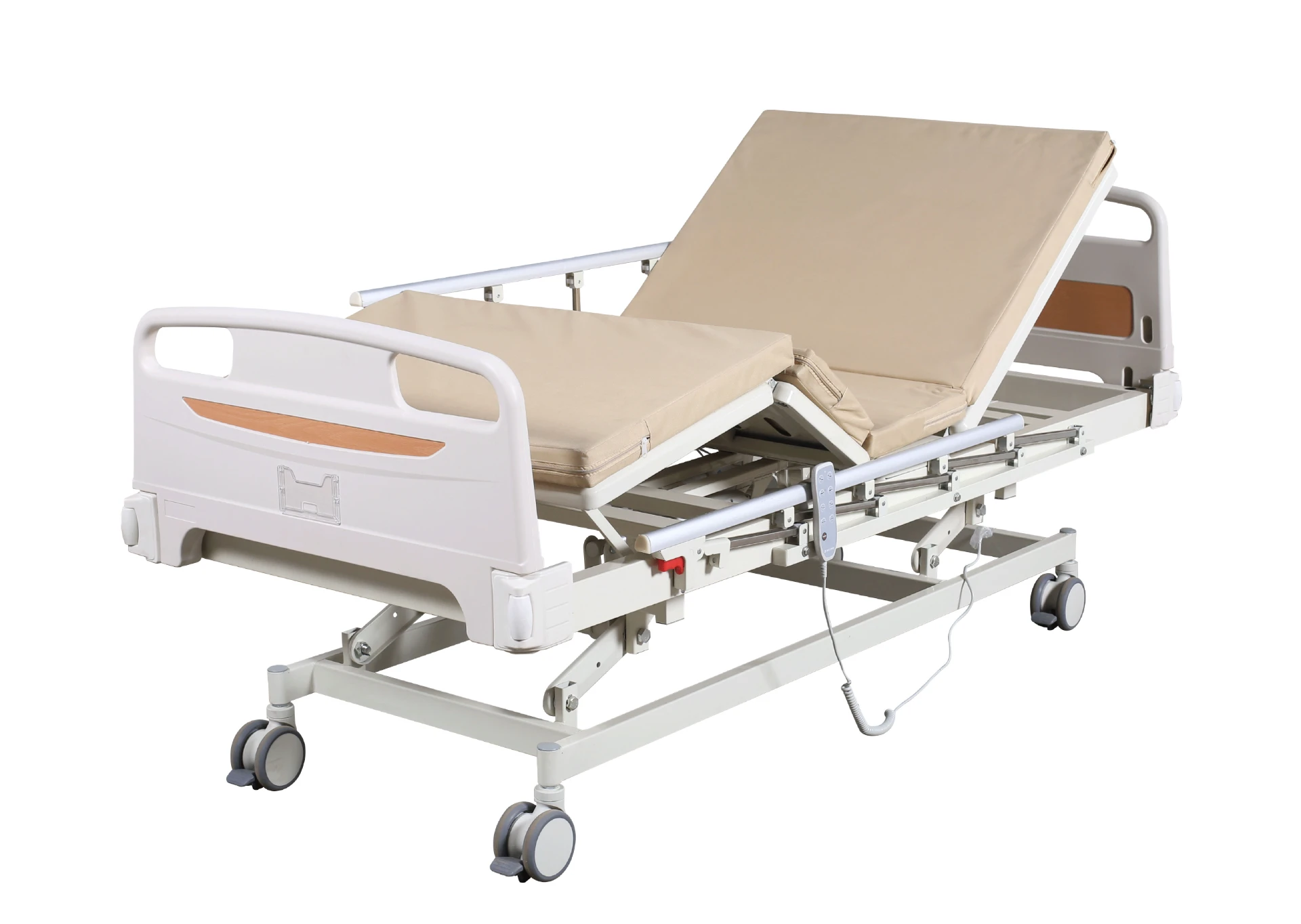
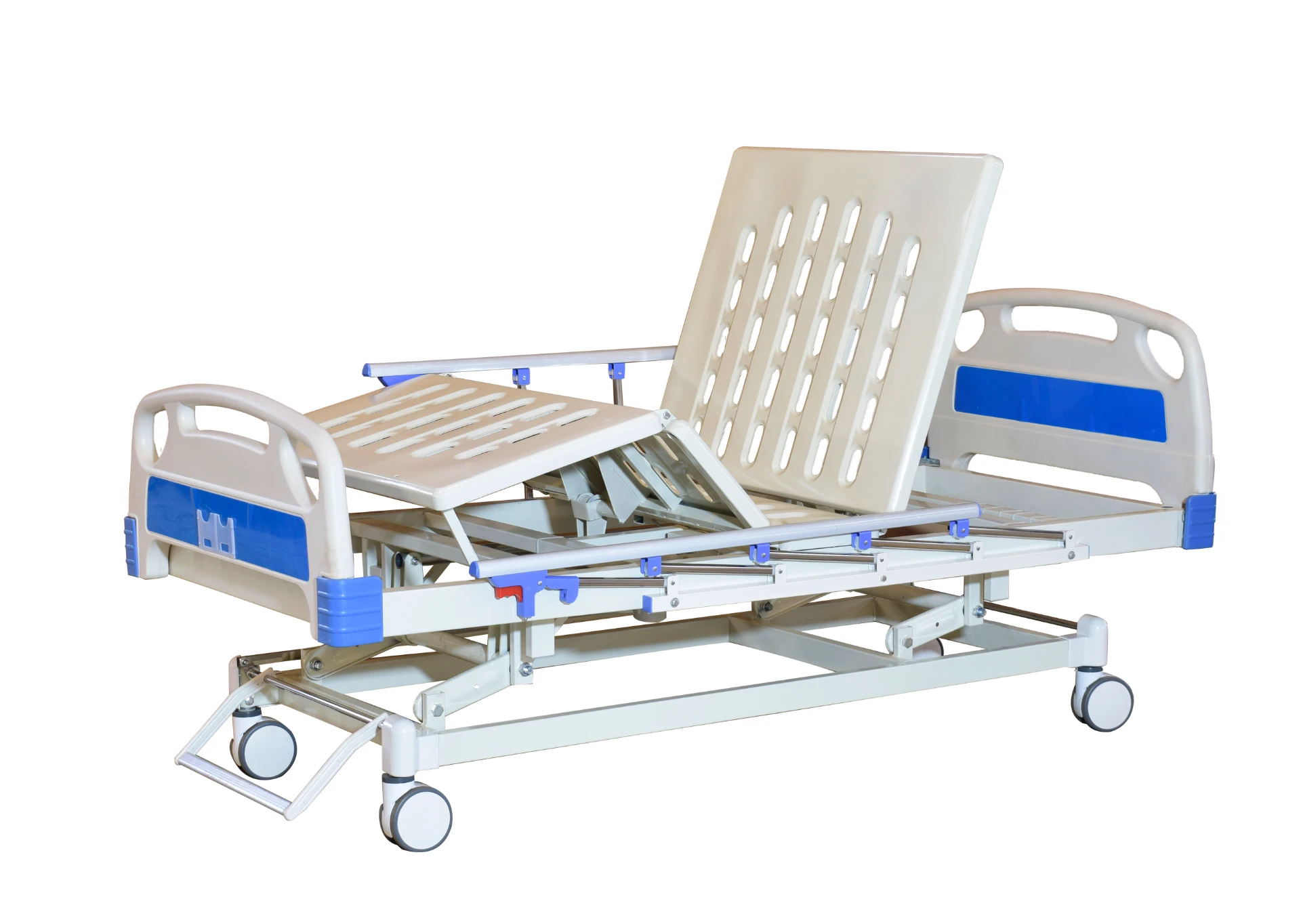
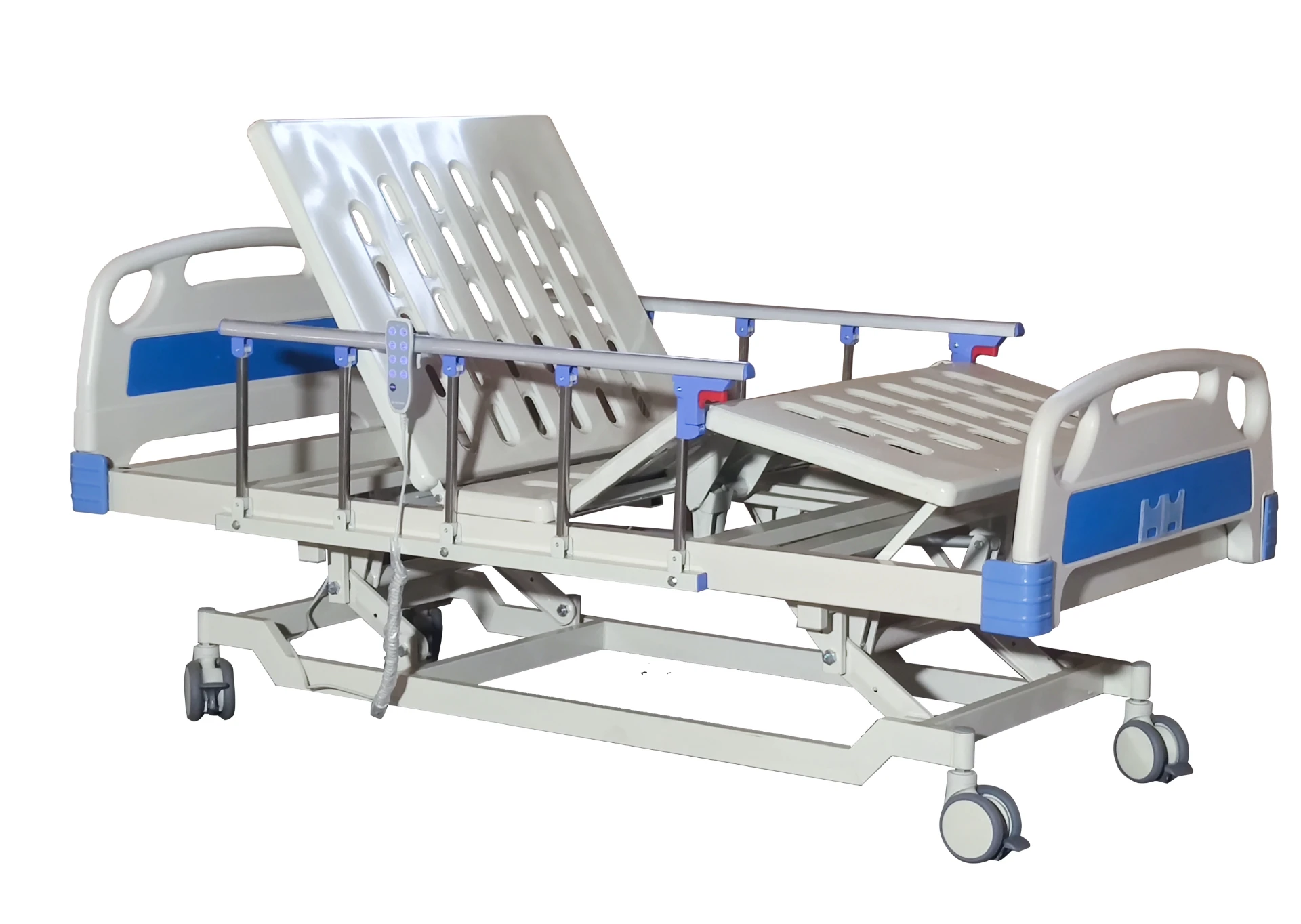
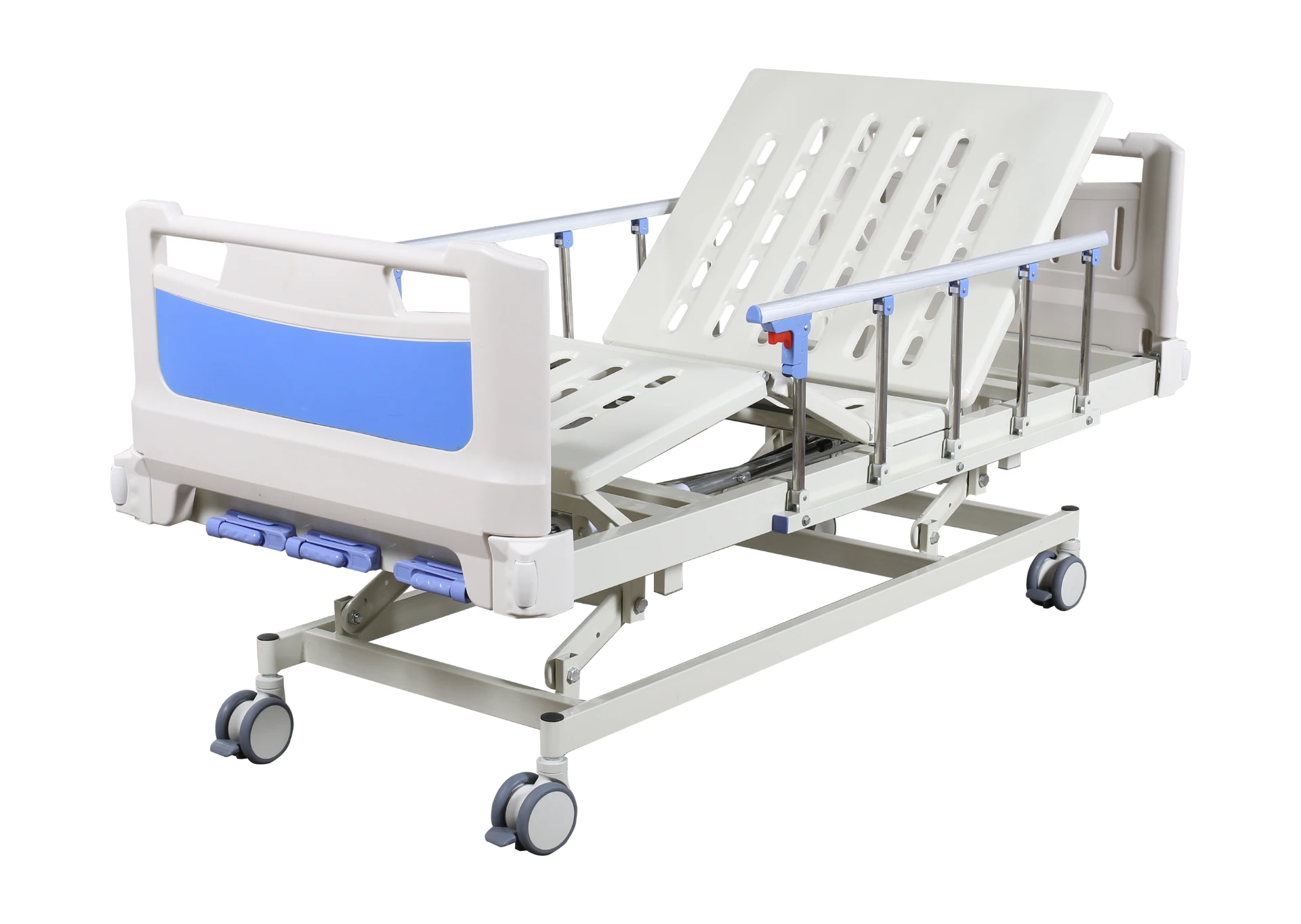
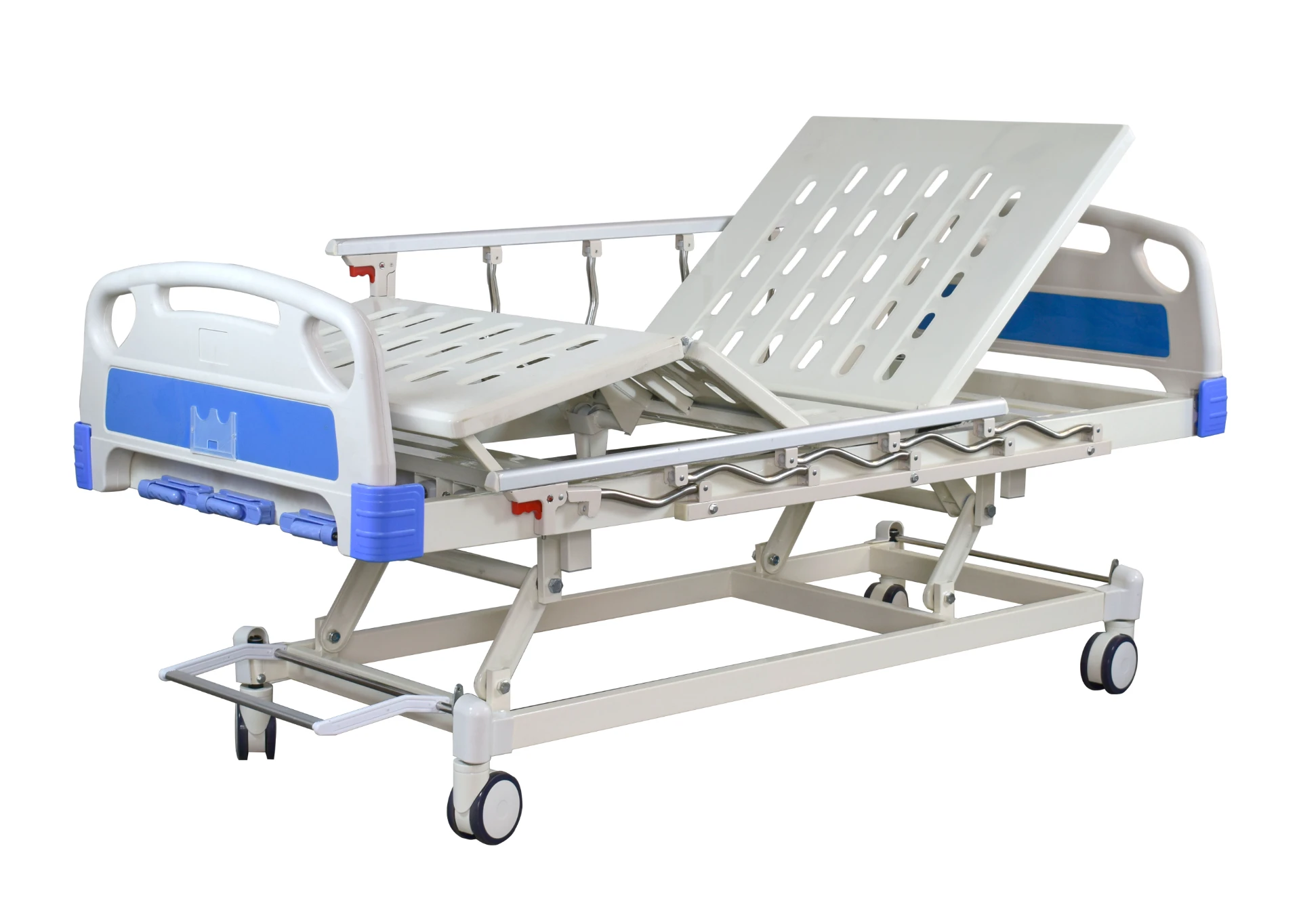
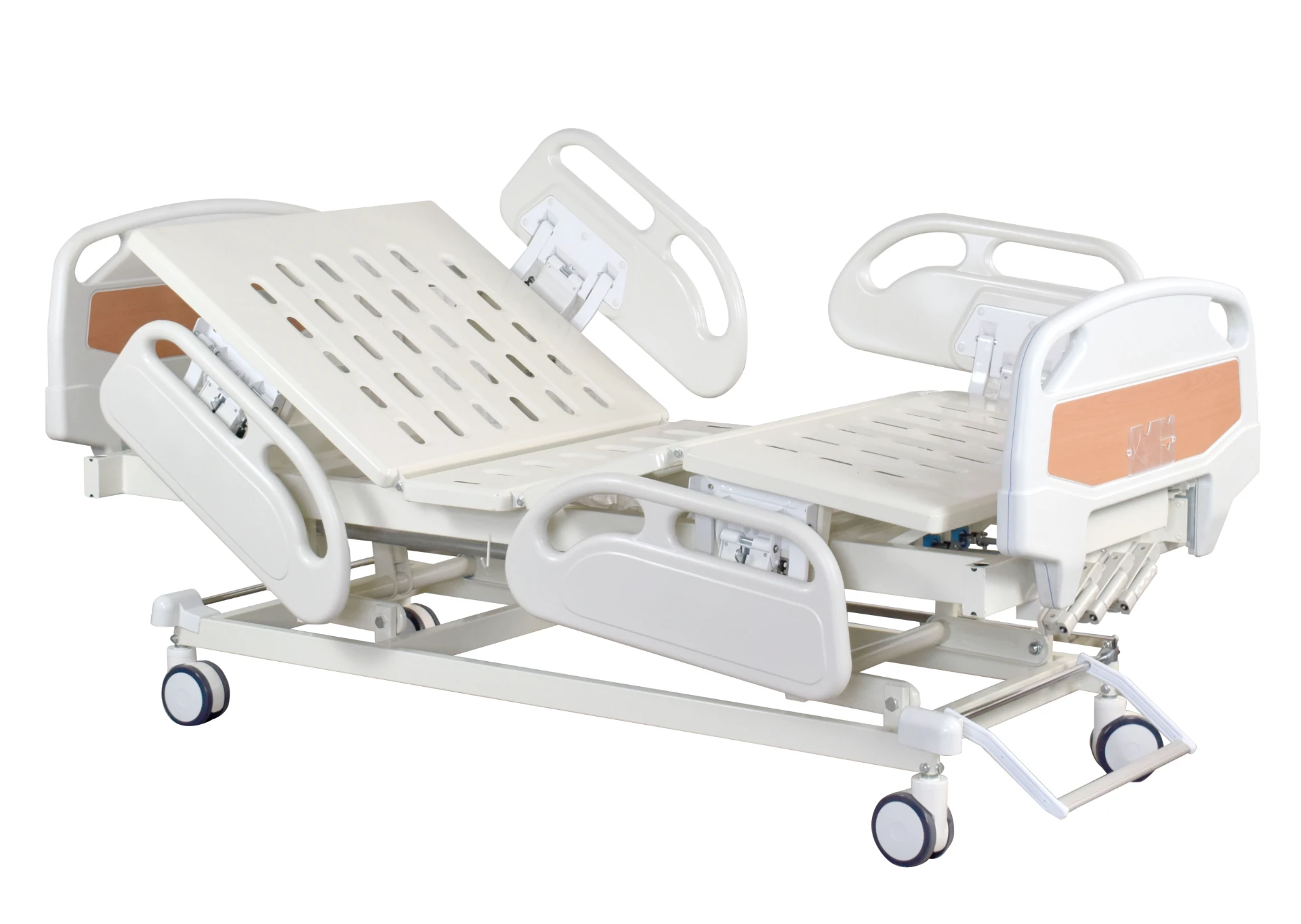
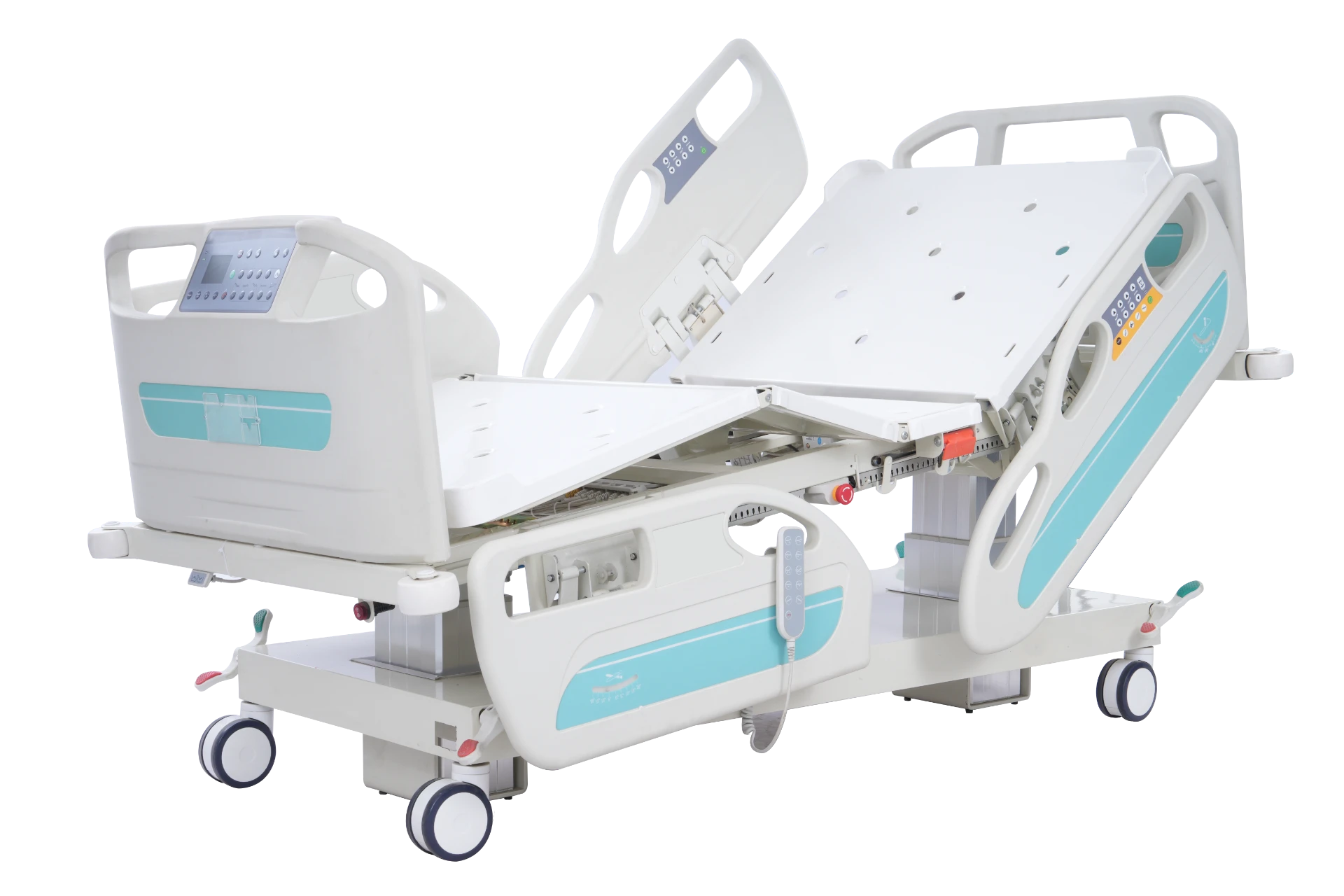
Pediatric Bed: Balancing Safety, Comfort, and Functionality
Having spent over a decade working closely with pediatric beds in the industrial equipment sector, I’ve gathered a fair share of insights about what truly matters in these specialized beds. It’s not just about having a smaller version of an adult hospital bed; the nuances run deeper, from design considerations to materials, safety mechanisms, and usability for medical staff and families alike.
Oddly enough, the best pediatric beds often come from manufacturers who intimately understand the delicate balance between protection and comfort — not just steel and mechanics. After all, these beds cradle our most vulnerable patients. It’s a kind of responsibility that engineers and manufacturers don’t take lightly. I remember one hospital nurse mentioning how a pediatric bed with adjustable side rails gave parents immense peace of mind, knowing their little one was secure without feeling trapped.
To understand these beds better, let’s look at some core features and specifications you’ll typically find in quality pediatric beds:
| Specification | Details |
|---|---|
| Bed Size | Typically 70” (length) x 30” (width) |
| Weight Capacity | Up to 250 lbs (113 kg) |
| Frame Material | Powder-coated steel with ABS plastic components |
| Adjustability | Electric or manual adjustments: height, backrest, knee rest |
| Safety Features | Side rails with smooth edges, locking casters, integrated IV poles |
| Mobility | 4 swivel wheels with brakes for ease of movement |
One thing I’ve noticed over the years is how customization plays a significant role. Some kids require beds modified for specific medical devices or therapeutic positioning. Manufacturers often offer modular designs—this flexibility is invaluable in pediatric care, as no two cases are exactly alike.
Now, let’s quickly peek at how a few leading vendors stack up. Having worked with various suppliers, I can say that choosing the right one often boils down to reliability, after-sales service, and compliance with strict safety certifications.
| Vendor | Safety Certification | Customization Options | Warranty | User Feedback |
|---|---|---|---|---|
| CNBoxin | ISO 13485, FDA Approved | High – modular components and accessories | 5 Years | Consistently positive – praised for durability |
| MedBed Co. | CE Marked | Moderate | 3 Years | Good, but some reports of delayed parts shipping |
| HealTech | ISO Certified | Low | 2 Years | Mixed – robust build but limited features |
Frankly, a pediatric bed’s success is often defined by feedback from frontline workers – nurses, therapists, and parents. When I visited a children's hospital last year, the staff emphasized that ease of cleaning was a huge factor, especially for infection control. Many beds now feature smooth, wipeable surfaces and removable sections precisely for this reason. This kind of design consideration might seem obvious, but when you’ve been on-site, you realize how essential it is.
In real terms, choosing the right pediatric bed means looking beyond specs alone. You want something that merges technical rigour with thoughtful, user-friendly design. This combination ultimately supports better care outcomes for children.
If you’re in the market for a pediatric bed, I’d wholeheartedly recommend checking out providers like CNBoxin, which marry engineering precision with a genuine understanding of pediatric care needs — just a bit of advice from someone who’s been in the field pondering these exact questions.
It feels like every small design detail counts, and when you’re dealing with children, that’s worth remembering.
References:
- ISO 13485 Medical Devices Standards – International Organization for Standardization
- FDA Medical Device Approvals – U.S. Food & Drug Administration
- Hospital Infection Control Guidelines – CDC
-
Ultimate Guide to Choosing Extra Wide Waiting Room ChairsNewsApr.16,2026
-
Guide to Choosing Professional Waiting Room Chairs Wipeable SeatingNewsApr.09,2026
-
Enhance Your Space with Comfortable Wide Waiting Room ChairsNewsApr.07,2026
-
Selecting the Ideal Brown Waiting Room Chairs for a Welcoming SpaceNewsApr.04,2026
-
Choosing Comfortable Patient Waiting Room Chairs for Healthcare FacilitiesNewsMar.31,2026
-
Finding the Best Deals on Affordable and Cheap Reception Chairs for Your BusinessNewsMar.28,2026
-
Enhance Your Business Reception with Comfortable Blue Reception ChairsNewsMar.26,2026