Welcome to our websites!


Patients in Hospital Beds: Industrial Equipment Insights & Trends
Patients in Hospital Beds: Practical Insights from the Industrial Equipment Sector
Having spent over a decade working closely with industrial equipment suppliers and hospital facility planners, I’ve developed a somewhat unique perspective on patients in hospital beds. Now, at first glance, you might think it’s all about comfort or aesthetics. But frankly, those beds are engineering marvels wrapped in very real safety and usability demands. And oddly enough, the gap between the right industrial design and actual patient comfort is sometimes larger than expected.
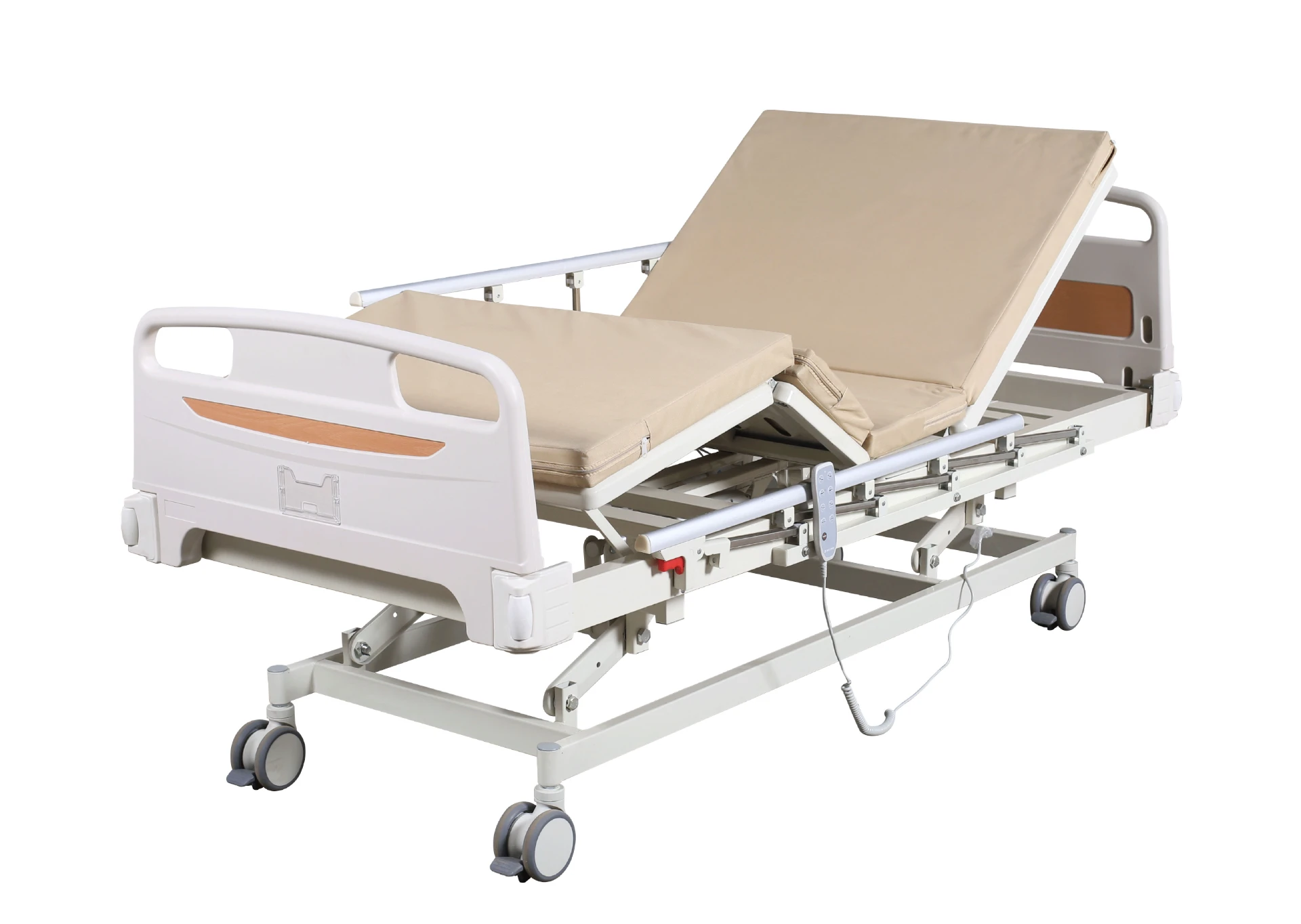
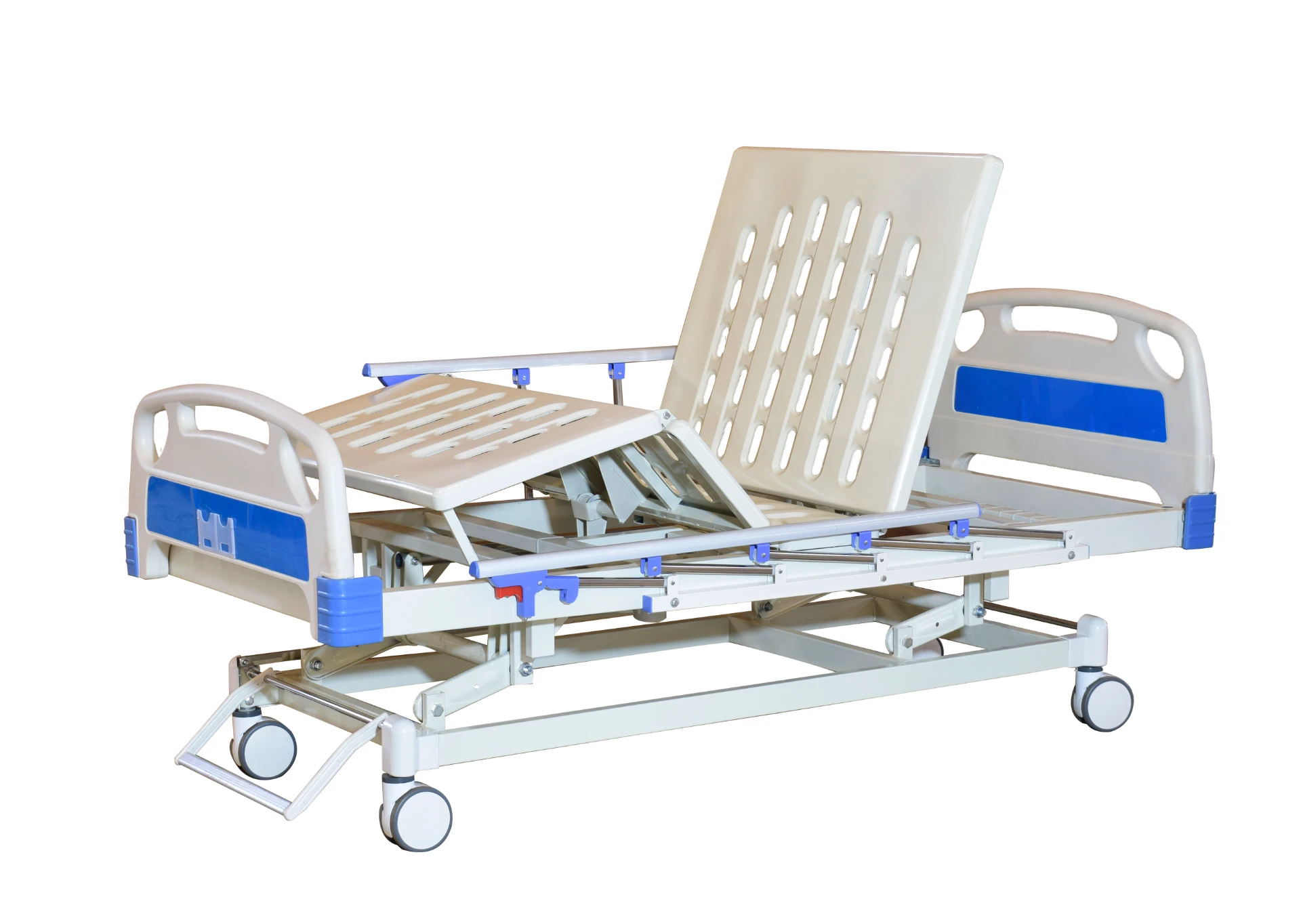
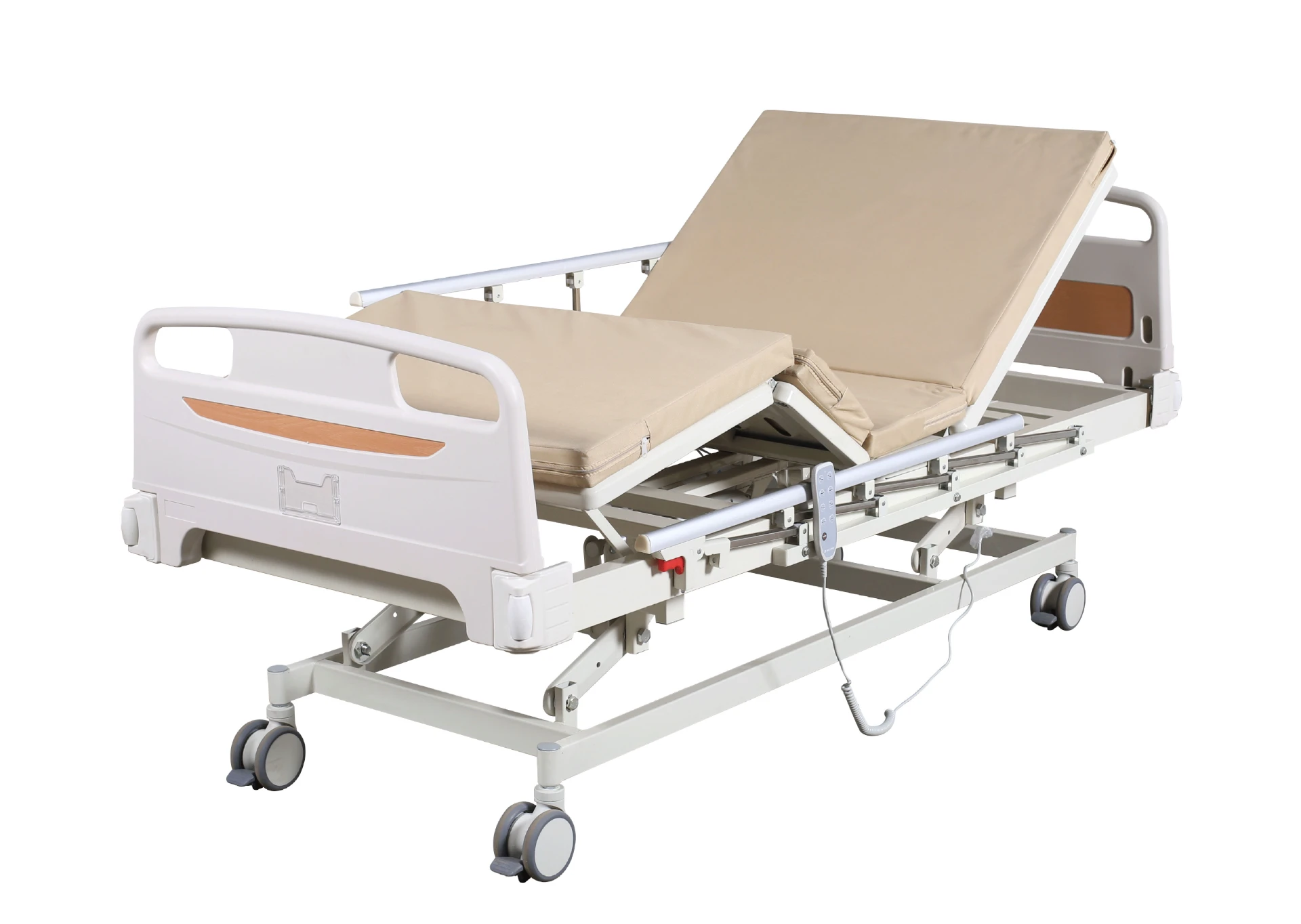
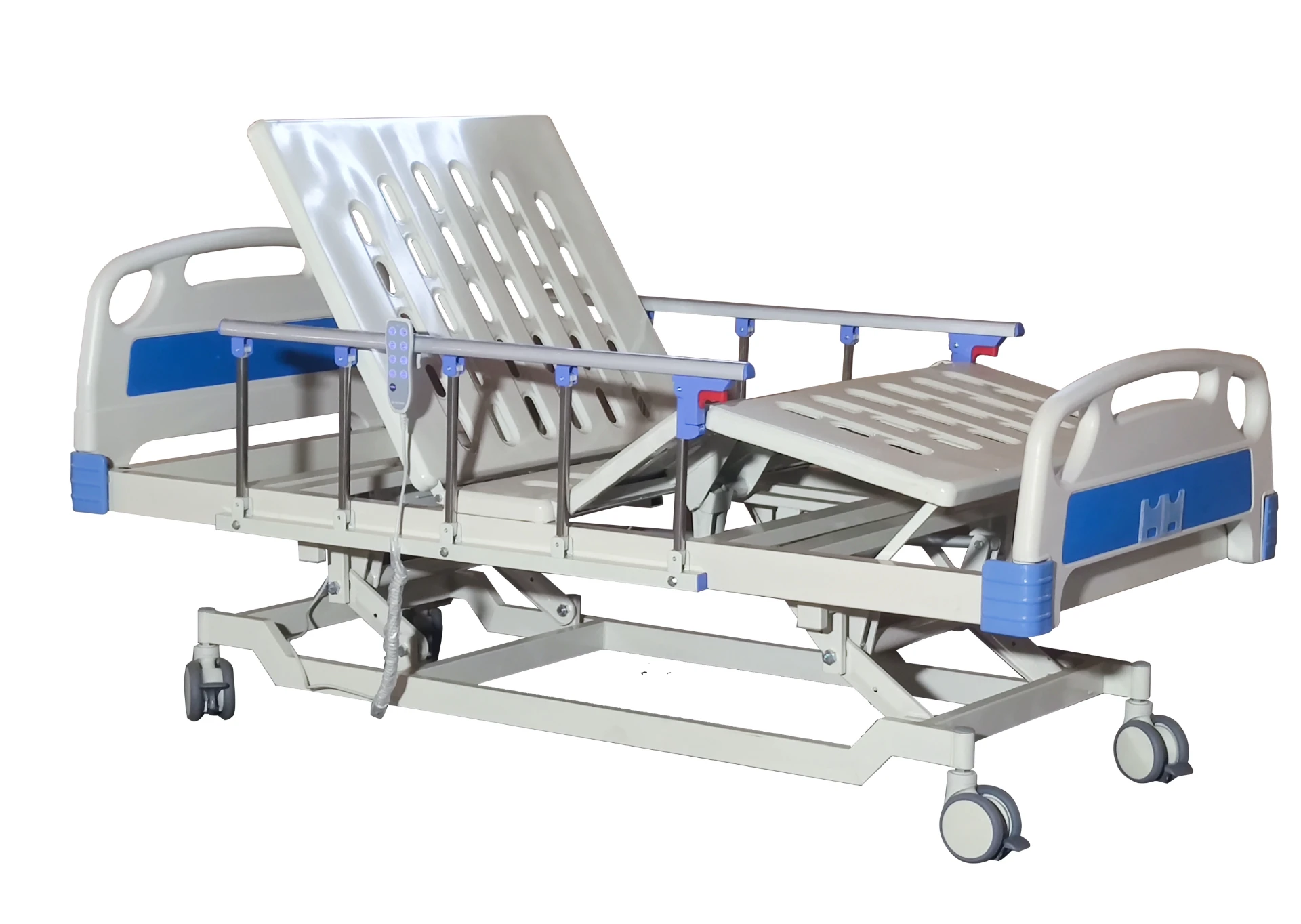
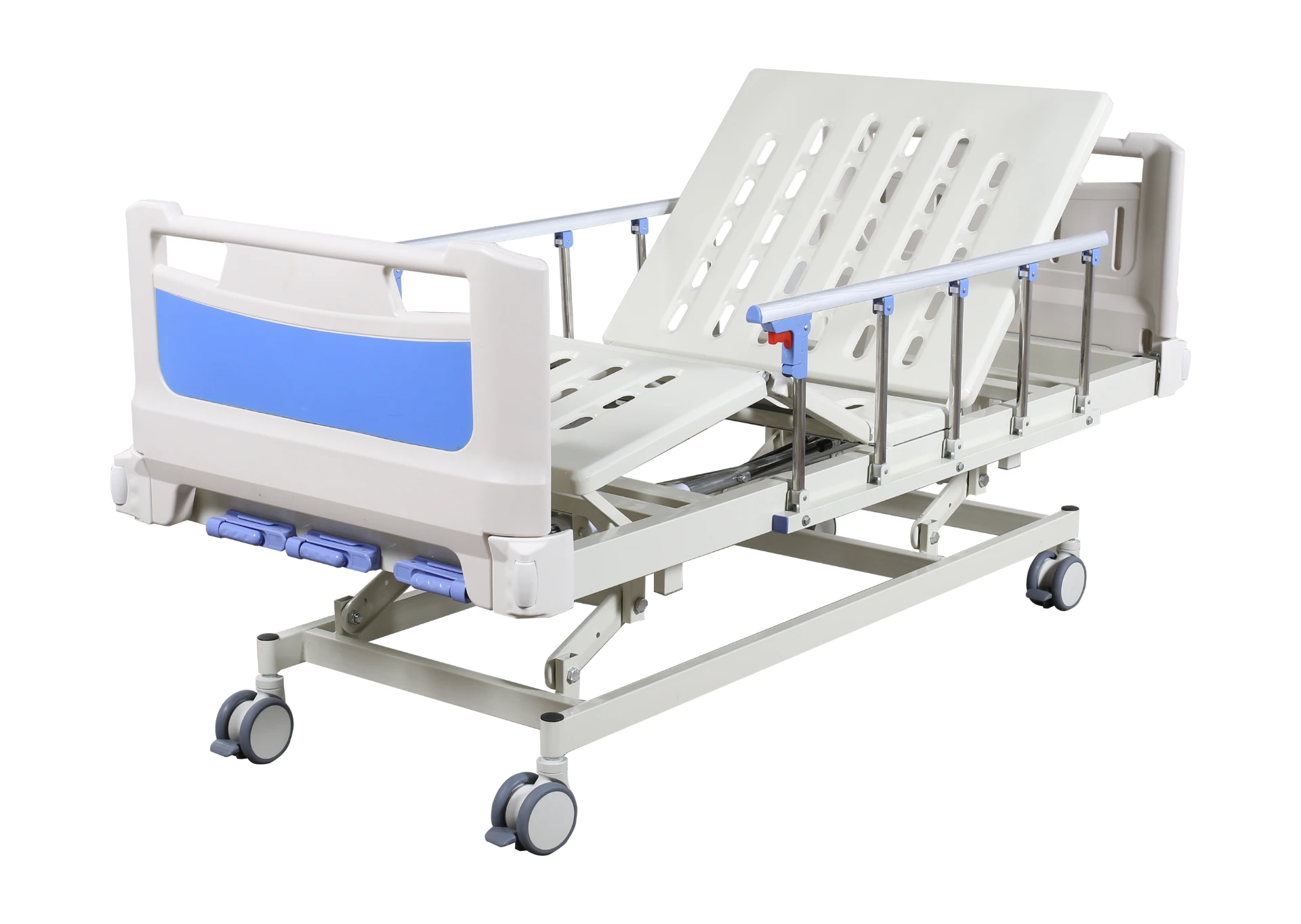
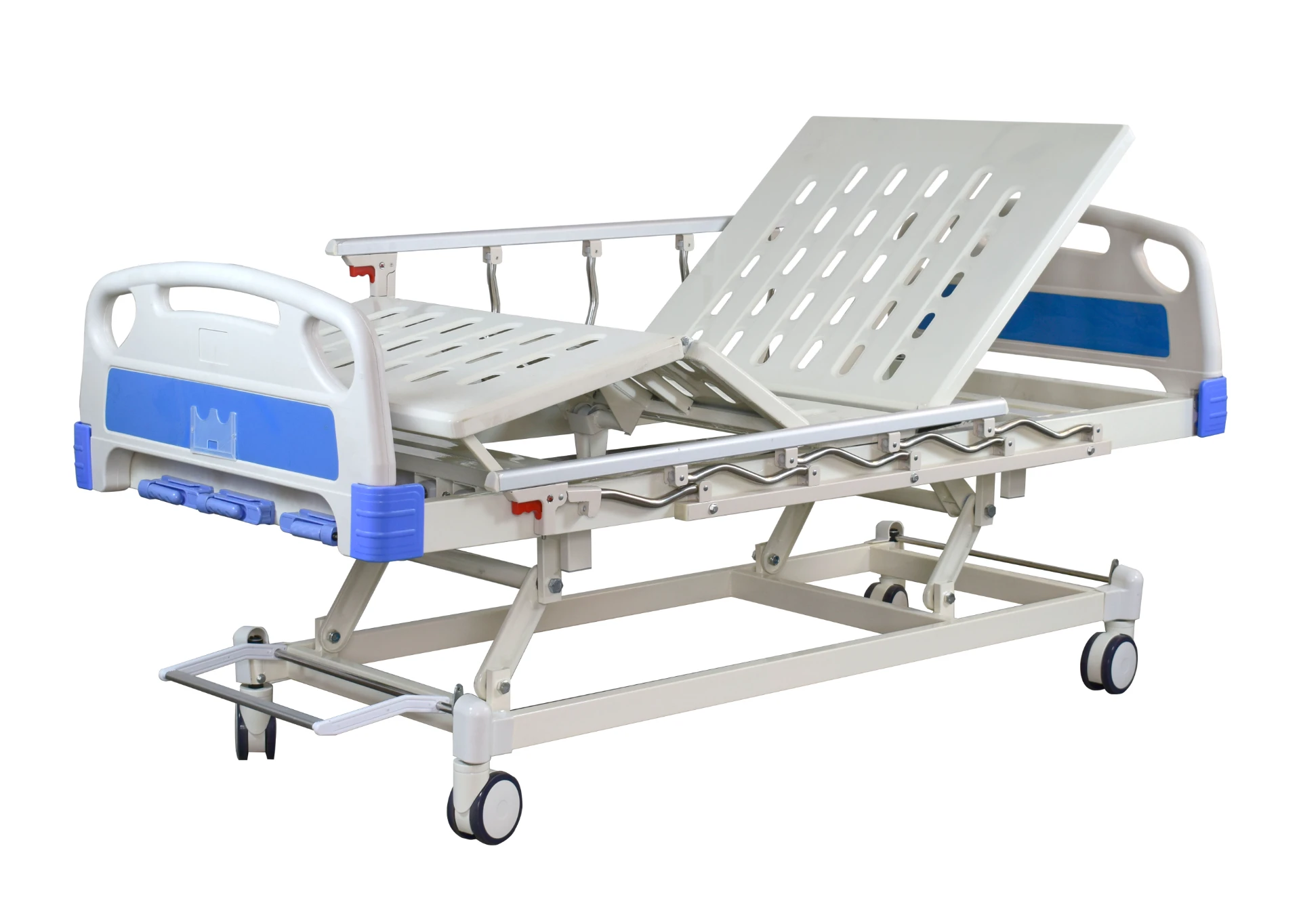
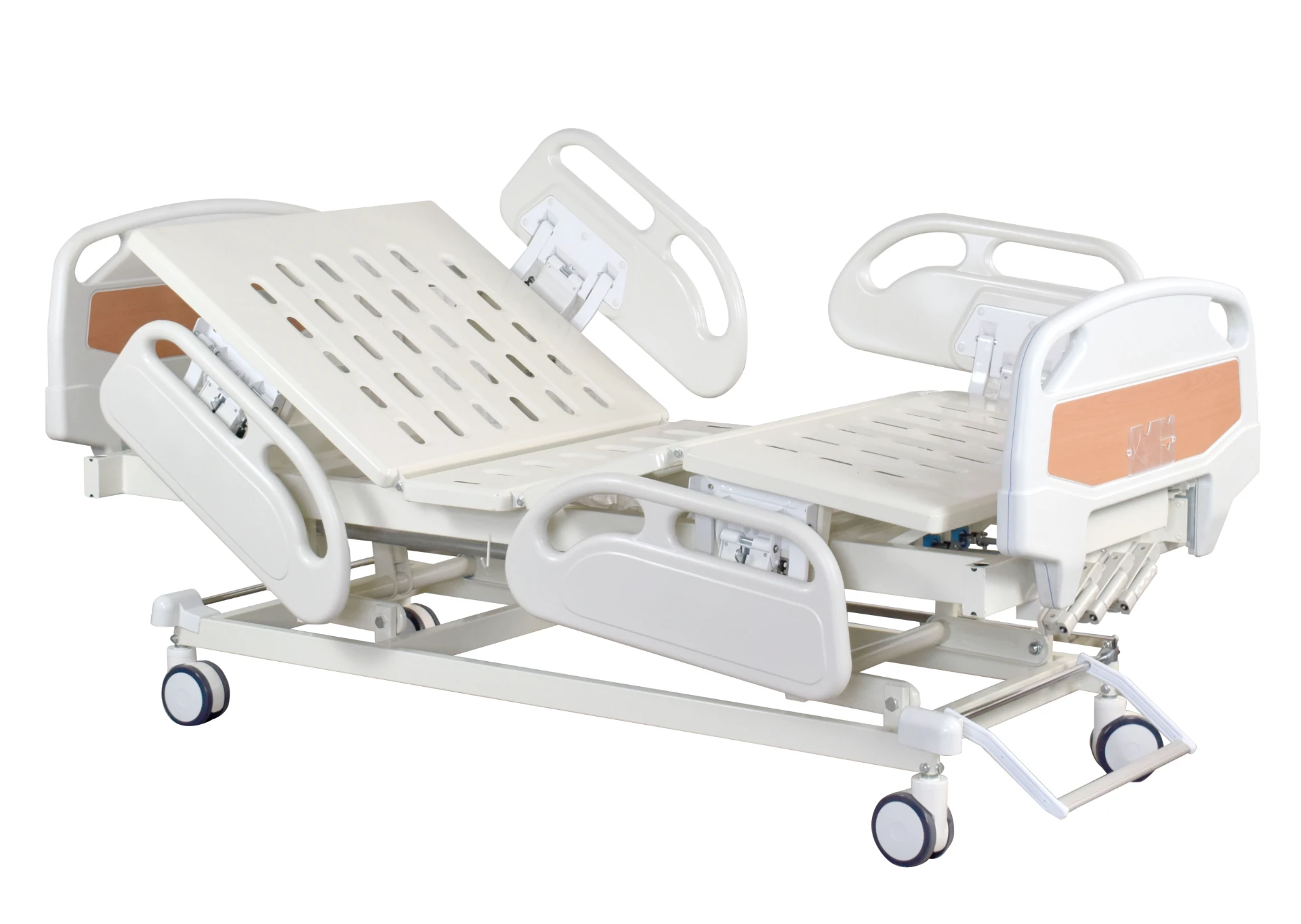
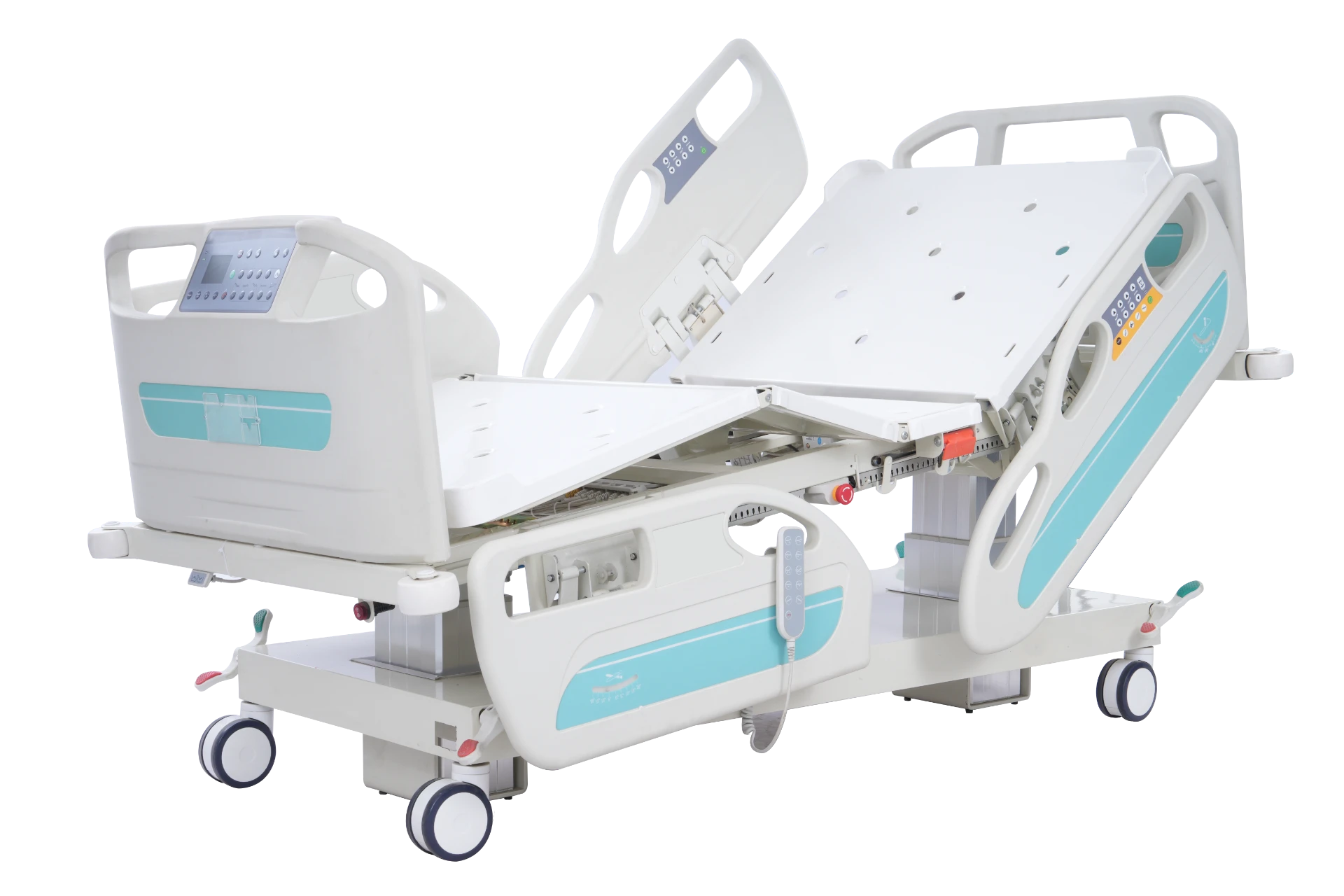
In real terms, a hospital bed isn't just a bed. It’s a multifunctional support system built with adjustable frames, durable materials, and, increasingly, smart technologies. These factors all work together to assist patients, nurses, and caregivers — and often in environments that push equipment to the limit, 24/7.
One thing I’ve noticed over the years is how customization plays a crucial role. Hospitals don’t usually want cookie-cutter solutions; they’d rather have beds that fit specific ward needs or patient types. So, adjustable height ranges, the ability to change the mattress angle precisely, and modular side rails have become standard expectations. Also, materials are critical: lightweight, easy-to-clean metals and antimicrobial surfaces have rightly gained traction due to infection control concerns.
A Quick Look at Typical Hospital Bed Specifications
| Specification | Typical Value / Feature |
|---|---|
| Weight Capacity | Up to 500 lbs (226 kg) |
| Adjustable Height Range | 40 - 80 cm (15.7" - 31.5") |
| Inclination Angles | Backrest: 0° to 70°, Leg rest: 0° to 45° |
| Frame Material | Powder-coated steel, aluminum |
| Surface Features | Antimicrobial paint, easy-clean surfaces |
| Power Source | Electric with battery backup |
What surprised me during site visits was how often hospitals must balance between high-end beds with multiple electric adjustments — and more budget-conscious models providing just the essentials but with very robust design. Many engineers I met stress durability above all, because the beds endure so much movement and constant cleaning. Plus, staff safety, like patient fall prevention, has to be baked in. The side rails and locking casters, while simple, often become a lifeline.
Vendor Comparison: A Snapshot
| Vendor | Product Range | Customization | Durability (Scale 1–5) | Price Level |
|---|---|---|---|---|
| BedCo Industrial | Wide (Basic to advanced electric) | High (Modular components) | 4.5 | Mid-High |
| MedEquip Solutions | Focused (Electric models) | Medium (Limited mods) | 4.0 | High |
| CareTech Components | Basic mechanical beds | Low | 3.8 | Low-Mid |
I suppose what really sticks with me is a story from a rehabilitation hospital I worked with a few years back. They’d just upgraded to a range of beds with electric lifts and antimicrobial frames, and the nurses remarked how this not only eased their back strain but also reassured patients — especially elderly folks feeling more secure in the bed’s movements. It felt like a small, human victory achieved through thoughtful engineering.
To sum it up: patients in hospital beds rely on more than just a soft mattress. They count on precise adjustability, sturdy designs, and materials that can withstand rigorous cleaning, all while providing safe, dignified care. It’s a field that marries industrial robustness with quiet compassion — and you get the sense that every detail, from frame angle to paint finish, truly matters.
For anyone interested in exploring options or getting more technical, I'd recommend starting at patients in hospital beds suppliers who specialize in modular, high-quality industrial beds that understand these delicate yet demanding needs.
It’s those small engineering details — often overlooked — that can make all the difference in patient care and staff wellbeing.
References:
- Healthcare Design Magazine, "Trends in Hospital Bed Technology," 2022
- Industrial Equipment Quarterly, "Materials and Cleaning in Hospital Environments," 2023
- Personal interviews with hospital maintenance teams, 2021-2023
-
Ultimate Guide to Choosing Extra Wide Waiting Room ChairsNewsApr.16,2026
-
Guide to Choosing Professional Waiting Room Chairs Wipeable SeatingNewsApr.09,2026
-
Enhance Your Space with Comfortable Wide Waiting Room ChairsNewsApr.07,2026
-
Selecting the Ideal Brown Waiting Room Chairs for a Welcoming SpaceNewsApr.04,2026
-
Choosing Comfortable Patient Waiting Room Chairs for Healthcare FacilitiesNewsMar.31,2026
-
Finding the Best Deals on Affordable and Cheap Reception Chairs for Your BusinessNewsMar.28,2026
-
Enhance Your Business Reception with Comfortable Blue Reception ChairsNewsMar.26,2026