Welcome to our websites!


Nurses Trolley & Nursing Care Bed: Efficient Patient Care
Advancements in Medical Logistics: The Essential Role of Modern Nursing Trolleys
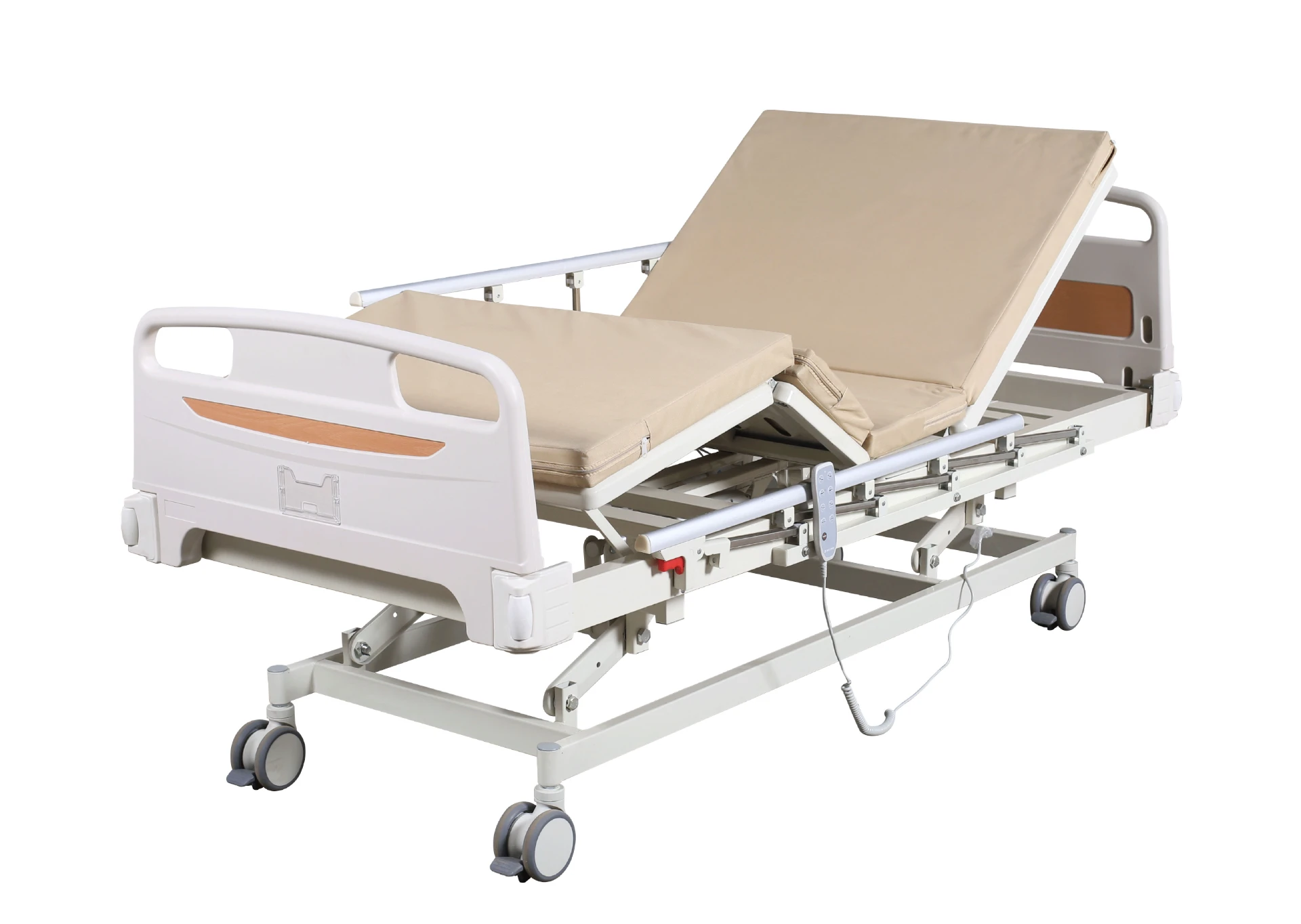
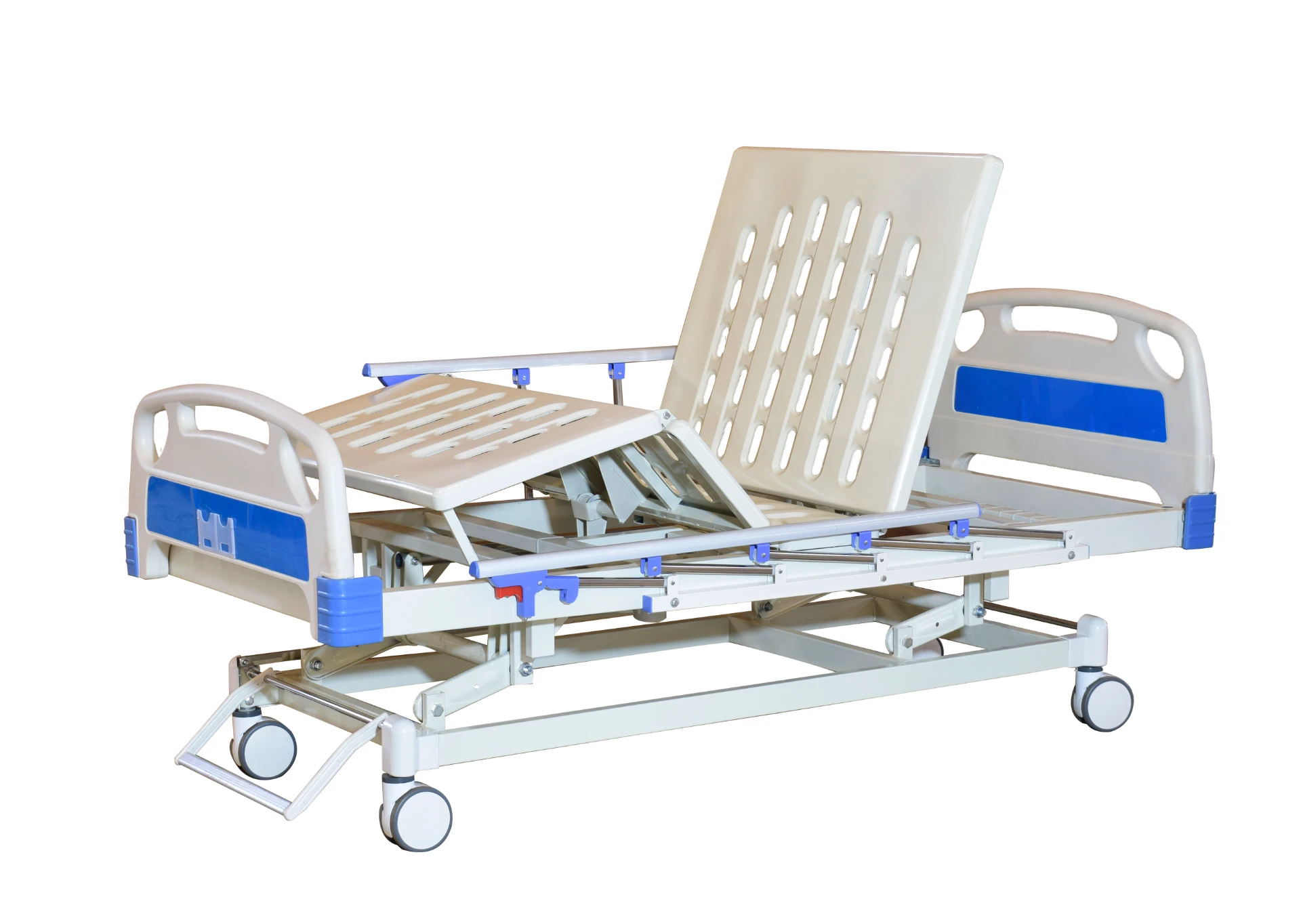
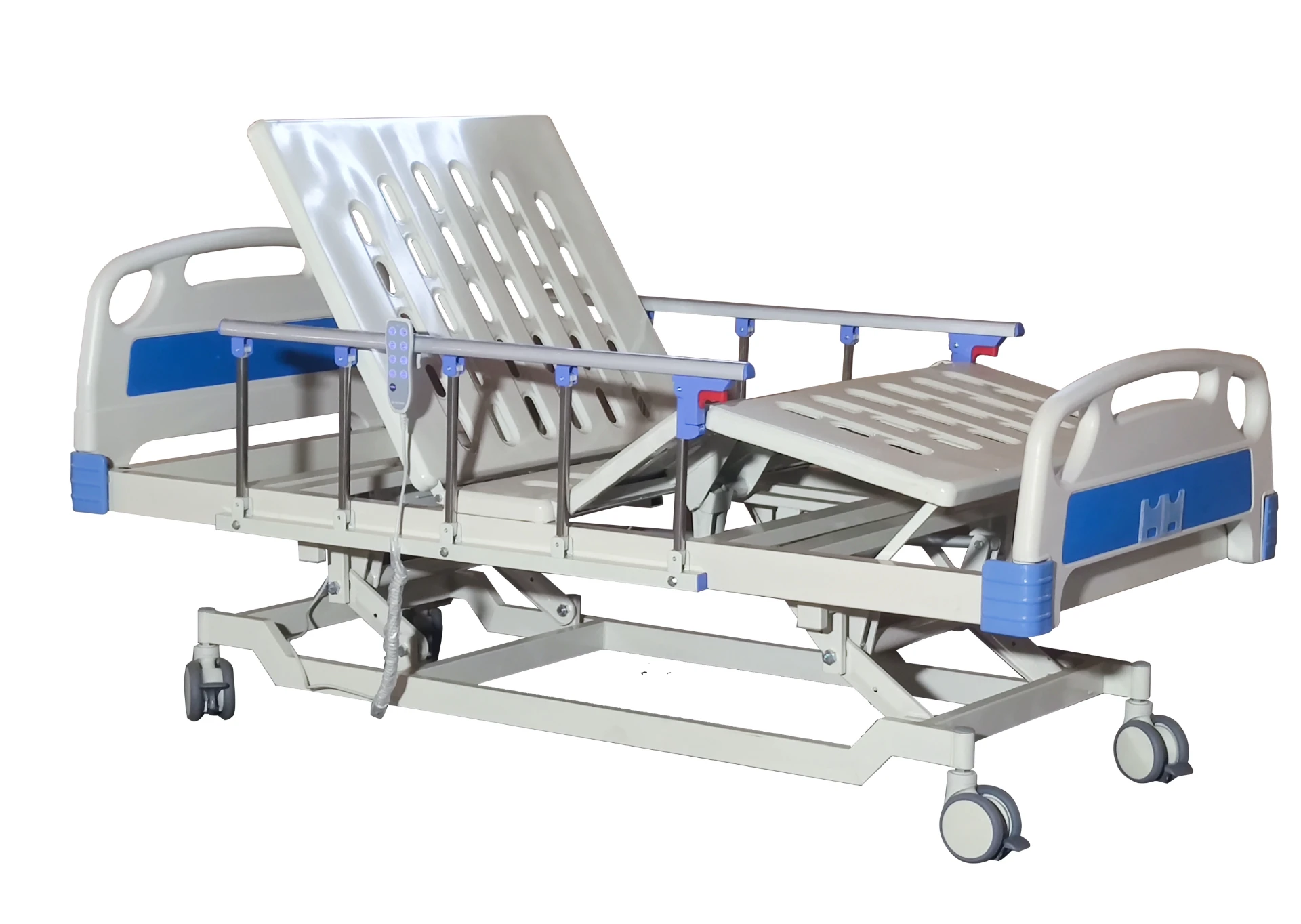
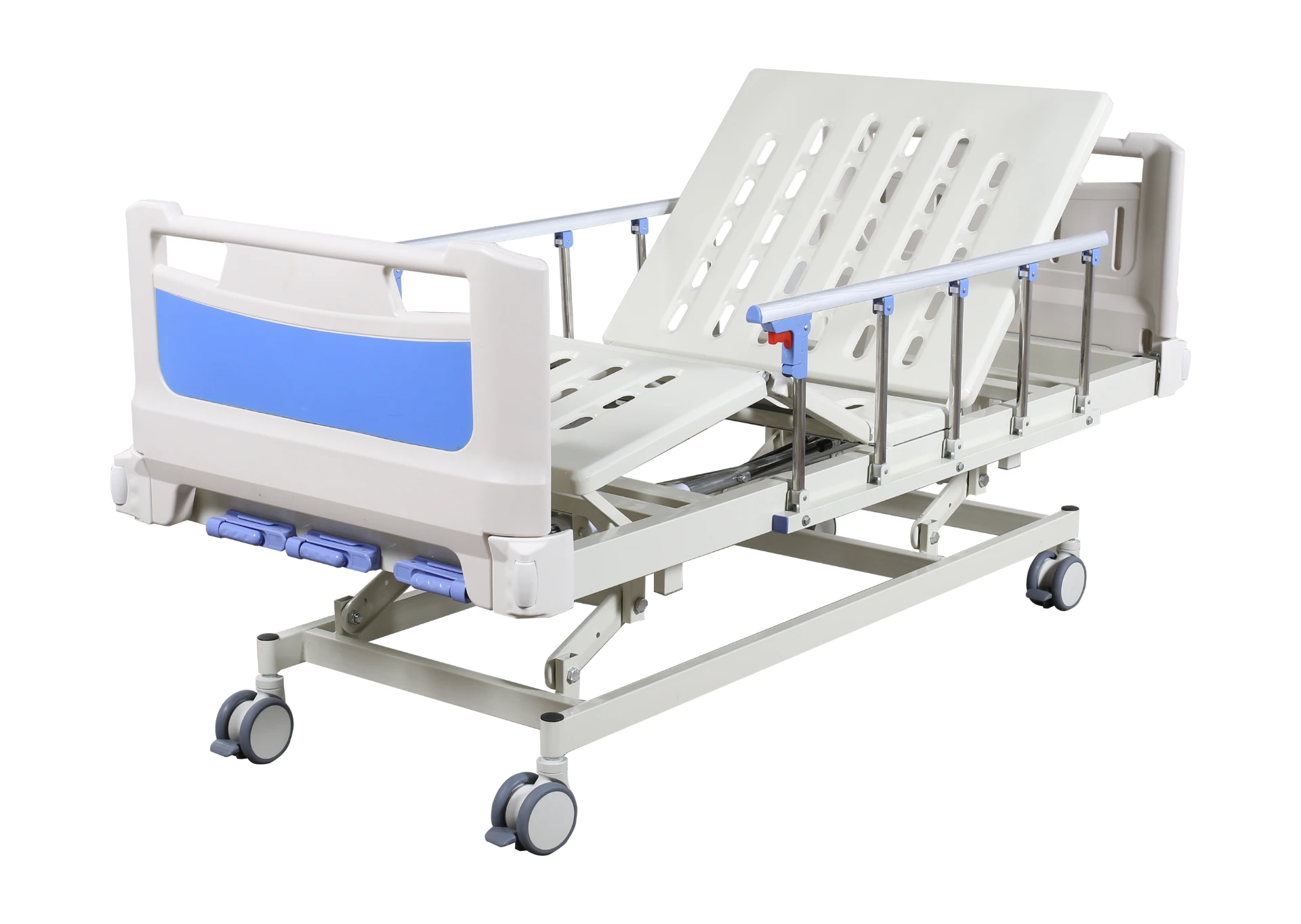
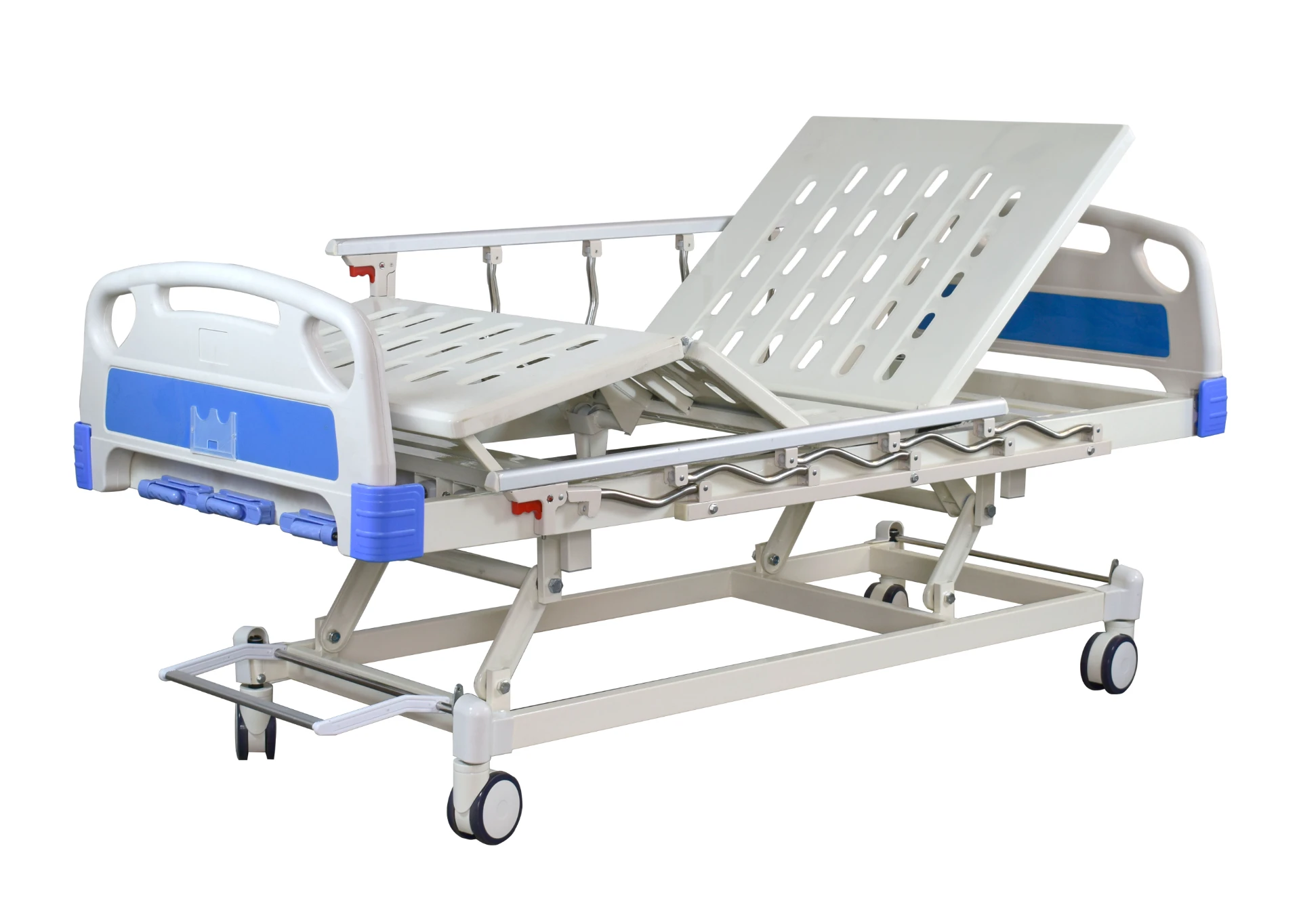
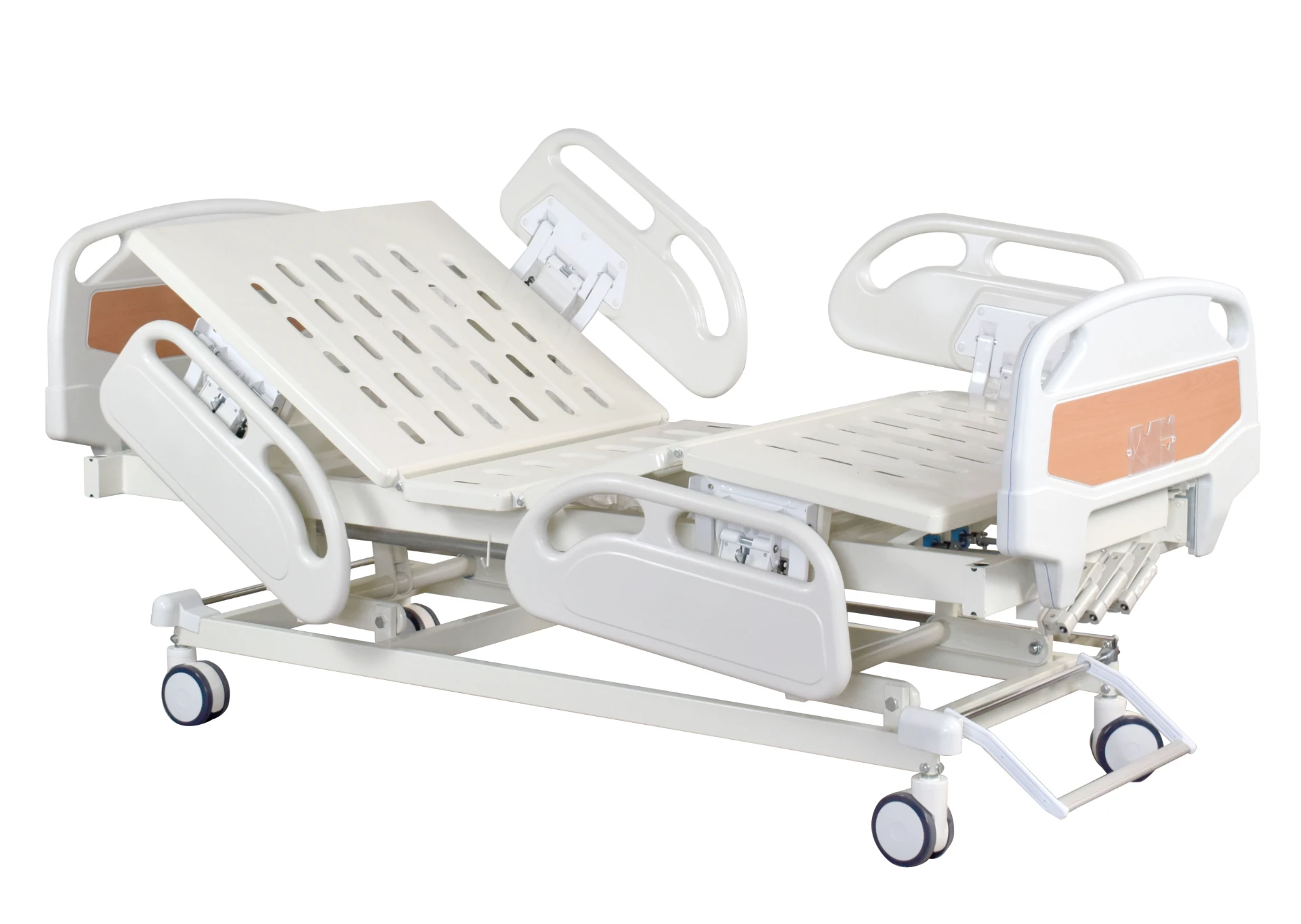
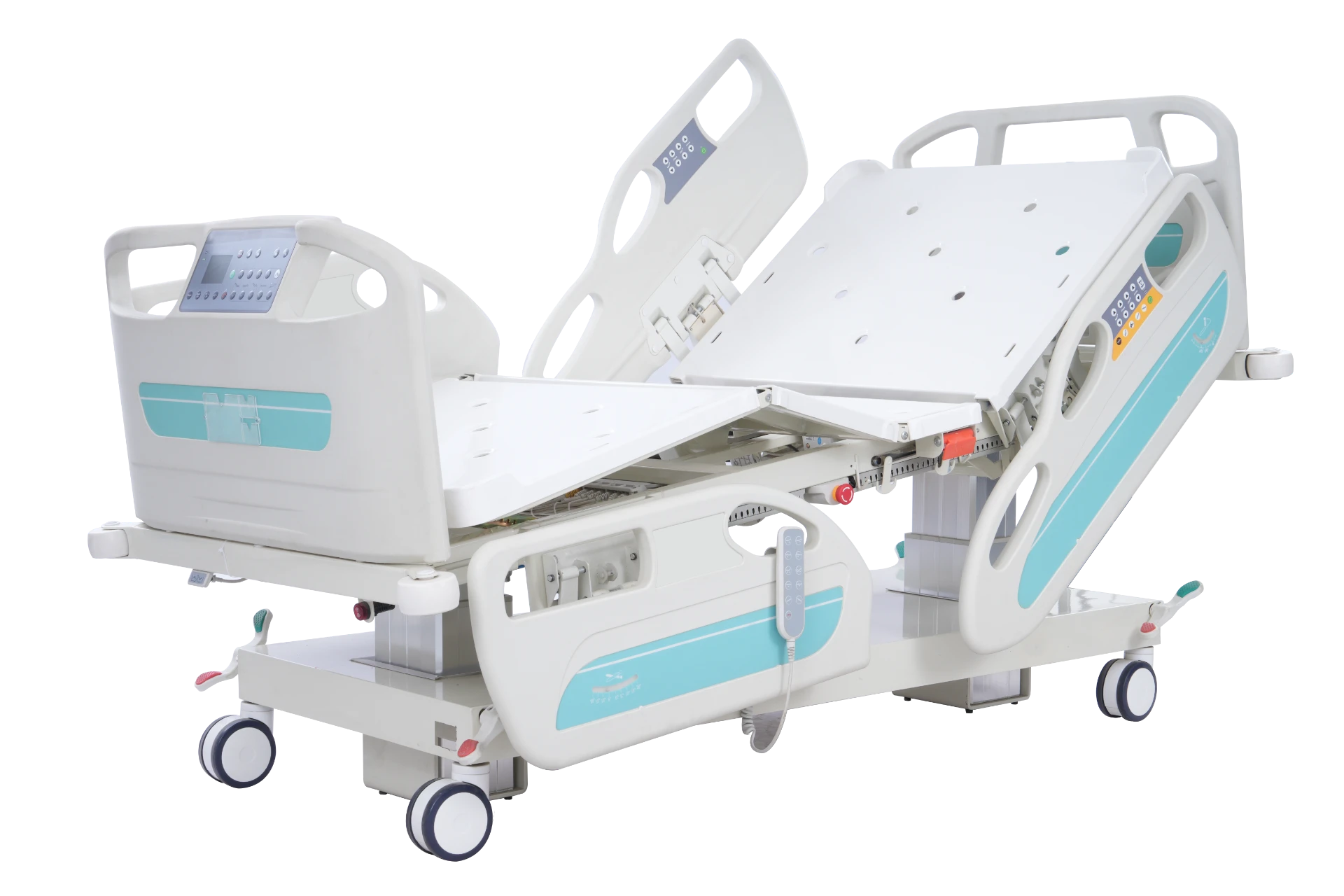
In the dynamic and highly regulated environment of modern healthcare, efficiency, patient safety, and caregiver ergonomics are paramount. Central to achieving these objectives is the effective deployment of specialized medical equipment. Among the most indispensable tools for frontline healthcare professionals is the nurses trolley, a versatile mobile unit designed to facilitate critical tasks ranging from medication dispensing to wound care and emergency response. This comprehensive overview delves into the technical aspects, application versatility, and strategic advantages of contemporary nursing trolleys, encompassing related solutions like the nursing care bed, home nursing bed, manual fowler bed, nursing bed, hospital manual bed, and specialized equipment for bed care in nursing.
Industry Trends Shaping Medical Mobility Solutions
The healthcare industry is currently experiencing several transformative trends that directly impact the design and functionality of medical trolleys. A significant shift towards evidence-based care demands equipment that supports precise medication management and accurate charting. Furthermore, the increasing prevalence of infectious diseases necessitates materials and designs that enable rigorous sterilization and infection control protocols. Ergonomics for healthcare workers is another critical area, with designs evolving to reduce physical strain during long shifts, directly impacting staff retention and overall care quality. Finally, the rise of remote patient monitoring and home healthcare services drives demand for adaptable, compact, and user-friendly mobile solutions, integrating technologies such as telemetry and electronic health record (EHR) access directly onto the trolley. The integration of modularity allows for rapid reconfiguration of trolleys to meet diverse departmental needs, from emergency rooms to specialized pediatric units, much like the adaptability required for various types of nursing bed systems.
Manufacturing Process Flow of Advanced Nurses Trolleys
The production of a high-quality nurses trolley is a meticulous process, adhering to stringent international medical device manufacturing standards to ensure reliability, safety, and longevity. The process integrates advanced materials science with precision engineering techniques.
Key Manufacturing Stages:
- Material Sourcing and Preparation: High-grade materials are selected, primarily medical-grade 304 or 316 stainless steel for structural components due to its superior corrosion resistance and ease of sterilization. ABS plastic is used for drawer fronts, side panels, and work surfaces, offering lightweight durability and chemical resistance. Casters typically feature high-density polyurethane for silent, smooth operation and non-marking properties. All materials comply with ISO 10993 for biocompatibility.
- Precision Cutting and Forming: Steel sheets undergo laser cutting or CNC plasma cutting for precise component dimensions. Bending and forming are executed using CNC press brakes to create frames, shelves, and supports with tight tolerances. This ensures structural integrity and component interchangeability.
- Welding and Assembly (Framework): Components are joined using TIG (Tungsten Inert Gas) welding for strong, clean, and aesthetically pleasing seams, minimizing crevices where pathogens could accumulate. Skilled technicians ensure all welds meet structural integrity standards, often verified by non-destructive testing.
- Surface Treatment and Finishing: Stainless steel components are polished to a high-gloss finish to enhance corrosion resistance and simplify cleaning. ABS plastic parts are molded, often with antimicrobial additives, and then polished. Powder coating (epoxy or polyester based) is applied to other metal components for durable, chemical-resistant finishes.
- Component Integration: Drawers, slides, casters, bumpers, handles, and accessory rails are meticulously assembled. Each component, including locking mechanisms and height adjustment systems, is checked for smooth operation. For specialized applications like pediatric care, adjustable height mechanisms are crucial, mirroring features found in advanced nursing care bed models.
- Quality Control and Testing: Every trolley undergoes rigorous testing in accordance with ISO 13485 (Medical Devices – Quality Management Systems) and relevant ANSI/AAMI standards. This includes load capacity tests, stability tests (e.g., tip-over resistance), brake effectiveness, caster durability, and corrosion resistance. Service life is projected to be 10-15 years under typical hospital usage conditions, demonstrating exceptional durability and return on investment.
Target industries for these advanced medical trolleys include general hospitals, specialized clinics, emergency services, long-term care facilities, and increasingly, sophisticated home nursing bed setups. In these environments, advantages such as energy efficiency (e.g., through optimized mobility reducing manual effort) and superior corrosion resistance (vital in frequently disinfected areas) are critically demonstrated.
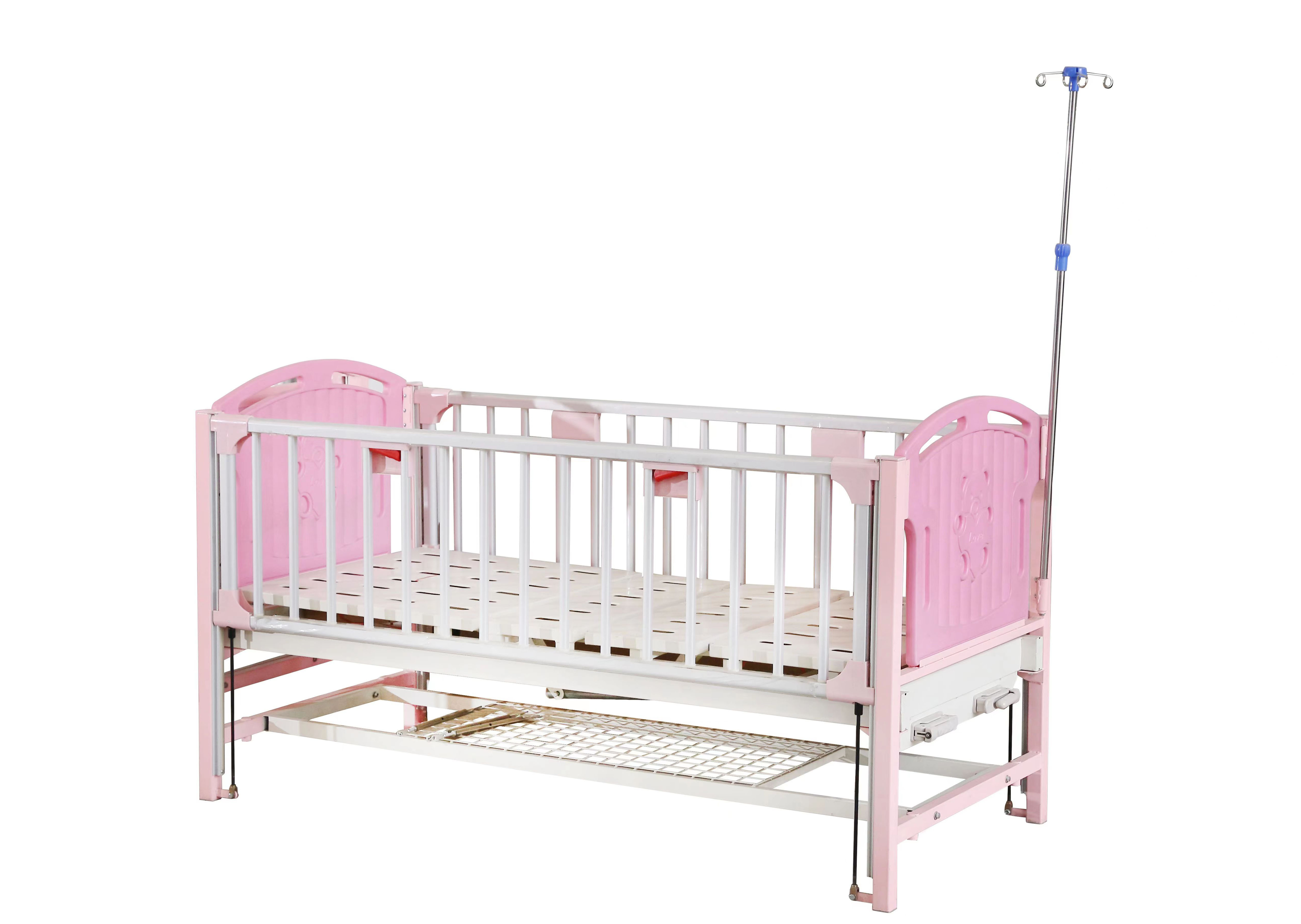
Technical Specifications and Data Visualization
Understanding the precise technical specifications of a nurses trolley is crucial for procurement decision-makers. These specifications dictate functionality, durability, and suitability for specific clinical environments. Below is a representative table outlining typical parameters for a high-performance medical trolley, reflecting the same commitment to quality found in products such as the "Child hospital bed custom hospital nursing bed paediatric beds" available at cnboxin.com.
Application Scenarios and Technical Advantages
The versatility of modern medical trolleys makes them indispensable across a wide spectrum of healthcare settings. Their design ensures seamless integration into critical workflows, providing significant technical and operational advantages.
Typical Application Scenarios:
- General Wards: Used for daily medication rounds, dressing changes, and transporting patient records or supplies. Their maneuverability enhances the efficiency of bed care in nursing across multiple patient rooms.
- Intensive Care Units (ICUs): Configured as emergency crash carts or specialized procedure trolleys, holding life-saving drugs, intubation equipment, and monitoring devices.
- Operating Rooms (ORs): Employed for anesthesia delivery, surgical instrument setup, and post-operative recovery kits.
- Emergency Departments (EDs): Critical for rapid response, housing diagnostic tools, first aid supplies, and resuscitation equipment.
- Outpatient Clinics and Diagnostic Centers: Used for carrying specialized equipment for examinations, minor procedures, or specimen collection.
- Home Healthcare: Compact, easy-to-sterilize models are crucial for delivering quality home nursing bed care, bringing necessary tools directly to the patient's residence.
- Pediatric Units: Specialized trolleys designed with child-safe features and often vibrant colors, complementing the environment of nursing care bed for children.
Technical Advantages:
- Enhanced Workflow Efficiency: Modular designs and intelligent storage solutions minimize search time for supplies, allowing nurses to focus more on patient care. Smooth-gliding casters reduce effort, especially important when moving heavy equipment or multiple items around hospital manual bed setups.
- Superior Infection Control: Non-porous surfaces (stainless steel, medical-grade ABS) and seamless construction prevent bacterial harboring and facilitate thorough cleaning with hospital-grade disinfectants, reducing the risk of healthcare-associated infections (HAIs).
- Improved Patient Safety: Secure locking drawers prevent unauthorized access to medications. Stable construction and robust braking systems ensure the trolley remains stationary during procedures, preventing accidental injury or equipment damage.
- Ergonomic Design: Adjustable height options, comfortable handles, and silent casters reduce physical strain on nursing staff, leading to fewer musculoskeletal injuries and improved job satisfaction.
- Durability and Longevity: Constructed with high-quality, corrosion-resistant materials, these trolleys withstand the rigors of daily hospital use, frequent cleaning, and exposure to various chemicals, ensuring a long service life and a lower total cost of ownership.
Vendor Comparison and Competitive Analysis
The market for medical trolleys is diverse, with numerous manufacturers offering a range of products. Differentiating between vendors is critical for healthcare organizations to ensure they acquire equipment that aligns with their specific operational needs and budgetary constraints. A comparative analysis often focuses on material quality, customization capabilities, certification adherence, and after-sales support.
As demonstrated, prioritizing material quality and robust engineering, as exemplified by our manufacturing approach, yields a superior product with enhanced longevity, improved infection control, and greater operational efficiency compared to standard or budget alternatives. This investment translates into better patient outcomes and reduced long-term maintenance costs.
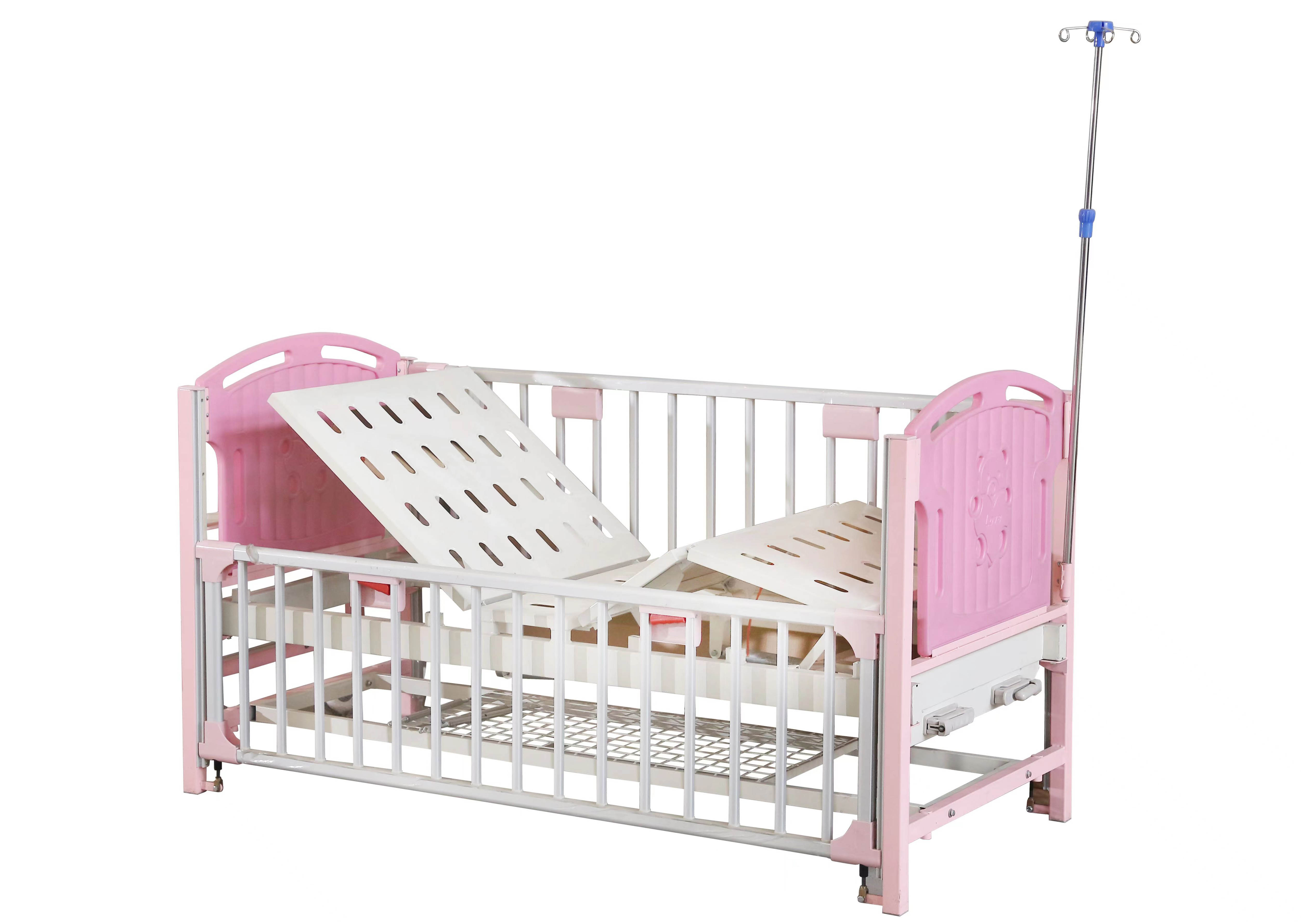
Customized Solutions and Application Case Studies
Recognizing that no two healthcare facilities are identical, we specialize in providing customized nurses trolley solutions. This bespoke approach ensures that each trolley perfectly integrates into specific workflows, optimizing space utilization and maximizing caregiver efficiency. Our commitment to design flexibility is backed by comprehensive certifications including ISO 9001 for quality management and ISO 13485 for medical device manufacturing, ensuring that customized solutions meet the highest safety and performance standards.
Customization Capabilities:
- Dimensional Adjustments: Tailoring height, width, and depth to fit specific departmental layouts or equipment storage needs.
- Accessory Integration: Designing custom mounts for specialized medical devices (e.g., vital signs monitors, syringe pumps), IV poles, defibrillator platforms, and specialized waste disposal units.
- Drawer Configurations: Offering various drawer heights, dividers, and locking mechanisms (key, electronic keypad, barcode scanning) to enhance security and organization.
- Material and Finish Choices: Providing options for anti-microbial coatings, specific color-coding for departments, or specialized stainless steel grades for high-corrosion environments.
- Technology Integration: Incorporating power strips, cable management solutions, and mounts for laptops or tablets, facilitating mobile EHR access.
Application Case Studies:
Case Study 1: Pediatric Intensive Care Unit
A leading children's hospital required mobile solutions for their PICU that could safely house specialized pediatric resuscitation equipment while also being visually calming for young patients and their families. We designed nurses trolley units with rounded edges, non-toxic, pastel-colored drawer fronts, and specific compartments for smaller-sized medical tools and drugs. The trolleys featured height-adjustable work surfaces to accommodate different caregiver heights and specialized IV pole configurations to manage multiple infusions securely. This customization not only improved response times for pediatric emergencies but also contributed to a more child-friendly clinical environment.
Case Study 2: Remote Rural Clinics
A network of remote clinics in a developing region needed highly durable and easily transportable medical trolleys capable of operating in challenging conditions. Our solution involved designing nurses trolley units with reinforced frames, oversized, all-terrain casters for uneven surfaces, and robust locking mechanisms to secure supplies during transit. The trolleys were also designed with passive cooling elements for temperature-sensitive medications, crucial where reliable electricity was intermittent. This bespoke design facilitated the delivery of essential medical care in underserved areas, significantly enhancing the operational capability of the mobile clinics.
Authoritativeness and Trustworthiness: FAQs, Lead Time, Warranty, and Support
As a reputable manufacturer, establishing trust and authority is fundamental. We achieve this through transparent processes, adherence to international standards, and robust customer support infrastructure. Our products are designed to complement a holistic patient care ecosystem, including various configurations of hospital manual bed and manual fowler bed systems.
Frequently Asked Questions (FAQs):
- Q1: What materials are used in your nurses trolley products to ensure infection control?
- A1: We primarily utilize medical-grade 304/316 stainless steel and high-impact medical ABS plastic. These materials are non-porous, corrosion-resistant, and withstand repeated cleaning with hospital-grade disinfectants, minimizing pathogen retention.
- Q2: Are your trolleys customizable for specific departmental needs?
- A2: Yes, extensive customization options are available, including dimensions, drawer configurations, accessory mounts, color-coding, and integrated technology solutions. Our engineering team works closely with clients to develop tailored solutions.
- Q3: What is the typical service life of your medical trolleys?
- A3: Designed for durability, our trolleys typically have a service life of 10-15 years under normal hospital operating conditions, backed by robust materials and construction quality.
- Q4: How do your products contribute to caregiver ergonomics?
- A4: Our designs feature lightweight construction, comfortable ergonomic handles, silent and smooth-gliding casters, and optional height-adjustable work surfaces to reduce physical strain, making tasks like bed care in nursing more efficient and less taxing.
Lead Time and Fulfillment:
Standard nurses trolley models typically have a lead time of 4-6 weeks from order confirmation to shipment. For customized solutions, lead times may extend to 8-12 weeks, depending on the complexity of design and manufacturing requirements. We maintain a robust supply chain and efficient production processes to ensure timely delivery and clear communication throughout the fulfillment cycle.
Warranty Commitments:
All our medical trolleys are backed by a comprehensive warranty:
- Structural Frame: 5-year limited warranty against manufacturing defects.
- Mechanical Components (e.g., casters, drawer slides, locks): 2-year limited warranty.
- ABS and Other Plastic Parts: 1-year limited warranty.
This warranty reflects our confidence in the quality and durability of our products, ensuring peace of mind for our clients.
Customer Support Information:
Our dedicated customer support team is available to assist with product selection, technical inquiries, installation guidance, and post-sales service. We offer multi-channel support to ensure prompt and effective assistance:
- Phone Support: Available during business hours for immediate assistance.
- Email Support: For detailed queries and documentation, with a guaranteed response time within 24 hours.
- Online Resource Center: Access to product manuals, FAQs, and troubleshooting guides.
- On-site Technical Assistance: Available for complex installations or maintenance needs (subject to regional availability).
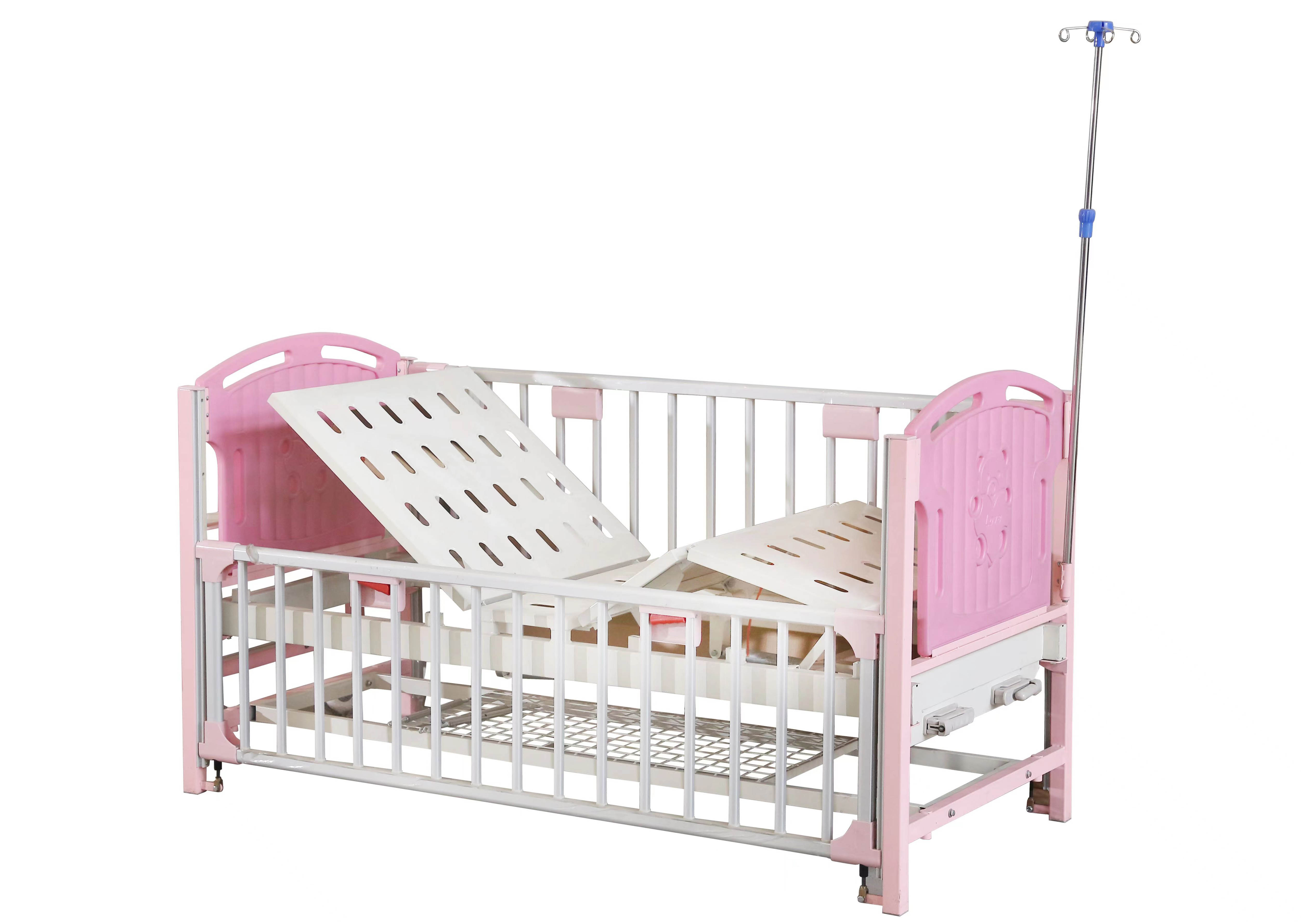
Conclusion: Elevating Standards in Medical Mobility
The evolution of the nurses trolley underscores a critical commitment to advancing healthcare infrastructure. More than just a mobile storage unit, the modern trolley is an integral component of a streamlined, safe, and efficient care delivery system. By embracing cutting-edge materials, precision engineering, and responsive design, manufacturers contribute significantly to improving patient outcomes, enhancing caregiver well-being, and optimizing operational workflows across diverse medical settings. As healthcare continues to innovate, the role of intelligently designed and expertly manufactured mobile solutions will only grow in importance, driving the future of patient care.
References:
- International Organization for Standardization (ISO). ISO 13485:2016 Medical devices — Quality management systems — Requirements for regulatory purposes.
- Association for the Advancement of Medical Instrumentation (AAMI). Various standards pertaining to medical device design and testing.
- World Health Organization (WHO). Guidelines for infection prevention and control in healthcare facilities.
- Occupational Safety and Health Administration (OSHA). Ergonomics for the prevention of musculoskeletal disorders.
-
Ultimate Guide to Choosing Extra Wide Waiting Room ChairsNewsApr.16,2026
-
Guide to Choosing Professional Waiting Room Chairs Wipeable SeatingNewsApr.09,2026
-
Enhance Your Space with Comfortable Wide Waiting Room ChairsNewsApr.07,2026
-
Selecting the Ideal Brown Waiting Room Chairs for a Welcoming SpaceNewsApr.04,2026
-
Choosing Comfortable Patient Waiting Room Chairs for Healthcare FacilitiesNewsMar.31,2026
-
Finding the Best Deals on Affordable and Cheap Reception Chairs for Your BusinessNewsMar.28,2026
-
Enhance Your Business Reception with Comfortable Blue Reception ChairsNewsMar.26,2026