Welcome to our websites!


No Crutches Mobility: Hands-Free Recovery, Safe Support
Hydraulic Hospital Beds That Push Toward no crutches Recovery
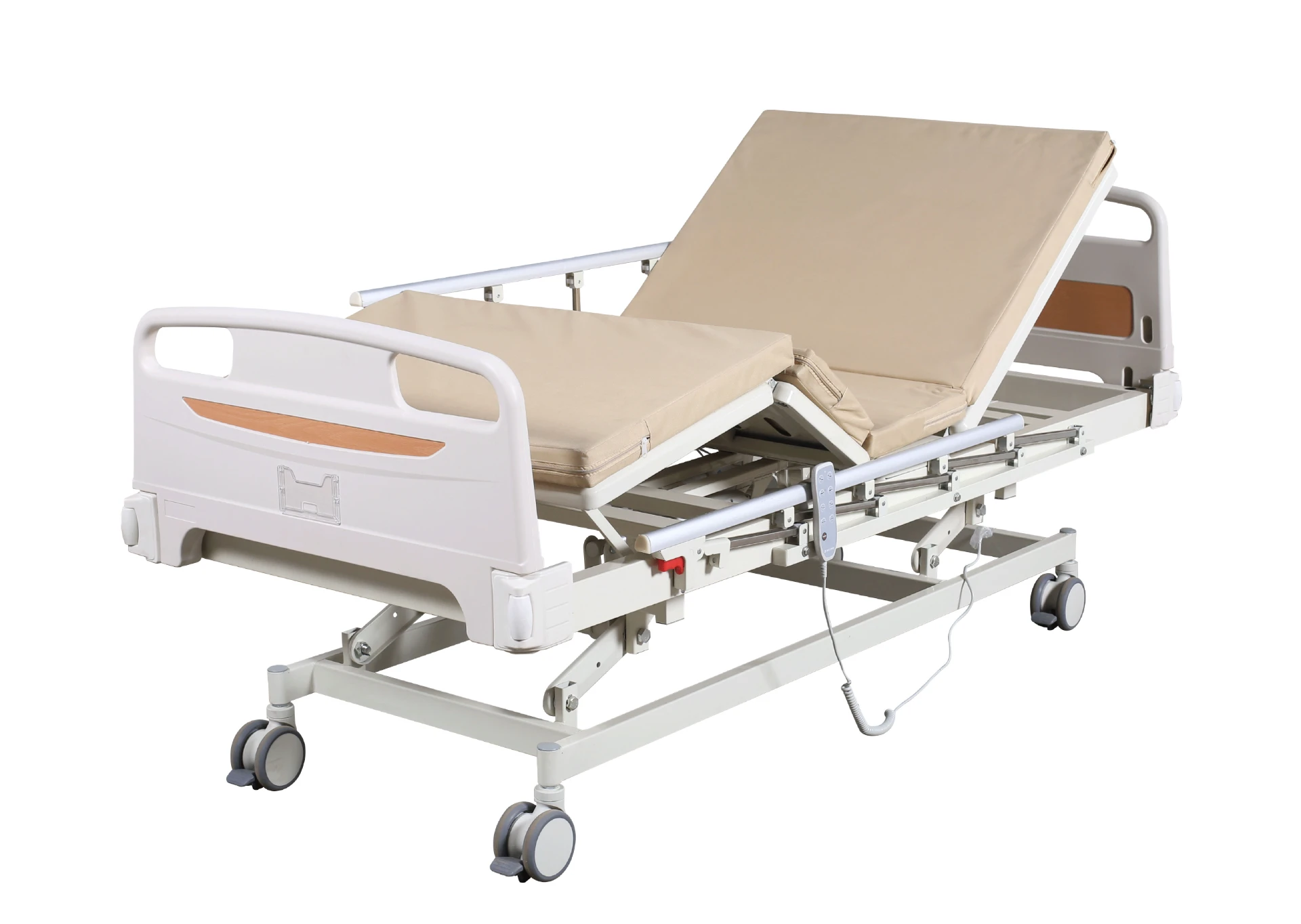
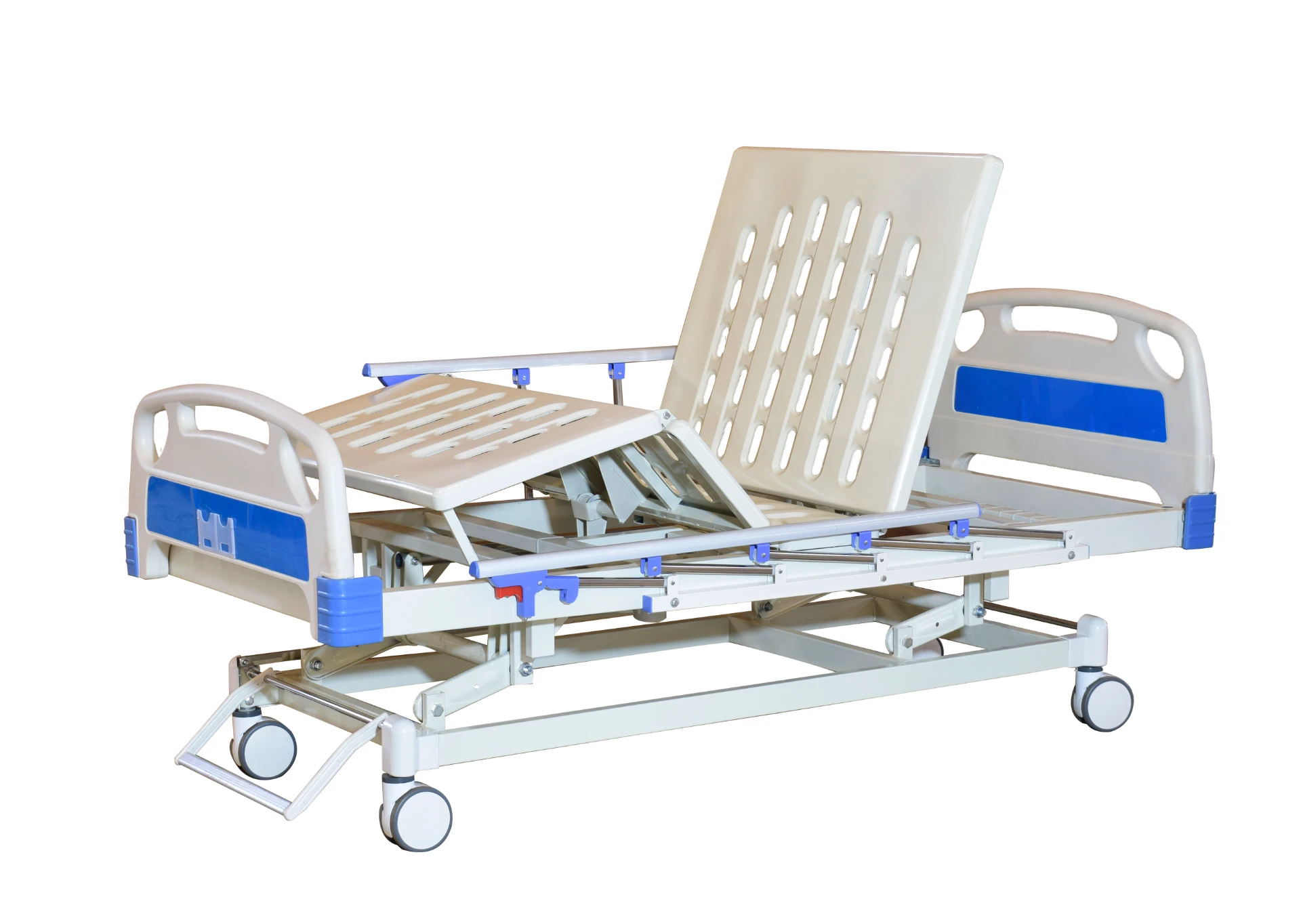
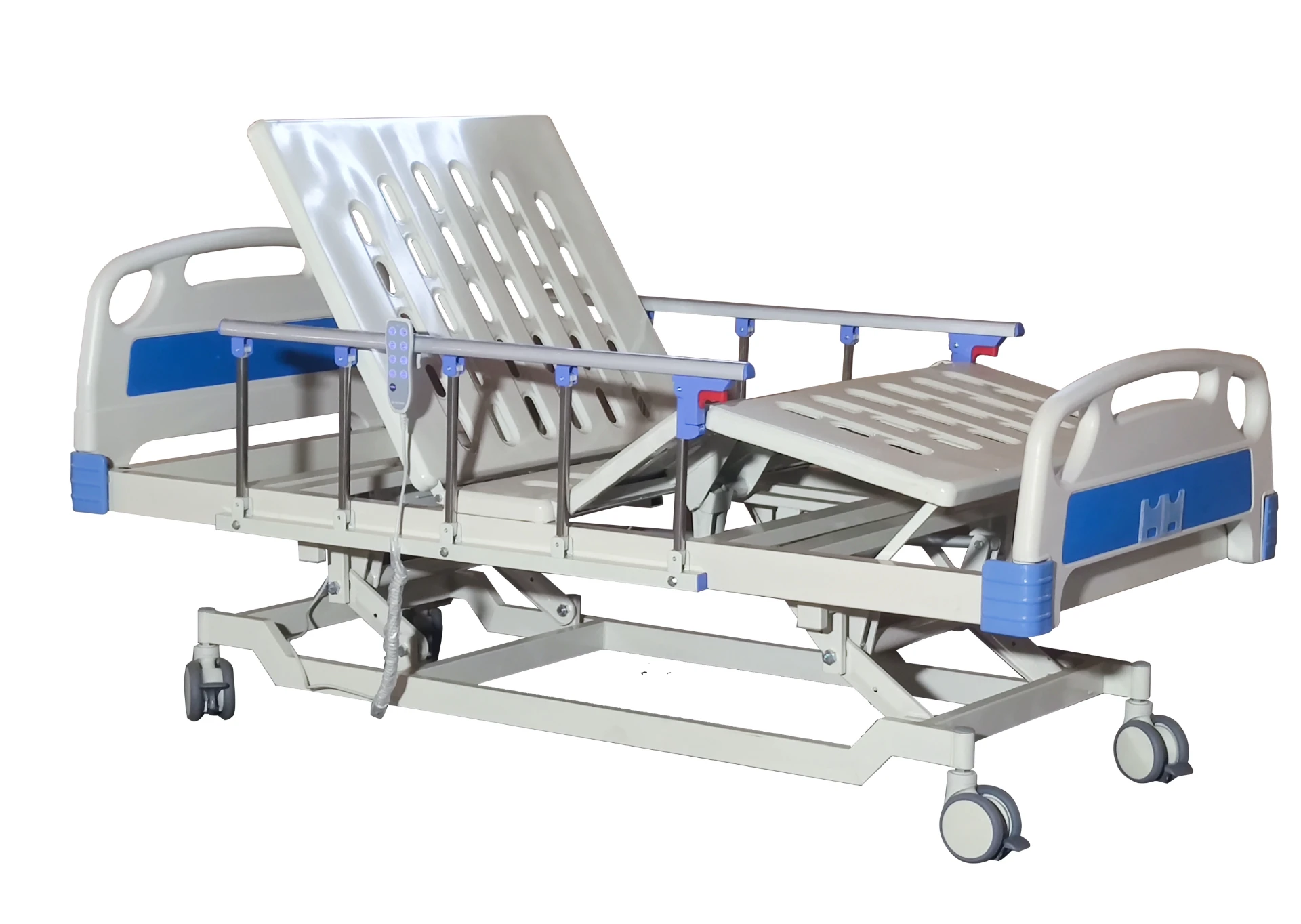
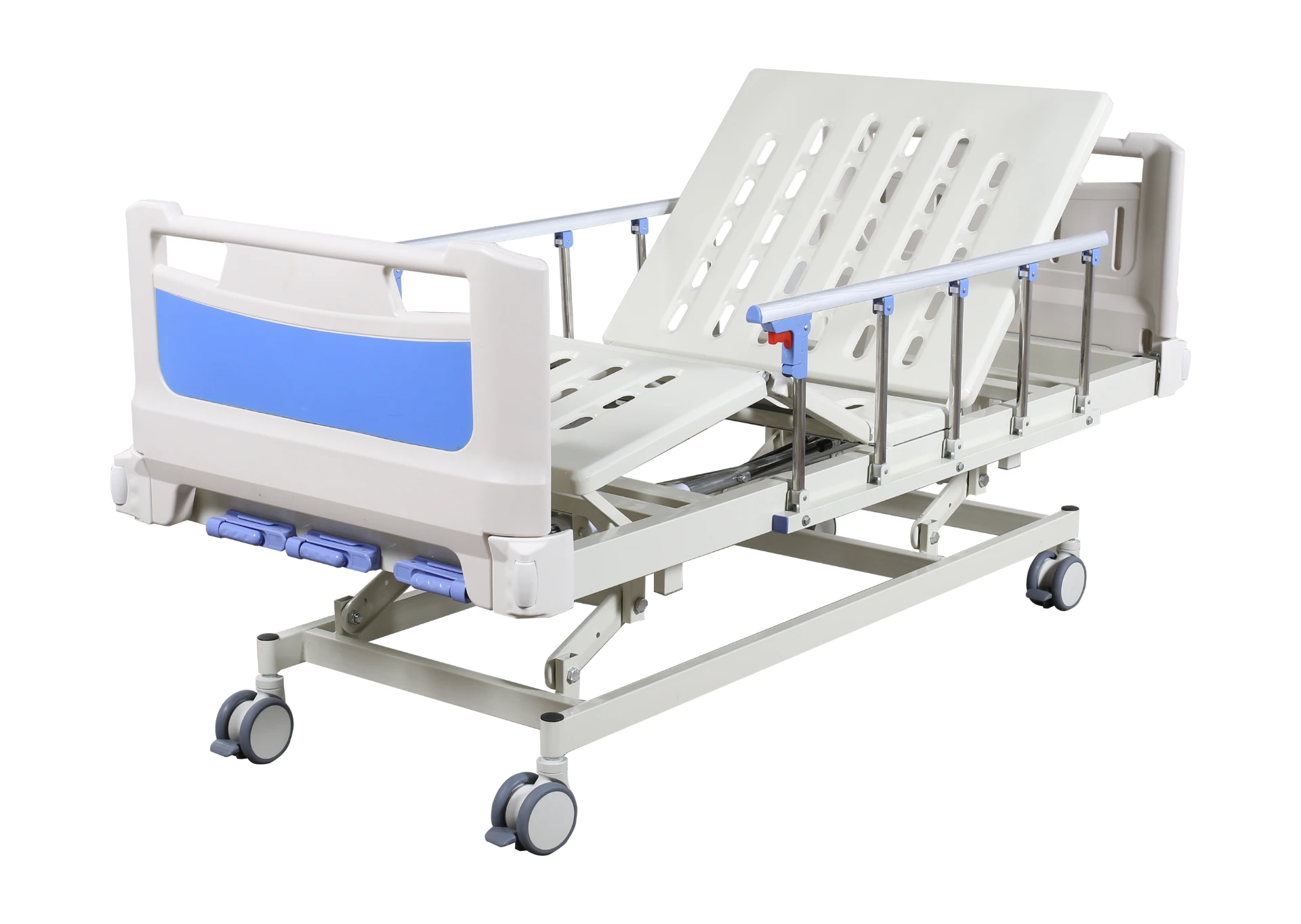
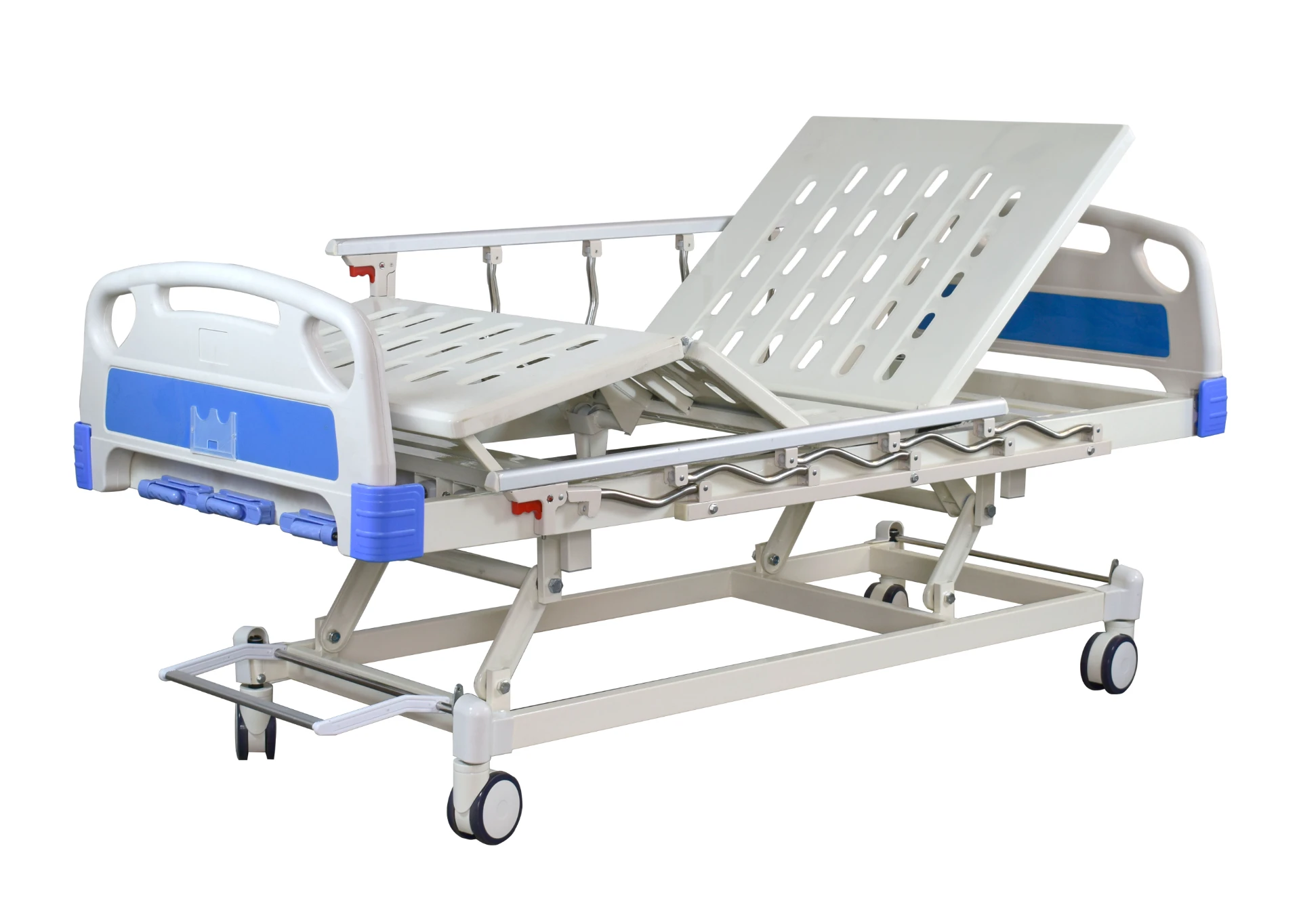
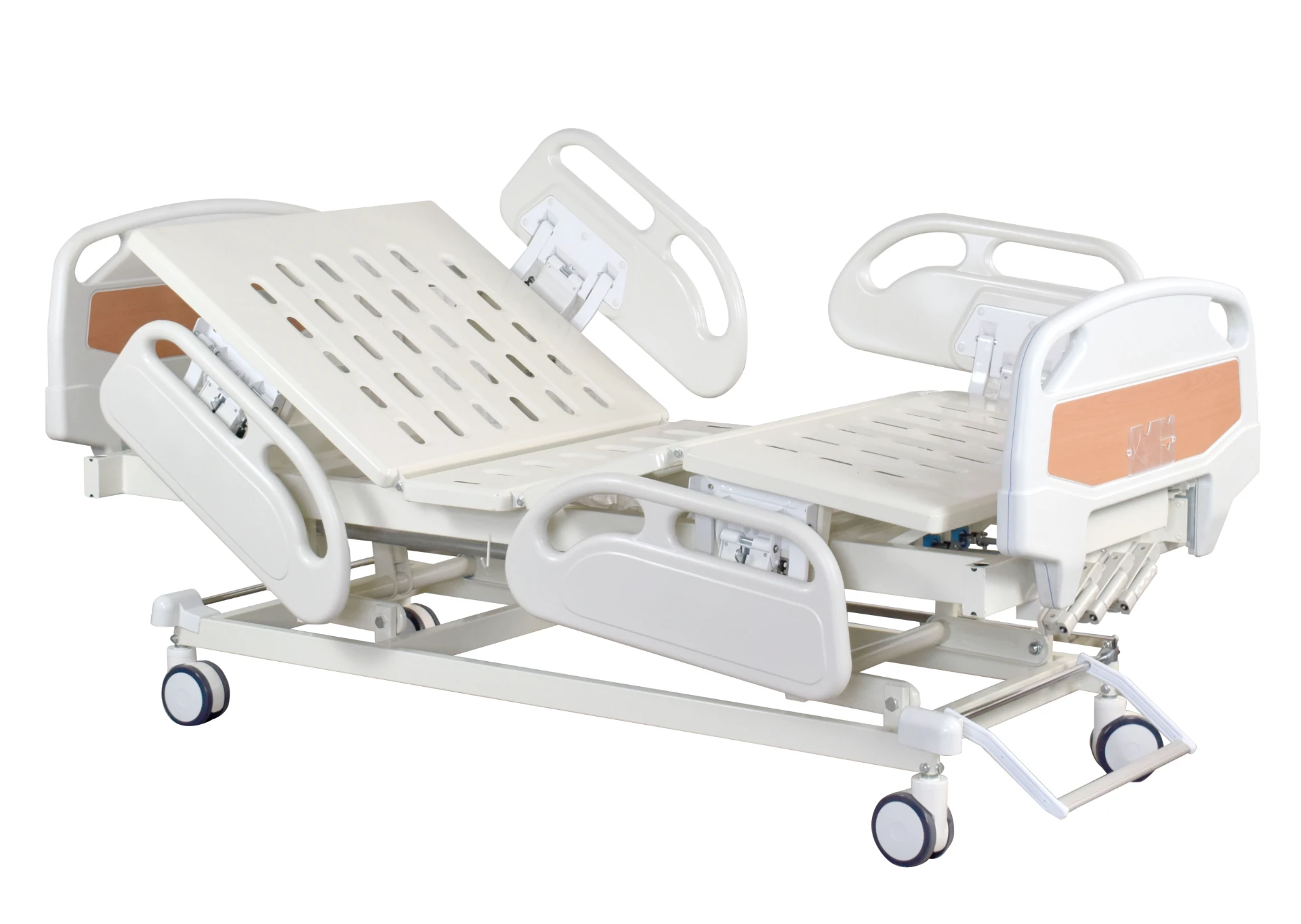
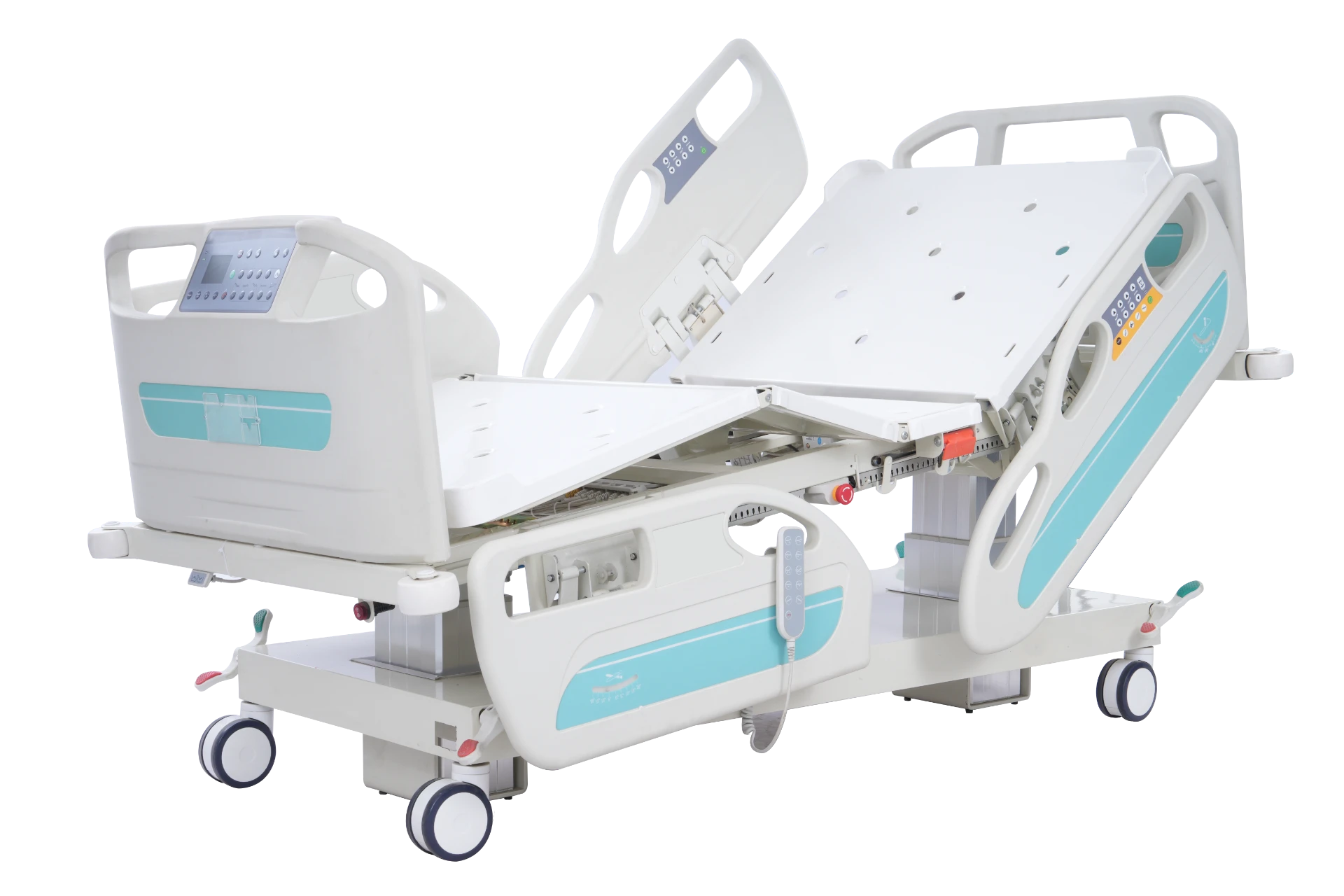
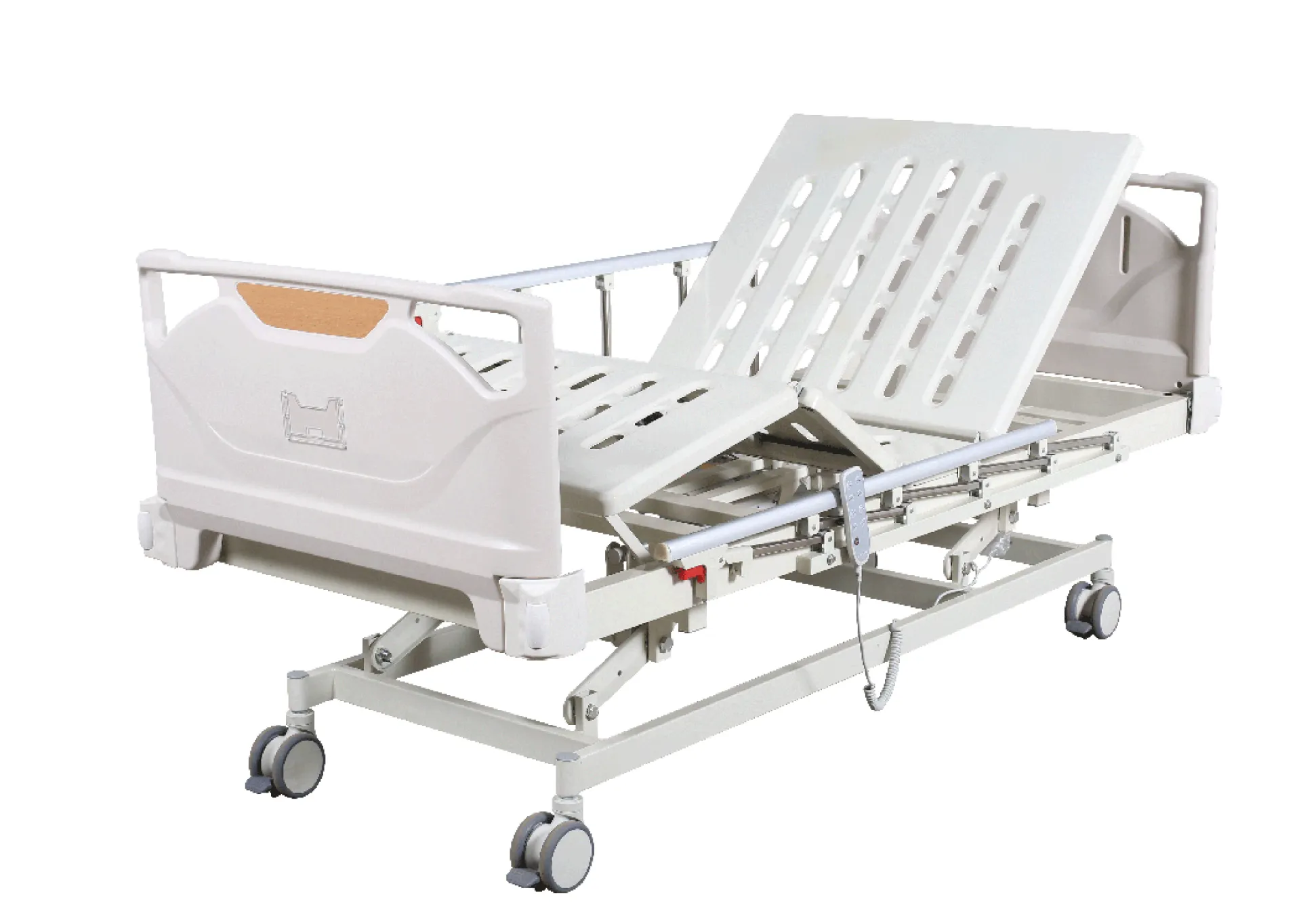
In wards from Shanghai to Sheffield, one quiet trend keeps surfacing: shorter stays, faster ambulation, and—ideally—patients leaving with no crutches. That’s not marketing fluff; it’s the outcome many orthopedic and post-op teams measure. Boxin’s ODM & OEM hydraulic hospital beds for sale—specifically the EIII-13-3 functions electric hospital bed—sit right in the middle of this shift. Built in Kaiyuan Road, Jizhou Economic Development Zone, Jizhou District, Hengshui City, the line blends sturdy hydraulics with configurable electronics. It sounds niche, but in practice it’s a workhorse.
Industry context, briefly
Hospitals are chasing throughput and safety. Beds now have to support early mobilization, safe egress, and low fall risk—without ballooning maintenance costs. Hydraulic platforms remain popular because they’re robust and predictable; adding 3-function electric actuation for backrest, knee-break, and height gives nurses precision without relying solely on mains power. Honestly, it’s the pragmatic middle ground.
Core specs (real-world, not brochure-speak)
| Parameter | Spec (≈, models may vary) |
|---|---|
| Frame / Deck | Powder-coated Q235 steel frame; PP/ABS deck panels |
| Safe Working Load | ≈ 230–260 kg; static test ≥ 1.5× SWL |
| Height Range | ≈ 480–780 mm (hydraulic lift) |
| Backrest / Knee | Backrest 0–70°; knee 0–35° (electric actuators) |
| Trendelenburg | ≈ ±12° (optional) |
| Castors / Brakes | 125 mm, central lock; corner steer |
| Rails & Controls | ABS rails; nurse control panel; CPR lever |
| Noise | Actuators ≈ <55 dB in ward conditions |
| Service Life | 8–10 years typical; 2-year limited warranty |
Process flow and testing (how it’s actually built)
- Materials: Q235 steel tube laser-cut; PP side rails; medical-grade powder coating (≥70 μm).
- Methods: MIG welding, shot-blast prep, 180°C cure; actuator harness with strain-relief.
- Testing: IEC 60601-2-52 bed safety; IEC 60601-1 electrical; ISO 14971 risk files; 20,000-cycle lift test; salt spray 72h.
- Service checks: annual brake and joint inspection, actuator duty cycle audit.
- Industries: acute care, ortho/trauma, step-down, rehab, long-term care, and—surprisingly—higher-end home care.
Where it’s used (and why clinicians care)
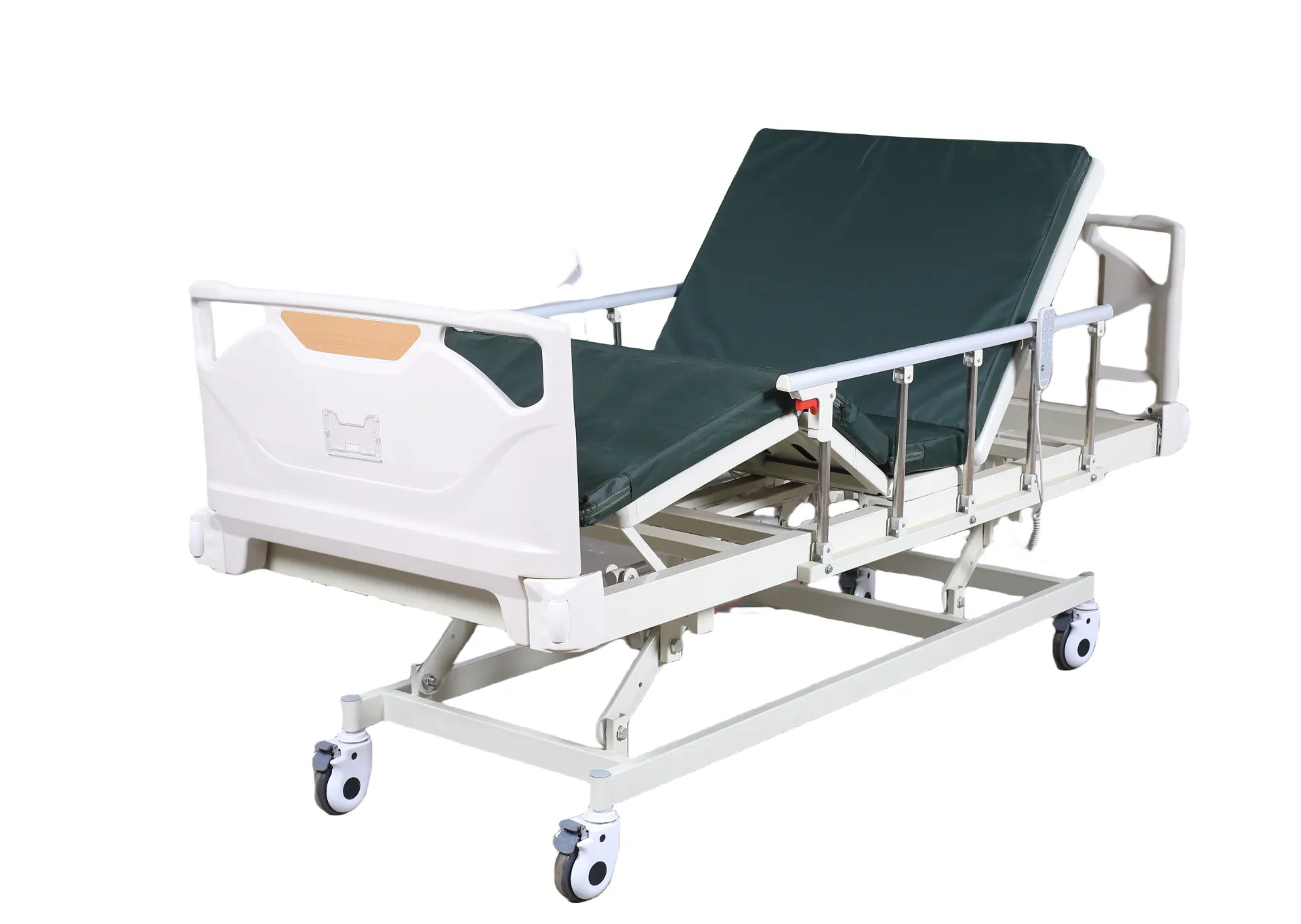
Early sit-to-stand protocols, bariatric-friendly transfers, low-height fall prevention, and controlled backrest increments all contribute to discharging with no crutches or at least fewer supports. Nurses tell me the central brake, quiet actuators, and simple rails cut minutes off each repositioning. It adds up.
Customization options
ODM/OEM is the point: widths 900–1100 mm, scale system, battery backup, integrated IV poles, accessory sockets, color-coded pedals, antimicrobial coatings, mattress choices (foam, hybrid). If your pathway targets no crutches ambulation, ask for low-height configs and step-edge markings.
Vendor landscape (quick compare)
| Vendor | Certs | Lead Time | Customization | Notes |
|---|---|---|---|---|
| Boxin (Hengshui) | ISO 13485, ISO 9001, CE (MDR) | ≈ 25–40 days | High (ODM/OEM) | Factory-direct; on-site audits possible |
| Importer A | Varies | ≈ 60–90 days | Medium | Longer chains; higher MOQs |
| Assembly Shop B | Limited | ≈ 30–50 days | Low–Medium | Inconsistent component sourcing |
Field notes and outcomes
- Regional hospital (orthopedics): reported 11% reduction in nurse musculoskeletal strain after switching to hydraulic lift + electric backrest.
- Rehab center: average first-stand time improved by ≈ 8 hours post-admission; patient feedback cited “stable low height” as confidence booster.
Compliance, test data, paperwork
Units are validated against IEC 60601-2-52 for medical beds and applicable clauses of IEC 60601-1; risk files per ISO 14971. Typical test snapshots: brake holding on 9° slope, deck static load ≥ 3,500 N, and 20k cycle endurance on height and backrest. Real-world use may vary, to be honest, but the lab data trends solid.
If you’re tasked with safer, quicker mobility—and yes, aiming for discharges with no crutches—this hydraulic/electric hybrid is a sensible, budget-aware place to start.
Authoritative citations
- IEC 60601-2-52: Particular requirements for the basic safety and essential performance of medical beds.
- ISO 13485:2016 Medical devices—Quality management systems.
- ISO 14971:2019 Medical devices—Application of risk management.
- EU MDR 2017/745—General safety and performance requirements for medical devices.
- WHO Medical Device Technical Series—Procurement and lifecycle management guidance.
-
Ultimate Guide to Choosing Extra Wide Waiting Room ChairsNewsApr.16,2026
-
Guide to Choosing Professional Waiting Room Chairs Wipeable SeatingNewsApr.09,2026
-
Enhance Your Space with Comfortable Wide Waiting Room ChairsNewsApr.07,2026
-
Selecting the Ideal Brown Waiting Room Chairs for a Welcoming SpaceNewsApr.04,2026
-
Choosing Comfortable Patient Waiting Room Chairs for Healthcare FacilitiesNewsMar.31,2026
-
Finding the Best Deals on Affordable and Cheap Reception Chairs for Your BusinessNewsMar.28,2026
-
Enhance Your Business Reception with Comfortable Blue Reception ChairsNewsMar.26,2026