Welcome to our websites!


Mental Hospital Bed – Essential Safety and Comfort Solutions for Psychiatric Care
Mental Hospital Bed: A Vital Component in Modern Psychiatric Care
When you think about healthcare infrastructure, the term mental hospital bed might not be the first that comes to mind. Yet, these specialized beds play a crucial role in how mental health facilities around the globe deliver compassionate, safe, and dignified care to vulnerable patients. Understanding them goes beyond just knowing they're beds—it's about recognizing the intersection of design, safety, and human dignity in psychiatric care environments.
Why Mental Hospital Beds Matter Globally
Mental health disorders represent a growing global challenge. According to the World Health Organization (WHO), approximately 1 in 8 people worldwide live with a mental health condition, which hints at enormous demand for specialized facilities—and by extension, beds designed specifically for psychiatric settings.
Moreover, as social stigma slowly dissipates and mental health awareness rises, governments and health organizations focus on expanding qualified mental healthcare spaces. The configuration, specification, and safety features of the mental hospital bed ensure the environment is both protective and therapeutic. Globally, this translates into better patient outcomes and improved operational efficiency for hospitals.
What Is a Mental Hospital Bed?
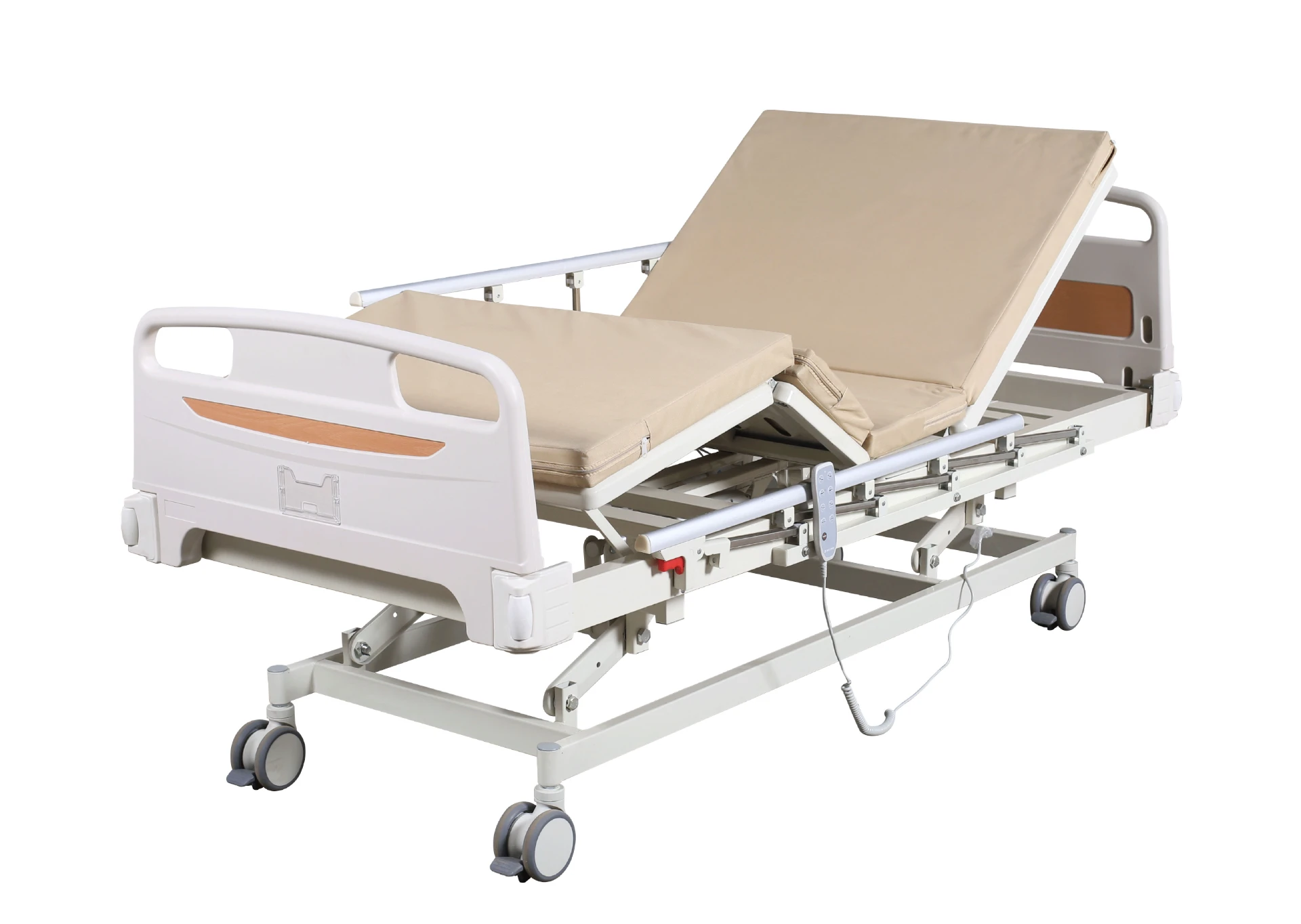
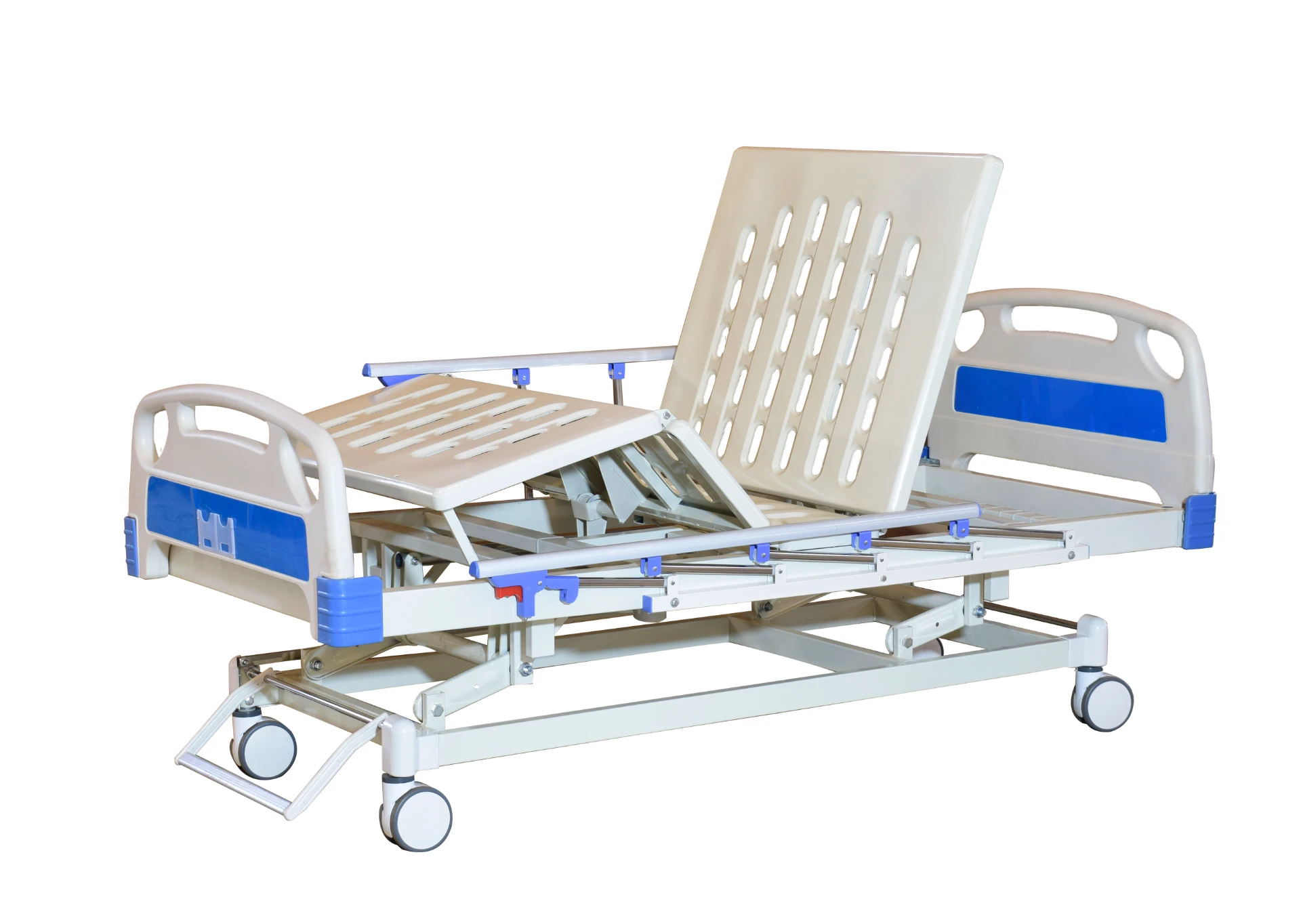
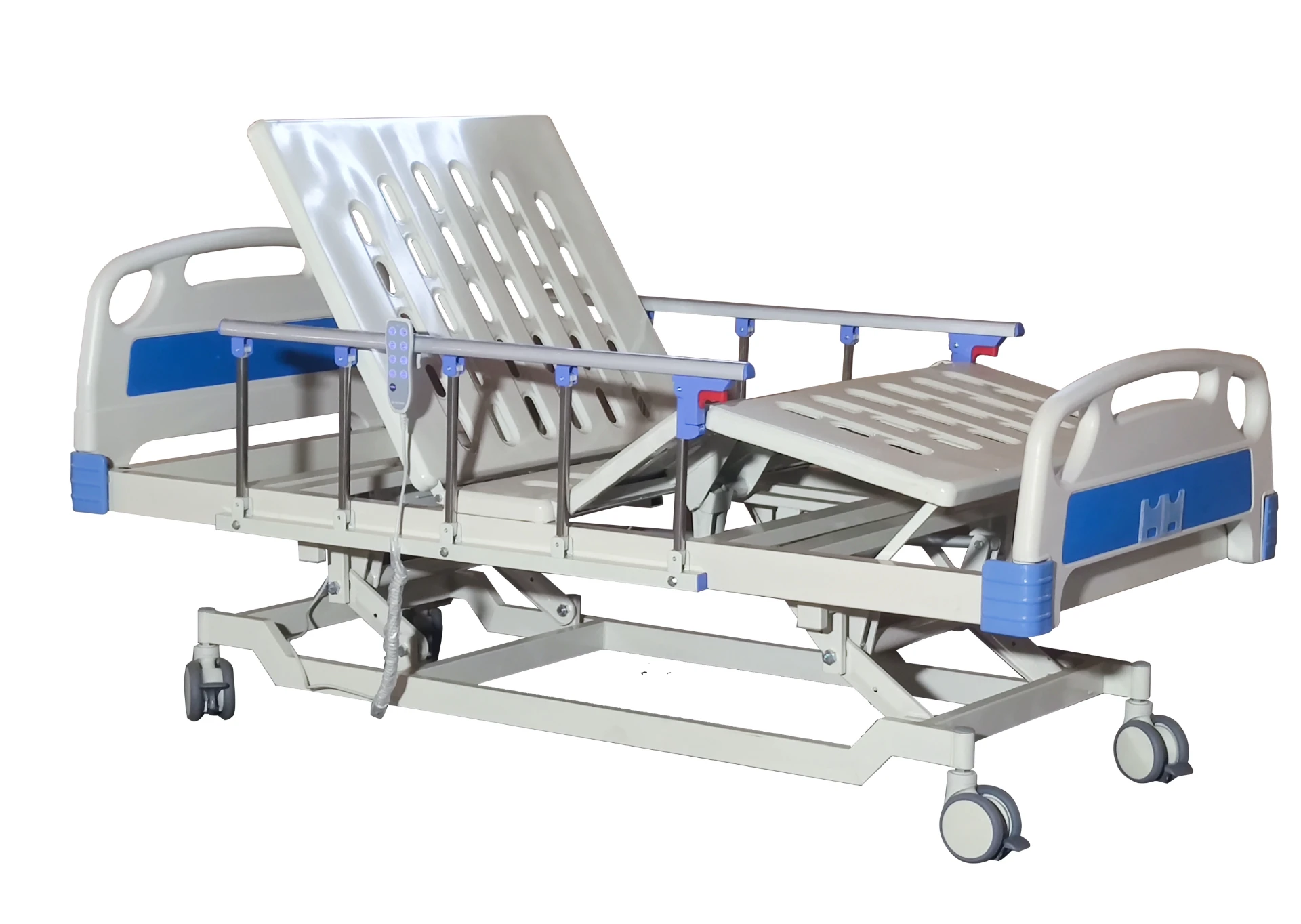
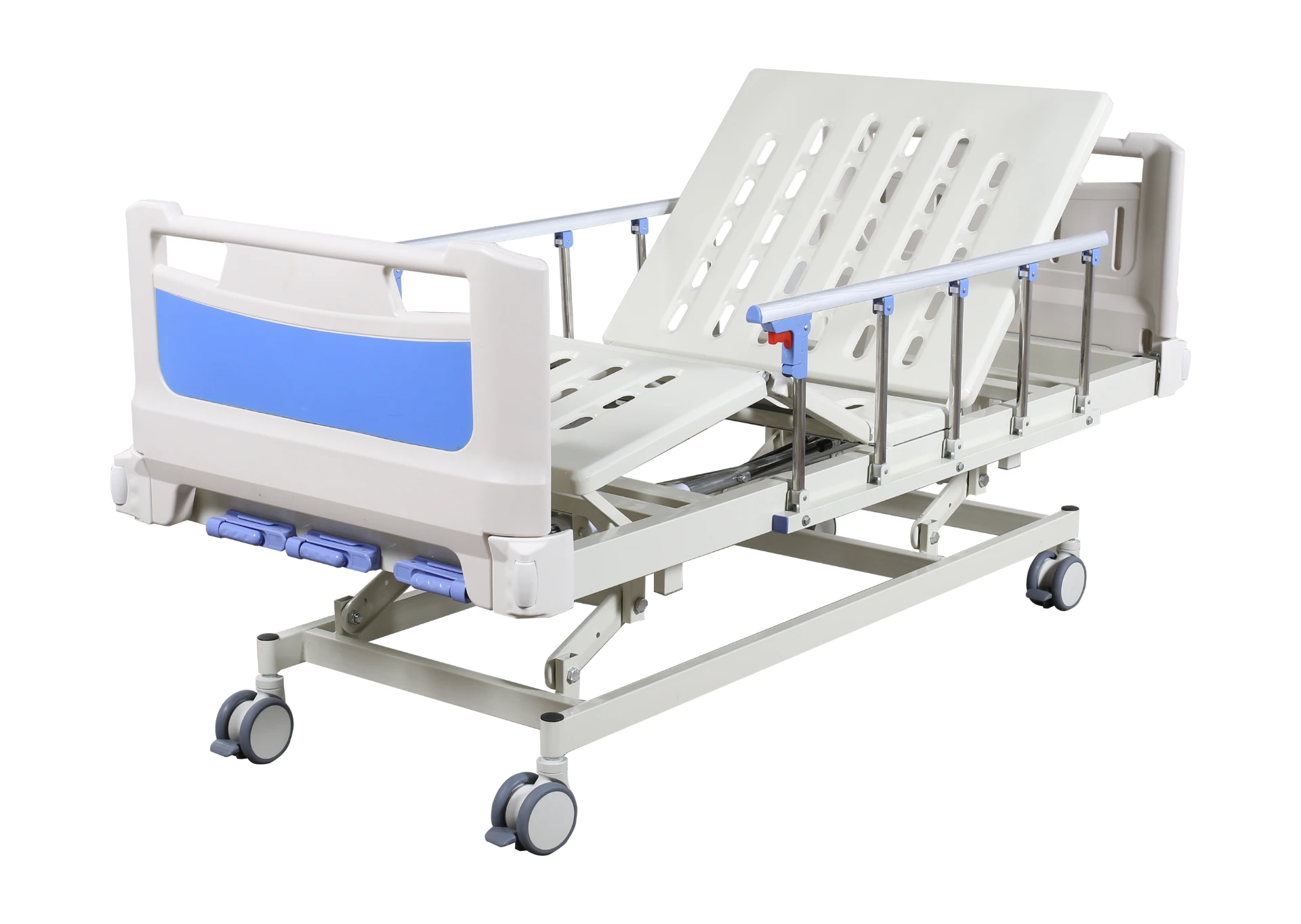
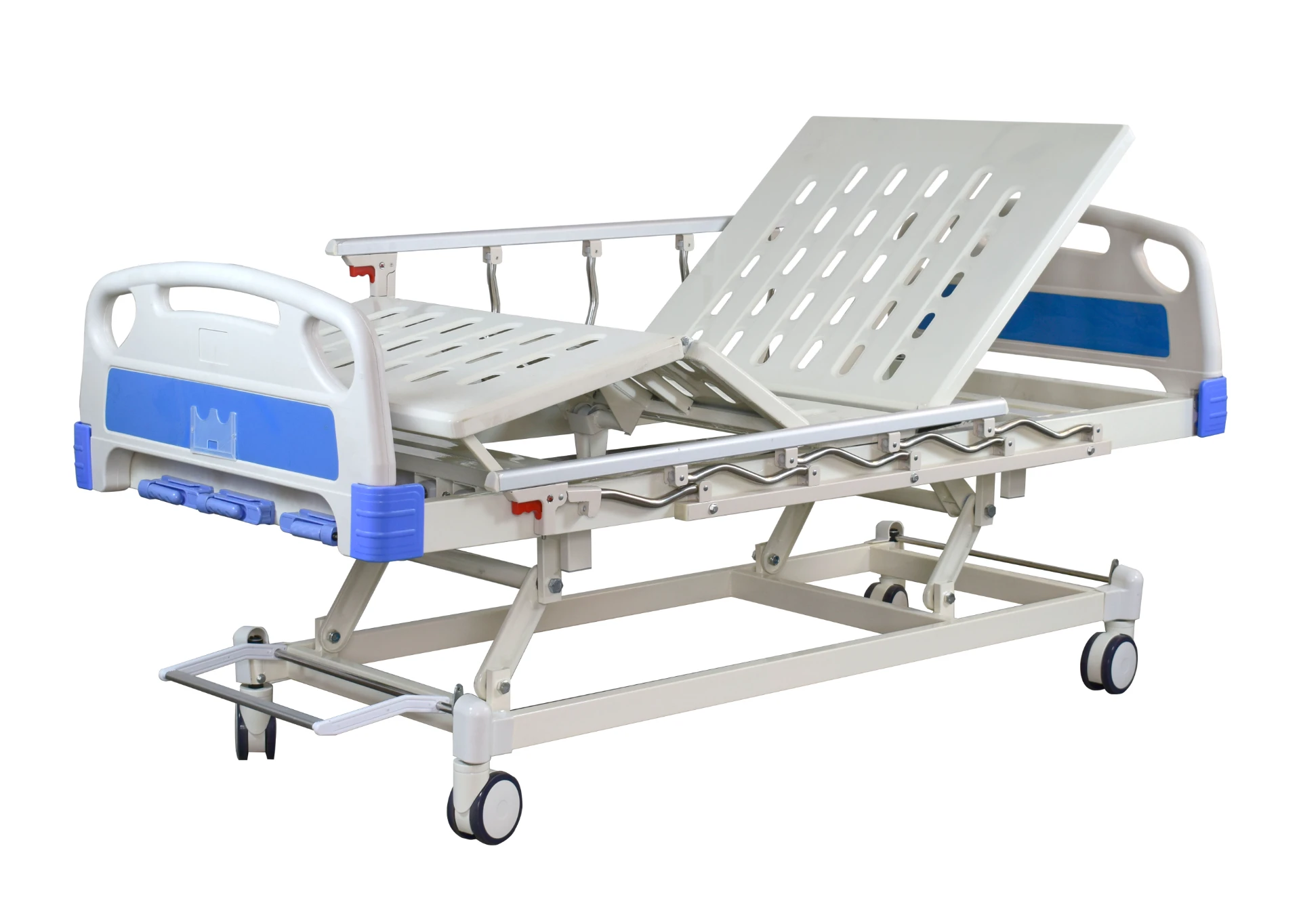
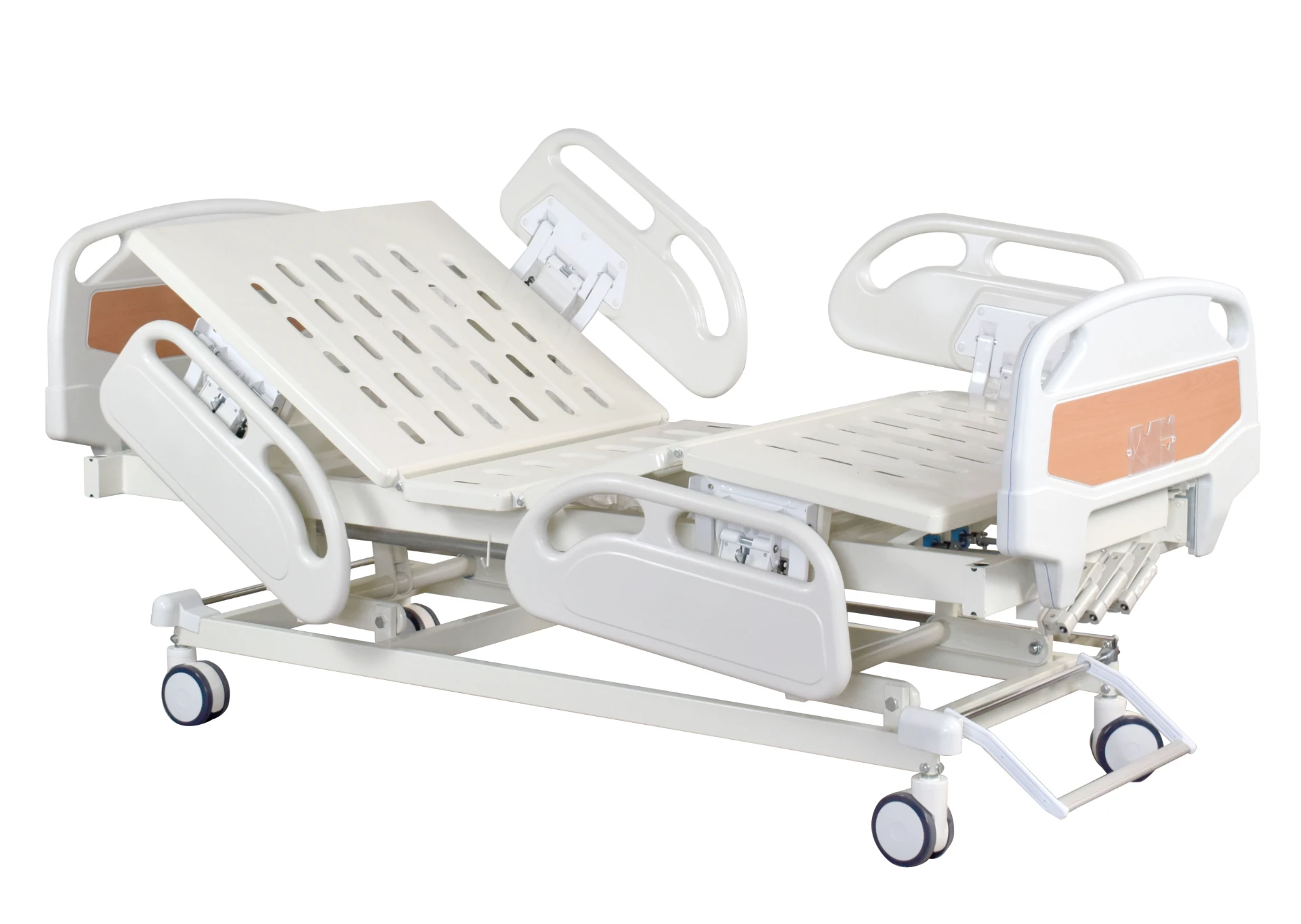
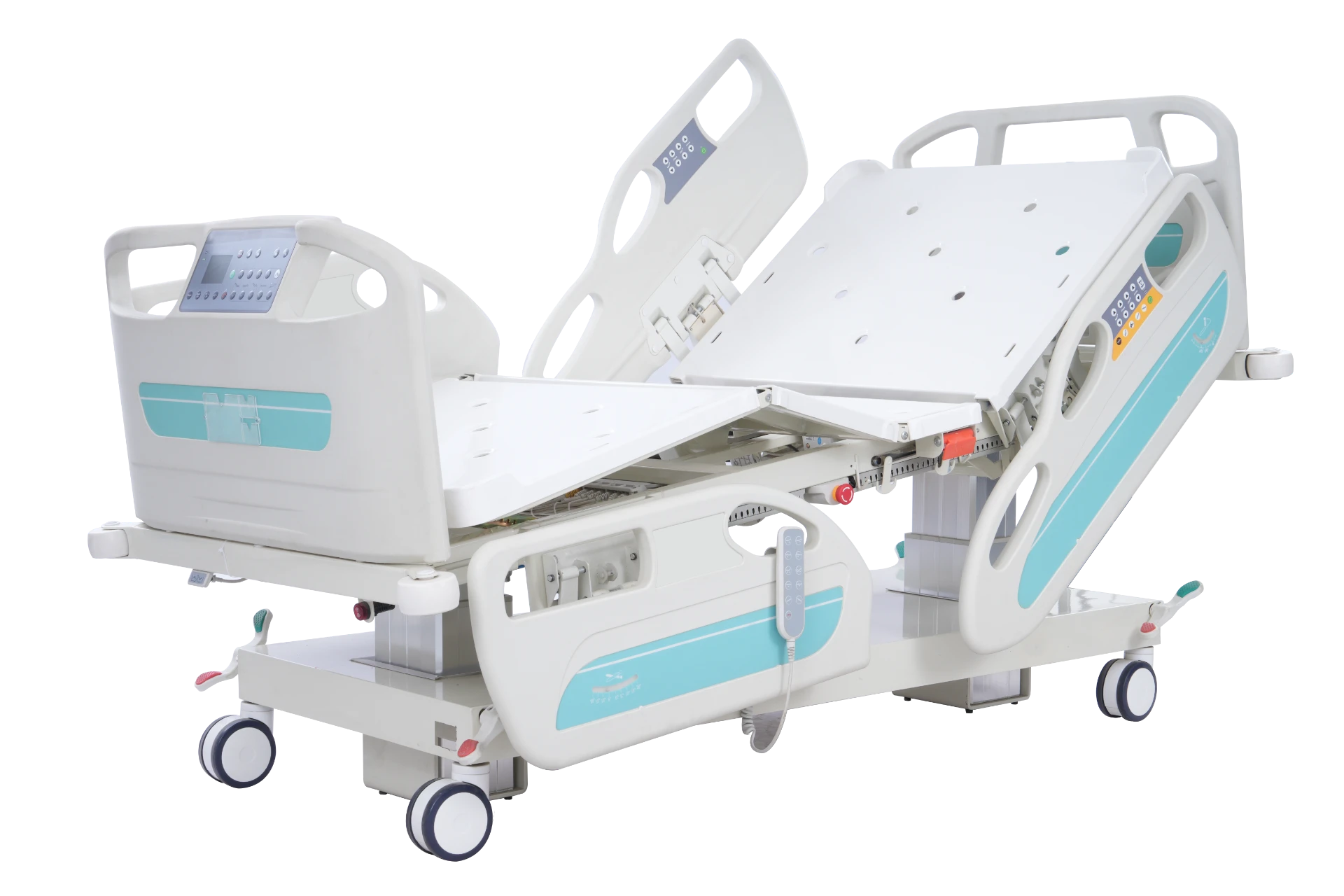
Simply put, a mental hospital bed is a hospital bed customized and engineered specifically to meet the needs of psychiatric settings. Unlike standard hospital beds, these are designed to minimize risk — reducing potential harm from patients who may be prone to self-injury or agitation. They often come with features like break-resistant frames, tamper-proof fasteners, and smooth, easy-to-clean surfaces.
In broad terms, if a traditional medical bed serves physical health, a mental hospital bed addresses the unique challenges posed by mental health care environments, blending safety, comfort, and hygiene seamlessly.
Core Components of a Quality Mental Hospital Bed
Durability & Safety
These beds are constructed from high-strength steel or reinforced materials engineered to withstand impact and minimize points for self-harm. Safety rails are designed smooth without sharp edges and are often firmly attached to prevent dismantling.
Sanitization & Infection Control
Surfaces are coated with antimicrobial finishes and built with minimal seams, which makes cleaning faster and helps maintain hygiene—crucial in hospitals to prevent infections.
Patient Comfort & Adjustability
Many mental hospital beds allow limited yet essential adjustability of reclining angles, height, and positioning to improve patient comfort without compromising safety.
Customization & Integration
Hospitals can tailor beds for specific psychiatric needs — such as adding restraint-friendly features or integrating sensors to monitor patient movement discreetly.
Cost Efficiency & Longevity
Given hospital budgets, selecting beds that balance upfront costs with durability and maintenance can make a huge difference over time. The investment here is often strategic, not just transactional.
Quick Spec Overview: Typical Mental Hospital Bed
| Feature | Specification |
|---|---|
| Frame Material | Powder-coated steel or reinforced aluminum |
| Weight Capacity | Up to 250 kg (550 lbs) |
| Adjustable Positions | Head and Foot incline, height adjustment (manual or electric) |
| Safety Features | Tamper-proof screws, rounded edges, safety rails |
| Surface Finish | Antimicrobial, easy-to-clean laminate or powder coating |
| Dimensions | 200 cm x 90 cm (standard) adjustable sizes available |
Mini takeaway: Mental hospital beds aren’t just beds—they’re safety systems, comfort tools, and hygiene enablers all rolled into one.
Global Applications & Use Cases
The use of mental hospital beds spans diverse settings, from urban psychiatric hospitals in Europe and North America to humanitarian field clinics in developing nations. Oddly enough, the challenge remains universal—creating safe, therapeutic spaces for mental health patients without restricting dignity or freedom unnecessarily.
- Europe & North America: Leading psychiatric hospitals retrofit wards with secure, ergonomic beds, often integrating sensors for remote monitoring.
- Asia-Pacific: Rapid urbanization and rising mental health awareness fuel demand for beds that meet strict safety and hygiene norms.
- Humanitarian Missions: Post-conflict zones and disaster-stricken areas sometimes deploy modular, durable mental hospital beds to temporary facilities.
- Long-term Care Facilities: These beds are also invaluable in residential mental health care where patients require ongoing support in a calming environment.
Vendor Comparison: Mental Hospital Bed Providers
| Vendor | Safety Features | Customization | Price Range | Warranty & Support |
|---|---|---|---|---|
| SafeBed Co. | Tamper-proof rails, impact-resistant frame | High; modular accessories | $$$ | 5 years plus on-site support |
| HealthNest Surgical | Standard safety rails, antimicrobial surfaces | Medium; electric adjustments only | $$ | 3 years, remote assistance |
| PsyCare Solutions | Robust safety with integrated sensor systems | High; fully custom engineering | $$$$ | 7 years and dedicated tech line |
Mini takeaway: Your choice of supplier greatly influences durability, customization options, and post-sales support—a factor often underestimated.
Advantages & Long-Term Value of Mental Hospital Beds
Aside from the obvious safety improvements, these beds offer hospitals and care homes a long-term benefit in patient outcomes. A well-designed mental hospital bed reduces incidents of injury and escapes, thereby lowering liability and improving overall ward morale.
And on a human level? Patients feel more respected—it’s a bit like giving someone a thoughtfully designed safe space that says, “You matter.” That emotional nuance often gets lost in clinical discussions but matters endlessly in real care.
Emerging Trends & Innovations
Look ahead, and you’ll notice exciting innovation intersections:
- Digital Monitoring: Integrating sensors for movement and patient vitals without intruding on privacy.
- Sustainable Materials: Using recyclable and antimicrobial biopolymers to reduce environmental impact.
- Smart Adjustability: AI-enabled beds that adapt comfort settings automatically.
- Policy Evolution: As standards like ISO 20631 gain traction, manufacturers aim to improve safety benchmarks globally.
Challenges & Solutions
One challenge remains cost. Hospitals in low-income regions struggle to procure or replace mental hospital beds that meet safety standards. Still, NGOs and partnerships are emerging to bridge these gaps, distributing affordable yet reliable solutions globally.
Another issue is maintenance—beds require regular safety checks to avoid wear-related hazards. Training for on-site staff can remedy this, accompanied by warranty and technical support offered by leading suppliers.
FAQ: Frequently Asked Questions About Mental Hospital Beds
- What makes mental hospital beds different from regular hospital beds?
- Mental hospital beds are specifically designed with safety in mind, featuring tamper-free elements, smooth edges, and durable materials to prevent injury or self-harm — unlike standard beds focused mainly on physical health needs.
- Can mental hospital beds be customized to individual patients?
- Yes, many beds offer modular options such as adjustable rails, head support, and sensor integration to suit patient needs and facility requirements.
- How important is infection control in selecting mental hospital beds?
- Crucial. These beds often have antimicrobial surfaces and smooth finishes to ensure quick cleaning, which protects both patients and staff from hospital-acquired infections.
- Are mental hospital beds reusable or modular for different ward settings?
- Many modern designs are modular and built for longevity, allowing wards to reconfigure setups or repurpose beds as patient demographics and care models evolve.
- Is it feasible for developing countries to invest in quality mental hospital beds?
- While cost can be a barrier, partnerships with NGOs and targeted funding programs help facilitate access to affordable, durable beds that meet international safety standards.
Conclusion: The Unsung Backbone of Psychiatric Care
You might not notice mental hospital beds if you don’t work in this specialized field, but frankly, they’re the unsung backbone of psychiatric healthcare infrastructure. They balance safety with dignity, innovation with practicality, and cost with long-term value. If you care about advancing mental health treatment standards—whether as a healthcare provider, administrator, or policymaker—investing in quality mental hospital beds is simply essential.
Curious to learn more or browse the latest in mental hospital bed technology? Visit our website: mental hospital bed to explore expert solutions tailored for your facility’s needs.
Mini takeaway: The right bed isn’t just furniture; it’s a cornerstone of compassionate mental healthcare.
References:
-
Ultimate Guide to Choosing Extra Wide Waiting Room ChairsNewsApr.16,2026
-
Guide to Choosing Professional Waiting Room Chairs Wipeable SeatingNewsApr.09,2026
-
Enhance Your Space with Comfortable Wide Waiting Room ChairsNewsApr.07,2026
-
Selecting the Ideal Brown Waiting Room Chairs for a Welcoming SpaceNewsApr.04,2026
-
Choosing Comfortable Patient Waiting Room Chairs for Healthcare FacilitiesNewsMar.31,2026
-
Finding the Best Deals on Affordable and Cheap Reception Chairs for Your BusinessNewsMar.28,2026
-
Enhance Your Business Reception with Comfortable Blue Reception ChairsNewsMar.26,2026