Welcome to our websites!


Medical Bed Infection Control
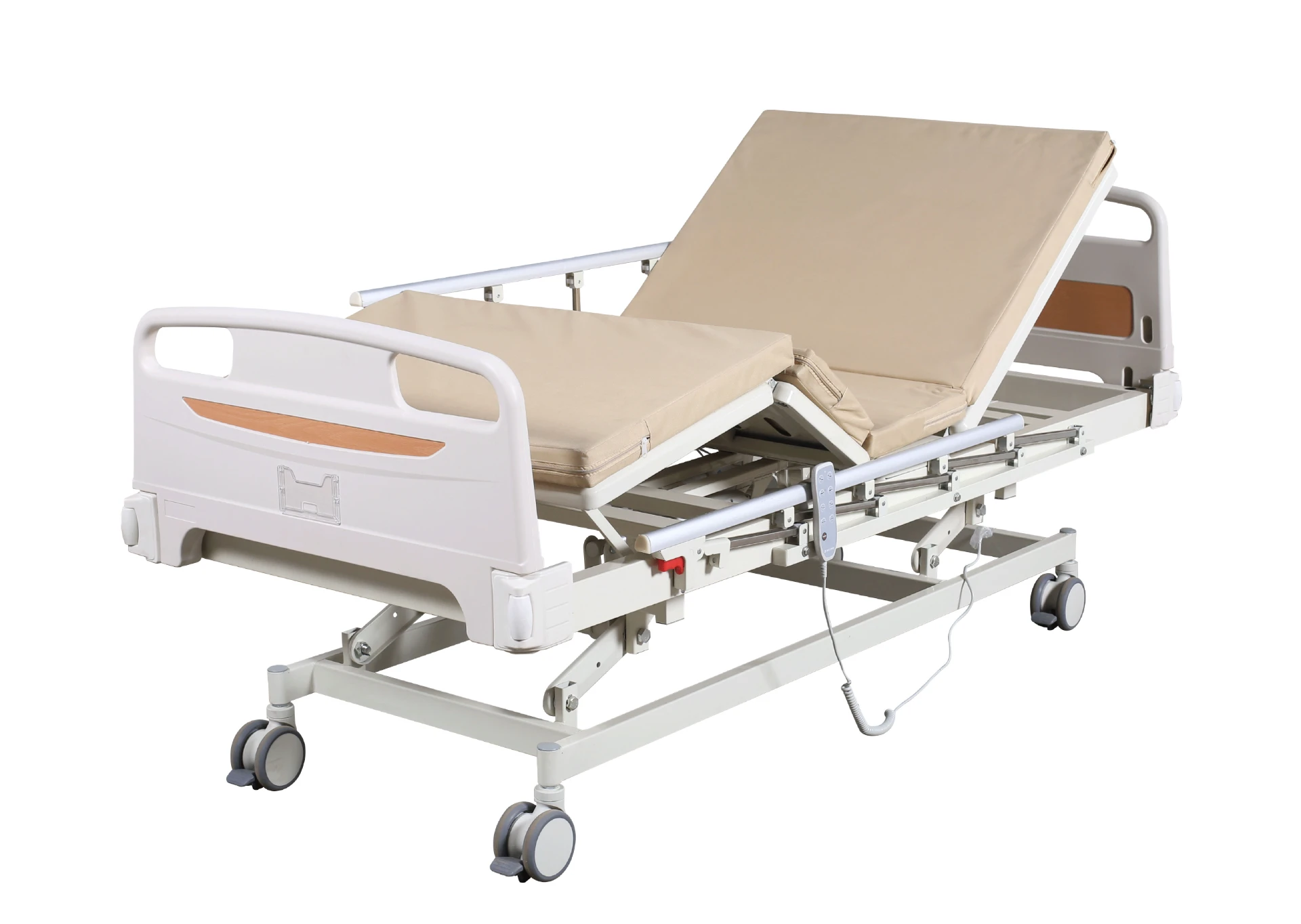
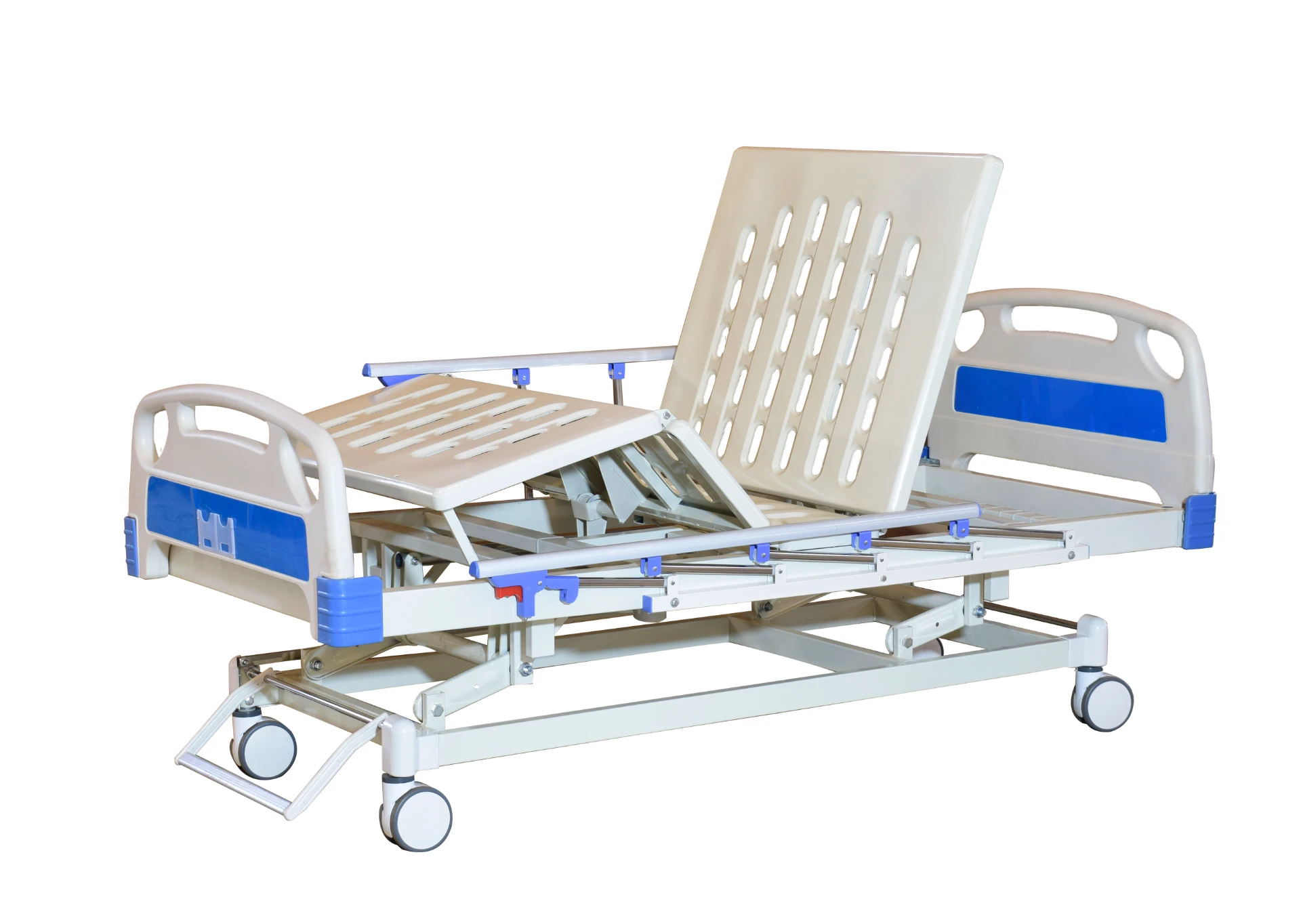
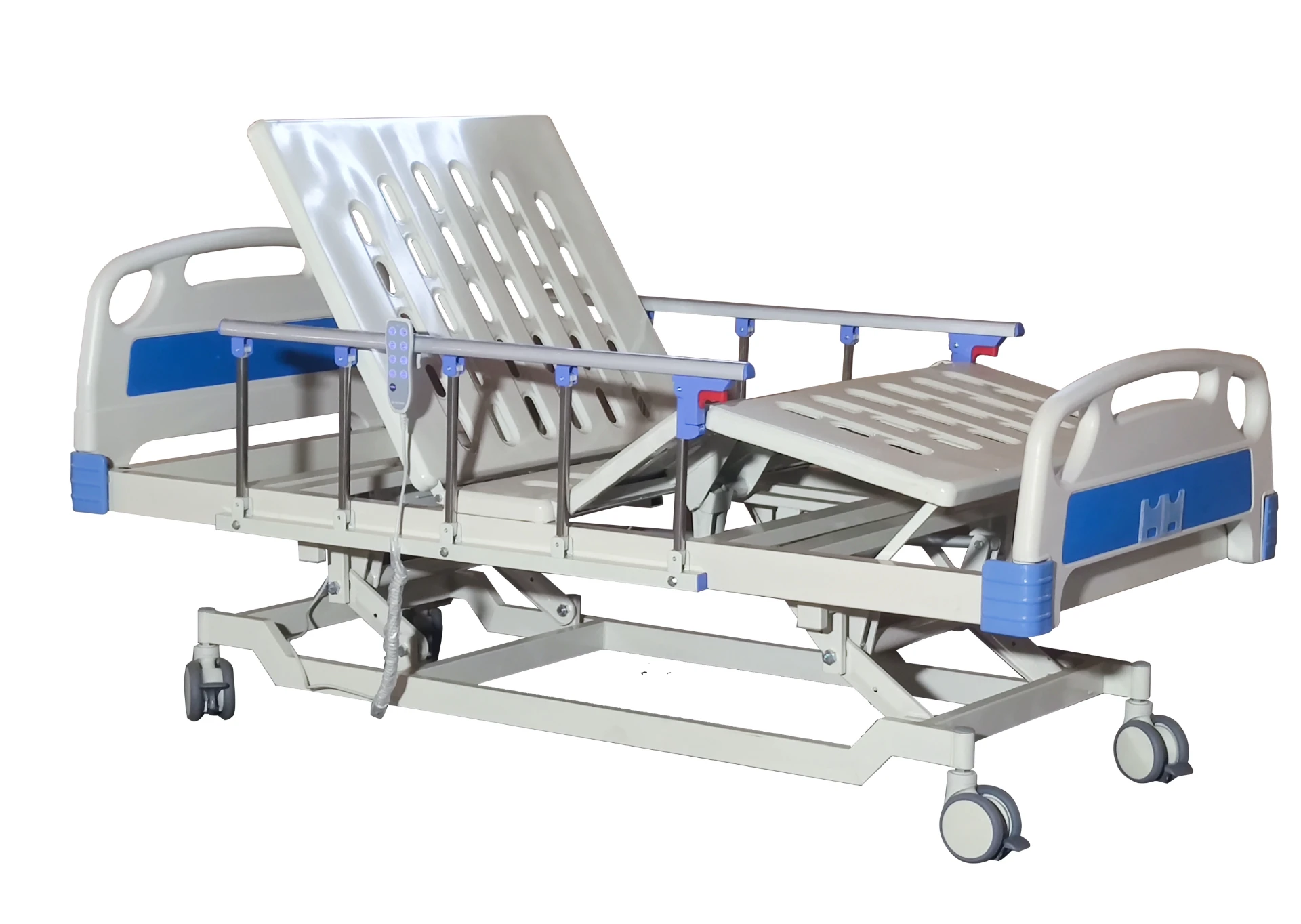
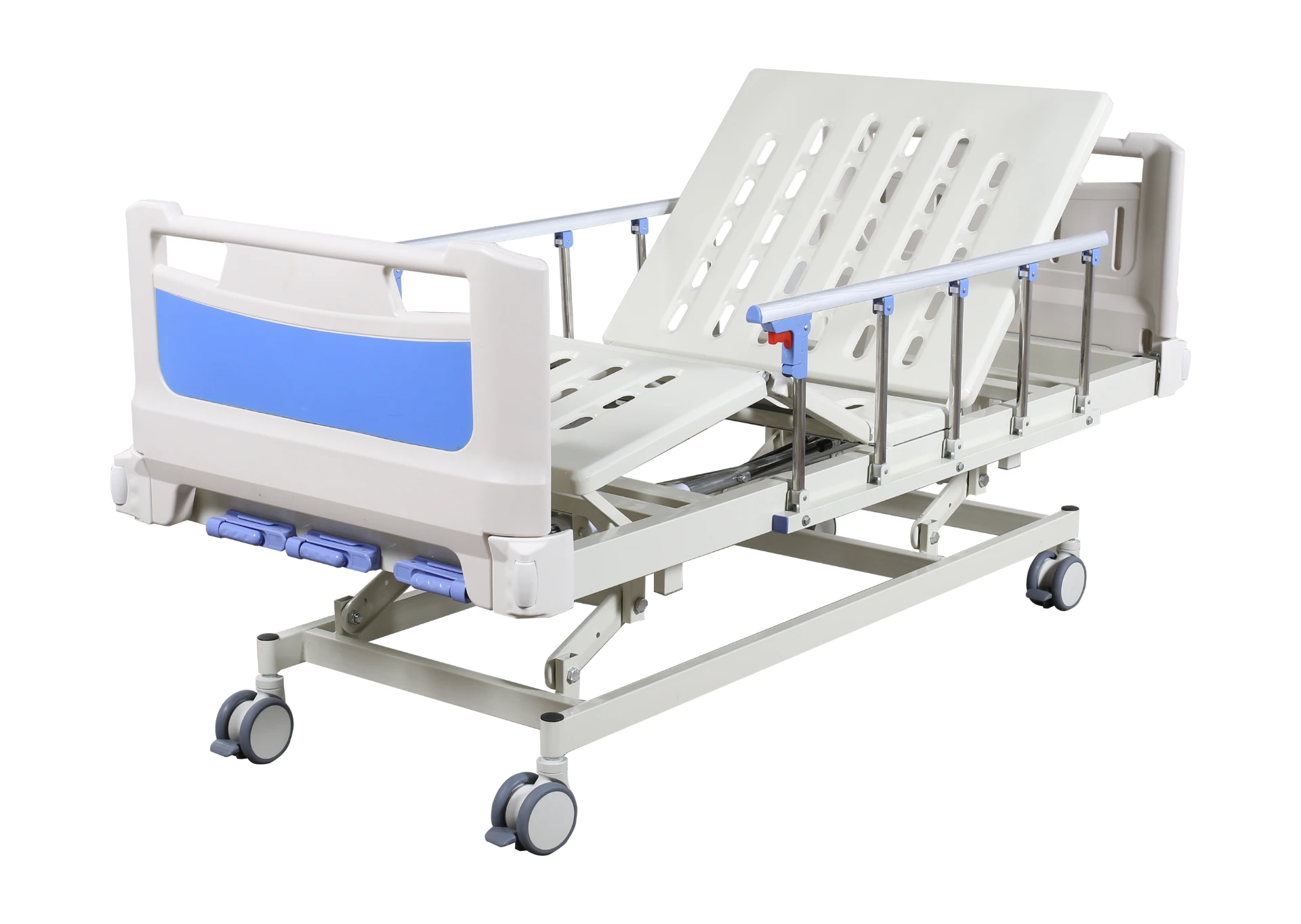
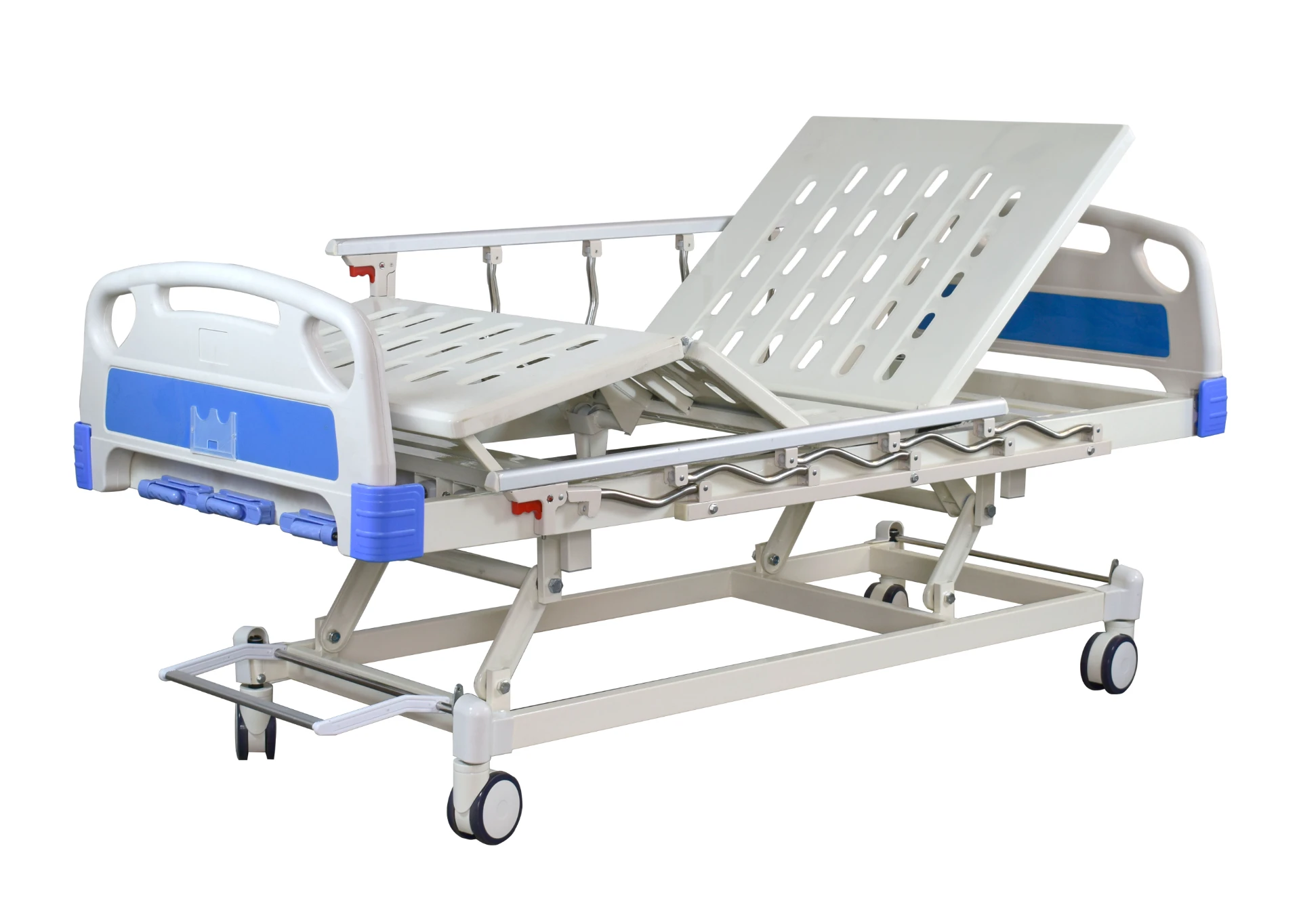
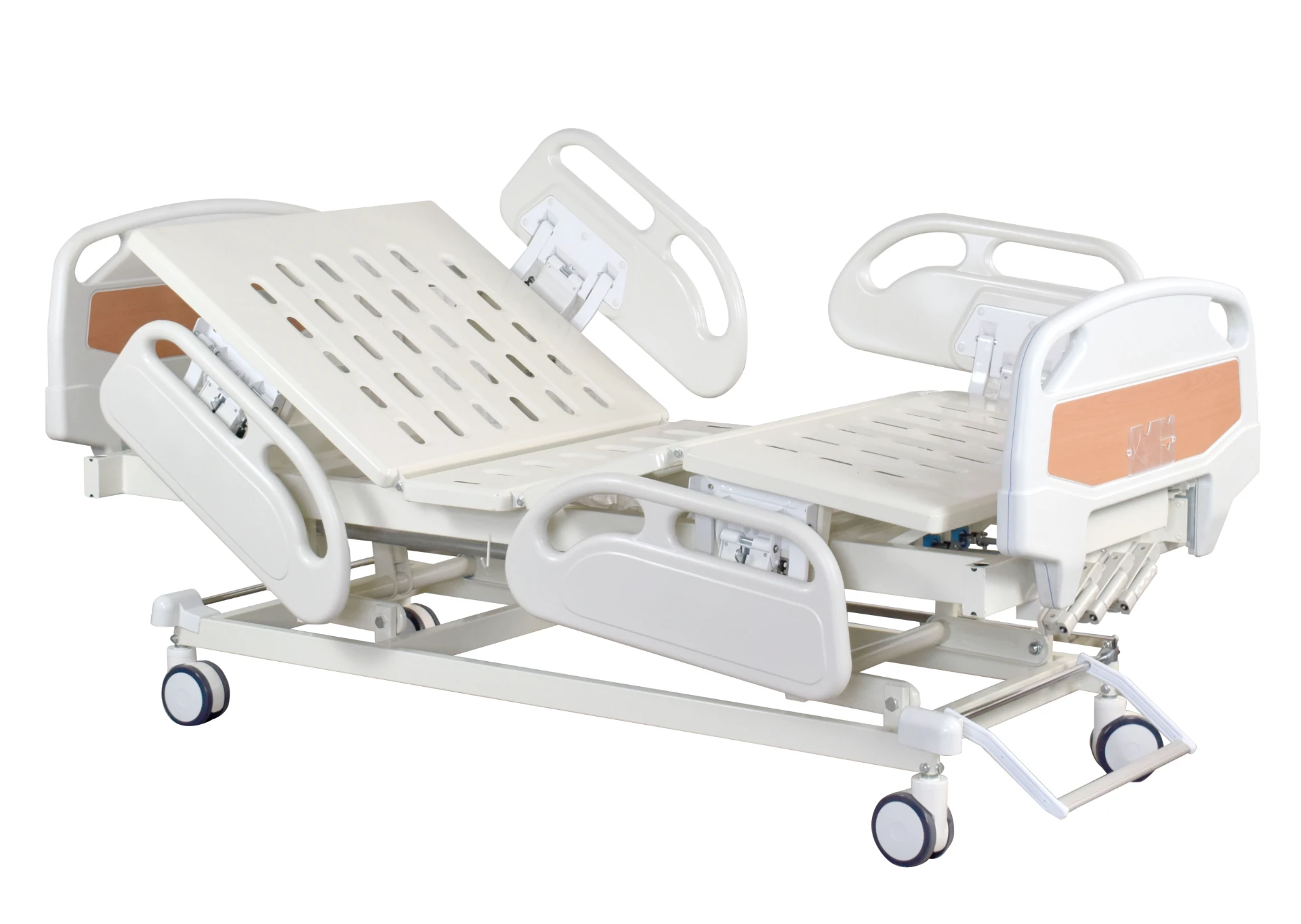
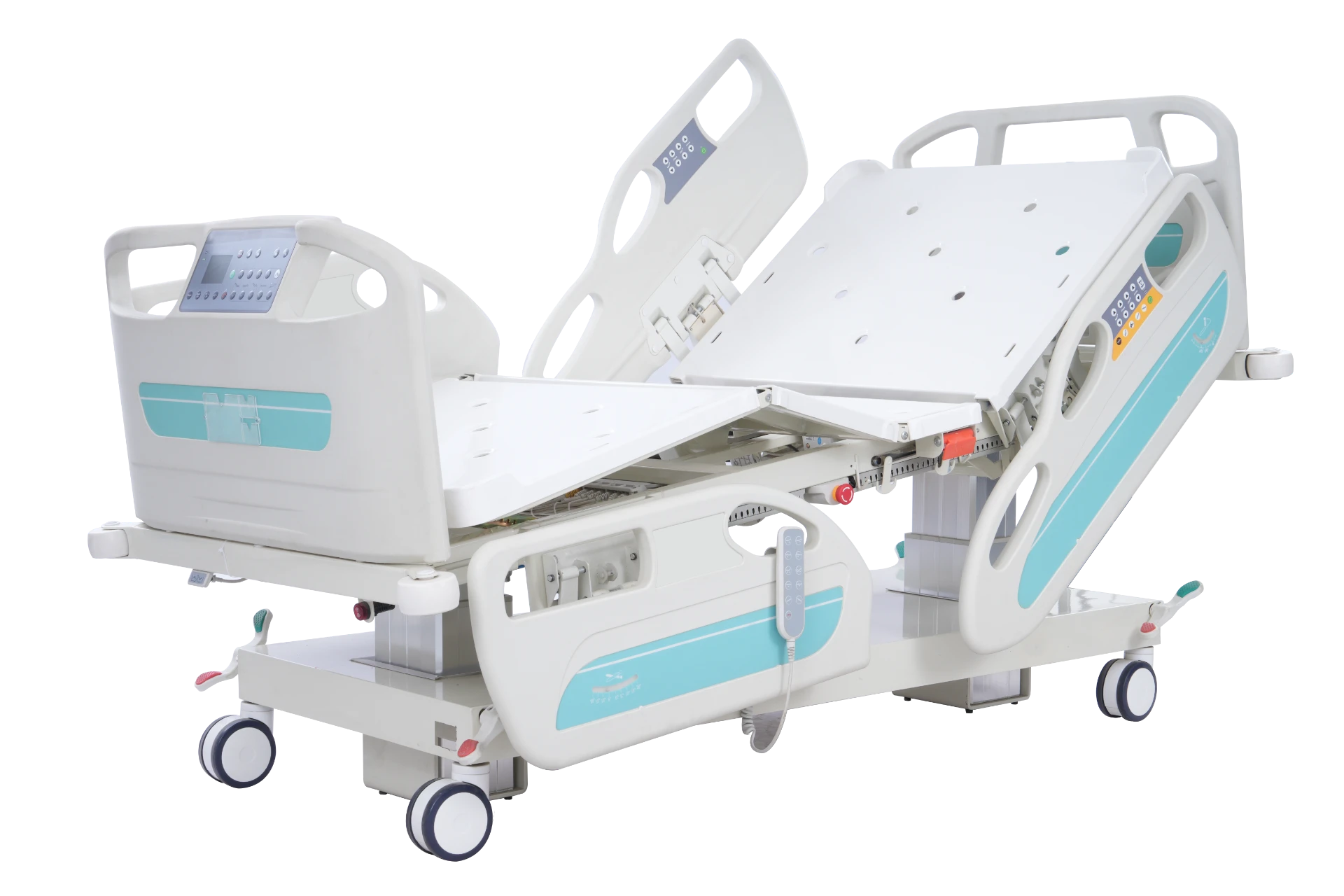
Effective infection control in healthcare settings begins with properly designed hospital bed equipment. At BoXin Recovery, we engineer our hospital beds for sale and medical bed solutions with antimicrobial protection and easy-cleaning features to minimize infection risks in clinical environments.
Hospital Bed Antimicrobial Features
- Coated surfaces- Special antimicrobial finishes on all medical bed touchpoints
• Seamless construction - Eliminates crevices where pathogens could hide in hospital beds for sale
• Copper-infused components - High-contact hospital bed parts with natural antimicrobial properties
• Disinfectant-compatible - All medical bed surfaces withstand hospital-grade cleaning agents
• UV-resistant - Materials maintain integrity under frequent UV disinfection of hospital beds for sale
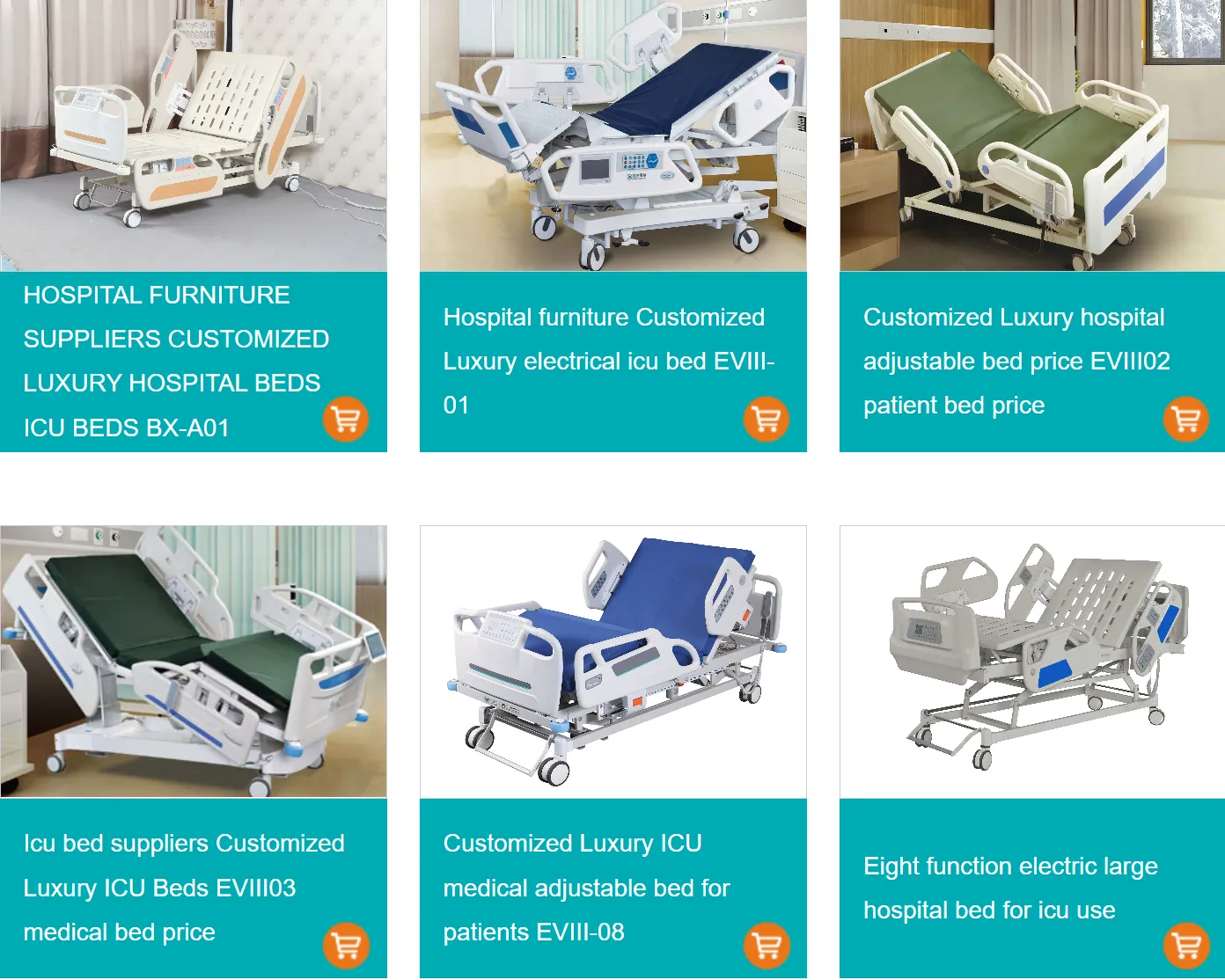
Hospital Beds For Sale Cleaning Advantages
- Removable components- Easy-to-clean hospital bed rails and accessories
• Fluid-resistant fabrics - Repels liquids on medical bed surfaces
• Non-porous materials - Prevents bacterial penetration in hospital beds for sale
• Tool-free disassembly - Quick breakdown for thorough hospital bed sanitation
• Color-coded parts - Identifies high-risk medical bed areas needing extra disinfection
Medical Bed Design For Infection Prevention
- Minimal joints - Reduced connection points on hospital beds for saleto limit contamination areas
• Rounded corners - Eliminates hard-to-clean angles on hospital bed frames
• Integrated waste management - Some medical bed models feature built-in disposal systems
• Single-patient use - Disposable components available for certain hospital beds for sale
• Isolation capabilities - Specialized hospital bed models with containment features
Hospital Bed Material Selection
- Medical-grade plastics- Non-absorbent medical bed components
• Powder-coated metals - Durable, cleanable hospital beds for sale frames
• Antimicrobial textiles - Treated fabrics for hospital bed surfaces
• Chemical-resistant - Withstands harsh disinfectants used on medical bed equipment
• Non-shedding - Materials that won't degrade and contaminate hospital beds for sale environments
Hospital Beds For Sale Maintenance Protocols
- Standardized cleaning- Detailed hospital bed disinfection guidelines provided
• Inspection checkpoints - Critical medical bed areas identified for routine checks
• Replacement indicators - Wear markers on hospital beds for sale components
• Staff training - Comprehensive hospital bed cleaning instruction programs
• Certification tracking - Documentation for all medical bed sanitation procedures
Hospital Bed FAQS
Q: How does a standard hospital bed differ from specialized hospital beds for sale designed for home care?
A: A standard hospital bed in healthcare facilities often features heavy-duty frames and integrated medical connections, while hospital beds for sale for home use prioritize compact design and ease of operation. Home models may have quieter electric motors, simplified remote controls, and aesthetic finishes to blend with residential settings, whereas clinical beds focus on infection control and intensive care compatibility.
Q: What safety certifications should I look for when buying hospital beds for sale versus basic medical beds?
A: Hospital beds for sale intended for medical use must comply with standards like FDA regulations and IEC 60601 for electrical safety. Basic medical beds (e.g., for outpatient clinics) may require fewer certifications but should still meet local health codes. Key features to check include weight capacity ratings, anti-tip mechanisms, and flame-resistant upholstery, especially in beds used for long-term patient care.
Q: Can a medical bed be customized for bariatric patients like specialized hospital beds?
A: Yes, but customization depths vary. Standard medical beds can often be upgraded with reinforced frames and wider mattresses to accommodate bariatric patients, while specialized hospital beds may have built-in features like heavy-duty casters, higher weight limits (up to 1,000 lbs), and split frames for easier patient movement. Customization typically involves working with manufacturers to ensure the bed meets specific clinical requirements.
Q: How do maintenance needs differ between electric hospital beds for sale and manual medical beds?
A: Electric hospital beds for sale require periodic checks of motors, wiring, and control panels to prevent malfunctions, while manual medical beds rely on mechanical components like cranks and locks. Electric beds may need professional servicing for electrical issues, whereas manual beds can often be maintained with basic lubrication and alignment checks. Both benefit from regular cleaning of upholstery and frames to prevent infection spread.
Q: What factors influence the price of hospital beds for sale compared to general medical beds?
A: Hospital beds for sale with advanced features (e.g., full-electric adjustment, pressure-relieving mattresses, telemetry integration) command higher prices than basic medical beds used for temporary patient seating. Factors like brand reputation, warranty length, and specialized design (e.g., ICU vs. home care) also impact cost. For example, an ICU bed with built-in patient monitoring may cost 3-5 times more than a standard manual medical bed.
Welcome to Hebei Boxin Recovery—where healing meets innovation! Since 2008, we've been sculpting medical marvels in our 40,000㎡ healthcare hub in Hengshui. Our mission? To transform recovery through equipment that's equal parts clinician-approved and patient-friendly.
Dive into our world of manual/electric hospital beds that whisper rather than whir, ICU beds that cradle with clinical precision, and home care nursing beds that blend into living rooms like furniture. Need a stretcher that glides smoothly? A medical trolley that organizes chaos? Or an air mattress that banishes bedsores? We've crafted it—each piece tested for durability, sanitized for safety, and designed to dignify every healing journey.
As a family of 15+ years in healthcare gear, we don’t just make products; we engineer trust. Explore our rehab revolution at www.cnboxin.com —where every bed, trolley, and cabinet is a step toward smarter, kinder care.
-
Ultimate Guide to Choosing Extra Wide Waiting Room ChairsNewsApr.16,2026
-
Guide to Choosing Professional Waiting Room Chairs Wipeable SeatingNewsApr.09,2026
-
Enhance Your Space with Comfortable Wide Waiting Room ChairsNewsApr.07,2026
-
Selecting the Ideal Brown Waiting Room Chairs for a Welcoming SpaceNewsApr.04,2026
-
Choosing Comfortable Patient Waiting Room Chairs for Healthcare FacilitiesNewsMar.31,2026
-
Finding the Best Deals on Affordable and Cheap Reception Chairs for Your BusinessNewsMar.28,2026
-
Enhance Your Business Reception with Comfortable Blue Reception ChairsNewsMar.26,2026