Welcome to our websites!


Leg rehab equipment—durable, adjustable, clinical-grade?
What today’s leg rehab equipment gets right (and where it still surprises me)
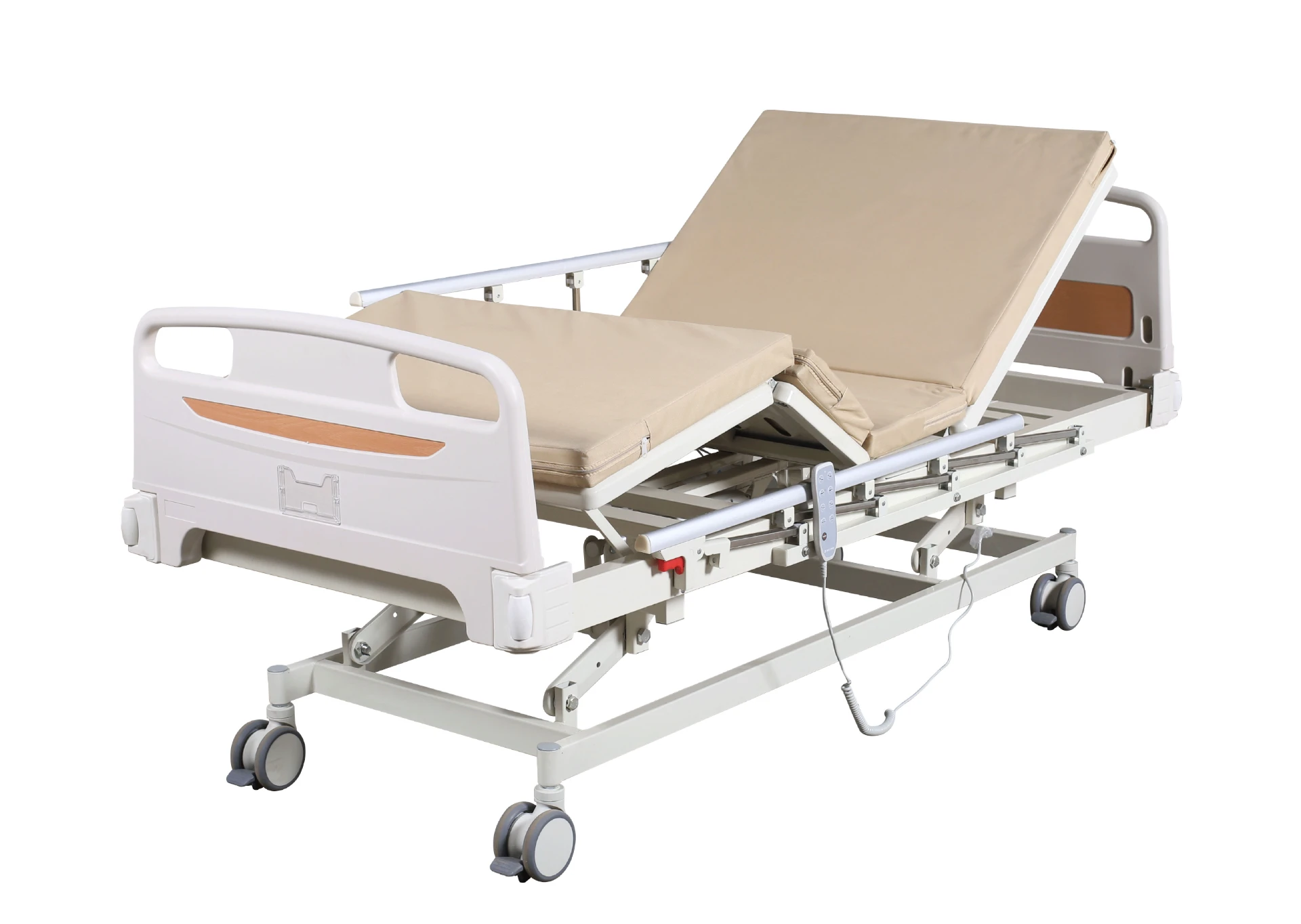
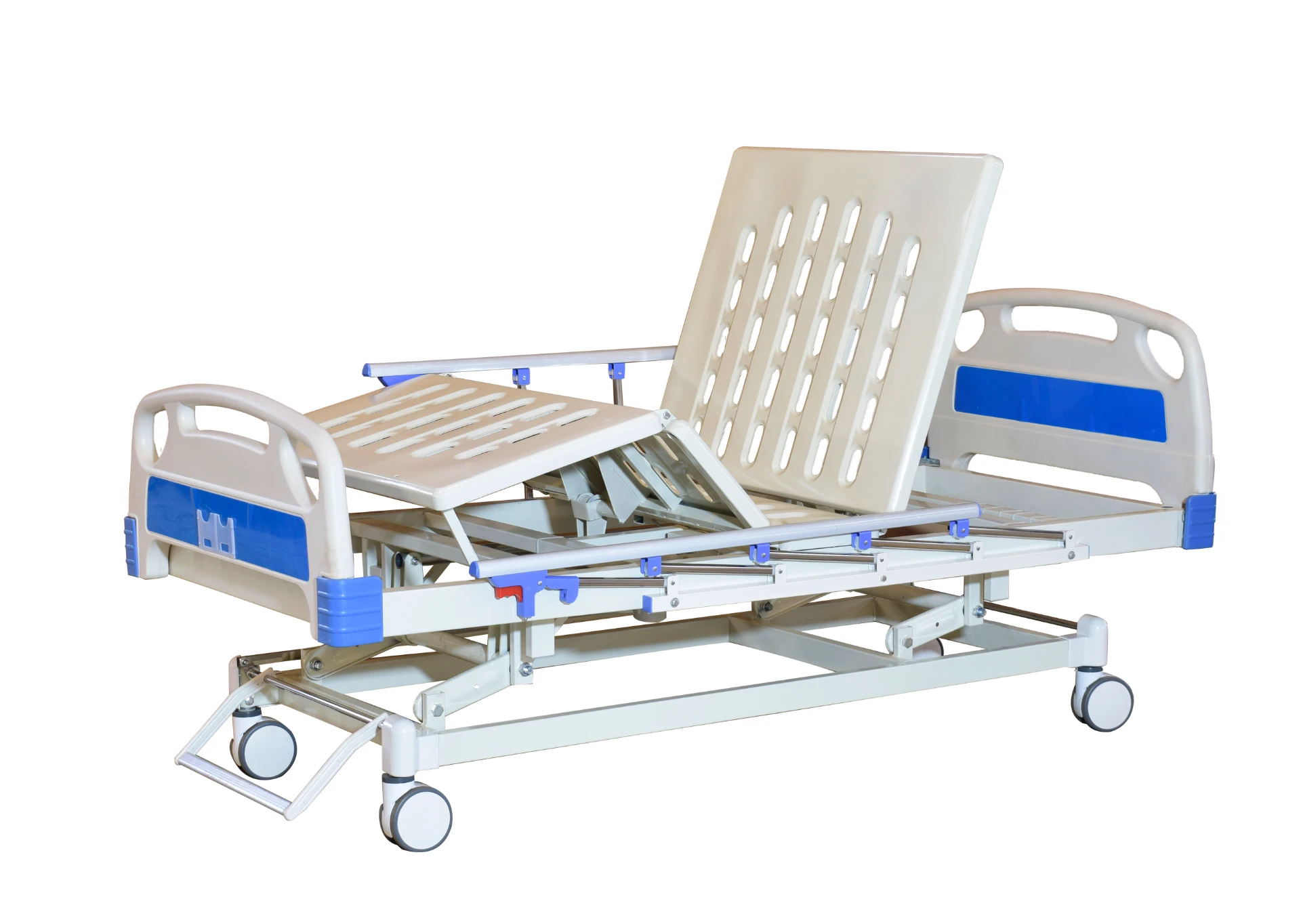
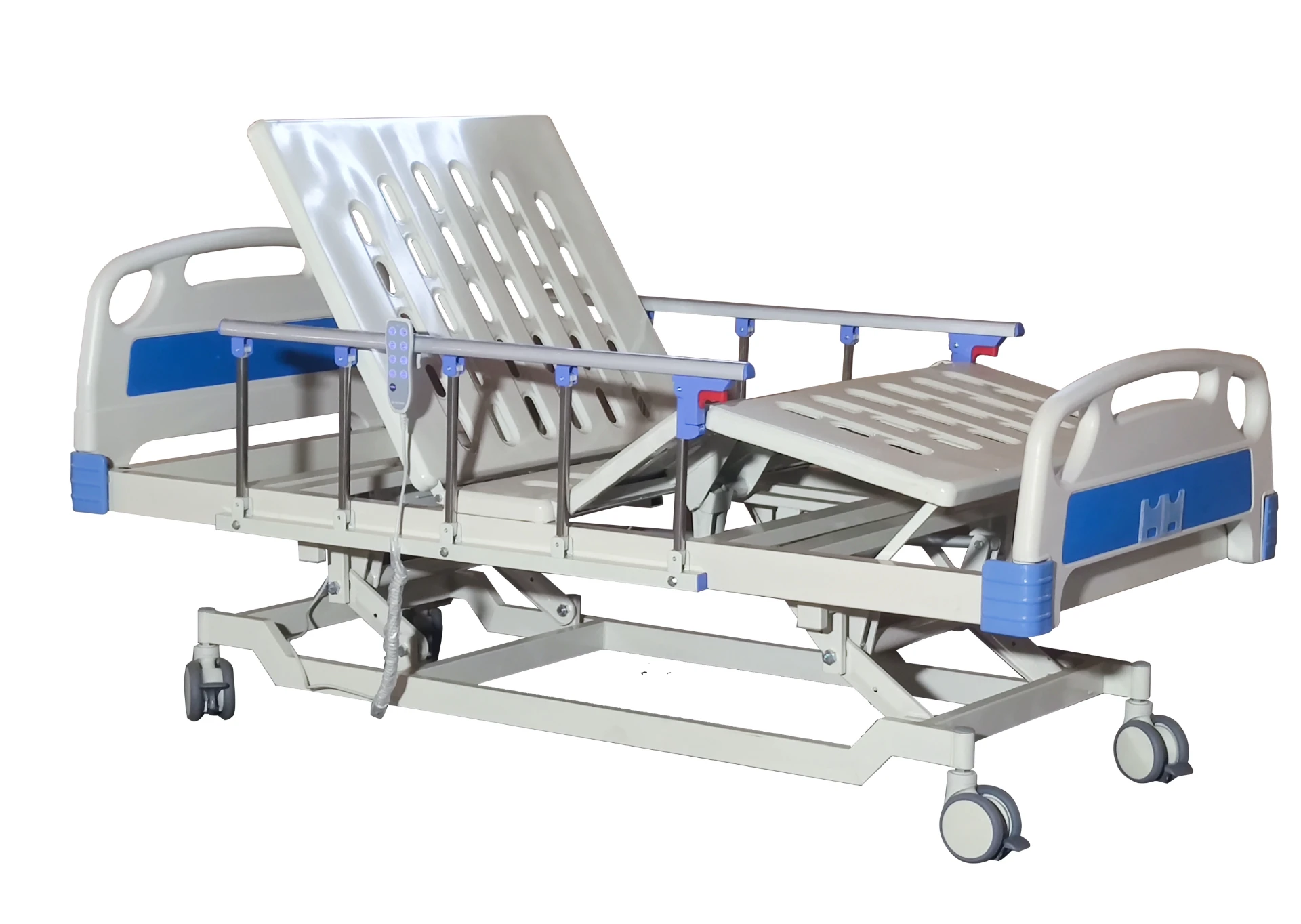
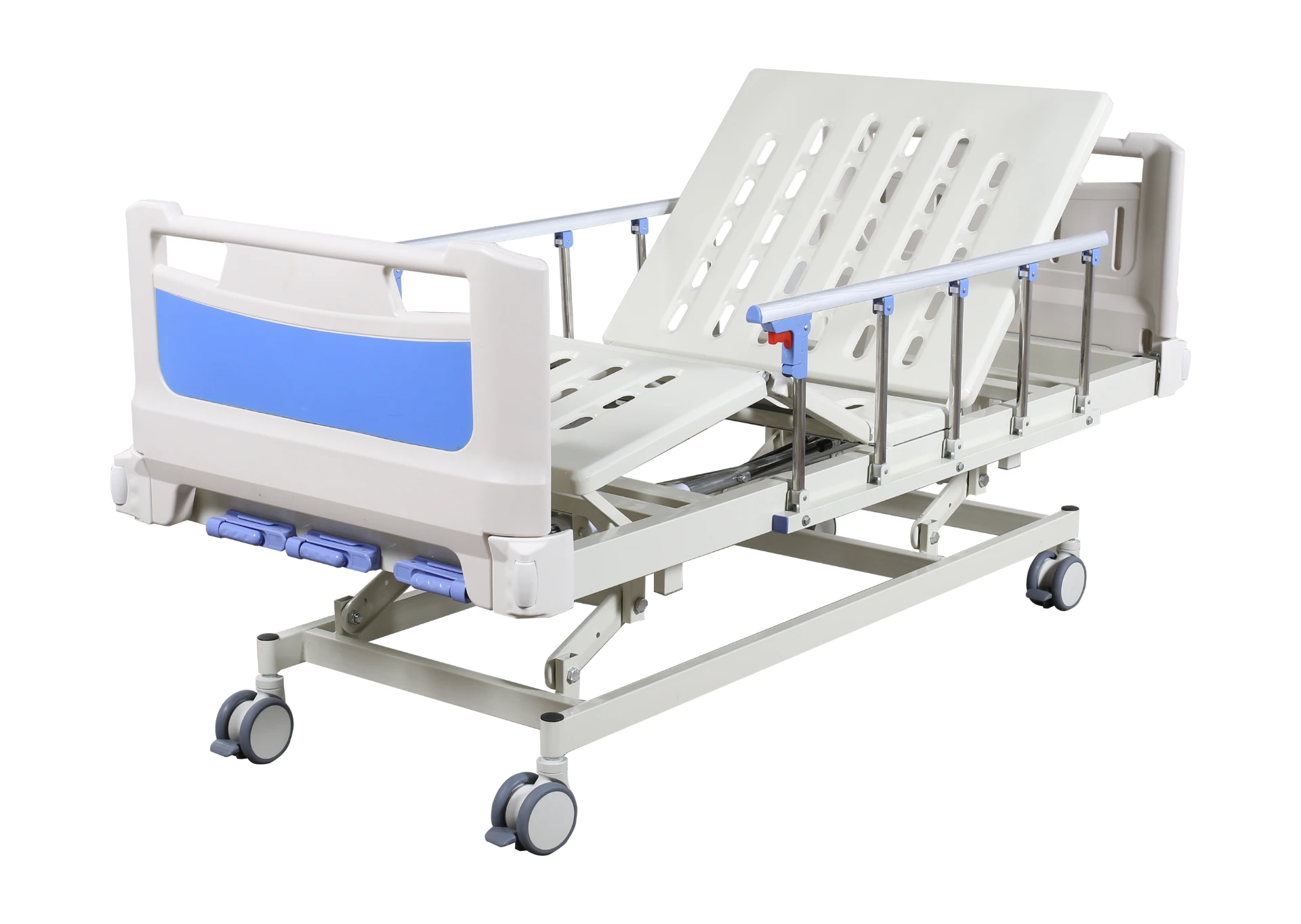
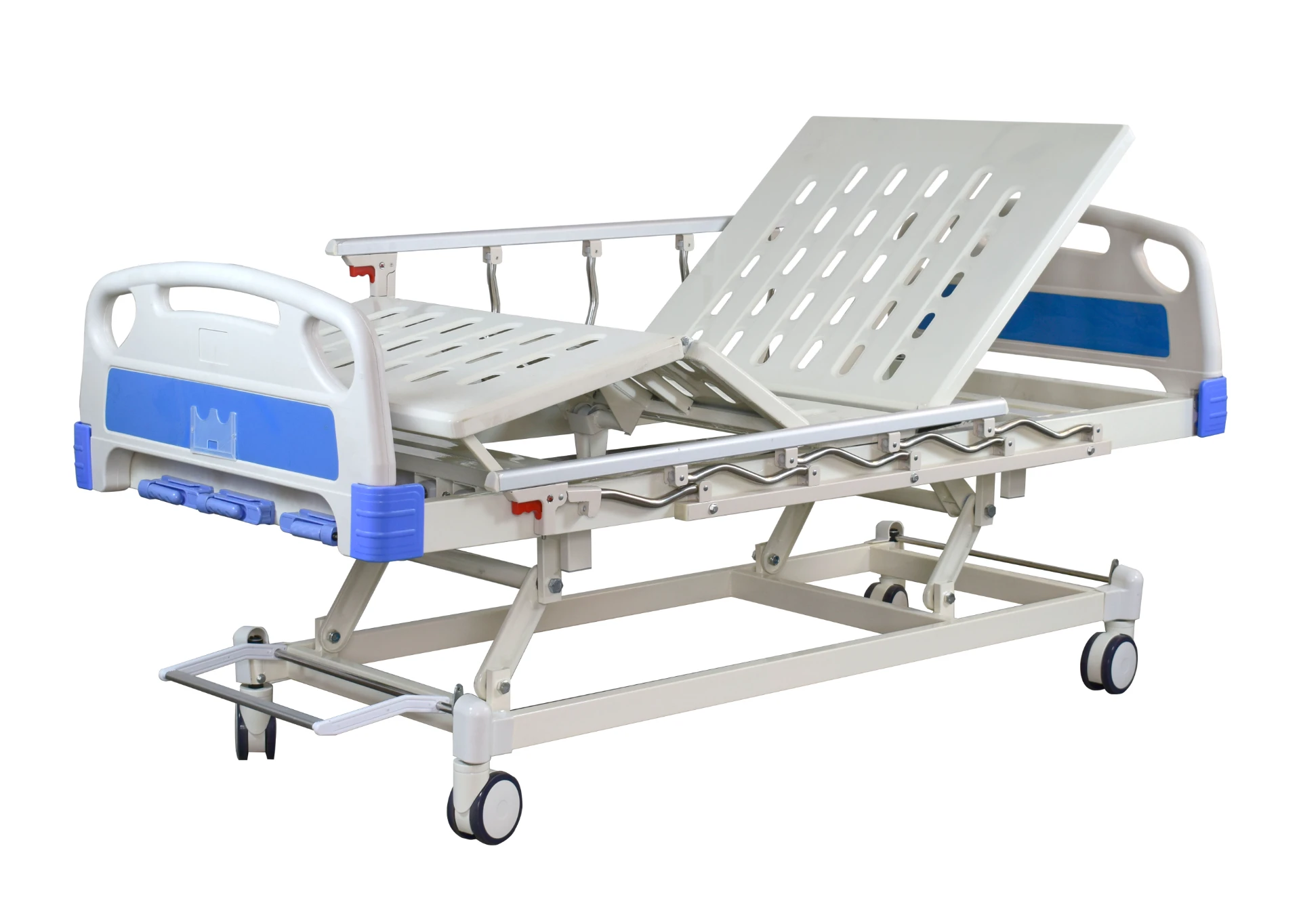
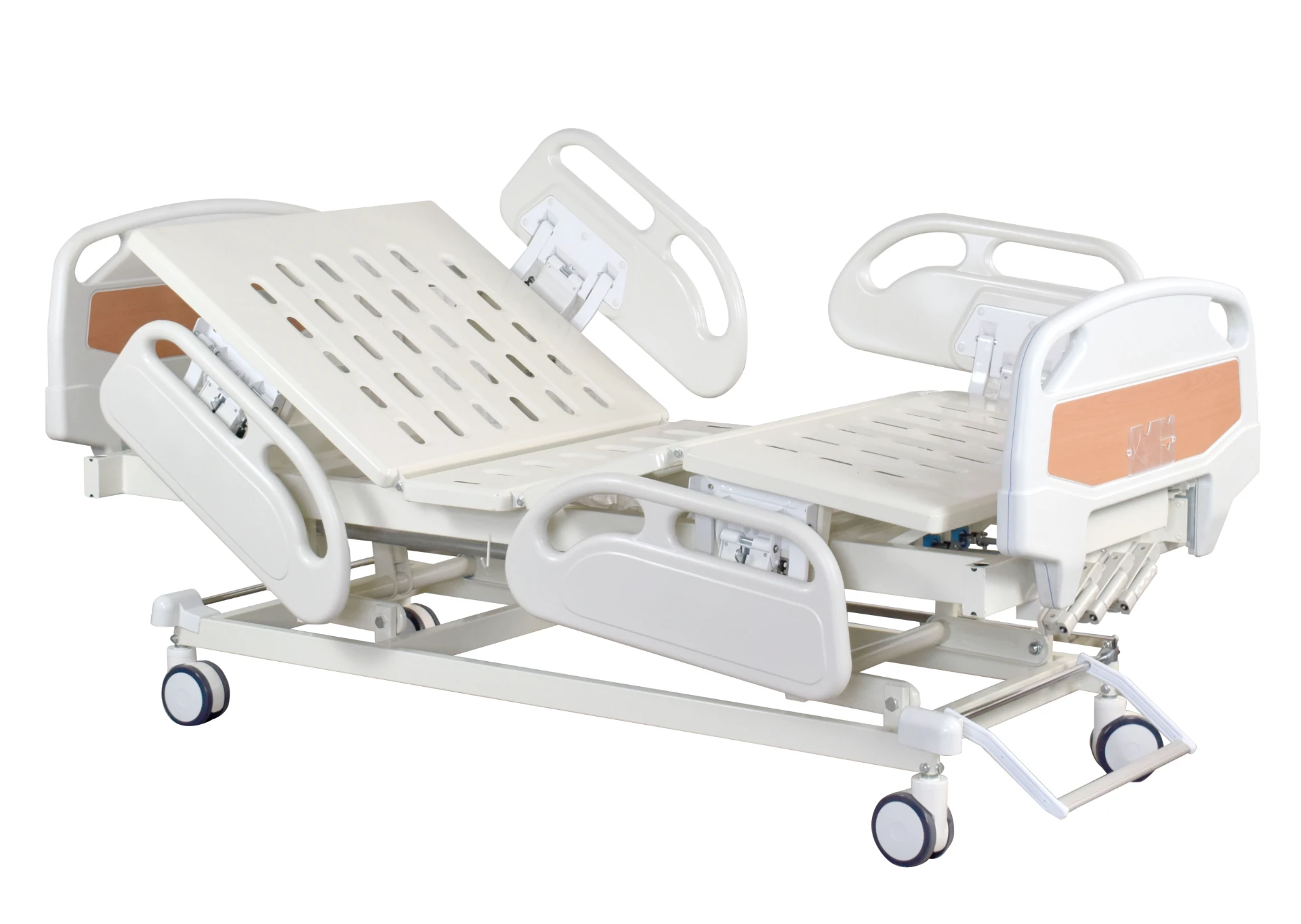
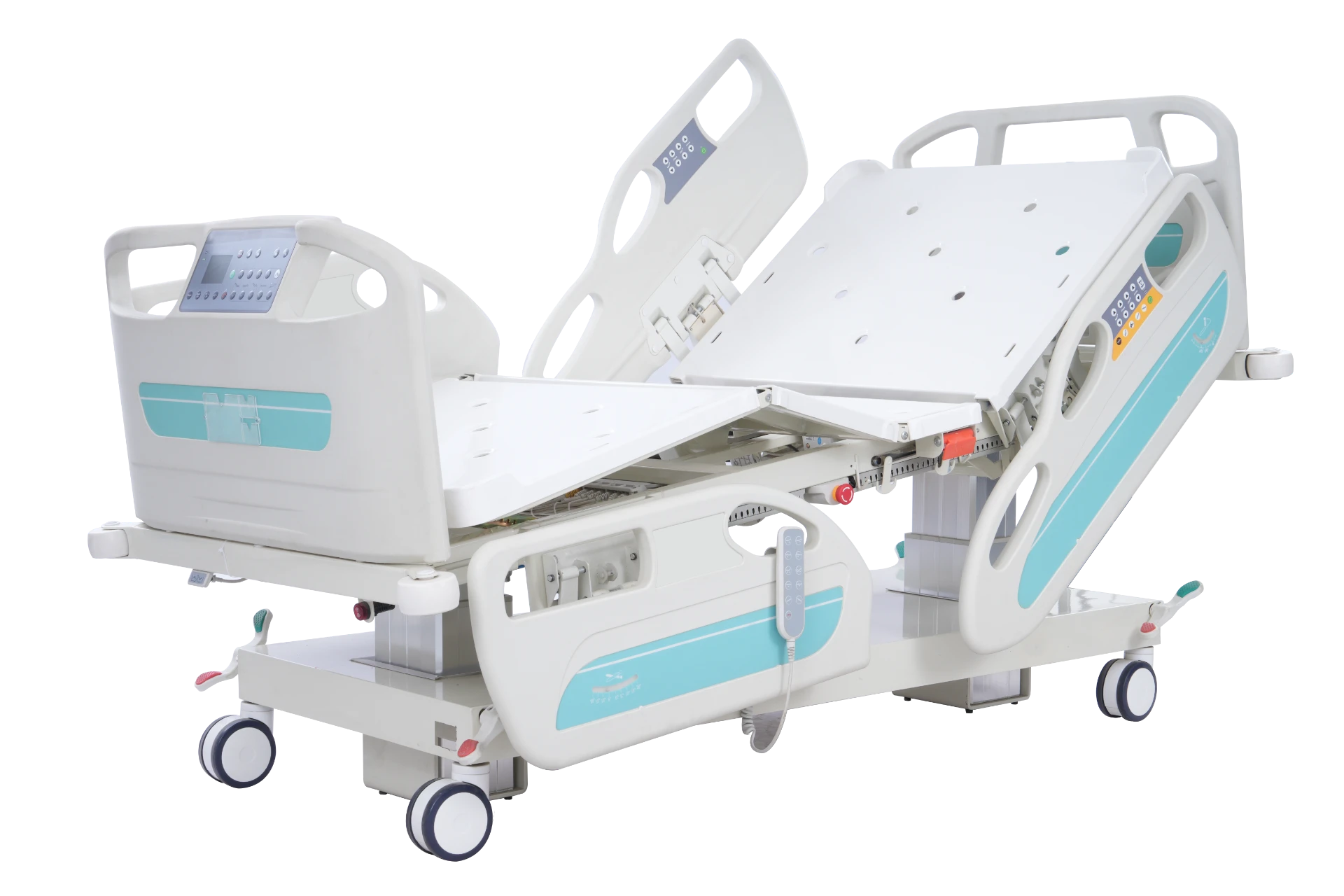
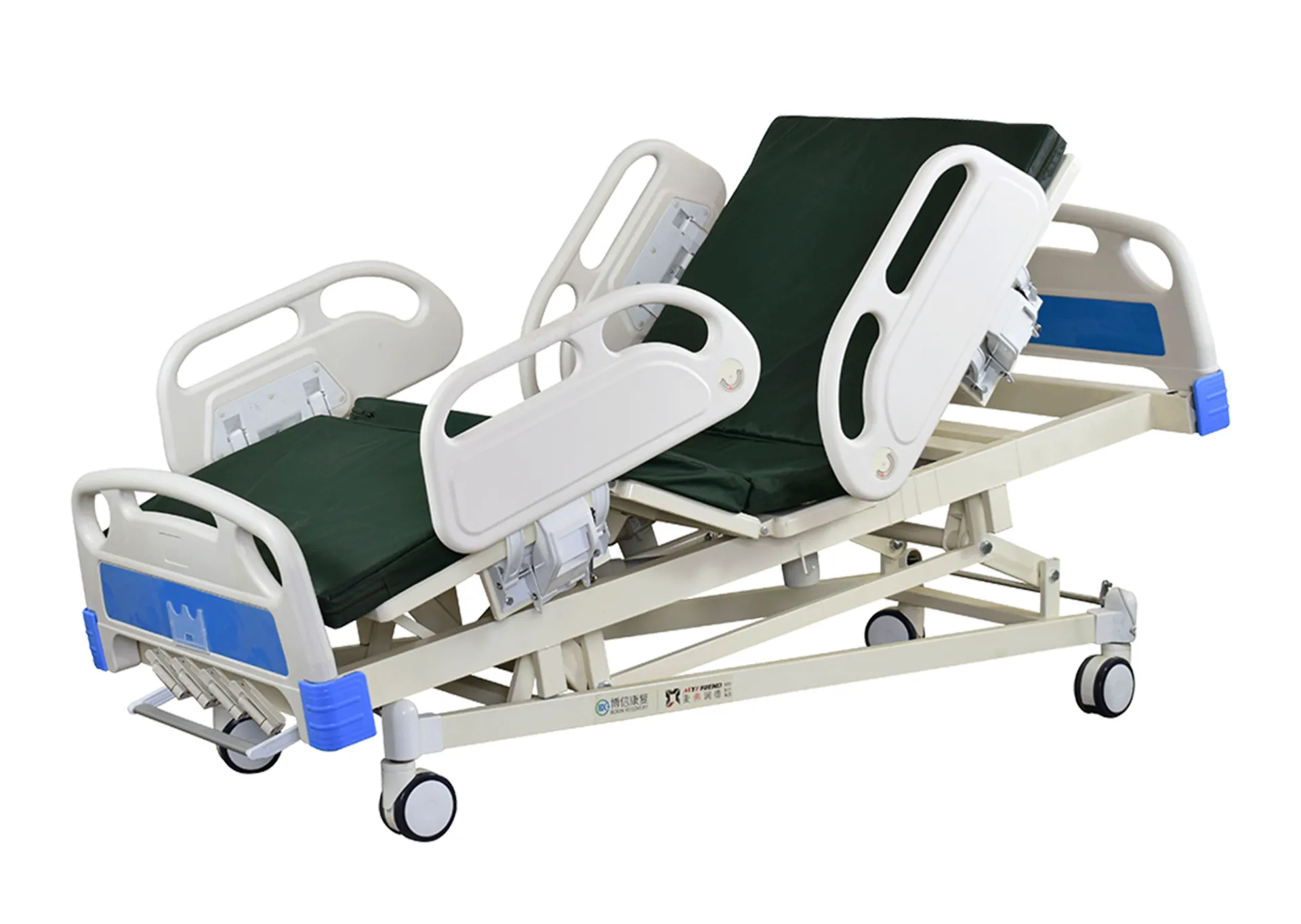
If you follow hospital rehab as closely as I do, you’ll notice something: the quiet workhorses run the show. Case in point, this leg rehab equipment—formally the “High quality king size adjustable hospital bed.” It’s a manual 5-function platform built for orthopedic wards, sports medicine units, and post-op recovery bays. Not flashy; very practical. And lately, buyers—from regional clinics to big-city rehab centers—keep telling me they want versatility, not gimmicks.
Why the manual 5-function bed still matters
Power beds are great, sure, but maintenance and downtime can be a headache. A robust manual set-up—especially king-size—offers stability for transfers, roomy positioning for brace fittings, and a kinder learning curve for staff. Many customers say it “just works,” which honestly is the best compliment in rehab environments.
Product snapshot (real-world specs)
| Product | High quality king size adjustable hospital bed (5 functions, manual) |
| Origin | Kaiyuan Road, Jizhou Economic Development Zone, Jizhou District, Hengshui City |
| Platform Size | ≈ 2100 × 1800 mm (king-size; real-world use may vary) |
| Safe Working Load (SWL) | ≈ 250 kg; static load tested to 2× SWL |
| Functions | Backrest, kneerest, height adj., Trendelenburg, reverse Trendelenburg (all via cranks) |
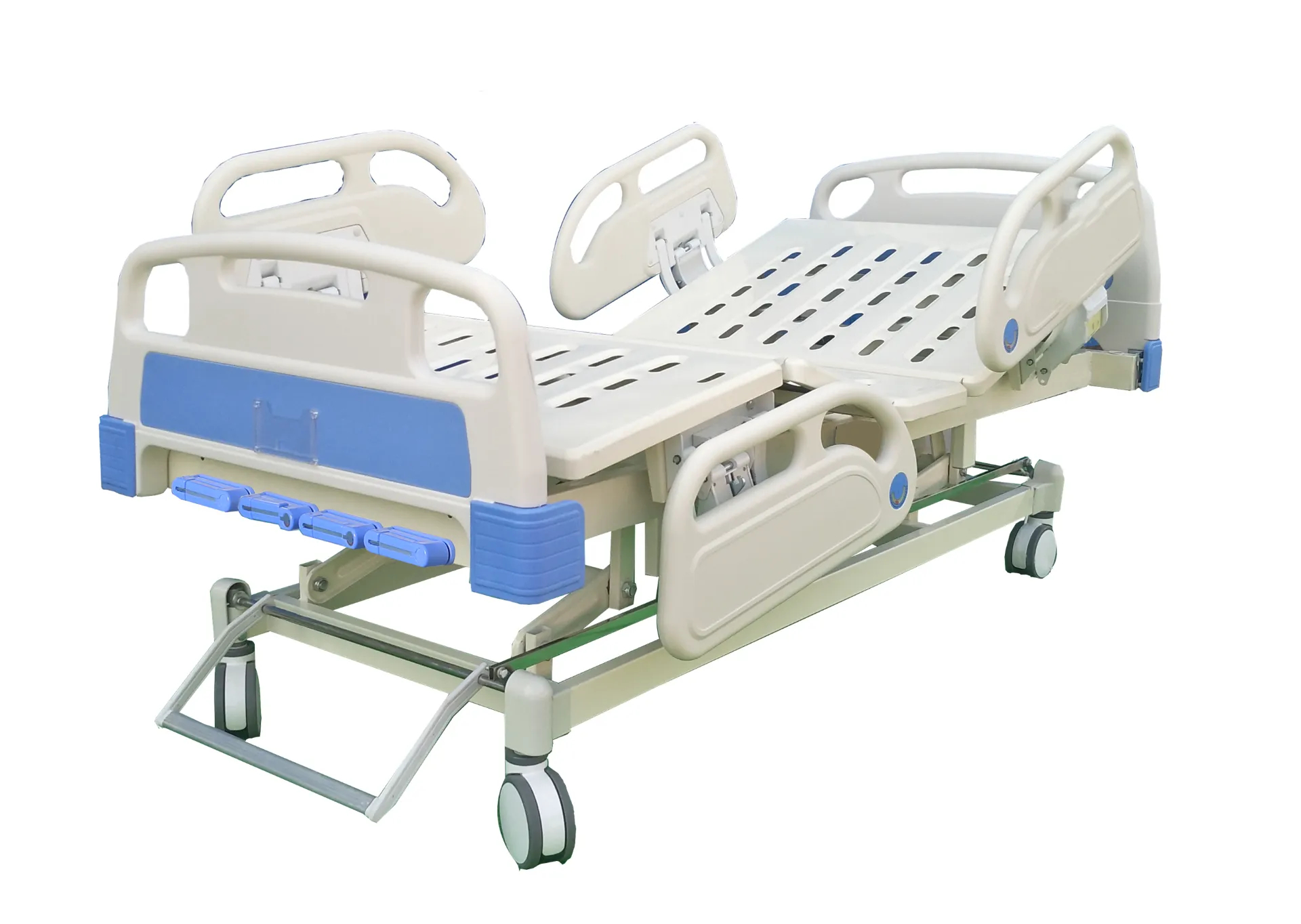
| Materials | Cold-rolled steel frame; ABS head/foot boards; PP side rails; anti-bacterial powder coat |
| Wheels/Brakes | 125 mm casters with central locking |
| Service Life | ≈ 8–12 years with routine maintenance |
| Certs (typical) | ISO 13485 QMS; CE marking; compliance tested to IEC 60601-2-52 |
Process, testing, and the not-so-glamorous details
Manufacturing flow, summarized: precision tube cutting → MIG welding → shot blasting → epoxy powder coating (≈80 μm) → assembly of cranks, rails, casters → torque validation → final QC. Corrosion resistance is checked to ASTM B117 salt-spray benchmarks (≥ 72 h target). Mechanical endurance: 10,000 crank cycles (backrest/kneerest), height adjustments ≥ 5,000 cycles. Load testing: SWL verification plus static overload at 2× (short duration). I’ve seen test data showing mattress platform deflection held within ≈3–5 mm at rated load—solid for leg rehab equipment.
Where it’s used (and why clinicians keep it)
- Orthopedic and trauma units: controlled leg elevation post-ORIF or TKA.
- Sports medicine rehab: stable positioning for CPM setups and brace fitting.
- Neuro/stroke recovery: safe transfers with wider platform reduce anxiety.
- Homecare step-down: affordable, fewer electronics, fewer breakdowns.
Feedback? “Low learning curve” and “reliable brakes” come up a lot. One nurse manager joked the cranks are “old-school in a good way.” That vibe suits leg rehab equipment better than most marketing decks admit.
Customization options (because units differ)
- Rails: split vs. full-length; integrated accessory sockets.
- Covers/coatings: antimicrobial topcoat, custom colors (around RAL palette).
- Mattress platforms: perforation patterns for airflow; X-ray cassette slot optional.
- Accessories: traction frames, IV poles, knee bolsters, leg elevation wedges.
Vendor comparison (indicative)
| Vendor | Certifications | SWL | Lead Time | Warranty | Customization |
|---|---|---|---|---|---|
| Boxin (Hengshui) | ISO 13485, CE; IEC 60601-2-52 tests | ≈250 kg | 20–35 days | 2–3 years | High (rails, colors, accessories) |
| Vendor A (EU) | ISO 13485, CE/MDR | ≈220 kg | 30–45 days | 2 years | Medium |
| Vendor B (US) | FDA reg., ISO 13485 | ≈250 kg | 25–40 days | 3 years | Medium–High |
Mini case study
A provincial hospital upgraded eight ortho rooms with king-size manual beds for leg rehab equipment needs. Post-op mobilization scores improved by ≈12% (n=96 patients) in the first quarter, largely crediting easier positioning and quicker brace fitting. Unplanned maintenance calls dropped to near-zero—no motors, fewer surprises.
Standards and compliance (the fine print that matters)
Look for ISO 13485 QMS on the manufacturer, electrical/mechanical safety under IEC 60601-2-52 for medical beds, corrosion testing per ASTM B117, and applicable CE/FDA pathways. Side rail selection should follow clinical risk guidance; patient safety beats everything else.
- IEC 60601-2-52:2010+ Medical beds—Particular requirements for basic safety and essential performance.
- ISO 13485:2016 Medical devices—Quality management systems.
- ASTM B117 Standard Practice for Operating Salt Spray (Fog) Apparatus.
- WHO: Priority Assistive Products List and procurement guidance (latest edition).
- FDA Guidance: Hospital Bed System Dimensional and Assessment Guidance to Reduce Entrapment.
-
Ultimate Guide to Choosing Extra Wide Waiting Room ChairsNewsApr.16,2026
-
Guide to Choosing Professional Waiting Room Chairs Wipeable SeatingNewsApr.09,2026
-
Enhance Your Space with Comfortable Wide Waiting Room ChairsNewsApr.07,2026
-
Selecting the Ideal Brown Waiting Room Chairs for a Welcoming SpaceNewsApr.04,2026
-
Choosing Comfortable Patient Waiting Room Chairs for Healthcare FacilitiesNewsMar.31,2026
-
Finding the Best Deals on Affordable and Cheap Reception Chairs for Your BusinessNewsMar.28,2026
-
Enhance Your Business Reception with Comfortable Blue Reception ChairsNewsMar.26,2026