Welcome to our websites!


ICU Beds: 3 Crank, Safe, Ergonomic—Upgrade Care?
What ICU teams really want from beds in 2025 (and how one manual workhorse keeps showing up)
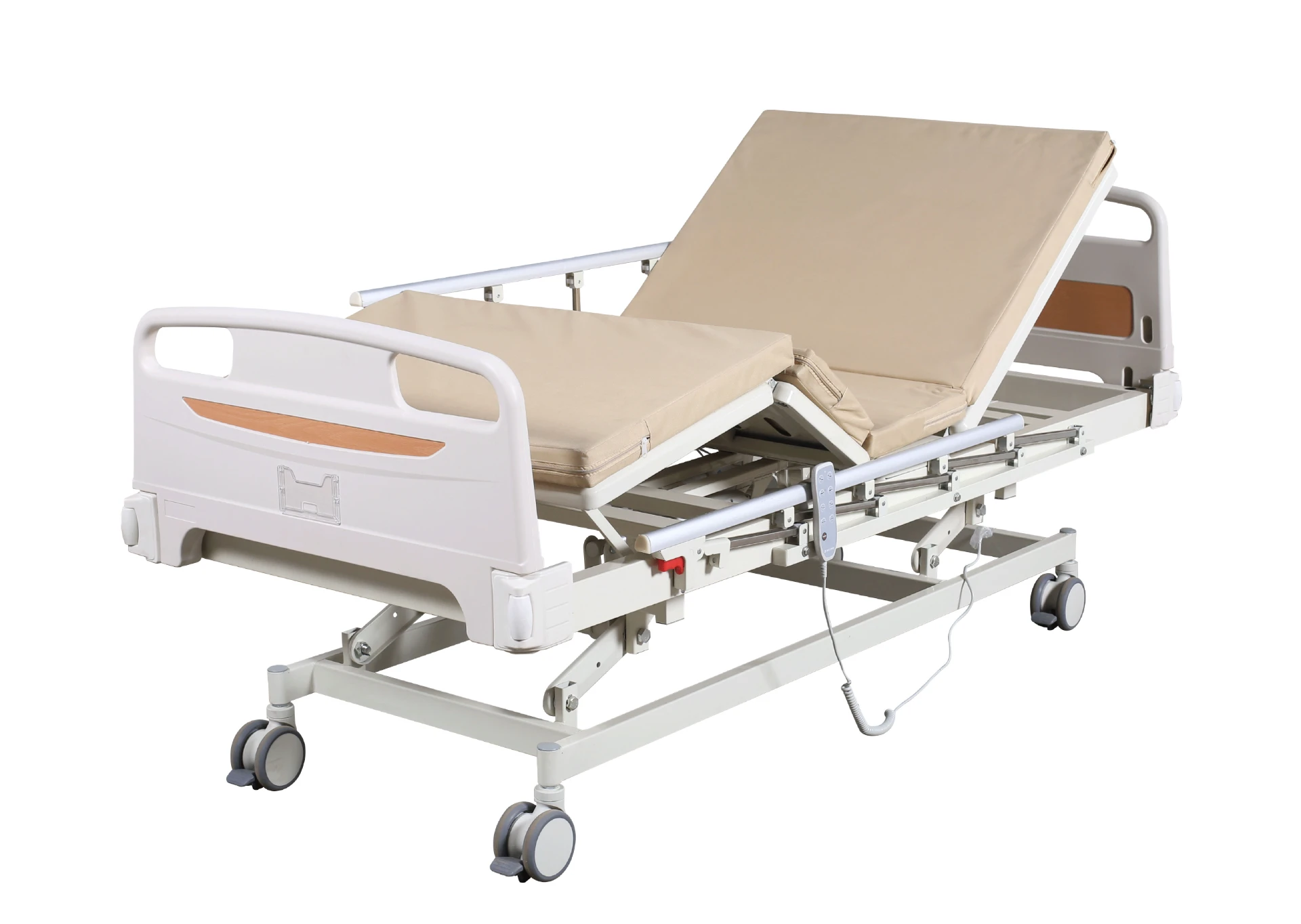
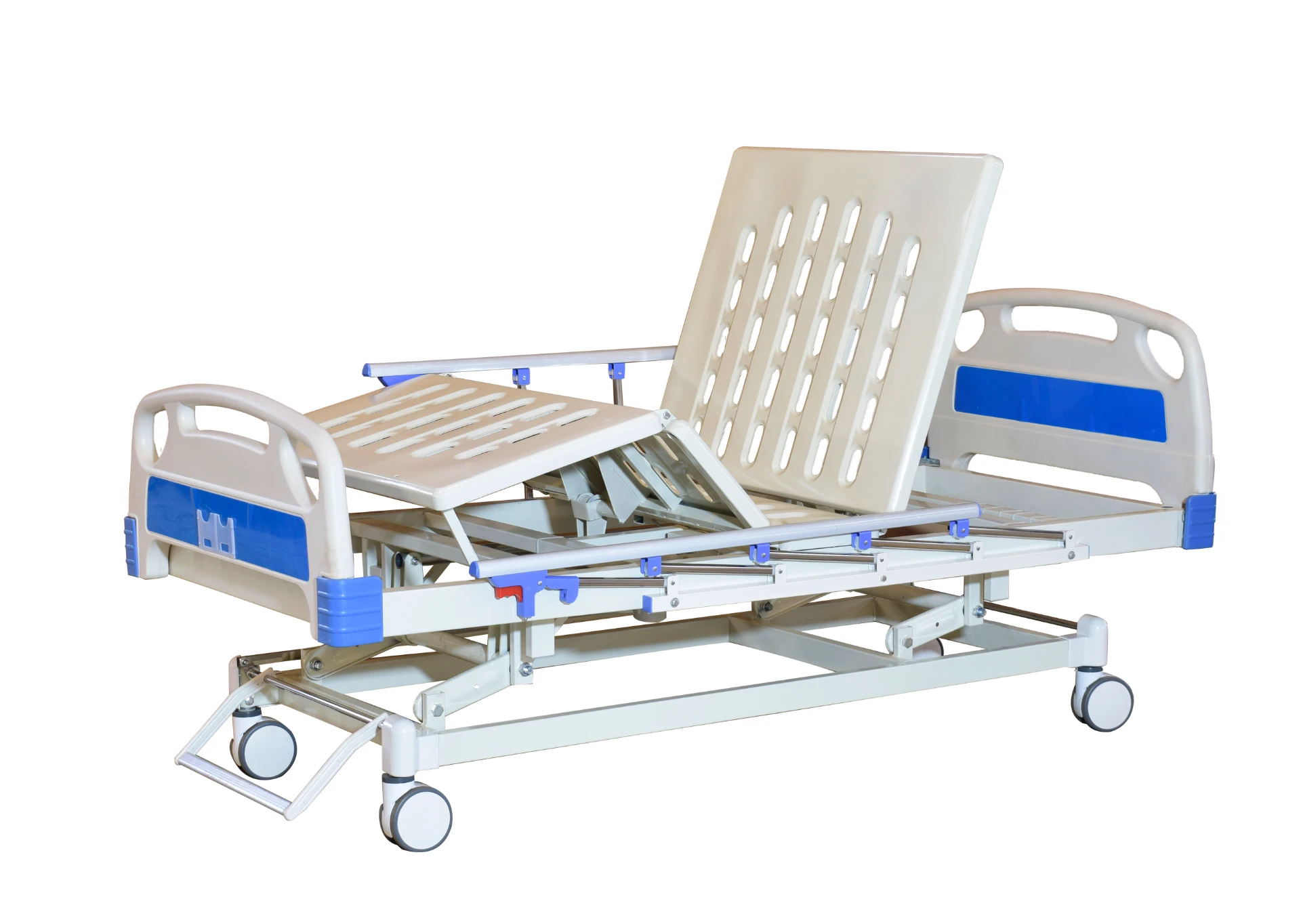
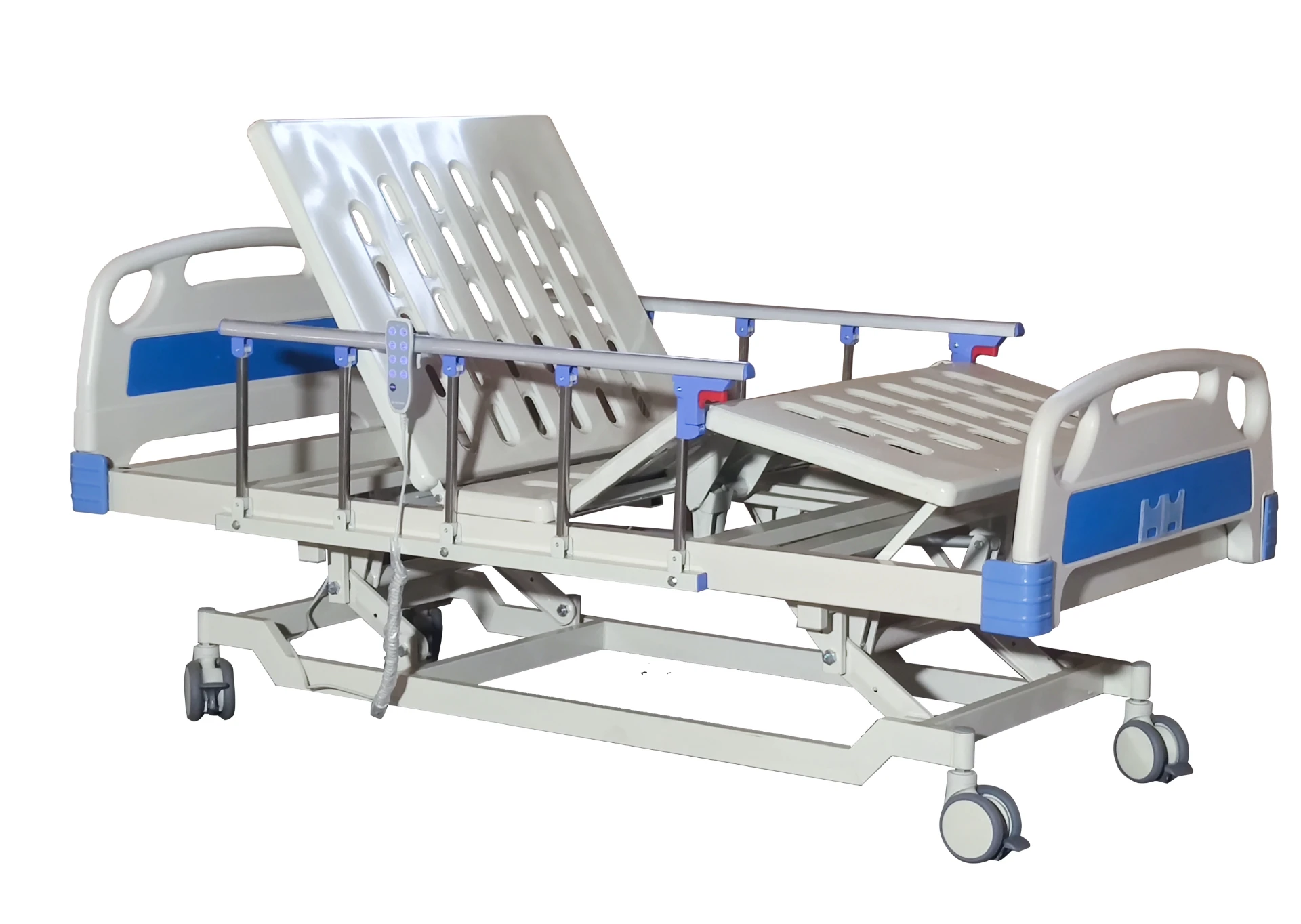
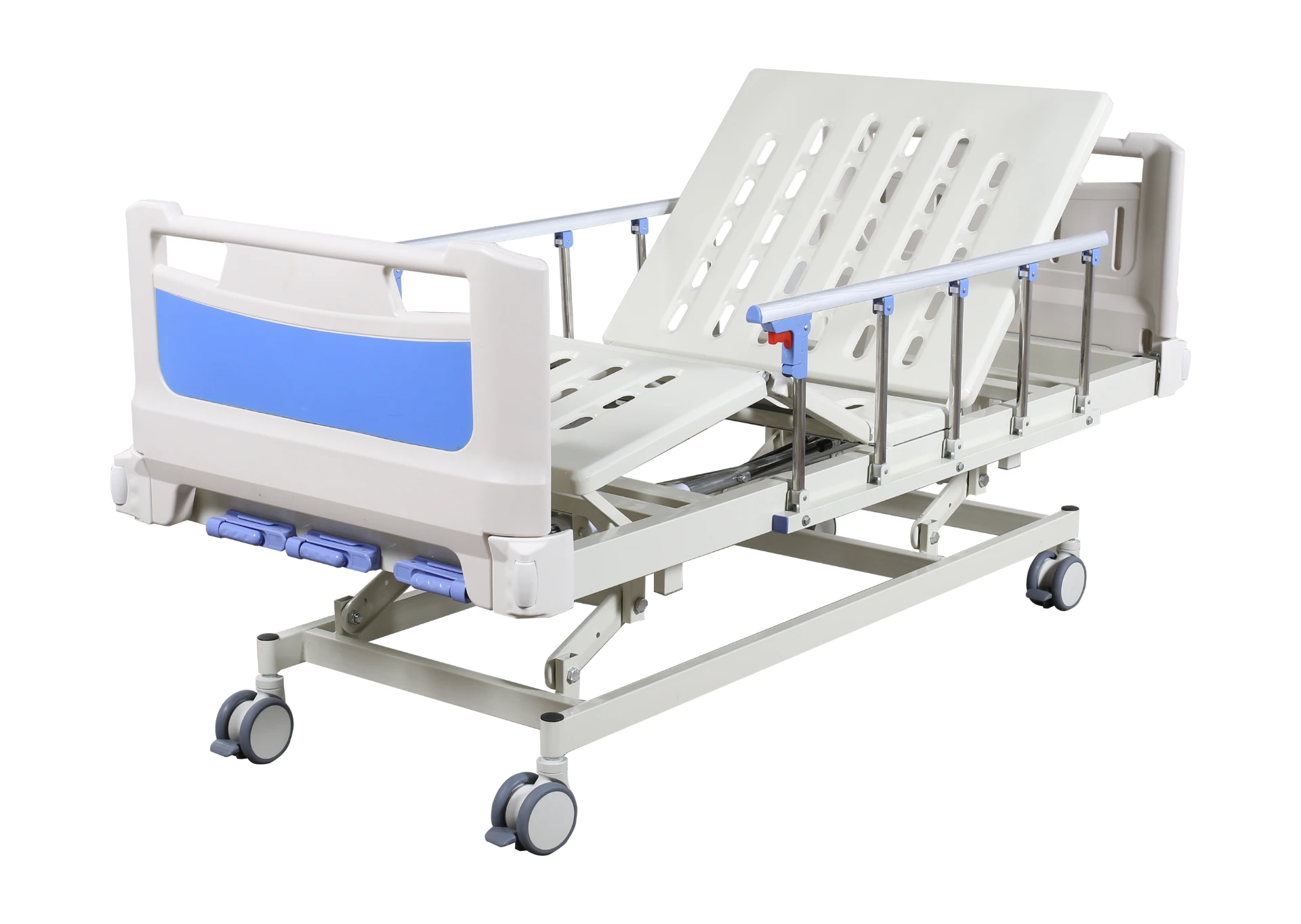
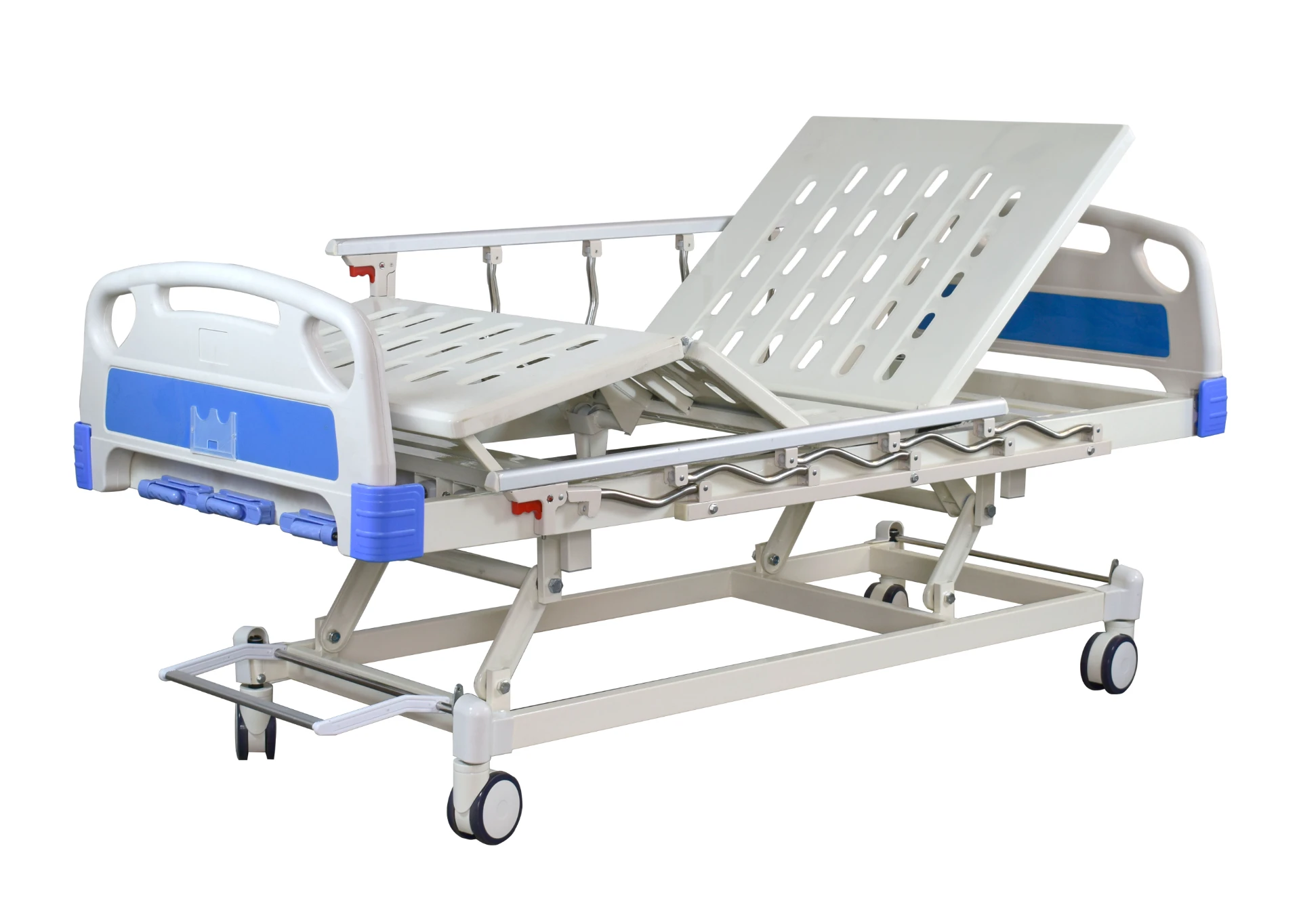
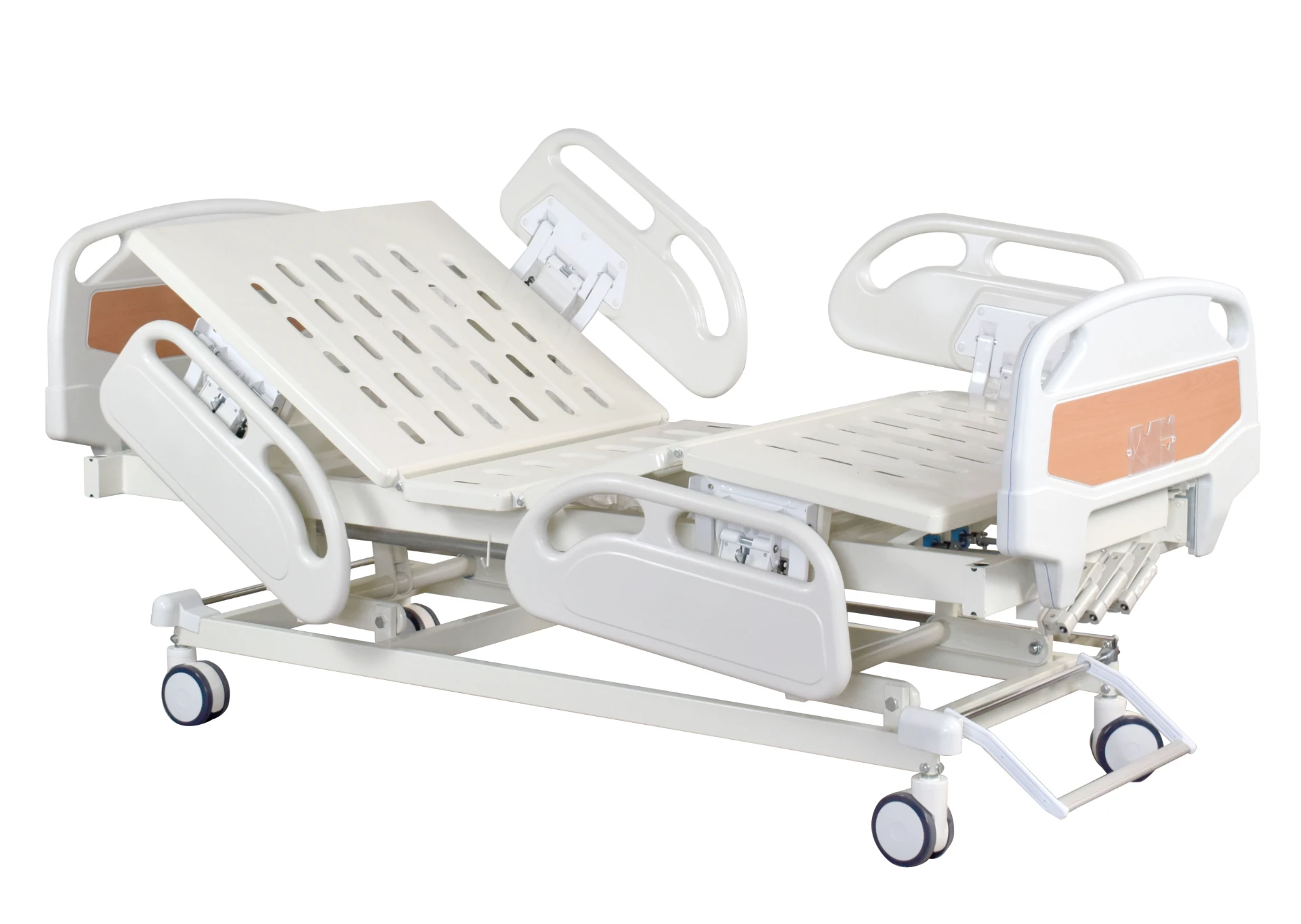
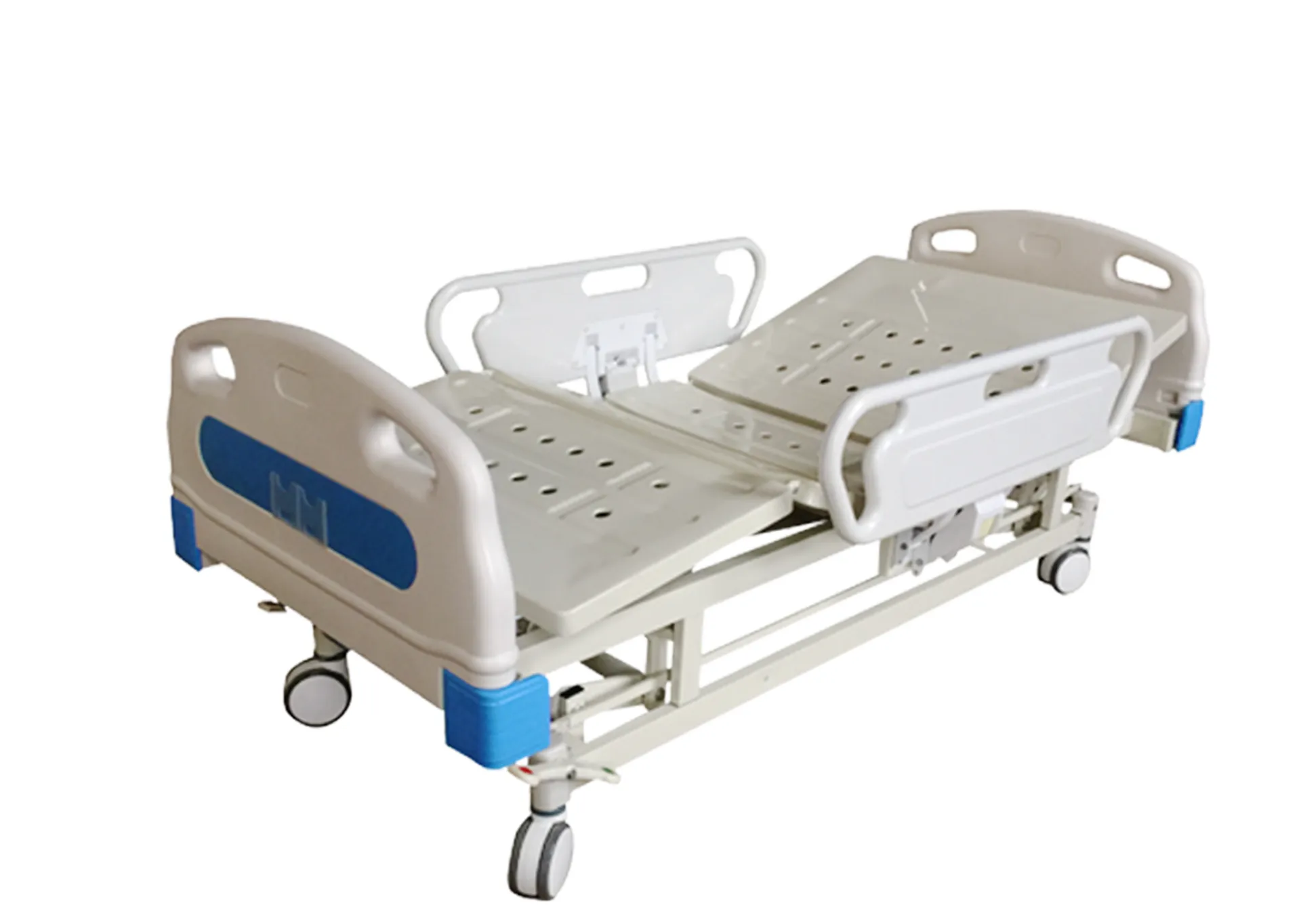
When nurses whisper about gear they trust at 3 a.m., they’re usually talking about things that don’t quit. That’s why I spent a week visiting wards that still swear by classic icu beds with mechanical reliability—specifically the “China manufacturer handle patient bed in hospital,” a 3‑function manual model built in Kaiyuan Road, Jizhou Economic Development Zone, Hengshui City. Not glamorous. But, to be honest, it’s quietly everywhere.
What’s trending in critical care furniture
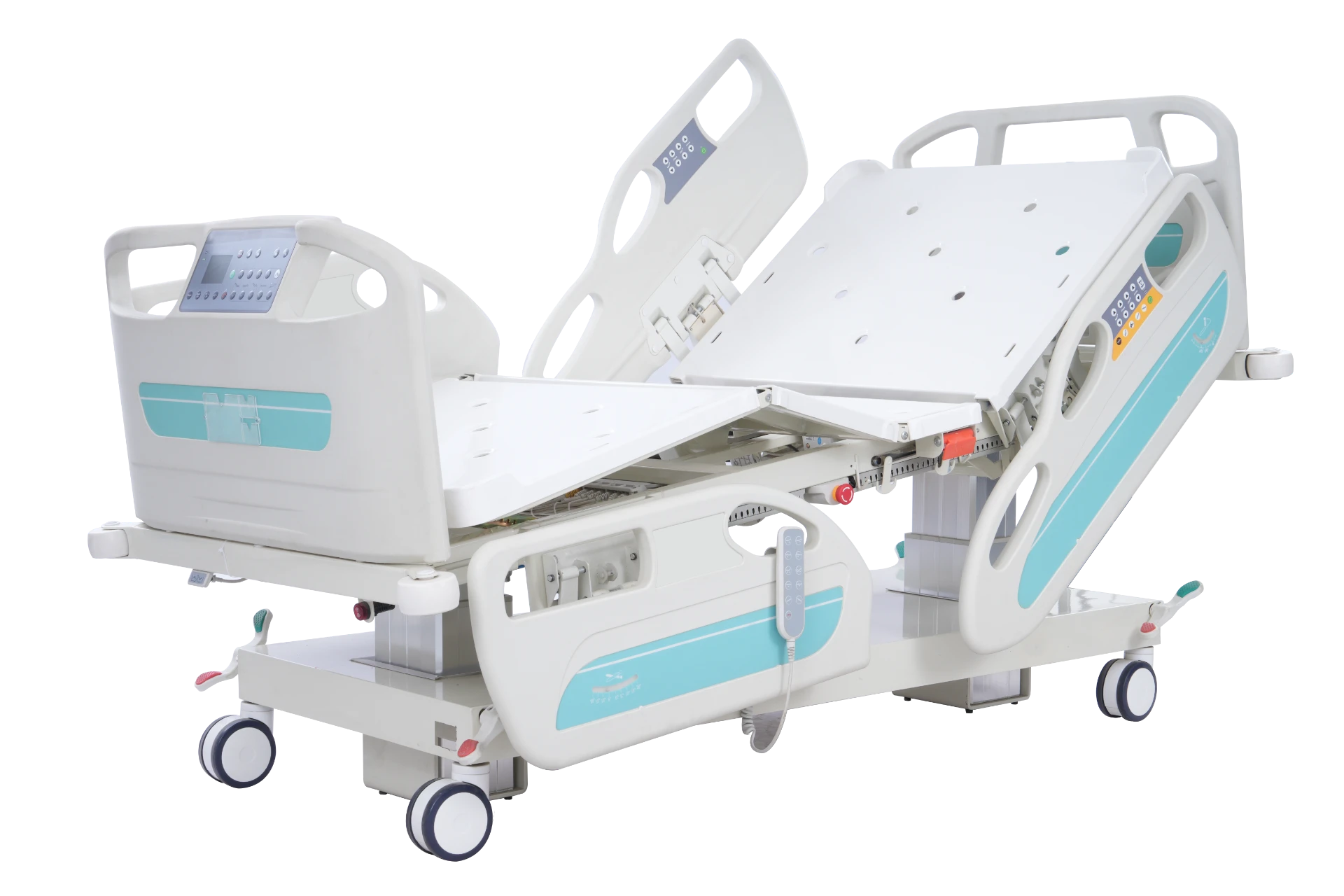
The market is bifurcating. On one side: motorized beds with smart scales, bed-exit alarms, and networked dashboards. On the other: durable, low-maintenance icu beds that work through power outages, oxygen surges, and chaotic surge wards. Hospitals in secondary cities—and emergency stockpiles—lean toward the latter because total cost of ownership (TCO) and uptime matter more than bells and whistles.
Core specs at a glance
| Parameter | “China manufacturer handle patient bed in hospital” (3‑function manual) |
|---|---|
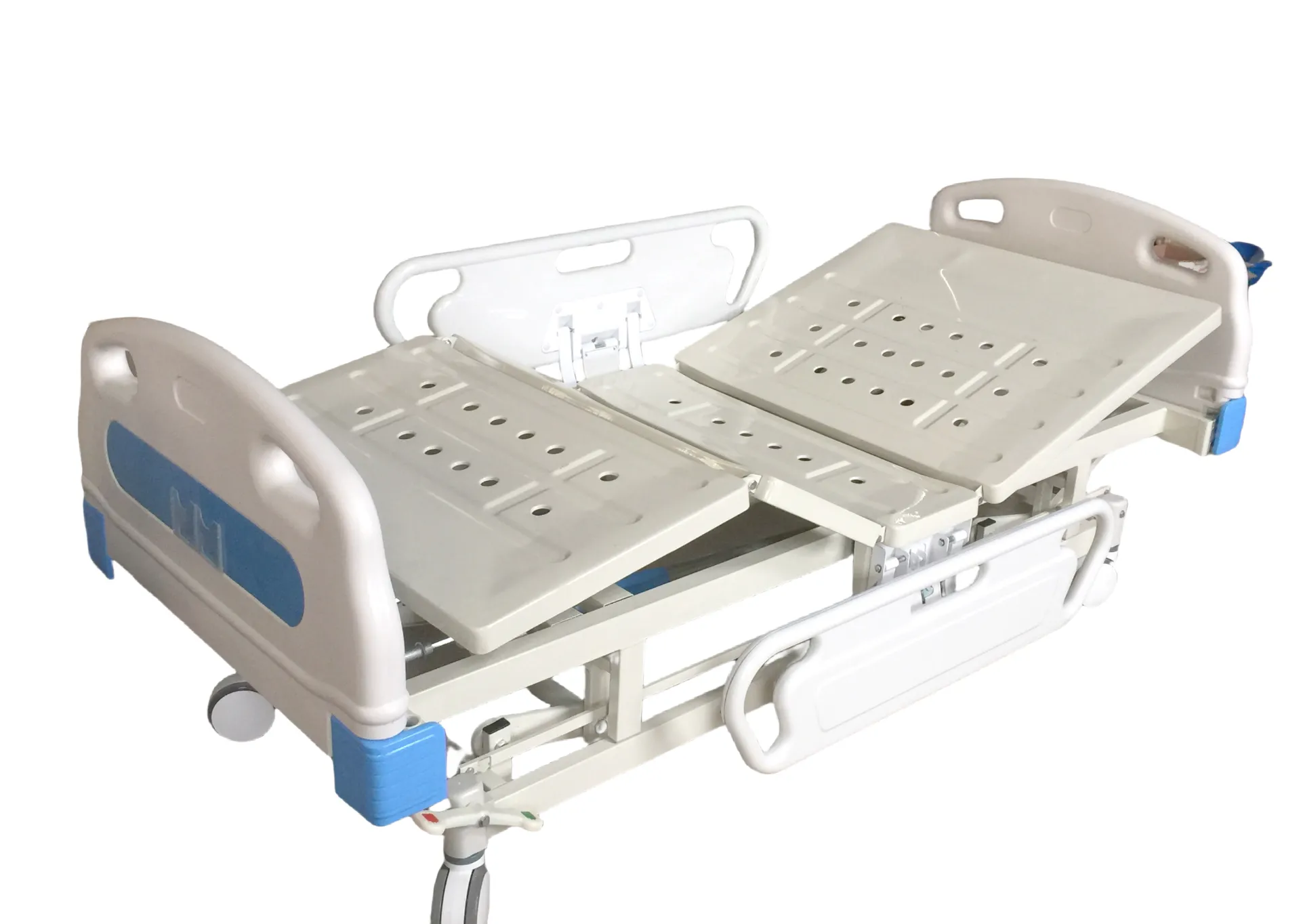
| Functions | Backrest 0–75°, Kneerest 0–40°, Hi–Low ≈480–750 mm (manual cranks) |
| Safe Working Load | ≈220–250 kg (real‑world use may vary) |
| Sleep Surface | ≈2000 × 900 mm, ventilated steel platform |
| Materials | Cold‑rolled steel frame, ABS head/foot boards, PP safety rails |
| Mobility | 125 mm casters, central lock; directional caster |
| Options | IV pole, urine hooks, CPR quick release, mattress with PU cover |
| Certifications (typ.) | ISO 13485 QMS, CE marking; designed to IEC 60601‑2‑52 |
How it’s made (short version) and why it lasts
- Materials: cold‑rolled steel (frame), thick‑gauge cross members; ABS/PP polymer components for impact resistance.
- Methods: CO₂ MIG welding; phosphating pretreatment; powder coating ≈60–80 μm; precision gear cranks.
- Testing: static load ≥250 kg; fatigue 10,000 lift cycles; 72‑hour salt-spray on coated parts; rail entrapment gaps per IEC 60601‑2‑52.
- Service life: 8–10 years with annual inspection; spares available ≈7 years.
- Industries: general wards, step‑down units, surge icu beds, rehab, long‑term care.
Real‑world application scenarios
Negative‑pressure rooms (power interruptions happen), dialysis transport inside ICU, and night shifts where one nurse handles multiple turns. Manual cranks aren’t glamorous, but they’re predictable. One charge nurse in Hebei told me, “If I can feel the gear engage, I know the backrest won’t drift”—not exactly a peer‑reviewed metric, but it tracks.
Vendor landscape (quick compare)
| Vendor | Lead Time | Certs | MOQ | Price (FOB) ≈ | Notes |
|---|---|---|---|---|---|
| Boxin (Hengshui) | 20–30 days | ISO 13485, CE | 10–20 | $230–$420 | Custom colors, rail styles |
| Generic OEM (CN) | 30–45 days | ISO 9001 | 50 | $190–$350 | Spec variability |
| Premium EU brand | 45–60 days | CE MDR, ISO 13485 | 1–5 | $1,800–$3,000 | Advanced sensors, higher TCO |
Customization that matters
Facilities often request reinforced side rails (older bariatric patients), antimicrobial powder coat, or an extra crank ratio for smoother hi‑low. Color‑coding brake pedals helps in dimmed ICU lighting. For surge icu beds, I’ve seen buyers specify tool‑free headboard removal for rapid airway access.
Mini case: step‑down ICU upgrade
A county hospital replaced 24 aging frames with this 3‑function bed. Post‑install audits showed a 17% reduction in staff reports of “bed drift” and zero entrapment incidents in 6 months (rails set per IEC gap guidance). Maintenance logged only routine caster lubrication. Nothing flashy—just smooth shifts.
Standards, safety, and proof
- Designed against IEC 60601‑2‑52 for medical beds (side‑rail gaps, stability, load).
- Manufactured under ISO 13485; risk management aligned with ISO 14971.
- Cleaning per WHO reprocessing guidance; PU mattress covers withstand common hospital disinfectants.
Final word? For ICUs that prize uptime and predictable handling, these manual icu beds punch above their weight. And yes, the price helps when budgets are, well, realistic.
References
- IEC 60601‑2‑52:2010+A1:2015 — Medical electrical equipment: Particular requirements for medical beds.
- ISO 13485:2016 — Medical devices — Quality management systems.
- ISO 14971:2019 — Medical devices — Application of risk management to medical devices.
- WHO (2016). Decontamination and reprocessing of medical devices for health-care facilities.
-
Ultimate Guide to Choosing Extra Wide Waiting Room ChairsNewsApr.16,2026
-
Guide to Choosing Professional Waiting Room Chairs Wipeable SeatingNewsApr.09,2026
-
Enhance Your Space with Comfortable Wide Waiting Room ChairsNewsApr.07,2026
-
Selecting the Ideal Brown Waiting Room Chairs for a Welcoming SpaceNewsApr.04,2026
-
Choosing Comfortable Patient Waiting Room Chairs for Healthcare FacilitiesNewsMar.31,2026
-
Finding the Best Deals on Affordable and Cheap Reception Chairs for Your BusinessNewsMar.28,2026
-
Enhance Your Business Reception with Comfortable Blue Reception ChairsNewsMar.26,2026