Welcome to our websites!


Hospital Style Recliner: Enhancing Comfort & Care in Medical Settings
Hospital Style Recliner: Comfort and Care Meet Practicality Worldwide
When you hear hospital style recliner, you might think of sterile waiting rooms or patient rooms where comfort meets clinical necessity. But these specialized recliners are much more than just furniture—they’re vital tools in healthcare environments globally, offering both physical relief and psychological comfort. Understanding their design and purpose helps healthcare providers deliver care with dignity and empathy, while also addressing complex logistical and economic challenges.
Global Relevance of Hospital Style Recliners
Across healthcare systems—from developed countries to emerging markets—the demand for reliable, ergonomic seating solutions is rising sharply. According to the World Health Organization, patient comfort directly influences recovery times and mental well-being, making equipment like hospital style recliners essential. In fact, the global healthcare furniture market was valued at over $16 billion in 2023, reflecting a steady increase fueled by aging populations and increased hospitalization rates.
However, not all settings have equal access to such quality furniture. In resource-limited environments, traditional seating often fails to meet safety or comfort standards, putting patients and caregivers at risk of fatigue and injury. Hospital style recliners bridge this gap by combining durability, adjustability, and hygiene—all tailored to medical needs.
What Exactly Is a Hospital Style Recliner?
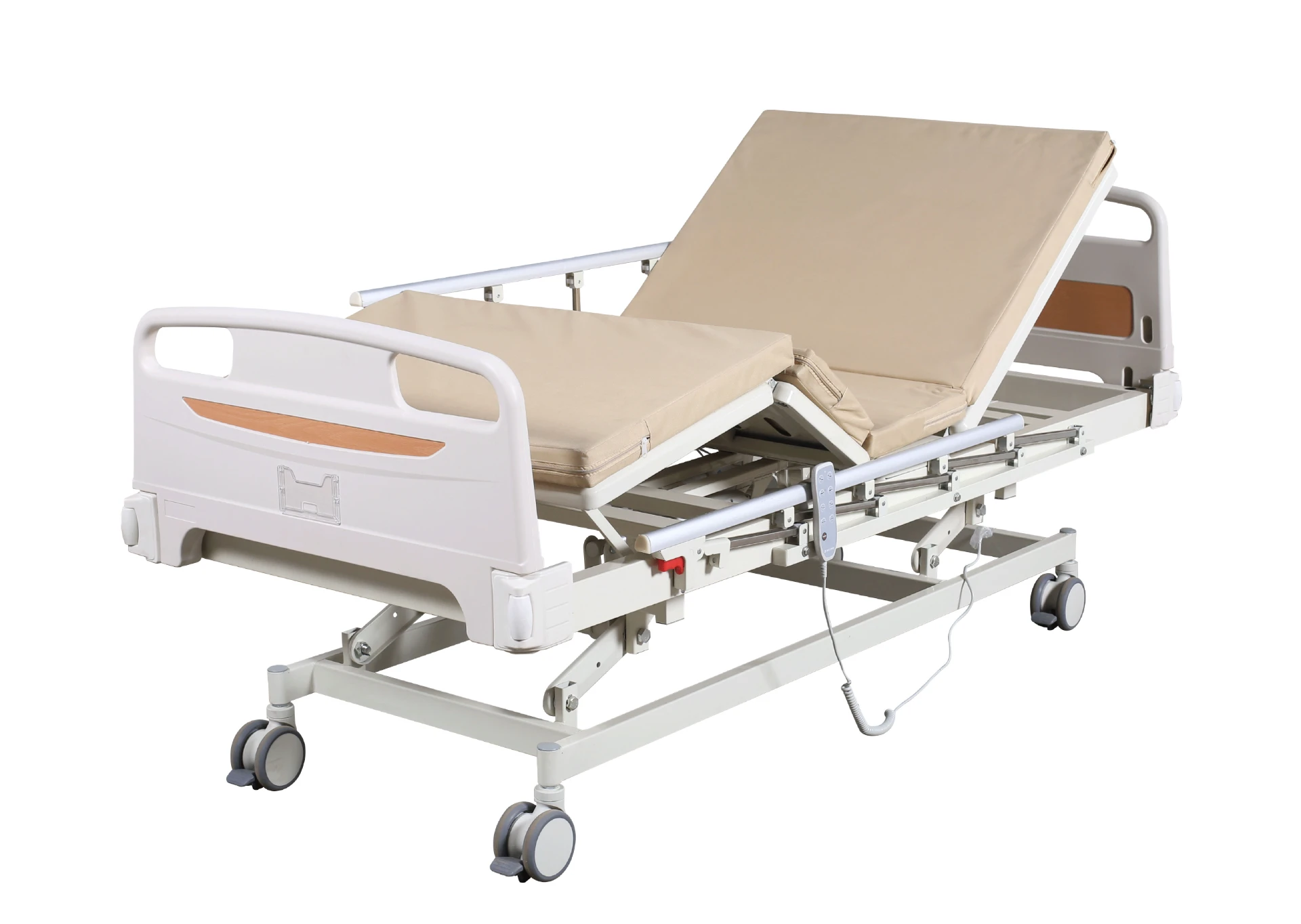
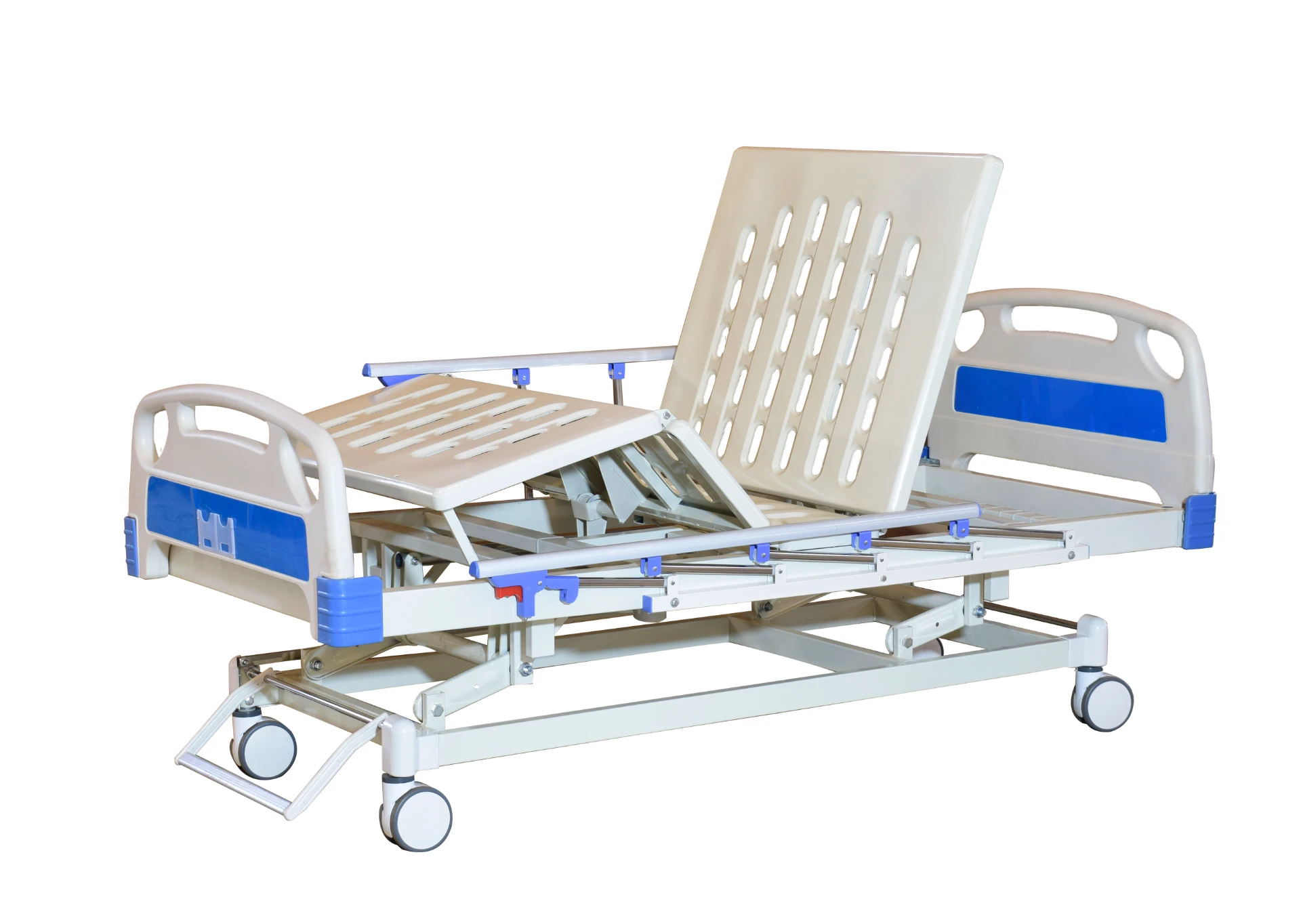
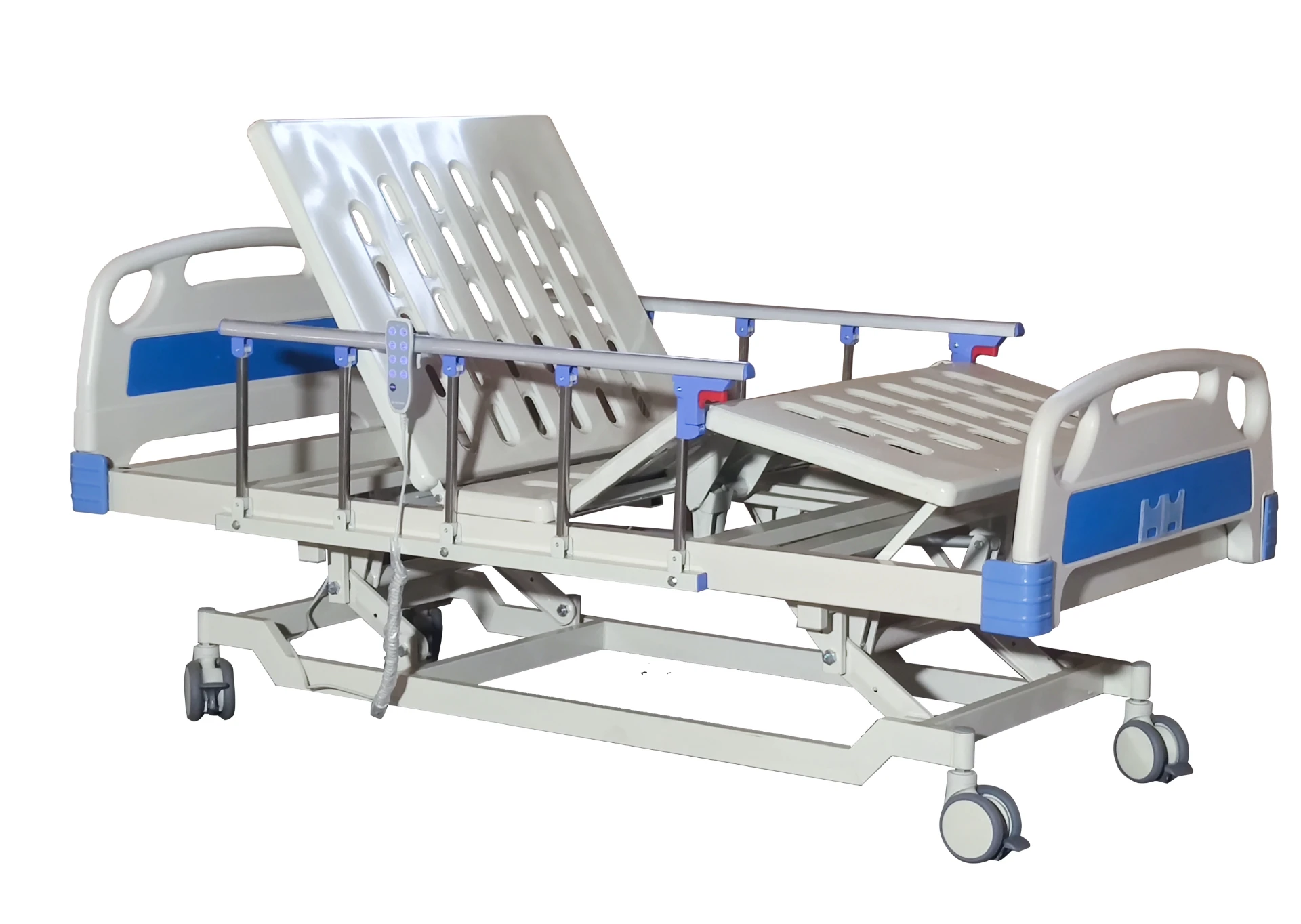
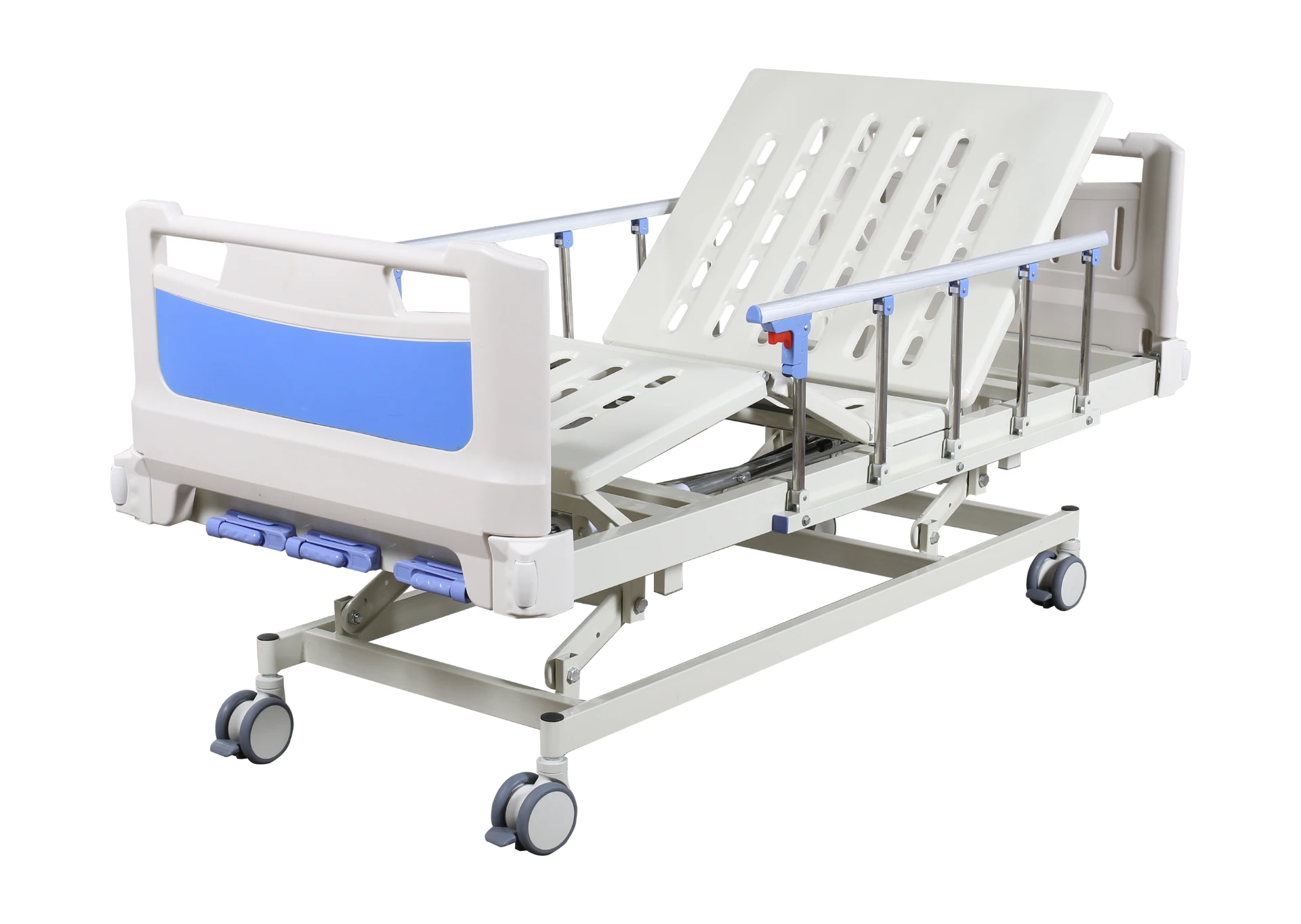
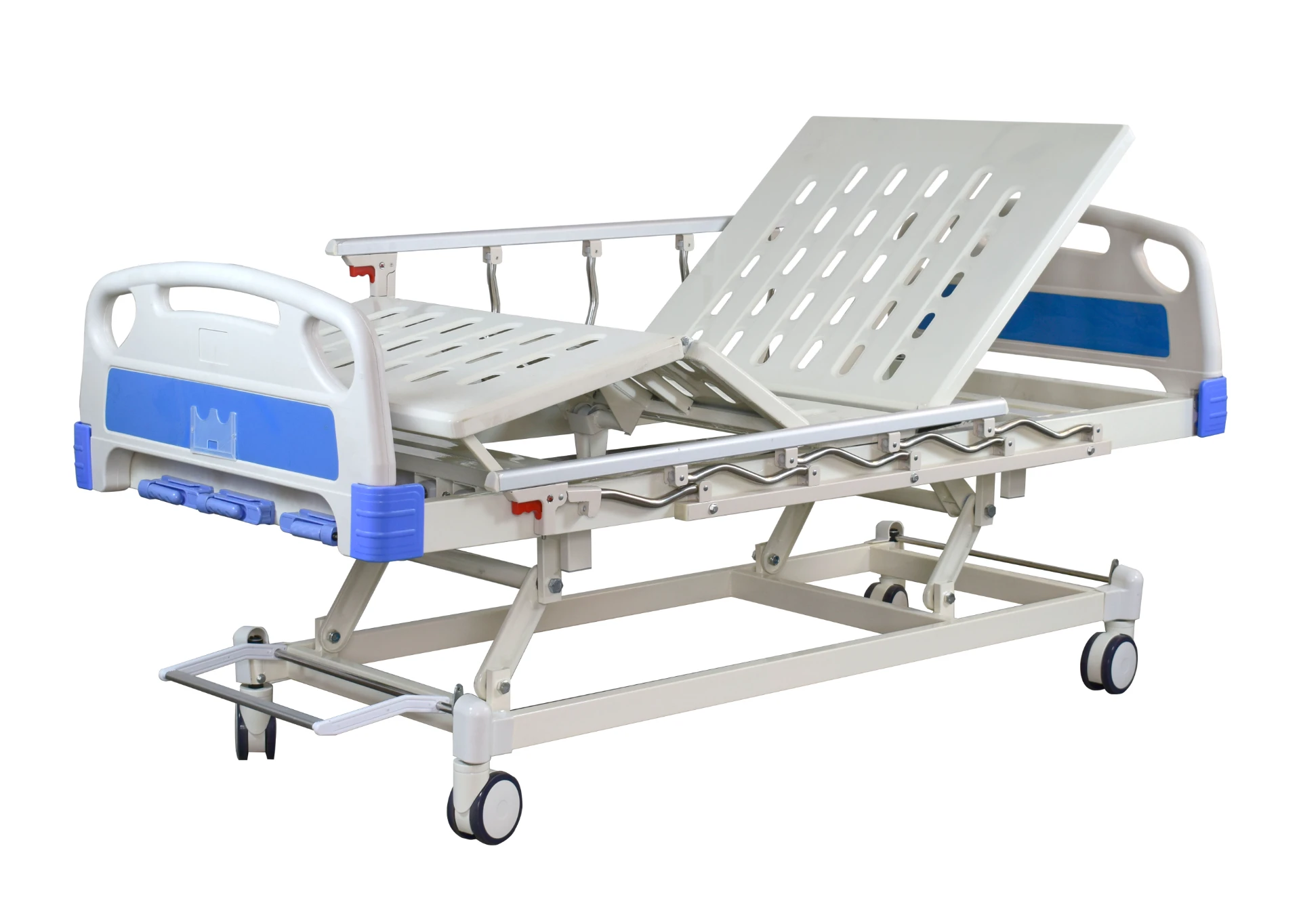
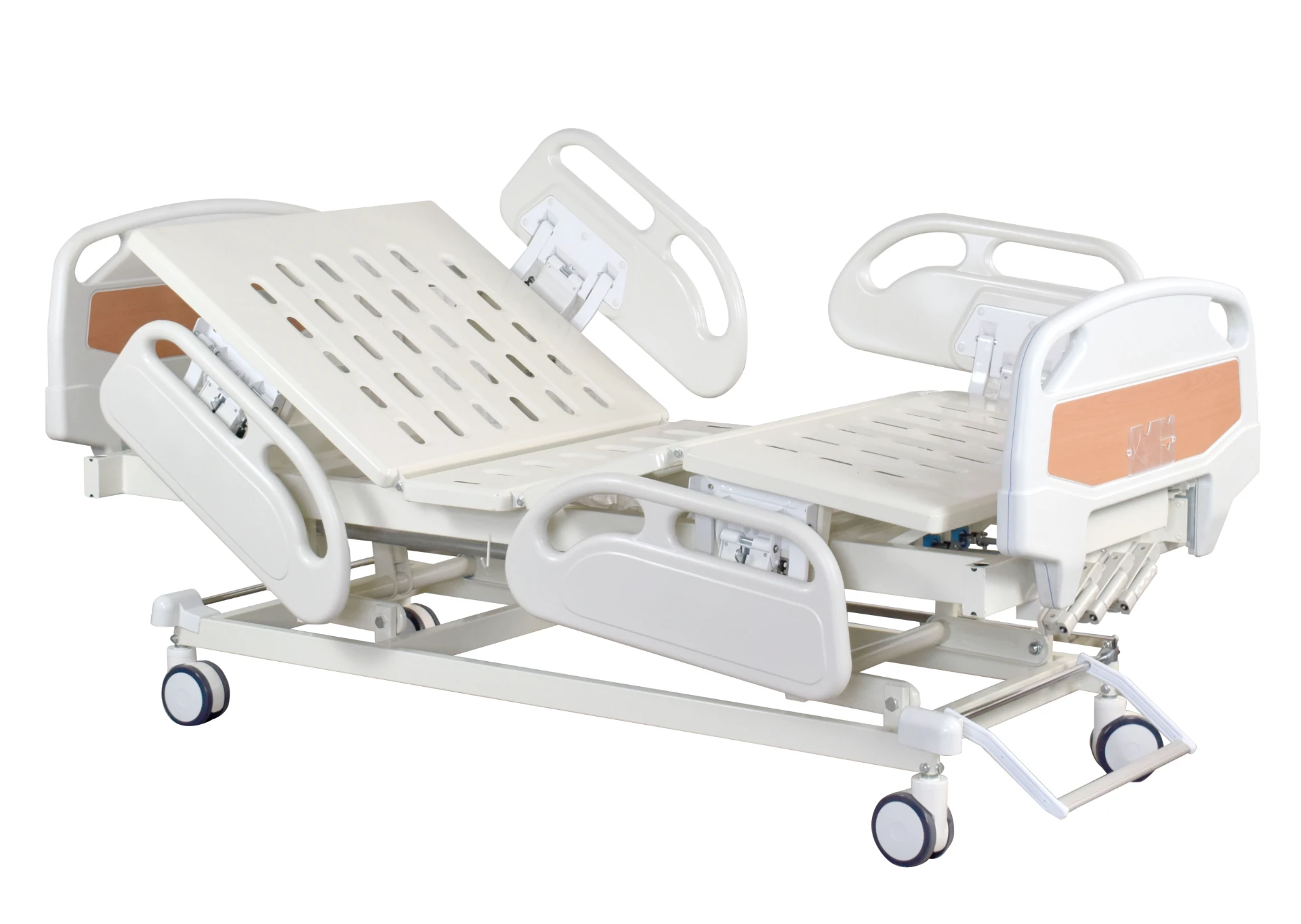
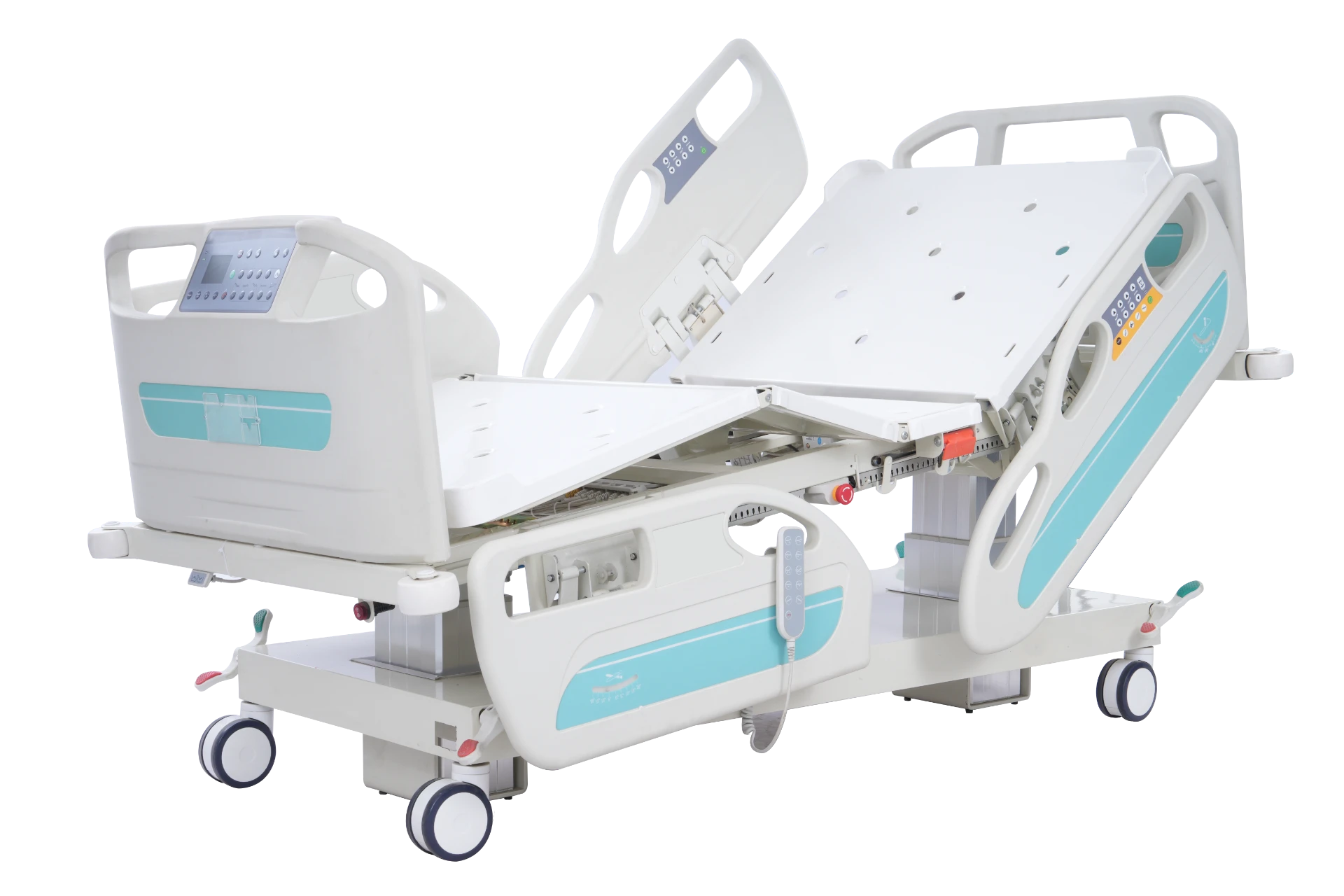
Simply put, a hospital style recliner is a medical-grade chair designed specifically for patient and caregiver use within hospital or clinical settings. It’s not your average living room recliner. These chairs feature adjustable backrests and leg rests to facilitate different postures, often include locking wheels for mobility, and are constructed with antimicrobial, easy-to-clean materials. They’re built to provide therapeutic support, aiding patients during long procedures or recovery phases.
Beyond hospitals, this furniture extends to home care, outpatient clinics, and even humanitarian missions. The connection to modern healthcare needs is clear: comfort, safety, and practicality combined.
Key Features of Hospital Style Recliners
1. Durability
These recliners are made to withstand rigorous daily use. Steel frames, high-density foams, and reinforced fabrics ensure longevity. This matters especially in busy wards or clinics where equipment endures continuous handling.
2. Adjustability
Backrests, leg rests, and sometimes even headrests adjust smoothly to multiple positions. This flexibility supports different patient needs—whether someone needs to sit upright during treatment or recline for rest.
3. Hygiene and Cleanability
Materials are often antimicrobial and waterproof. Vinyl or leather-like upholstery is common so wipe-down cleaning is fast and effective, reducing infection risk. This is a big deal in infection control protocols.
4. Mobility and Stability
Many models come with lockable casters, allowing easy movement between rooms or wards, but also the security to stay put during procedures.
5. Comfort Features
Soft cushioning, ergonomic design, and sometimes accessory options such as IV pole attachments or tray tables improve user experience.
Mini Takeaway:
In essence, hospital style recliners combine rugged engineering with patient-centered innovation, making them indispensable in care settings worldwide.
Global Applications of Hospital Style Recliners
Their reach is impressively broad. Hospitals in North America and Europe routinely use these recliners in chemotherapy suites, dialysis centers, and recovery rooms. In Asia and Africa, NGOs and mobile clinics rely on sturdy, transportable recliners during vaccination campaigns and post-disaster response efforts. For example, after the 2010 Haiti earthquake, temporary medical facilities were equipped with recliners to help stabilize and comfort patients receiving urgent care.
Even remote industrial areas benefit—when onsite medical teams require efficient, durable seating that can withstand harsh conditions while providing patient comfort. Rehabilitation centers, geriatric institutions, and pediatric wards all depend on the functionality these recliners offer.
| Model | Adjustability | Weight Capacity | Material | Extras |
|---|---|---|---|---|
| ComfortCare 2000 | Manual recline, articulated leg rest | 300 lbs | Antimicrobial faux leather | Locking casters, IV pole mount |
| MediGlide+ Recliner | Electric with memory positions | 350 lbs | Waterproof vinyl | USB charging ports, antimicrobial coating |
| EcoMed Recliner | Manual recline | 275 lbs | Recycled PU leather | Sustainable materials, simple design |
Advantages and Long-Term Value
Cost-wise, investing in quality hospital style recliners pays off over time. Their durability reduces frequent replacements, while ergonomic support can reduce caregiver strain and improve patient experience. The psychological effect is another layer—patients who feel comfortable and cared for tend to recover more smoothly.
Socially, these chairs promote dignity; they make patients feel seen not just as cases, but people deserving comfort even in vulnerable situations. The safety features reduce injury risks, and the hygienic surfaces help sustain infection control efforts.
Looking Ahead: Trends and Innovations
Innovation is steering hospital recliners toward smarter tech and greener materials. Expect built-in sensors that track patient posture or comfort levels to inform nursing staff. Soft robotics and responsive fabrics may soon create chairs that subtly adjust pressure to prevent bedsores.
Meanwhile, sustainability is a huge focus—recyclable materials and energy-efficient manufacturing processes align with stricter hospital green policies worldwide. One fascinating idea I’ve seen is solar-powered recliners that can operate in off-grid clinics.
Common Challenges and Practical Solutions
Challenges? Oh yes. Frequent use in hectic environments means wear-and-tear accelerates. Also, initial costs can be a hurdle for smaller clinics. Fortunately, modular designs and repairable parts help extend lifespan. Bulk purchasing and leasing options also make it easier to acquire high-end recliners without breaking budgets.
Moreover, ergonomic design errors occasionally lead to discomfort rather than relief. That's why user feedback and iterative design improvements are crucial. Health facilities that collaborate closely with manufacturers enjoy better product fit.
Vendor Comparison: Market Leaders in Hospital Style Recliners
| Vendor | Pricing | Warranty Period | Customization Options | Shipping & Support |
|---|---|---|---|---|
| MedEquip Solutions | $$$ | 5 years | Colors, fabrics, accessories | Global shipping, 24/7 support |
| HealthPro Furnishings | $$ | 3 years | Basic customization | Domestic shipping, business hours support |
| Global Healthcare Chairs | $$$ | 4 years | Extensive customization + modular add-ons | Worldwide, premium support |
FAQ: Frequently Asked Questions About Hospital Style Recliners
- Q: What distinguishes hospital style recliners from regular recliners?
A: They differ primarily in construction and features tailored for medical use—durable, hygienic materials, adjustability for therapeutic positions, mobility options like locking casters, and often integrations for medical accessories. - Q: Are hospital style recliners suitable for home care?
A: Absolutely. Many models are designed with home care patients in mind, offering comfort and support for those requiring long-term seating outside hospitals. They improve quality of life and ease caregiver tasks. - Q: How do I choose the right hospital recliner for my facility?
A: Assess your patients’ needs, budget, and space. Consider weight capacity, material durability, adjustability, and whether you need electric controls or accessories. Consulting with vendors and patient feedback is helpful. - Q: Can these recliners help prevent bedsores?
A: Yes, by adjusting the recliner to reduce pressure points and encourage movement, they can reduce risk of sores, especially when combined with other clinical care measures. - Q: What maintenance do hospital style recliners require?
A: Routine cleaning with approved disinfectants, checking mechanical parts, and timely repairs keep them safe and functional. Most vendors provide maintenance guidelines.
Conclusion: Comfort That Supports Healing
Ultimately, hospital style recliners do more than provide a place to sit—they contribute noticeably to patient dignity, safety, and healing. Whether in state-of-the-art hospitals or emergency field clinics, their thoughtful design blends form and function. If you’re looking to enhance a healthcare space’s quality and comfort, these recliners are worth every cent.
Want to explore quality hospital style recliners? Visit our website: hospital style recliner for the best options tailored to your needs.
Oddly enough, when you think about it, something as simple as a recliner can really transform a patient’s experience—and that’s no small thing.
References
-
Ultimate Guide to Choosing Extra Wide Waiting Room ChairsNewsApr.16,2026
-
Guide to Choosing Professional Waiting Room Chairs Wipeable SeatingNewsApr.09,2026
-
Enhance Your Space with Comfortable Wide Waiting Room ChairsNewsApr.07,2026
-
Selecting the Ideal Brown Waiting Room Chairs for a Welcoming SpaceNewsApr.04,2026
-
Choosing Comfortable Patient Waiting Room Chairs for Healthcare FacilitiesNewsMar.31,2026
-
Finding the Best Deals on Affordable and Cheap Reception Chairs for Your BusinessNewsMar.28,2026
-
Enhance Your Business Reception with Comfortable Blue Reception ChairsNewsMar.26,2026