Welcome to our websites!


Hospital Cabinet Solutions: Durable, Hygienic, Space-Saving
Why a Hospital Cabinet still matters in 2025
Hospitals are noisy places, but storage shouldn’t be. Over the past year I’ve seen facilities upgrade to quieter hinges, antimicrobial finishes, and modular interiors—small changes that ripple across patient flow. The humble Hospital Cabinet, whether in an ICU bay or a med-surg supply room, is where infection control, ergonomics, and uptime quietly collide. And yes, procurement teams are asking tougher questions: service life, test evidence, real-world cleaning resistance. They should.
Industry trends I keep hearing about
- Materials upgrade: 304/316L stainless, powder-coated galvanized steel, and sealed edges to handle aggressive disinfectants.
- Modularity: trays, bins, and RFID-lock options that reconfigure without tools.
- Acoustics: soft-close hinges and damped slides—night shift nurses swear by them.
- Documentation-first: CE/ISO 13485 manufacturing traceability; surface efficacy per ISO 22196.
How a modern Hospital Cabinet is built (short version)
Materials: 0.8–1.2 mm stainless steel (304 or 316L for high-corrosion zones), tempered safety glass (doors), ABS/PP trays. Methods: CNC laser cutting → TIG welding → passivation or powder coating → edge sealing → assembly with soft-close hardware. Testing: load and cycle tests (≈100k open/close), corrosion resistance (ASTM B117 ≈ 500–1,000 h depending on finish), antimicrobial activity (ISO 22196), and tip stability. Service life: around 10–15 years, assuming daily disinfection. Industries: acute care, ambulatory surgery centers, labs, pharmacies, and yes—mobile emergency units.
Usage snapshots
- OR core: sterile packs in locking glass-door Hospital Cabinet with adjustable stainless shelves.
- ER bays: crash-cart style with color-coded drawers, 125 mm antistatic casters, corner bumpers.
- Pharmacy: pull-out trays, FIFO dividers, and silent slides to keep noise down.
Related product specs (for mobile transfer workflows)
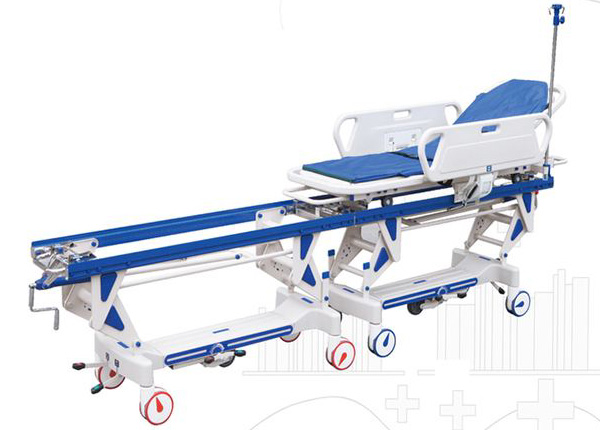
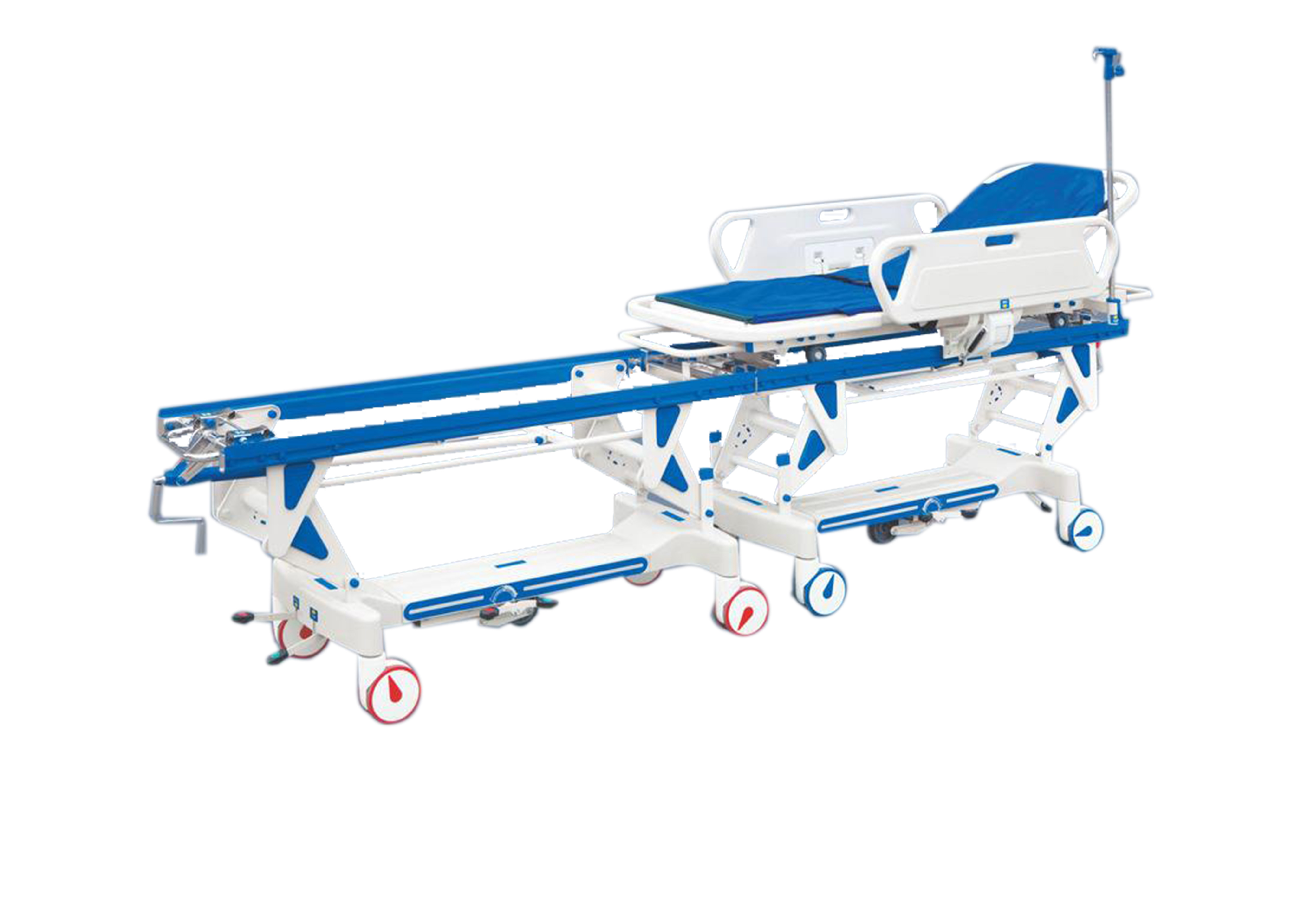
Many facilities pair cabinets with a mobile transfer solution. Below is a reference spec for the Ambulance stretcher trolley patient transfer bed (data ≈ typical; real-world use may vary).
| Item | Spec (≈) |
|---|---|
| Product Name | Ambulance stretcher trolley patient transfer bed |
| Frame | Aluminum alloy with powder-coated steel subframe |
| Dimensions | ≈ 1900 × 550 mm; height 500–900 mm adjustable |
| Load capacity | ≈ 180 kg |
| Casters | 125 mm, central locking, antistatic |
| Certifications | Manufactured under ISO 13485; CE-marked (where applicable) |
Vendor landscape (quick comparison)
| Vendor | Core Material | Certifications | Lead Time | Warranty |
|---|---|---|---|---|
| BOXIN Medical (Kaiyuan Rd., Jizhou, Hengshui) | 304/316L stainless; ABS trays | ISO 13485, ISO 9001; CE-ready | ≈ 3–6 weeks | Up to 5 years (cabinetry); 1 year moving parts |
| Vendor A | Powder-coated steel | ISO 9001 | 4–8 weeks | 2–3 years |
| Vendor B | Stainless + laminate fronts | ISO 13485, GREENGUARD | 6–10 weeks | 3–5 years |
Customization and proof
Common options: keyed/RFID locks, soft-close hinges, glass or solid doors, antistatic casters, bin rails, laser-etched labels. Test snapshots from recent builds: drawer cycle test >100,000; surface salt-spray (ASTM B117) 720 h no red rust; ISO 22196 shows antibacterial activity R ≥ 2 on coated panels. Nurses tell me “the drawers finally stay quiet,” and facilities teams say casters survive chlorine wipes—surprisingly durable.
Mini case study
A 300-bed regional hospital replaced aging units with sealed-edge stainless Hospital Cabinet lines and mobile transfer trolleys. After commissioning, the team reported faster room turnovers (≈12–15 minutes saved per shift) and fewer surface-damage tickets in wet-clean areas. Not magic—just better materials and quieter mechanics.
Standards to ask for (print this)
- ISO 13485 QMS for medical devices
- ISO 22196 antibacterial surface testing
- ASTM B117 salt spray for coating durability
- CDC guidance on cleaning/disinfection compatibility
- SEFA 8M (for lab-grade casework where applicable)
References: [1] ISO 13485:2016; [2] ISO 22196:2011; [3] ASTM B117; [4] CDC, Guideline for Disinfection and Sterilization in Healthcare Facilities; [5] SEFA 8M-2016.
- ISO 13485:2016 Medical devices — Quality management systems.
- ISO 22196:2011 Measurement of antibacterial activity on plastics and other non-porous surfaces.
- ASTM B117 Standard Practice for Operating Salt Spray (Fog) Apparatus.
- CDC. Guideline for Disinfection and Sterilization in Healthcare Facilities.
- SEFA 8M-2016 Laboratory Casework.
-
Ultimate Guide to Choosing Extra Wide Waiting Room ChairsNewsApr.16,2026
-
Guide to Choosing Professional Waiting Room Chairs Wipeable SeatingNewsApr.09,2026
-
Enhance Your Space with Comfortable Wide Waiting Room ChairsNewsApr.07,2026
-
Selecting the Ideal Brown Waiting Room Chairs for a Welcoming SpaceNewsApr.04,2026
-
Choosing Comfortable Patient Waiting Room Chairs for Healthcare FacilitiesNewsMar.31,2026
-
Finding the Best Deals on Affordable and Cheap Reception Chairs for Your BusinessNewsMar.28,2026
-
Enhance Your Business Reception with Comfortable Blue Reception ChairsNewsMar.26,2026