Welcome to our websites!


Hospital Bed That Rotates Patient: Enhancing Care with CNBoxin’s Innovative Medical Beds
Hospital Bed That Rotates Patient is a key solution in the industry, specifically within healthcare and eldercare facilities. This article explores how https://www.cnboxin.com supports professionals with durable, high-performance products, and explains why this product is an ideal choice for businesses in these sectors.
Table of Contents
- Hospital Bed That Rotates Patient Overview
- Benefits & Use Cases of Hospital Bed That Rotates Patient
- Cost, Maintenance & User Experience
- Sustainability & Market Trends
Hospital Bed That Rotates Patient Overview
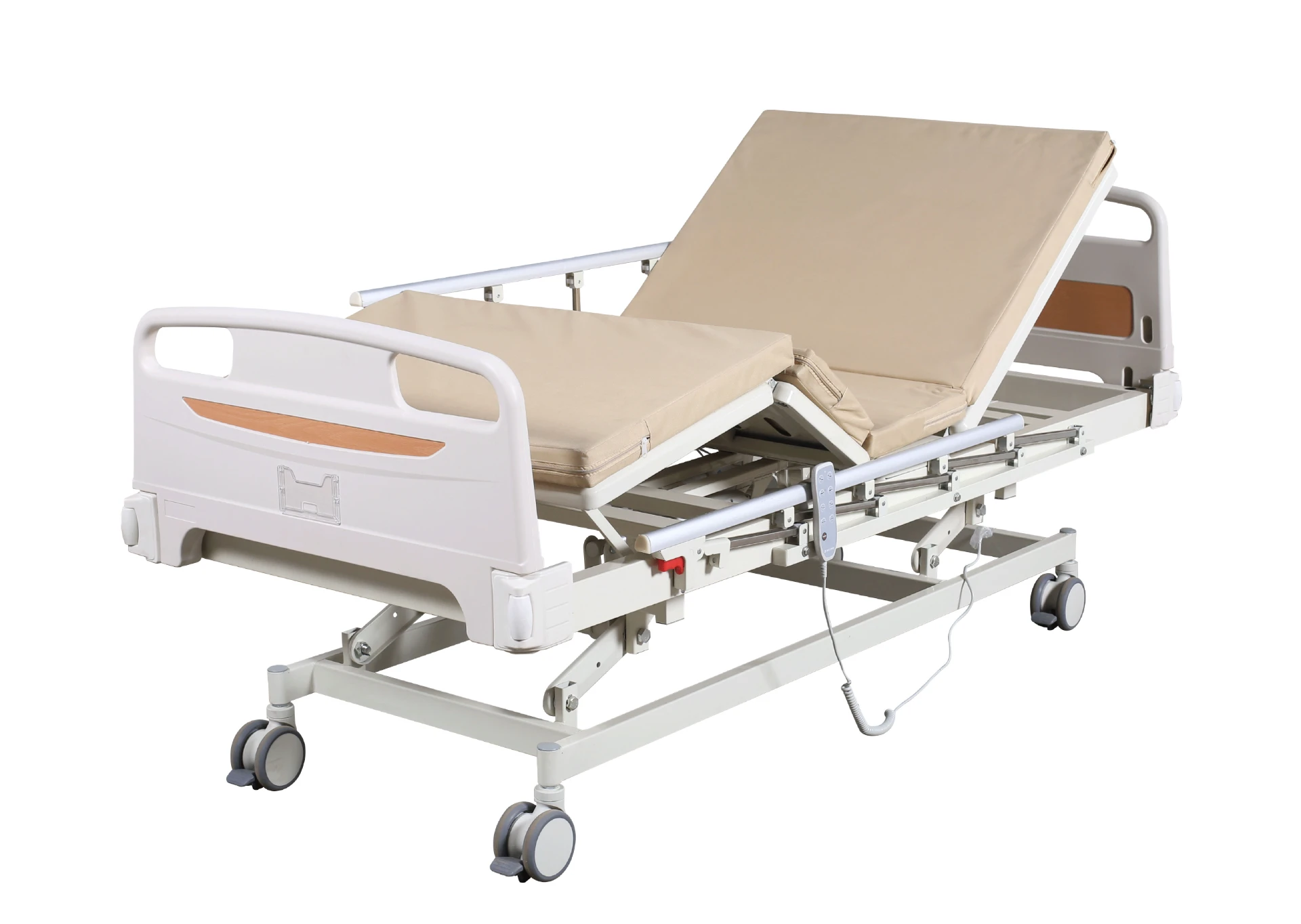
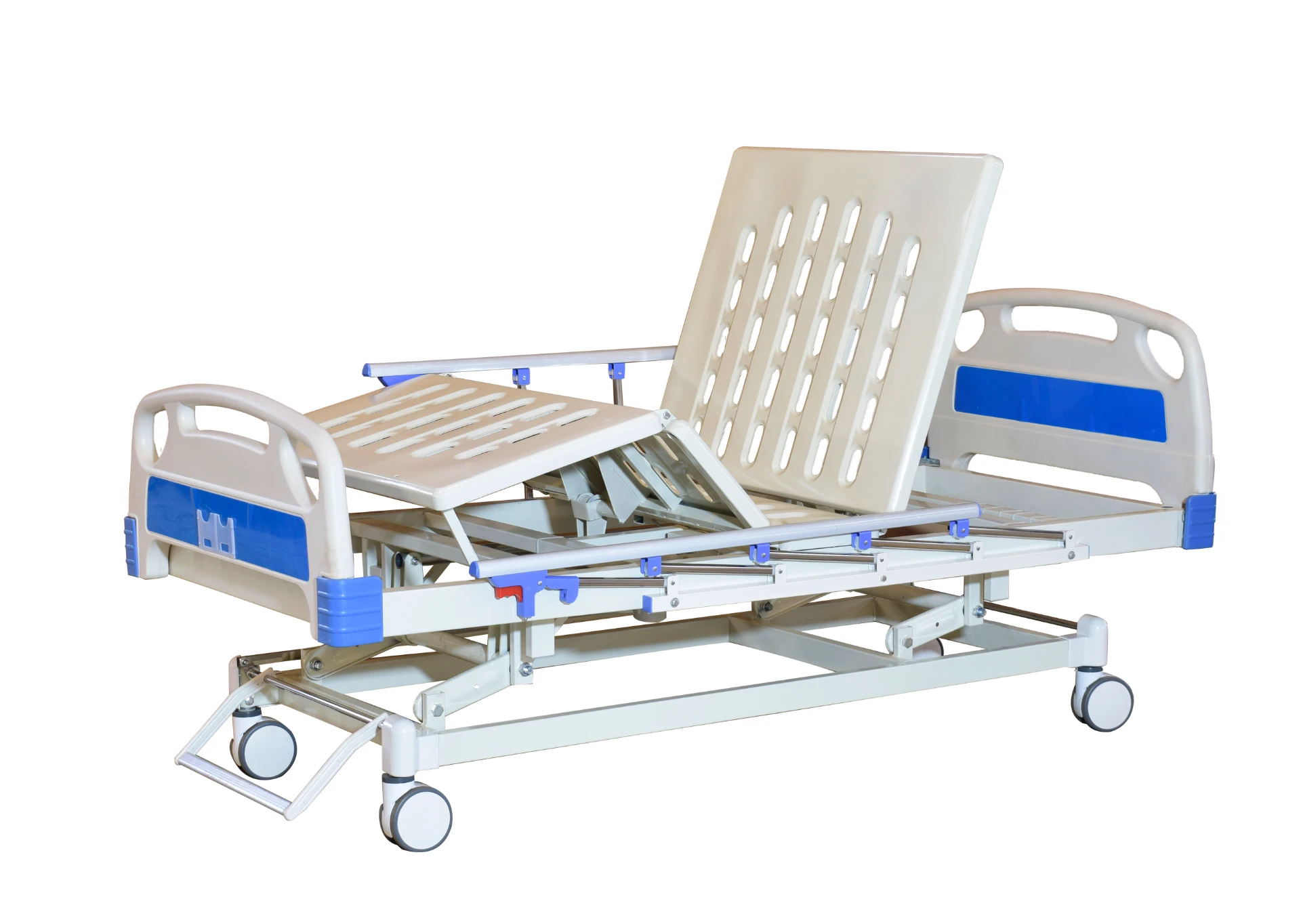
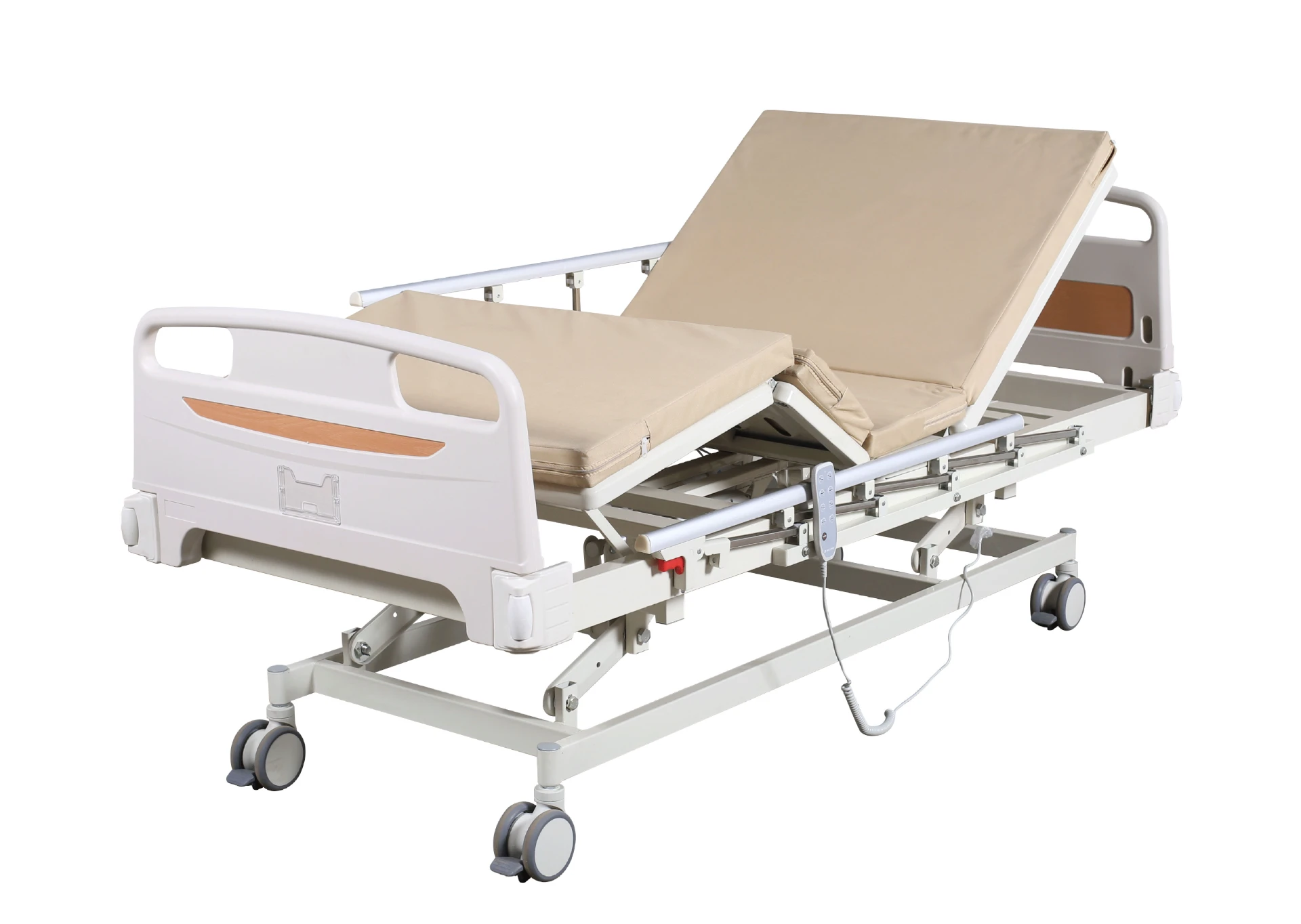
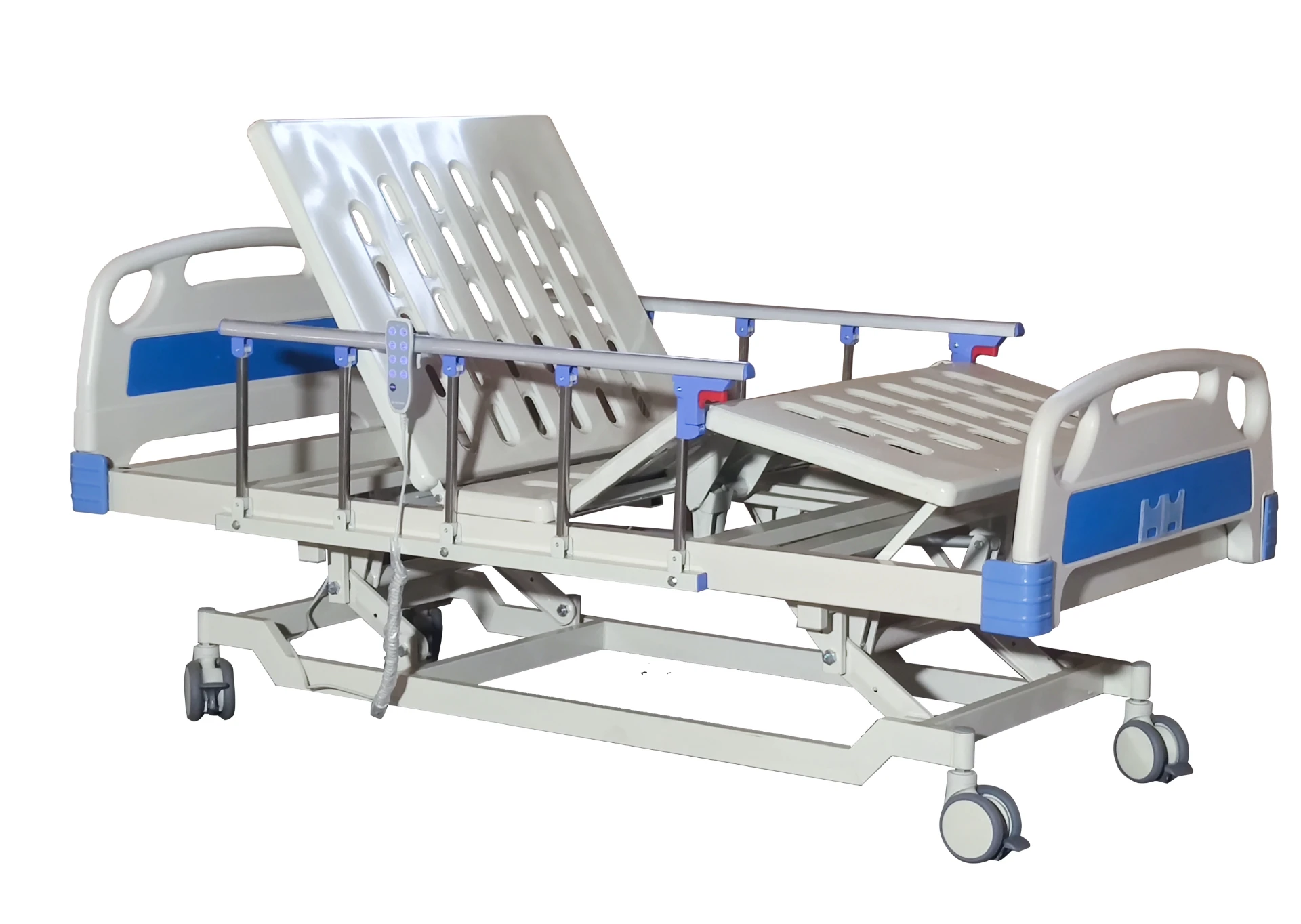
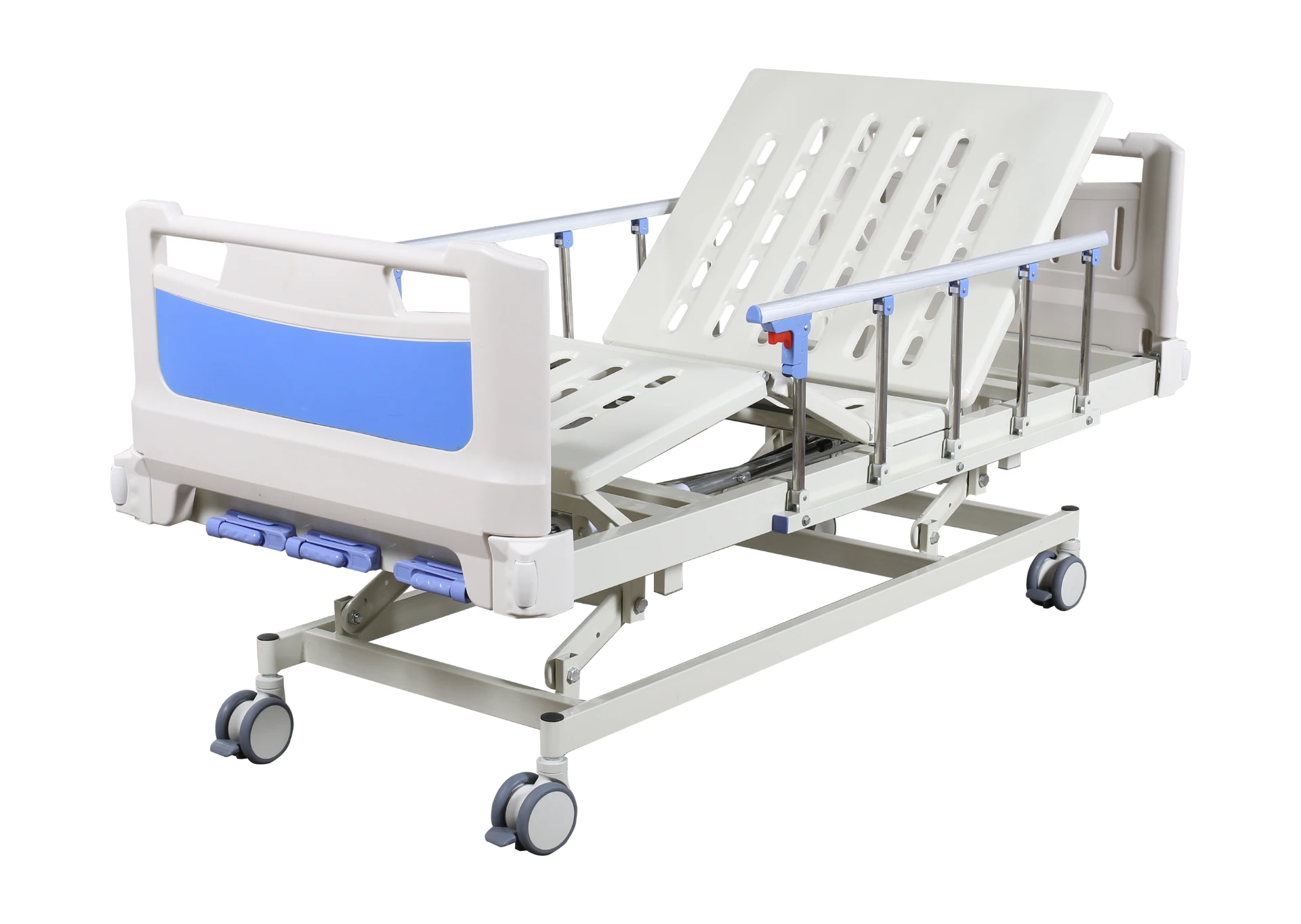
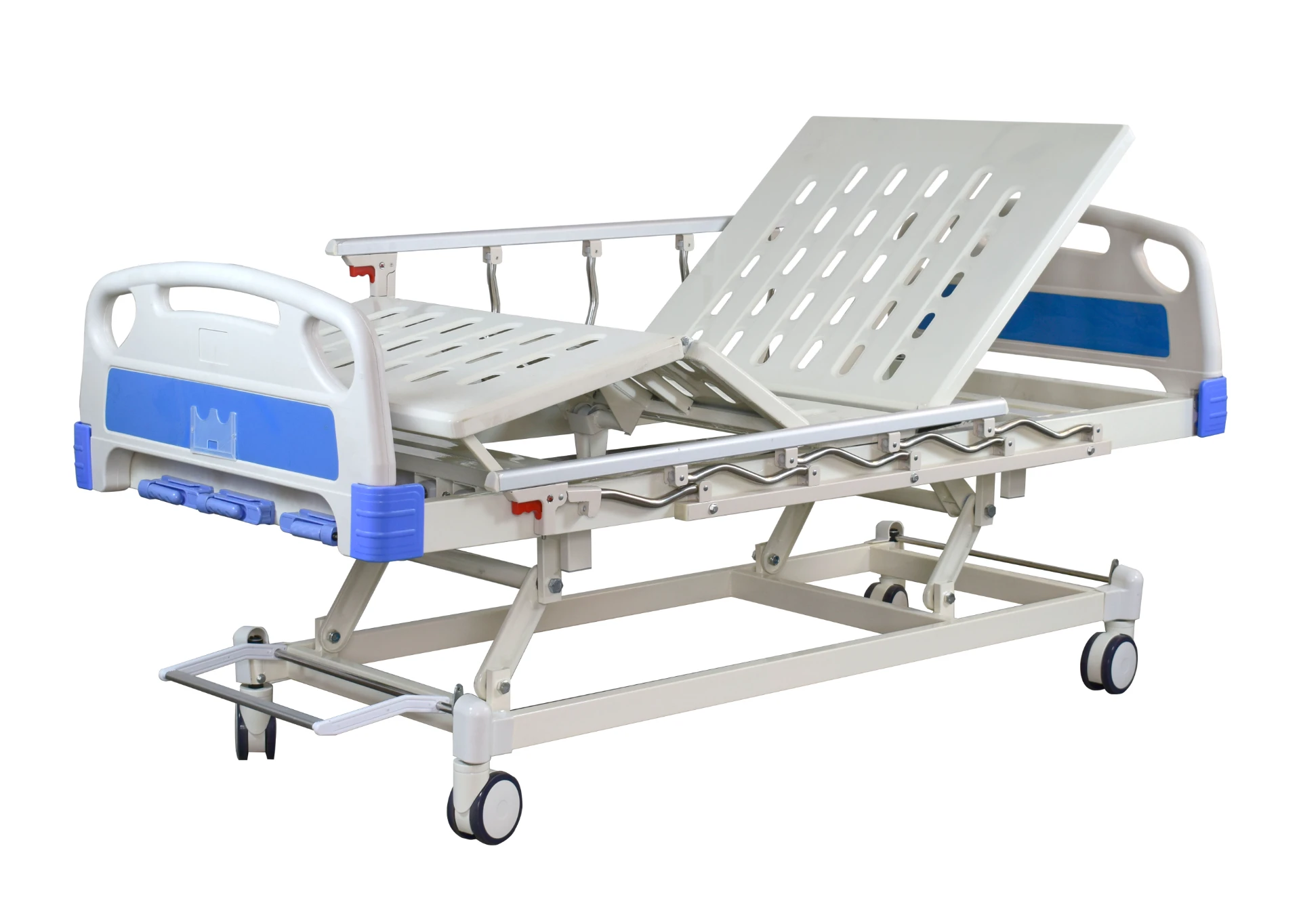
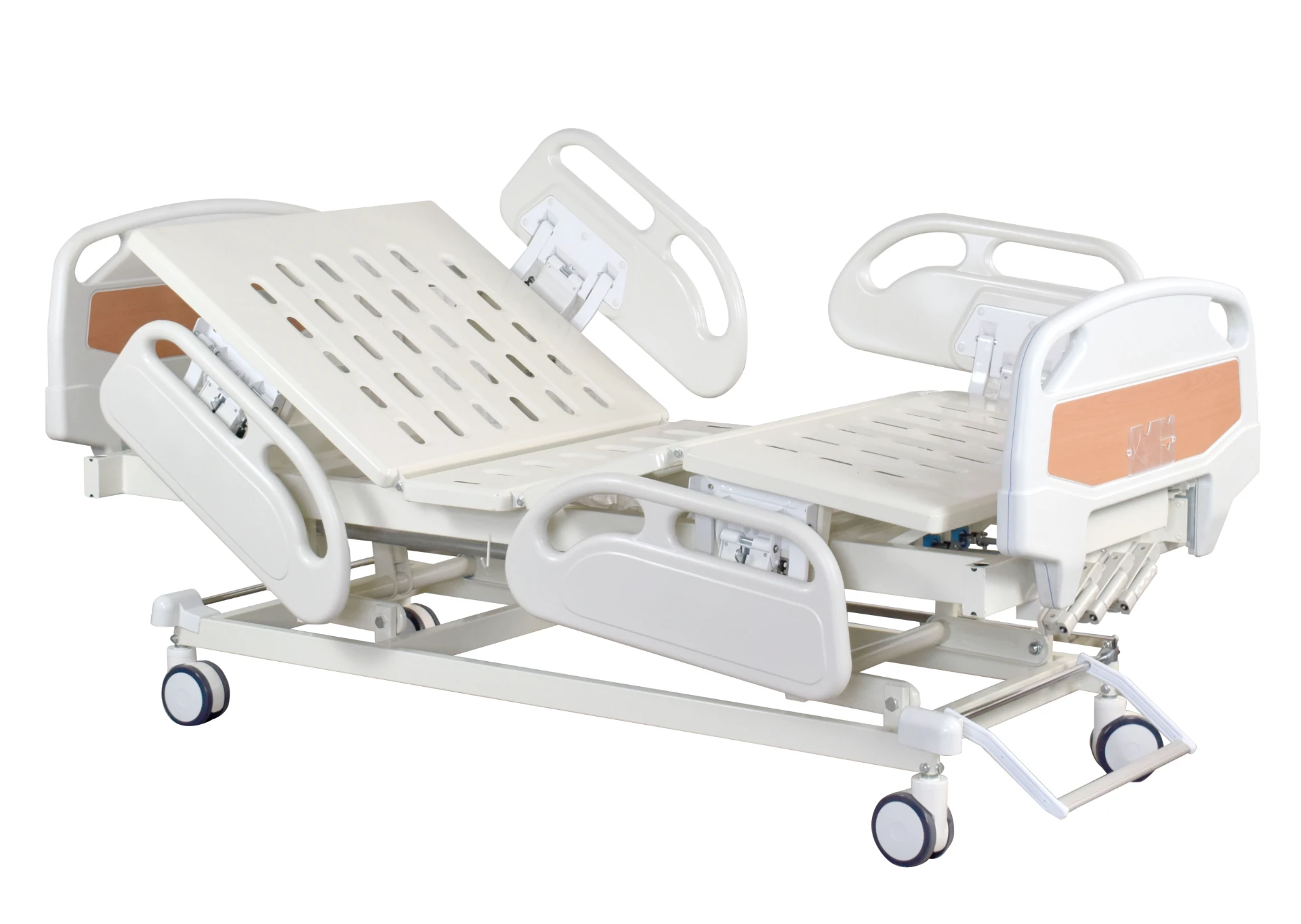
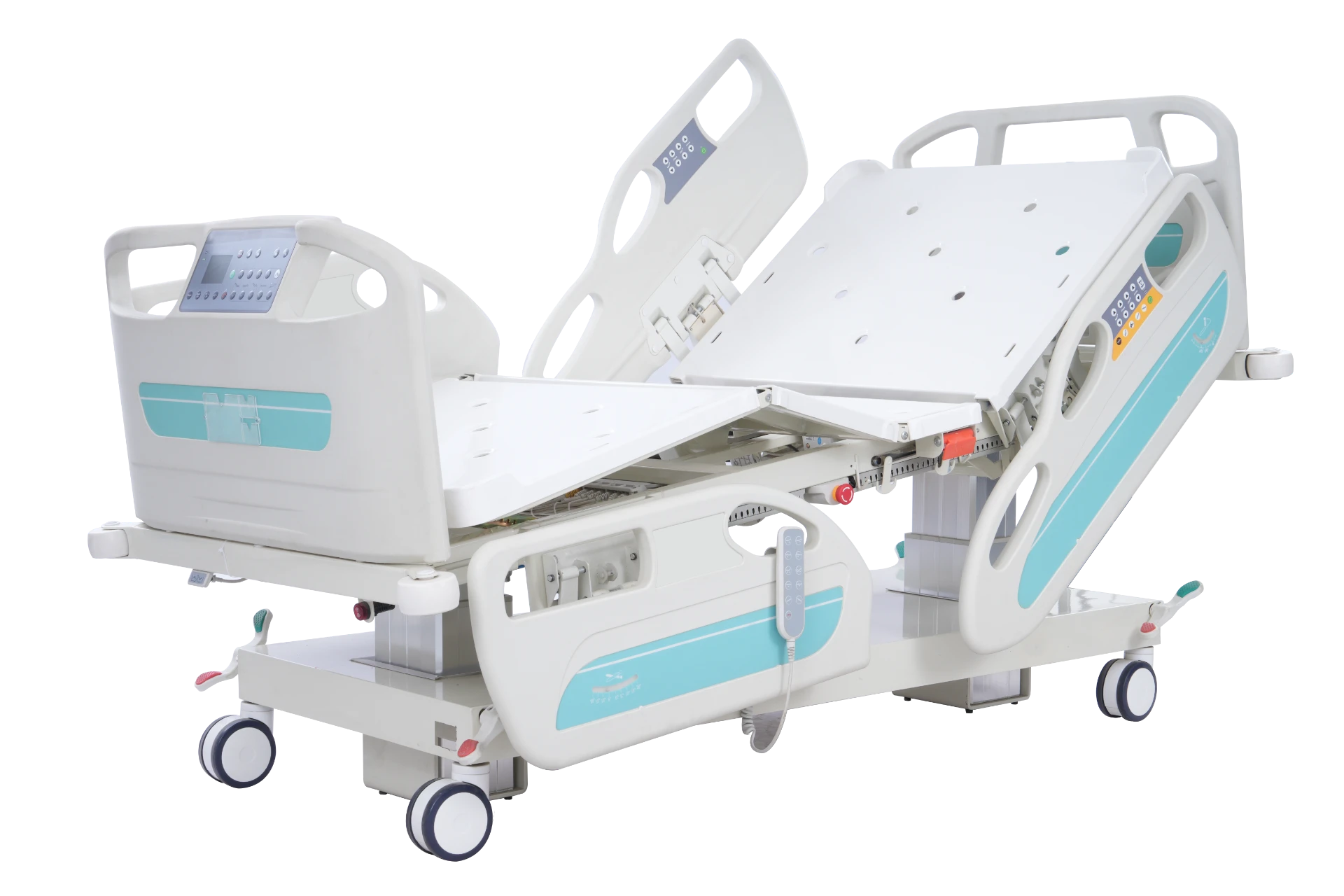
In the fast-evolving medical equipment arena, the Hospital Bed That Rotates Patient stands out as a thoughtfully engineered device designed to ease patient handling while enhancing care quality. Essentially, this kind of bed allows for smooth patient rotation along a controlled axis, helping caregivers reposition those with limited mobility securely and effortlessly. It’s quite an elegant solution when you consider the strain often placed on staff during manual turning.
Technically, these beds incorporate electric or hydraulic motors coupled with sturdy frames, permitting controlled lateral rotation up to 180 degrees or more depending on the model. They’re commonly outfitted with safety sensors and adjustable speed functions. For instance, practitioners in a recent case study reported that such beds reduced patient repositioning time by nearly 40%, a game changer when staff availability is tight.
| Specification | Details |
|---|---|
| Rotation Angle | Up to 180° lateral rotation |
| Motor Type | Electric / Hydraulic options |
| Weight Capacity | Up to 250 kg (550 lbs) |
| Safety Features | Emergency stop, automatic locking |
| Adjustability | Height, tilt, and speed adjustable controls |
Benefits & Use Cases of Hospital Bed That Rotates Patient
The obvious advantage lies in drastically reducing the physical demands on nursing staff. Anyone who has worked in care facilities knows how taxing patient repositioning can be — it feels like a job for a small team at times. This bed’s rotation feature really streamlines that process, minimizing injury risks for workers and increasing patient comfort at the same time.
Use cases typically span hospitals, long-term care homes, and rehab centers where patients need regular turning to prevent bedsores or respiratory complications. Oddly enough, beyond healthcare, some rehabilitation centers and even high-end home care setups are adopting these beds for their precision and ease of use.
Competitive advantages? Well, for starters, the integration of smooth, quiet motors designed to operate without startling patients. Also, the durability stands out — lots of models from https://www.cnboxin.com boast steel frames treated for corrosion resistance, important when you consider the need for constant cleaning and sanitizing in clinical settings.
Cost, Maintenance & User Experience
Frankly, the initial investment for these beds can be higher than conventional stationary beds, but the total cost of ownership often proves favorable given reduced labor hours and fewer workplace injuries. Plus, the durability means less downtime — a critical factor in healthcare where switching beds mid-treatment can disrupt schedules.
From talking with several facility managers, I’ve heard many remark on the intuitive controls and ease of regular maintenance — from simple lubrication points to modular electronics replacements. Maintenance routines are generally straightforward, and spare parts availability through vendors like CNBoxin helps keep beds operational over many years.
Patient feedback tends to emphasize comfort and a sense of safety during repositioning. In real terms, the slow and controlled rotation helps alleviate anxiety, which can be huge for those with limited mobility or post-operative sensitivity.
Sustainability & Market Trends
Sustainability has increasingly entered conversations around medical equipment, and hospital beds are no exception. Manufacturers like CNBoxin have begun incorporating recyclable materials and energy-efficient motors to align with global standards. This trend reflects a larger push in healthcare to reduce waste and lower environmental footprints, which ultimately benefits both providers and patients.
Market growth in this sector is being driven by aging populations worldwide and rising demands for home-based care solutions. Compliance with regulations such as ISO 13485 ensures these beds meet stringent quality and safety benchmarks — something every procurement lead will appreciate when weighing options.
| Vendor | Key Features | Warranty | Price Range |
|---|---|---|---|
| CNBoxin | Durable steel frame, quiet motor, safety locks | 3 years | $$$ (Mid-range) |
| Competitor A | Lightweight design, smart sensor controls | 2 years | $$ (Lower-mid) |
| Competitor B | Heavy duty, extended rotation range | 5 years | $$$$ (Premium) |
Frequently Asked Questions about Hospital Bed That Rotates Patient
- What is Hospital Bed That Rotates Patient and how does it work?
- Simply put, it’s a hospital bed engineered to rotate patients laterally using electric or hydraulic mechanisms, enabling safe and efficient repositioning which is crucial for preventing pressure sores and improving patient comfort.
- What are the main benefits of using Hospital Bed That Rotates Patient in industrial applications?
- The key benefits include ergonomic support for caregivers, enhanced patient safety and well-being, and operational efficiency gains through time savings and lowered risk of injury. They are built to withstand frequent use under demanding conditions.
- How does Hospital Bed That Rotates Patient compare to traditional alternatives?
- Unlike fixed beds requiring manual repositioning, these rotating beds leverage technology to reduce human effort, improve precision in patient turns, and reduce fall risks. The investment is offset by the long-term benefits in safety and workflow optimization.
- What industries can benefit most from Hospital Bed That Rotates Patient implementation?
- Primarily healthcare sectors such as hospitals, nursing homes, rehabilitation centers, and increasingly, specialized home care providers benefit the most. The beds support patients with limited mobility, those recovering from surgery, or long-term bedridden individuals.
Conclusion on Hospital Bed That Rotates Patient from china
In summary, the Hospital Bed That Rotates Patient offers an effective blend of safety, ergonomics, and operational efficiency that modern hospitals and care facilities desperately need. The blend of advanced features and robust construction backed by good vendor support makes it a reliable investment for any institution seeking to enhance patient treatment quality while safeguarding workers.
- Recap the value of Hospital Bed That Rotates Patient.
- Visit our website: https://www.cnboxin.com
Oddly enough, as technologies like these become common, you realize how much behind-the-scenes innovation quietly improves lives every day, often without much fanfare.
References:
- Healthcare Ergonomics Journal, 2023
- ISO 13485 Medical Device Standards
- Case Study: CNBoxin Patient Bed Efficiency, 2022
-
Ultimate Guide to Choosing Extra Wide Waiting Room ChairsNewsApr.16,2026
-
Guide to Choosing Professional Waiting Room Chairs Wipeable SeatingNewsApr.09,2026
-
Enhance Your Space with Comfortable Wide Waiting Room ChairsNewsApr.07,2026
-
Selecting the Ideal Brown Waiting Room Chairs for a Welcoming SpaceNewsApr.04,2026
-
Choosing Comfortable Patient Waiting Room Chairs for Healthcare FacilitiesNewsMar.31,2026
-
Finding the Best Deals on Affordable and Cheap Reception Chairs for Your BusinessNewsMar.28,2026
-
Enhance Your Business Reception with Comfortable Blue Reception ChairsNewsMar.26,2026