Welcome to our websites!


Hospital Bed Moving Trolley: Enhancing Patient Mobility & Safety Worldwide
Hospital Bed Moving Trolley: The Unsung Hero of Healthcare Logistics
When you think of hospital logistics, what comes to mind? Probably the big stuff: MRI machines, surgical kits, maybe emergency rooms. But there’s a quieter piece of equipment keeping healthcare running smoothly — the hospital bed moving trolley. As simple as it sounds, this device addresses significant global healthcare challenges, especially in crowded hospitals and emergency scenarios.
Why the fuss? Because moving patients safely and efficiently is literally lifesaving. Understanding hospital bed moving trolleys means better care, reduced injury risks, and smoother workflows. Plus, with healthcare systems stretched worldwide, their role is only becoming more vital.
Why Hospital Bed Moving Trolleys Matter Globally
Globally, healthcare systems face overcrowding and resource constraints. According to the World Health Organization, roughly 30% of hospital beds in developing countries are occupied by patients needing transfer to other departments or facilities. Often, the challenge isn’t just bed shortage but the safe, easy movement of beds themselves.
Hospital bed moving trolleys help solve this by enabling staff to relocate patients without physical strain or delays. The International Organization for Standardization (ISO) emphasizes ergonomic designs in hospital equipment to minimize caregiver injury—a standard moving trolleys help meet. As emergencies and pandemics strain hospitals, the humble trolley's global relevance shines.
What Exactly Is a Hospital Bed Moving Trolley?
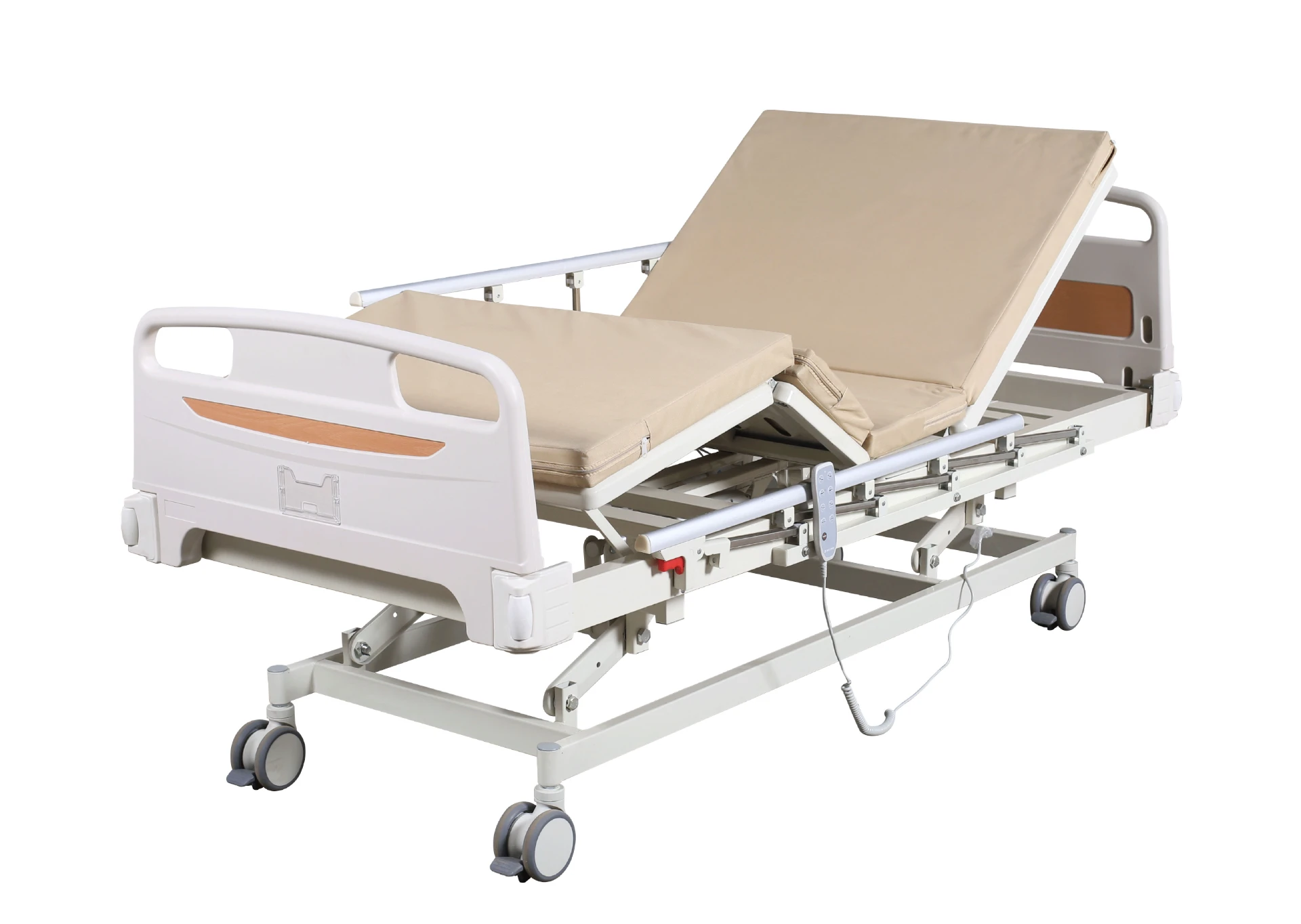
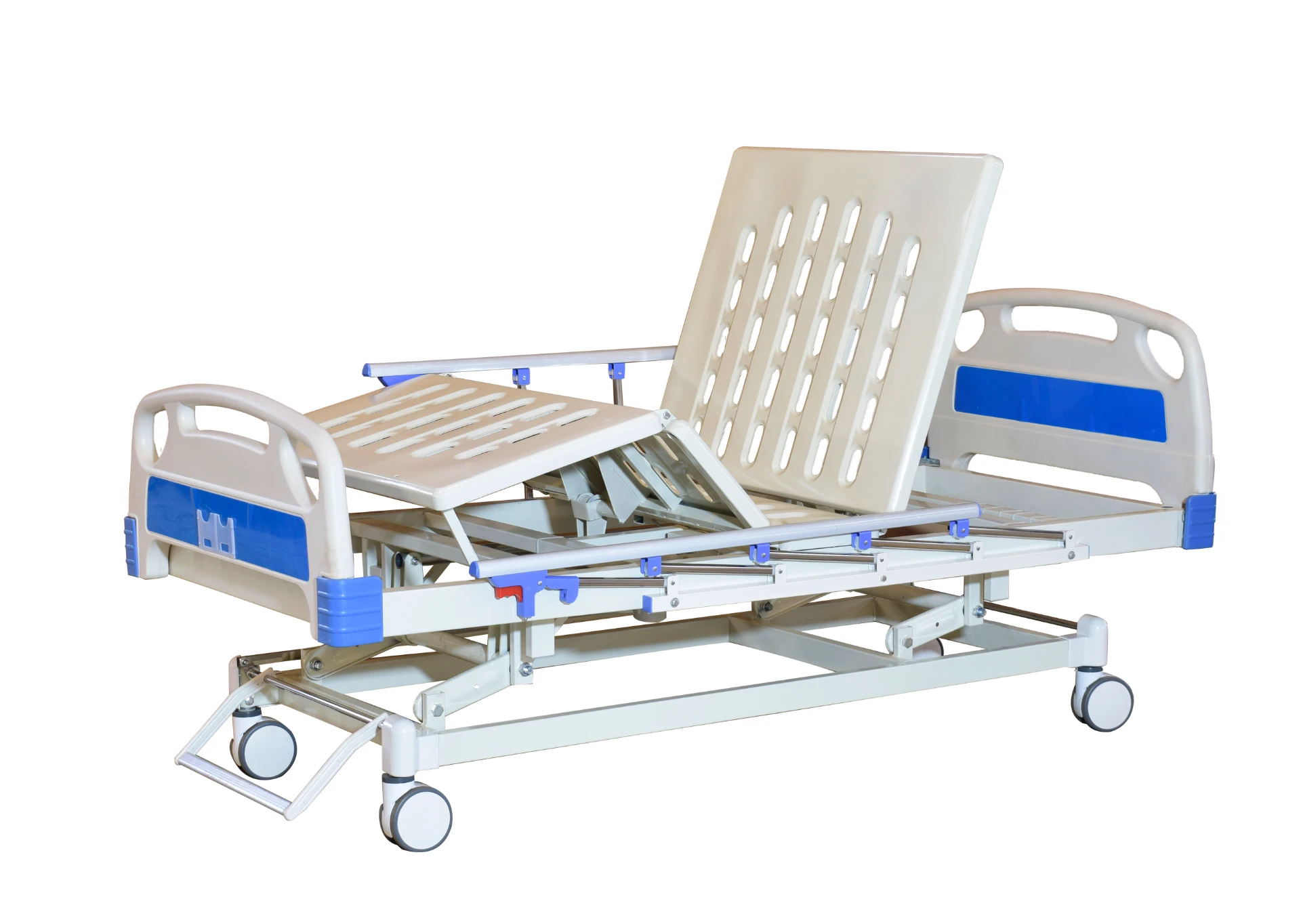
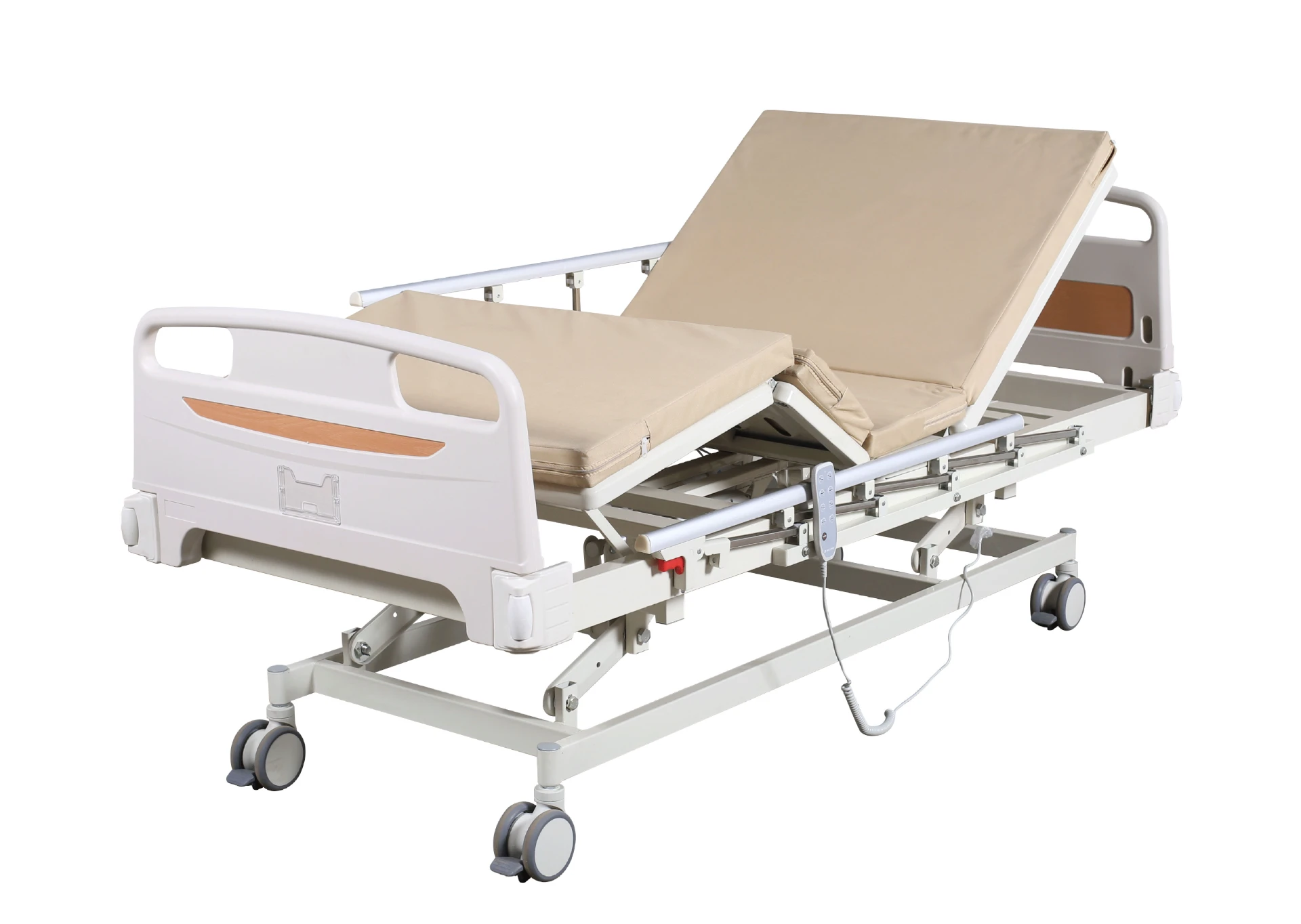
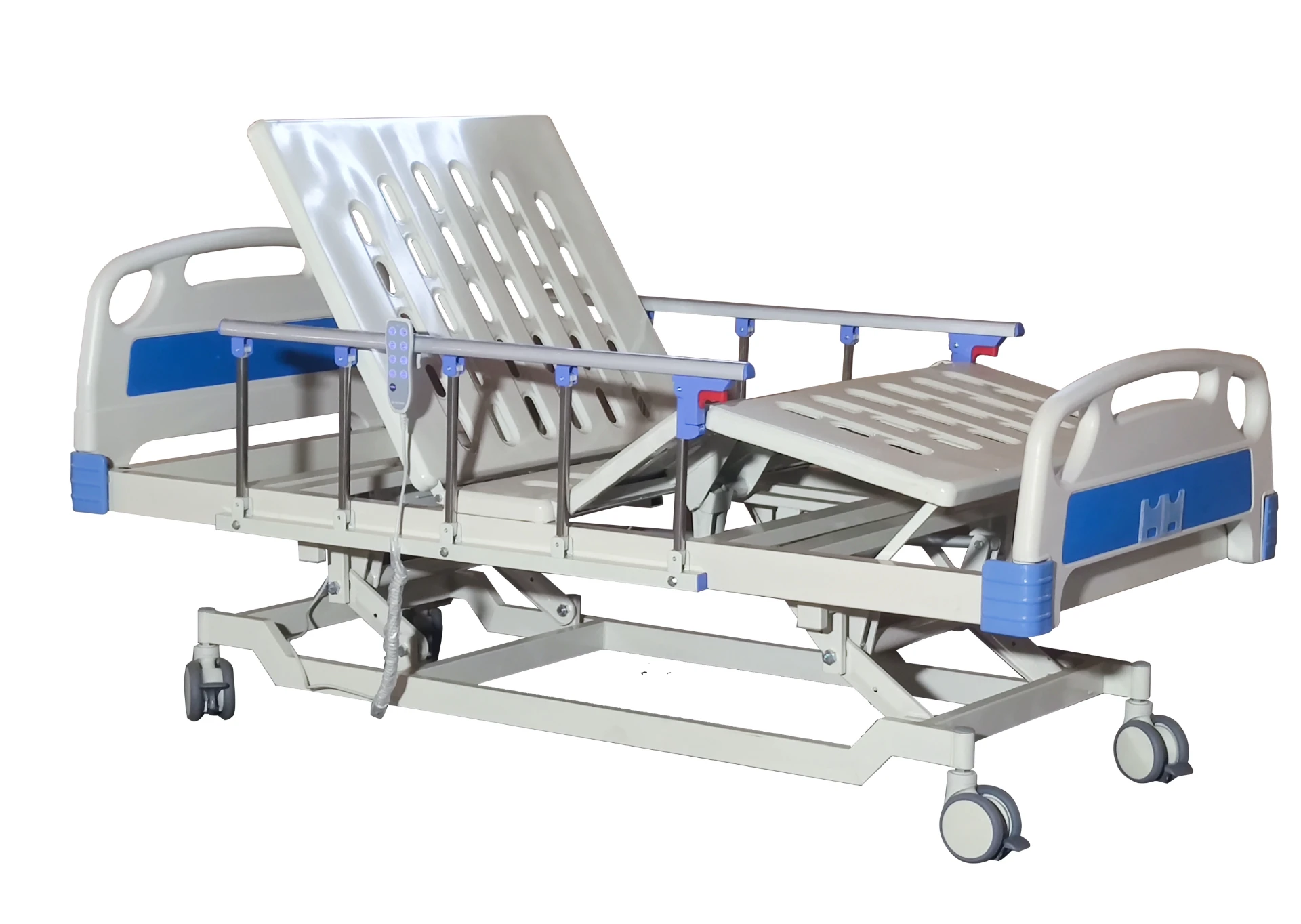
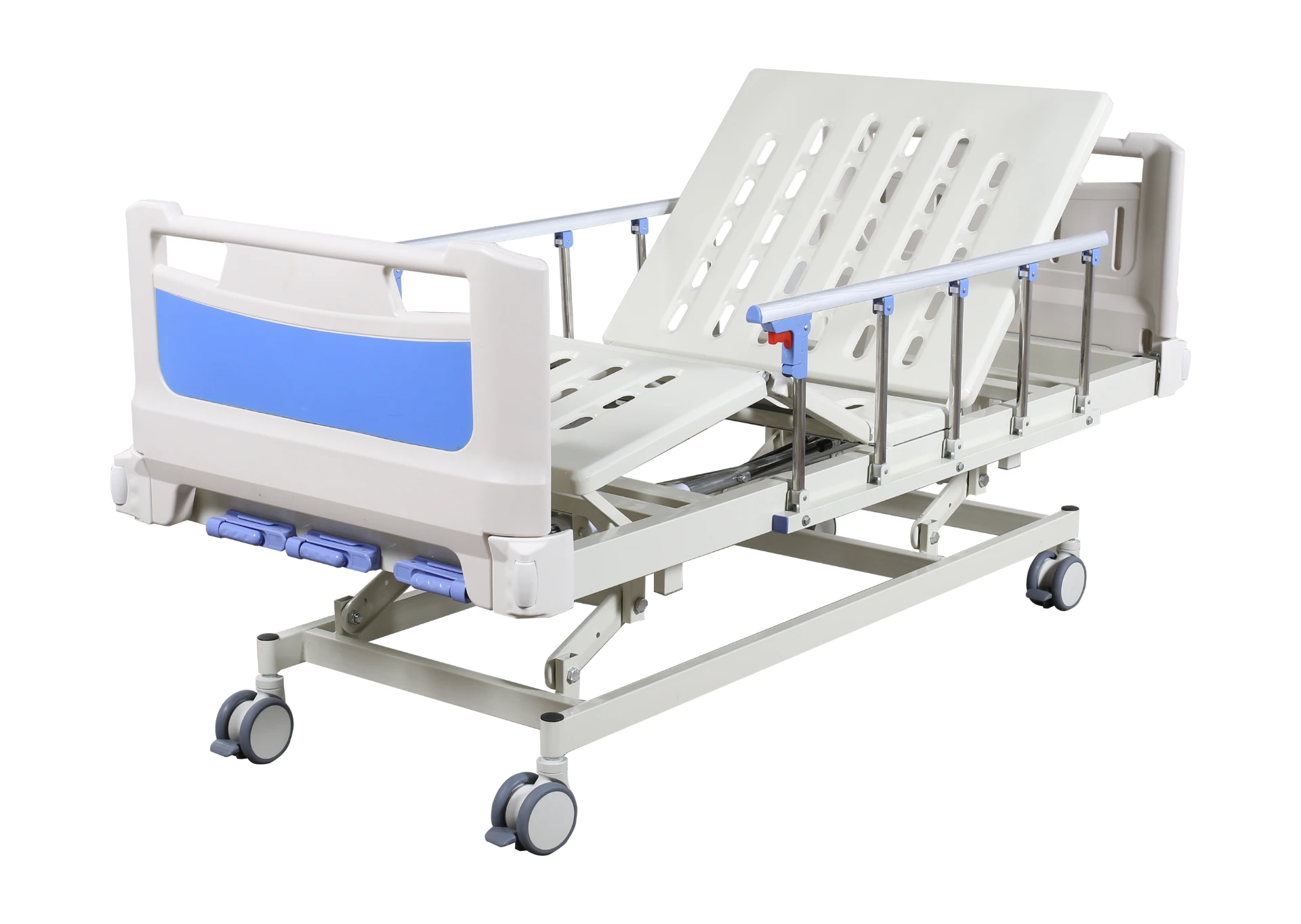
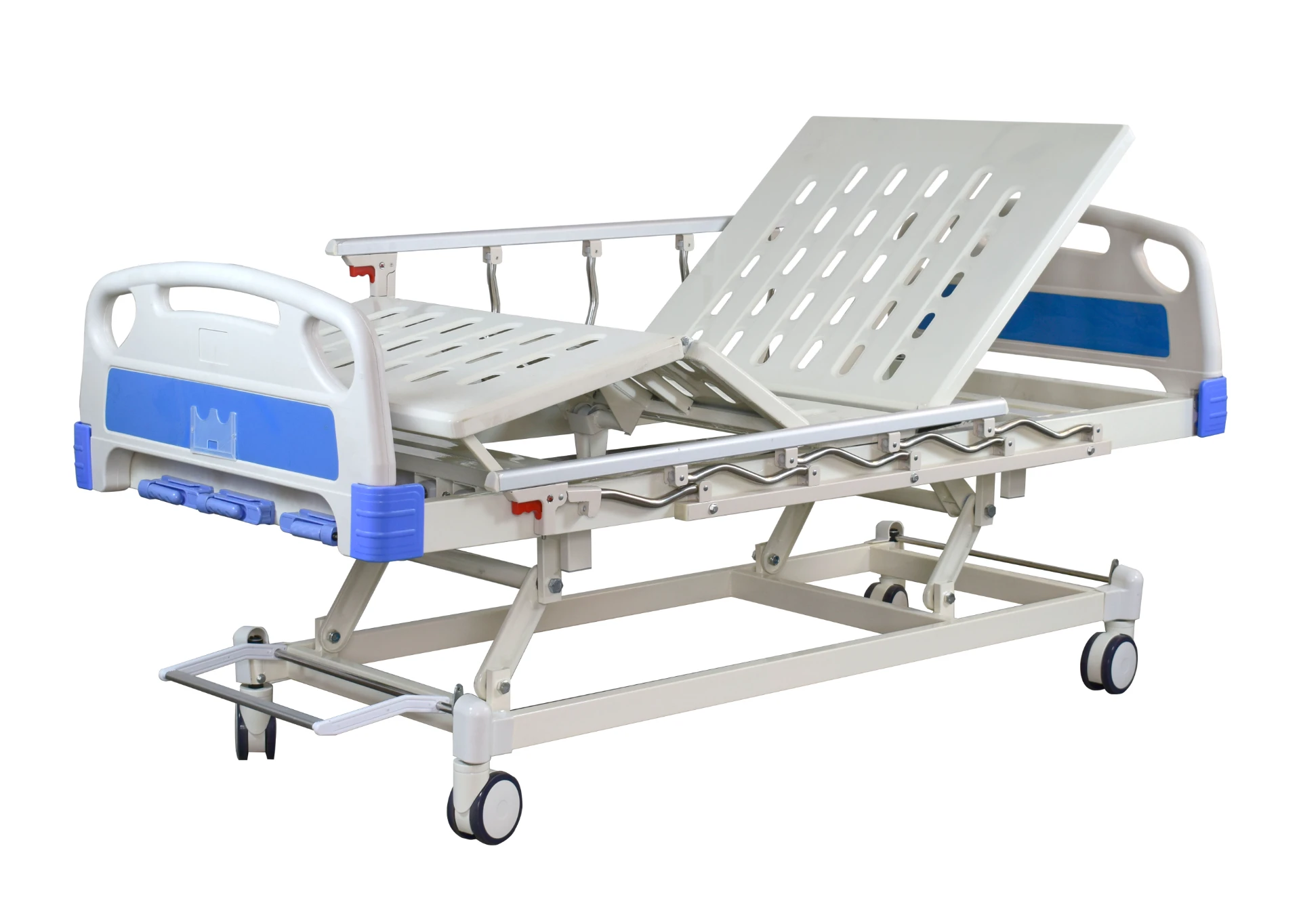
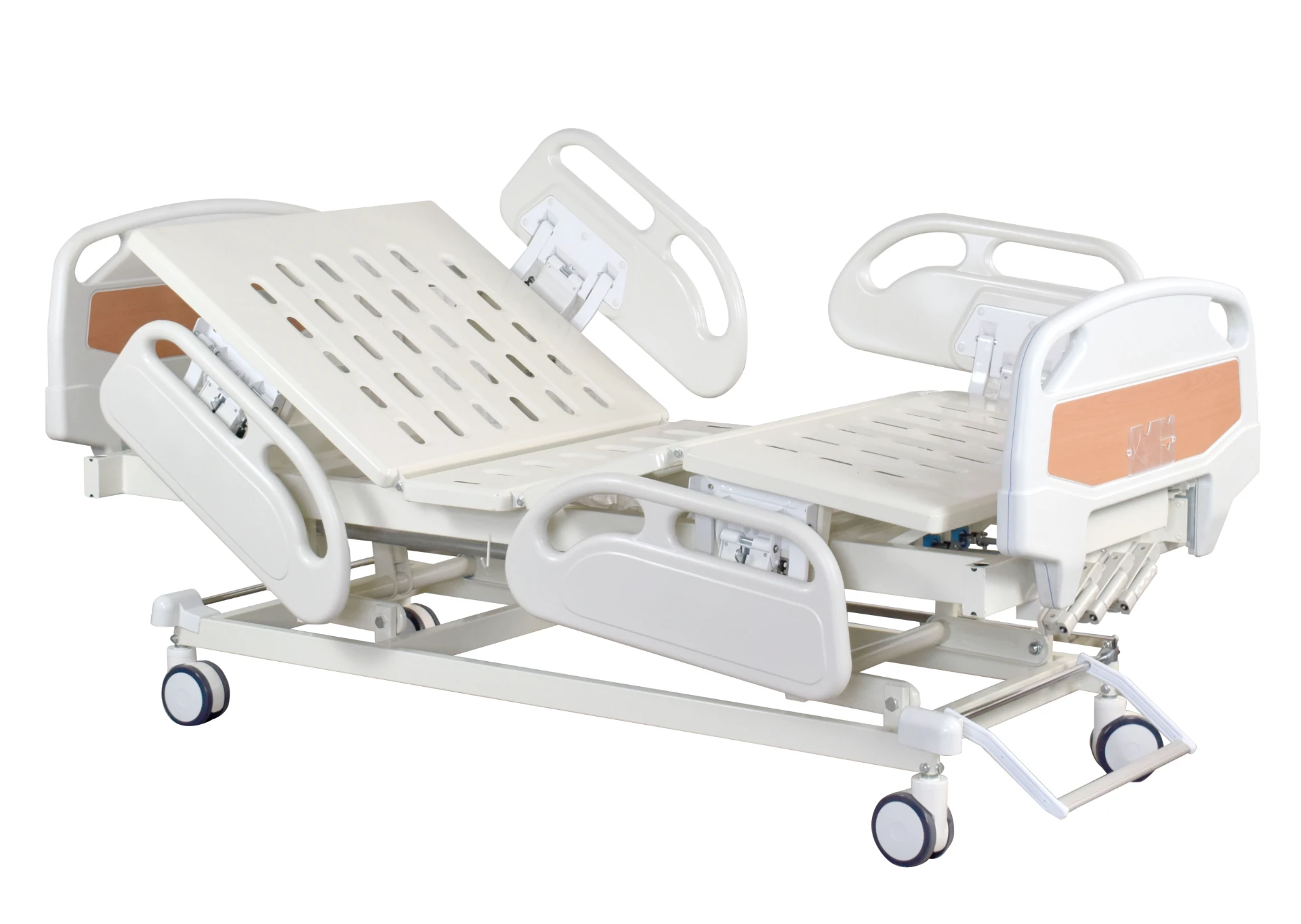
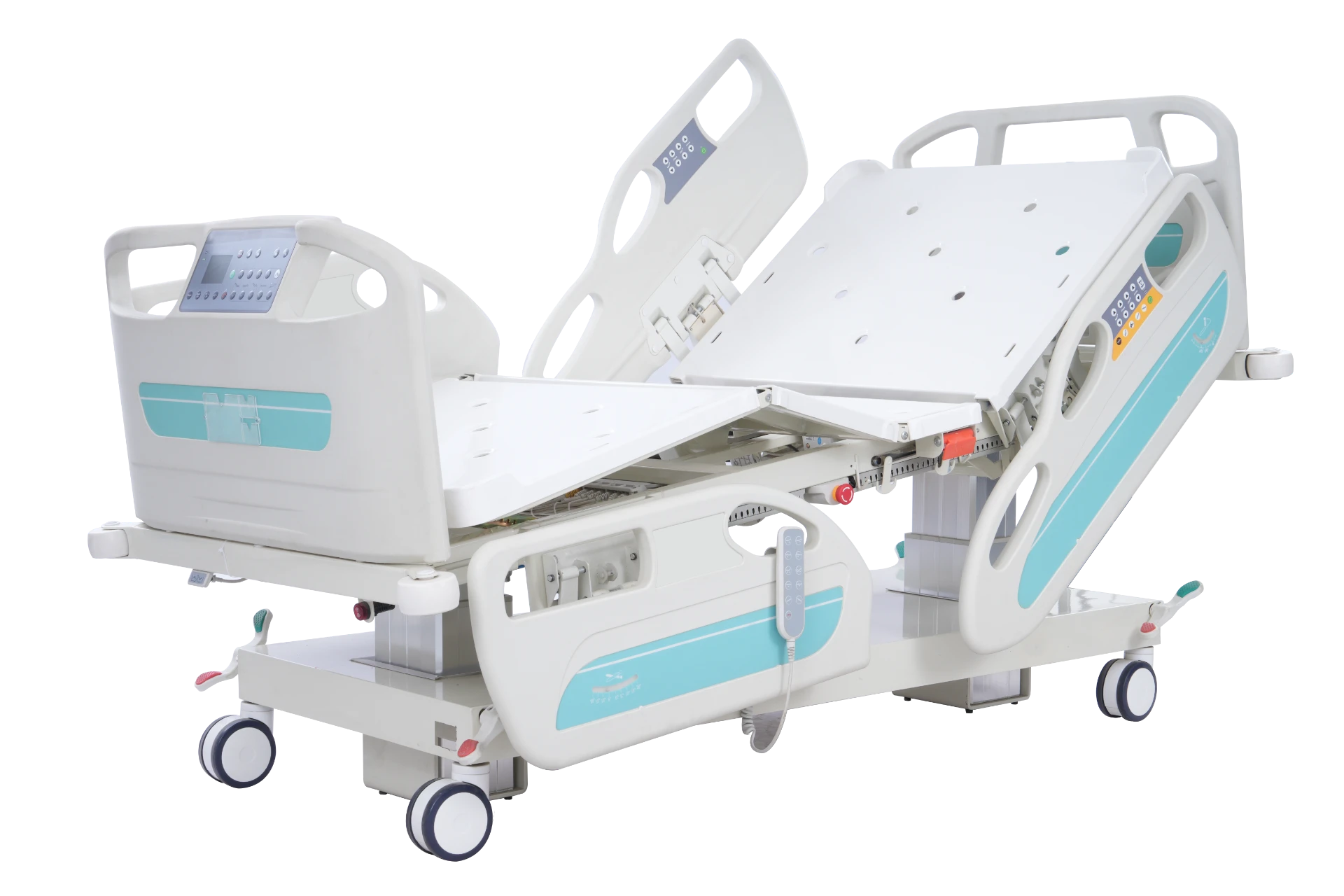
A hospital bed moving trolley is essentially a mobile platform designed specifically to transport hospital beds safely and efficiently between wards, rooms, or even different facilities. It's built to accommodate the size and weight of various bed designs, often with locking wheels, adjustable height, and sturdy frames.
These trolleys are critical not just in hospitals but also in field clinics, disaster relief camps, and temporary medical shelters. Their design addresses both human factors (caregiver ease) and patient safety, making them indispensable in modern healthcare logistics.
Core Components That Define a Good Hospital Bed Moving Trolley
1. Durability and Strength
Hospital beds aren't light, and neither are the patients who lie on them. Many engineers suggest that a good moving trolley’s frame is built from high-grade stainless steel or aluminum alloys to resist corrosion and sustain heavy loads (usually 150–250 kg). Durability ensures longevity and reduced maintenance costs.
2. Maneuverability
Locking swivel wheels and ergonomic handles make a difference. Narrow corridors and crowded wards demand trolleys that can turn on a dime without shaking the patient. Some models even feature shock-absorbing wheels to smooth out uneven hospital floors.
3. Safety Features
From braking systems to sideguards preventing bed slippage, trolleys must be reliable. Safety in this context protects both patient dignity and caregiver peace of mind.
4. Lightweight Design
Oddly enough, balancing strength with lightweight materials reduces caregiver strain. Composite materials and smart engineering help keep the trolley manageable, even for smaller staff.
5. Compatibility
Given the many hospital bed models on the market, adjustable trolleys or those compatible with multiple bed types offer versatility—especially in mixed-use hospitals or mobile medical units.
Mini Takeaway:
A reliable hospital bed moving trolley is a blend of strong, safe, and easy-to-handle components designed precisely with healthcare environments in mind.
Real-World Applications: Where and How These Trolleys Make a Difference
- Urban Hospitals: Staff rapidly move beds from ER to recovery wards during peak times, aided by ergonomic trolleys.
- Disaster Relief Operations: Temporary field hospitals use foldable or modular hospital bed trolleys for flexible transportation and setup.
- Remote Clinics: In regions lacking elevators, lightweight trolleys assist in manual handling of beds across difficult terrain.
- Nursing Homes: Safe patient mobility during transfers reduces injury for both elderly residents and staff.
- Military Medical Units: Trolleys designed for ruggedness and quick deployment support urgent battlefield care.
These examples highlight how broadly ubiquitous yet tailored hospital bed moving trolleys have become.
Advantages and Long-Term Value of Hospital Bed Moving Trolleys
Using a quality hospital bed moving trolley has numerous tangible benefits:
- Cost Efficiency: Reduces labor injuries and downtime, saving hospitals money in the long run.
- Sustainability: Durable materials mean fewer replacements and less waste.
- Enhanced Safety: Both patient and caregiver are better protected during transfers.
- Improved Workflow: Faster bed relocations free up staff for more patient care.
- Dignity and Comfort: Smooth transportation respects patient experience.
Combining emotional peace of mind with logical benefits strengthens trust in hospital environments.
Product Specifications Table
| Specification | Details |
|---|---|
| Material | Stainless Steel Frame with Aluminum Reinforcements |
| Load Capacity | 200 kg (approx. 440 lbs) |
| Wheel Type | 360° Swivel with Locking Brakes and Shock Absorbers |
| Adjustability | Height Adjustable to Fit Various Bed Models |
| Safety Features | Side Guard Rails, Anti-Slip Surface, Emergency Brakes |
| Weight | 18 kg (approx. 40 lbs) |
Vendor Comparison Table: Choosing the Right Hospital Bed Moving Trolley Supplier
| Vendor | Price Range (USD) | Delivery Time | Customization | Warranty |
|---|---|---|---|---|
| MedMove Solutions | $350 - $450 | 2-3 Weeks | Highly Customizable | 3 Years |
| SafeTrolley Co. | $300 - $400 | 1-2 Weeks | Standard Models | 2 Years |
| HealthMove Tech | $400 - $480 | 3-4 Weeks | Custom Designs & Features | 5 Years |
Emerging Trends Transforming Hospital Bed Moving Trolleys
Innovation never sleeps, not even for hospital bed moving trolleys. Frankly, some of the latest shifts are quite exciting.
- Smart Sensors: Embedded weight and motion sensors to alert staff if a bed is unstable or needs repositioning.
- Lightweight Composite Materials: Carbon fiber blends trimming weight without sacrificing durability.
- Electric Assist Features: Motorized push or pull help, reducing caregiver fatigue significantly.
- Sustainable Manufacturing: Use of recycled metals and eco-friendly coatings aligning with hospital green policies.
- Digital Integration: Tracking hospital bed location and status in real-time via RFID and IoT.
These advances not only improve usability but also reflect broader healthcare trends in digital transformation and sustainability.
Tackling Challenges Associated with Hospital Bed Moving Trolleys
Of course, it's not all smooth sailing. Common issues include:
- Compatibility with Diverse Beds: Not every trolley fits every bed model, creating inventory headaches.
- Maintenance Needs: Moving parts wear out, brakes fail, wheels get stuck.
- Cost Constraints: High-end trolleys put pressure on hospital budgets.
Expert Tip: Modular trolley platforms with adjustable fittings and standardization across beds can ease compatibility pain points. Regular maintenance schedules and staff training further boost longevity and safety.
FAQ: Your Top Questions About Hospital Bed Moving Trolley
- Q1. How do hospital bed moving trolleys improve patient safety?
- They enable smoother, steadier movement of beds, minimizing jolts and sudden stops. This reduces patient discomfort and the risk of falls during transfer.
- Q2. Can these trolleys be used outdoors or in uneven terrain?
- While primarily designed for hospital floors, some rugged models with larger, shock-absorbing wheels are suitable for outdoor use, such as in field hospitals or disaster zones.
- Q3. What maintenance is required for hospital bed moving trolleys?
- Routine checks of wheels, brakes, and locking mechanisms every few months are recommended. Lubrication and inspection prevent breakdowns and ensure safety.
- Q4. Are there adjustable models for different bed sizes?
- Yes, many modern trolleys are adjustable, featuring telescoping frames or modular platforms to accommodate multiple bed dimensions.
Final Thoughts: The Small Equipment with Huge Impact
In the vast world of medical devices, the hospital bed moving trolley might not be the flashiest, but its importance is undeniable. It blends engineering and practicality to support caregivers and patients alike. As hospitals demand more agile, safe, and humane patient transfers, the trolley evolves alongside — growing smarter, more sustainable, more versatile.
If you’re responsible for healthcare logistics or procurement, it’s worth getting familiar with hospital bed moving trolley solutions and vendors. Investing wisely here means higher staff morale, patient satisfaction, and operational smoothness.
So next time you see a bed gliding smoothly across a crowded ward, remember the humble trolley doing the heavy lifting — literally and figuratively.
References
-
Ultimate Guide to Choosing Extra Wide Waiting Room ChairsNewsApr.16,2026
-
Guide to Choosing Professional Waiting Room Chairs Wipeable SeatingNewsApr.09,2026
-
Enhance Your Space with Comfortable Wide Waiting Room ChairsNewsApr.07,2026
-
Selecting the Ideal Brown Waiting Room Chairs for a Welcoming SpaceNewsApr.04,2026
-
Choosing Comfortable Patient Waiting Room Chairs for Healthcare FacilitiesNewsMar.31,2026
-
Finding the Best Deals on Affordable and Cheap Reception Chairs for Your BusinessNewsMar.28,2026
-
Enhance Your Business Reception with Comfortable Blue Reception ChairsNewsMar.26,2026