Welcome to our websites!


Homecare Bed: Electric, Adjustable, Safe—Is It Right for You?
A Field Report on Modern Homecare Beds: What Matters in 2025
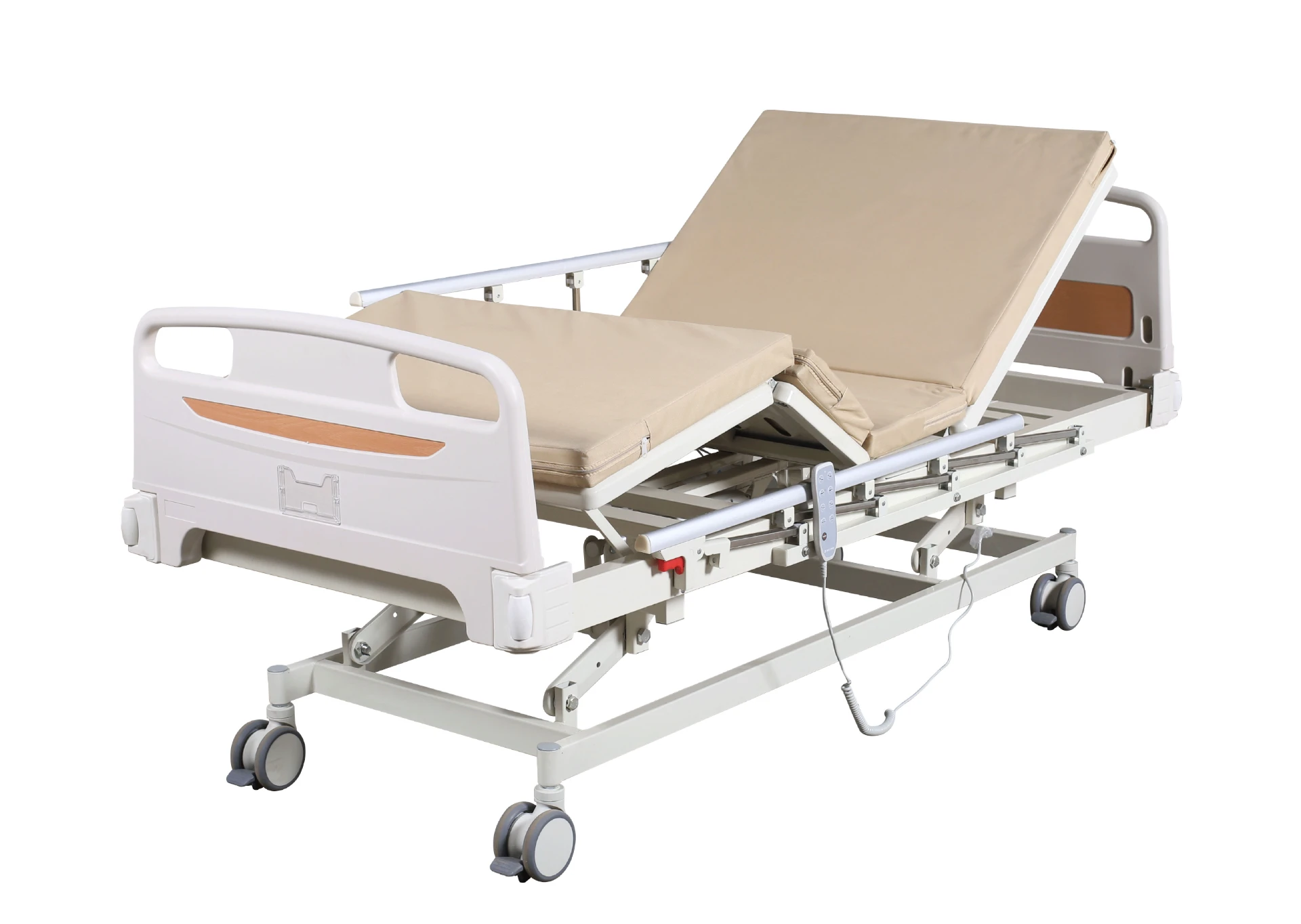
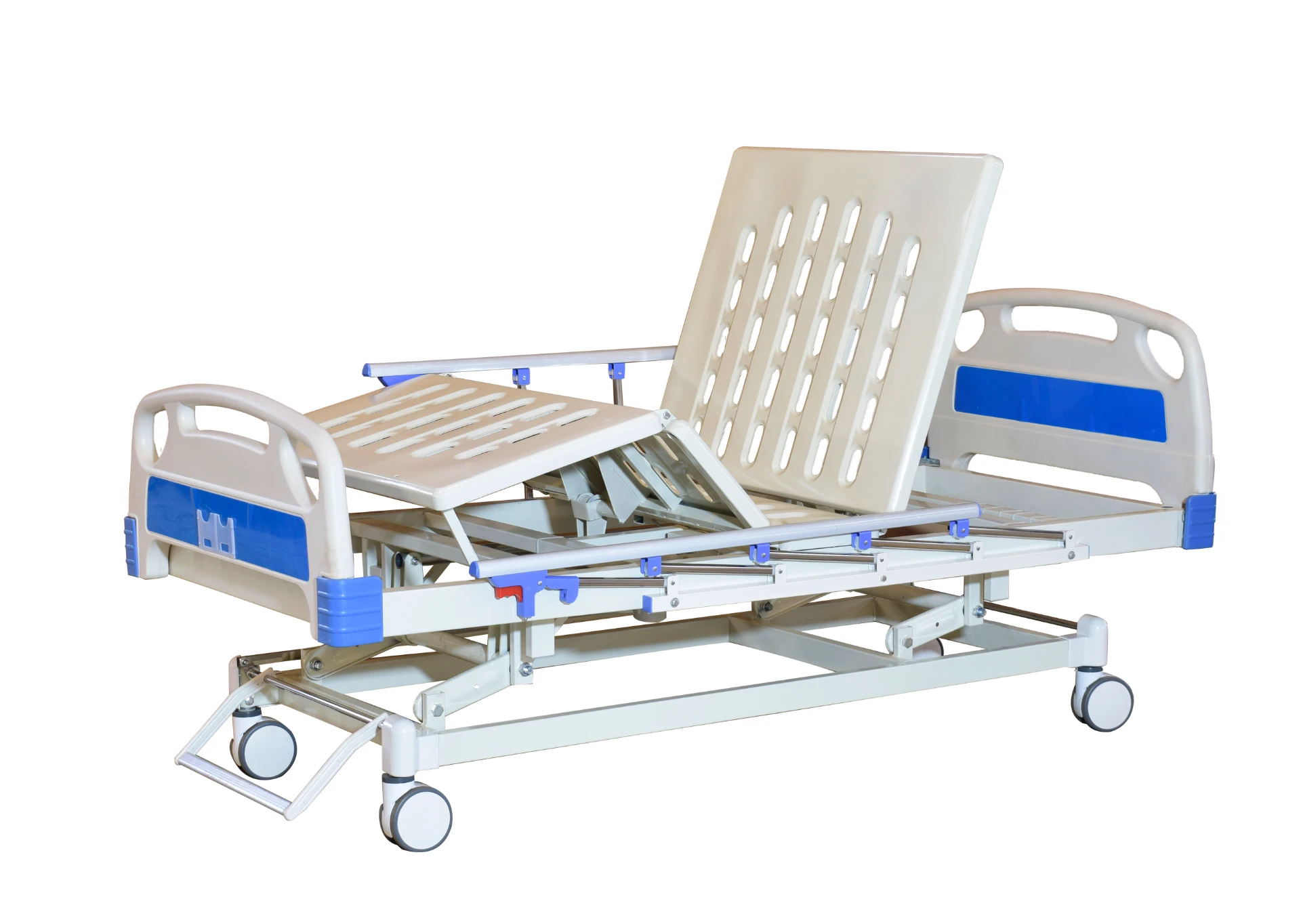
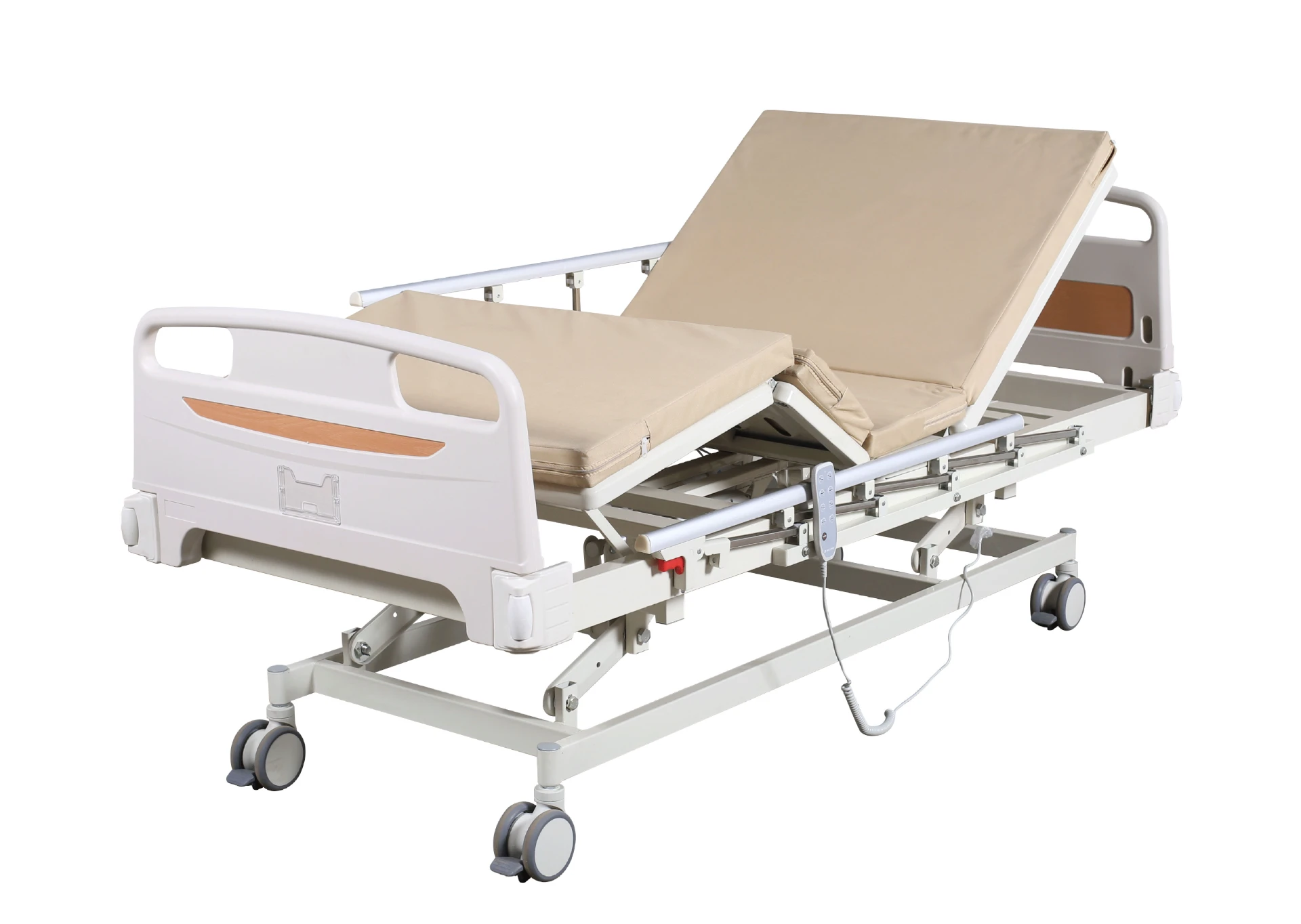
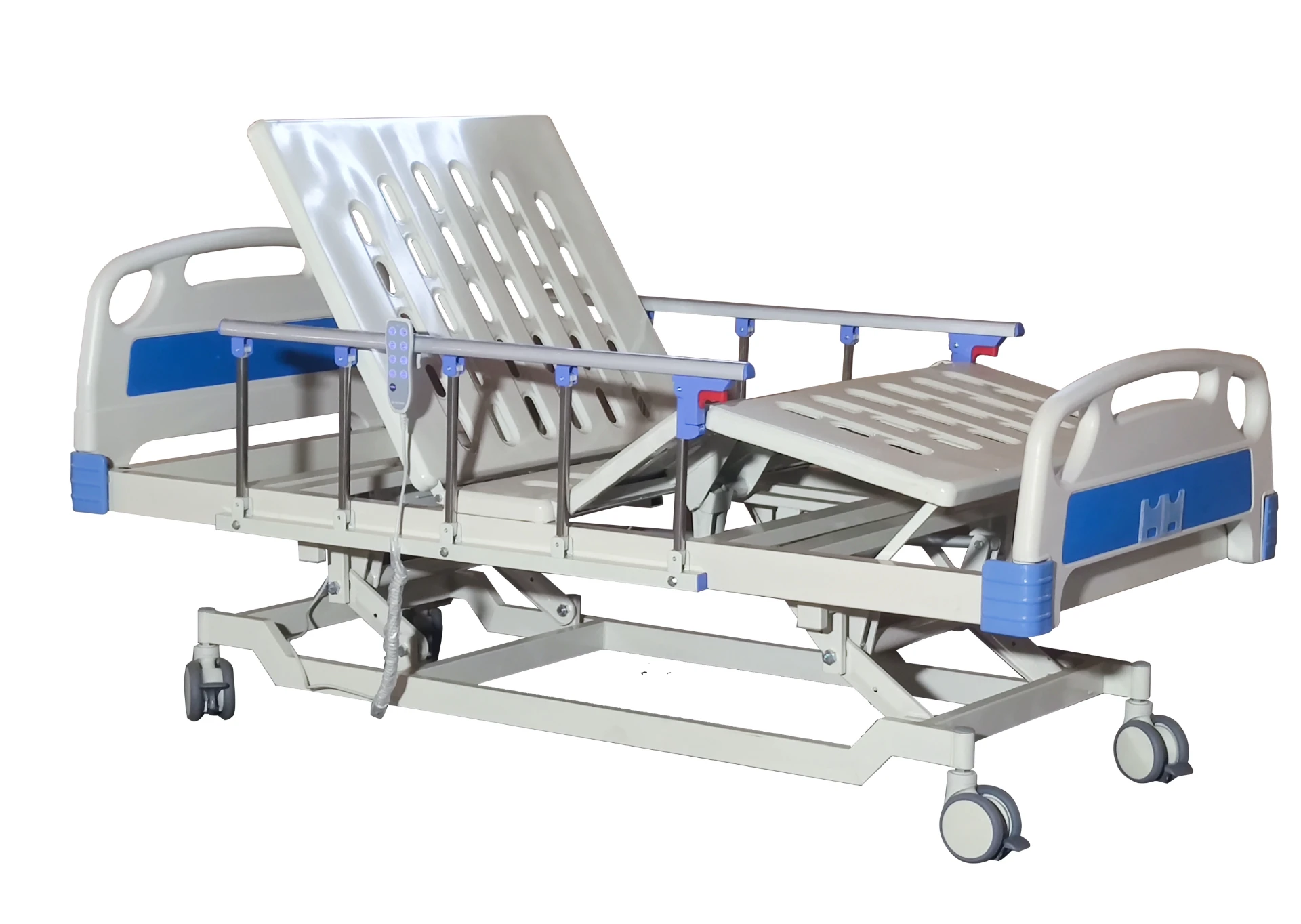
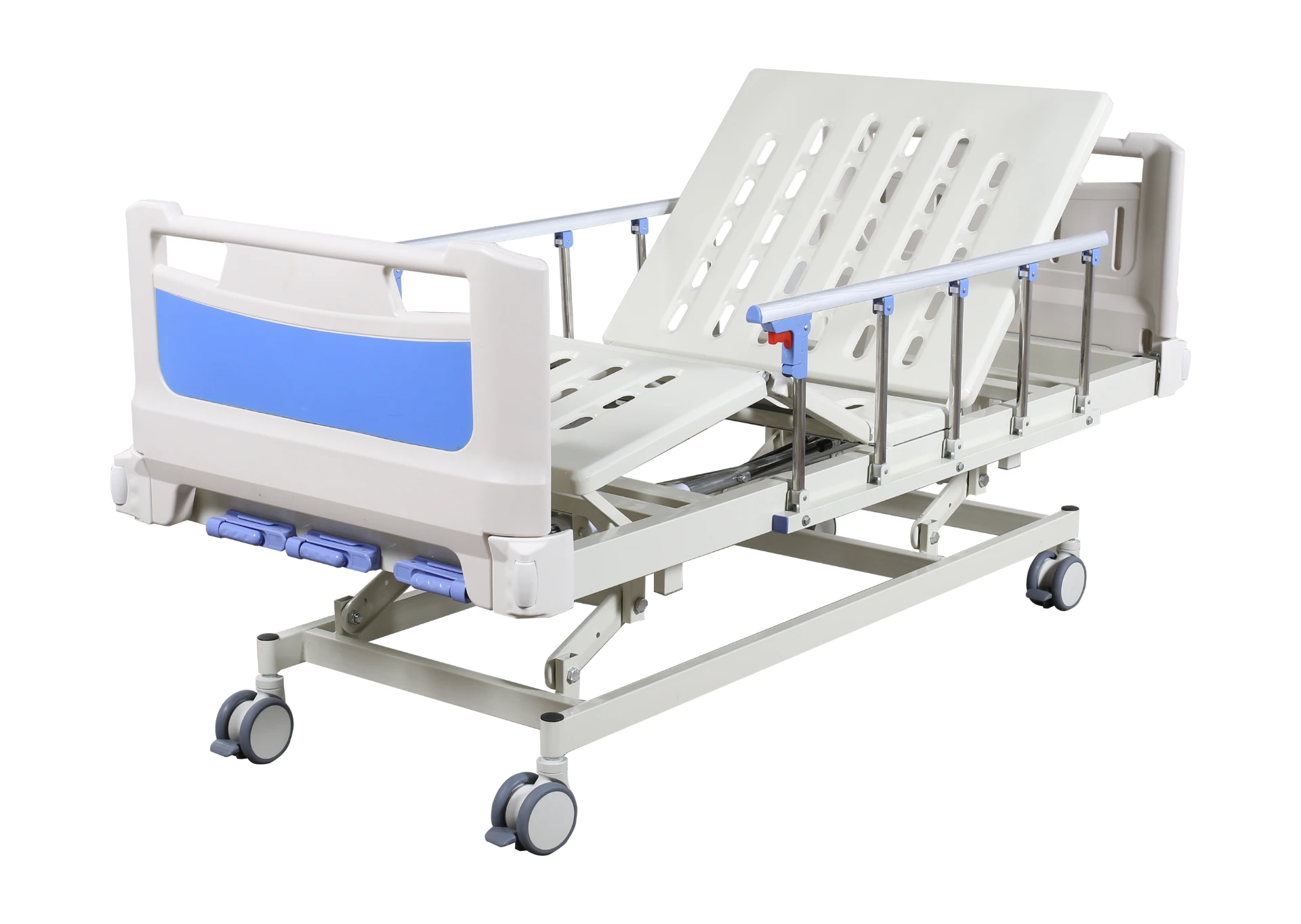
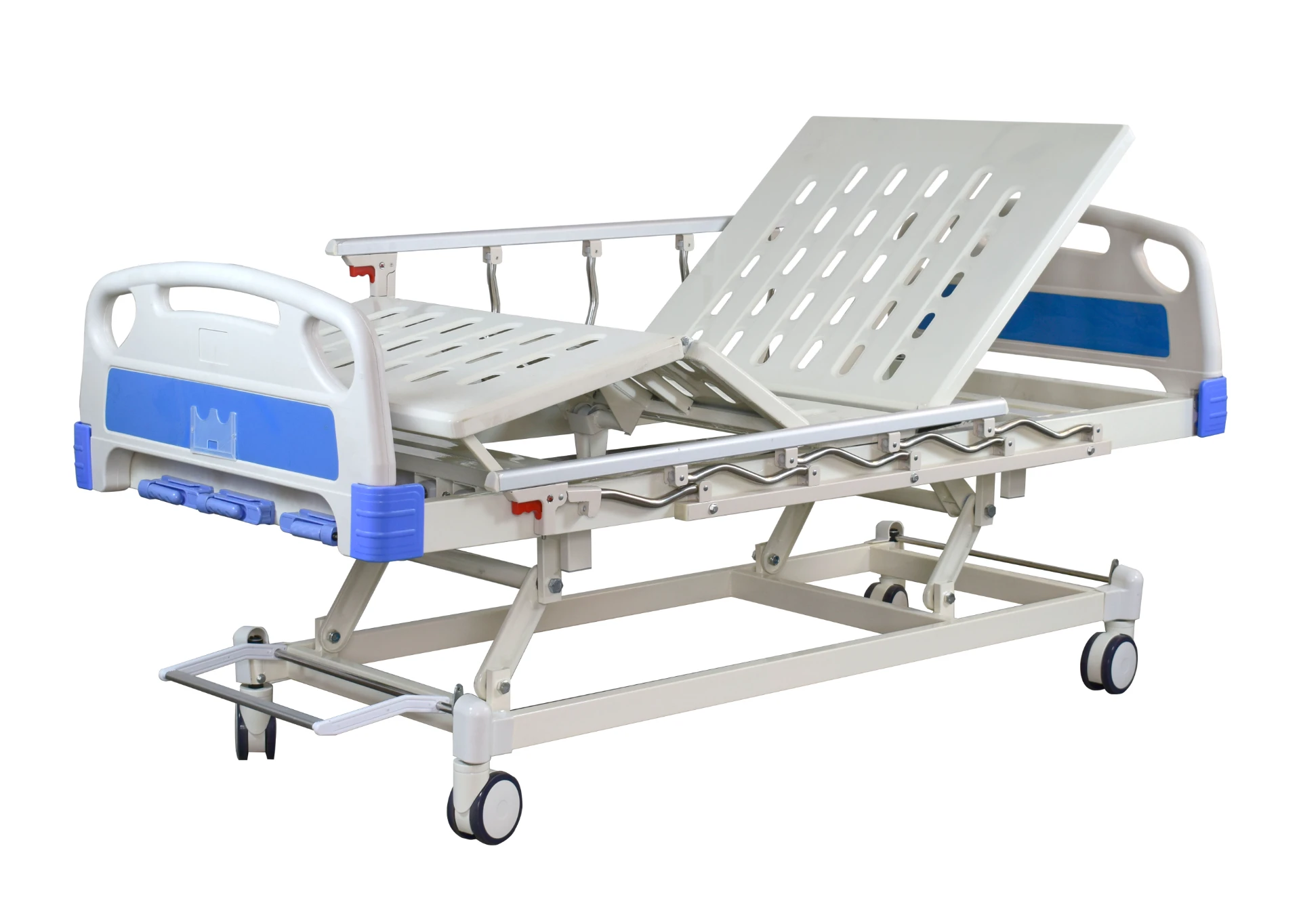
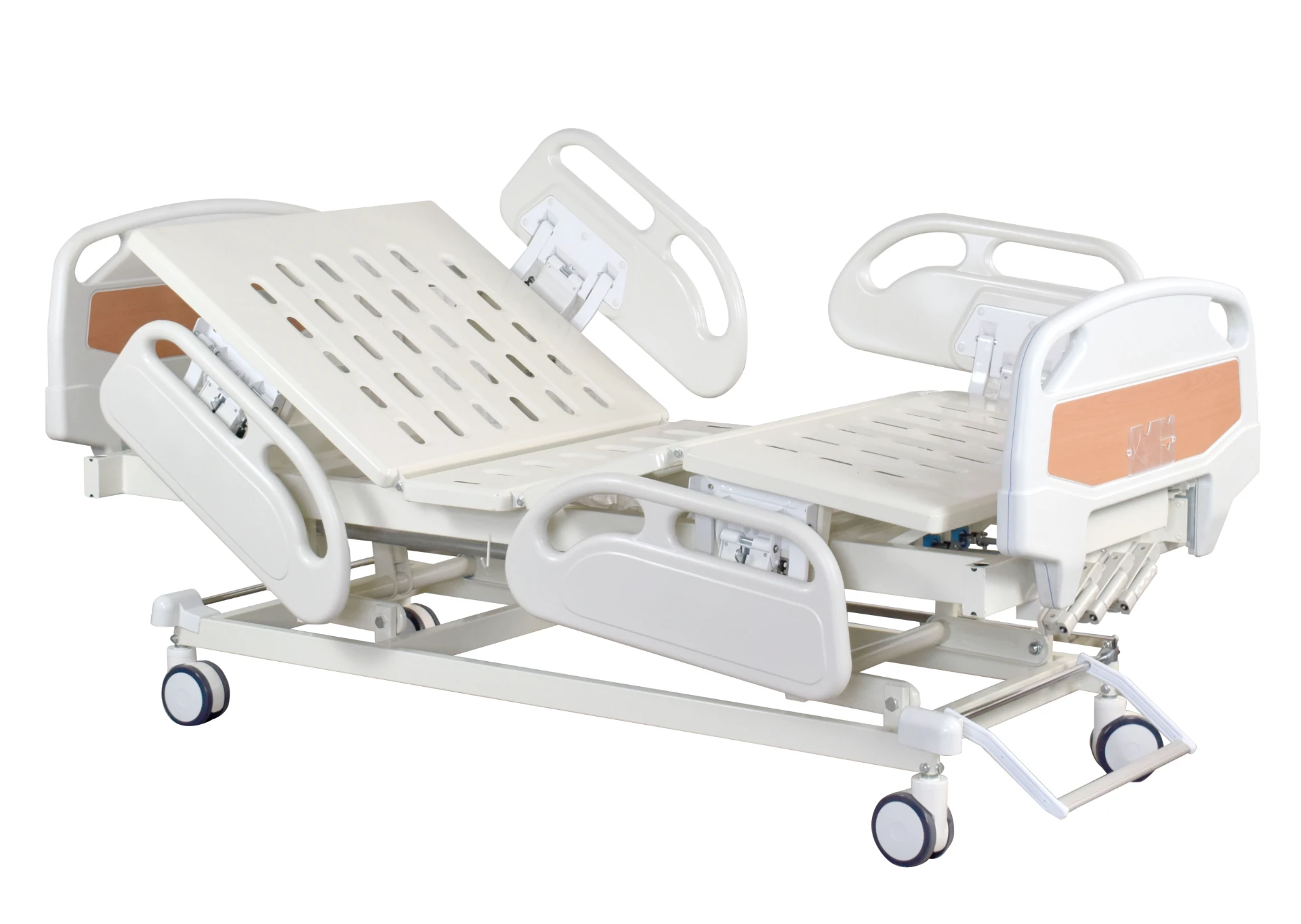
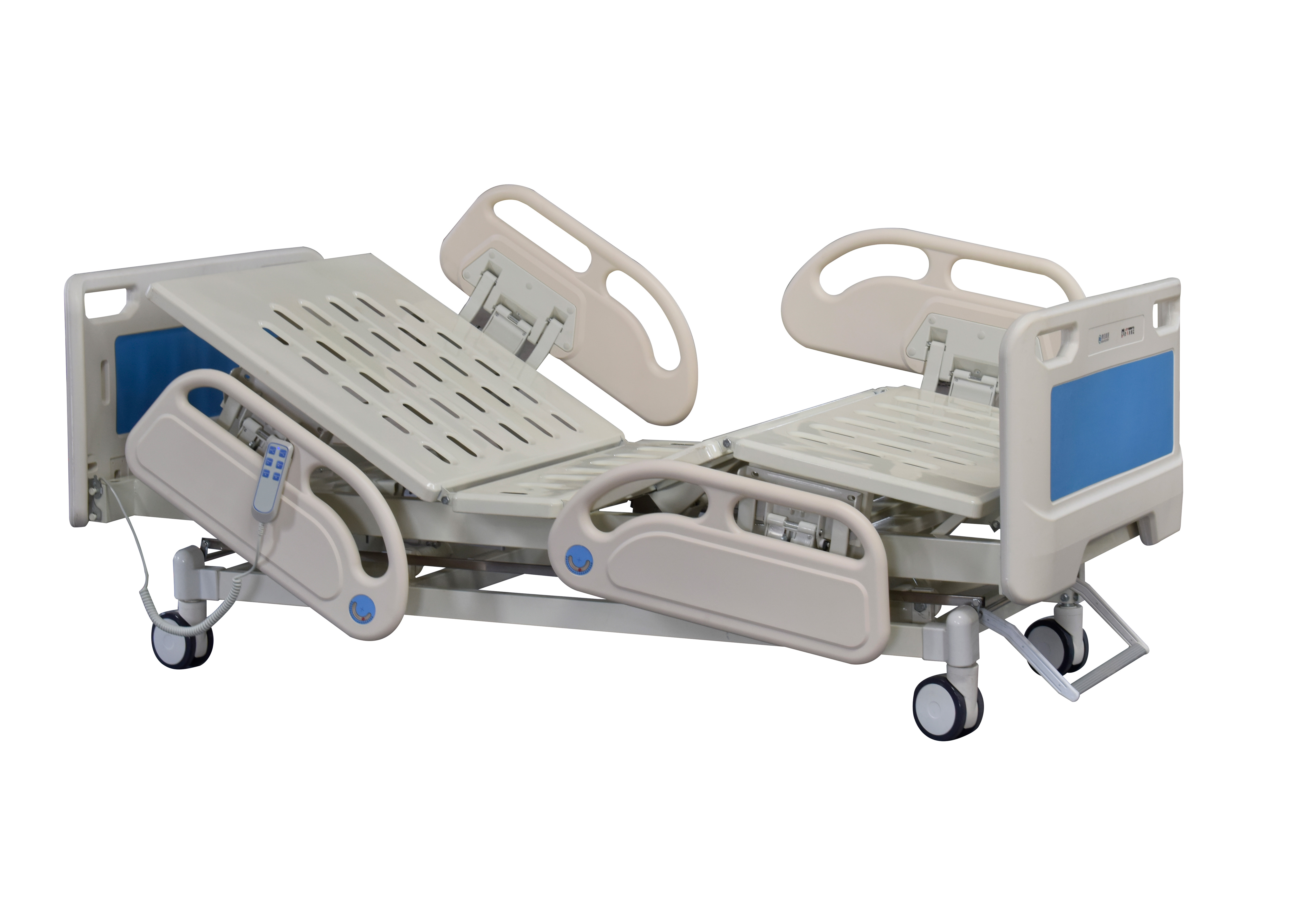
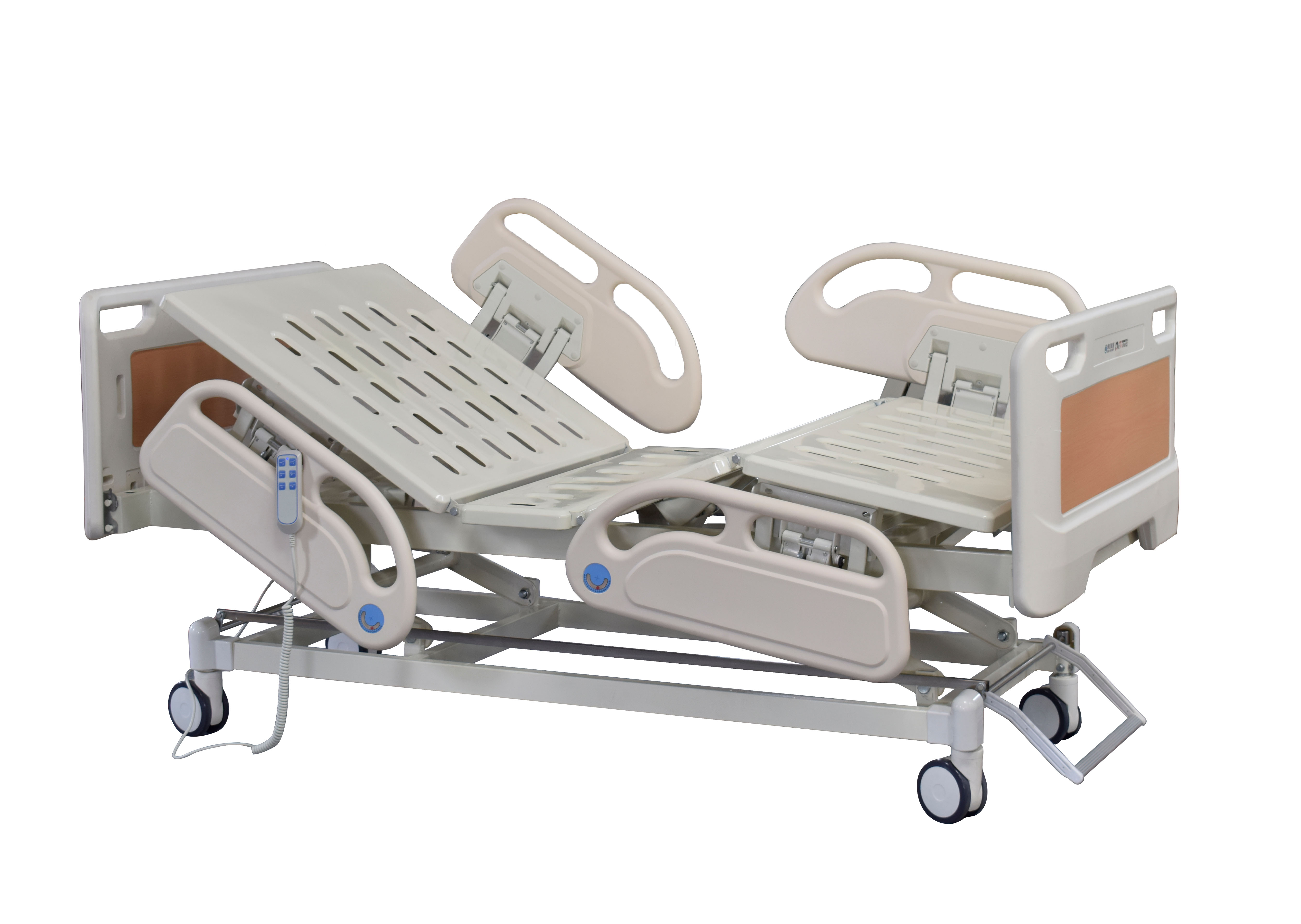
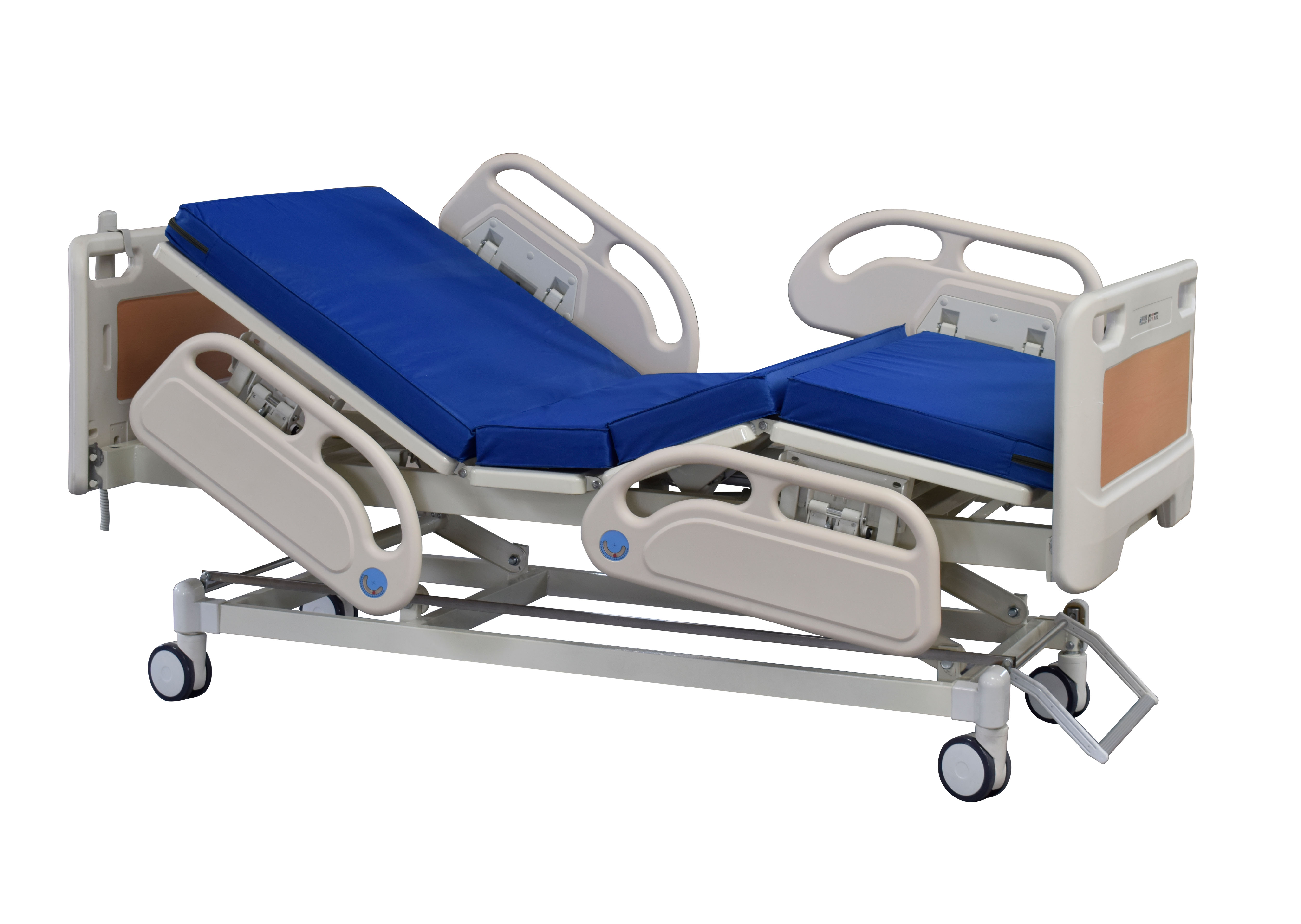
If you’re weighing options for a homecare bed (and I’ve toured more factories than I can count), the “Hospital bed electric hospital patient bed turkey hot sale” — the 3-function EIII-05 — keeps coming up in conversations with procurement teams and rehab clinics. It’s built in Kaiyuan Road, Jizhou Economic Development Zone, Jizhou District, Hengshui City, and, to be honest, the finishing quality has surprised a few seasoned buyers I know.
Industry Trends: Quiet Motors, Fall Prevention, and Home-First Care
Aging-in-place is not a buzzword anymore; it’s the operating model. In fact, remote monitoring and safer transfers are now table stakes. Buyers ask for low-noise DC actuators (IPX4+), intuitive remotes, and rails that meet entrapment guidance. Height adjustability for caregiver ergonomics is non-negotiable. Hospitals still buy, sure, but home agencies and DME dealers are driving spec sheets — which is why a solid, mid-tier homecare bed with dependable electronics is winning tenders in Turkey, the EU, and MENA.
Key Specs at a Glance (EIII-05)
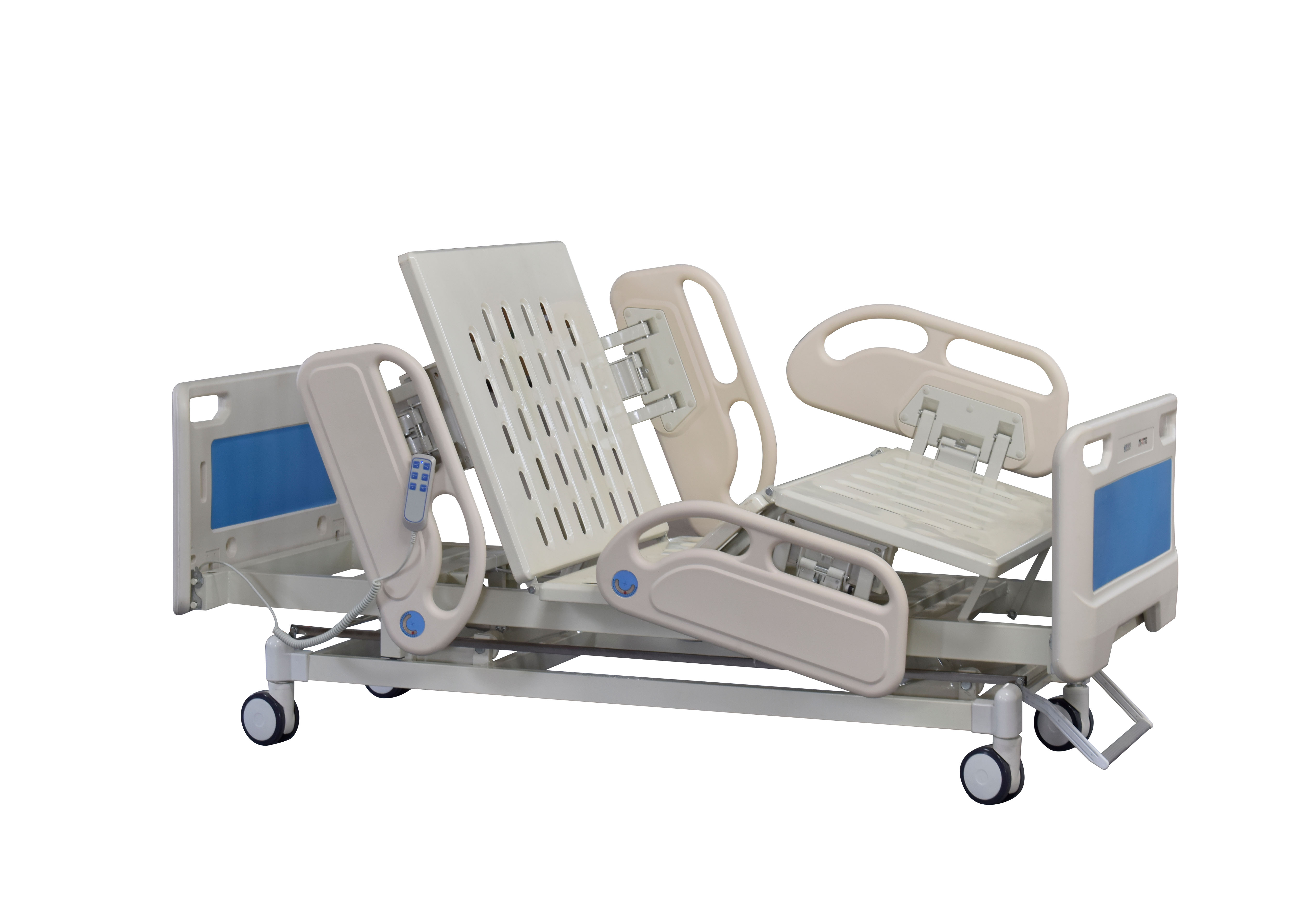
| Functions | 3-function electric: backrest, knee, height |
| Angle/Travel | Backrest ≈0–75°; Knee ≈0–35°; Height ≈450–750 mm (real-world use may vary) |
| Safe Working Load | ≈ 250 kg (static tested to higher loads in QA) |
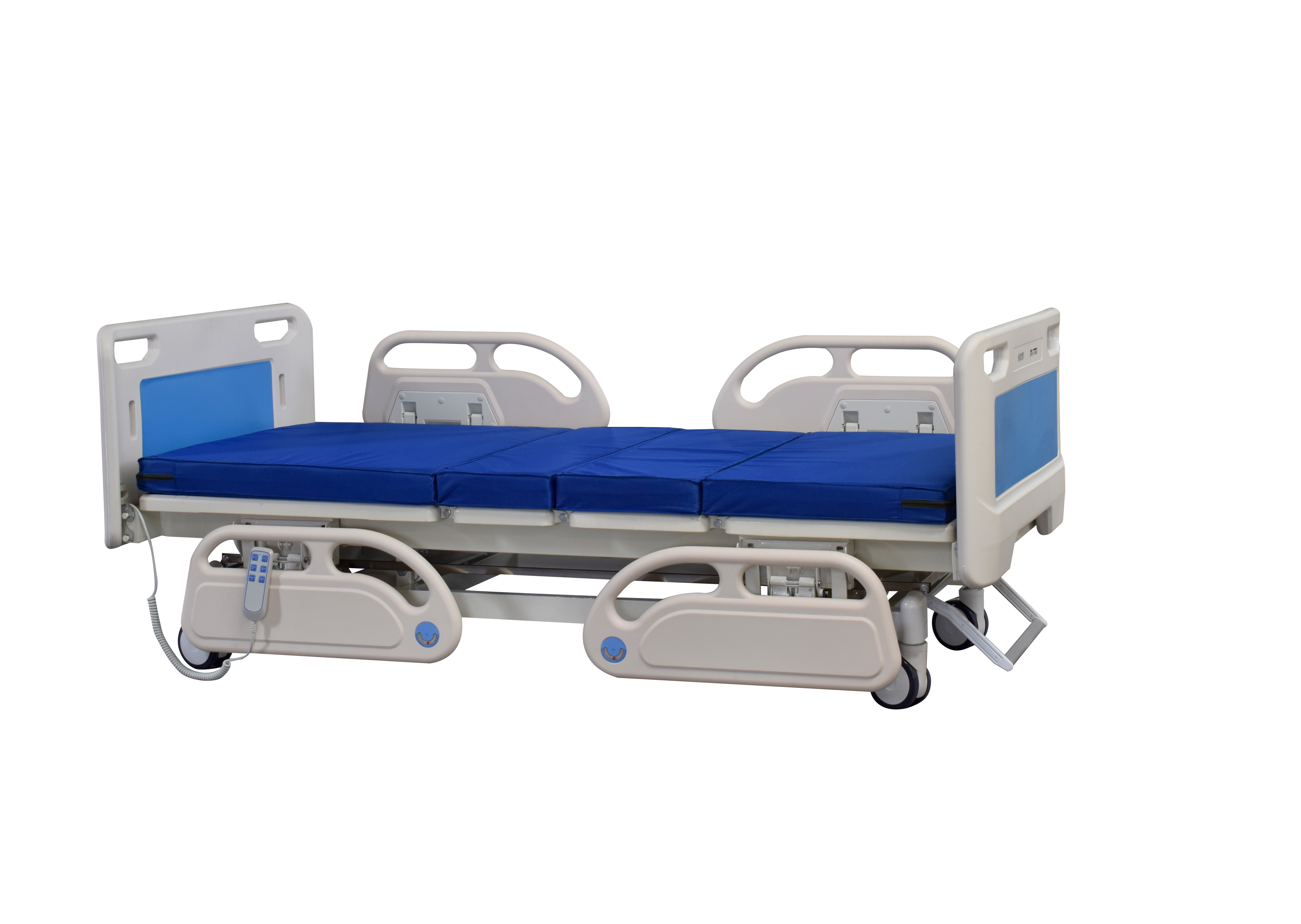
| Frame & Rails | Q235 steel chassis; PP/ABS head-foot boards; 4-section PP side rails |
| Actuators | DC linear actuators, IPX4; noise ≈ ≤50 dB under rated load |
| Casters | Ø125 mm, central lock |
| Electrical Safety | Designed to IEC 60601-2-52 intent; EMC compliant |
How It’s Built: Materials, Methods, and Tests
The production flow is fairly disciplined: laser-cut Q235 steel → robotic welding → phosphating → powder coat (≈70±10 μm) → assembly → 100% functional test. Plastic parts are ABS/PP with rounded edges; the handset is sealed for splash resistance. QA runs actuator cycle tests (≈10,000 cycles at 200 kg), salt-spray on coated parts (≈72 h), and grounding/insulation checks per medical electrical norms. Expected service life? Around 8–10 years with annual maintenance, say distributors I trust.
Where It Fits: Real-World Scenarios
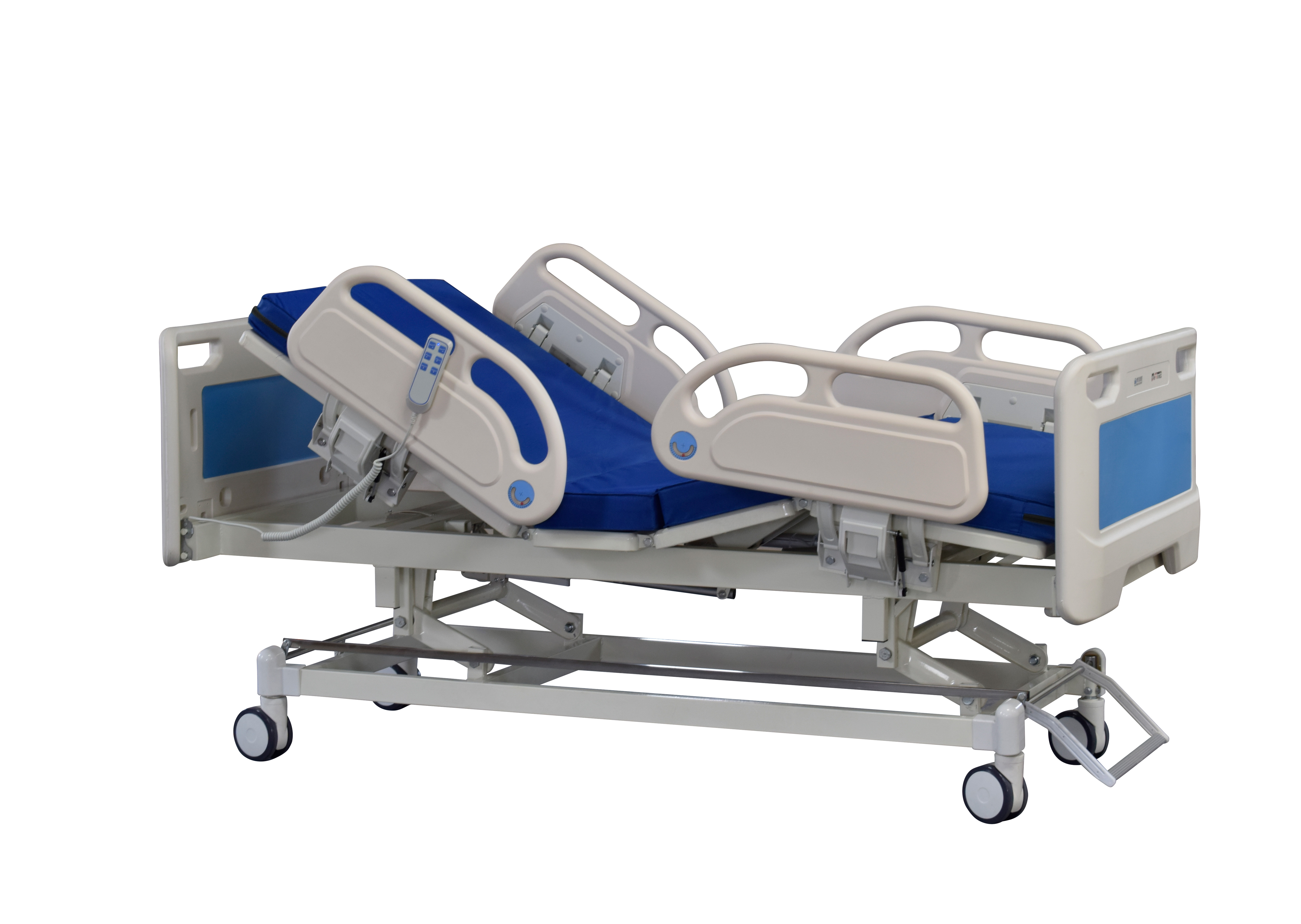
- Home rehab post-orthopedic surgery (height adjust saves caregiver backs).
- Long-term elder care with moderate mobility support.
- Step-down wards and private clinics needing a reliable homecare bed footprint.
- NGO community programs—cost-effective, yet compliant components.
Quick case: a homecare agency in Izmir rolled out 40 units last spring; unplanned service calls dropped by ~22% versus their previous fleet, largely due to easier caster locks and clearer handsets, according to the ops manager. Not a randomized trial, but it tracks with what many customers say.
Vendor Snapshot: How This Stacks Up
| Vendor | Certs | Lead Time | Warranty | Notes |
|---|---|---|---|---|
| Boxin (Hengshui) | ISO 13485, ISO 9001, CE (MDR) | ≈ 20–35 days | ≈ 2 years on motors | Good cost/performance; stable QC |
| Generic Importer | Varies; CE self-declared | ≈ 30–50 days | 1 year typical | Lower price; mixed after-sales |
| Local Assembler | National regs | ≈ 10–20 days | 1–2 years | Fast parts, variable component quality |
Customization & Feedback
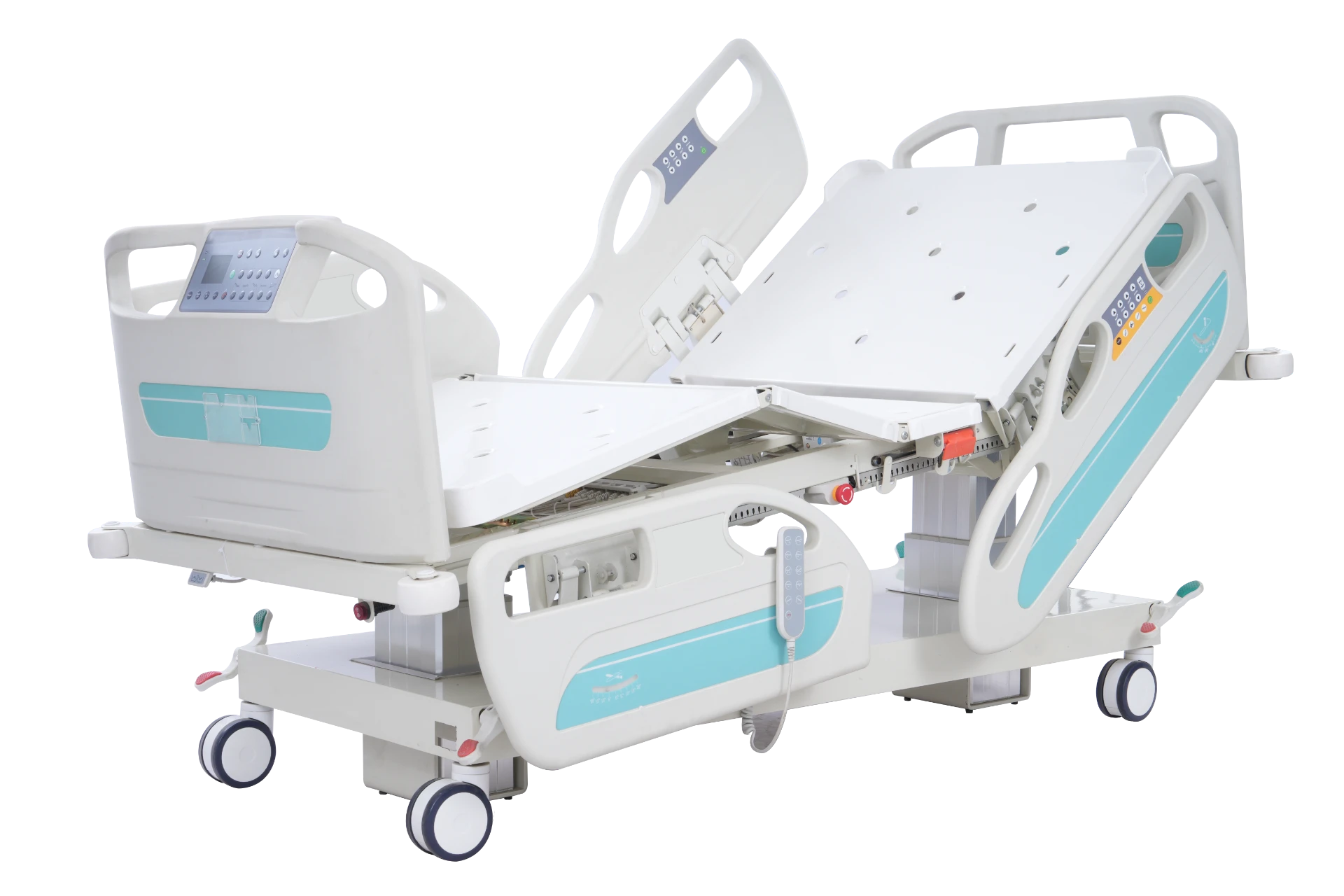
Options I’ve seen: battery backup, different mattress grades (fire-retardant foam, air), integrated IV pole, nurse control, length extensions, and rail styles. Many customers say the central lock casters and PP rails hit the sweet spot between safety and weight.
Compliance, Safety, and What to Ask
Ask for test reports aligned with IEC 60601-2-52 (medical beds), and a quality system certificate (ISO 13485). For entrapment risk, verify dimensional assessments against FDA guidance. Also check service life assumptions and spare-part SLAs — it seems basic, but it saves headaches later.
Citations
- IEC 60601-2-52:2010+AMD1:2015 Medical electrical equipment — Particular requirements for basic safety and essential performance of medical beds
- ISO 13485:2016 Medical devices — Quality management systems — Requirements for regulatory purposes
- FDA: Hospital Bed System Dimensional and Assessment Guidance to Reduce Entrapment
-
Ultimate Guide to Choosing Extra Wide Waiting Room ChairsNewsApr.16,2026
-
Guide to Choosing Professional Waiting Room Chairs Wipeable SeatingNewsApr.09,2026
-
Enhance Your Space with Comfortable Wide Waiting Room ChairsNewsApr.07,2026
-
Selecting the Ideal Brown Waiting Room Chairs for a Welcoming SpaceNewsApr.04,2026
-
Choosing Comfortable Patient Waiting Room Chairs for Healthcare FacilitiesNewsMar.31,2026
-
Finding the Best Deals on Affordable and Cheap Reception Chairs for Your BusinessNewsMar.28,2026
-
Enhance Your Business Reception with Comfortable Blue Reception ChairsNewsMar.26,2026