Welcome to our websites!


Home Commode & Stool: Narrow, Removable, & Comfortable
The Evolution and Engineering of Modern Commode Solutions
In the continuum of healthcare and assistive technology, the home commode stands as a foundational yet increasingly sophisticated device. Far from its rudimentary predecessors, modern commode solutions integrate advanced ergonomics, material science, and design principles to enhance user dignity, safety, and hygiene. This comprehensive overview delves into the technical facets, market dynamics, and operational advantages of contemporary commodes, positioning them not just as essential aids but as products of precision engineering in the B2B medical supply chain. Our focus extends to the rigorous manufacturing processes and the critical considerations for procurers seeking reliable and high-performance solutions for diverse care environments, from home settings to institutional facilities.
Industry Trends in Assistive Sanitation Technology
The market for assistive sanitation devices is undergoing significant transformation, driven by an aging global population, increased demand for home healthcare, and technological advancements. Key trends influencing the development and procurement of the home commode include:
- Ergonomic Design & User Comfort: A shift towards designs that minimize strain on both users and caregivers, incorporating adjustable heights, padded seating, and intuitive controls.
- Hygiene & Infection Control: Emphasis on materials and designs that facilitate easy cleaning and resist bacterial growth, crucial for both home and clinical settings.
- Portability & Adaptability: Growing popularity of features like a narrow commode for small spaces, or a removable commode bucket for easier waste disposal, and overall lightweight construction for improved mobility.
- Material Innovation: Utilization of advanced plastics, aluminum alloys, and stainless steel for enhanced durability, corrosion resistance, and reduced weight.
- Integration with Smart Home & Health Systems: Emerging trends include features that could monitor usage patterns or integrate with broader home healthcare ecosystems, though this is still nascent for basic commodes.
- Sustainability: Manufacturers are increasingly focusing on recyclable materials and energy-efficient production processes.
These trends reflect a mature market's response to evolving user needs and the imperative for high-quality, reliable medical equipment.
Technical Specifications and Material Science
The robust construction and long service life of a high-quality home commode stem from meticulous material selection and precision manufacturing. Key components typically include frames, seating surfaces, and waste receptacles, each requiring specific properties.
Product Materials: Modern commodes frequently employ lightweight yet strong materials such as aircraft-grade aluminum alloys (e.g., 6061-T6 for frames due to its strength-to-weight ratio and corrosion resistance), reinforced medical-grade plastics (e.g., ABS, polypropylene for seats and buckets due to hygiene and ease of cleaning), and stainless steel for critical fasteners and structural joints. These materials ensure a high load capacity while maintaining portability and resisting corrosion in high-humidity environments.
Manufacturing Processes: The production of a durable commode stool involves several sophisticated B2B manufacturing techniques to achieve precision and structural integrity.
- Tube Bending & Welding: For aluminum or steel frames, automated CNC tube bending ensures consistent geometries, followed by TIG or MIG welding for strong, clean joints.
- Injection Molding: Plastic components like seats, backrests, and buckets are typically manufactured using high-pressure injection molding for consistency, smooth finishes, and embedded anti-microbial properties where specified.
- CNC Machining: Critical connectors, hinges, and height adjustment mechanisms often undergo CNC machining to tight tolerances, ensuring smooth operation and long-term reliability.
- Surface Treatments: Anodization for aluminum frames enhances corrosion resistance and aesthetics, while powder coating provides a durable, chip-resistant finish for steel components.
Key Technical Parameters of a Standard Home Commode
| Parameter | Typical Specification | Measurement Unit |
|---|---|---|
| Frame Material | Anodized Aluminum / Powder-Coated Steel | N/A |
| Seat Material | Medical-Grade ABS / Polypropylene | N/A |
| Weight Capacity | 136 - 227 (300 - 500 lbs) | kg |
| Adjustable Height Range | 45 - 60 (17.7 - 23.6 inches) | cm |
| Overall Width (Max) | 52 - 60 (20.5 - 23.6 inches) | cm |
| Product Weight | 4 - 8 (8.8 - 17.6 lbs) | kg |
| Bucket Volume | 5 - 7 (1.3 - 1.8 gallons) | Liters |
| Regulatory Compliance | ISO 13485, CE, FDA (where applicable) | N/A |
Testing Standards & Service Life: All medical devices, including the home commode, are subject to stringent quality and safety standards. ISO 13485 certification ensures a robust quality management system for medical device manufacturers. Products typically undergo stability testing (e.g., static load and cyclic load tests per ANSI/BIFMA X5.1 for seating), corrosion resistance tests (salt spray testing), and material biocompatibility assessments. A well-engineered commode, properly maintained, is expected to have a service life of 5-10 years in typical home or institutional settings, far exceeding lower-quality alternatives.
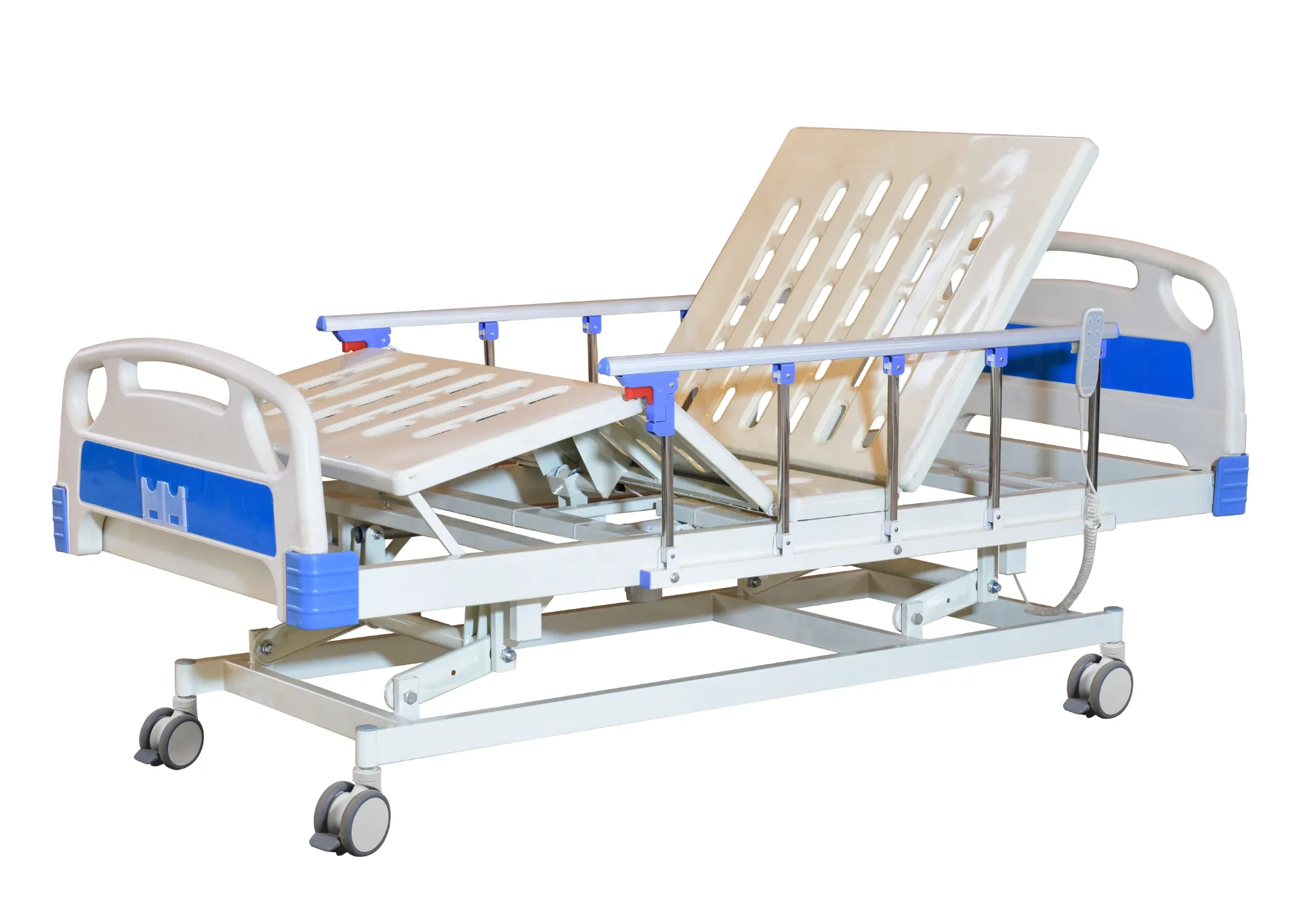
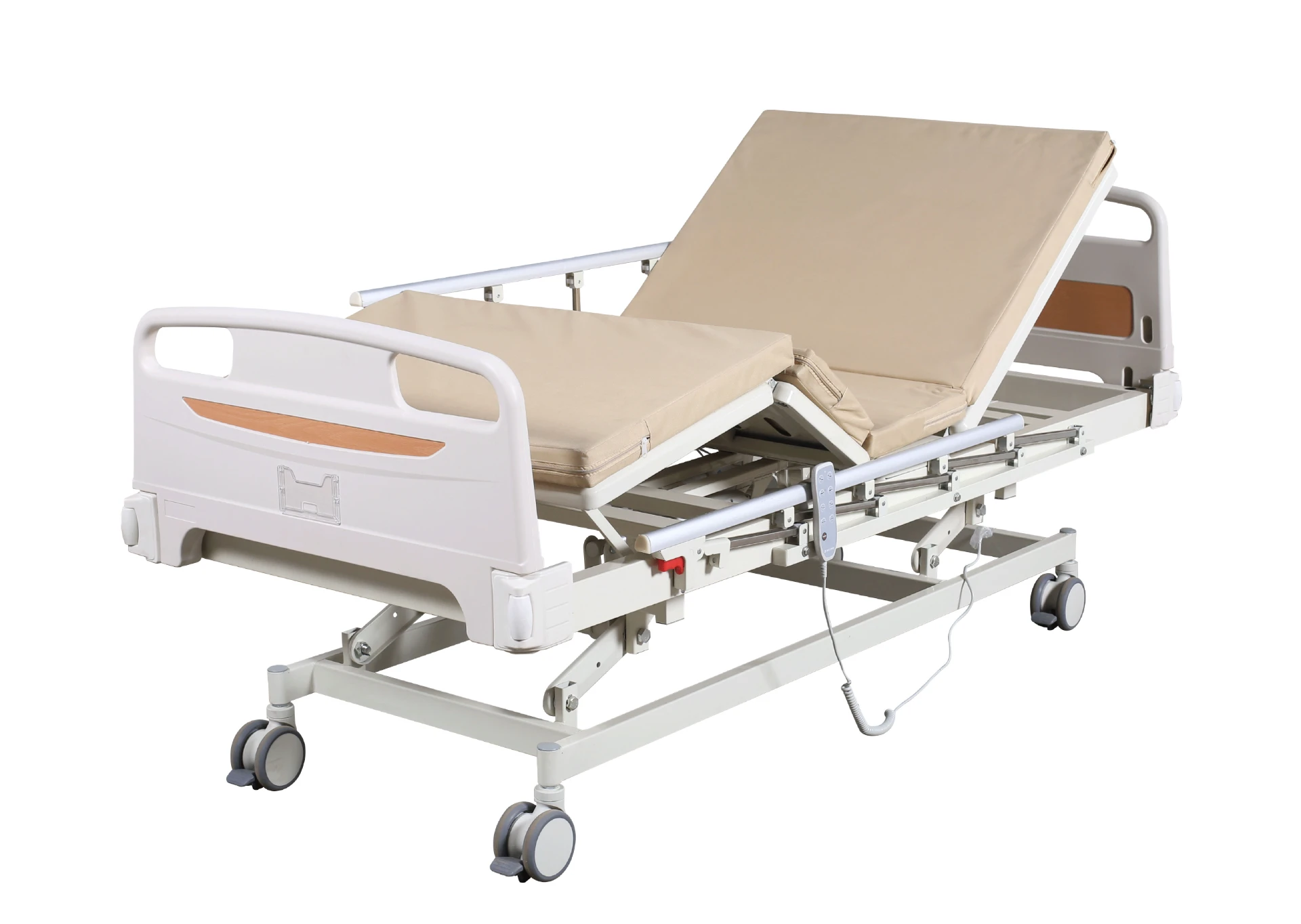
Image 1: Ergonomic design features of a modern home commode, focusing on user accessibility.
Manufacturing Process Flow for a High-Quality Home Commode
The production of an advanced home commode follows a structured process to ensure consistent quality, durability, and compliance with medical device standards. This systematic approach mirrors the precision found in industrial manufacturing, adapting it for healthcare applications.
1. Material Procurement & Inspection
Sourcing certified aluminum alloys, medical-grade plastics, and stainless steel fasteners. Incoming materials undergo chemical and mechanical property verification (e.g., tensile strength, hardness, purity).
2. Frame Fabrication
CNC tube bending shapes aluminum/steel profiles. Precision cutting and robotic welding (TIG/MIG) ensure structural integrity. Followed by deburring and surface preparation.
3. Component Molding & Machining
Injection molding for seats, backrests, and buckets. CNC machining for critical adjustable mechanisms and joint components, ensuring tight tolerances and smooth function.
4. Surface Treatment & Finishing
Anodization for aluminum or powder coating for steel frames to enhance corrosion resistance, durability, and aesthetic appeal. Ensures compliance with ISO 2819 for metallic coatings.
5. Assembly & Quality Control
Sub-assembly and final assembly, including fastener torque checks. Comprehensive functional testing (e.g., height adjustment, stability, weight bearing) and visual inspection.
6. Packaging & Sterilization Prep
Cleaning, labeling, and packaging according to regulatory guidelines. For certain medical environments, specific sterilization or disinfection protocols are followed prior to shipment.
Target Application Settings: While "home commode" refers to domestic use, the advanced manufacturing and material science discussed enable these devices to excel in more demanding settings such as long-term care facilities, rehabilitation centers, and hospitals.
- Home Healthcare: Providing independence and safety for individuals with mobility challenges.
- Geriatric Care: Essential in nursing homes and assisted living facilities, demanding high durability and ease of maintenance.
- Rehabilitation Centers: Used in therapy contexts where adaptability and robust construction are key.
- Acute Care Facilities: Supplementing in-room facilities, especially for patients with specific mobility restrictions, often alongside equipment like a motorised icu bed or mobile crash cart for comprehensive patient management.
Demonstrated Advantages: The rigorous manufacturing process translates into tangible benefits:
- Superior Corrosion Resistance: Anodized aluminum and powder-coated steel resist rust and degradation in humid environments, common in bathrooms.
- Enhanced Structural Integrity: Precision welding and CNC machined components ensure high weight capacities and extended operational life, far beyond typical consumer-grade products.
- Hygienic Design: Smooth surfaces from injection molding and advanced materials facilitate thorough cleaning, minimizing infection risks.
- Durability for Intensive Use: Meets the demands of frequent use in institutional settings, demonstrating longevity akin to robust industrial equipment.
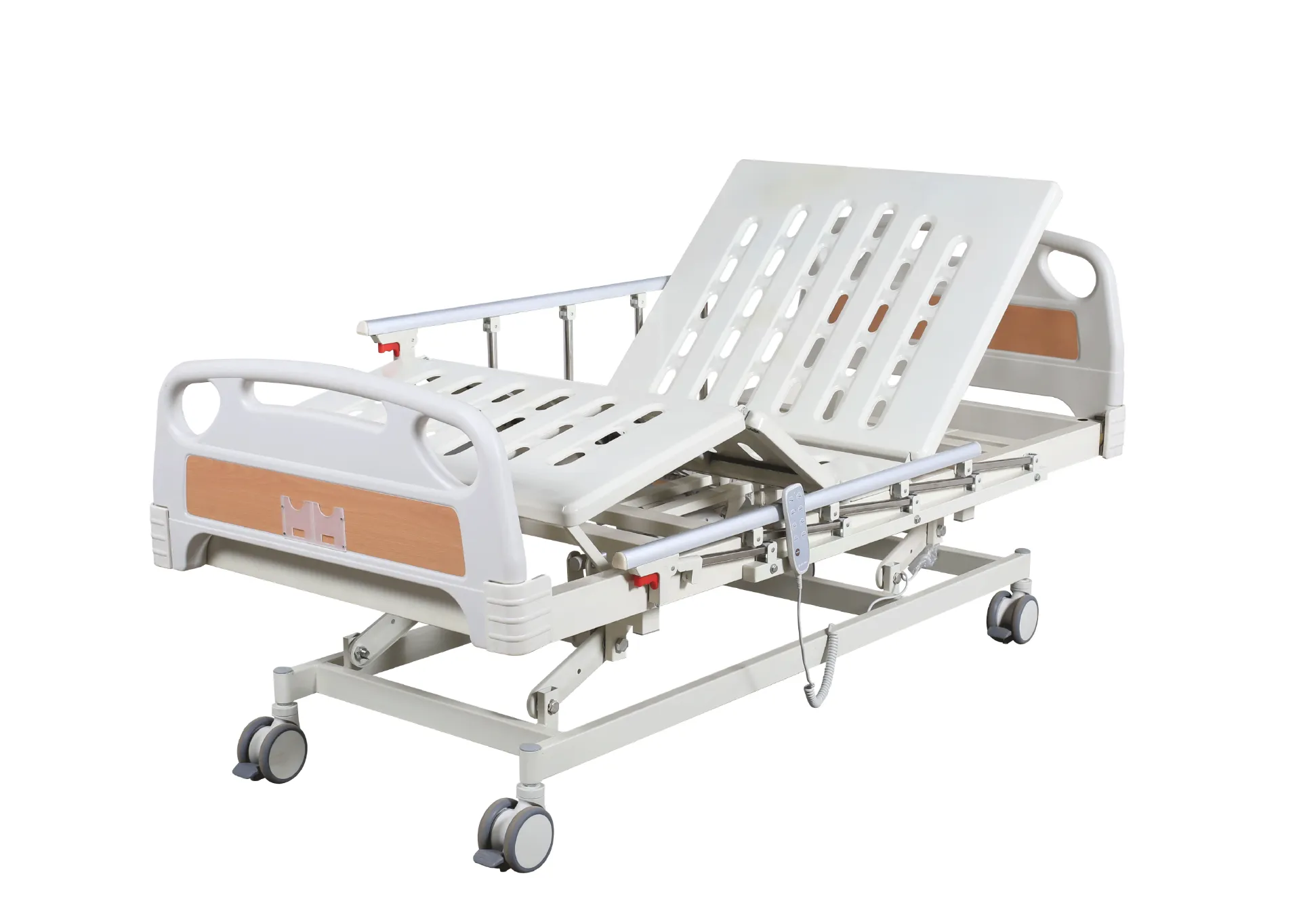
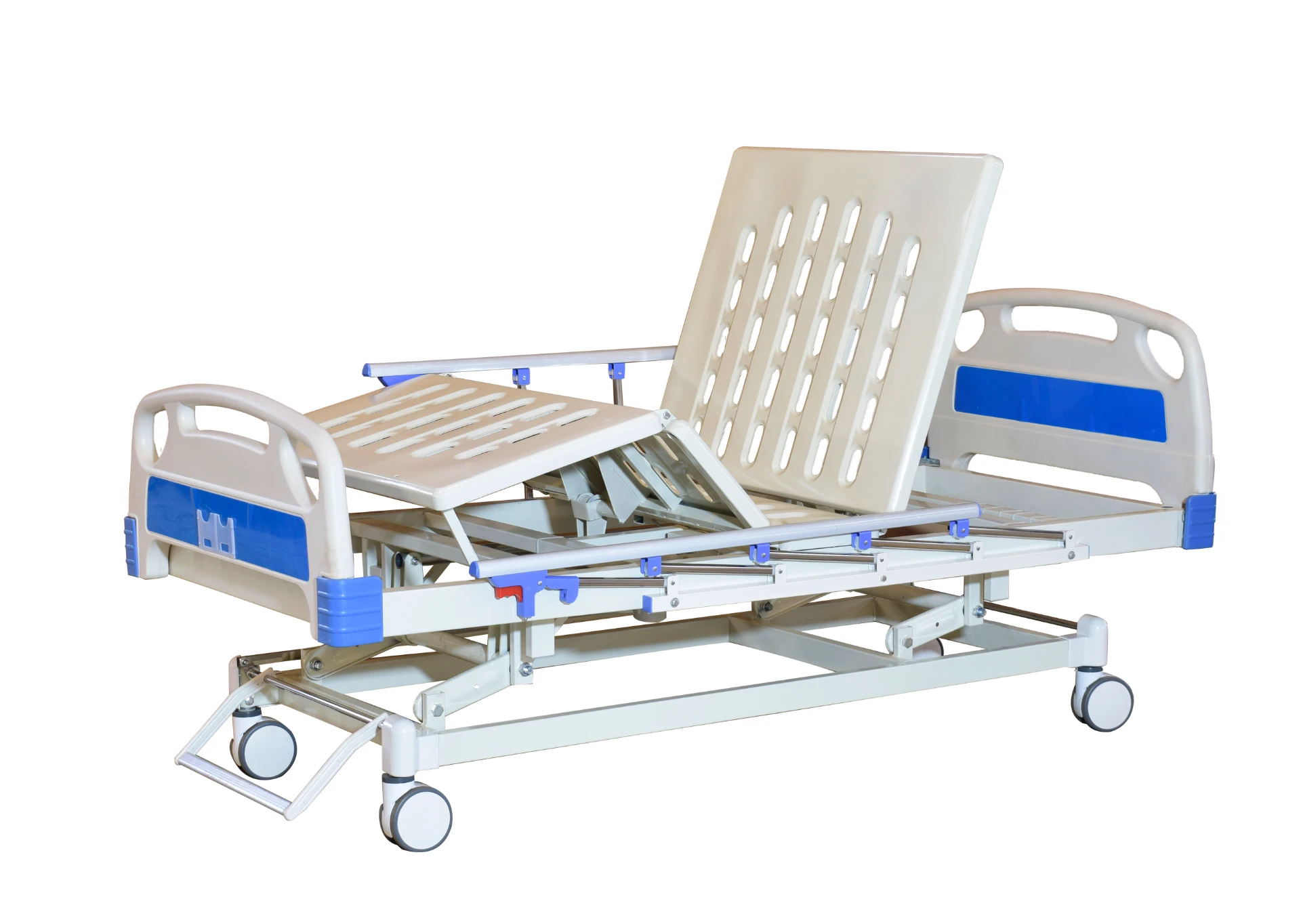
Image 2: Focus on material quality and structural robustness of the home commode frame.
Application Scenarios and Technical Advantages
The versatility of a well-designed home commode extends across various patient care and mobility assistance contexts, providing critical support where traditional facilities are inaccessible or insufficient.
- Bedroom Use for Nocturnal Needs: Eliminates the hazardous transfer to a distant bathroom, especially crucial for elderly or post-operative patients. The quiet operation and stable design contribute to patient peace of mind.
- Shower and Bathing Aid: Many modern commodes are designed for dual-purpose use, featuring waterproof materials and non-slip feet, allowing them to function as a shower chair, enhancing hygiene and safety.
- Travel and Temporary Residence: Foldable and lightweight models make it feasible for patients to maintain independence while traveling or staying in locations without suitable facilities.
- Post-Surgical Recovery: During recuperation from hip or knee surgery, a commode provides safe and easy access to sanitation, minimizing falls and strain on healing areas.
Technical Advantages:
- Optimized Ergonomics: Features like height-adjustable legs, contoured seats, and robust armrests are engineered to support natural body mechanics, reducing caregiver strain and patient discomfort during transfers.
- Enhanced Stability: Wide base footprints, non-slip rubber ferrules, and high-tensile strength frame materials prevent tipping and ensure security during use, even for bariatric patients (with appropriate capacity models).
- Superior Hygiene Management: Smooth, non-porous surfaces and detachable components, often with anti-microbial coatings, facilitate thorough disinfection. Sealed designs minimize crevices where pathogens could harbor.
- Durability & Longevity: Adherence to B2B manufacturing principles ensures these devices withstand repeated sterilization, heavy loads, and prolonged exposure to moisture without significant material degradation or structural failure.
- Modular Design: Many models offer interchangeable components (e.g., padded seats, backrests, splash guards) allowing for customization and easy replacement of worn parts, extending product lifecycle and reducing total cost of ownership.
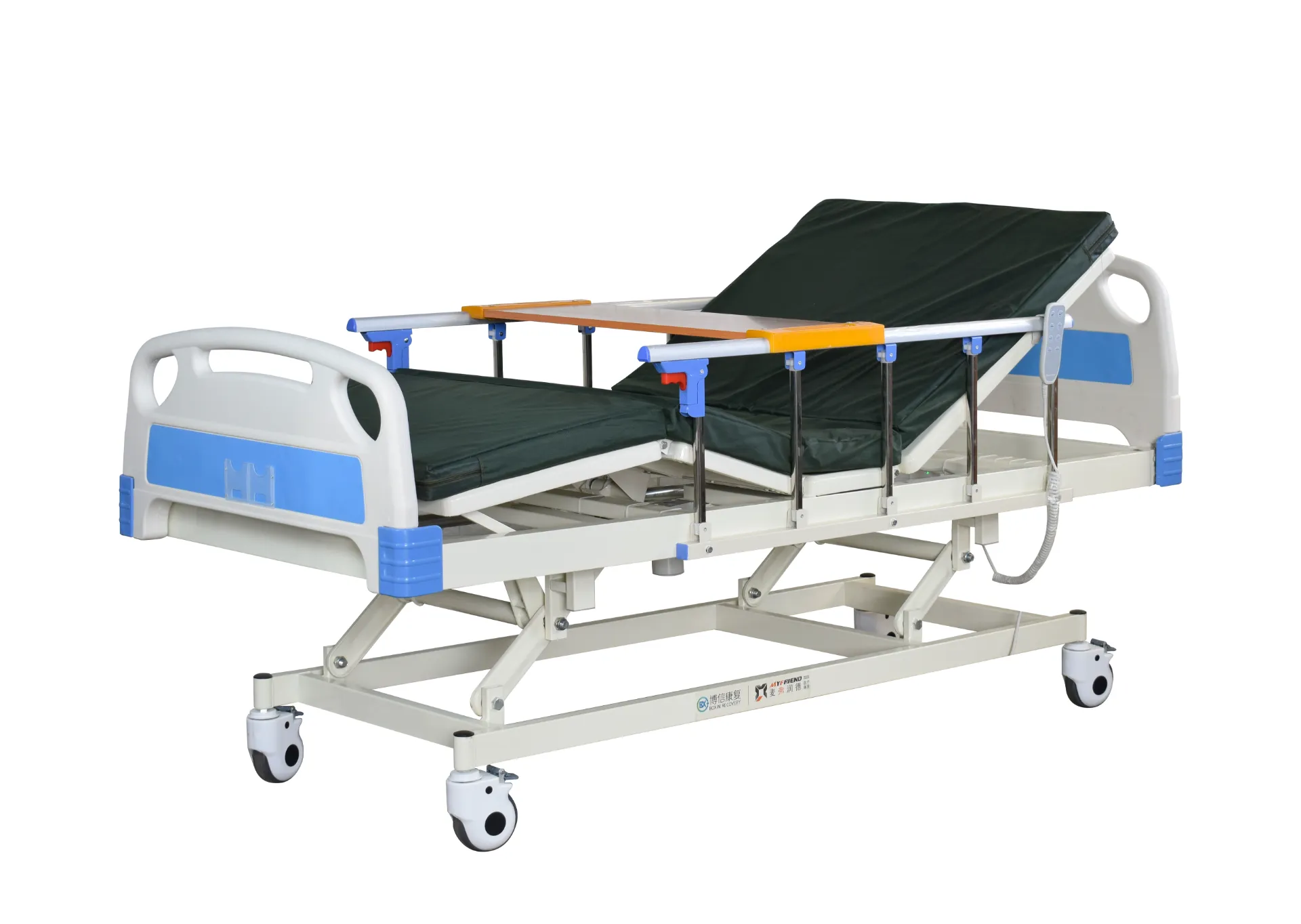
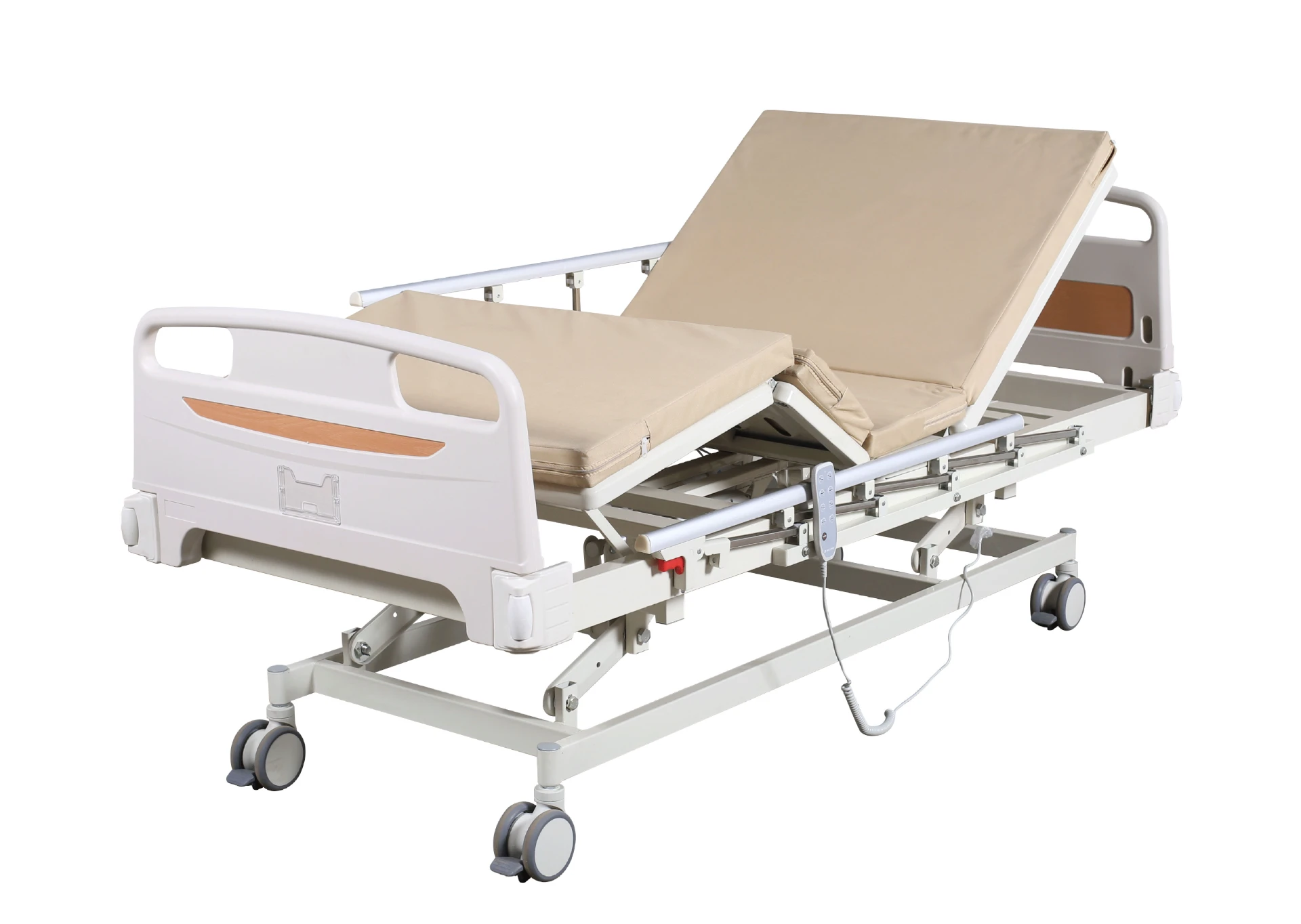
Image 3: Demonstrating the multi-purpose utility and stable design of a home commode.
Vendor Comparison and Customization Options
Selecting the right manufacturer for home commode solutions requires a thorough evaluation of product quality, customization capabilities, and after-sales support. Established B2B suppliers differentiate themselves through adherence to international standards and comprehensive service offerings.
Product Comparison Table: Leading Commode Features
| Feature/Manufacturer | Manufacturer A (Premium) | Manufacturer B (Mid-Range) | Manufacturer C (Economy) |
|---|---|---|---|
| Frame Material | Anodized Aluminum (6061-T6) | Powder-Coated Steel | Chrome-Plated Steel |
| Weight Capacity | Up to 227 kg (500 lbs) | Up to 150 kg (330 lbs) | Up to 136 kg (300 lbs) |
| Adjustability | Tool-free height & armrest adjustment | Push-button height adjustment | Pin-lock height adjustment |
| Hygiene Features | Anti-microbial plastics, seamless design | Smooth plastic surfaces | Standard plastic seat |
| Foldability | Compact folding mechanism | Some models foldable | Fixed frame |
| Warranty (Frame) | Lifetime Limited | 5 Years | 1 Year |
Customized Solutions: For B2B clients, especially large healthcare networks or governmental procurement agencies, customization is often a critical factor. Manufacturers like Boxin Medical (cnboxin.com) offer tailored solutions that go beyond standard product lines:
- Bariatric-Specific Designs: Engineered to safely accommodate higher weight capacities with reinforced frames and wider seating.
- Specialized Coatings: Application of advanced anti-microbial or anti-corrosion coatings for environments with heightened hygiene requirements or extreme conditions.
- Ergonomic Modifications: Custom seat depths, backrest angles, or unique armrest designs to cater to specific patient populations or rehabilitation protocols.
- Branding & Labeling: Inclusion of client branding, specific serial numbering, or unique labeling for asset tracking and inventory management.
- Integration Features: Designing commodes that seamlessly integrate with other patient care equipment, such as specific bed models or patient lifts, optimizing workflow.
These bespoke solutions ensure that the procured home commode aligns perfectly with the operational demands and patient demographics of the purchasing institution.
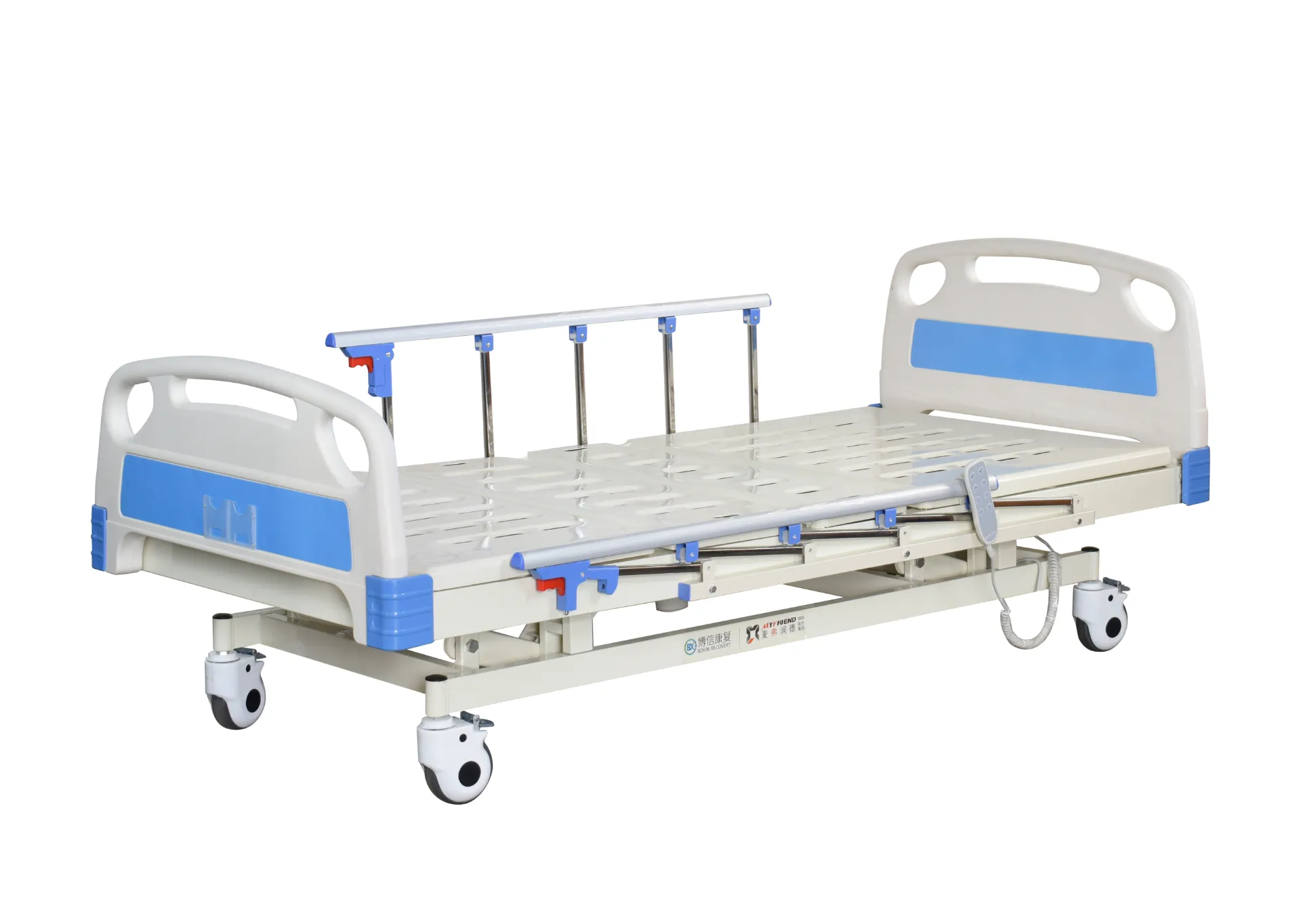
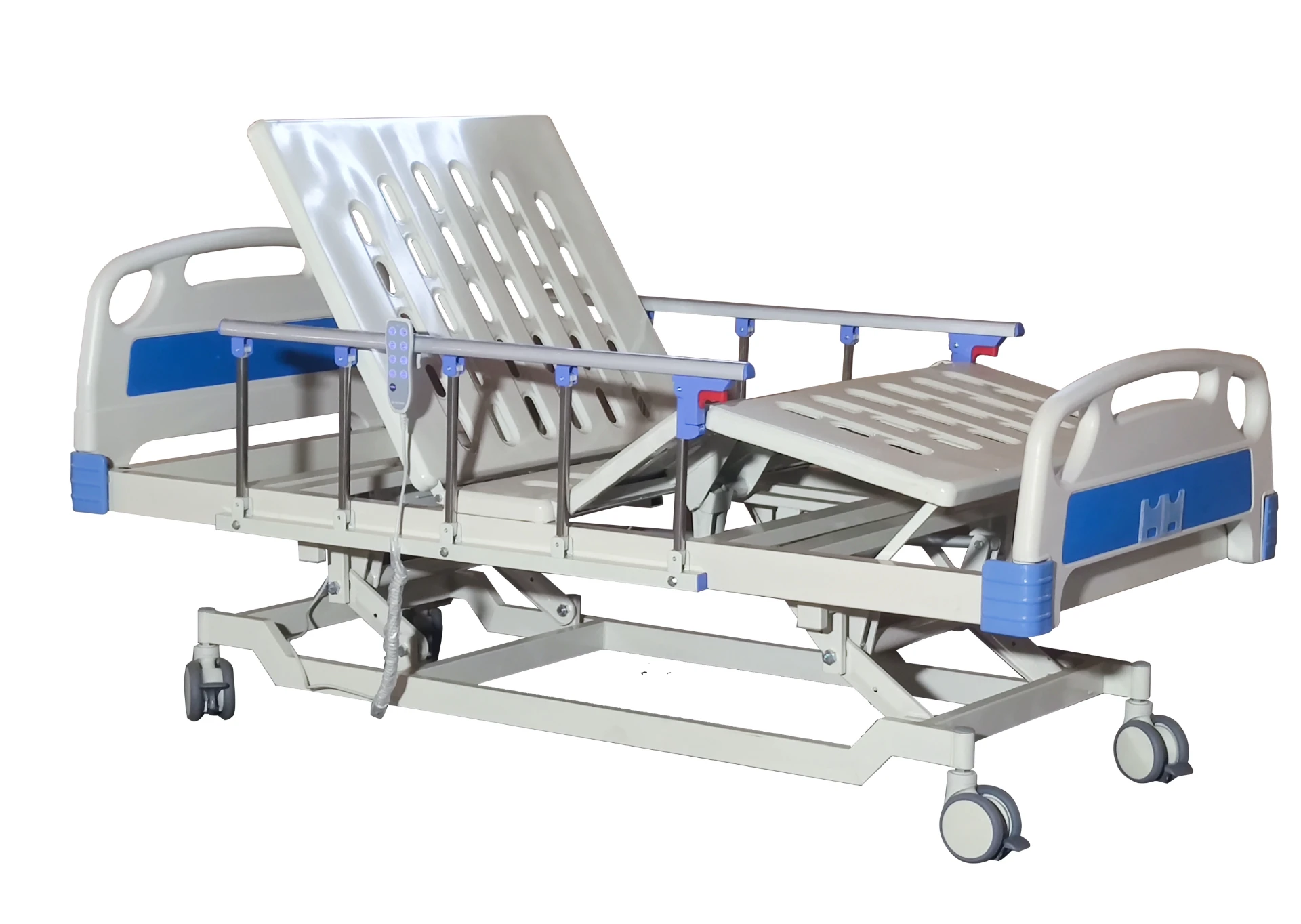
Image 4: Highlighting the portability and compact design for varied use of the home commode.
Application Case Studies and Customer Experience
Real-world application demonstrates the transformative impact of high-quality home commode solutions in enhancing patient care and operational efficiency.
Case Study 1: Geriatric Care Facility Efficiency Improvement
A 200-bed long-term care facility experienced significant challenges with patient fall rates during nocturnal bathroom transfers. By replacing their aging, unstable commodes with a fleet of modern, height-adjustable commode stool units featuring robust frames and non-slip feet, they observed a 35% reduction in fall-related incidents over a 12-month period. The easy-to-clean materials also reduced daily sanitation time by 15%, contributing to overall operational efficiency and staff satisfaction. This highlights the importance of investing in durable, well-designed equipment that minimizes risks and streamlines care protocols.
Case Study 2: Home Rehabilitation Program Success
A regional health authority initiated a pilot program for post-orthopedic surgery home rehabilitation, providing patients with a comprehensive package including a high-quality, foldable home commode. Patient feedback overwhelmingly praised the commode's stability and ease of use, which significantly contributed to their sense of independence and accelerated recovery. The lightweight, compact design allowed for discreet placement in various home environments, and the ability to easily empty the removable commode bucket was a frequently cited benefit for both patients and family caregivers. The program reported higher patient adherence to rehabilitation protocols, partially attributed to the reliable assistive devices provided.
These cases underscore the tangible benefits of procuring technically superior commode solutions, translating directly into improved patient outcomes and more effective healthcare delivery. Our partner clients, ranging from national hospital groups to specialized rehabilitation clinics, consistently report enhanced user experience and operational longevity from our rigorously engineered products.
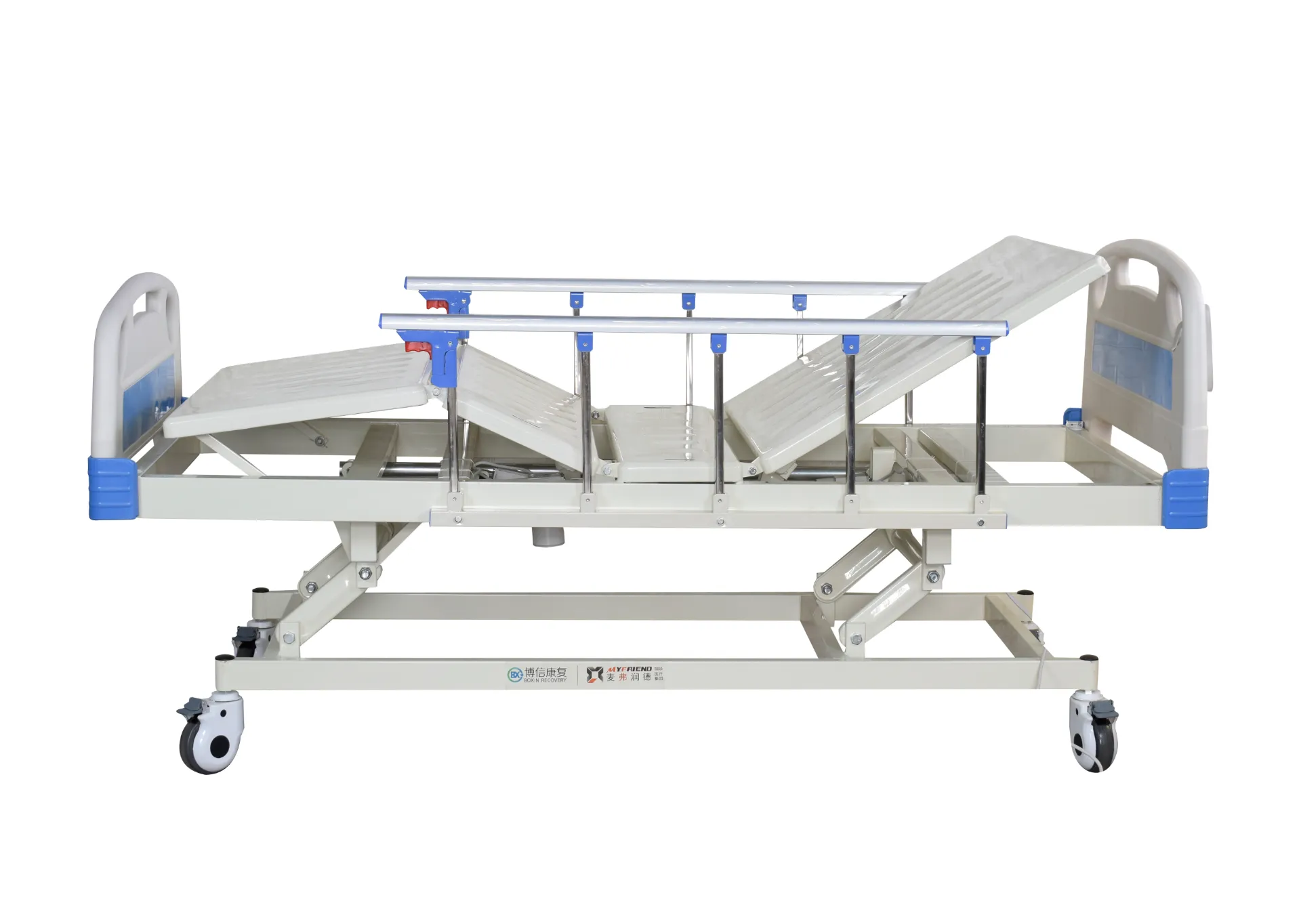
Image 5: Illustrating user interaction and comfort with the home commode in a care setting.
Frequently Asked Questions (FAQ)
Q: What is the typical lead time for a bulk order of home commodes?
A: Our standard lead time for bulk orders (e.g., 500+ units) is typically 4-6 weeks from order confirmation and deposit. This allows for rigorous quality control and logistics management. Expedited options may be available depending on inventory and production schedules.
Q: What is your warranty policy for the home commode?
A: We offer a 5-year limited warranty on the structural frame and 1 year on wear-and-tear components (e.g., rubber tips, plastic buckets) against manufacturing defects. Detailed terms and conditions are provided with each order.
Q: Do you provide after-sales support and spare parts?
A: Yes, we maintain a comprehensive inventory of spare parts for all our products. Our dedicated customer support team is available for technical assistance, troubleshooting, and facilitating warranty claims or part replacements to ensure continuous operation and longevity of your investment.
Q: Are your home commodes compliant with international medical device regulations?
A: Our manufacturing facilities are ISO 13485 certified, and our products meet CE marking requirements for sales in the European Economic Area. We also comply with relevant FDA regulations for the US market and other country-specific standards as required.
Conclusion: Strategic Procurement of Commode Solutions
The modern home commode is a critical component in the continuum of care, embodying a blend of ergonomic design, advanced material science, and rigorous manufacturing. For B2B decision-makers and procurement specialists, understanding the technical specifications, manufacturing processes, and application advantages is paramount. Opting for solutions from manufacturers who adhere to stringent quality standards, offer robust customization, and provide comprehensive after-sales support ensures not only the well-being of end-users but also the long-term operational efficiency and cost-effectiveness for healthcare providers. The strategic investment in high-quality commode solutions directly translates into enhanced patient safety, improved hygiene, and greater independence, reinforcing the commitment to superior care.
References
- International Organization for Standardization. ISO 13485:2016 Medical devices — Quality management systems — Requirements for regulatory purposes.
- ANSI/BIFMA X5.1-2017 Office Seating – General Purpose Office Chairs – Tests. Business and Institutional Furniture Manufacturers Association.
- U.S. Food and Drug Administration. Medical Devices. Available at: www.fda.gov/medical-devices.
- World Health Organization. Global report on falls prevention in older age. Available at: www.who.int/publications/i/item/9789241563536.
- European Commission. Medical Devices Regulation (EU) 2017/745.
-
Ultimate Guide to Choosing Extra Wide Waiting Room ChairsNewsApr.16,2026
-
Guide to Choosing Professional Waiting Room Chairs Wipeable SeatingNewsApr.09,2026
-
Enhance Your Space with Comfortable Wide Waiting Room ChairsNewsApr.07,2026
-
Selecting the Ideal Brown Waiting Room Chairs for a Welcoming SpaceNewsApr.04,2026
-
Choosing Comfortable Patient Waiting Room Chairs for Healthcare FacilitiesNewsMar.31,2026
-
Finding the Best Deals on Affordable and Cheap Reception Chairs for Your BusinessNewsMar.28,2026
-
Enhance Your Business Reception with Comfortable Blue Reception ChairsNewsMar.26,2026