Welcome to our websites!


High-Quality Adjustable Hospital Style Beds for Enhanced Patient Care | CNBoxin
Adjustable Hospital Style Bed: More than Just a Piece of Furniture
In the vast landscape of healthcare equipment, the adjustable hospital style bed stands out as a quietly transformative innovation that affects millions worldwide. It’s not just about comfort; it’s about safety, adaptability, and dignity in care. With global populations aging and healthcare systems stretched thin, understanding the role and benefits of these beds has never been more crucial.
Introduction: Why Adjustable Hospital Beds Matter Globally
According to the World Health Organization, the world’s population aged 60 and older is expected to double by 2050, reaching over 2 billion. This demographic shift, coupled with rising chronic illness rates, puts unprecedented pressure on healthcare providers and caregivers.[1] Adjustable hospital style beds address this challenge by providing ergonomic support that can prevent pressure ulcers, facilitate treatment, and improve patient outcomes. Moreover, in disaster-hit zones or remote areas, these beds contribute directly to care quality where resources are limited.
Oddly enough, many healthcare facilities still rely on traditional fixed beds, missing out on technological and ergonomic advances that make patient care both more effective and humane.
What Is an Adjustable Hospital Style Bed?
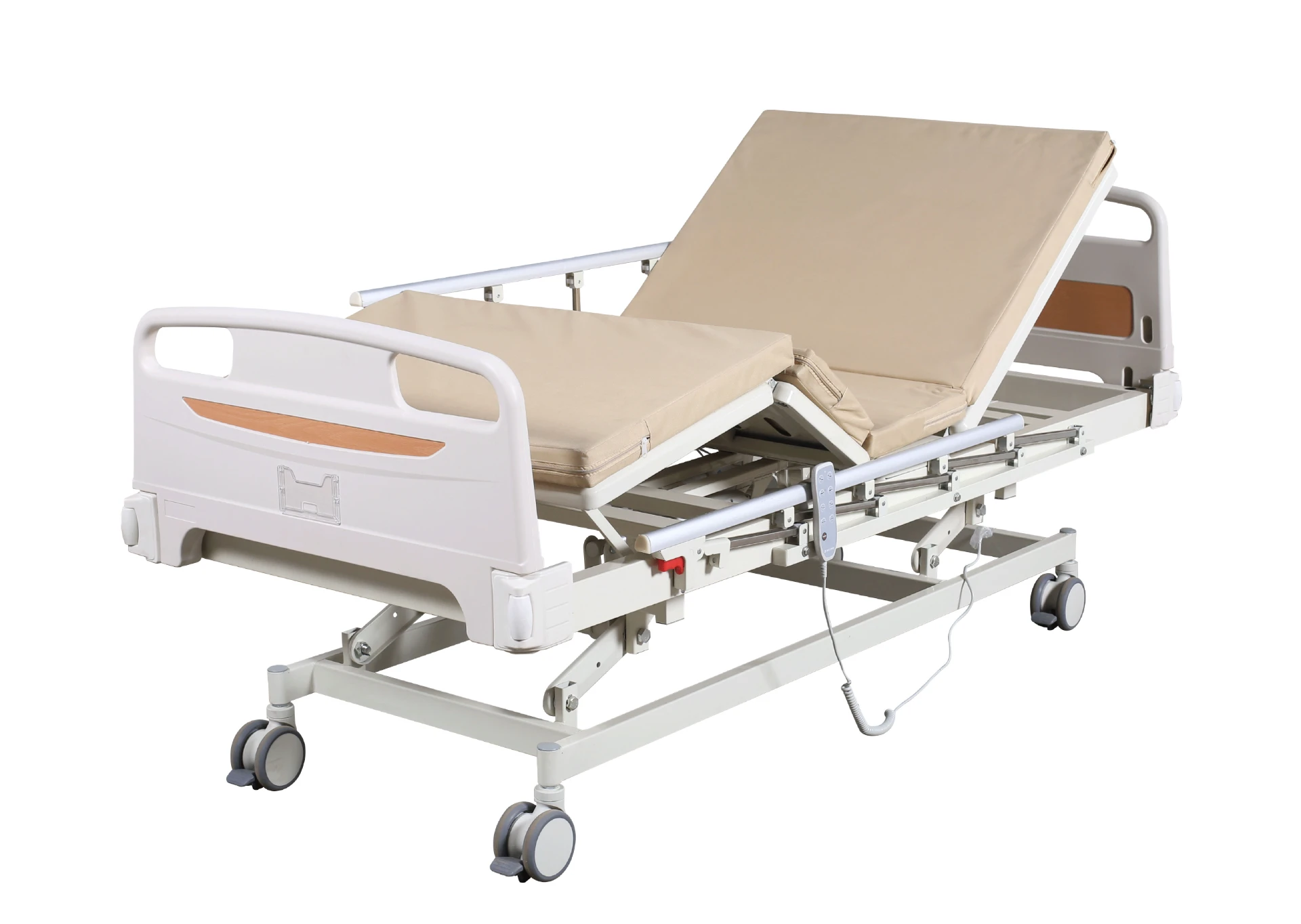
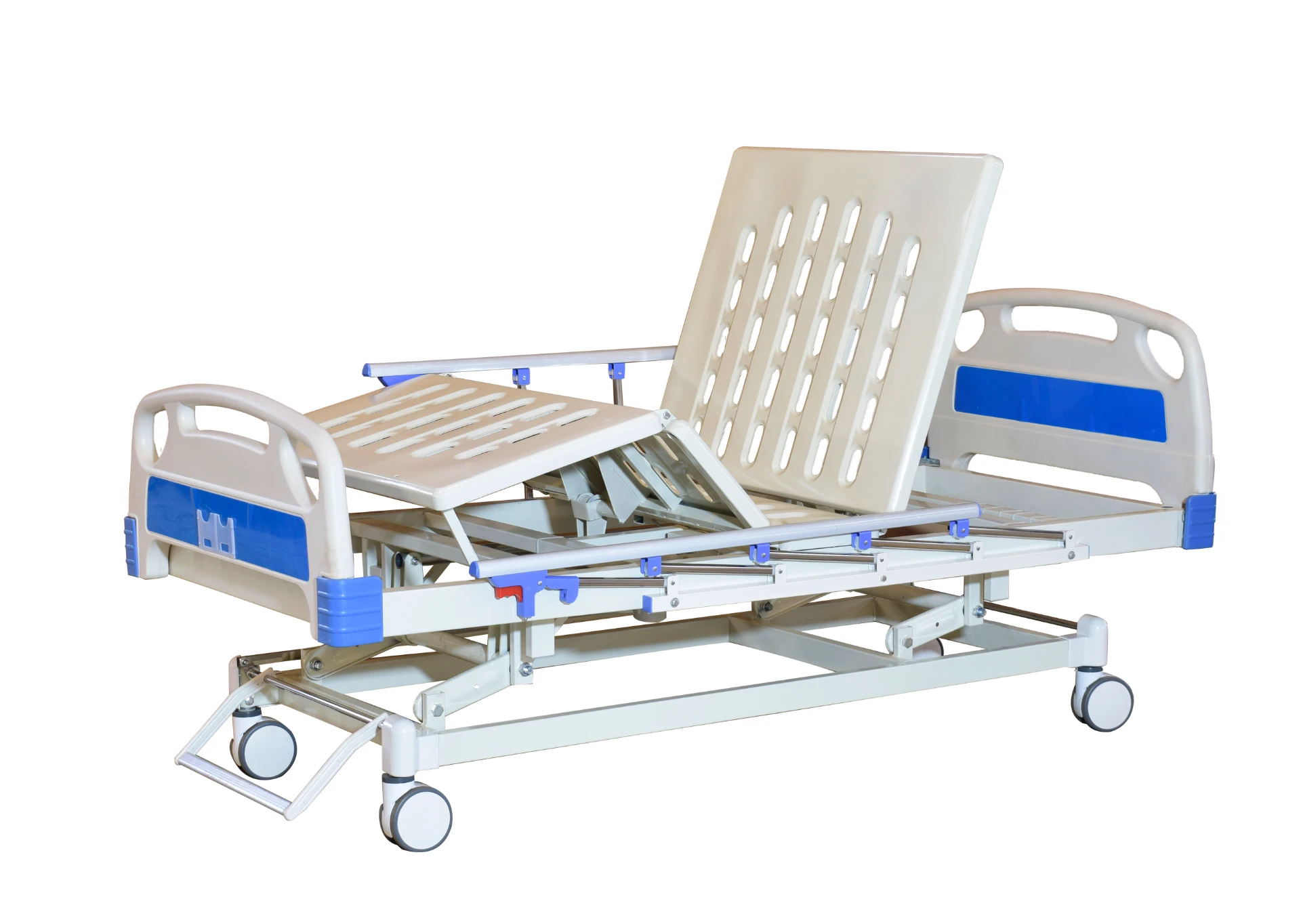
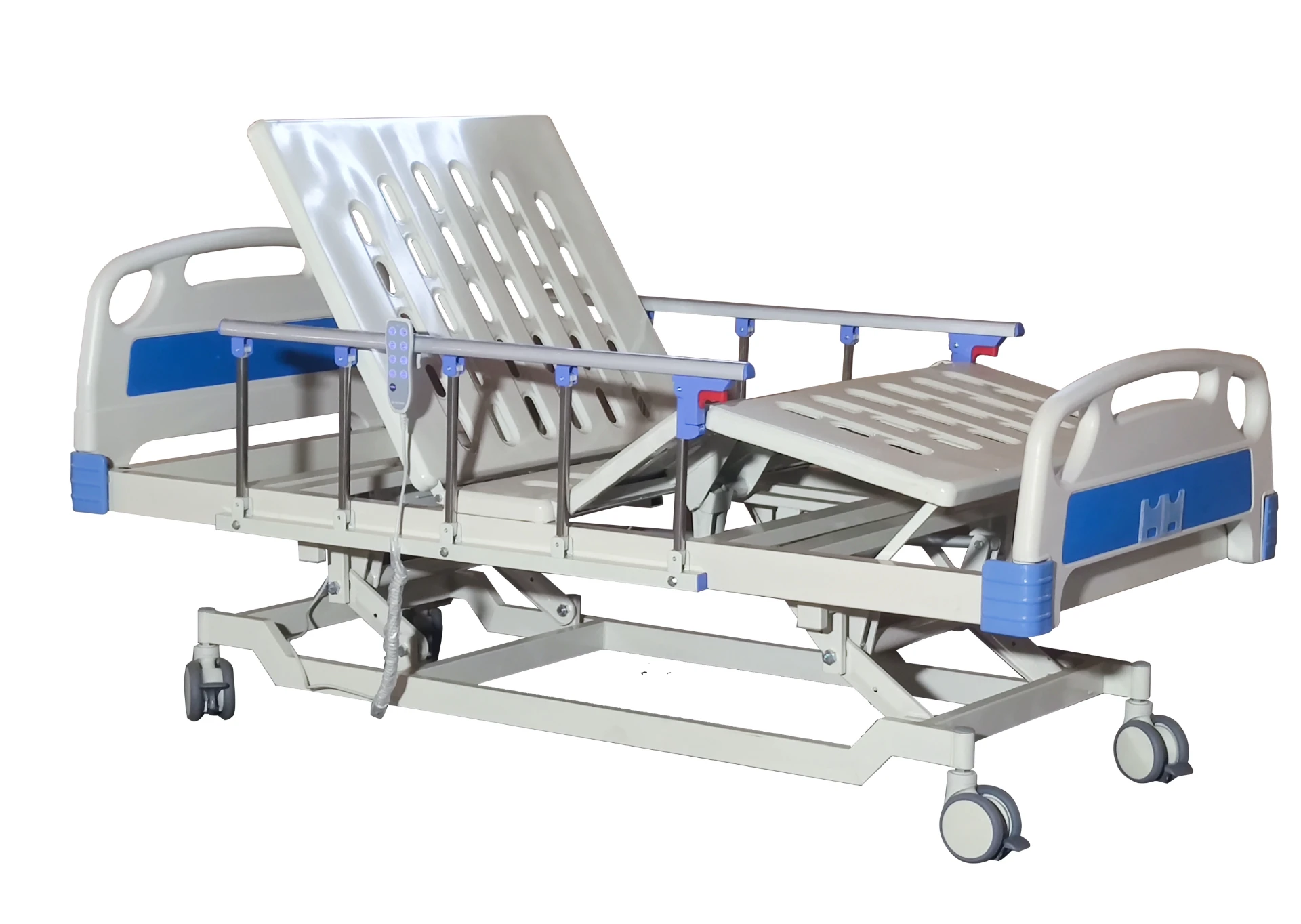
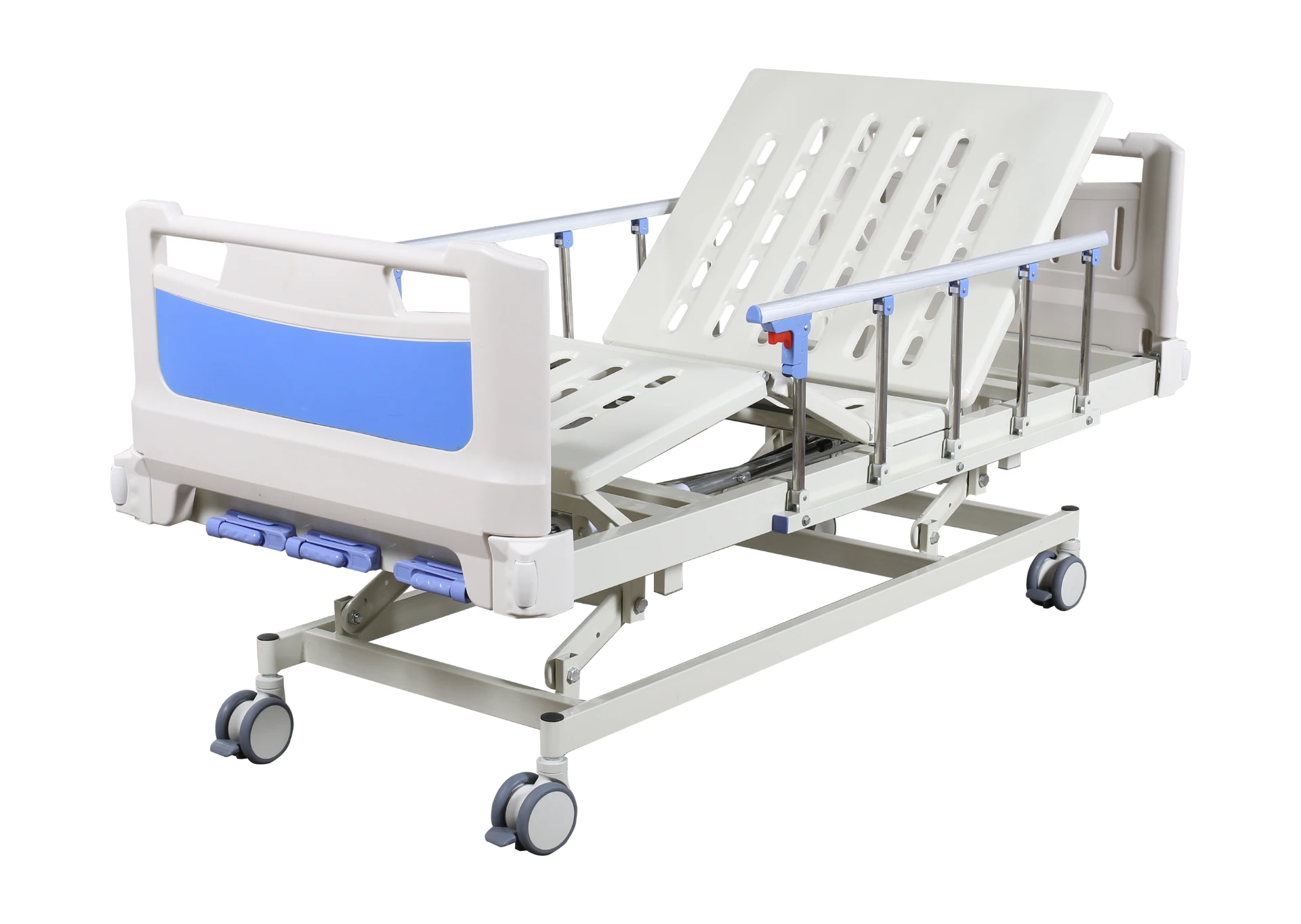
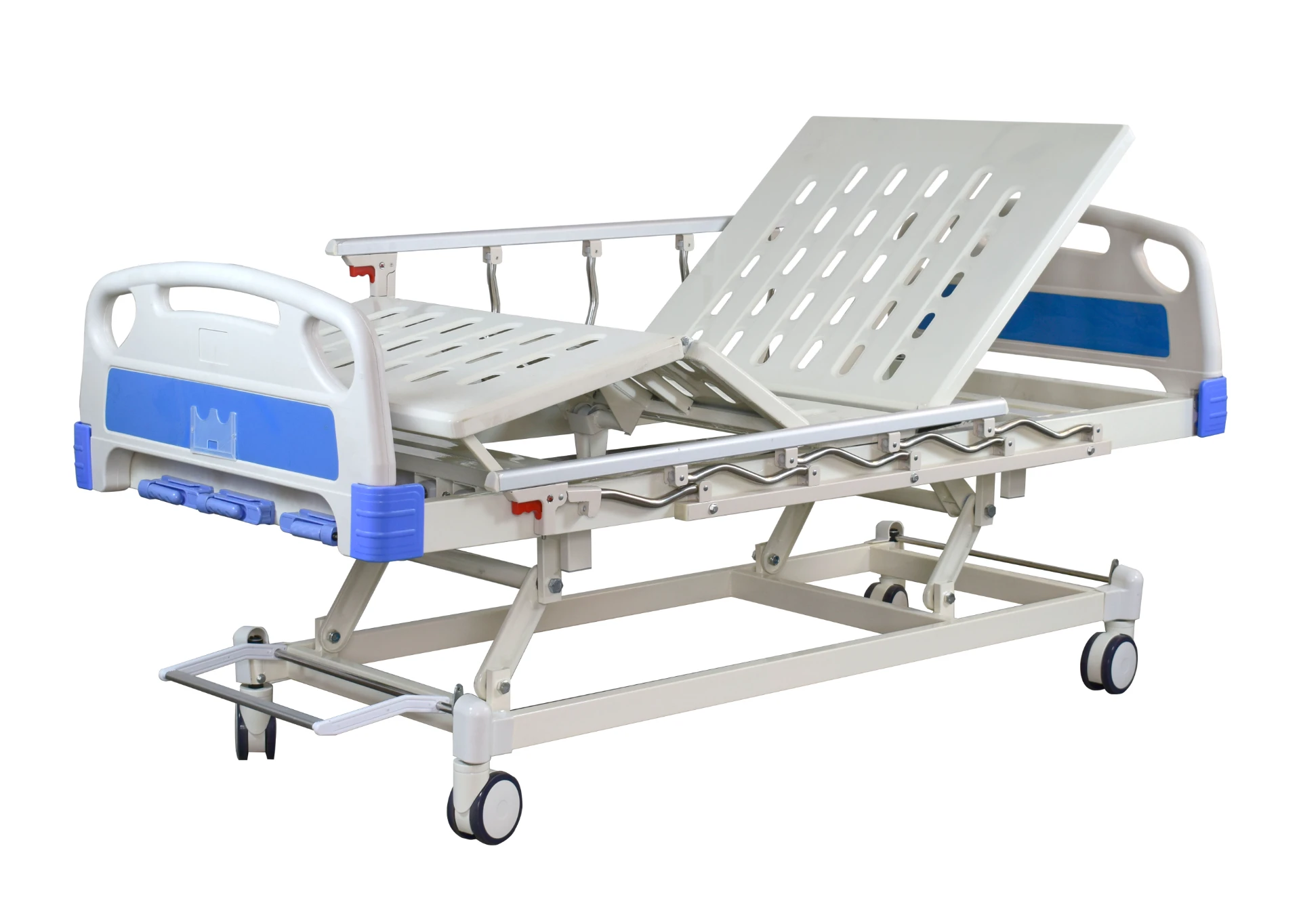
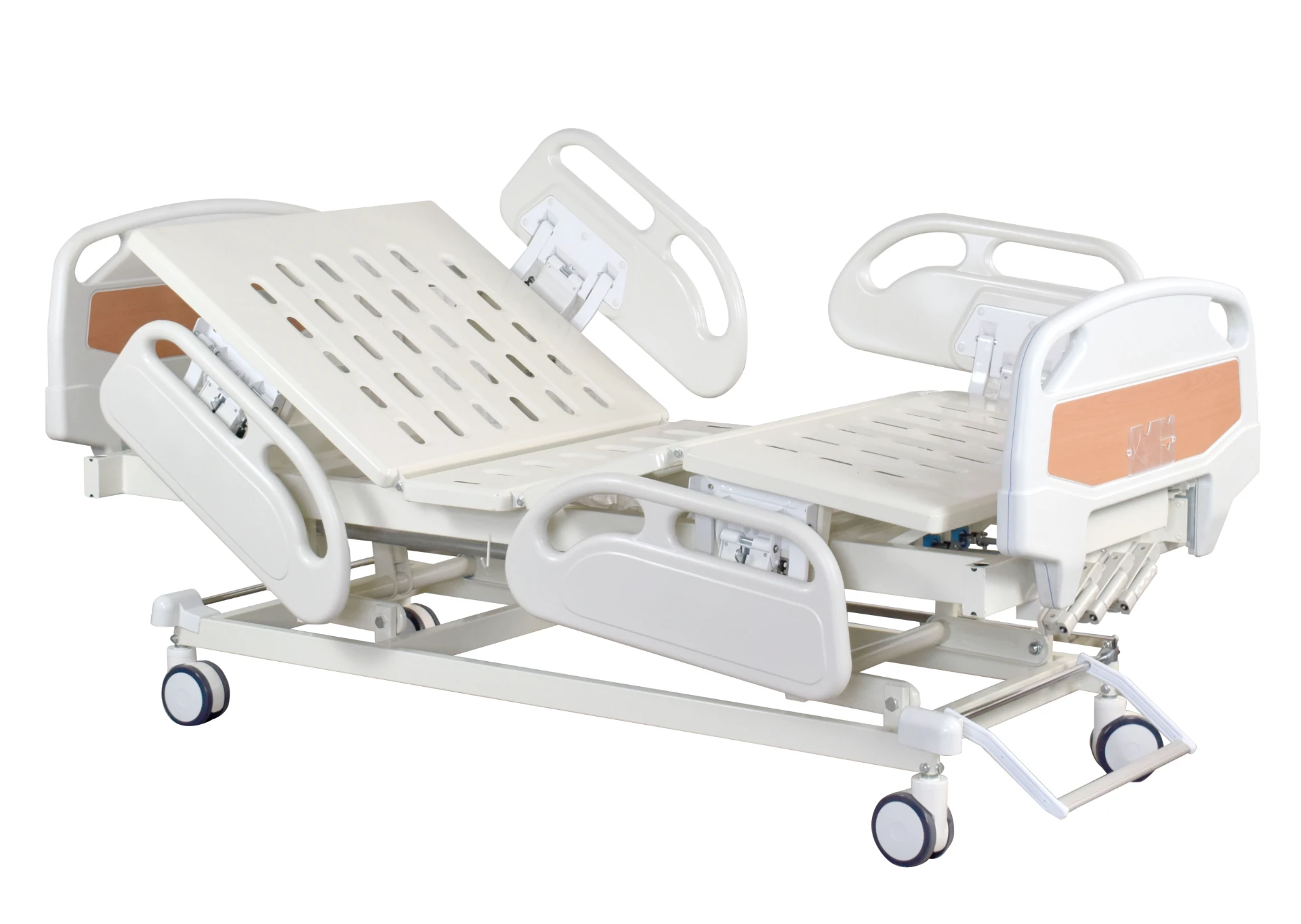
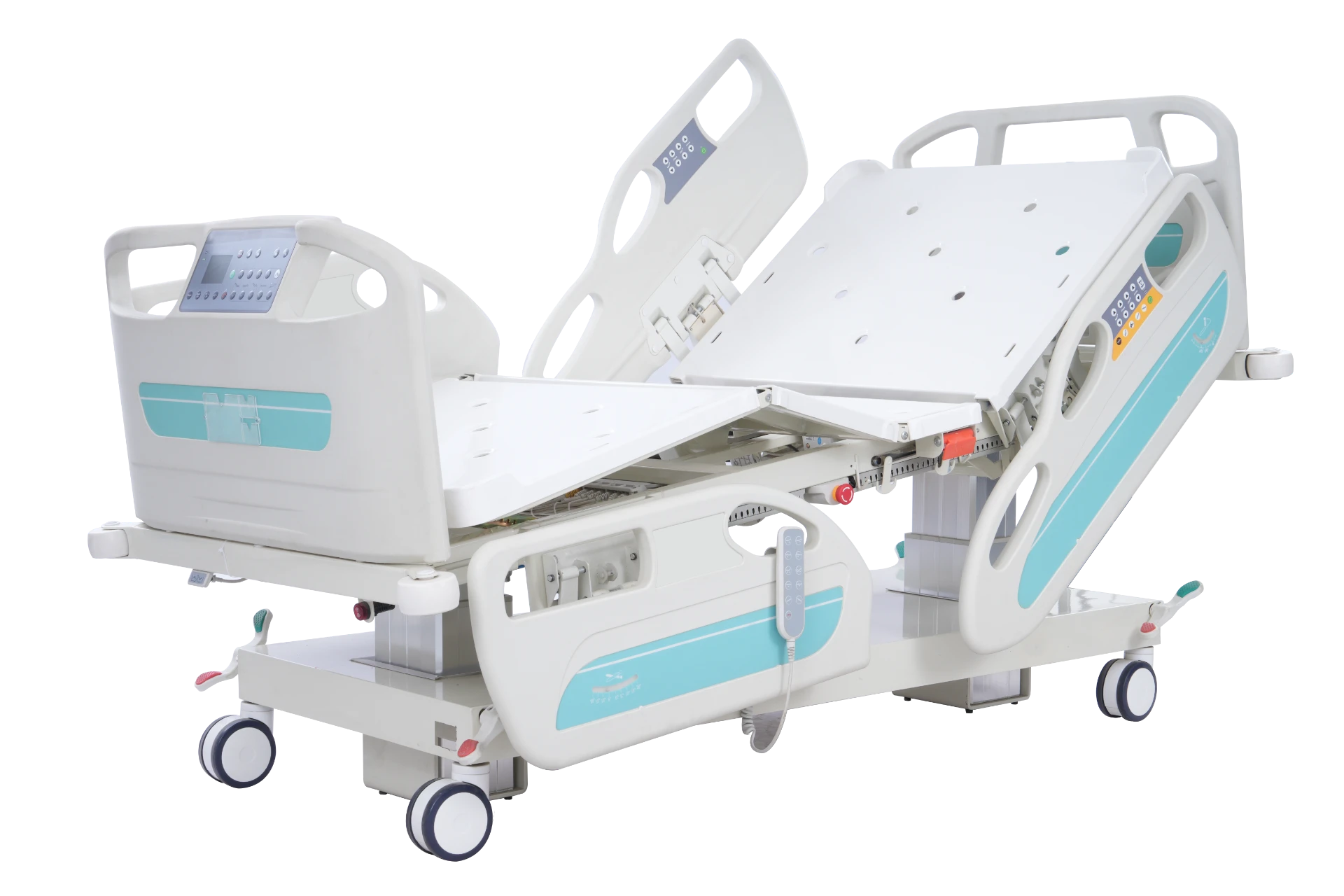
Simply put, an adjustable hospital style bed is a medical bed designed with movable components that allow altering the bed's profile – head, feet, or even entire frame – often via electric or hydraulic controls. This adjustability means patients of all conditions can find safe, comfortable positions, while caregivers enjoy easier access and fewer physical strains during treatment.
These beds have evolved from rudimentary hospital furnishings into high-tech platforms integrated with modern connectivity and patient monitoring — effectively becoming a cornerstone of modern healthcare and humanitarian response.
Key Features of Modern Adjustable Hospital Style Beds
1. Durability and Materials
Most models feature robust steel frames with powder-coated finishes to resist rust and corrosion — essential for long-term use in varying climates. Synthetic mattress supports complement this with antimicrobial, easy-clean surfaces, supporting hygiene standards.
2. Scalability and Functionality
Modern designs often come modular, adapting to different patient needs and healthcare settings. Extra rails, IV poles, and traction systems can be added as the case demands. Surgeons and rehabilitation specialists appreciate this versatility.
3. Cost Efficiency and Maintenance
While upfront costs may be higher than simple beds, the reduced risk of bedsores, quicker recovery times, and lower caregiver injuries mean long-term savings. Manufacturers increasingly focus on easy-to-maintain parts and standardization to make repairs straightforward.
4. Safety and Ergonomic Design
Safety rails, adjustable height controls, and smooth corner profiles protect both patients and staff. Ergonomics reduce strain in caregivers during transfers or treatments, especially in high-volume hospitals.
5. Energy Efficiency and Technology Integration
Newer adjustable beds incorporate low-power motors and sometimes solar or battery backup systems. Some models offer integrated patient monitoring, with smartphone or Wi-Fi connectivity enabling remote adjustments or alerts.
Global Applications & Real-World Use Cases
The appeal of adjustable hospital style beds stretches across continents and sectors:
- Urban Hospitals: Large medical centers in Europe and North America use smart adjustable beds to optimize patient flow and comfort in recovery wards.
- Remote Field Clinics: NGOs deploying emergency units in Africa or Southeast Asia value portable adjustable beds for field hospitals, tying into their quick setup.
- Long-term Care Facilities: Nursing homes worldwide deploy these beds not only for patient comfort but also to reduce caregiver injuries.
- Post-Disaster Relief: In earthquakes or flood-hit regions, modular adjustable beds provide safe treatment spaces when infrastructure is compromised.
For instance, Médecins Sans Frontières (Doctors Without Borders) frequently utilizes lightweight adjustable beds in remote deployments, balancing ruggedness with patient comfort.[2]
Mini takeaway:
Whether in sprawling hospitals or tents in disaster zones, adjustable hospital beds bring critical, life-enhancing flexibility that touches patient dignity and care quality alike.
Advantages & Long-Term Value of Adjustable Hospital Style Beds
What really sets these beds apart is their blend of tangible and emotional benefits:
- Cost savings over time: Reduced hospital stays and fewer bedsores cut downstream expenses.
- Patient safety and dignity: Adjustable positions help patients breathe better, reduce pain, and feel respected.
- Caregiver wellness: Decreased physical strain means less injury and burnout.
- Adaptability: Suitable for diverse clinical needs from maternity to trauma care.
In a way, these beds form silent partners in healthcare ecosystems — often unnoticed but absolutely vital.
What to Look For: Adjustable Hospital Style Bed Specifications
| Feature | Specification | Notes |
|---|---|---|
| Bed Size | 90 x 200 cm (Standard) | Varies, some models customizable |
| Weight Capacity | Up to 250 kg | Supports bariatric patients |
| Adjustability | 6 positions (head, feet, height) | Electric motor-driven |
| Safety Rails | 4-section detachable rails | Locking mechanism included |
| Power Source | 110-240V AC, battery backup | Backup for power outages |
| Weight | ~75 kg | Portable versions lighter |
Comparing Leading Adjustable Hospital Style Bed Vendors
| Vendor | Price Range | Key Features | Warranty |
|---|---|---|---|
| MediFlex Solutions | $1200 - $1800 | Smart sensors, battery backup | 5 years |
| CareBed Corp. | $1000 - $1500 | Modular rails, anti-microbial coatings | 3 years |
| HealthTech Innovations | $1400 - $2100 | Integrated monitoring, remote control | 4 years |
Looking Ahead: Trends & Innovations
The future of adjustable hospital beds is anything but static. With the rise of IoT in healthcare, beds that communicate with electronic health records or alert nurses proactively are becoming more common.[3] Materials science continues to push toward lighter, eco-friendly composites with better antimicrobial properties.
There’s also a growing discussion around sustainability — with solar-powered or low-energy consuming designs, especially for off-grid or remote care. Automation for repositioning and fall prevention alerts is likely to become industry standards. It’s fascinating how something as “simple” as a bed becomes a cutting-edge medical device.
Challenges & Practical Solutions
Despite all their promise, adjustable hospital style beds still face obstacles:
- Cost barriers in low-income settings often mean compromises on quality or availability.
- Complexity of use can overwhelm caregivers without proper training.
- Maintenance difficulties where parts or service technicians aren’t readily available.
Solutions emerging include ruggedized, easy-to-operate designs, robust user training programs, and partnerships ensuring local parts availability. Some vendors offer remote diagnostics and modular components to simplify repairs.
FAQs About Adjustable Hospital Style Bed
- Q: How do adjustable hospital beds improve patient recovery?
- A: By allowing customized positioning, these beds reduce pressure ulcers and improve circulation. For respiratory or cardiac patients, elevated positions ease breathing and drainage, leading to faster recovery and less discomfort.
- Q: Are adjustable beds suitable for home care?
- A: Absolutely. Many models are designed with portability and ease of use in mind, making them ideal for long-term home care, especially for elderly or mobility-impaired patients.
- Q: What is the average lifespan of an adjustable hospital bed?
- A: With routine maintenance, a well-made adjustable bed typically lasts between 8 and 12 years, sometimes longer depending on usage intensity and environment.
- Q: Can adjustable hospital beds be customized for specific medical requirements?
- A: Yes, many vendors offer add-ons like traction systems, integrated scales, and specialized mattresses tailored to unique clinical needs.
- Q: How do organizations import these beds internationally?
- A: It usually involves compliance with local medical device regulations and customs procedures. Reaching out to specialized distributors or authorized vendors like those at adjustable hospital style bed providers simplifies the process.
Conclusion
The adjustable hospital style bed isn’t just a functional object; it’s an enabler of better healthcare outcomes, dignity, and efficiency across the world. As demand grows with shifting demographics and medical frontiers, these beds will become even more integrated with health tech ecosystems and sustainability agendas.
Curious to see how your facility or project could benefit? Explore the wide range of options available to suit different budgets and clinical needs — including the latest in comfort and technology — at adjustable hospital style bed.
References
- World Health Organization, “Ageing and health,” https://www.who.int/news-room/fact-sheets/detail/ageing-and-health
- Médecins Sans Frontières, Field Operations handbook.
- International Organization for Standardization, ISO/TC 215: Health Informatics standards.
-
Ultimate Guide to Choosing Extra Wide Waiting Room ChairsNewsApr.16,2026
-
Guide to Choosing Professional Waiting Room Chairs Wipeable SeatingNewsApr.09,2026
-
Enhance Your Space with Comfortable Wide Waiting Room ChairsNewsApr.07,2026
-
Selecting the Ideal Brown Waiting Room Chairs for a Welcoming SpaceNewsApr.04,2026
-
Choosing Comfortable Patient Waiting Room Chairs for Healthcare FacilitiesNewsMar.31,2026
-
Finding the Best Deals on Affordable and Cheap Reception Chairs for Your BusinessNewsMar.28,2026
-
Enhance Your Business Reception with Comfortable Blue Reception ChairsNewsMar.26,2026