Welcome to our websites!


High Commode Seat: Comfort & Easy Access for Enhanced Mobility
Introduction to High Commode Seats & Industry Trends
In the evolving landscape of medical support and home healthcare, the high commode seat has emerged as a critical device for enhancing patient autonomy, safety, and caregiver efficiency. These specialized ergonomic aids are designed to facilitate independent toileting for individuals with mobility impairments, post-operative recovery needs, or chronic conditions that affect balance and strength.
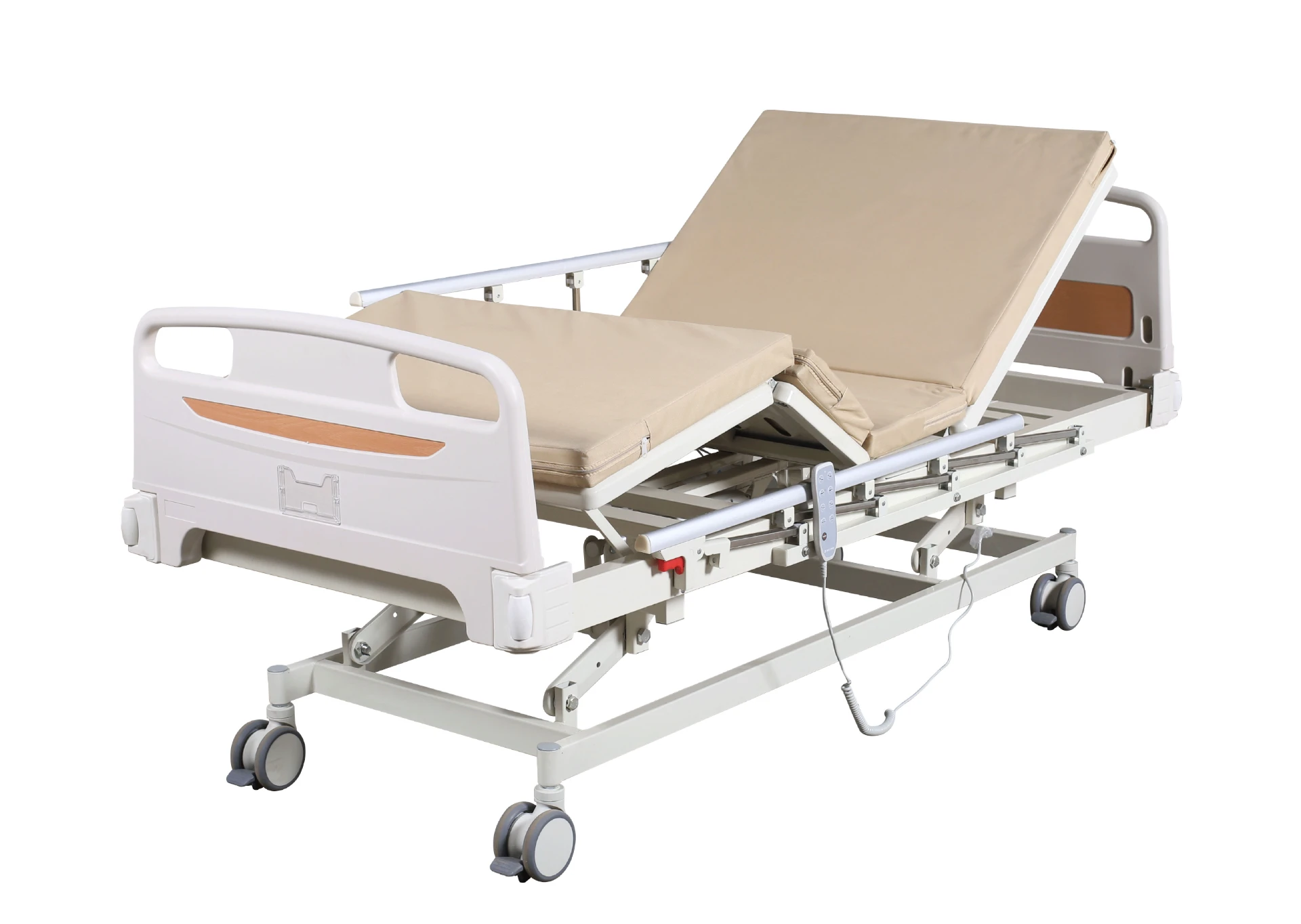
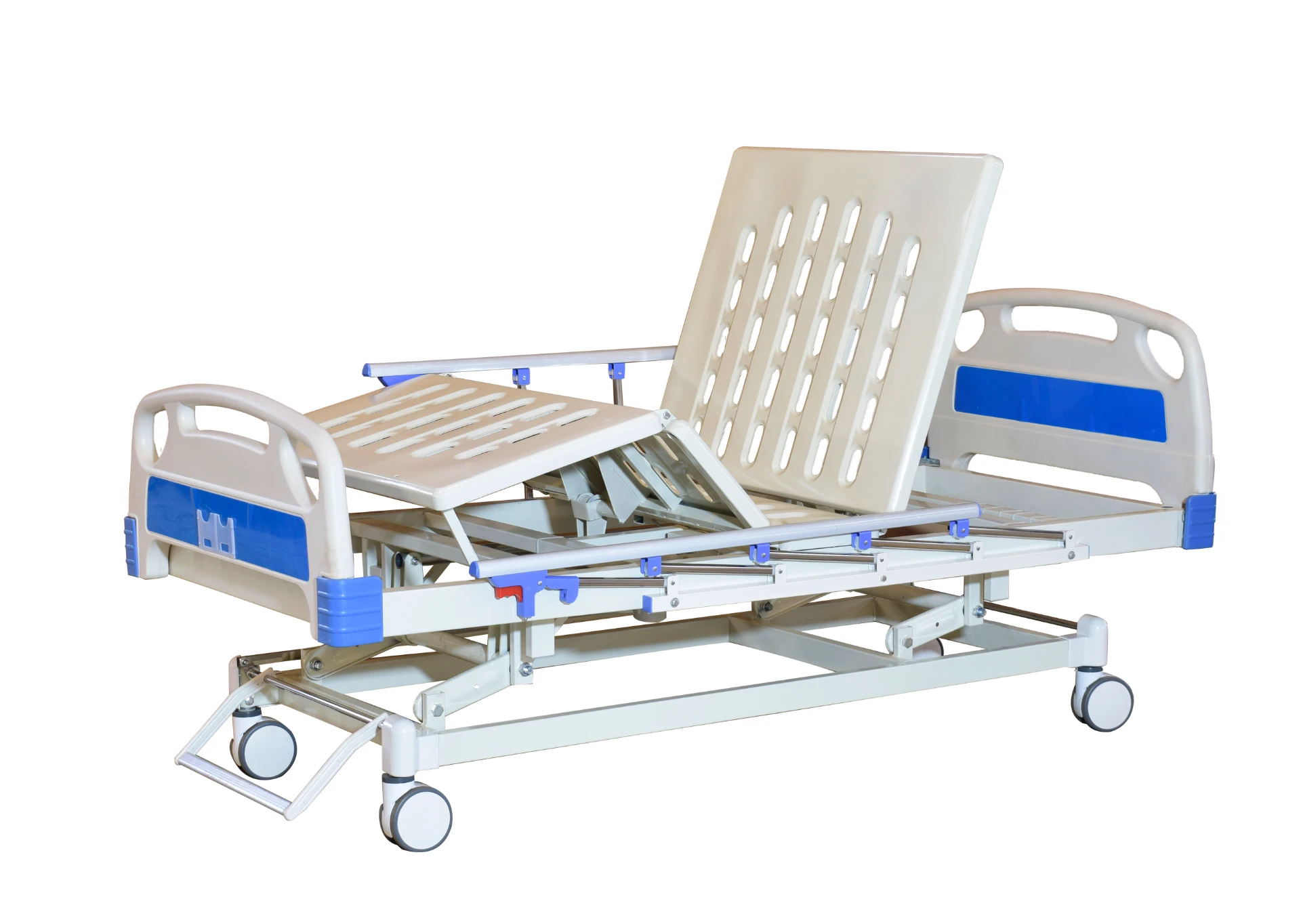
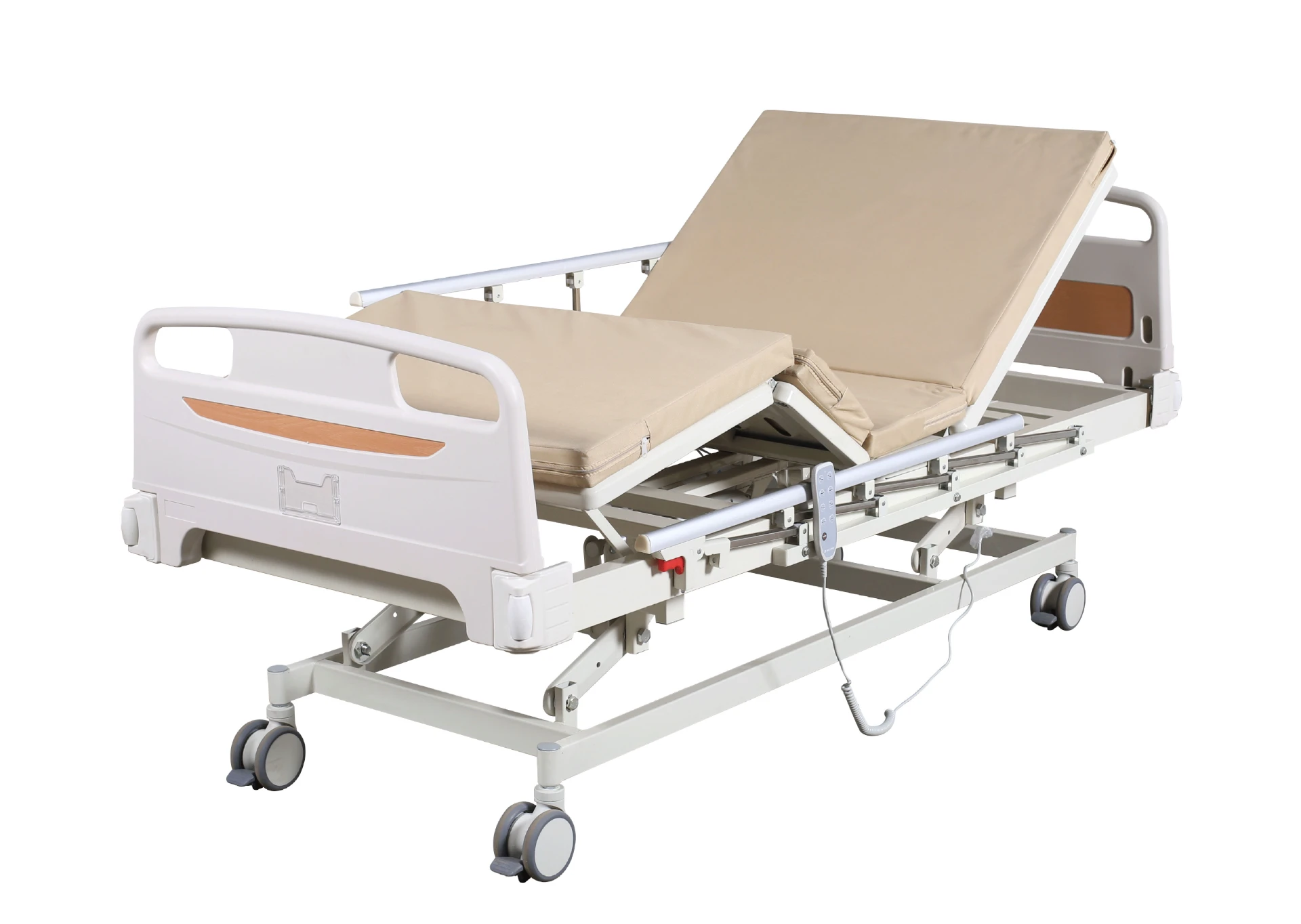
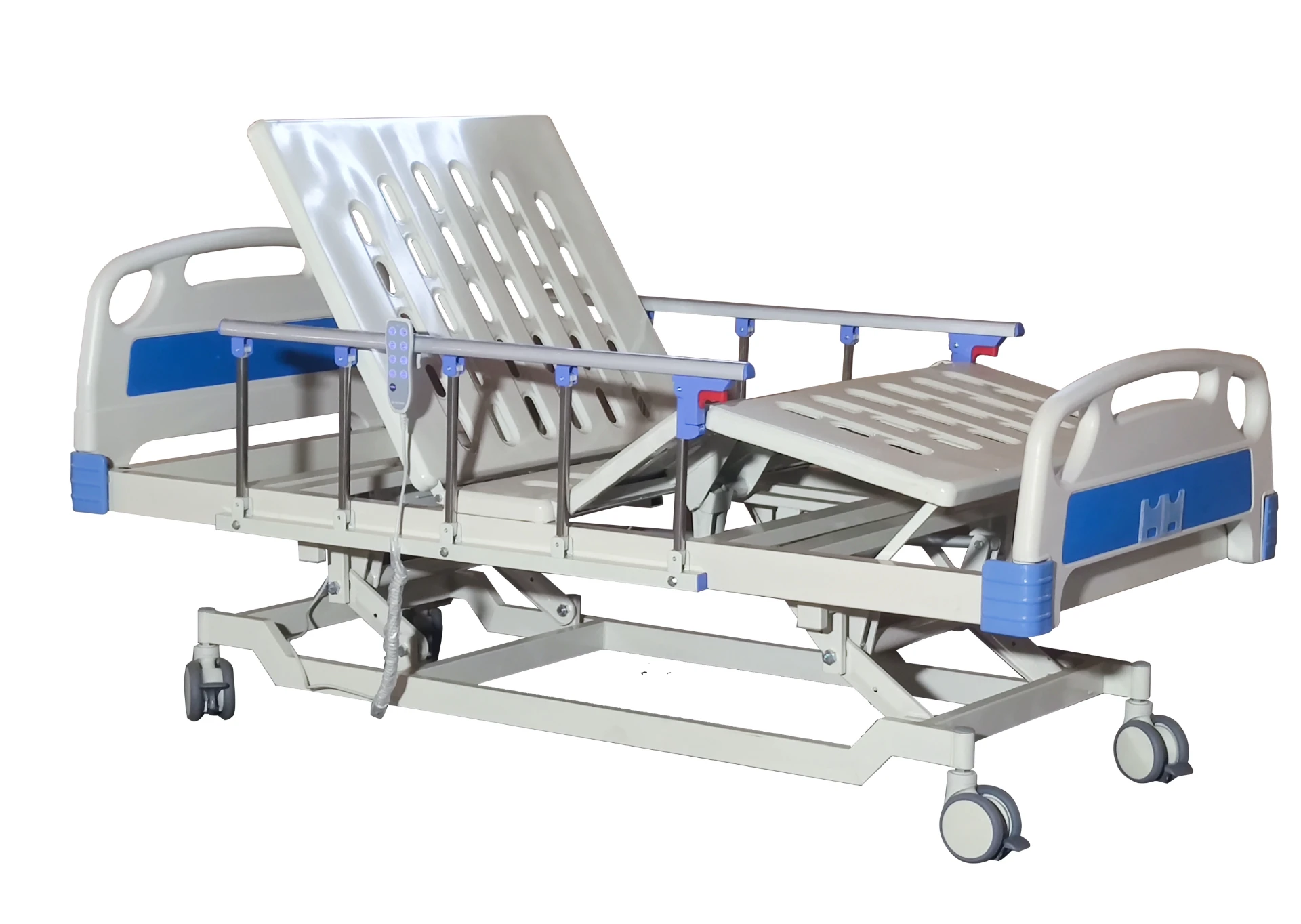
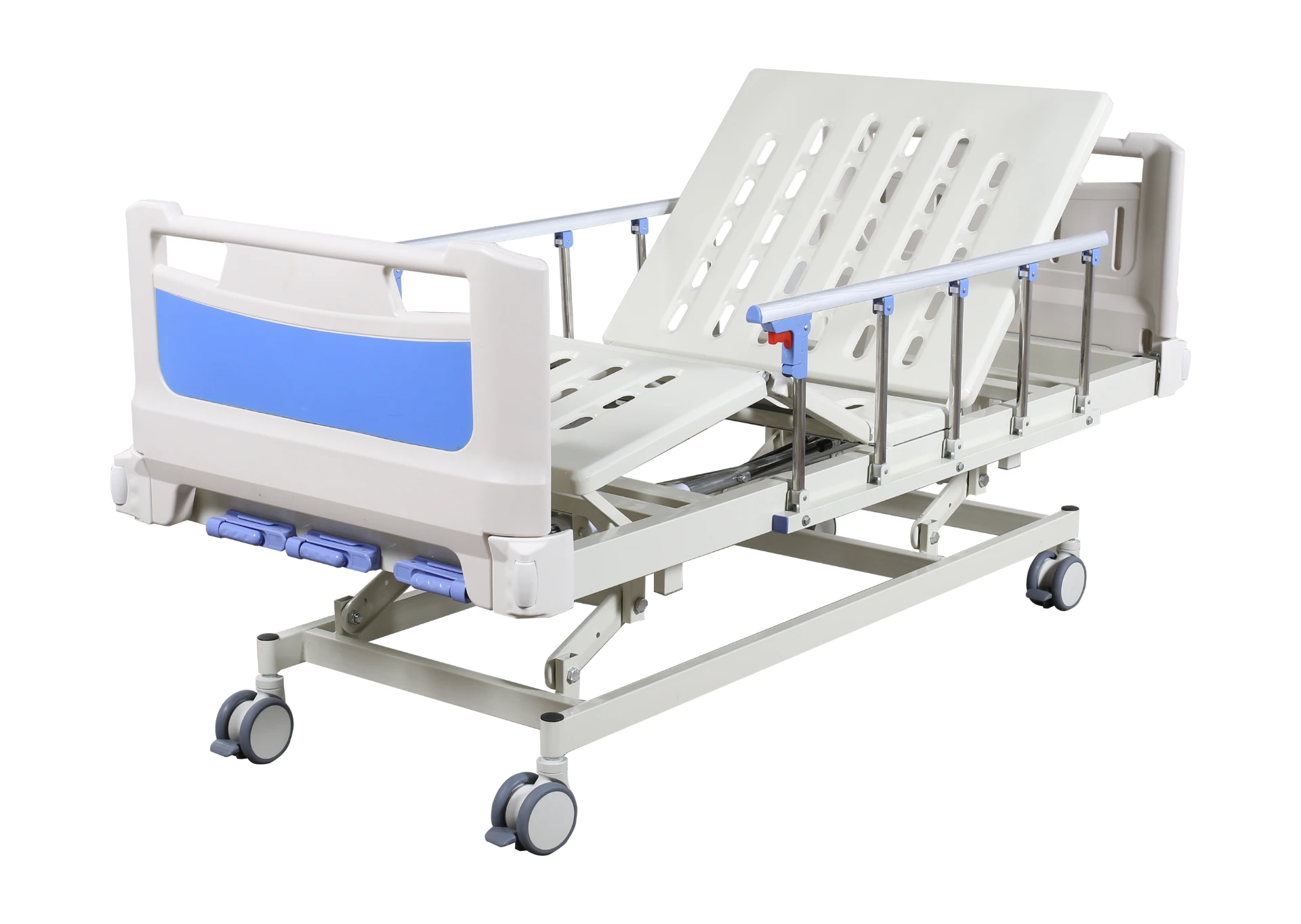
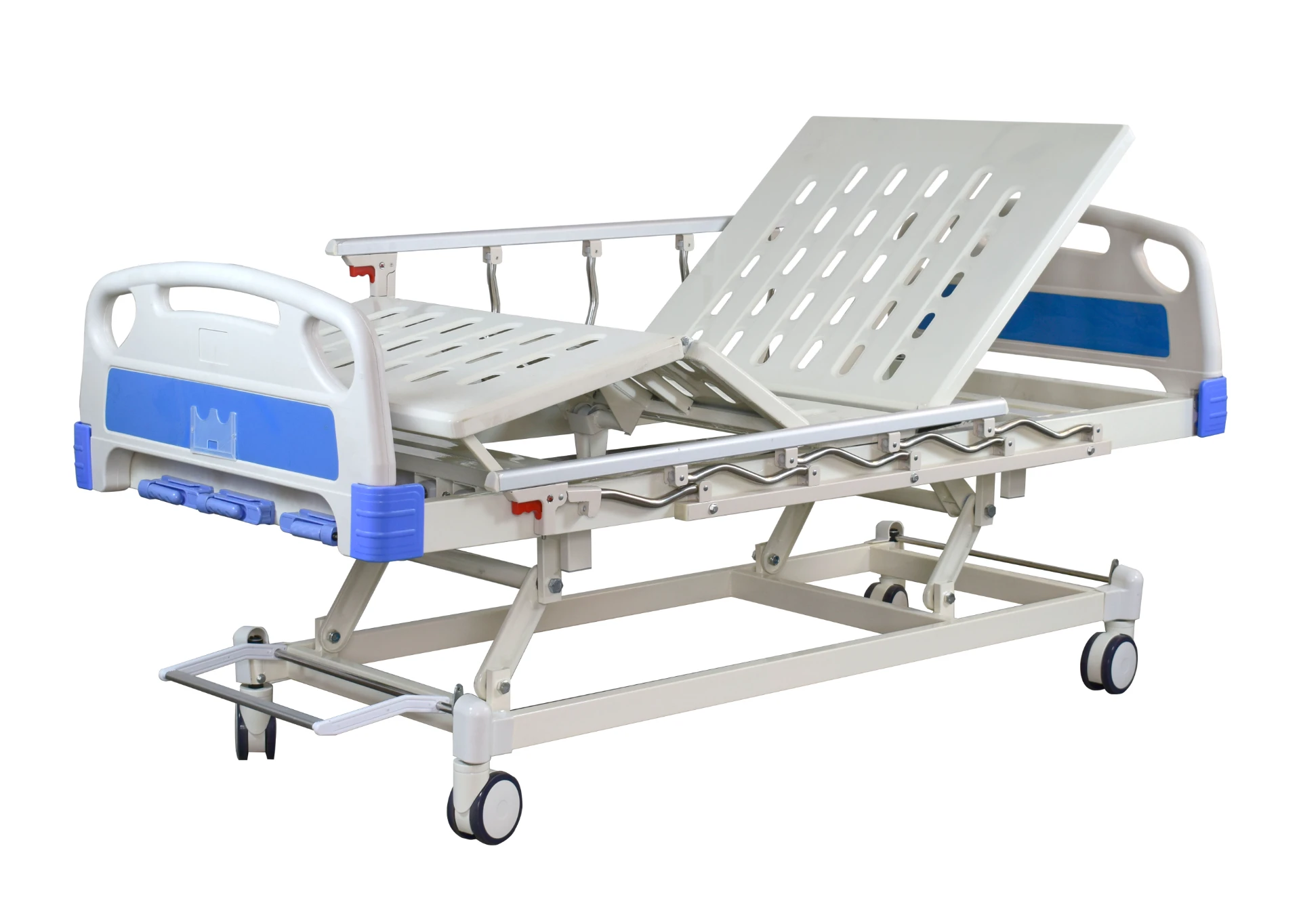
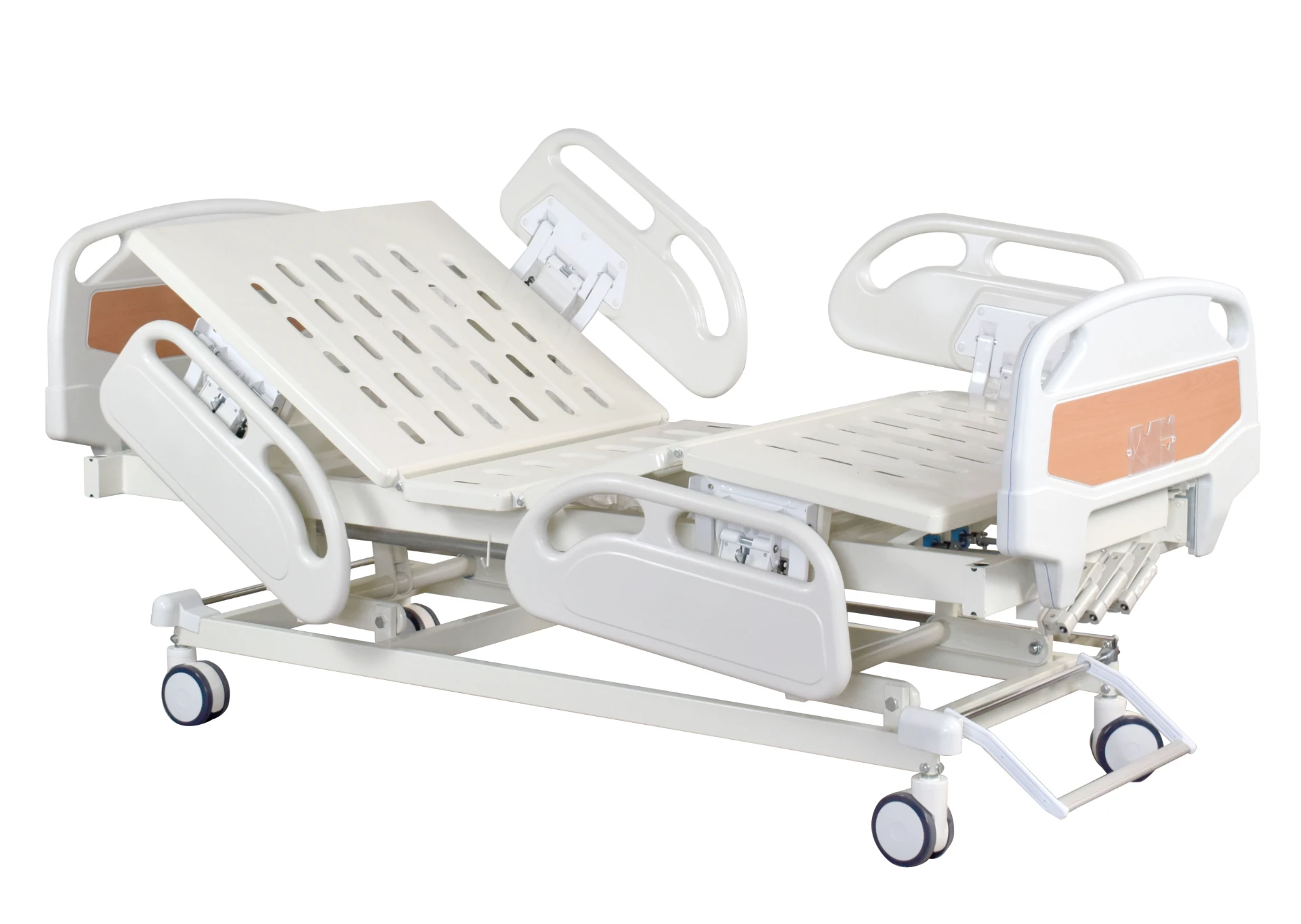
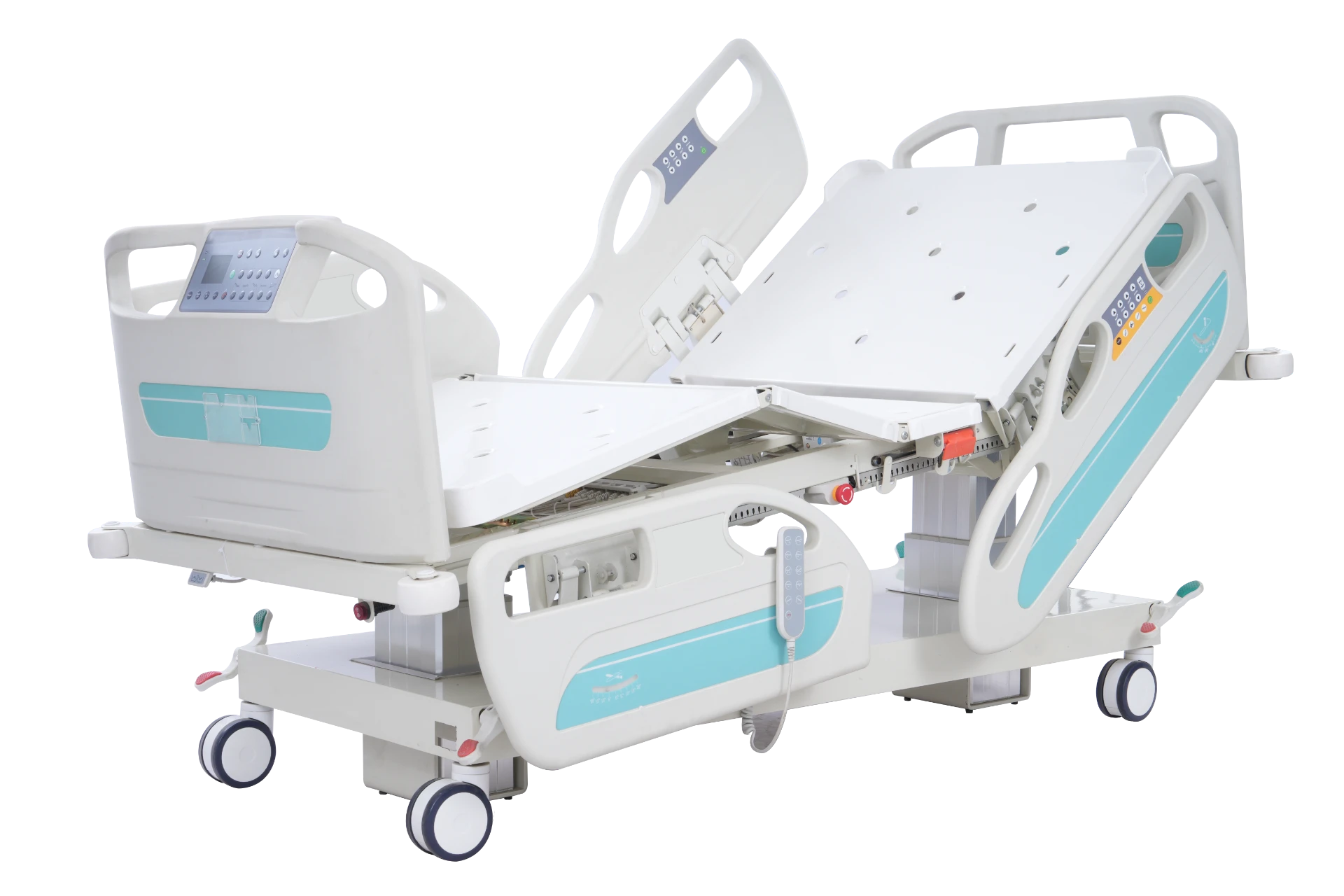
The global demographic shift towards an aging population, coupled with a growing emphasis on home-based care models, is significantly fueling the demand for such assistive devices. Market research indicates a compound annual growth rate (CAGR) of over 6% for the global medical assistive devices market, driven largely by innovations in ergonomic design and material science. Furthermore, the integration of these devices with broader home care solutions, such as semi hospital bed setups and advanced mobility aids, underscores their pivotal role in comprehensive patient management.
Industry trends highlight a move towards modularity, lightweight construction, and enhanced hygiene features. Manufacturers are increasingly focusing on solutions that offer tool-free assembly, adjustable heights to accommodate various user needs and existing toilet structures, and robust materials capable of withstanding rigorous use and frequent cleaning. The development of specialized options, such as the wide seat commode, addresses the needs of bariatric patients, ensuring equitable access to safe and comfortable toileting solutions.
This comprehensive overview will delve into the technical intricacies, application benefits, and market dynamics surrounding these essential medical accessories, providing insights for B2B decision-makers seeking advanced solutions in patient care.
Manufacturing Process & Technical Specifications
The production of a high-quality high commode seat involves a sophisticated multi-stage manufacturing process, meticulously controlled to ensure durability, safety, and hygiene. Adherence to international medical device standards like ISO 13485 (Quality Management Systems for Medical Devices) and ISO 10993 (Biological Evaluation of Medical Devices) is paramount.
Process Flow:
- Material Selection & Preparation: Components typically utilize medical-grade materials such as high-density polyethylene (HDPE) or polypropylene (PP) for the seat, lightweight anodized aluminum alloys for the frame, and non-slip rubber tips for stability. These materials are chosen for their excellent corrosion resistance, ease of sterilization, and high strength-to-weight ratio.
- Frame Fabrication (Forging/Extrusion & CNC Machining): Aluminum tubing undergoes precise extrusion or forging to achieve specific profiles. Subsequent CNC machining ensures accurate dimensions for joints and attachment points, crucial for structural integrity and ease of assembly. Welding processes, such as TIG (Tungsten Inert Gas) welding, are employed for permanent joints, followed by meticulous inspection for weld integrity.
- Seat & Lid Production (Injection Molding): The seat and lid components are typically produced via injection molding from medical-grade plastics. This process allows for complex geometries, integrated antimicrobial properties (where applicable), and smooth, non-porous surfaces that are easy to clean and sanitize.
- Surface Treatment & Finishing: Metal frames undergo anodization for enhanced corrosion resistance and a durable, aesthetic finish. Plastic components may receive anti-bacterial coatings or UV stabilization treatments. All surfaces are meticulously finished to eliminate sharp edges or potential pinch points, ensuring user safety and comfort.
- Assembly & Quality Control: Components are assembled using robust fasteners, often designed for tool-free operation. Each unit undergoes rigorous testing, including load-bearing capacity tests (e.g., ANSI/BIFMA X5.1 for seating), stability tests, and material integrity checks. Visual inspections verify aesthetic quality and adherence to design specifications.
- Packaging & Sterilization: Products are cleaned and, if required, sterilized or packaged in sterile conditions before shipment, ensuring they arrive ready for immediate clinical or home use.
Key Technical Specifications:
These specifications underscore the rigorous engineering and material science applied to ensure the reliability and safety of these medical devices. The modular nature of many designs also supports cost-effective maintenance and part replacement, extending overall service life.
Application Scenarios & Advantages
The versatility of the high commode seat makes it indispensable across various healthcare settings and for diverse patient populations. Its primary objective is to bridge the gap between a standard toilet height and the accessibility needs of users, significantly reducing the risk of falls and promoting user independence.
Target Industries and Settings:
- Home Healthcare: For elderly individuals or those recovering from surgery, a toilet seat chair provides crucial support, preventing the strain associated with lower toilet heights. It's often integrated into a comprehensive home safety plan alongside other aids like grab bars and bath seats.
- Assisted Living Facilities & Nursing Homes: These institutions rely on robust and easily cleanable commode seats to serve multiple residents, reducing manual handling risks for staff and enhancing resident dignity. The adjustable nature of many models allows for adaptation to different resident needs without needing multiple units.
- Hospitals & Rehabilitation Centers: Post-operative patients, especially those with hip or knee replacements, require elevated seating to adhere to recovery protocols and minimize joint stress. The mobility provided by some designs also makes them suitable as a travel potty seat within a hospital ward or during patient transfers.
- Medical Transport & Remote Care: Lightweight, portable versions are increasingly utilized in situations where permanent facilities are unavailable or inadequate, providing hygienic solutions for patients in transit or in temporary care environments.
Demonstrated Advantages in Typical Application Scenarios:
- Enhanced Patient Dignity and Independence: By providing a stable, appropriately-heighted surface, users can manage their personal hygiene with minimal assistance, fostering psychological well-being and reducing feelings of dependency. This autonomy directly contributes to faster rehabilitation and improved quality of life, a key metric in patient-centered care.
- Significant Fall Prevention: Data from the CDC indicates that falls are a leading cause of injury among older adults. High commode seats, with their anti-slip feet and stable frames, drastically reduce the effort required to sit and stand, thereby mitigating fall risks in a high-risk environment like the bathroom. This directly translates to reduced healthcare costs associated with fall-related injuries.
- Improved Caregiver Ergonomics: For professional caregivers, the elevated seating reduces the need for strenuous lifting or bending, preventing work-related musculoskeletal injuries. This ergonomic advantage improves staff retention and reduces compensation claims, providing tangible cost savings for healthcare providers.
- Superior Hygiene and Corrosion Resistance: Manufactured from medical-grade plastics and anodized aluminum, these seats are inherently resistant to moisture and common cleaning agents. Their smooth, non-porous surfaces prevent bacterial growth and simplify disinfection protocols, crucial for infection control in institutional settings. This ensures extended service life even under frequent exposure to harsh cleaning chemicals.
- Adaptability for Specific Needs: Options like the wide seat commode cater to bariatric patients, ensuring comfort and stability without compromising safety. Many models also offer features such as padded armrests, splash guards, and tool-free height adjustments, making them highly adaptable to evolving patient requirements.
These devices represent a fundamental component of safe and effective patient care, contributing to both patient well-being and operational efficiency within healthcare systems.
Technical Advantages & Innovations
Modern high commode seat designs are a testament to advanced engineering, focusing on durability, user-centric ergonomics, and ease of maintenance. These technical advantages directly translate to superior performance and long-term cost-effectiveness for healthcare providers.
Key Innovations Driving Performance:
- Advanced Material Science: Utilizing aerospace-grade aluminum alloys for frames provides exceptional strength at a minimal weight, simplifying transport and rearrangement. Medical-grade polymers for seats often incorporate silver-ion technology or other antimicrobial agents, significantly reducing the proliferation of bacteria and viruses, a critical feature for infection control in institutional settings.
- Tool-Free Height Adjustment Mechanisms: Intuitive push-button or lever-based height adjustment systems allow caregivers to quickly and safely adapt the commode to individual patient needs and varying toilet heights without requiring specialized tools. This enhances operational efficiency and reduces setup time.
- Optimized Ergonomics and Biomechanics: Design principles incorporate anthropometric data to ensure optimal seating posture, weight distribution, and ease of ingress/egress. Angled legs with reinforced ferrules provide a wider, more stable footprint, minimizing lateral instability during transfers. Padded armrests are often contoured to provide maximum leverage for standing.
- Modular and Disassemblable Designs: Many contemporary commode seats feature modular construction, allowing for easy disassembly for deep cleaning, storage, or transport. This design also facilitates economical part replacement, extending the product’s life cycle and reducing total cost of ownership. For example, a worn toilet seat chair can have its seat or armrests replaced without discarding the entire frame.
- Enhanced Stability and Safety Features: Non-slip, suction-cup style rubber tips on the legs provide superior grip on various bathroom floor surfaces, including wet tiles. Some models integrate weight-activated braking systems or locking mechanisms to prevent accidental movement during patient transfers.
These innovations collectively contribute to a product that is not only functional but also highly safe, durable, and adaptable to the dynamic needs of modern healthcare environments.
Vendor Comparison & Customized Solutions
When procuring a high commode seat, B2B decision-makers must consider a range of factors beyond initial cost. Vendor reliability, product quality, and the availability of customization and after-sales support are paramount for long-term operational efficiency and patient satisfaction.
Key Differentiators in Vendor Comparison:
Customized Solutions:
While standard models address a broad spectrum of needs, specific clinical situations or patient demographics may require customized solutions. Reputable manufacturers offer varying degrees of customization:
- Bariatric Options: Specialized wide seat commode designs with reinforced frames, wider seating areas, and higher weight capacities (e.g., up to 600 lbs or more) are available to safely accommodate bariatric patients.
- Adjustable Features: Custom height ranges, wider armrests, or specialized back support attachments can be engineered for patients with unique physical requirements, ensuring optimal comfort and support.
- Material Enhancements: For environments with extreme chemical exposure or very strict sterilization protocols, custom material selection (e.g., marine-grade stainless steel) or advanced coatings can be specified for enhanced corrosion resistance and longevity.
- Integrated Accessories: Custom solutions can include integrated splash guards, removable pails with secure lids, or even attachments for IV poles, transforming the commode into a multi-functional patient support system for specific care pathways.
Engaging directly with manufacturers that possess robust R&D capabilities and a history of medical device innovation ensures that customized solutions meet stringent safety and efficacy standards.
Application Case Studies & Customer Experience
Real-world application case studies demonstrate the tangible benefits of integrating advanced high commode seat solutions into diverse healthcare environments. These examples highlight improvements in patient safety, caregiver efficiency, and overall operational performance.
Case Study 1: Enhancing Patient Safety in an Assisted Living Facility
- Client: "Harmony Haven," a 75-bed assisted living facility specializing in memory care.
- Challenge: Harmony Haven experienced an average of 4-5 fall incidents per month related to toileting, leading to increased resident anxiety, staff workload, and potential liability. Their existing commodes were non-adjustable and prone to instability.
- Solution: The facility implemented 30 units of a premium adjustable high commode seat with reinforced frames, anti-slip rubber feet, and tool-free height adjustment. The training focused on proper height customization for each resident.
- Results: Over a six-month period, toileting-related falls decreased by 70%. Resident independence in personal care activities improved, leading to a noticeable increase in overall morale. Staff reported reduced physical strain and improved efficiency, as less time was spent on fall response and more on proactive care.
- Client Feedback: "Our staff feels more confident, and our residents are visibly more comfortable and secure. The investment paid for itself in reduced incident reports and improved peace of mind." - Sarah Chen, Operations Manager.
Case Study 2: Optimizing Post-Operative Recovery in a Rehabilitation Hospital
- Client: "OrthoRehab Institute," a 120-bed specialized rehabilitation hospital.
- Challenge: Patients recovering from hip and knee surgeries required consistent elevation during toileting to comply with post-operative precautions. Existing toilet risers were unstable and difficult to sterilize.
- Solution: OrthoRehab adopted 50 units of a highly durable, antimicrobial toilet seat chair designed for intensive institutional use. These units featured advanced corrosion resistance and easy-disassembly for thorough cleaning and sterilization between patients.
- Results: Compliance with post-operative toileting protocols increased to nearly 100%. The infection control team reported a significant reduction in surface-related bacterial contamination. The robust construction minimized wear and tear, reducing replacement costs by 25% annually compared to previous models. The ease of cleaning also saved staff an estimated 10 hours per week in sanitation efforts.
- Client Feedback: "The quality and cleanability of these commodes have been outstanding. They are a vital tool in our infection control strategy and contribute directly to better patient outcomes and staff efficiency." - Dr. David Lee, Head of Rehabilitation.
Case Study 3: Addressing Bariatric Patient Needs in Home Healthcare
- Client: "Community Care Solutions," a regional home healthcare provider.
- Challenge: A significant portion of their client base included bariatric individuals requiring robust, stable, and appropriately sized toileting aids. Standard commodes were insufficient, leading to safety concerns and discomfort.
- Solution: Community Care Solutions partnered with a manufacturer to procure customized wide seat commode units with a 600 lbs capacity, extra-wide seating, and reinforced leg braces. These units were distributed to clients as part of their individualized care plans.
- Results: Feedback from bariatric clients was overwhelmingly positive, citing improved comfort, stability, and dignity. Caregivers reported a substantial reduction in the physical effort required for assisting these clients, lowering the risk of caregiver injury. Client compliance with home care instructions improved due to increased comfort and confidence in their assistive devices.
- Client Feedback: "The specialized wide commode seats have been a game-changer for our bariatric clients. It’s not just about capacity; it’s about providing truly comfortable and safe support, which enhances their overall home care experience." - Emily Rodriguez, Director of Home Care Services.
Ensuring Trustworthiness: FAQ, Fulfillment & Support
Building trust with B2B partners is paramount. We commit to transparency in product delivery, robust warranty provisions, and comprehensive customer support, ensuring peace of mind for our clients.
Frequently Asked Questions (FAQ):
-
Q: What certifications do your high commode seat products hold?
A: Our products are manufactured under ISO 13485 certified quality management systems. They are FDA registered and bear the CE Mark, ensuring compliance with international medical device directives and safety standards. -
Q: Can these commode seats be used over existing toilets?
A: Yes, most models are designed with adjustable heights and sufficient clearance to fit over standard toilets, effectively transforming them into a toilet seat chair riser. Please refer to specific product dimensions for exact compatibility. -
Q: What materials are used, and how do they impact hygiene?
A: We primarily use anodized aluminum for frames and medical-grade HDPE/PP plastics for seats. These materials are chosen for their non-porous nature, chemical resistance, and ease of cleaning, which actively inhibits bacterial growth and supports stringent hygiene protocols. Many plastic components also feature integrated antimicrobial properties. -
Q: Are there options for bariatric patients?
A: Absolutely. We offer specialized wide seat commode models with increased weight capacities (up to 600 lbs) and broader seating surfaces to ensure comfort and safety for bariatric users. -
Q: How do your commodes compare to basic models in terms of longevity?
A: Our products are engineered for extended institutional use, featuring reinforced frames, corrosion-resistant materials, and modular designs for easy component replacement. This results in a significantly longer service life (typically 5-7 years in home settings, 3-5 in institutional) compared to economy models, reducing total cost of ownership.
Lead Time & Fulfillment Details:
We maintain efficient supply chain operations to ensure timely delivery. Standard orders for stock items typically have a lead time of 7-14 business days. For bulk orders or customized solutions, lead times may vary from 4-8 weeks, depending on complexity and volume. Our logistics team provides real-time tracking and dedicated support to manage fulfillment effectively for all clients, whether for a single travel potty seat or a large institutional order.
Warranty Commitments:
All our high commode seat products come with a comprehensive warranty. We offer a limited lifetime warranty on the frame structure and a 5-year warranty on all components against manufacturing defects. This commitment reflects our confidence in the superior quality and durability of our products, ensuring peace of mind for our B2B partners.
Customer Support Information:
Our dedicated customer support team is available Monday to Friday, 9:00 AM to 5:00 PM (EST), to assist with product inquiries, technical support, order tracking, and warranty claims. You can reach us via our toll-free number at 1-800-XXX-XXXX or email at support@cnboxin.com. We also provide extensive online resources, including user manuals, troubleshooting guides, and product specification sheets, to ensure seamless integration and operation of our medical accessories.
Conclusion
The strategic integration of high-quality high commode seat solutions is no longer a peripheral consideration but a core component of effective patient care infrastructure. From enhancing patient independence and safety to optimizing caregiver ergonomics and institutional hygiene, these devices deliver substantial value across the entire healthcare continuum. By prioritizing robust engineering, adherence to stringent medical standards, and comprehensive customer support, manufacturers contribute significantly to the advancement of accessible and dignified care. Investing in technologically advanced and customizable commode seats ensures not only immediate operational benefits but also long-term sustainability and compliance with evolving healthcare demands.
For healthcare facilities, home care providers, and procurement specialists, selecting a vendor committed to innovation and quality—who also understands the interplay between a reliable high commode seat and other essential patient comfort tools like top 10 mattresses or advanced semi hospital bed systems—is crucial for fostering environments that truly prioritize patient well-being and operational excellence.
Citations
- World Health Organization. (2020). Global report on falls prevention in older age. Retrieved from [https://www.who.int/publications/i/item/9789240003028]
- International Organization for Standardization. (2016). ISO 13485:2016 Medical devices — Quality management systems — Requirements for regulatory purposes. Retrieved from [https://www.iso.org/standard/59752.html]
- Centers for Disease Control and Prevention. (2023). Facts About Falls. Retrieved from [https://www.cdc.gov/falls/facts.html]
- Business and Institutional Furniture Manufacturers Association (BIFMA). (2017). ANSI/BIFMA X5.1-2017 General-Purpose Office Chairs – Tests. Retrieved from [https://www.bifma.org/page/Product_Standards]
- U.S. Food and Drug Administration. (2024). Medical Devices. Retrieved from [https://www.fda.gov/medical-devices]
-
Ultimate Guide to Choosing Extra Wide Waiting Room ChairsNewsApr.16,2026
-
Guide to Choosing Professional Waiting Room Chairs Wipeable SeatingNewsApr.09,2026
-
Enhance Your Space with Comfortable Wide Waiting Room ChairsNewsApr.07,2026
-
Selecting the Ideal Brown Waiting Room Chairs for a Welcoming SpaceNewsApr.04,2026
-
Choosing Comfortable Patient Waiting Room Chairs for Healthcare FacilitiesNewsMar.31,2026
-
Finding the Best Deals on Affordable and Cheap Reception Chairs for Your BusinessNewsMar.28,2026
-
Enhance Your Business Reception with Comfortable Blue Reception ChairsNewsMar.26,2026