Welcome to our websites!


Footboard Hospital Bed: Improving Patient Safety and Comfort Worldwide
What Exactly Is a Footboard Hospital Bed and Why Should We Care?
Hospital beds aren’t just about a mattress on a frame; they’re vital pieces of medical infrastructure. Specifically, the footboard hospital bed adds not only stability but also crucial support for patients during recovery. Globally, millions rely on such beds daily, whether in urban hospitals or remote clinics. Understanding their design and benefits is more than a technical exercise — it’s about improving comfort, safety, and efficiency in healthcare settings everywhere.
Why Footboard Hospital Beds Matter Globally
Here’s a slightly surprising fact: the World Health Organization estimates that nearly 1.5 billion people live with some form of disability, many needing accessible hospital beds for extended care. The footboard hospital bed plays a role in addressing challenges in patient comfort and injury prevention. Beyond just high-income countries, these beds are increasingly critical in humanitarian sectors, low-resource hospitals, and disaster relief centers.
In fact, the ISO 80601-2-52:2020 standard outlines safety requirements for hospital beds, underscoring their indispensable role worldwide. Yet many healthcare facilities still struggle with beds that lack essential features—footboards included—which jeopardizes both patient dignity and caregiver ergonomics.
Mini takeaway:
Recognizing how footboard beds improve care helps highlight gaps we must fill globally, especially in underserved healthcare systems.
So, What Is a Footboard Hospital Bed?
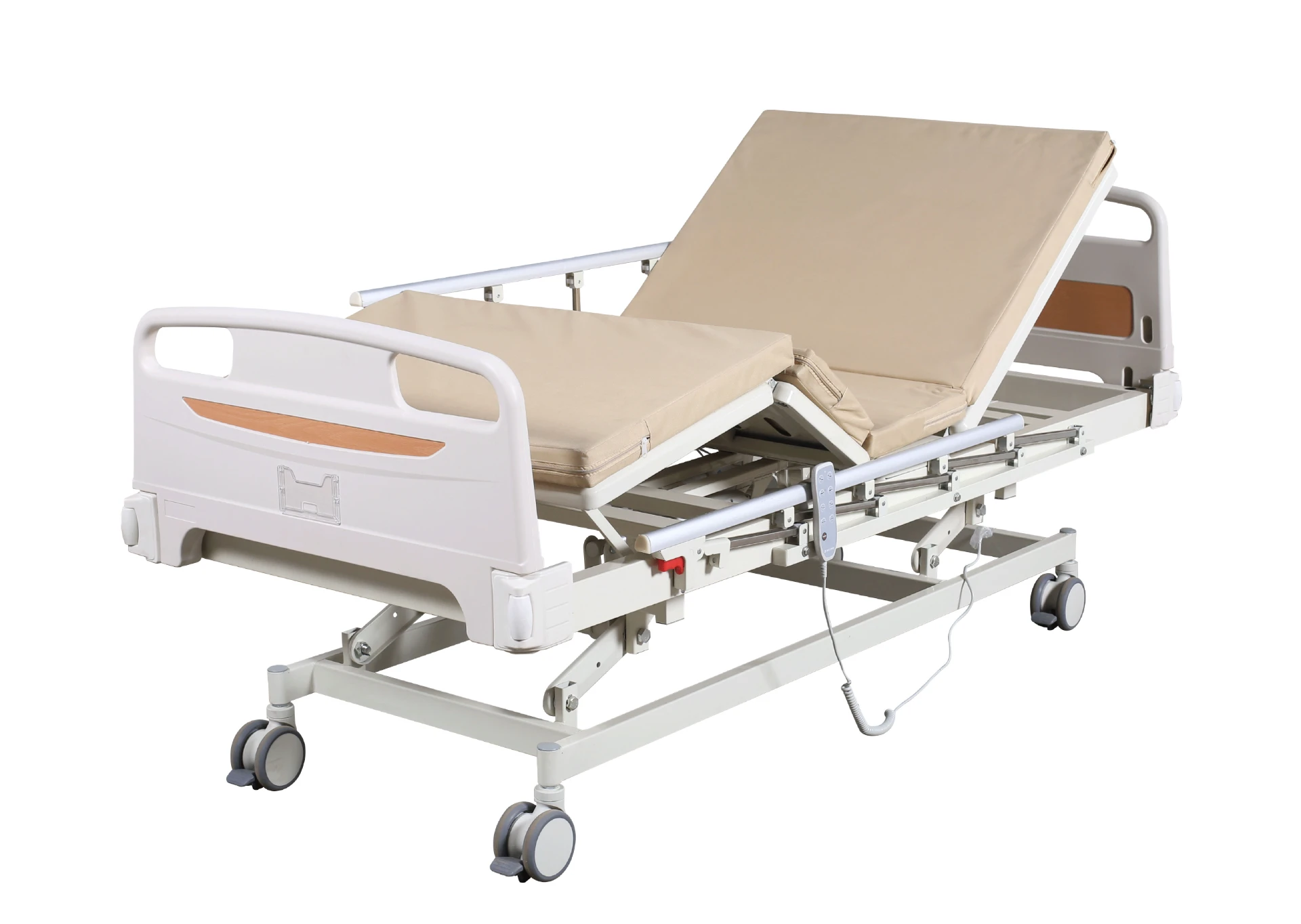
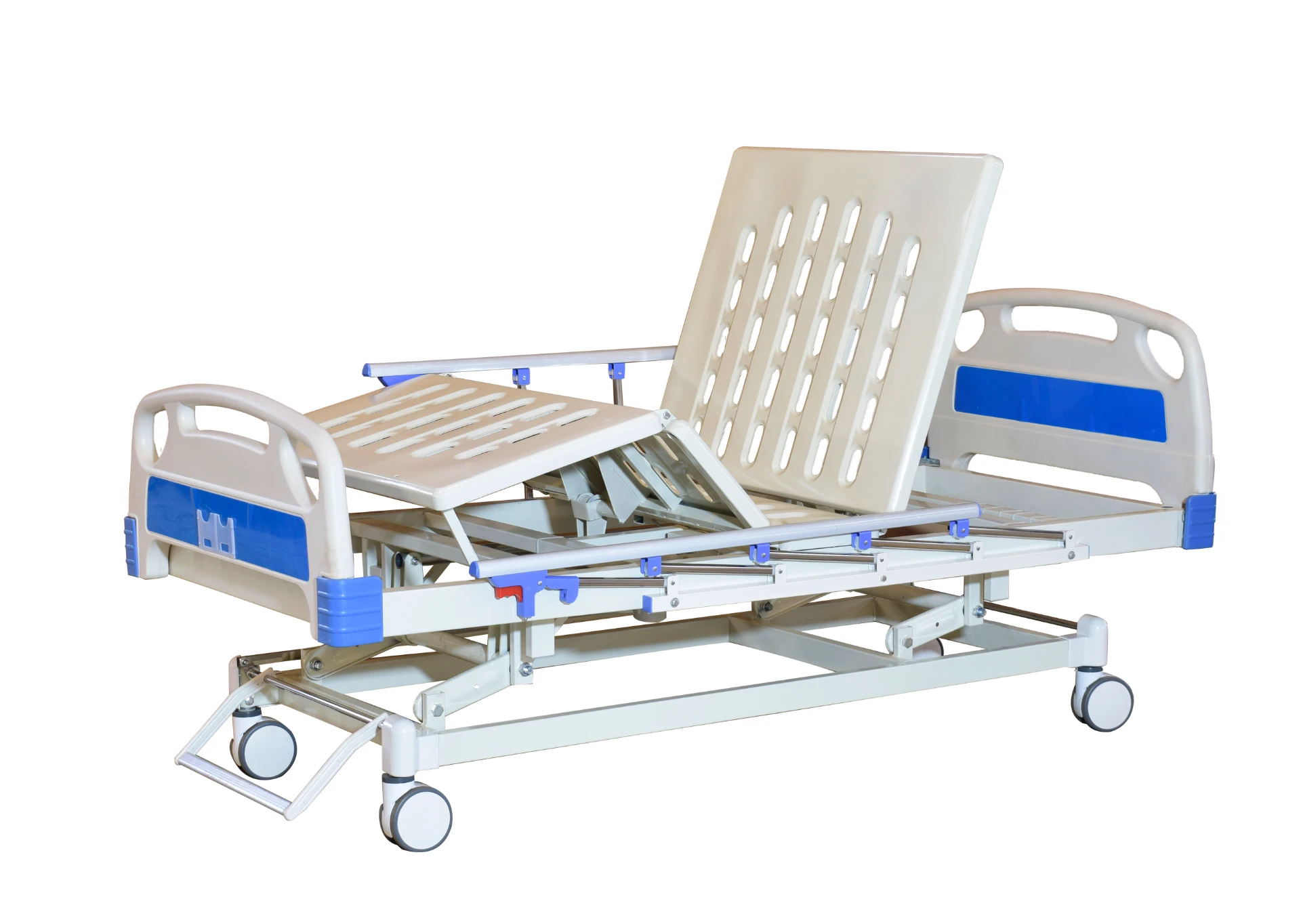
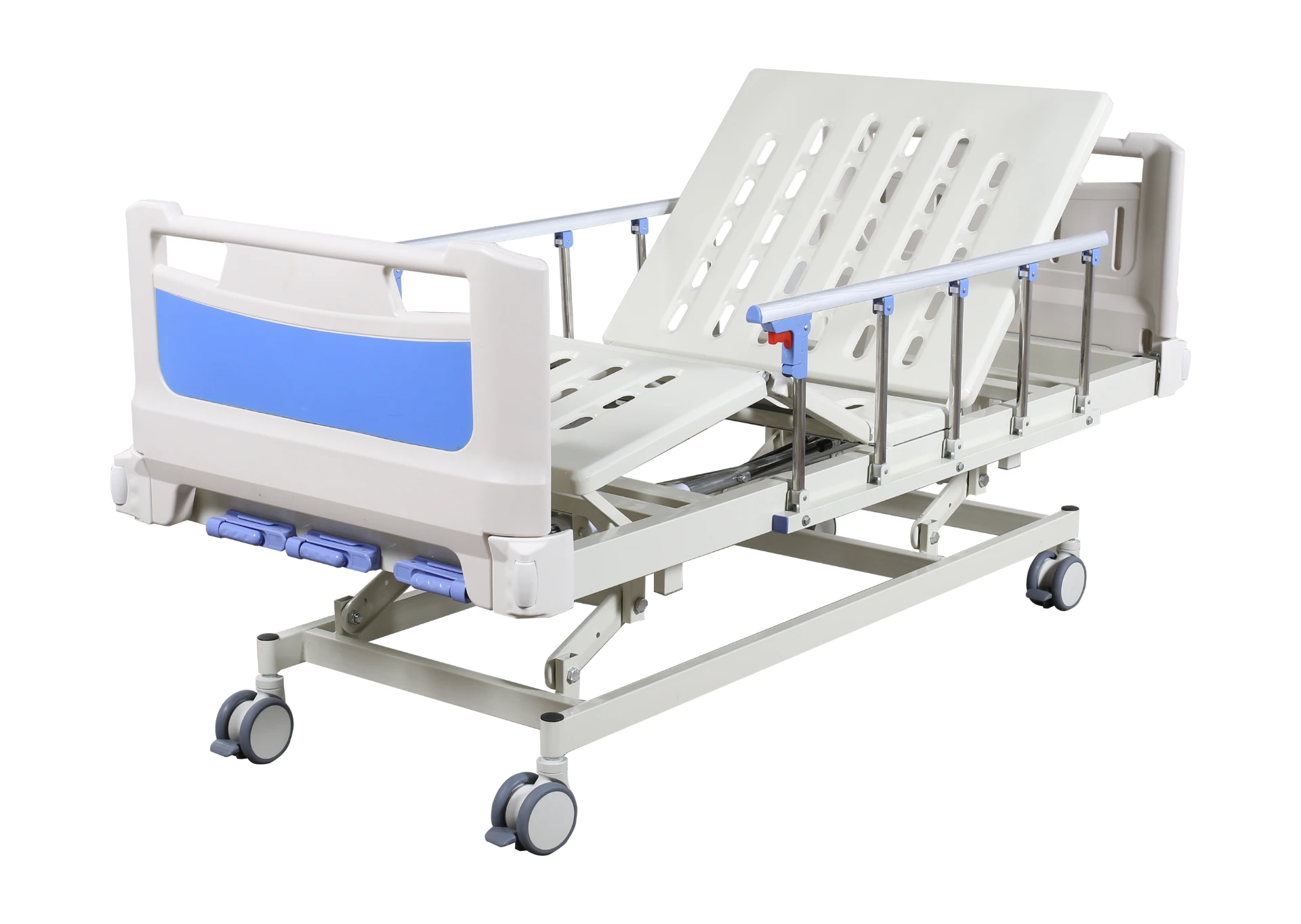
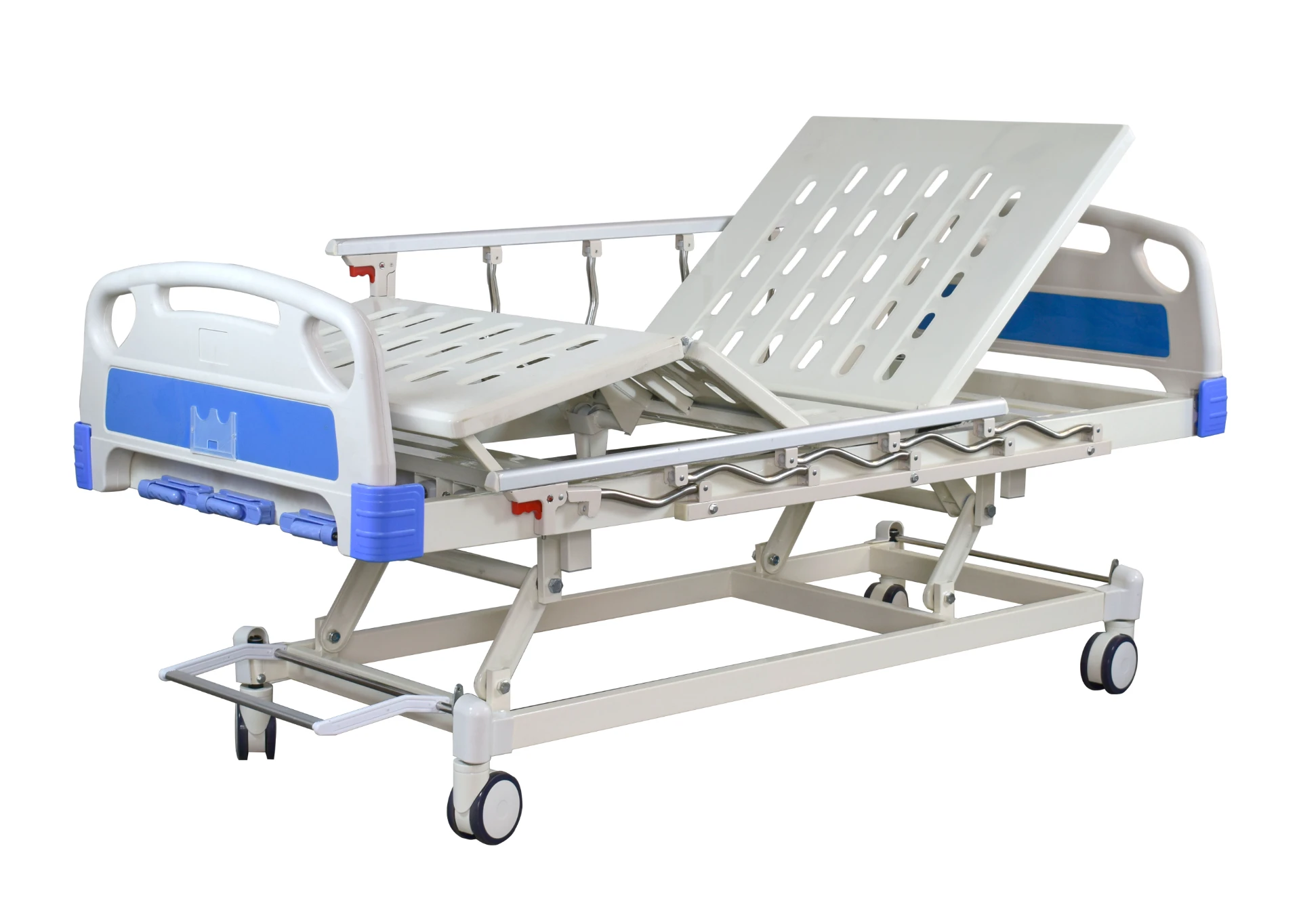
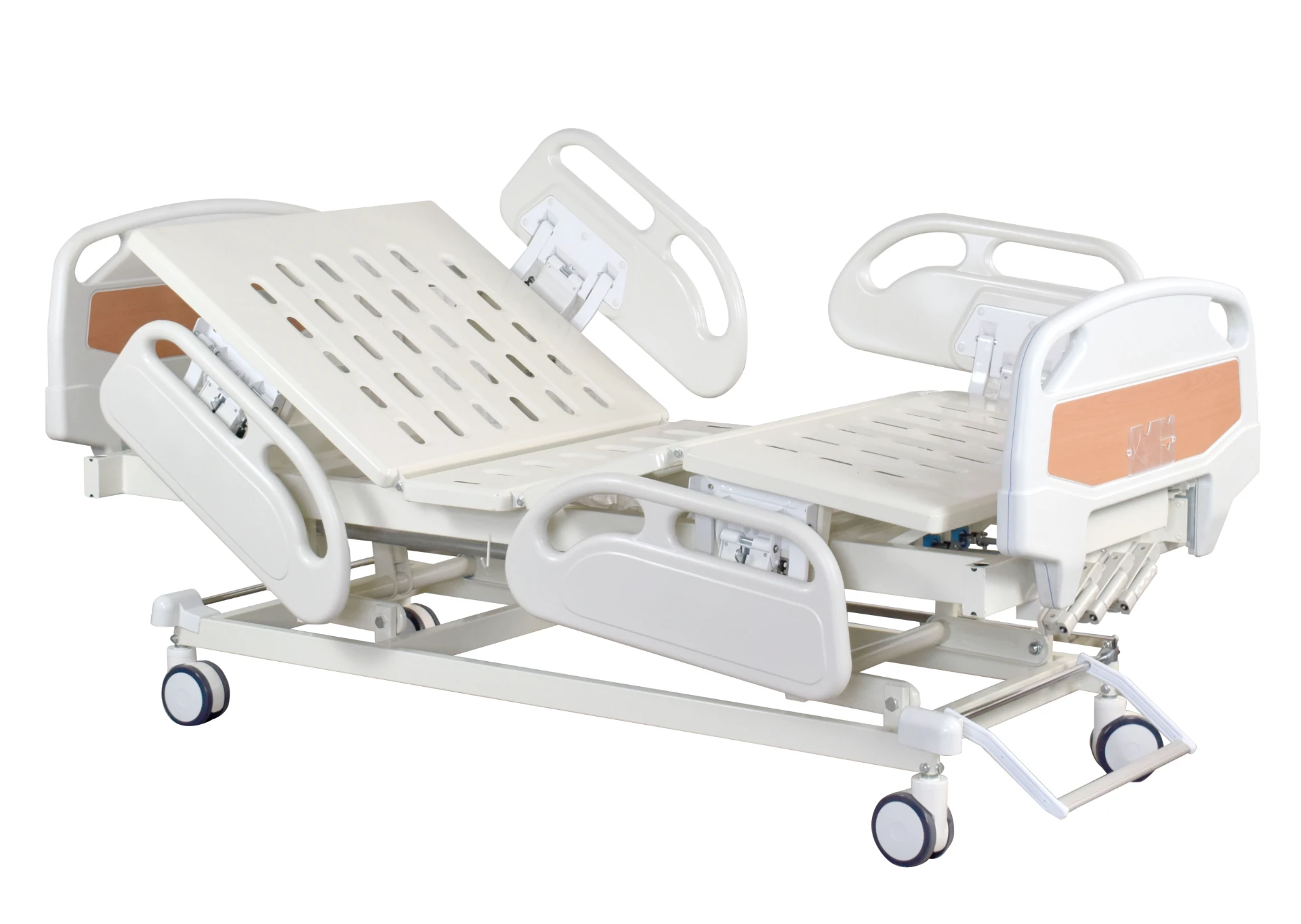
Simply put, a footboard hospital bed features a board or panel at the foot end of the mattress. This isn’t just a piece of furniture décor; it functions as physical support that stabilizes patients, helps maintain proper positioning, and sometimes provides a place for IV poles or controls. In a way, it’s like the “guardrail” for a patient’s feet, preventing sliding and enhancing safety.
These beds aren’t relics — they're very much part of modern medical infrastructure, tuned to respond to patient needs shaped by everything from aging populations to pandemic pressures.
Main Features That Make Footboard Hospital Beds Special
1. Durability
Trust me when I say the last thing a hospital needs is a bed breaking down mid-shift. Footboard hospital beds are generally made from steel or aluminum, designed to endure millions of flexes and sometimes rough handling during patient transfer or transport. Many engineers stress how corrosion resistance plays a big role in longevity.
2. Adjustability
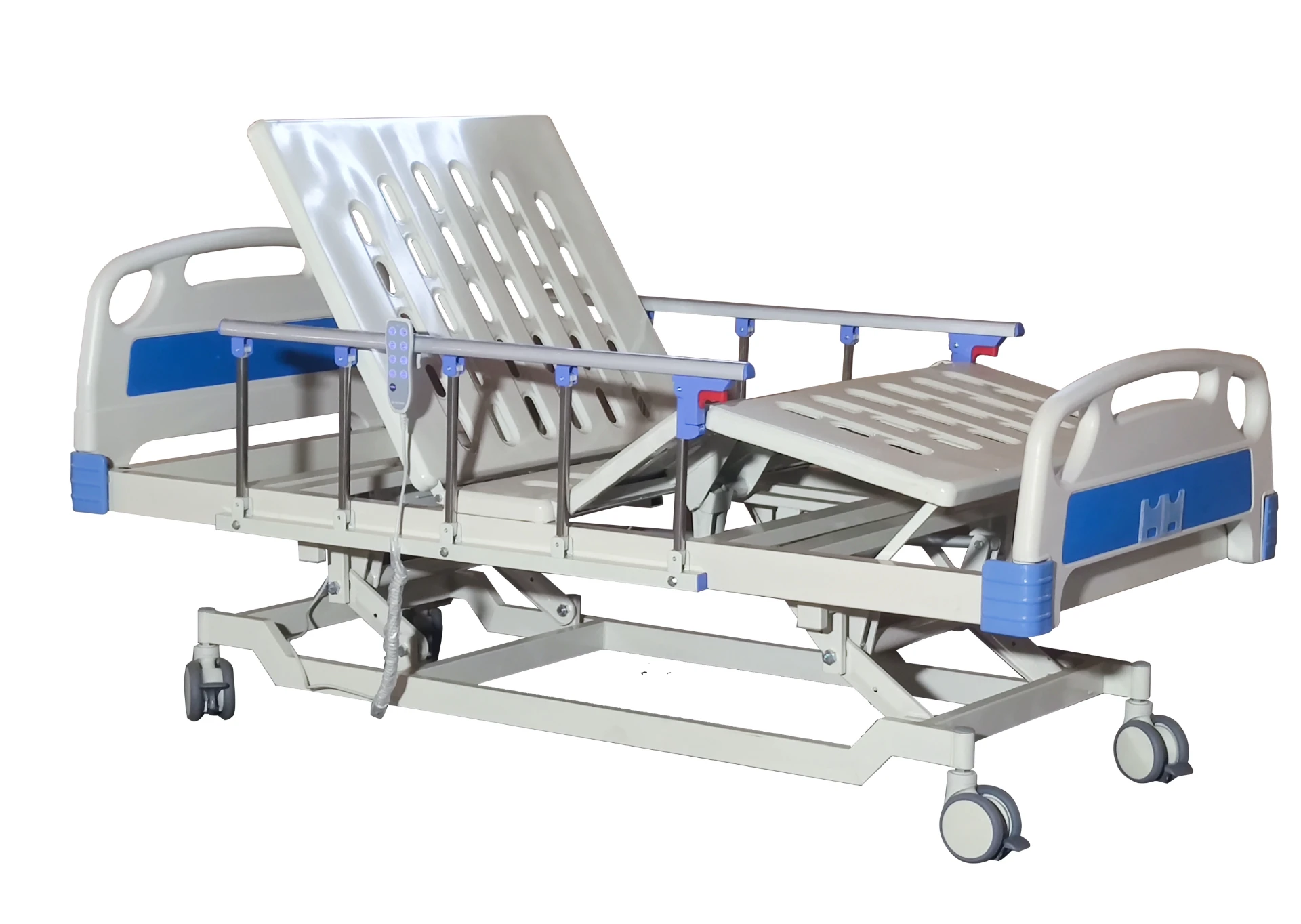
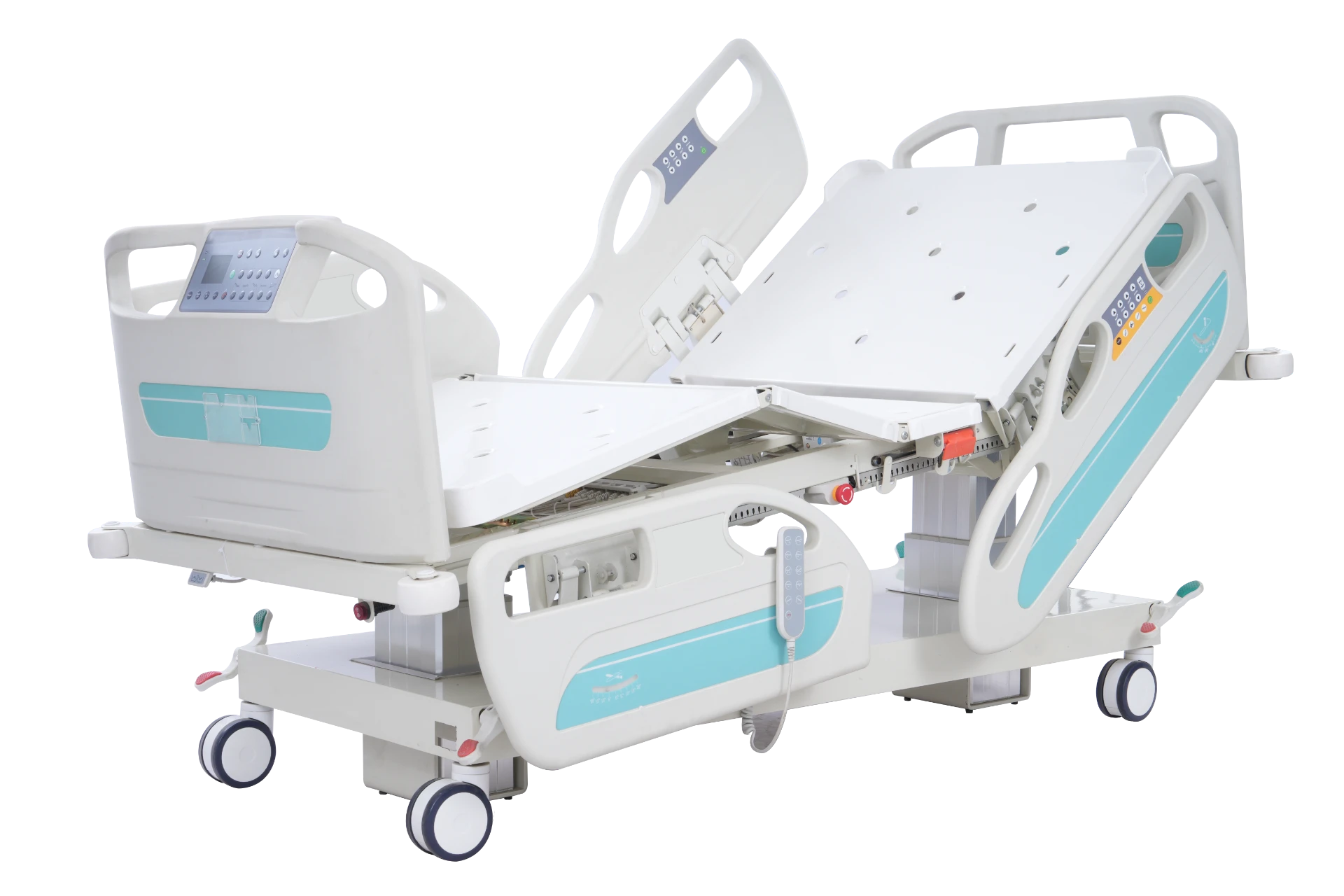
Modern footboard beds often feature adjustable height, backrests, and legs — sometimes controlled electronically. This flexibility addresses a range of patient needs, from mobility issues to pressure sore prevention. Ergonomics matter not just for patients but caregivers.
3. Infection Control
Surfaces are frequently treated to be antimicrobial or easy to clean. The footboard, being part of the patient's environment, needs to meet strict hygiene standards, particularly in post-surgical or isolation wards.
4. Cost Efficiency
Now, this isn’t just about the purchase price. Hospitals consider long-term maintenance, energy consumption (for electric beds), and adaptability to reduce total cost. Footboard hospital beds that balance initial investment with durability often win out.
5. Patient Comfort and Safety
The footboard prevents patients from sliding down, especially useful for elderly or less mobile individuals. It maintains their dignity and prevents injuries from accidental falls or awkward positions.
Mini takeaway:
These core factors combine to create beds that not only support healing but ease the workload on hospital staff.
Global Usage: Footboard Hospital Beds in Action
In emergency field hospitals set up after disasters in Southeast Asia, footboard hospital beds provide quick and stable patient care platforms, helping manage overflow patients. Meanwhile, European hospitals with aging populations demand adjustable footboard beds for chronic care wards. In African rural clinics, the focus is on cost-effective, durable designs that integrate footboards as a safety feature without adding prohibitive costs.
Organizations like Médecins Sans Frontières often source footboard hospital beds for deployments in conflict zones, where stability and patient safety against makeshift conditions become non-negotiable. Frankly, a sturdy footboard bed can be the difference between a smooth recovery and complications due to patient falls or discomfort.
Comparing Notable Footboard Hospital Bed Specifications
| Specification | Basic Model | Advanced Electric | Portable Field |
|---|---|---|---|
| Material | Steel | Aluminum Alloy + Steel | Lightweight Aluminum |
| Adjustability | Manual Backrest | Electric Head, Foot, Height | Fixed Height |
| Weight Capacity | 150 kg | 200 kg | 120 kg |
| Antimicrobial Surface | No | Yes | Partial |
| Price Range | $300 - $450 | $1500 - $2200 | $400 - $700 |
How Providers Stack Up: Footboard Hospital Bed Vendor Comparison
| Vendor | Global Reach | Customization | Warranty | Price Range |
|---|---|---|---|---|
| MedEquip Solutions | 120+ countries | High | 5 years | $$$ |
| HealthBeds Inc. | 60 countries | Medium | 3 years | $$ |
| Frontline Medical | 30 countries | Low | 2 years | $ |
The Long-Term Value of Choosing the Right Footboard Hospital Bed
When hospitals invest in quality footboard beds, they're not just investing in furniture — they’re investing in improved patient outcomes, reduced staff injury, and operational efficiency. In real terms, I've seen how better beds lower fall incidents and improve patient sleep, which speeds recovery. On a social level, a sturdy footboard bed dignifies care—patients feel safer, more respected. Also, hospitals save money on fewer replacements and repairs.
What the Future Holds: Trends in Footboard Hospital Beds
Innovation marches on. Tomorrow’s footboard hospital beds are looking smarter and greener. Imagine integrated sensors that monitor patient movement to alert nurses if a patient slips or attempts to get up unsafely. Materials may shift toward sustainable composites — lighter but stronger — reducing energy use for transport and cleaning. Digital controls paired with IoT systems are becoming the new norm, making beds part of a broader connected care ecosystem.
The Usual Challenges and How Experts Solve Them
Not all is perfect with footboard hospital beds. In some low-income settings, cost still blocks access to better designs. Portability and easy sterilization post-use are ongoing challenges, especially in disaster zones. The good news? NGOs and manufacturers are collaborating on modular designs and leasing models, meaning even remote clinics can get their hands on quality beds without the financial burden upfront.
FAQ: Common Questions About Footboard Hospital Beds
- Q: Are footboard hospital beds suitable for home care?
A: Absolutely. Many models are designed for both hospital and home use, offering adjustability and safety features that help caregivers manage patient mobility comfortably. - Q: How easy is it to clean footboard hospital beds?
A: Most modern footboard hospital beds have antimicrobial coatings and smooth surfaces, making them easy to disinfect. Regular cleaning protocols ensure hygiene without damaging materials. - Q: Do electric adjustment features increase maintenance needs?
A: Electric beds do require more maintenance than manual ones but offer superior patient comfort. Routine servicing, often covered by warranty, keeps these beds reliable over years. - Q: Can footboard hospital beds accommodate heavier patients?
A: Many beds are rated to support weights from 150 up to 300 kg, so it's important to review specs when purchasing to ensure compatibility with patient needs.
In Conclusion: Why a Footboard Hospital Bed Should Be Your Next Healthcare Investment
This might sound a bit down-to-earth, but a well-chosen footboard hospital bed improves outcomes, protects patients, reduces caregiver strain, and saves money down the line. If you want to see what the latest models offer — from robust design to smart tech features — visit footboard hospital bed suppliers online. It’s a small detail that makes a big difference.
Mini takeaway:
Footboard hospital beds blend comfort, safety, and smart engineering — essential for modern, compassionate healthcare.
References:
-
Ultimate Guide to Choosing Extra Wide Waiting Room ChairsNewsApr.16,2026
-
Guide to Choosing Professional Waiting Room Chairs Wipeable SeatingNewsApr.09,2026
-
Enhance Your Space with Comfortable Wide Waiting Room ChairsNewsApr.07,2026
-
Selecting the Ideal Brown Waiting Room Chairs for a Welcoming SpaceNewsApr.04,2026
-
Choosing Comfortable Patient Waiting Room Chairs for Healthcare FacilitiesNewsMar.31,2026
-
Finding the Best Deals on Affordable and Cheap Reception Chairs for Your BusinessNewsMar.28,2026
-
Enhance Your Business Reception with Comfortable Blue Reception ChairsNewsMar.26,2026