Welcome to our websites!


Find Your New Mattress: Cooling, Comfort & Top Stores
Industry Trends in Advanced Mattress Solutions
The landscape of sleep technology is undergoing a transformative shift, driven by advancements in material science, ergonomic design, and a heightened focus on health and wellness. For B2B stakeholders, the strategic acquisition of a new mattress represents more than a simple procurement; it's an investment in productivity, patient care, and customer satisfaction. Current trends emphasize smart textiles, personalized comfort zones, and sustainable manufacturing practices, moving beyond traditional spring and foam constructions towards integrated systems that offer unparalleled support and durability.
Innovations in cooling mattress technologies, for instance, are addressing thermoregulation, a critical factor in sleep quality, by incorporating phase-change materials and advanced ventilation systems. Simultaneously, the demand for medical-grade mattresses is escalating, particularly for applications requiring superior pressure redistribution and hygiene. This evolution mandates a sophisticated understanding of technical specifications, material performance, and application-specific advantages to make informed purchasing decisions.
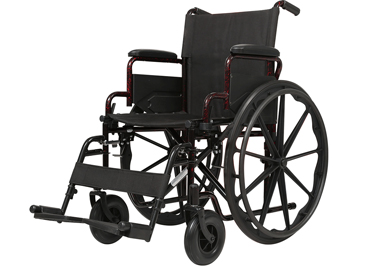
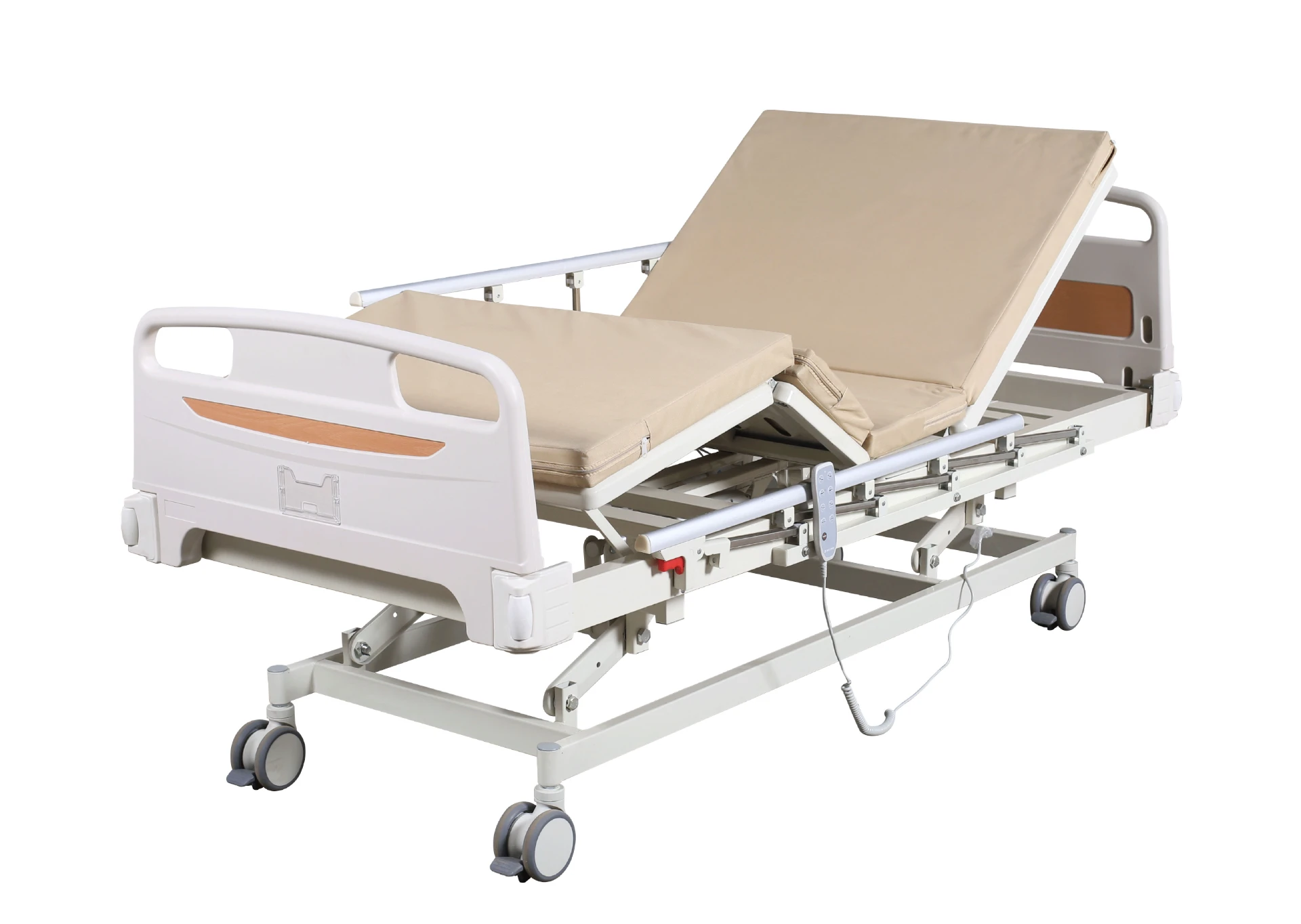
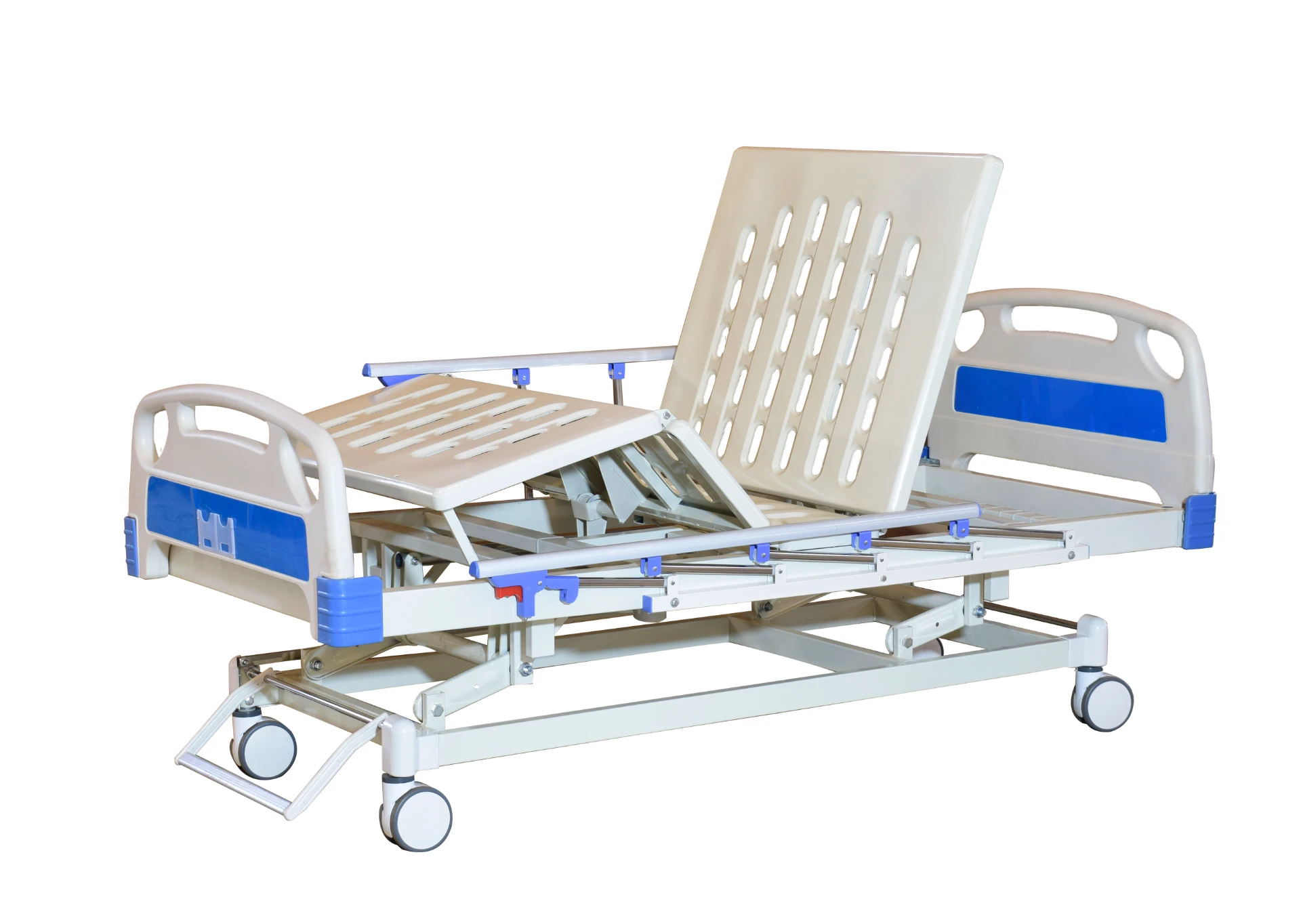
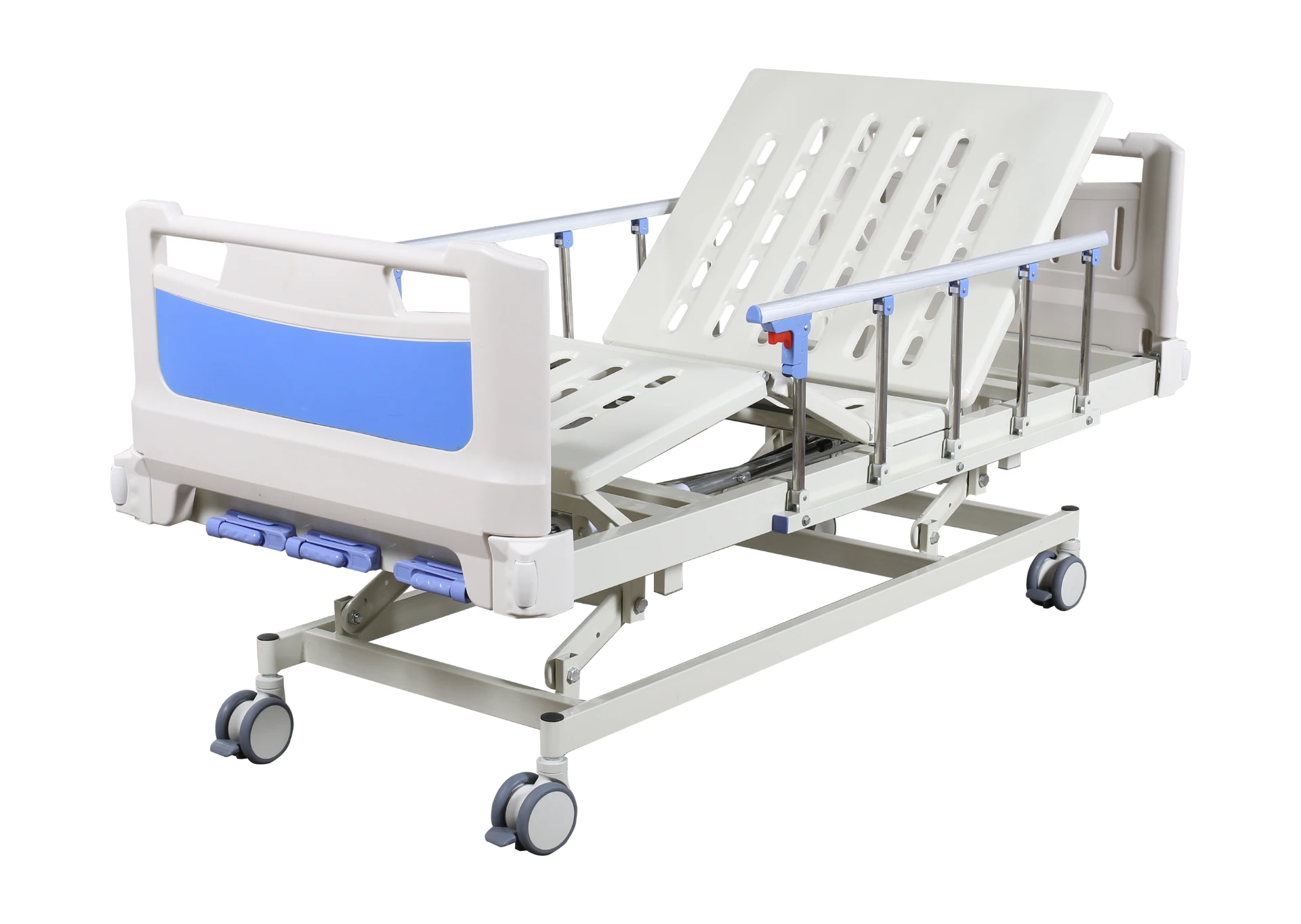
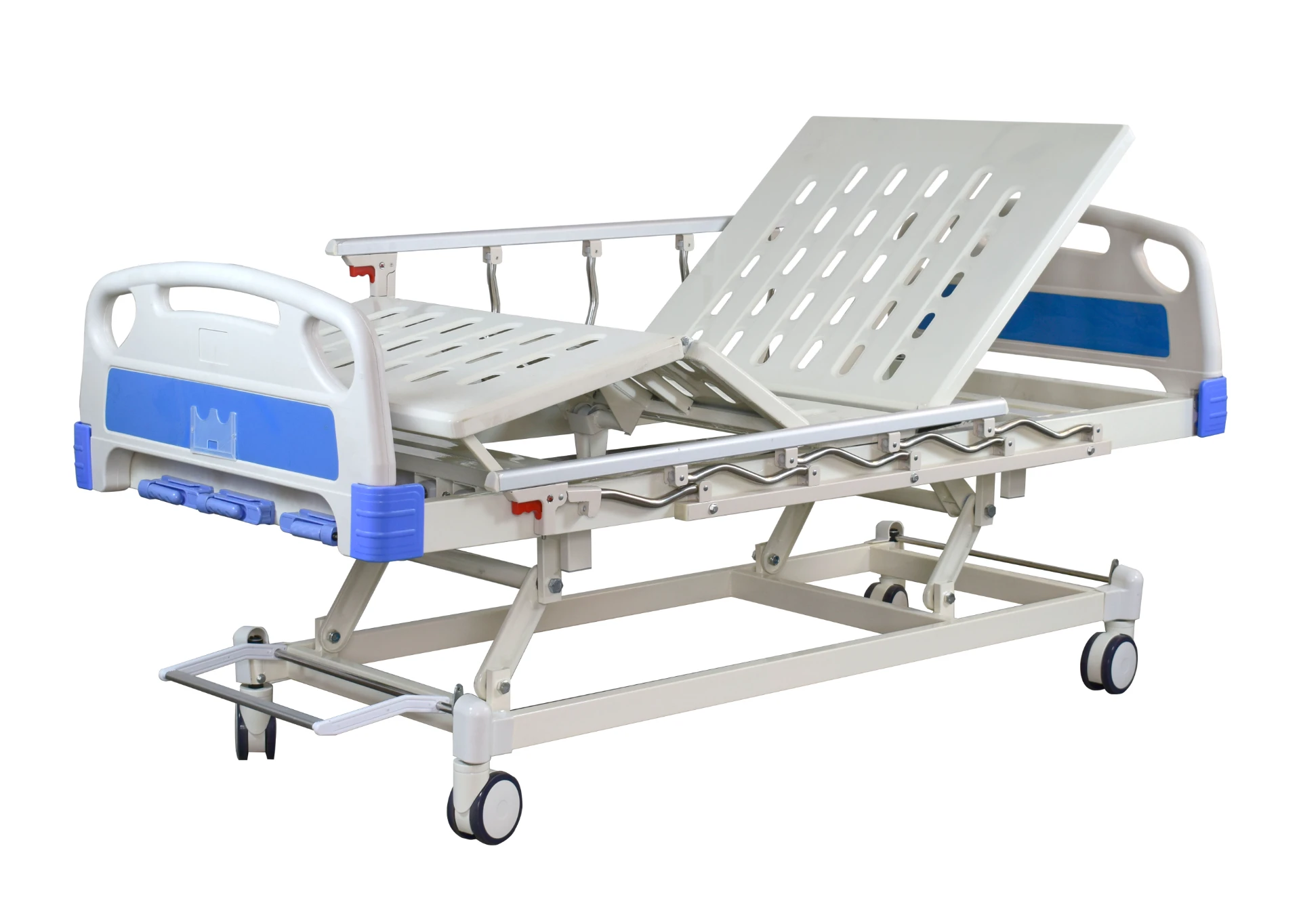
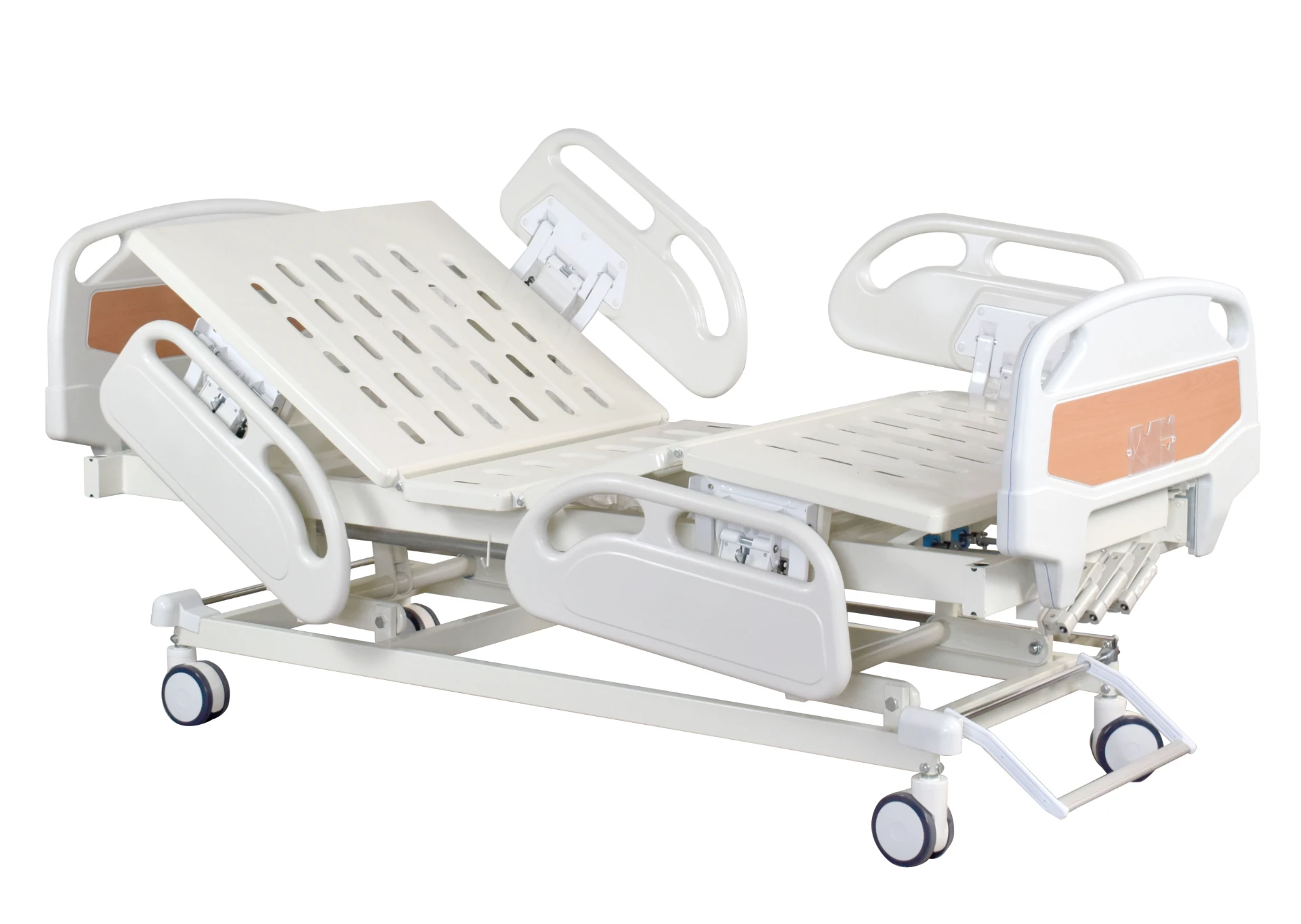
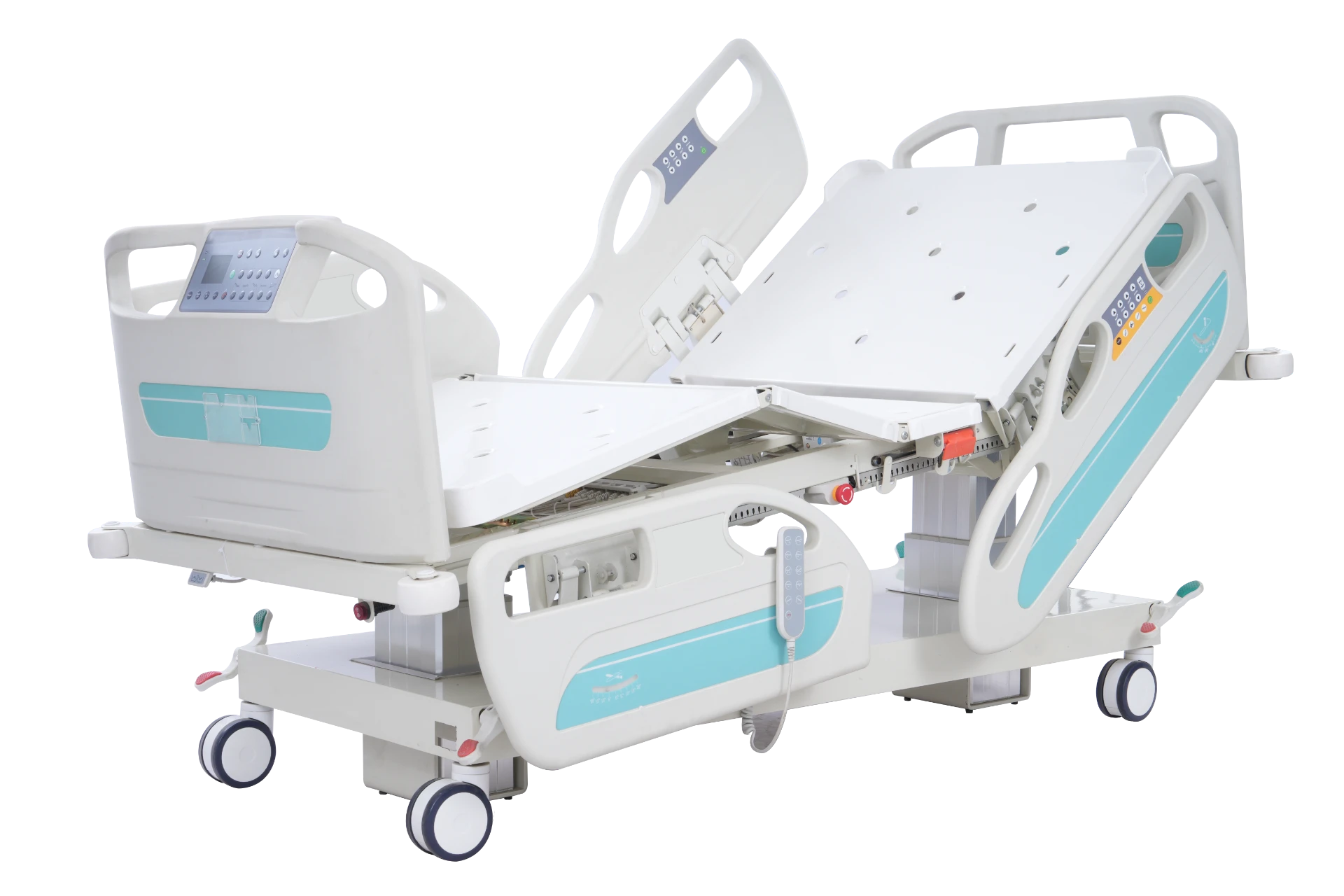
Fig 1: Advanced ergonomic support structure for a new mattress.
Technical Specifications and Materials for a Modern Mattress
The performance of any new mattress hinges on its constituent materials and precise technical specifications. Modern mattresses are complex engineering marvels, designed to meet diverse demands from superior lumbar support to antimicrobial properties. Key components often include high-density foams, advanced coil systems, and specialized cover fabrics.
- Foam Layers: This can include memory foam (viscoelastic polyurethane), known for pressure relief and contouring; latex foam (natural or synthetic), prized for its responsiveness and durability; and high-resilience (HR) polyfoam, forming foundational support. Density (kg/m³) and Indentation Load Deflection (ILD) are crucial parameters determining firmness and longevity. For instance, medical-grade memory foam might have a density of 80-100 kg/m³ and an ILD of 10-14, ensuring optimal pressure redistribution.
- Coil Systems: Innerspring mattresses utilize various coil types such as Bonnell, offset, continuous, or individually pocketed coils. Pocketed coils, often made from tempered steel wire (e.g., 13-15 gauge), offer superior motion isolation and targeted support by conforming independently to body contours. Coil count and gauge are critical for durability and support.
- Cover Fabrics: Materials like Tencel, organic cotton, bamboo, or specialized synthetic blends (e.g., phase-change materials for cooling) are selected for breathability, moisture-wicking properties, and tactile feel. Antimicrobial and hypoallergenic treatments are common, especially in healthcare and hospitality sectors.
- Support Bases: Often constructed from high-density foam or reinforced structural elements, these provide stability and prevent sagging, extending the service life of the mattress.
Typical Mattress Parameters
| Parameter | Description | Typical Range/Value |
|---|---|---|
| Foam Density (Memory) | Mass per unit volume, affecting durability and feel. | 4-8 lbs/cu ft (64-128 kg/m³) |
| ILD (Indentation Load Deflection) | Firmness rating of foam (lower = softer). | 10-40 (lower for top layers, higher for support) |
| Coil Gauge | Thickness of spring wire (lower = thicker/firmer). | 12-16 gauge |
| Coil Count (Queen) | Number of individual springs, indicates support. | 800-2000+ (pocketed coils) |
| Mattress Height | Overall thickness of the mattress. | 8-14 inches (20-35 cm) |
| Service Life | Expected functional lifespan. | 7-10 years (commercial grade often higher) |
Manufacturing Process of a High-Performance Mattress
The production of a high-quality new mattress involves a meticulously orchestrated series of steps, integrating material science with advanced fabrication techniques. While traditional industrial processes like casting or forging are not applicable, precise cutting, layering, bonding, and automated quilting are central to mattress manufacturing.
- Material Sourcing & Preparation: Raw materials such as foam blocks, coil wire, and fabric rolls are sourced from certified suppliers. Foams undergo cutting processes using CNC foam cutters to achieve precise dimensions and shapes for various layers (e.g., comfort layer, transition layer, support core). Coil wire is formed into springs and often heat-treated for resilience before being encased in fabric pockets.
- Core Assembly: For innerspring systems, coils are assembled into a robust unit, often reinforced with edge support systems. For all-foam mattresses, the high-density support core is prepared as the foundation.
- Layering & Bonding: Subsequent layers – such as transition foams, memory foam, or latex – are carefully stacked onto the core. Specialized, non-toxic adhesives (e.g., water-based or hot melt glues applied via automated spray systems) are used to bond these layers, ensuring stability and preventing shifting. This critical step impacts the overall feel and durability.
- Cover Fabrication & Quilting: The mattress cover fabric is cut, stitched, and often quilted with thin layers of comfort foam or fiberfill to create a plush top surface. Automated quilting machines ensure consistent patterns and durability.
- Final Assembly & Closing: The assembled core and comfort layers are inserted into the finished cover. The cover is then meticulously sewn closed, often using industrial sewing machines, for a clean, durable finish. Edge taping is a common technique to reinforce the mattress perimeter.
-
Quality Control & Testing: Each mattress undergoes rigorous quality checks.
- Durability Testing: Standards like ASTM F1566 (Standard Test Methods for Evaluation of Innersprings, Boxsprings, and Mattress Sets) simulate years of use through repeated rolling load tests.
- Flammability Standards: Compliance with fire safety regulations such as California TB 117-2013 or equivalent national standards is mandatory.
- Material Certifications: Foams often adhere to CertiPUR-US standards, ensuring they are made without harmful chemicals and low VOC (Volatile Organic Compound) emissions. Fabrics may carry OEKO-TEX certification.
- Dimensional Accuracy: Verification of overall dimensions and layer thicknesses.
- Packaging & Logistics: Mattresses are compressed, rolled, and vacuum-sealed for efficient shipping or packaged flat, depending on the product type and customer requirements.
Application Scenarios and Target Industries
The versatility of a well-engineered new mattress extends across a broad spectrum of B2B applications, each with unique demands for durability, hygiene, and comfort. Understanding these distinct environments is crucial for selecting the optimal mattress solution.
- Hospitality Sector (Hotels, Resorts, Cruise Lines): Requires mattresses that withstand high-traffic use, offer consistent comfort across varying guest preferences, and are easy to maintain. Key advantages include enhanced guest satisfaction, leading to repeat business and positive reviews. Durability and fire retardancy are paramount. These are often bought from specialized mattress stores.
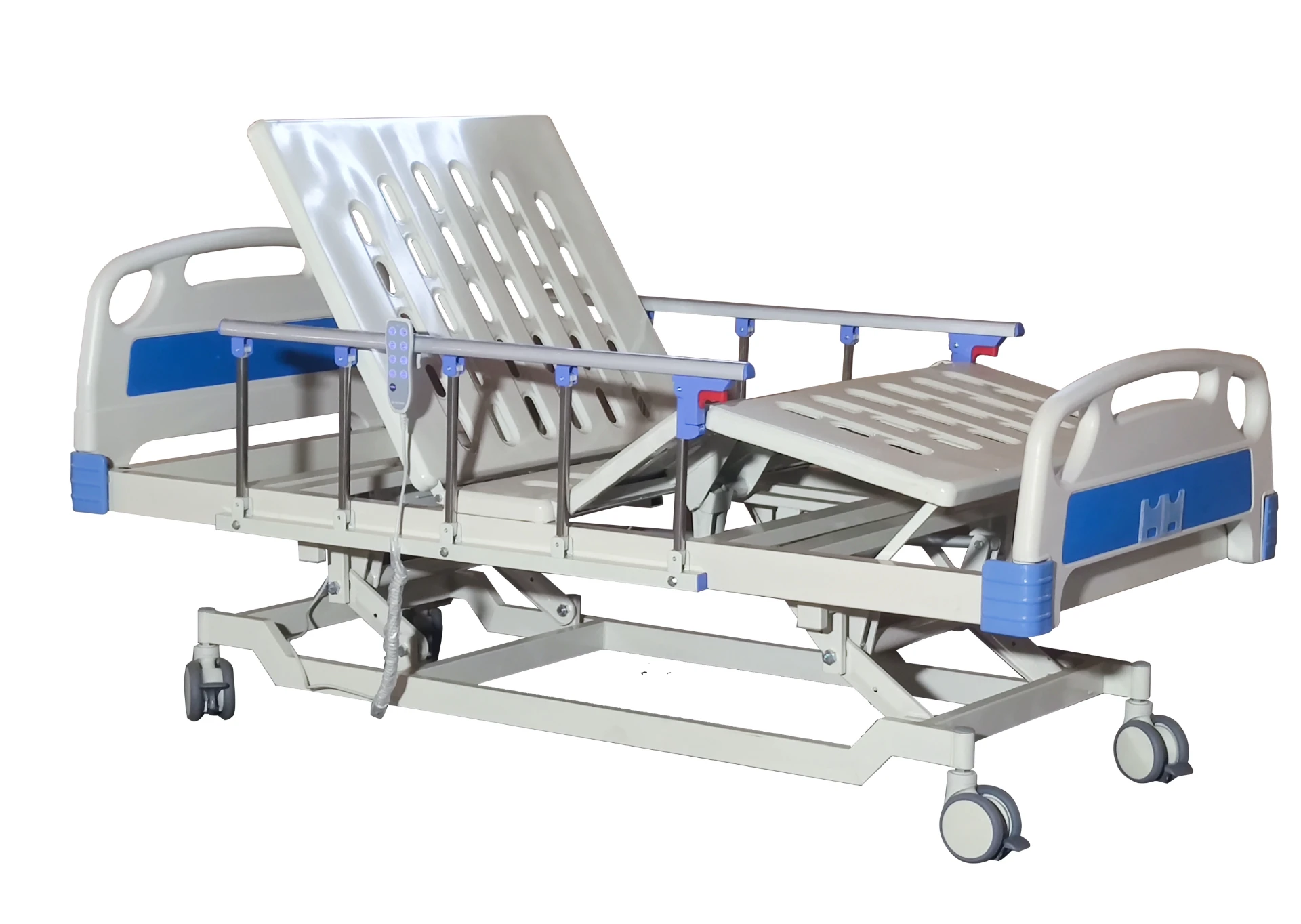
- Healthcare Facilities (Hospitals, Clinics, Long-Term Care): Demands specialized medical mattresses designed for pressure redistribution, infection control, and compatibility with adjustable beds or a medical trolley. Features like fluid-resistant covers, antimicrobial treatments, and firm edge support are critical. These mattresses directly impact patient recovery and staff efficiency. The connection between a bed and mattress in a medical setting is critical for patient comfort and prevention of bedsores.
- Educational Institutions (Dormitories, Boarding Schools): Focus on robust construction to endure intensive use, easy-to-clean surfaces, and cost-effectiveness. Hypoallergenic properties and durability against wear and tear are significant advantages.
- Workforce Accommodations (Oil Rigs, Mining Camps, Construction Sites): Requires extremely durable and often space-efficient mattress solutions that can withstand harsh environments and frequent turnover. Resistance to extreme temperatures and high humidity is a common requirement.
- Retailers and Furniture Stores: For businesses specializing in sales to end-consumers, a diverse range of mattresses—from basic to luxury—is essential. Collaboration with manufacturers for private labeling and specific design requirements (e.g., an innovative cooling mattress line) is common.
In these scenarios, the advantages are not merely about comfort but extend to operational efficiency, regulatory compliance, and brand reputation. For instance, in healthcare, a mattress with superior pressure relief capabilities can significantly reduce the incidence of pressure ulcers, directly impacting patient outcomes and healthcare costs.
Fig 2: Application of new mattress technology in a commercial setting.
Technical Advantages of Advanced Mattress Technologies
Investing in a modern new mattress solution offers a multitude of technical advantages that directly translate into operational benefits and user satisfaction. These advantages are built upon sophisticated material science and engineering.
- Superior Pressure Redistribution: Advanced foams, especially high-density memory foam and medical-grade latex, are engineered to distribute body weight evenly, minimizing pressure points. This is critical in healthcare to prevent decubitus ulcers and in hospitality for enhanced guest comfort.
- Optimized Thermoregulation: Innovations like gel-infused memory foam, phase-change materials (PCMs) in cover fabrics, and open-cell foam structures actively manage temperature. A cooling mattress design dissipates heat, preventing overheating and promoting deeper sleep, a significant advantage in warm climates or for individuals prone to night sweats.
- Enhanced Durability and Longevity: Commercial-grade mattresses utilize high-density foams, tempered steel coils, and reinforced edge support. These materials, combined with stringent manufacturing standards, ensure a service life often exceeding 10 years, offering a superior return on investment compared to conventional models.
- Advanced Hygiene and Antimicrobial Properties: Many modern mattresses feature covers treated with antimicrobial agents, fluid barriers, and are designed for easy cleaning. This is particularly vital in healthcare and hospitality to maintain a sterile environment and prevent allergen buildup.
- Motion Isolation: Individually pocketed coil systems and dense foam cores excel at absorbing motion, preventing disturbances from partner movement. This translates to uninterrupted sleep, a critical factor for guest satisfaction in hotels and shared accommodations.
- Ergonomic Support and Spinal Alignment: Zoned support systems integrate different firmness levels across the mattress to provide targeted support to various body parts, promoting optimal spinal alignment and reducing back pain.
These technical advancements collectively contribute to a superior sleep experience, whether for a patient requiring therapeutic support or a hotel guest seeking ultimate comfort. The investment in such technology ensures performance, compliance, and user well-being.
Vendor Comparison and Selection Criteria for Mattresses
When looking to buy mattress solutions for B2B applications, selecting the right vendor is as crucial as the product itself. The market is saturated with options, making a structured comparison imperative. Key differentiators often lie in material quality, manufacturing consistency, customization capabilities, and after-sales support.
Key Comparison Parameters:
- Certifications: Verify certifications such as CertiPUR-US for foam safety, OEKO-TEX for fabric environmental friendliness, and ISO 9001 for quality management systems.
- Material Transparency: Reputable vendors provide detailed specifications for foam densities, coil gauges, and fabric compositions. Avoid vague descriptions.
- Durability Testing Data: Request evidence of third-party durability testing (e.g., ASTM F1566) to validate the projected service life.
- Customization Options: Assess the vendor's ability to provide tailored solutions for specific needs (e.g., non-standard dimensions, specific firmness profiles, specialized covers).
- Warranty and Support: Understand the warranty terms for commercial use, lead times for bulk orders, and the availability of responsive customer support.
- Cost-Efficiency vs. Price: Evaluate the total cost of ownership, factoring in durability, maintenance, and replacement cycles, rather than just the initial purchase price.
Product Comparison: Foam vs. Hybrid Mattresses for B2B
| Feature | All-Foam Mattress (e.g., Memory Foam, Latex) | Hybrid Mattress (Foam + Pocketed Coils) |
|---|---|---|
| Pressure Relief | Excellent contouring, superior pressure point alleviation. | Very good, combines foam contouring with coil support. |
| Support & Firmness | Varies by foam density/ILD, can be customized from soft to firm. | Excellent, robust support from coil system, often with zoned firmness. |
| Motion Isolation | Generally superior due to dense, conforming foam layers. | Excellent with individually pocketed coils. |
| Durability (Commercial) | High-density foams offer long lifespan (7-10+ years). | Very high, tempered steel coils and high-density foams (8-12+ years). |
| Temperature Regulation | Can retain heat; newer designs use gel/open-cell foam for cooling. | Better airflow due to coil structure; often includes cooling fabrics/foams. |
| Cost (Bulk B2B) | Mid to high, depending on foam type and density. | Generally higher due to complex construction and materials. |
For businesses looking to buy mattress solutions, evaluating these parameters against specific application needs will lead to the most effective procurement strategy. Visiting mattress stores, especially those specializing in B2B, can also provide valuable insights and direct product experience.
Customized Mattress Solutions for B2B Clients
The diverse requirements of B2B clients often necessitate customized mattress solutions rather than off-the-shelf products. Whether for unique dimensions, specialized comfort profiles, or specific regulatory compliance, manufacturers offering bespoke services can provide a significant competitive advantage.
Customization options for a new mattress can include:
- Dimensional Tailoring: Producing mattresses in non-standard sizes for antique beds, built-in berths (e.g., on yachts or RVs), or specialized hospital beds.
- Firmness and Support Profiles: Adjusting foam densities, coil gauges, or layering sequences to achieve a precise firmness level (e.g., extra firm for therapeutic applications, soft plush for luxury hospitality).
- Material Specification: Selecting specific materials for covers (e.g., waterproof, antimicrobial, stain-resistant, cooling fabrics for a specialized cooling mattress) or internal components (e.g., hypoallergenic latex, medical-grade memory foam).
- Branding and Labeling: Incorporating client logos, specific care instructions, or private labeling for enhanced brand consistency.
- Regulatory Compliance: Manufacturing to meet specific international fire safety standards, emissions standards, or healthcare regulations for a `bed and mattress` system.
Collaborating with a manufacturer capable of delivering these customized solutions ensures that the final product perfectly aligns with operational demands and performance expectations, driving both efficiency and end-user satisfaction.
Application Case Studies: Transforming Environments with Advanced Mattresses
Case Study 1: Luxury Hotel Chain Upgrade
A prominent international luxury hotel chain sought to elevate its guest experience by upgrading all mattresses across 50 properties. Their objective was to provide a consistently high level of comfort and support, while also meeting stringent durability and fire safety standards. After extensive evaluation and consultation with a specialist mattress manufacturer, they opted for a customized hybrid new mattress featuring a pocketed coil core for superior motion isolation and a plush, gel-infused memory foam top layer for cooling and pressure relief. The mattresses were specifically engineered to withstand commercial use, demonstrating minimal sag after 100,000 cycles on ASTM F1566 durability tests. Customer feedback reported a 15% increase in guest satisfaction scores related to sleep quality, directly contributing to higher repeat bookings and improved online reviews.
Case Study 2: Regional Hospital Network Enhancement
A regional hospital network faced challenges with pressure ulcer incidence rates and mattress replacement costs. They required a durable, hygienic, and therapeutically effective new mattress solution. The chosen vendor supplied an advanced medical-grade foam mattress with multiple layers of high-density, viscoelastic foam designed for optimal pressure redistribution. The mattress featured a fluid-proof, vapor-permeable, antimicrobial cover that was easily cleanable and resistant to common hospital disinfectants. Post-implementation data showed a 30% reduction in pressure ulcer development among high-risk patients over an 18-month period, along with a projected 25% decrease in annual mattress replacement costs due to enhanced durability. The integration of this specialized bed and mattress system with existing medical trolley infrastructure also streamlined patient transfers.
Case Study 3: Remote Industrial Camp Comfort
For a mining company operating in a remote, harsh environment, providing comfortable and durable sleeping arrangements for its workforce was a priority. Traditional mattresses quickly degraded due to temperature fluctuations and heavy usage. They commissioned a custom-designed heavy-duty foam new mattress with a robust, fire-retardant vinyl cover and high-resilience foam core. These mattresses were built to a specific, compact dimension to fit existing bunk beds in the modular accommodations. The solution significantly improved worker morale and rest quality, contributing to a reported 5% increase in operational efficiency due to reduced fatigue-related incidents. The mattresses demonstrated exceptional resistance to wear, requiring minimal replacement over a five-year period.
Authoritativeness and Trustworthiness
Certifications and Quality Assurance
Our manufacturing partners adhere to stringent international quality standards, including ISO 9001:2015 for Quality Management Systems. All foam components are CertiPUR-US certified, guaranteeing they are made without ozone depleters, PBDE flame retardants, mercury, lead, heavy metals, formaldehyde, and phthalates, and have low VOC emissions for indoor air quality. Fabrics often carry OEKO-TEX Standard 100 certification, ensuring they are free from harmful substances. Regular internal and external audits are conducted to maintain compliance and ensure consistent product quality across every new mattress produced.
Fig 3: Certifications and quality seals on a new mattress.
Frequently Asked Questions (FAQ)
Q: What is the typical lead time for bulk orders?
A: For standard bulk orders (e.g., 100-500 units), the lead time is typically 4-6 weeks from order confirmation. Customized solutions may require an additional 1-2 weeks for prototyping and approval.
Q: What warranty is offered on commercial mattresses?
A: Our commercial mattresses come with a comprehensive 5 to 10-year limited warranty, covering manufacturing defects and significant material degradation under normal commercial use. Specific terms vary by product line.
Q: Can you provide samples for evaluation?
A: Yes, we offer sample mattresses or material swatches for qualified B2B clients to ensure product suitability before committing to a bulk purchase.
Q: How do your mattresses address sustainability?
A: We prioritize sustainable practices by sourcing CertiPUR-US certified foams, utilizing recycled steel for coils where possible, and employing water-based adhesives. Our manufacturing processes also focus on waste reduction and energy efficiency.
Lead Time and Fulfillment
Our robust supply chain and optimized manufacturing facilities enable efficient order fulfillment. Standard orders are typically processed within 2-3 business days, with production commencing thereafter. Freight logistics are managed through trusted partners, offering both domestic and international shipping options. Expedited services are available for urgent requirements, subject to project scope and material availability.
Warranty and Customer Support
We stand behind the quality and durability of every new mattress we deliver. Our comprehensive warranty programs are designed to provide peace of mind for commercial applications. Dedicated account managers and technical support teams are available to assist with product selection, technical inquiries, and any post-purchase support needs, ensuring a seamless experience from initial consultation to long-term usage.
Conclusion
The selection of a new mattress for B2B applications is a strategic decision that directly impacts operational efficiency, user satisfaction, and long-term cost-effectiveness. By understanding the intricate manufacturing processes, technical specifications, and diverse application scenarios, businesses can procure solutions that are not merely functional but truly transformative. From cutting-edge thermoregulation in a cooling mattress to superior pressure redistribution in medical-grade products, the advancements in mattress technology offer unparalleled advantages for demanding commercial environments. Partnering with an expert manufacturer committed to quality, customization, and robust support ensures a sound investment in comfort, durability, and well-being.
References
- ASTM International. (2018). ASTM F1566: Standard Test Methods for Evaluation of Innersprings, Boxsprings, and Mattress Sets.
- CertiPUR-US. (2023). CertiPUR-US® Program Technical Guidelines.
- ISO 9001:2015. (2015). Quality management systems — Requirements. International Organization for Standardization.
- OEKO-TEX®. (2023). STANDARD 100 by OEKO-TEX® Test Criteria.
- California Department of Consumer Affairs, Bureau of Electronic and Appliance Repair, Home Furnishings and Thermal Insulation. (2013). Technical Bulletin 117-2013: Requirements, Test Procedures and Apparatus for Testing the Smolder Resistance of Materials Used in Upholstered Furniture.
-
Ultimate Guide to Choosing Extra Wide Waiting Room ChairsNewsApr.16,2026
-
Guide to Choosing Professional Waiting Room Chairs Wipeable SeatingNewsApr.09,2026
-
Enhance Your Space with Comfortable Wide Waiting Room ChairsNewsApr.07,2026
-
Selecting the Ideal Brown Waiting Room Chairs for a Welcoming SpaceNewsApr.04,2026
-
Choosing Comfortable Patient Waiting Room Chairs for Healthcare FacilitiesNewsMar.31,2026
-
Finding the Best Deals on Affordable and Cheap Reception Chairs for Your BusinessNewsMar.28,2026
-
Enhance Your Business Reception with Comfortable Blue Reception ChairsNewsMar.26,2026