Welcome to our websites!


Find the Best Hospice Bed for Sale: Comfort, Care & Innovation
Hospice Bed for Sale: Enhancing Comfort and Care in Critical Times
At its core, a hospice bed is more than just a piece of furniture. It’s a practical bridge between medical necessity and compassionate care, especially in end-of-life settings. Why this matters globally is clear: with aging populations rising worldwide (the UN estimates by 2050, 1 in 6 people will be over 65), and with chronic illness prevalence increasing, the demand for specialized care environments like hospice beds has become urgent. Understanding how to choose and deploy quality hospice beds can transform the care experience, offering dignity, comfort, and safety in some of life’s most vulnerable moments.
The Global Context: Why Hospice Beds for Sale Are in Demand
Hospice care’s relevance has swelled with both demographic shifts and health system changes worldwide. The World Health Organization points out that the need for palliative and hospice care is growing fast, especially in low to middle-income countries where healthcare infrastructure may lag, but demand does not. Many facilities — from urban hospitals to rural care units — are looking for hospice beds for sale that fit budgets without compromising quality.
The challenge? Often, outdated equipment or non-specialized beds cause discomfort or reduce patient safety, complicating caregivers’ work. So reliable, adjustable, and ergonomic hospice beds fill a critical gap: they facilitate better clinical care, smoother caregiving workflows, and improve patient quality of life.
What Exactly Is a Hospice Bed for Sale?
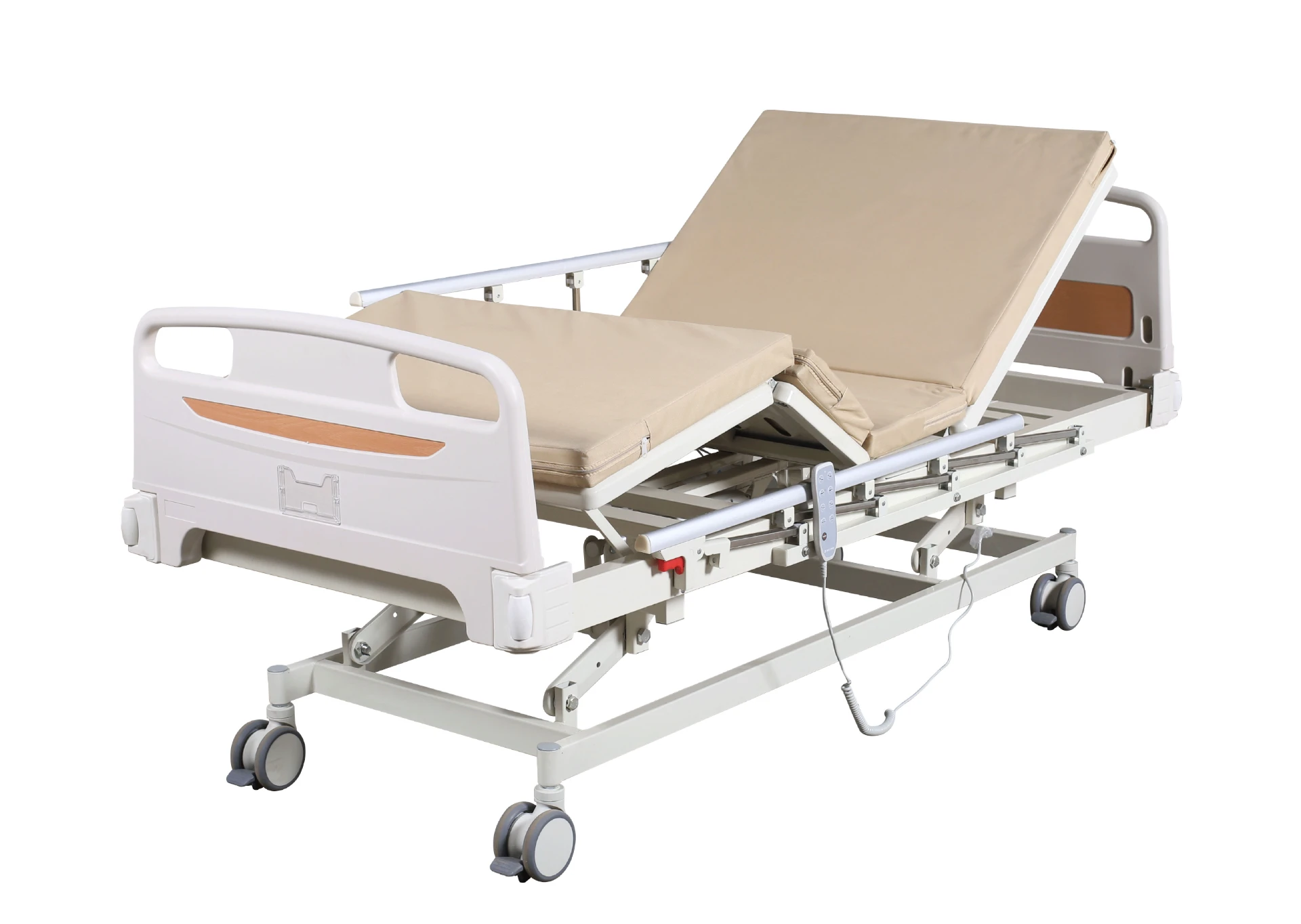
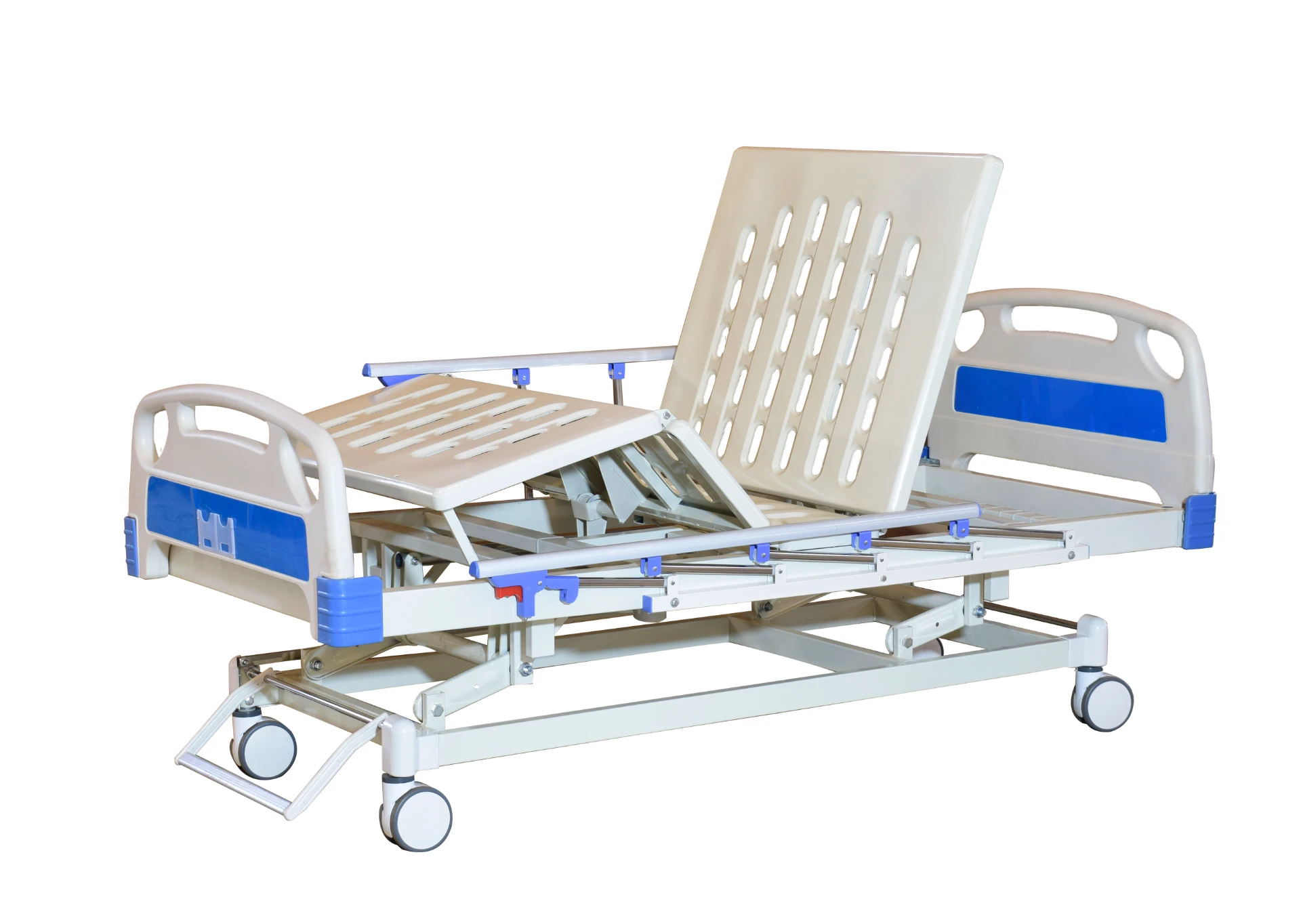
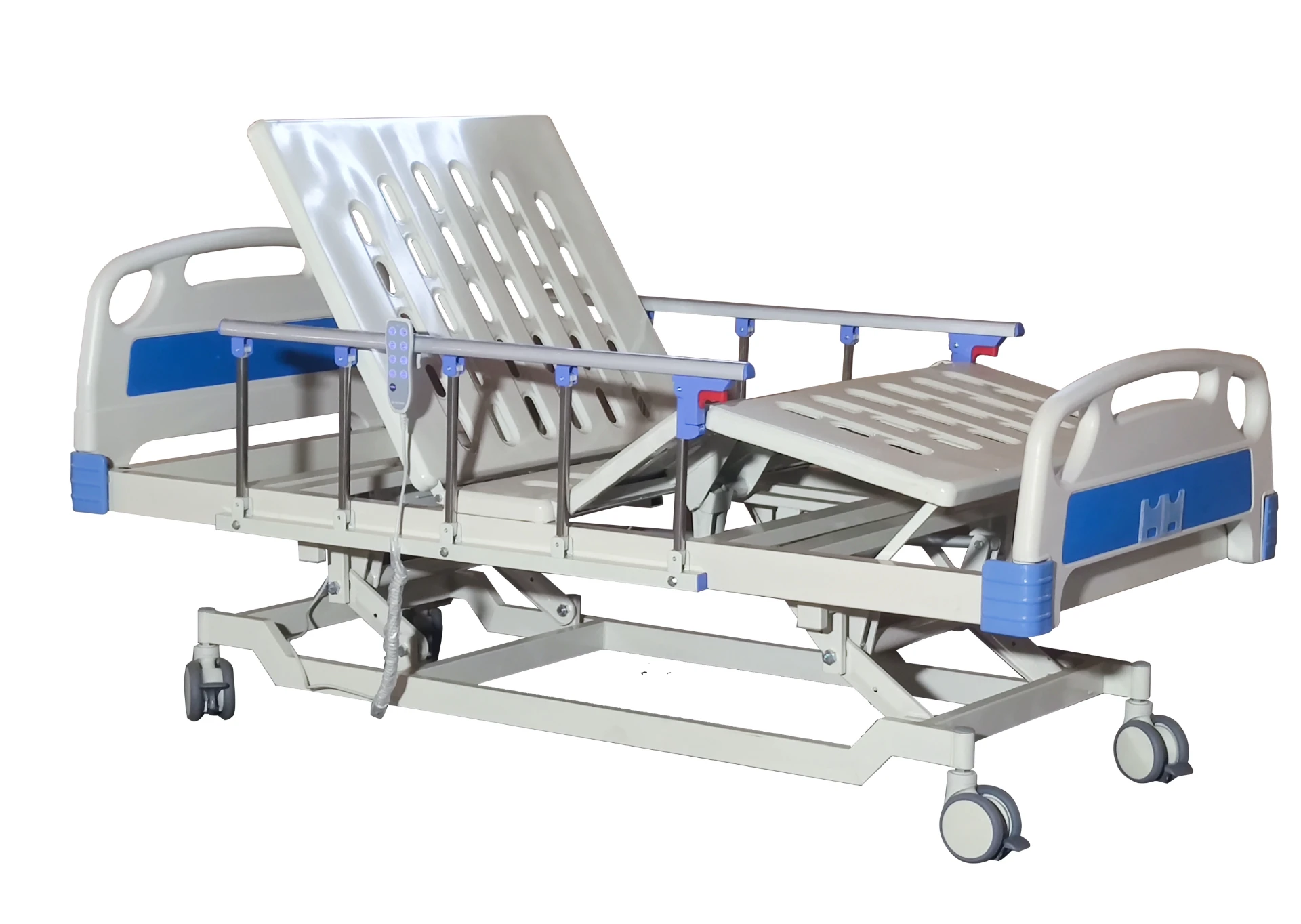
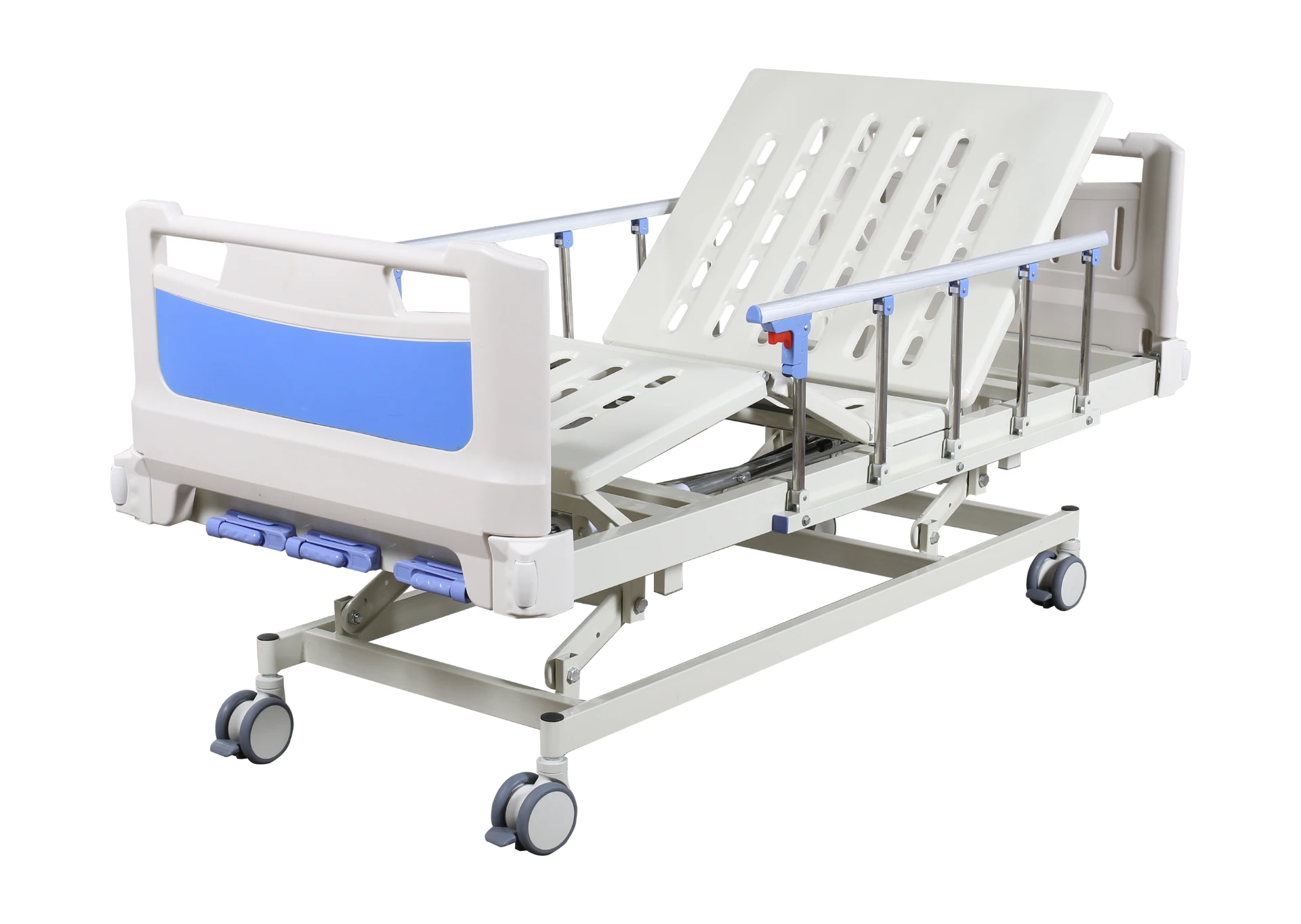
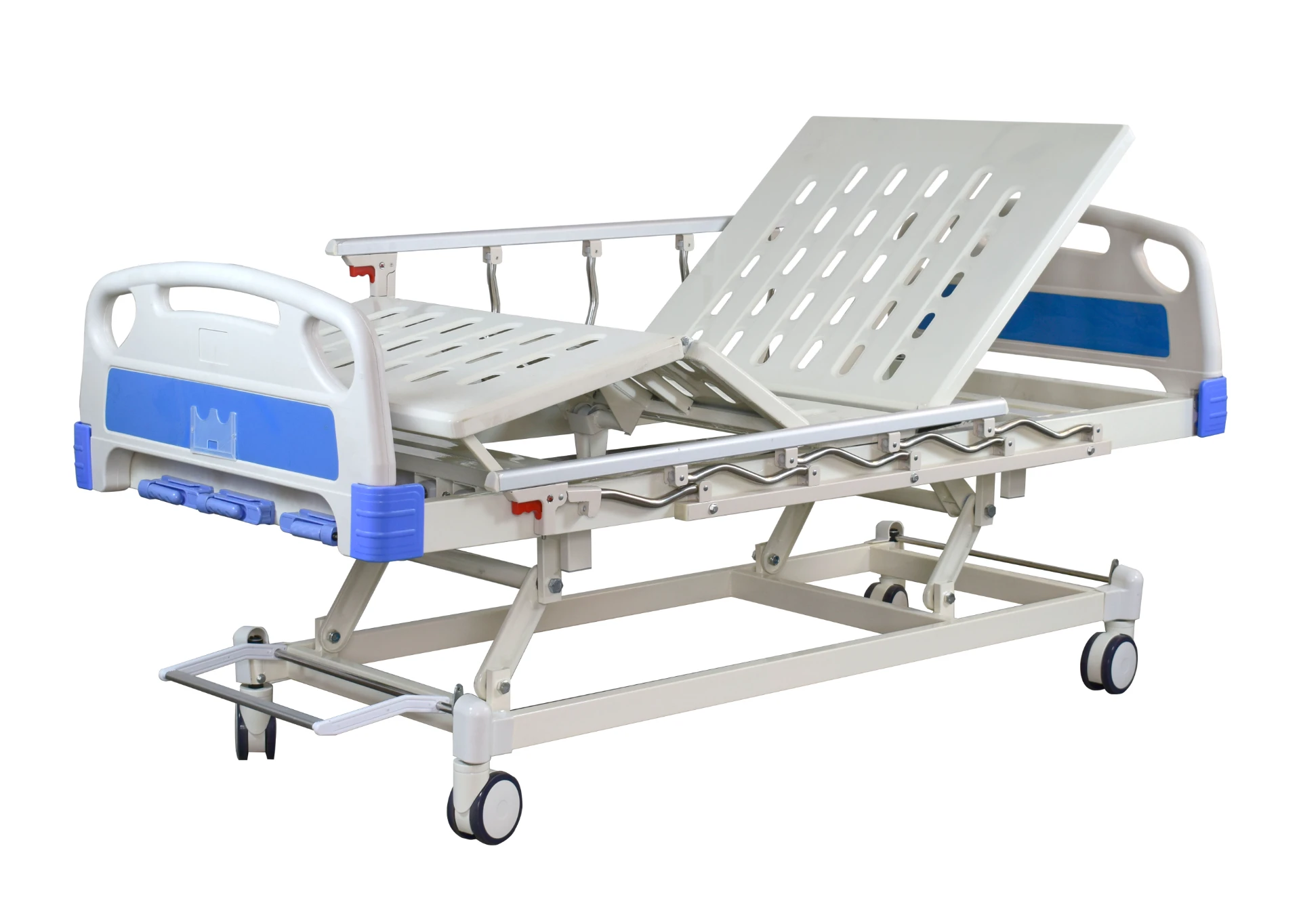
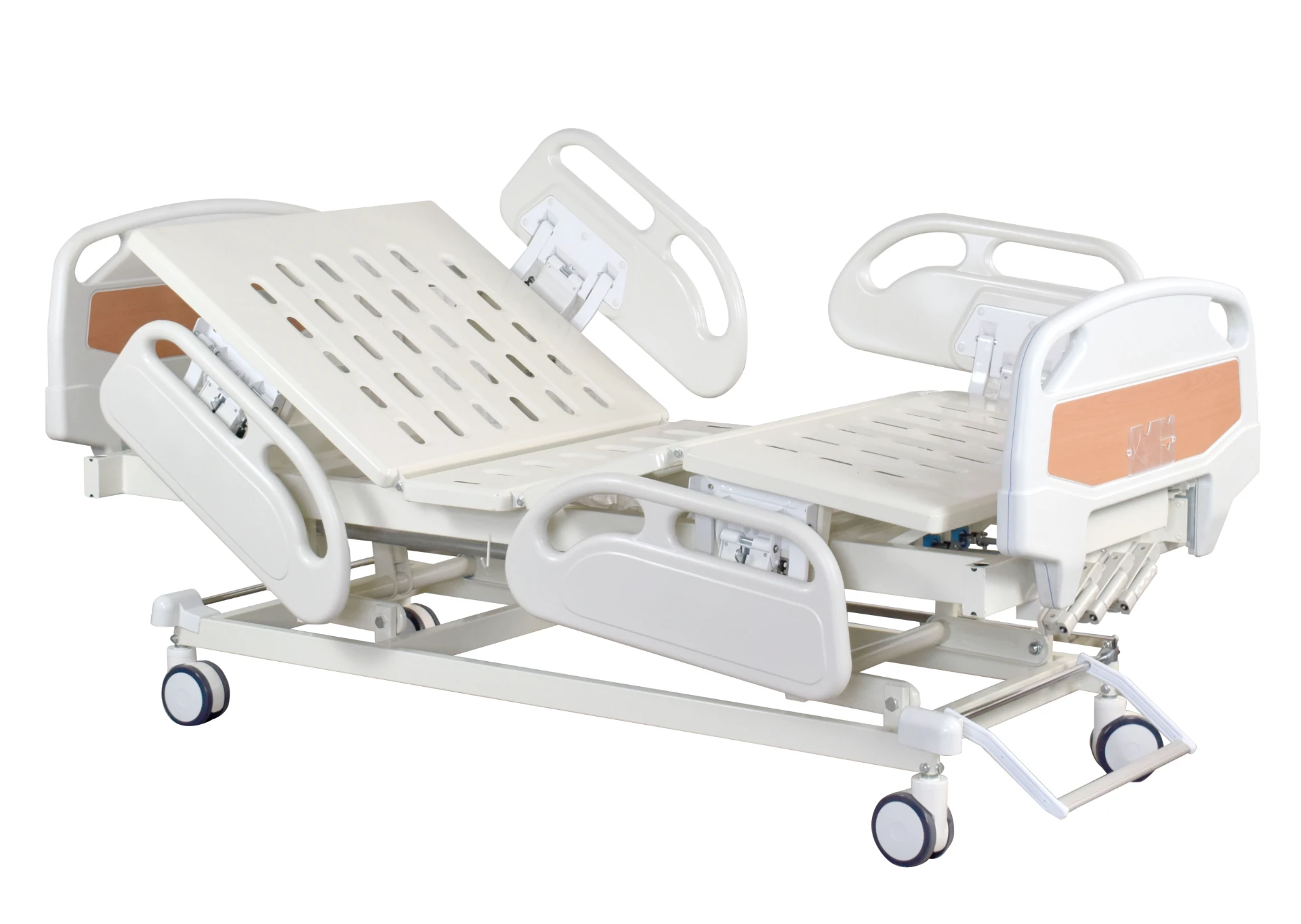
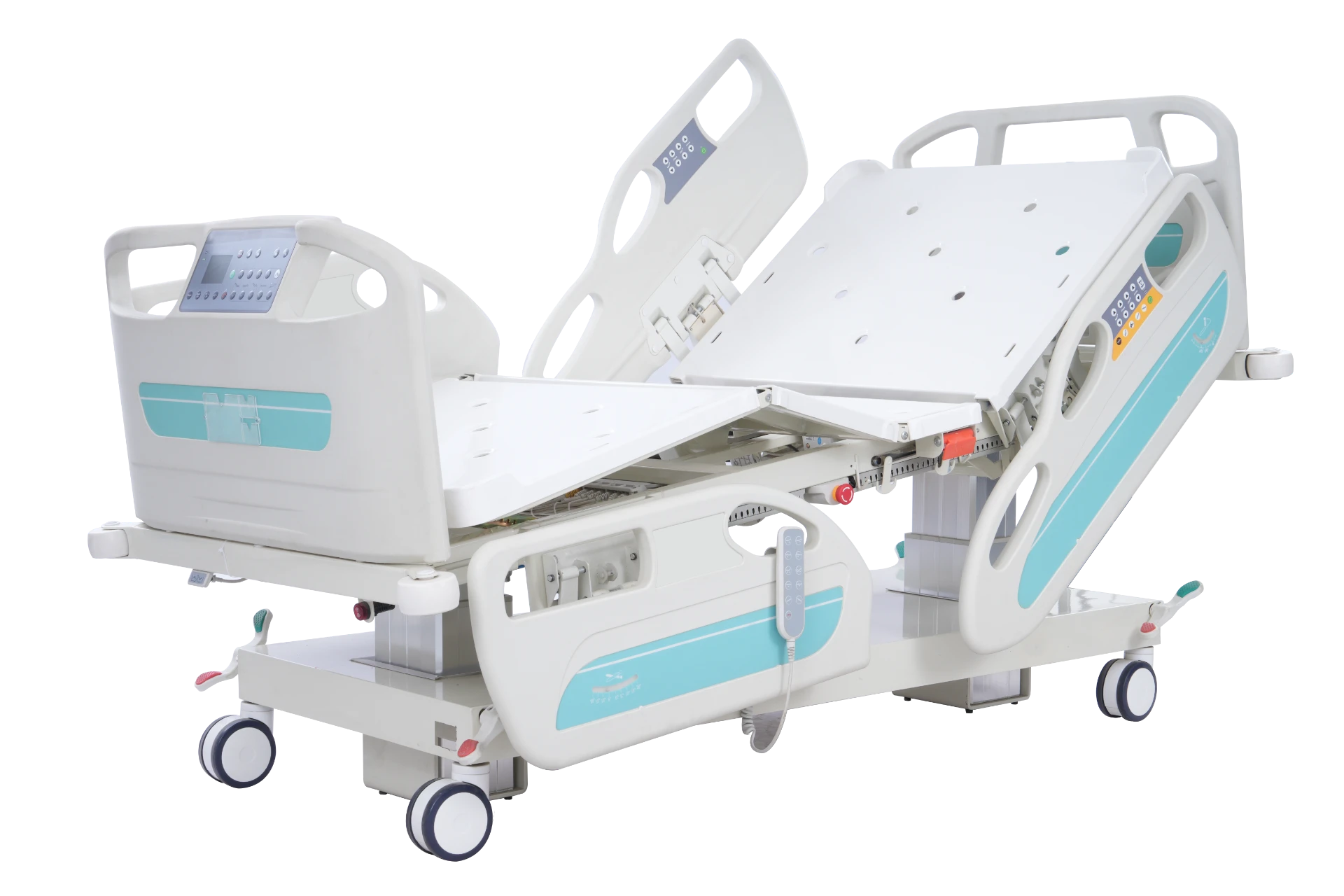
Simply put, a hospice bed for sale is a specialized medical bed designed for patients requiring palliative care, often in end-of-life scenarios. These beds have adjustable height, backrest, and sometimes leg positions to accommodate comfort, improve circulation, and assist medical procedures. Unlike standard hospital beds, hospice beds prioritize patient dignity and caregiver convenience in a more home-like setting, often blending function with gentle aesthetics.
It’s also interesting how these beds have evolved — from rigid steel frames to tech-enhanced, electrically adjustable designs with memory foam mattresses. This evolution reflects the fusion of healthcare and humane care that hospice demands.
Core Features of Hospice Beds: What to Look For
1. Adjustable Ergonomics for Comfort
Hospice beds often feature multiple electric or manual controls to adjust head, feet, and height, allowing patients to change positions easily and reducing pressure sores. For caregivers, these adjustments make nursing tasks less strenuous.
2. Durable and Safe Materials
Robust frames made from steel or high-strength alloys ensure stability. Side rails protect patients from falls, while brake systems prevent unwanted bed movement. Hygiene considerations also come into play, with easy-to-clean surfaces and water-resistant mattresses.
3. Portability and Scalability
Some hospice beds come with modular parts or wheels for easier relocation within care facilities or home settings. This is crucial in dynamic environments, such as during patient transfers or when space requirements change.
4. Cost-Effectiveness
Price varies widely, but many suppliers aim for affordable options without sacrificing essential care components. Insurance coverage and long-term durability also factor into overall cost-efficiency.
5. Support for Medical Accessories
Integrated or compatible features for IV poles, oxygen tanks, and monitoring equipment streamline caregiving — something not often considered until you see how clunky medical setups become without them.
Mini Takeaway:
When selecting a hospice bed, focusing on ergonomics, safety, portability, and cost can ensure the best mix of quality and functionality — key to both patient comfort and caregiver efficiency.
Hospice Beds in Action: Global Use Cases
Hospice beds find their place in a variety of healthcare environments worldwide:
- Hospitals and Hospice Centers: Used routinely to improve palliative patient care.
- Home Care Settings: Many families purchase hospice beds to create a more comfortable environment for loved ones at home.
- Disaster Relief: In temporary care units following crises, portable hospice beds are vital for dignity in extraordinary circumstances.
- Long-Term Care Facilities: Nursing homes employ these beds to elevate the quality of life of elderly residents.
An example here: In parts of Europe, hospice care has grown integrated with community-based services, where lightweight, adjustable beds allow seamless transitions from hospital to home — a model that’s spreading elsewhere.
Specification Table: Typical Hospice Bed Features
| Feature | Description | Benefit |
|---|---|---|
| Adjustable Height | Electric motor controls to raise/lower bed height | Facilitates patient transfers and caregiver ergonomics |
| Side Rails | Foldable, lockable rails for patient safety | Prevents falls and enhances patient security |
| Mattress Type | Pressure relieving foam or air-filled options | Reduces pressure ulcers, improves comfort |
| Portability | Lockable caster wheels for mobility | Eases relocation within facility or home |
| Accessory Mounts | Hooks for IV, oxygen, and monitoring units | Streamlines medical interventions |
Comparing Hospice Bed Vendors: Key Attributes
| Vendor | Price Range | Warranty | Customization | Delivery Time |
|---|---|---|---|---|
| CarePlus Medical | $800 - $1,200 | 3 Years | Yes, various options | 2-4 weeks |
| HospiceLife Beds | $950 - $1,500 | 5 Years | Limited | 3-5 weeks |
| MediComfort Solutions | $700 - $1,100 | 2 Years | Extensive | 1-3 weeks |
What Makes Hospice Beds a Lasting Value?
Any medical professional or family caregiver will tell you, hospice beds represent more than money spent — they’re an investment in dignity, safety, and comfort. Logically, these beds reduce complications such as bedsores and ease nursing care, potentially cutting down hospital stays or intensive interventions.
Emotionally, it’s about respect — providing a familiar, soothing environment where patients can feel less vulnerable. Investing in quality hospice beds often signals an organization's commitment to compassionate care.
Future Innovations in Hospice Bedding
Looking ahead, hospice beds are becoming smarter and more sustainable:
- Integration with Digital Health: Sensors that monitor patient vitals and movement, sending data to caregivers for proactive care.
- Eco-Friendlier Materials: Biodegradable or recycled components to meet sustainability goals.
- Improved Battery and Motor Tech: More reliable electric adjustments even where power can be intermittent.
- Customization with AI-assisted Comfort Settings: Beds that learn patient preferences over time.
Challenges & How the Industry is Responding
Despite progress, affordability and accessibility remain sticking points. Not every facility or family can afford top-tier hospice beds. Shipping logistics to remote areas also present hurdles.
Thankfully, some manufacturers now offer leasing or rent-to-own options, and modular designs that cut costs without skimping on essential features. NGOs helping vulnerable populations are partnering with vendors for bulk purchases, bringing advanced hospice beds to underserved regions.
FAQ: Your Questions About Hospice Bed for Sale
Q1: What should I consider when buying a hospice bed for home care?
A: Key factors include adjustability to ensure patient comfort, compatibility with medical accessories, ease of use for caregivers, and whether the bed fits your home’s space constraints. Don’t forget to check warranty and support services.
Q2: How is an adjustable hospice bed different from a standard hospital bed?
A: Hospice beds often emphasize patient dignity and comfort, with features such as quieter motors, improved aesthetics, and patient-friendly controls. They blend clinical function with a more homely feel.
Q3: Can hospice beds be customized for specific medical needs?
A: Yes, many models offer accessory mounts, pressure-relieving mattresses, or specialized positions to accommodate unique conditions like respiratory support or mobility impairments.
Q4: Are there eco-friendly hospice beds available?
A: Increasingly yes; some vendors utilize sustainable materials and recyclable components to reduce environmental impact while maintaining safety and hygiene.
Q5: Where can I find reliable hospice beds for sale with international shipping?
A: Reputable suppliers often have global distribution networks and can assist with customs and import requirements. Always check for certification compliance (ISO, CE, FDA) to ensure safety standards.
Wrapping Up: Why a Hospice Bed for Sale is More Than Just a Purchase
In real terms, choosing a hospice bed is about providing the best possible quality of life during profoundly difficult times. It’s an intersection of technology, empathy, and practicality. Whether you’re a healthcare provider, family caregiver, or procurement officer, thoughtful selection of these beds reverberates well beyond comfort — impacting wellbeing, caregiving ease, and even healthcare costs down the line.
Interested in exploring options? Visit our site now: hospice bed for sale to discover models suited for your needs. Because when it comes to care, details matter.
— Written by an industry observer who’s seen the difference a good bed can make.
References:
-
Ultimate Guide to Choosing Extra Wide Waiting Room ChairsNewsApr.16,2026
-
Guide to Choosing Professional Waiting Room Chairs Wipeable SeatingNewsApr.09,2026
-
Enhance Your Space with Comfortable Wide Waiting Room ChairsNewsApr.07,2026
-
Selecting the Ideal Brown Waiting Room Chairs for a Welcoming SpaceNewsApr.04,2026
-
Choosing Comfortable Patient Waiting Room Chairs for Healthcare FacilitiesNewsMar.31,2026
-
Finding the Best Deals on Affordable and Cheap Reception Chairs for Your BusinessNewsMar.28,2026
-
Enhance Your Business Reception with Comfortable Blue Reception ChairsNewsMar.26,2026