Welcome to our websites!


Features of Hospital Recliner Chair
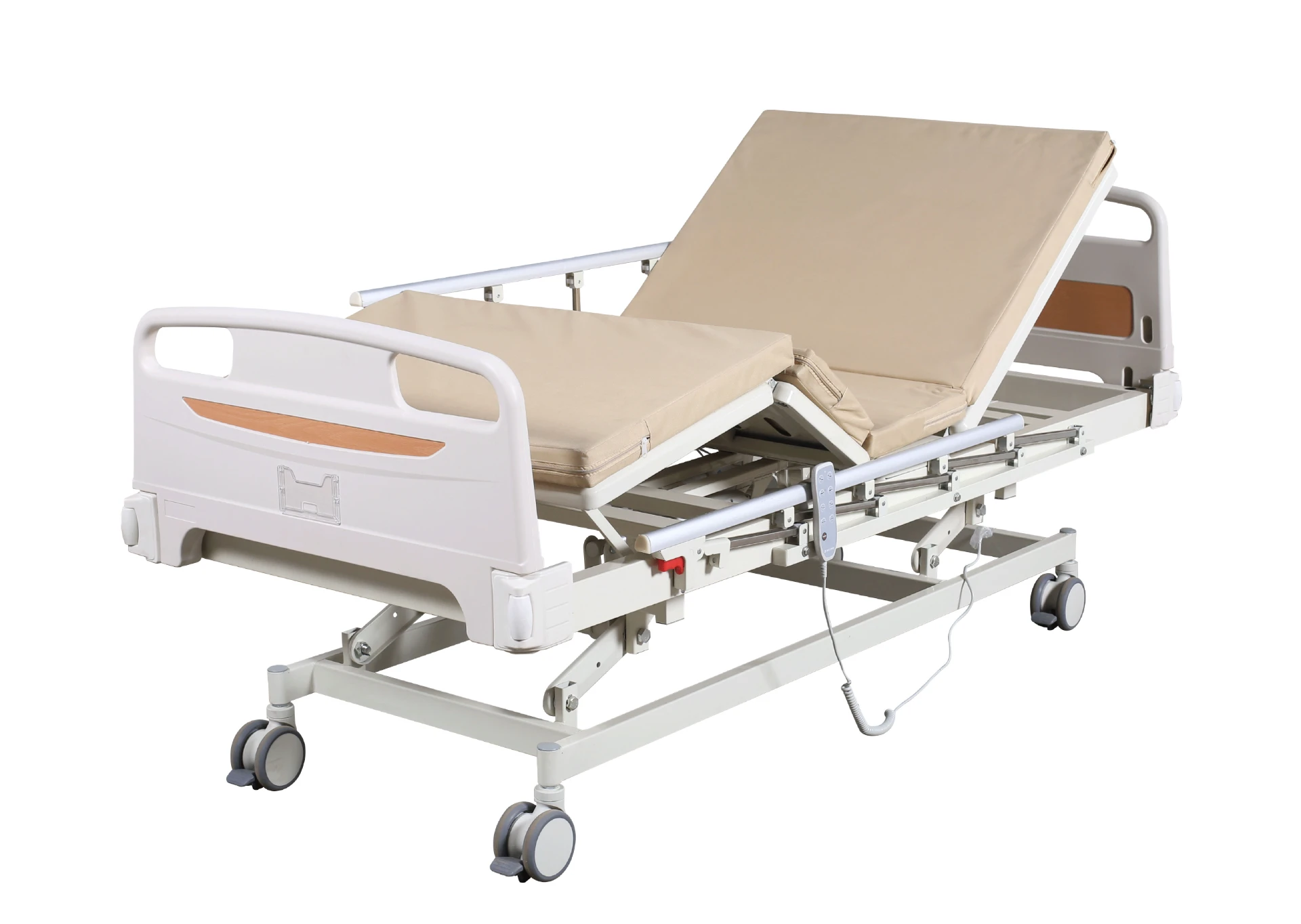
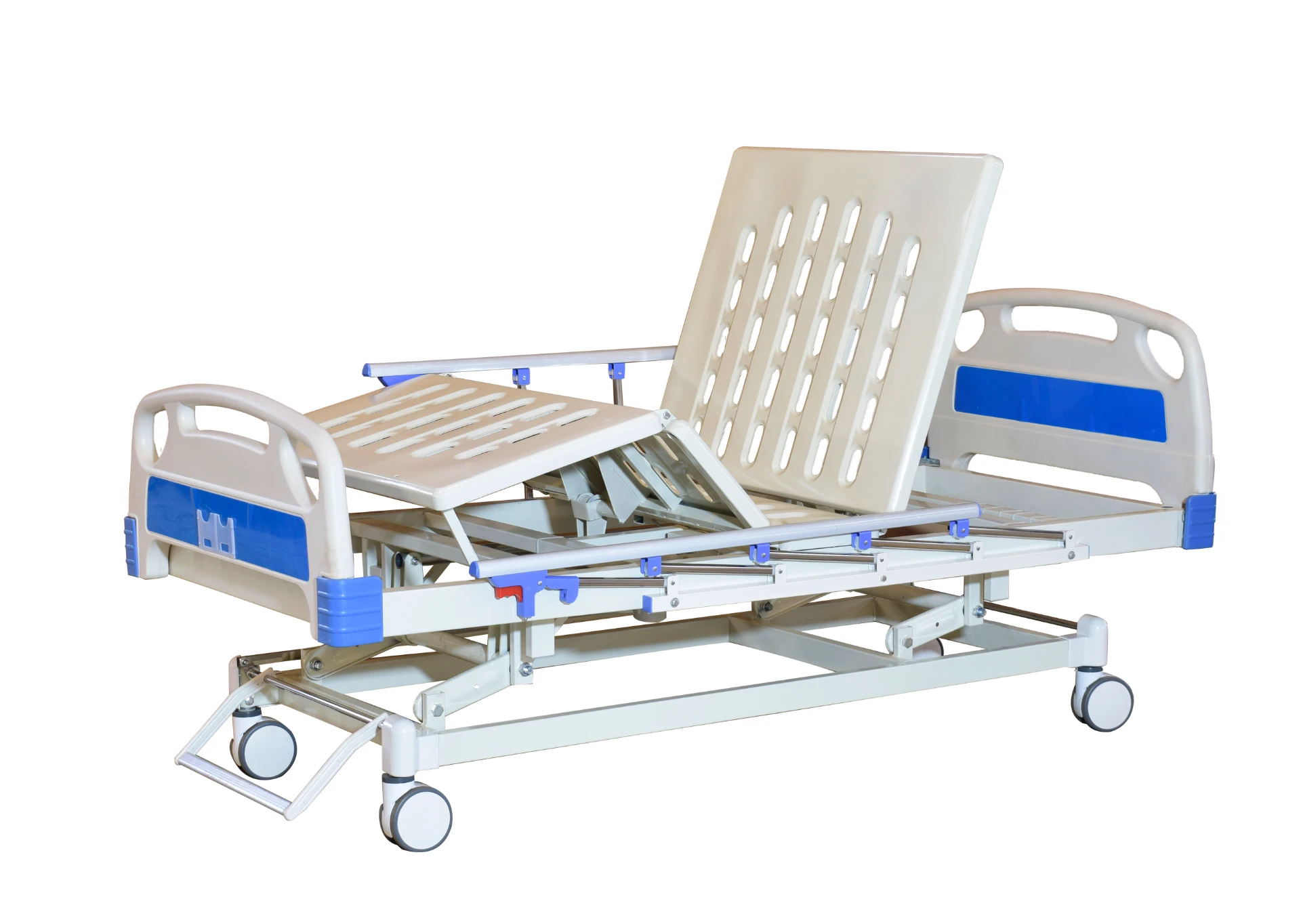
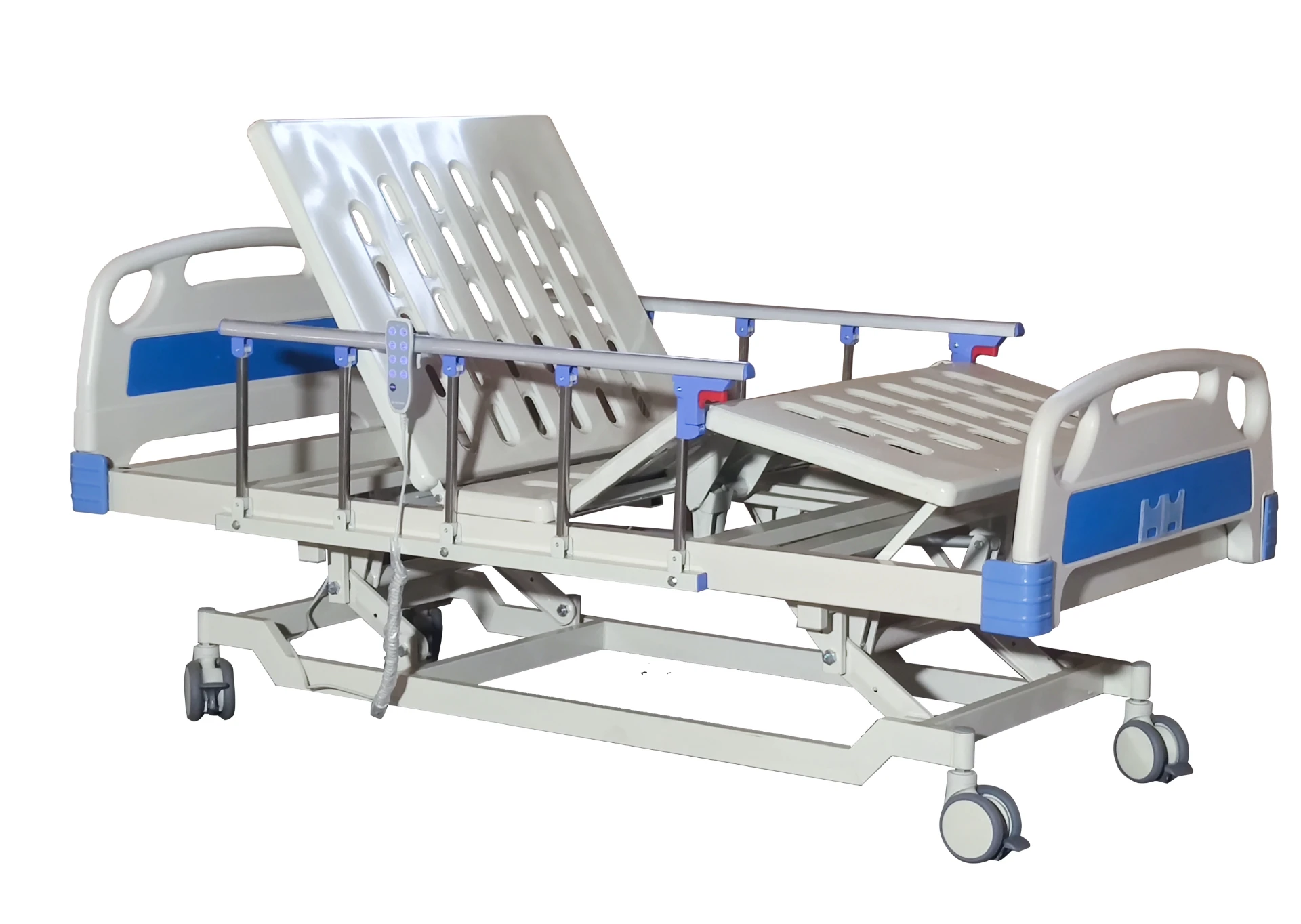
Modern healthcare facilities require specialized hospital furniture designed for patient comfort and medical functionality. The furniture hospital category includes our premium hospital recliner chair models that combine therapeutic support with practical features for both patients and caregivers.
Hospital Furniture Safety Standards
- Certified materials- All furniture hospital products meet strict flammability and toxicity requirements
• Weight capacity - Heavy-duty hospital recliner chair frames support up to 500lbs
• Stability features - Wide bases on hospital furniture prevent tipping incidents
• Anti-microbial surfaces - Special coatings on furniture hospital items resist bacterial growth
• Safety testing - Each hospital recliner chair undergoes rigorous load and stress tests
Furniture Hospital Ergonomic Design
- Adjustable positioning - Multi-angle hospital recliner chair backrests and leg rests
• Pressure relief - Contoured hospital furniture cushions distribute weight evenly
• Lumbar support - Built-in furniture hospital lower back support mechanisms
• Armrest adjustability - Customizable hospital recliner chair arm heights
• Neck support - Integrated hospital furniture headrests for proper alignment
Hospital Recliner Chair Functional Features
- Electric controls - Motorized hospital furniturepositioning with hand-held remotes
• Easy cleaning - Fluid-resistant furniture hospital upholstery materials
• Convertible designs - Some hospital recliner chair models transform to flat positions
• Integrated accessories - Built-in hospital furniture tray tables and IV poles
• Mobility options - Locking casters on furniture hospital recliners for easy transport
Hospital Furniture Durability Factors
- Reinforced frames - Heavy-gauge steel in all hospital recliner chairstructures
• Commercial-grade mechanisms - Industrial hospital furniture components for longevity
• Wear-resistant fabrics - High-cycle furniture hospital upholstery materials
• Corrosion-resistant - Protected hospital recliner chair metal components
• Modular design - Easily replaceable hospital furniture parts when needed
Furniture Hospital Infection Control
- Seamless surfaces - Easy-to-disinfect hospital recliner chairconstruction
• Removable covers - Washable hospital furniture upholstery components
• Non-porous materials - Bacteria-resistant furniture hospital surfaces
• Chemical compatibility - Hospital recliner chair withstands harsh disinfectants
• Joint-free design - Minimized crevices in hospital furniture where microbes could hide
Hospital Furniture FAQS
Q: How does the design of hospital furniture differ from standard furniture hospital used in outpatient clinics?
A: Hospital furniture in inpatient wards prioritizes durability and infection control, with materials like stainless steel or anti-microbial plastics. Furniture hospital for outpatient clinics often balances functionality with comfort, using upholstered seating and modular designs to accommodate short-term visits. Wards may feature built-in storage for medical supplies, while clinics focus on aesthetic appeal to reduce patient anxiety.
Q: What safety features should a hospital recliner chair have compared to general hospital furniture?
A: A hospital recliner chair must include weight-bearing frames (typically rated for 300+ lbs), anti-tip mechanisms, and easy-to-clean upholstery resistant to bodily fluids. Unlike standard hospital furniture (e.g., bedside tables), recliners need electric or manual controls that are intuitive for patients, plus locking wheels for mobility. Some models have pressure-relieving cushions to prevent bedsores during long-term use.
Q: How do infection control standards impact material choices for furniture hospital versus hospital recliner chairs?
A: Furniture hospital in high-traffic areas (e.g., waiting rooms) uses non-porous materials like vinyl or laminate for easy disinfection. Hospital recliner chairs, exposed to direct patient contact, require fabrics treated with anti-microbial agents and seamless stitching to prevent bacteria buildup. Both must comply with CDC guidelines, but recliners often undergo more rigorous testing for fluid resistance and sanitization durability.
Q: Can hospital furniture and hospital recliner chairs be customized for pediatric patients?
A: Yes—hospital furniture for pediatrics may include adjustable heights and colorful finishes to create a welcoming environment, while hospital recliner chairs can have smaller footprints and playful patterns. Pediatric recliners often feature safety harnesses and padded armrests to prevent falls, and furniture may incorporate storage for toys or medical equipment scaled to children’s needs.
Q: What maintenance protocols are unique to hospital recliner chairs compared to static furniture hospital?
A: Hospital recliner chairs require regular checks of mechanical components (e.g., motors, hinges) to ensure smooth operation, while static furniture hospital (e.g., desks) need only routine cleaning. Recliners should have their upholstery inspected for tears and disinfected with hospital-grade cleaners, and electric models must undergo annual safety testing for wiring and grounding. Both benefit from scheduled inspections, but recliners demand more technical maintenance due to moving parts.
Welcome to Hebei Boxin Recovery Equipment Co., Ltd.! Since 2008, we've been a leading manufacturer of medical and rehabilitation equipment, dedicated to enhancing healthcare through innovative solutions.
Located in Hengshui City, Hebei Province, our 40,000-square-meter facility houses advanced production lines for a comprehensive range of products. From manual and electric hospital beds to home care nursing beds, ICU beds, transfer trolleys, stretchers, medical trolleys, air mattresses, and cabinets, we cater to diverse healthcare needs.
Committed to quality and reliability, our products are designed to meet the highest industry standards, ensuring safety and comfort for both patients and caregivers. Whether for hospitals, clinics, or home care, Boxin's equipment combines functionality with durability.
Explore our comprehensive range and experience how we're transforming healthcare one piece of equipment at a time. Visit www.cnboxin.com to discover more.
-
Ultimate Guide to Choosing Extra Wide Waiting Room ChairsNewsApr.16,2026
-
Guide to Choosing Professional Waiting Room Chairs Wipeable SeatingNewsApr.09,2026
-
Enhance Your Space with Comfortable Wide Waiting Room ChairsNewsApr.07,2026
-
Selecting the Ideal Brown Waiting Room Chairs for a Welcoming SpaceNewsApr.04,2026
-
Choosing Comfortable Patient Waiting Room Chairs for Healthcare FacilitiesNewsMar.31,2026
-
Finding the Best Deals on Affordable and Cheap Reception Chairs for Your BusinessNewsMar.28,2026
-
Enhance Your Business Reception with Comfortable Blue Reception ChairsNewsMar.26,2026