Welcome to our websites!


Essential Guide to Patient Beds in Hospitals | Durable & Comfortable Designs
The Patient Bed in Hospital Settings: A Veteran’s Perspective
Working in the industrial equipment sector for over a decade, I've come across countless machines and devices, but few pieces of equipment are as pivotal in healthcare environments as the patient bed. Oddly enough, despite being so ubiquitous, patient beds often don’t get the design spotlight they deserve. When you think about it, these beds are the frontline for patient comfort, safety, and functionality all rolled into one.
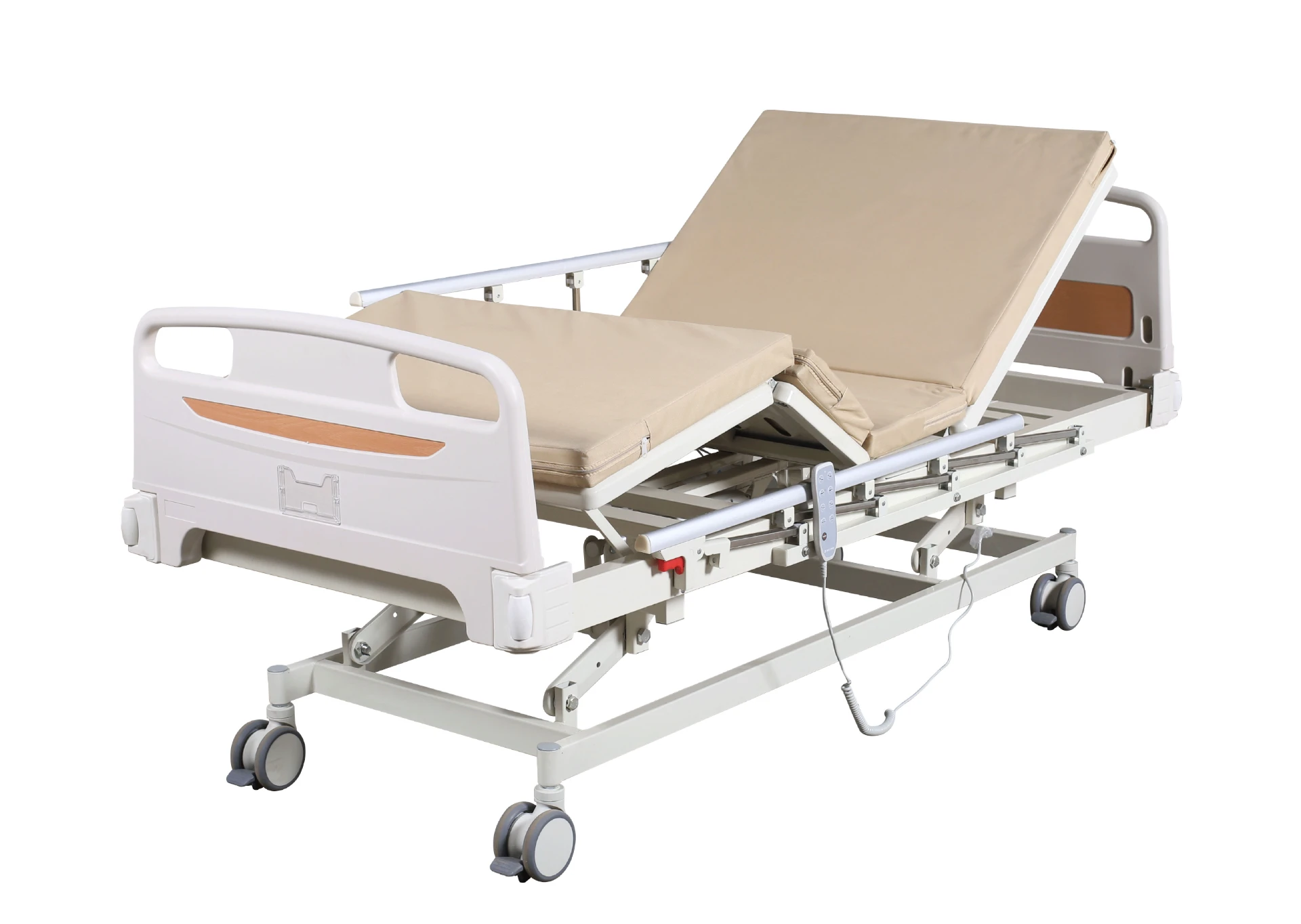
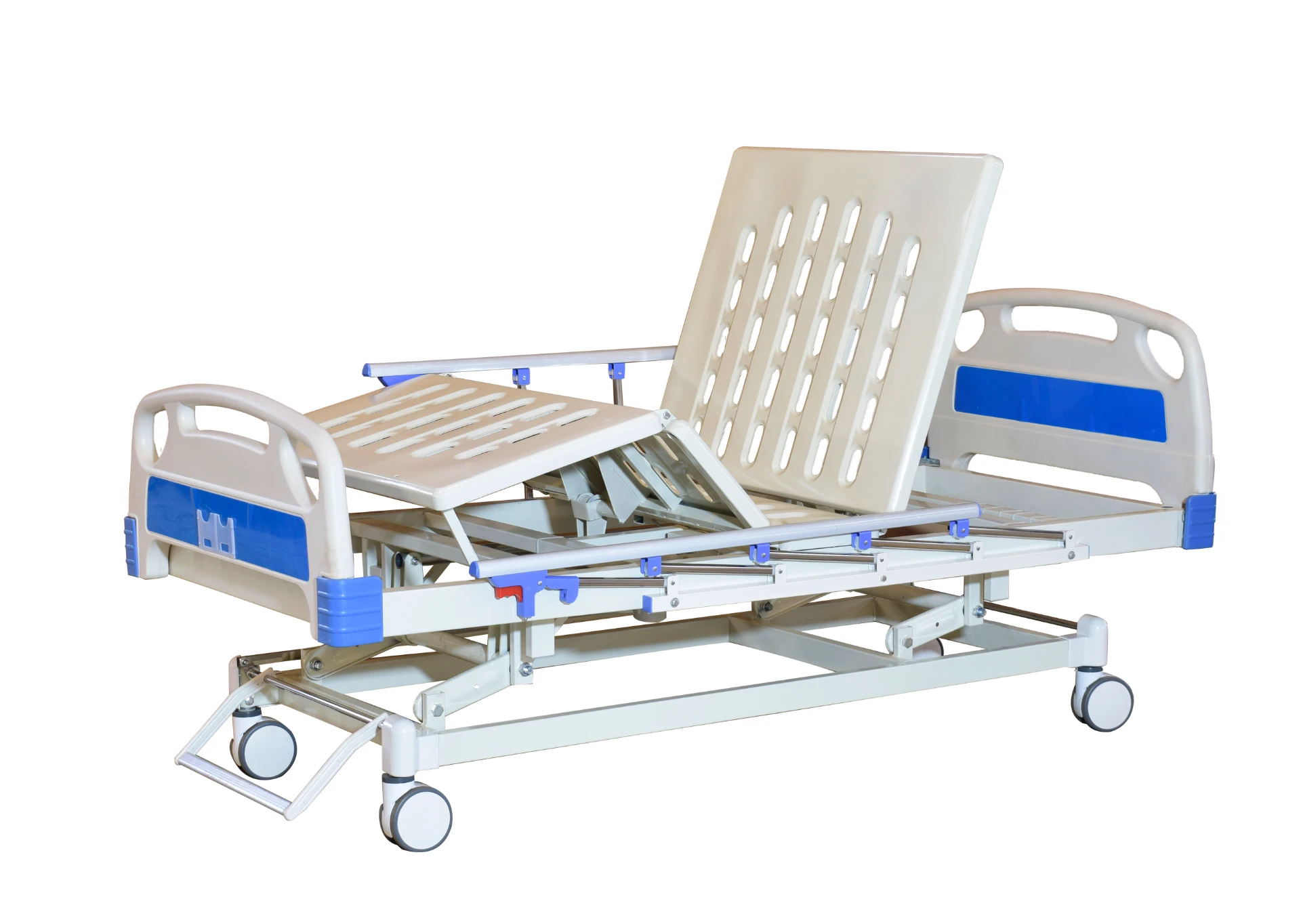
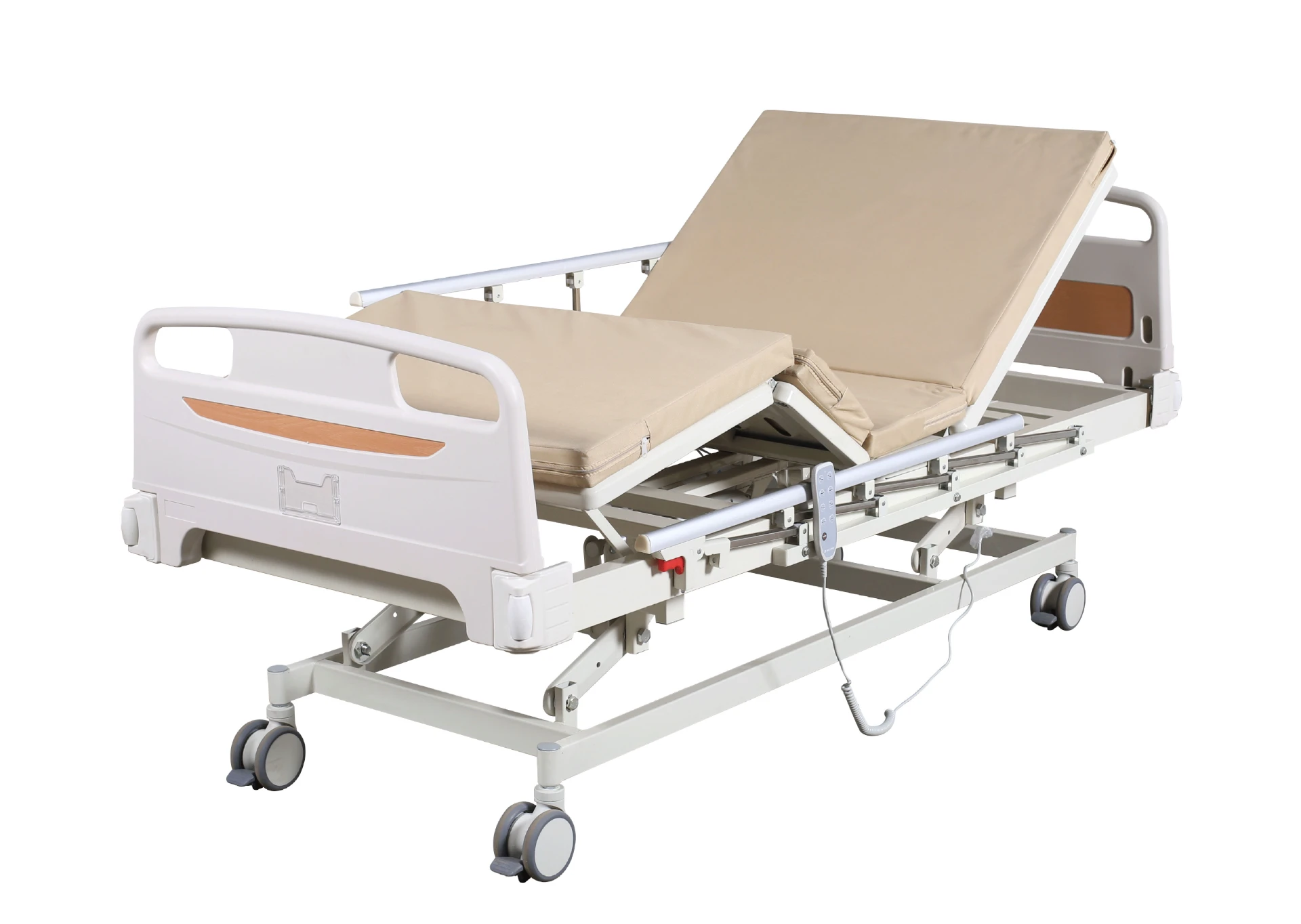
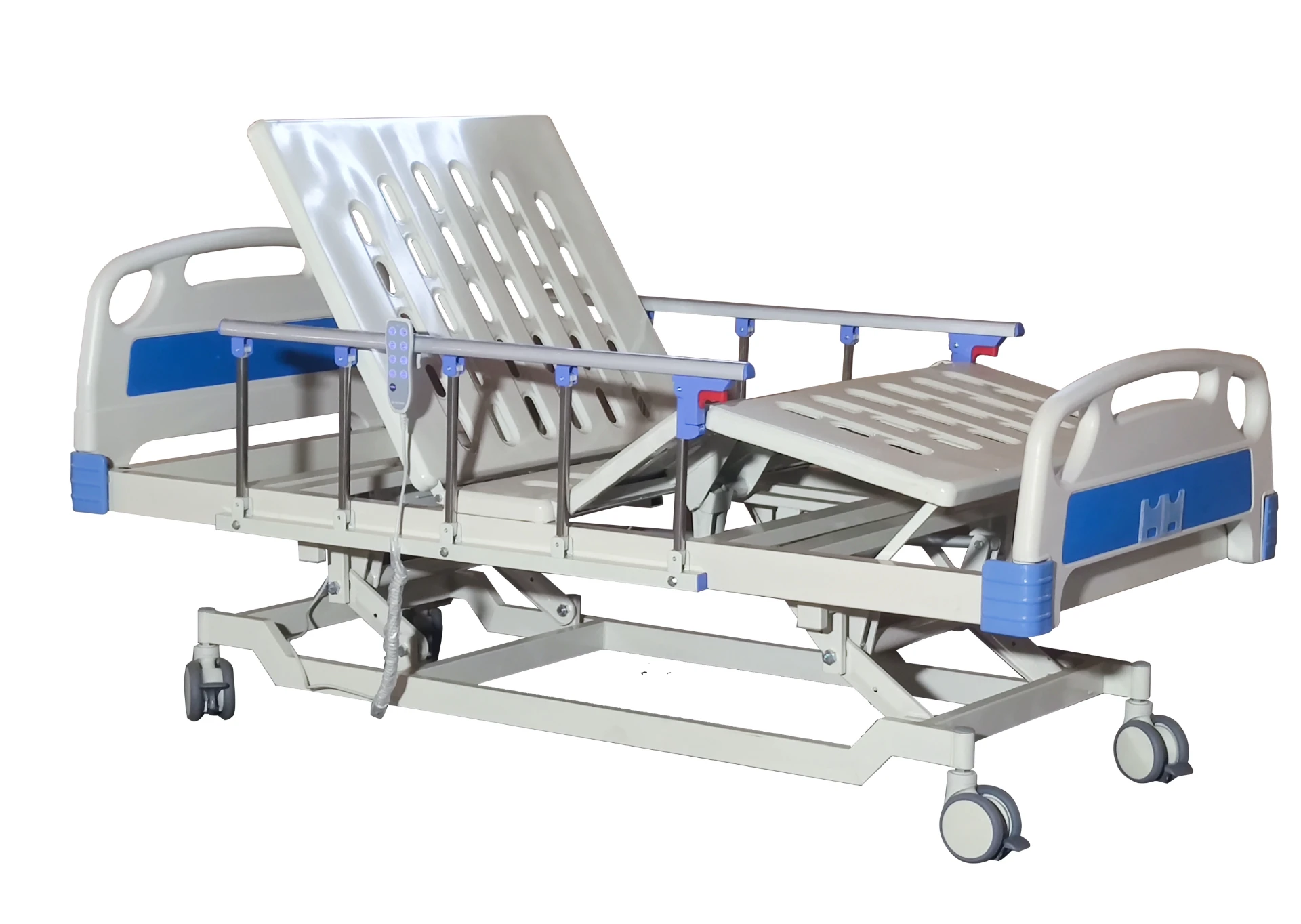
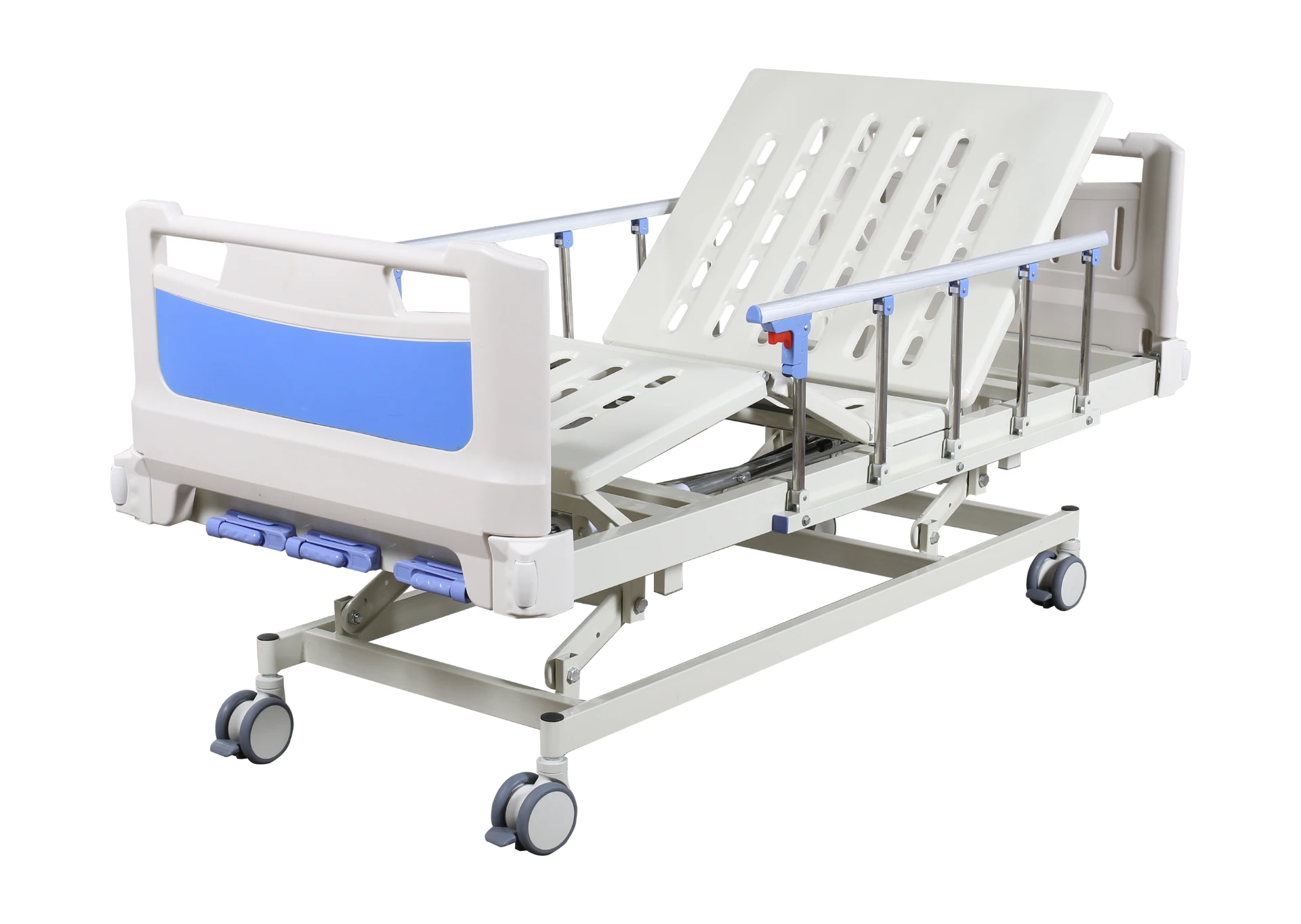
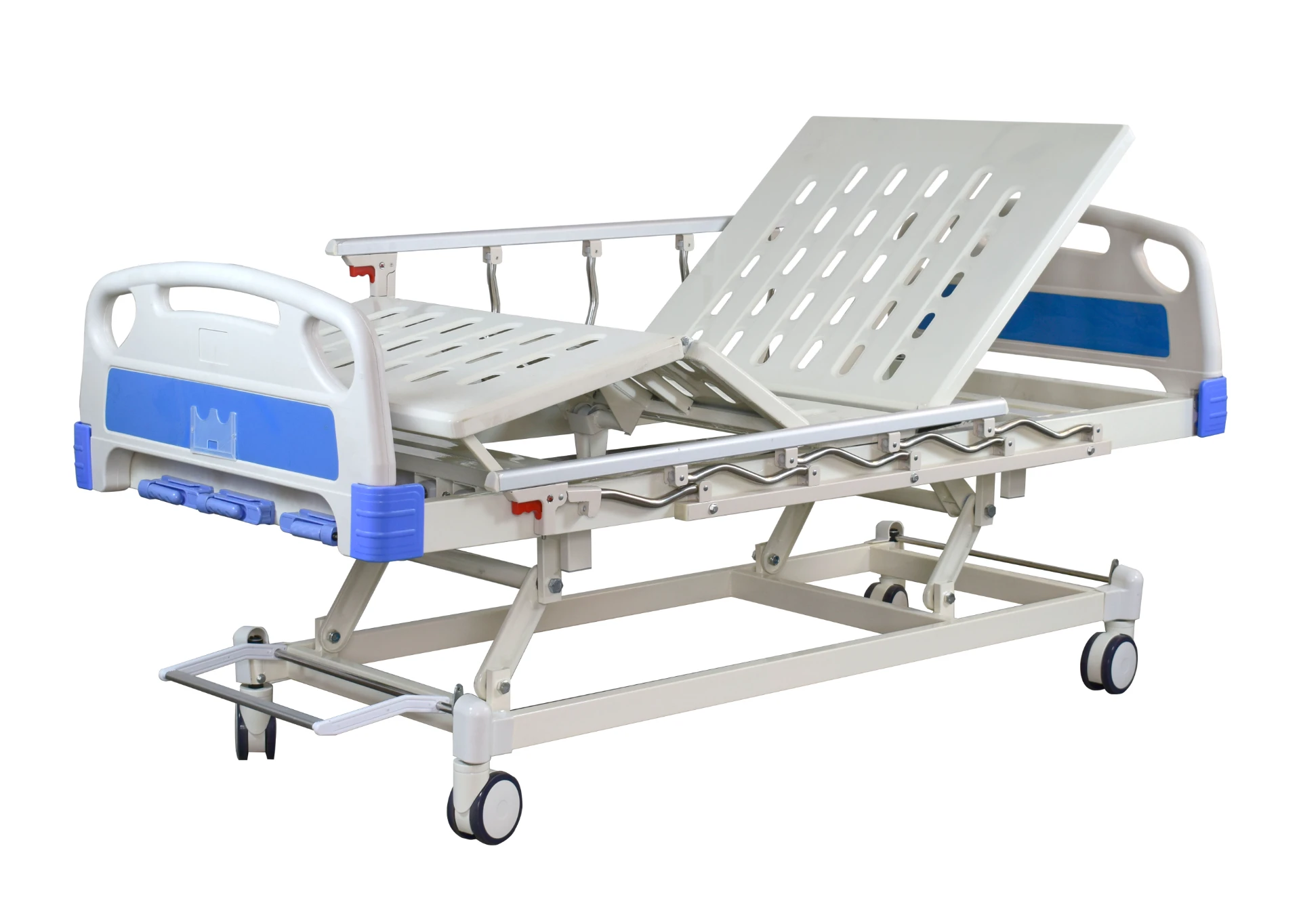
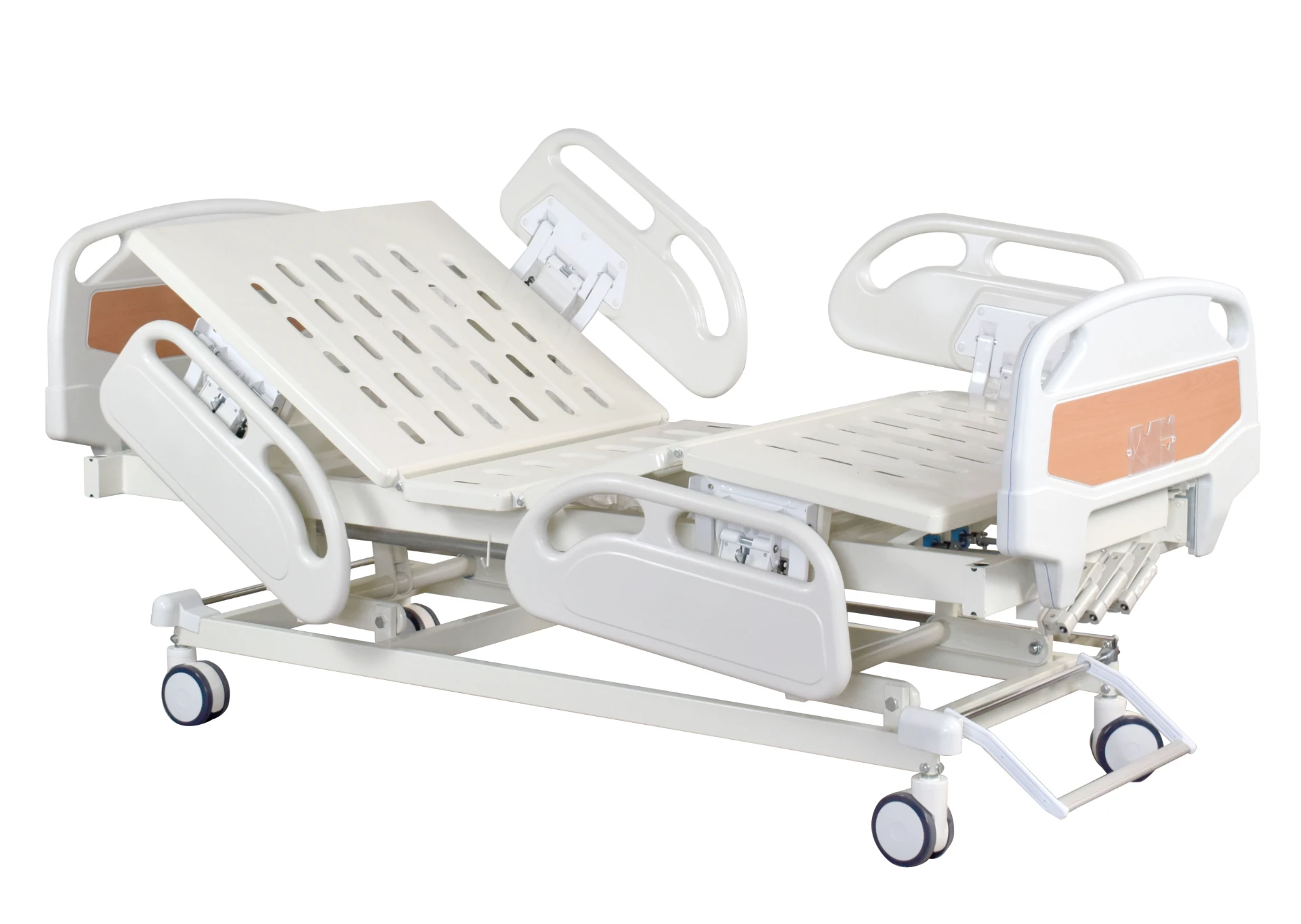
In hospitals, a patient bed does more than just provide a place to lie down. It’s an engineered piece of equipment, carefully designed with patient care, staff convenience, and infection control in mind. I remember one hospital project I consulted on that aimed to modernize their wards. The changing of just a few bed features — adjustable height, better rail controls, and easy-clean surfaces — made a palpable difference in the nurses’ daily workflow.
Nowadays, materials are a big factor. Gone are the days of purely steel-framed beds with scratch-prone surfaces. Most patient beds now use lightweight aluminum or composite frames, which balance strength and corrosion resistance. Plus, the mattress systems come with pressure-relieving foams or air cells, essential for patients who might be bedridden for extended periods. Honestly, the evolution of these beds fascinates me because it’s an intersection of engineering, healthcare, and even ergonomics.
Testing is stringent, and rightly so. Before these beds reach a hospital floor, they undergo load-bearing and endurance checks — some models can withstand upwards of 250 kilograms of static weight and repeated mechanical operation tens of thousands of times. In real terms, that means safety and durability are not just buzzwords here. They’re on the spec sheet with big, bold numbers.
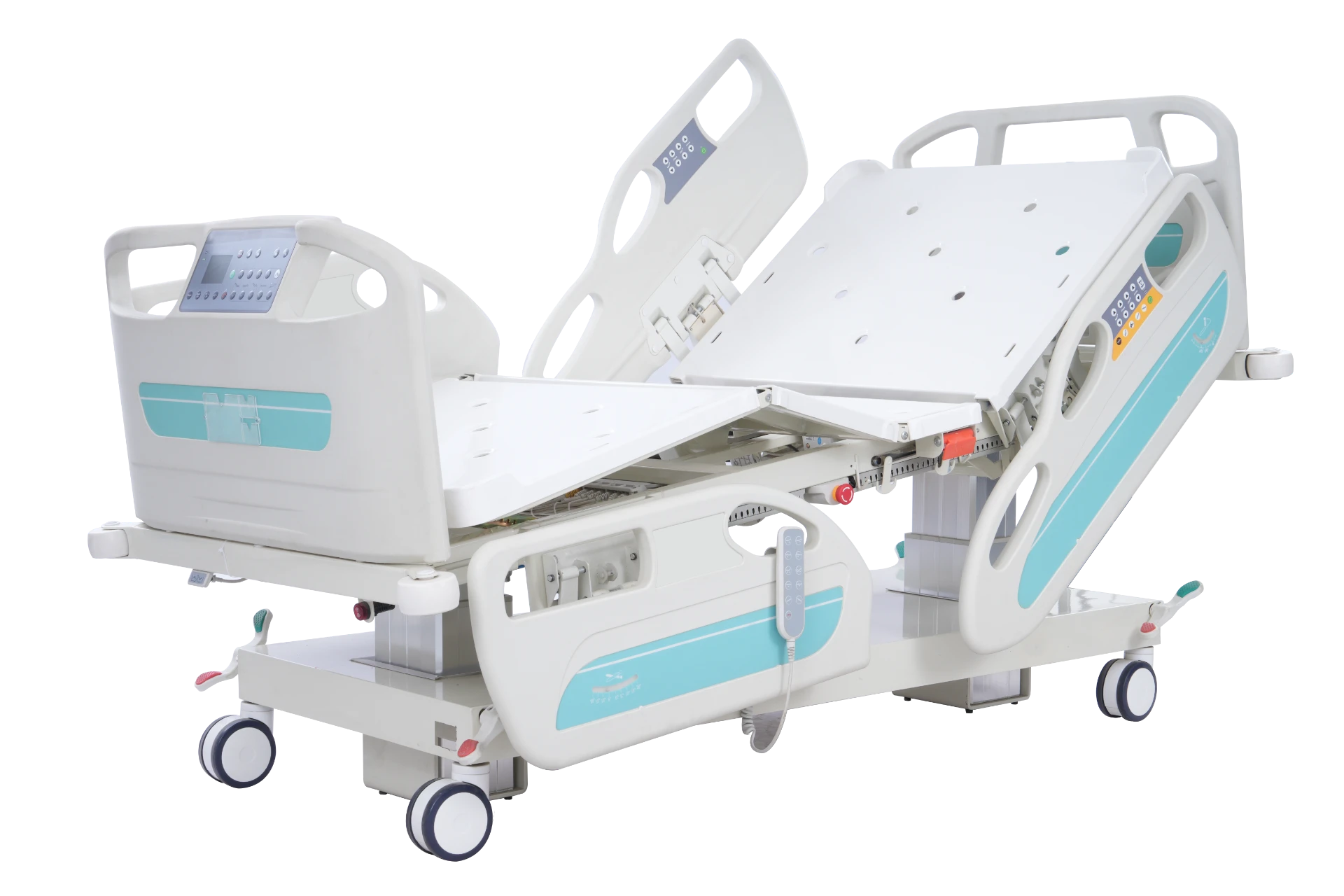
Customization is the trend I see growing faster than ever. Hospitals want modular beds that can adapt to different patient needs — from pediatrics to bariatrics — with quick changes in side rails, bed angles, and even electrical integration for monitoring devices. One vendor even told me they’re working on IoT-enabled beds that send status info directly to nurse stations. Fancy stuff, right?
Here’s a quick look at a typical high-quality patient bed specification to give you a feel for what’s standard nowadays:
| Feature | Specification |
|---|---|
| Frame Material | Aluminum Alloy with powder coating |
| Max Load Capacity | 250 kg (550 lbs) |
| Adjustability | Backrest up to 70°, Leg rest up to 45° |
| Control Type | Electric with wired remote |
| Side Rails | Collapsible, height adjustable |
| Mattress Type | Pressure-relief foam with wipeable cover |
Of course, not every hospital bed is created equal. You’ve got your big-name international manufacturers versus some regional brands that promise competitive pricing with more basic features. To give you a clearer picture, here’s a straightforward comparison of three common vendors I’ve worked with or evaluated:
| Feature / Vendor | Vendor A (Global) | Vendor B (Regional) | Vendor C (Budget) |
|---|---|---|---|
| Price Range | $2500 - $3500 | $1800 - $2500 | $1200 - $1600 |
| Max Load | 300 kg | 250 kg | 200 kg |
| Electrical Features | Full electric control, phone app integration | Electric with remote | Manual crank adjustments |
| Side Rail Design | Collapsible with safety locks | Fixed with padded grips | Basic fixed rails |
| Warranty | 5 years | 3 years | 1 year |
In my experience, balancing budget and features is the trickiest part for hospital procurement teams. Honestly, it’s a dance of safety, comfort, and pricing. I recall a facility where switching from a cheaper manual bed to a mid-tier electric one improved patient satisfaction scores noticeably. Nurses said it eased their handling — reducing awkward lifting — and patients appreciated being able to adjust their position themselves.
So, what’s the takeaway? The right patient bed isn’t just about price or specs. It’s about understanding the end users — patients and caregivers alike — and picking a model that fits the environment and the demand. You’ll often find that investing a little more in quality pays off in fewer headaches later, and frankly, in better care outcomes too.
If you want to dive deeper into selecting patient beds or need trusted options, checking out reputable manufacturers and suppliers who demonstrate real-world experience and rigorous testing is key. Because at the end of the day, a hospital bed is not merely furniture — it’s literally where recovery begins.
References:
1. Hospital Equipment Design Guidelines, Healthcare Engineering Journal, 2022.
2. Smith & Lee, “Innovations in Patient Mobility Aids”, Medical Devices Review, 2023.
3. Personal Interviews with Hospital Procurement Officers, 2021-2023.
-
Ultimate Guide to Choosing Extra Wide Waiting Room ChairsNewsApr.16,2026
-
Guide to Choosing Professional Waiting Room Chairs Wipeable SeatingNewsApr.09,2026
-
Enhance Your Space with Comfortable Wide Waiting Room ChairsNewsApr.07,2026
-
Selecting the Ideal Brown Waiting Room Chairs for a Welcoming SpaceNewsApr.04,2026
-
Choosing Comfortable Patient Waiting Room Chairs for Healthcare FacilitiesNewsMar.31,2026
-
Finding the Best Deals on Affordable and Cheap Reception Chairs for Your BusinessNewsMar.28,2026
-
Enhance Your Business Reception with Comfortable Blue Reception ChairsNewsMar.26,2026