Welcome to our websites!


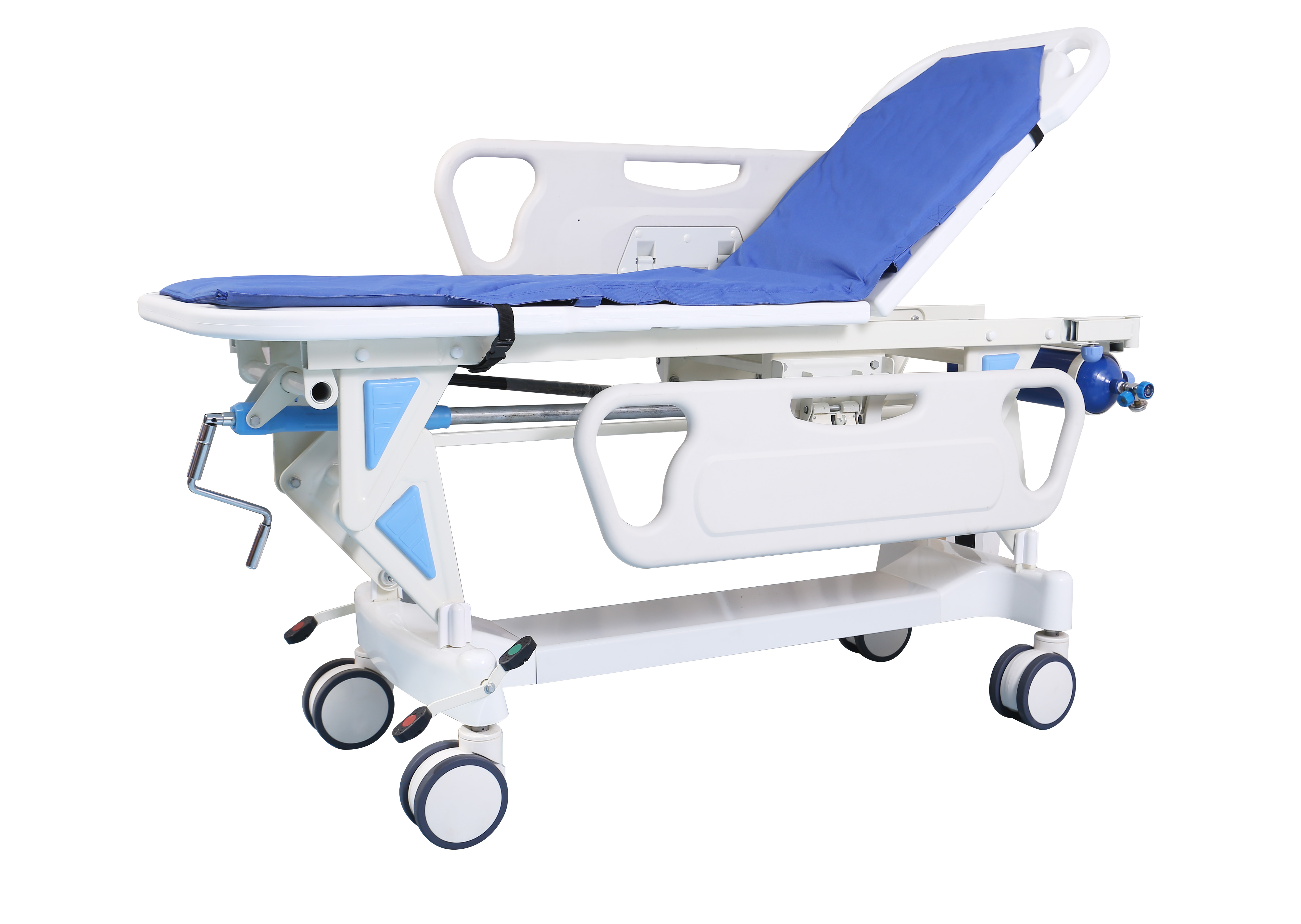
Emergency Medical Trolley Equipment - Lockable, On Wheels, with Drawers
Industry Trends in Medical Trolley Equipment
The global healthcare sector is experiencing a rapid evolution, driven by technological advancements, an aging population, and increasing demands for efficient patient care. Within this dynamic environment, the role of support equipment like emergency medical trolley equipment is becoming increasingly critical. Current industry trends indicate a strong shift towards intelligent, ergonomic, and highly specialized solutions. Key drivers include the integration of IoT for inventory management, enhanced infection control features, and modular designs that allow for rapid customization.
There's a growing emphasis on optimizing clinical workflows. Hospitals and clinics are seeking medical trolley solutions that not only transport essential supplies but also serve as mobile workstations, supporting electronic health records (EHR) access, point-of-care diagnostics, and secure medication dispensing. The demand for a `medical trolley on wheels` that offers superior maneuverability, robust construction, and advanced safety features, such as anti-topple mechanisms and secure braking systems, is paramount. Furthermore, sustainability in manufacturing and the use of eco-friendly, recyclable materials are emerging considerations for procurement departments.
Another significant trend is the increasing need for specialized `emergency medical trolley` units designed for specific departments, such as resuscitation trolleys, anesthesia trolleys, and intensive care unit (ICU) carts. These specialized units often incorporate advanced features like integrated power strips, accessory mounts for monitors, and clearly labeled, color-coded `medical trolley with drawers` for quick access during critical moments. The focus remains on enhancing patient safety, improving caregiver efficiency, and reducing the total cost of ownership through durable and low-maintenance designs. The `hospital medical trolley` market is projected to grow significantly, reflecting ongoing investments in healthcare infrastructure globally, particularly in emerging economies.
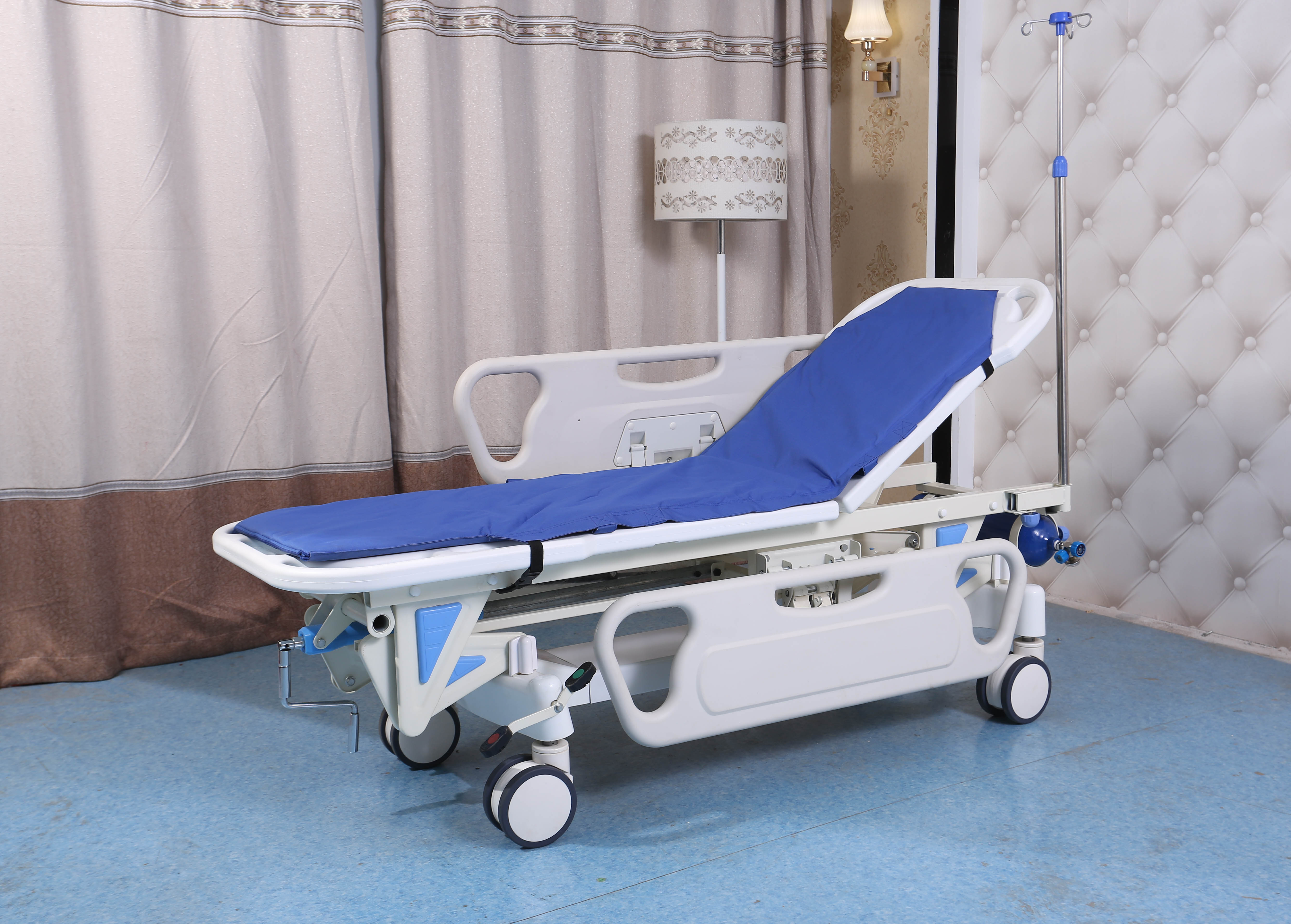
Technical Specifications and Design Principles
The design and manufacturing of modern emergency medical trolley equipment adhere to stringent international standards, ensuring optimal performance, durability, and patient safety. Key technical specifications include material composition, structural integrity, load capacity, maneuverability, and infection control properties. Typically, these trolleys are constructed from high-grade materials such as stainless steel (304 or 316 grade for corrosion resistance and ease of sterilization), aluminum alloys (for lightweight yet robust frames), and high-impact ABS plastics (for drawers and surfaces, offering chemical resistance).
Materials and Manufacturing Processes:
- Frame Construction: Often uses precision-welded tubular steel or extruded aluminum profiles, ensuring structural rigidity. Welding processes typically comply with AWS (American Welding Society) standards for medical-grade applications.
- Surfaces and Panels: High-pressure laminate (HPL) or ABS plastic surfaces are common, providing a smooth, non-porous finish that is easy to clean and disinfect, crucial for infection control.
- Drawers: Injection-molded ABS or powder-coated steel `medical trolley with drawers` are designed for smooth operation and often feature self-closing mechanisms. Many are `lockable medical trolley` drawers, crucial for securing narcotics and sensitive supplies.
- Casters: High-quality medical-grade casters (typically 5-inch or 6-inch diameter) made from non-marking thermoplastic rubber or polyurethane provide superior maneuverability and quiet operation. They often include total-lock or directional-lock brakes.
- Finishing: Electrostatic powder coating for metal parts provides a durable, chip-resistant, and aesthetically pleasing finish while adding an extra layer of corrosion protection.
Product Specification Table:
| Feature | Specification (Typical) |
|---|---|
| Dimensions (L x W x H) | 800mm x 500mm x 920mm (varies by model) |
| Material | Stainless Steel (304), ABS Plastic, Aluminum Alloy |
| Load Capacity | 150 kg - 250 kg (depending on configuration) |
| Caster Diameter | 125mm (5 inch) or 150mm (6 inch) medical-grade, locking |
| Number of Drawers | 3-6, varying depths, often with central locking system |
| Standard Certifications | ISO 9001, ISO 13485, CE, potentially FDA compliance |
| Service Life | Min. 10 years with proper maintenance |
These specifications ensure that the emergency medical trolley equipment can withstand the rigorous demands of clinical environments, including frequent cleaning with harsh disinfectants and constant movement across various hospital floor surfaces.
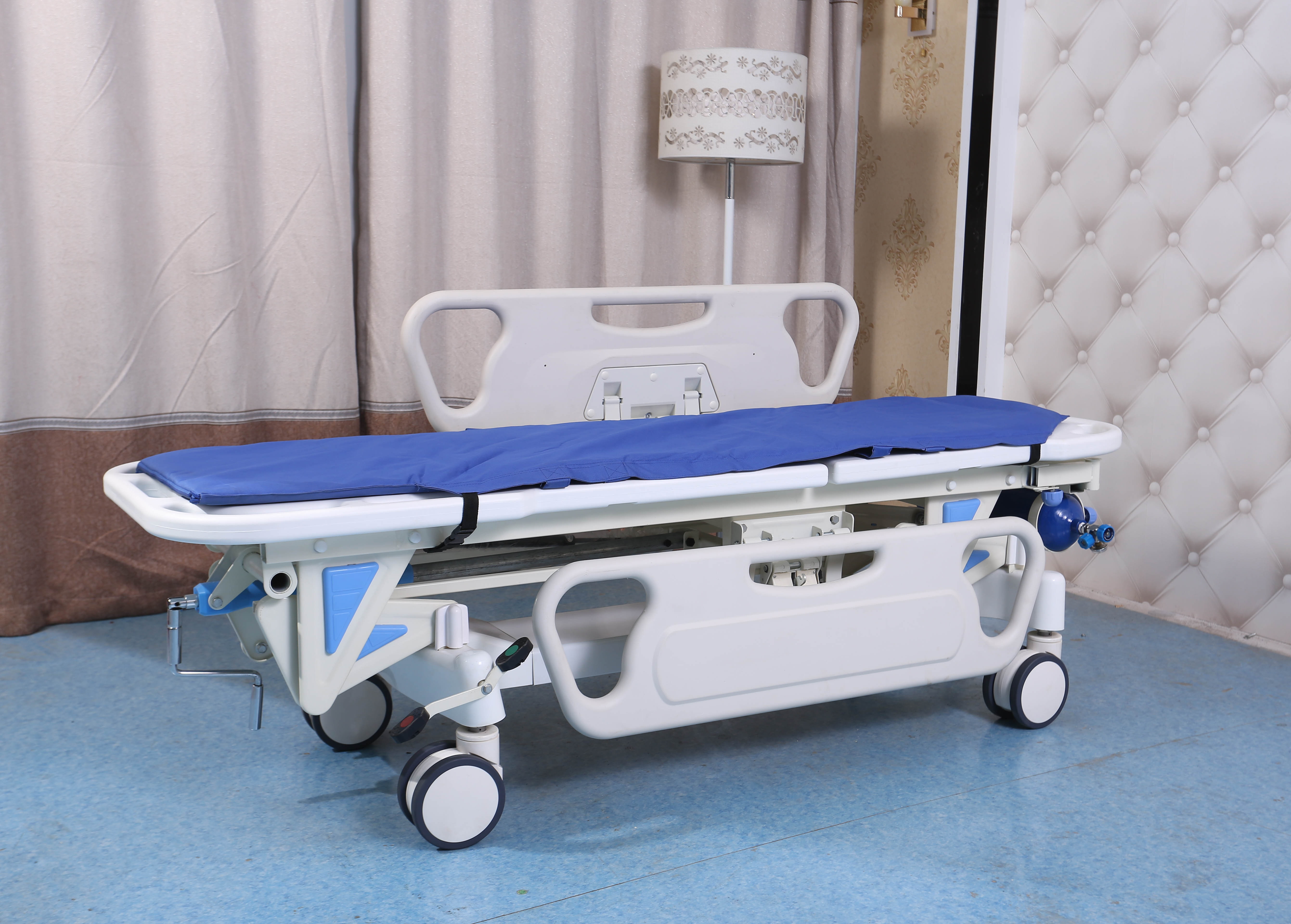
Manufacturing Process Flow
The production of high-quality emergency medical trolley equipment involves a multi-stage, precision-engineered manufacturing process, meticulously controlled to meet stringent medical device standards like ISO 13485. This ensures the final product delivers unwavering reliability and safety in critical healthcare settings.
Detailed Process Steps:
- Material Sourcing & Inspection: High-grade raw materials (e.g., medical-grade stainless steel sheets/tubes, ABS pellets, aluminum extrusions) are sourced from certified suppliers. Incoming materials undergo rigorous quality checks for chemical composition, mechanical properties, and surface finish, complying with ASTM standards.
- Cutting & Forming:
- Laser Cutting/CNC Punching: Metal sheets are precisely cut to size and shape using advanced CNC laser cutters or punch presses, ensuring high dimensional accuracy for components like frame parts and drawer slides.
- Bending & Forming: Sheet metal components undergo CNC bending to achieve the required angles and profiles for structural integrity and ergonomic design.
- Tube Bending: For tubular frames, specialized CNC tube bending machines are used to create smooth, consistent bends without compromising material strength.
- Welding & Assembly (Frame): Frame components are assembled and joined using TIG (Tungsten Inert Gas) or MIG (Metal Inert Gas) welding techniques. Weld quality is critical, with emphasis on clean, strong seams that meet ISO 5817 standards, preventing crevices where pathogens could accumulate. Post-welding, grinding and polishing ensure smooth surfaces.
- Surface Treatment & Finishing:
- Degreasing & Cleaning: Metal parts are thoroughly cleaned to remove oils and contaminants.
- Powder Coating: For non-stainless steel parts, an electrostatic powder coating is applied and then baked, creating a durable, aesthetically pleasing, and corrosion-resistant finish. This process often meets AAMA (Architectural Aluminum Manufacturers Association) standards for finish durability.
- Electropolishing (for Stainless Steel): Optional for high-end stainless steel components, electropolishing enhances corrosion resistance, reduces surface roughness, and improves cleanability.
- Injection Molding (for ABS Components): ABS plastic components, such as drawer bodies, side panels, and accessories, are produced via precision injection molding. This process allows for complex geometries, consistent quality, and ensures smooth, non-porous surfaces vital for infection control.
- Sub-Assembly: Individual components, like drawer assemblies (with slides and locking mechanisms), caster wheels, and accessory mounts, are pre-assembled.
- Final Assembly: All sub-assemblies and main frame components are meticulously brought together. This stage involves attaching drawers, casters, handles, IV poles, defibrillator shelves, and other specialized accessories. Torque specifications for fasteners are strictly followed.
- Quality Control & Testing: Each medical trolley unit undergoes comprehensive functional and safety testing. This includes:
- Load Capacity Test: Verifying the trolley can safely hold its rated weight.
- Stability Test: Ensuring stability under various load distributions and angles.
- Caster Durability & Maneuverability Test: Repeated movement and braking cycles.
- Drawer Functionality & Locking Mechanism Test: Smooth operation and security.
- Cleanability & Disinfectant Resistance Test: Assessing material integrity after exposure to common hospital disinfectants.
- Visual Inspection: Checking for any surface imperfections, sharp edges, or manufacturing defects.
- Packaging & Shipping: Finished products are carefully packaged to prevent damage during transit, often using protective foam and sturdy cardboard or wooden crates.
The rigorous adherence to these processes and testing standards ensures that each `hospital medical trolley` delivers a service life often exceeding 10 years, even under continuous, demanding clinical use. The target industries are primarily healthcare facilities, including hospitals, clinics, emergency medical services (EMS), and long-term care facilities, where efficient design and corrosion resistance (through material selection and finishing) are inherent advantages.
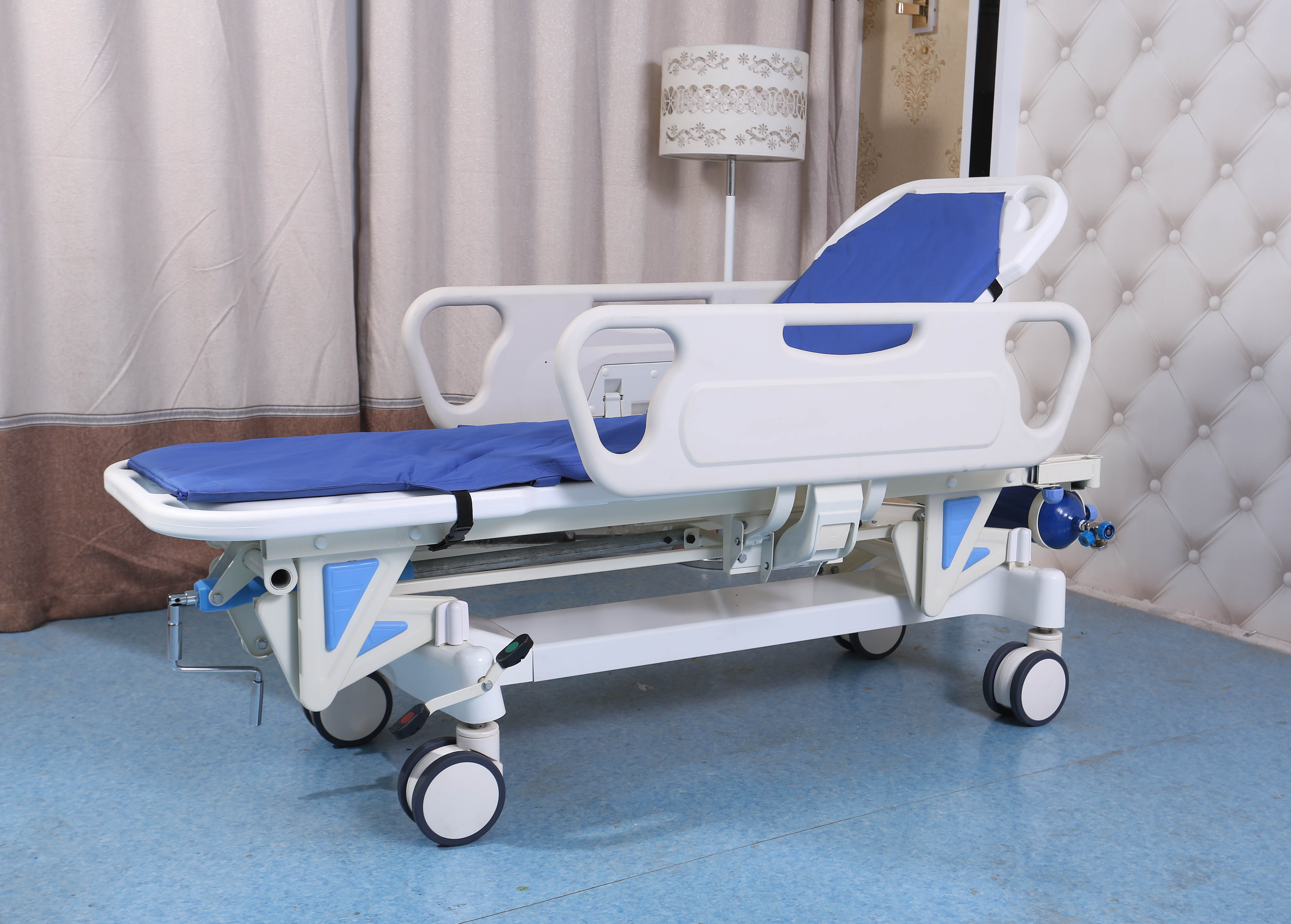
Application Scenarios and Technical Advantages
The versatility and robust design of emergency medical trolley equipment make it indispensable across a multitude of healthcare environments. These critical pieces of `medical trolley on wheels` are engineered to enhance operational efficiency, improve patient outcomes, and ensure staff safety.
Typical Application Scenarios:
- Emergency Departments (ED): Resuscitation trolleys (crash carts) are paramount, equipped with defibrillators, intubation kits, and emergency medications. Rapid access to organized `medical trolley with drawers` is critical during life-threatening events.
- Operating Rooms (OR) & Pre-Op/Post-Op: Anesthesia trolleys, instrument trolleys, and medication `lockable medical trolley` units streamline procedures and ensure secure storage of sterile supplies and controlled substances.
- Intensive Care Units (ICU) & Critical Care: Specialized `emergency medical trolley` units support patient monitoring equipment, ventilation apparatus, and provide immediate access to critical care supplies.
- General Wards & Patient Rooms: Medication trolleys, dressing trolleys, and linen trolleys facilitate daily patient care routines, bringing necessary supplies directly to the bedside.
- Outpatient Clinics & Diagnostic Centers: Procedure trolleys for minor surgeries, diagnostic imaging support trolleys, and phlebotomy carts enhance efficiency and patient comfort.
- Laboratories: Transport trolleys for specimens, lab reagents, and waste management.
Technical Advantages:
- Superior Maneuverability: Equipped with high-quality, swivel casters, often with dual-wheel designs and precision bearings, ensuring smooth, silent, and effortless navigation through crowded hospital corridors. Total-lock brakes provide secure stationing.
- Robust Construction & Durability: Engineered with medical-grade stainless steel or high-strength aluminum alloys, these trolleys withstand heavy daily use, frequent impacts, and chemical exposure, ensuring a long service life and high return on investment (ROI).
- Enhanced Infection Control: Smooth, non-porous surfaces (e.g., ABS plastic, electropolished stainless steel) and minimal seams prevent bacterial harborage and facilitate thorough cleaning and disinfection.
- Ergonomic Design: Features adjustable heights, comfortable push handles, and intuitive drawer configurations reduce physical strain on caregivers and improve workflow efficiency.
- Security Features: Centralized `lockable medical trolley` systems, breakaway locks for emergency access, and tamper-evident seals protect medications and valuable equipment, ensuring compliance with hospital security protocols.
- Modularity & Customization: Accessory rails, interchangeable drawers, and optional attachments (e.g., IV poles, waste bins, sharps container111s, defibrillator trays) allow for tailored configurations to specific departmental needs.
- Low Maintenance: High-quality components and finishes reduce the need for frequent repairs, minimizing downtime and operational costs.
These advantages collectively contribute to a safer, more efficient, and more compliant healthcare environment, underscoring the vital role of well-designed `hospital medical trolley` solutions.
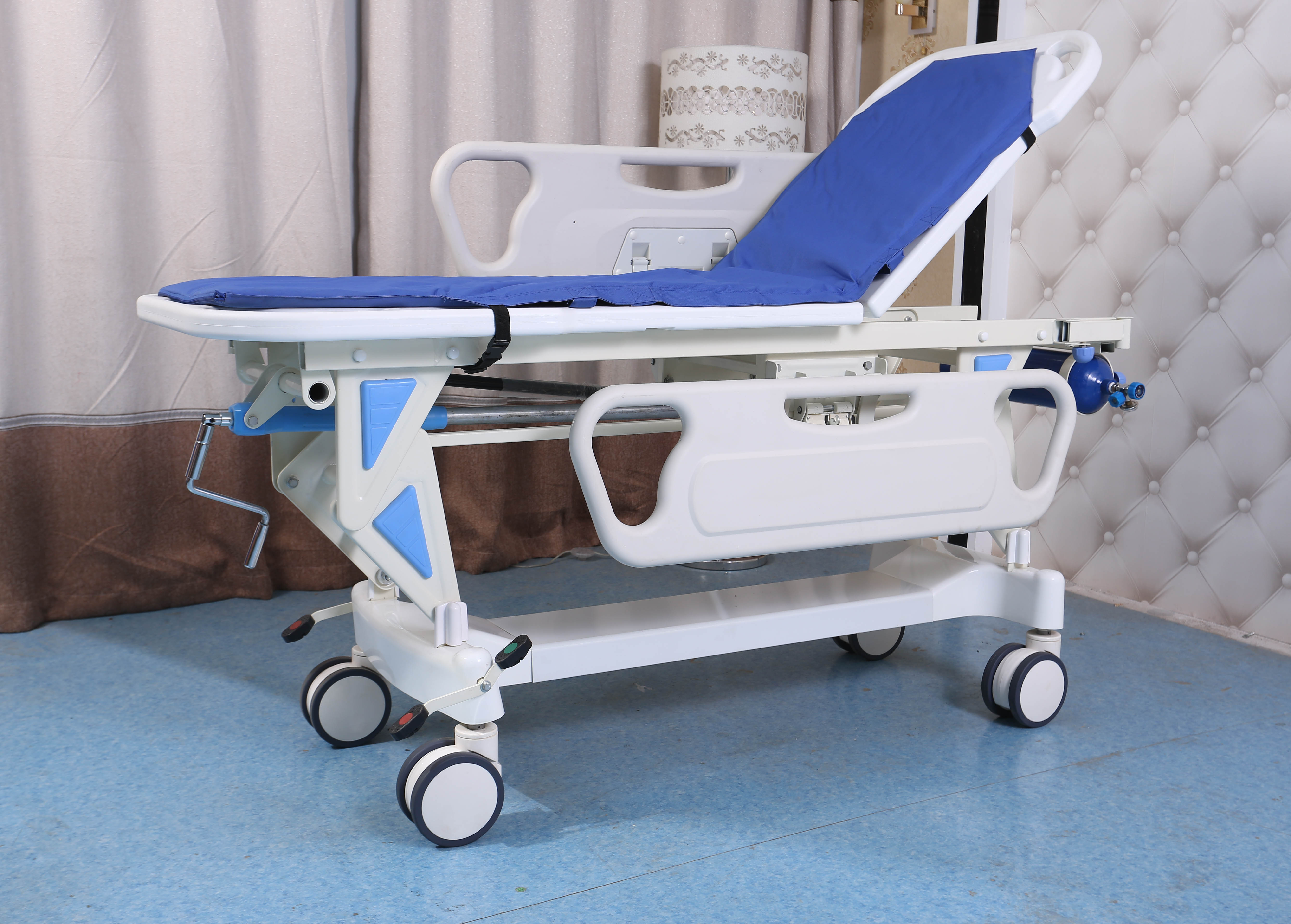
Vendor Comparison and Customized Solutions
Selecting the right provider for emergency medical trolley equipment requires a thorough evaluation of various factors beyond just the `medical trolley price`. B2B decision-makers must consider a vendor's expertise, manufacturing capabilities, adherence to international standards, and ability to offer tailored solutions that integrate seamlessly into existing healthcare infrastructures.
Key Aspects for Vendor Comparison:
| Feature/Criterion | Leading Manufacturer (e.g., CNBoxin) | Standard Vendor |
|---|---|---|
| Material Quality | Medical-grade SS304/316, high-impact ABS, aircraft-grade aluminum. Certified origin. | Commercial-grade SS201, general plastics, basic steel. Varies. |
| Manufacturing Standards | ISO 9001, ISO 13485 (Medical Devices), CE, potentially FDA registered. | Basic quality control, often lacks specific medical device certifications. |
| Customization Capability | Extensive modular design, bespoke solutions for dimensions, drawer configurations, accessory mounts. | Limited options, primarily standard models with minor accessory additions. |
| Ergonomics & Safety | Anti-topple design, soft-close drawers, advanced braking, rounded edges, easy-to-clean surfaces. | Basic safety features, may lack advanced ergonomic considerations. |
| Warranty & Support | Comprehensive 5-10 year warranty, extensive after-sales support, spare parts availability. | Shorter warranty, limited support, potential spare parts issues. |
| Innovation & Technology | Integration of smart features (RFID, electronic locks), advanced material science, continuous R&D. | Traditional designs, minimal investment in new technology. |
Customized Solutions:
Leading manufacturers understand that a "one-size-fits-all" approach is insufficient for the diverse needs of modern healthcare. Customization for `emergency medical trolley` units often includes:
- Dimensions & Configuration: Adjusting overall dimensions (height, width, depth) and the number/size of `medical trolley with drawers` to fit specific spaces or equipment.
- Accessory Integration: Designing custom mounting solutions for specialized medical equipment (e.g., specific brand of defibrillator, ventilator, or patient monitor).
- Color-Coding & Labeling: Implementing departmental or clinical protocol-specific color schemes and precise labeling for drawers and accessories to enhance rapid identification and workflow.
- Security Systems: Integrating advanced `lockable medical trolley` mechanisms, such as electronic keypads, RFID access, or specialized key systems, to meet stringent security requirements for controlled substances.
- Power & Connectivity: Incorporating integrated power strips, battery packs for mobile electronics, and data ports for network connectivity.
- Material Alternatives: Offering specific material choices for extreme environments or specialized cleaning protocols, such as full SS316 construction for highly corrosive areas or cleanrooms.
These customized solutions ensure that the `hospital medical trolley` perfectly aligns with clinical requirements, thereby maximizing efficiency and minimizing potential errors. Partnering with a manufacturer capable of delivering such bespoke configurations provides a significant operational advantage.
Application Case Studies & Customer Experience
Real-world deployments demonstrate the tangible benefits of investing in high-quality emergency medical trolley equipment. Our long-standing relationships with various healthcare providers globally underscore our commitment to delivering reliable and efficient solutions.
Case Study 1: Large Urban Trauma Center
Client: Metropolitan Medical Center, a Level I trauma center with over 800 beds.
Challenge: The ED required highly durable and rapidly deployable resuscitation trolleys that could withstand constant, high-pressure use and integrate advanced life-support equipment. Previous trolleys suffered from frequent caster failures and inadequate storage for essential supplies, leading to delays during critical emergencies.
Solution: We supplied 25 custom-configured `emergency medical trolley` units, featuring reinforced stainless steel frames, oversized 6-inch silent casters, and specialized `medical trolley with drawers` for pre-sorted intubation and medication kits. Each unit included an integrated power supply for defibrillators and patient monitors. The `lockable medical trolley` drawers were fitted with a quick-release, tamper-evident sealing system.
Outcome: According to hospital management, the new trolleys significantly improved response times by an average of 15% during critical events due to better organization and mobility. Maintenance calls for these medical carts decreased by 60% in the first year. Dr. Elara Vance, Head of Emergency Medicine, commented, "The new emergency medical trolley equipment has revolutionized our emergency response. Their robust design and intuitive layout mean our teams can focus entirely on patient care without equipment failures or searching for supplies."
Case Study 2: Regional Community Hospital
Client: Evergreen Health System, a network of community hospitals focusing on efficient patient flow and infection control.
Challenge: Evergreen Health needed versatile `hospital medical trolley` units for general wards and outpatient clinics that were easy to clean, highly maneuverable, and could secure patient medications. Their existing fleet was difficult to sanitize, contributing to infection control concerns.
Solution: We provided 75 `medical trolley on wheels` units constructed primarily from medical-grade ABS plastic with smooth, rounded edges and fully sealed seams to prevent microbial growth. These units featured a central `lockable medical trolley` system for all drawers and custom-designed internal compartments for medication dose trays. Additionally, specialized compact phlebotomy carts were provided for their outpatient labs.
Outcome: The hospitals reported a marked improvement in infection control audit scores related to equipment hygiene. Nurses praised the ease of cleaning and the ergonomic design, which reduced strain during medication rounds. A qualitative survey among nursing staff indicated an 85% satisfaction rate with the new `medical trolley with drawers` for their efficiency and hygiene properties. "Our commitment to patient safety starts with reliable equipment. These trolleys have exceeded expectations in terms of hygiene and ease of use," stated Chief Nursing Officer, Sarah Jenkins.
FAQ, Lead Time, Warranty, and Support
Frequently Asked Questions (FAQ):
Q: What are the primary materials used in your emergency medical trolley equipment?
A: Our trolleys are primarily constructed from medical-grade 304 or 316 stainless steel, high-impact ABS plastic, and robust aluminum alloys, ensuring durability, corrosion resistance, and ease of sterilization.
Q: Are your `medical trolley with drawers` customizable?
A: Absolutely. We offer extensive customization options, including dimensions, drawer configurations, color-coding, specialized accessory mounts, and various `lockable medical trolley` security systems to meet specific departmental needs.
Q: What certifications do your products hold?
A: All our `hospital medical trolley` products are manufactured under ISO 9001 and ISO 13485 (Medical Devices Quality Management System) certifications. Many products also carry CE marking, indicating compliance with European health, safety, and environmental protection standards.
Q: How do your trolleys address infection control?
A: Our `emergency medical trolley` designs prioritize infection control through smooth, non-porous surfaces, minimal seams, and materials resistant to common hospital disinfectants. The ease of cleaning and disinfection is a core design principle.
Lead Time and Fulfillment:
Standard medical trolley models typically have a lead time of 4-6 weeks from order confirmation to shipment. For highly customized solutions, the lead time may range from 8-12 weeks, depending on the complexity of design and manufacturing requirements. We maintain a robust supply chain and efficient production schedule to ensure timely delivery. Urgent requests can often be accommodated with express manufacturing options, subject to project scope and material availability. Shipping logistics are handled by experienced partners, ensuring secure and efficient global delivery.
Warranty Commitments:
We stand by the quality and durability of our `medical trolley on wheels`. All our emergency medical trolley equipment comes with a comprehensive 5-year warranty covering manufacturing defects and component failures under normal use. Specific high-wear components like casters and drawer slides may have a 1-year warranty. Extended warranty options are available upon request. Our commitment is to provide products that perform reliably throughout their expected service life.
Customer Support:
Our dedicated customer support team is available to assist clients from initial inquiry through product installation and beyond. We offer technical support, troubleshooting, and readily available spare parts to ensure minimal downtime. Our global network of service partners provides on-site assistance and maintenance, guaranteeing consistent performance of your `hospital medical trolley` investments. Training for facility staff on proper usage and maintenance is also available.
Authoritative References
- International Organization for Standardization (ISO). ISO 13485:2016 Medical devices — Quality management systems — Requirements for regulatory purposes.
- International Electrotechnical Commission (IEC). IEC 60601-1: Medical electrical equipment — Part 1: General requirements for basic safety and essential performance.
- American Society for Testing and Materials (ASTM International). ASTM F1537-08(2018) Standard Specification for Stainless Steel Bar and Wire for Surgical Implants.
- World Health Organization (WHO). Guidelines on Medical Devices.
- U.S. Food & Drug Administration (FDA). Medical Devices.
-
Ultimate Guide to Choosing Extra Wide Waiting Room ChairsNewsApr.16,2026
-
Guide to Choosing Professional Waiting Room Chairs Wipeable SeatingNewsApr.09,2026
-
Enhance Your Space with Comfortable Wide Waiting Room ChairsNewsApr.07,2026
-
Selecting the Ideal Brown Waiting Room Chairs for a Welcoming SpaceNewsApr.04,2026
-
Choosing Comfortable Patient Waiting Room Chairs for Healthcare FacilitiesNewsMar.31,2026
-
Finding the Best Deals on Affordable and Cheap Reception Chairs for Your BusinessNewsMar.28,2026
-
Enhance Your Business Reception with Comfortable Blue Reception ChairsNewsMar.26,2026