Welcome to our websites!


Durable Hospital Style Bed Frames for Modern Healthcare Needs
Why Hospital Style Bed Frames Still Matter in Modern Healthcare
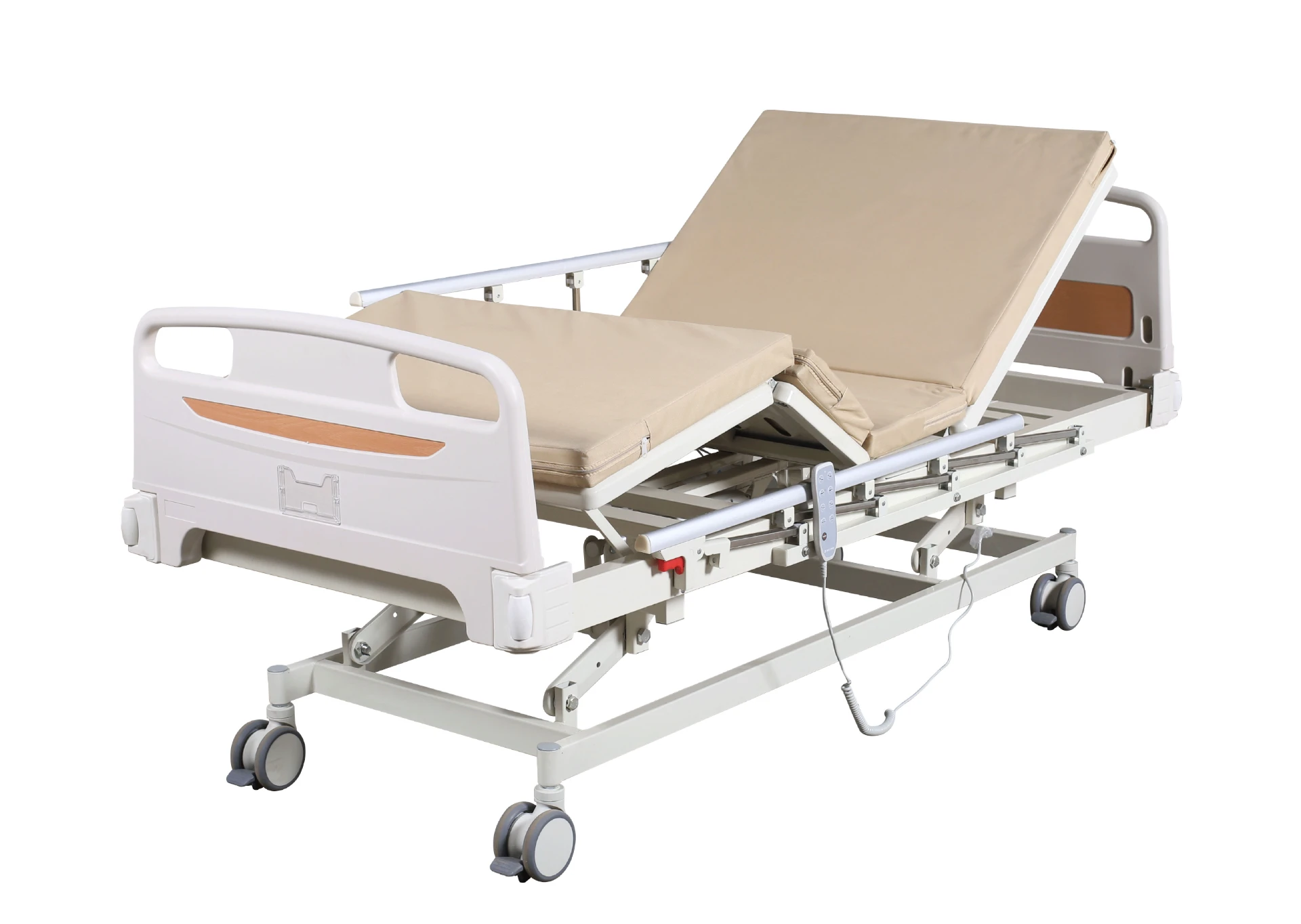
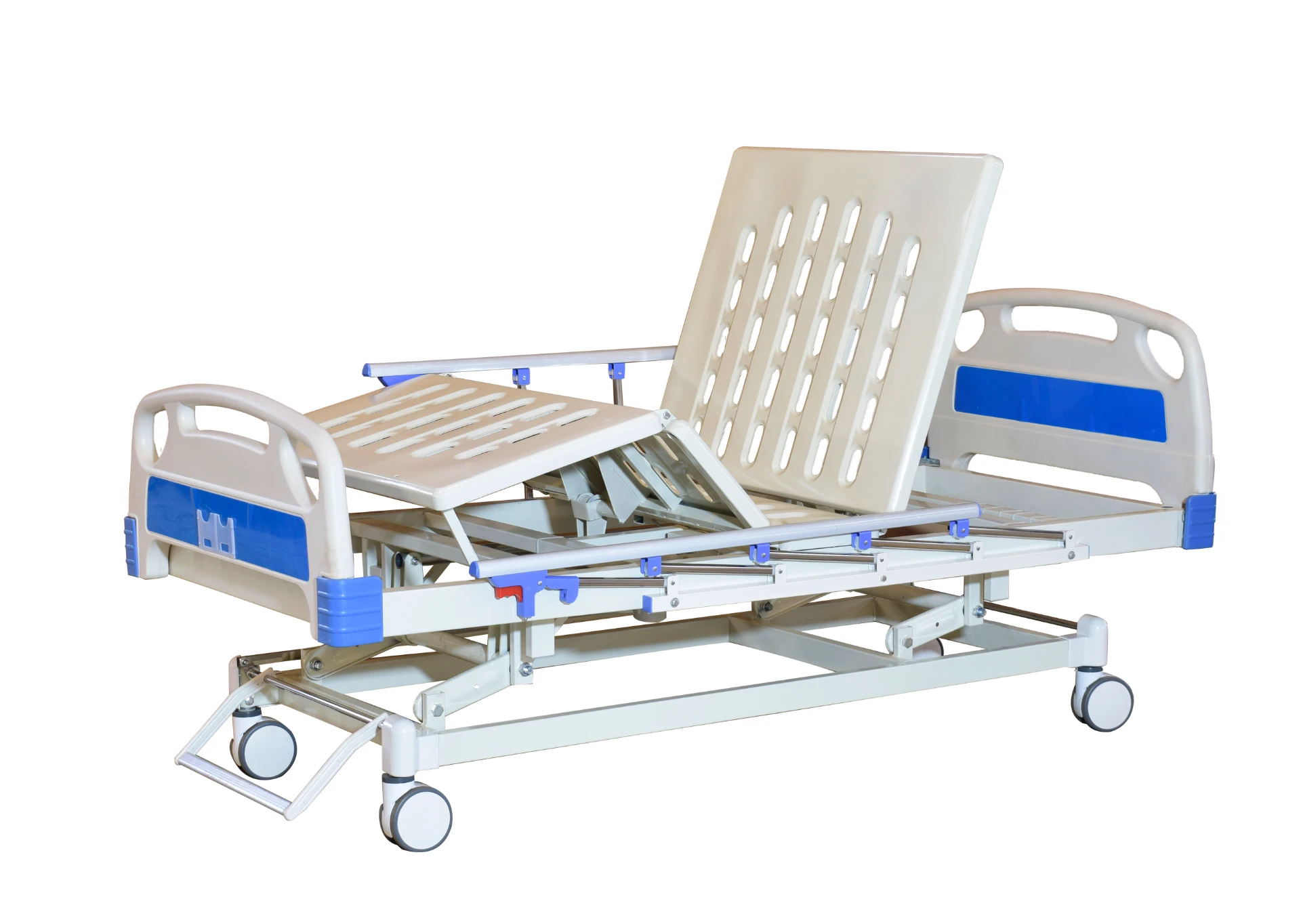
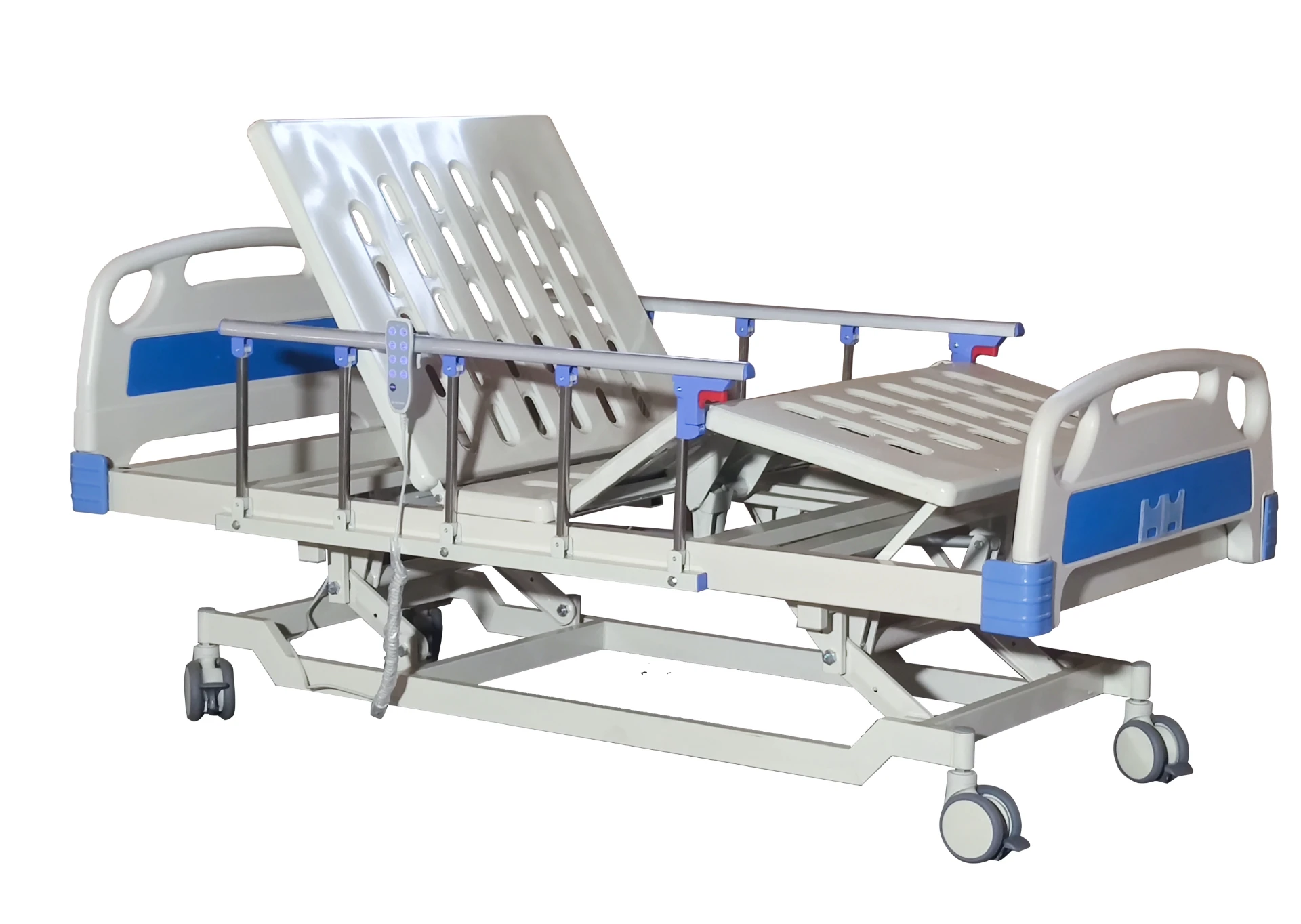
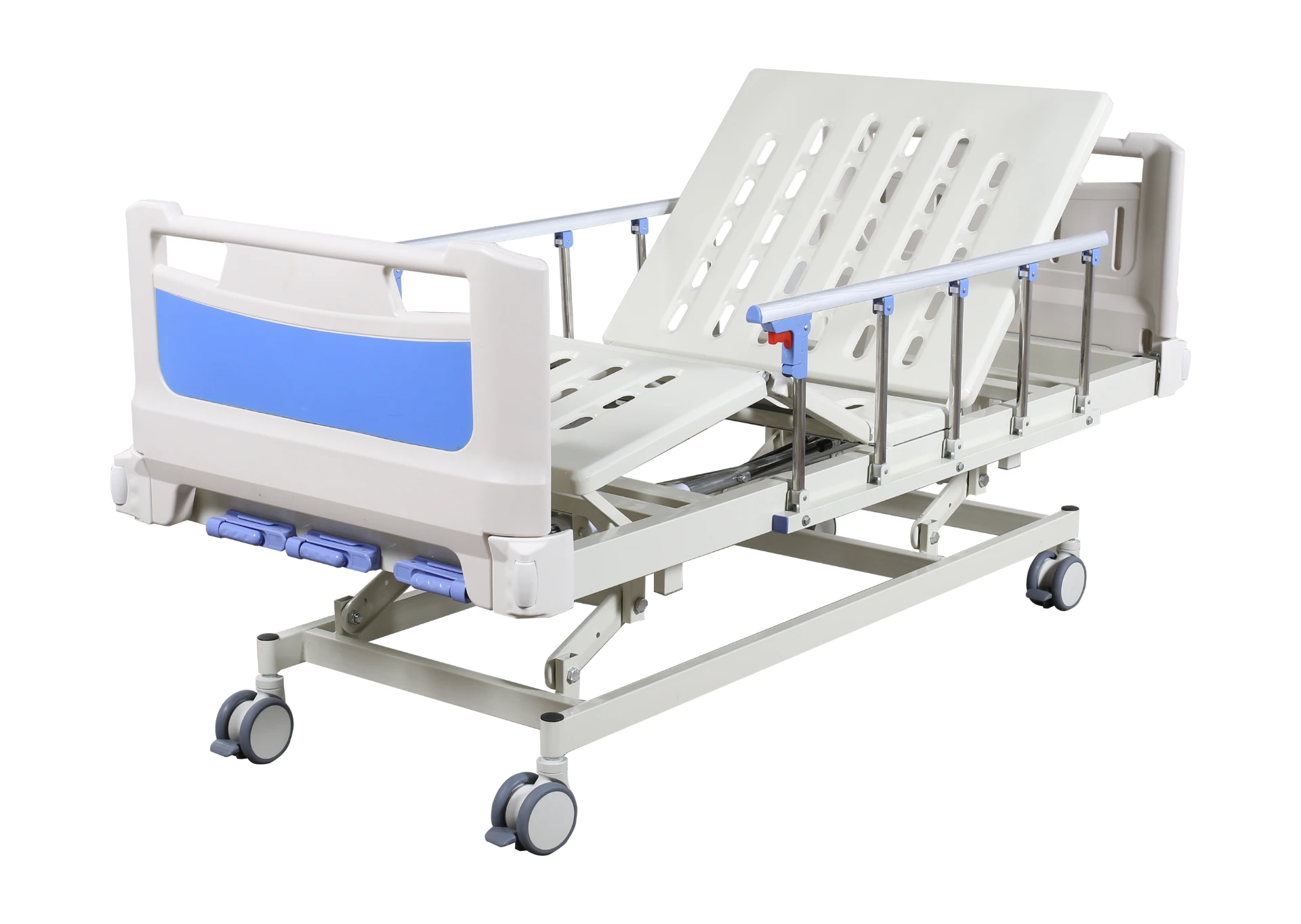
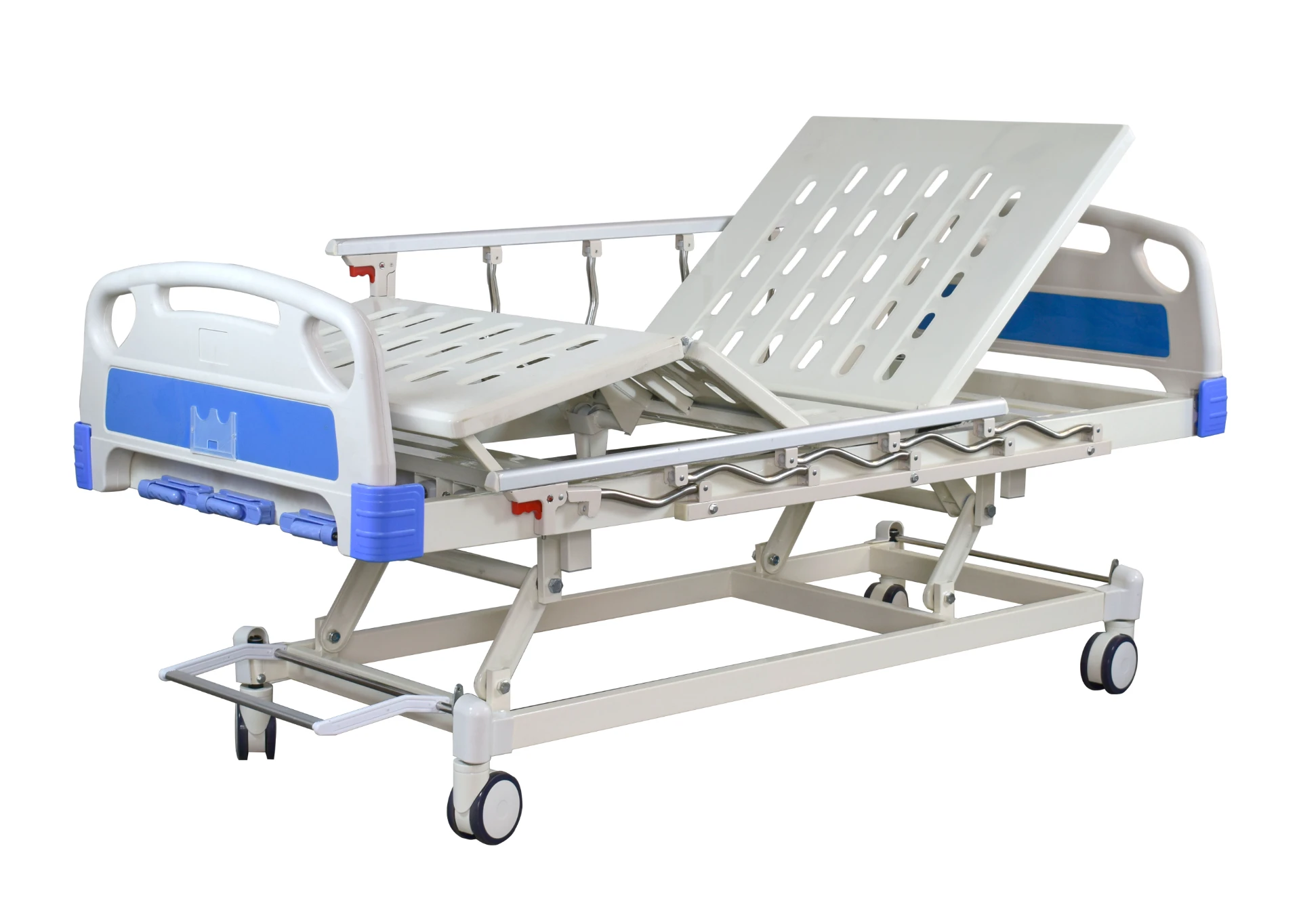
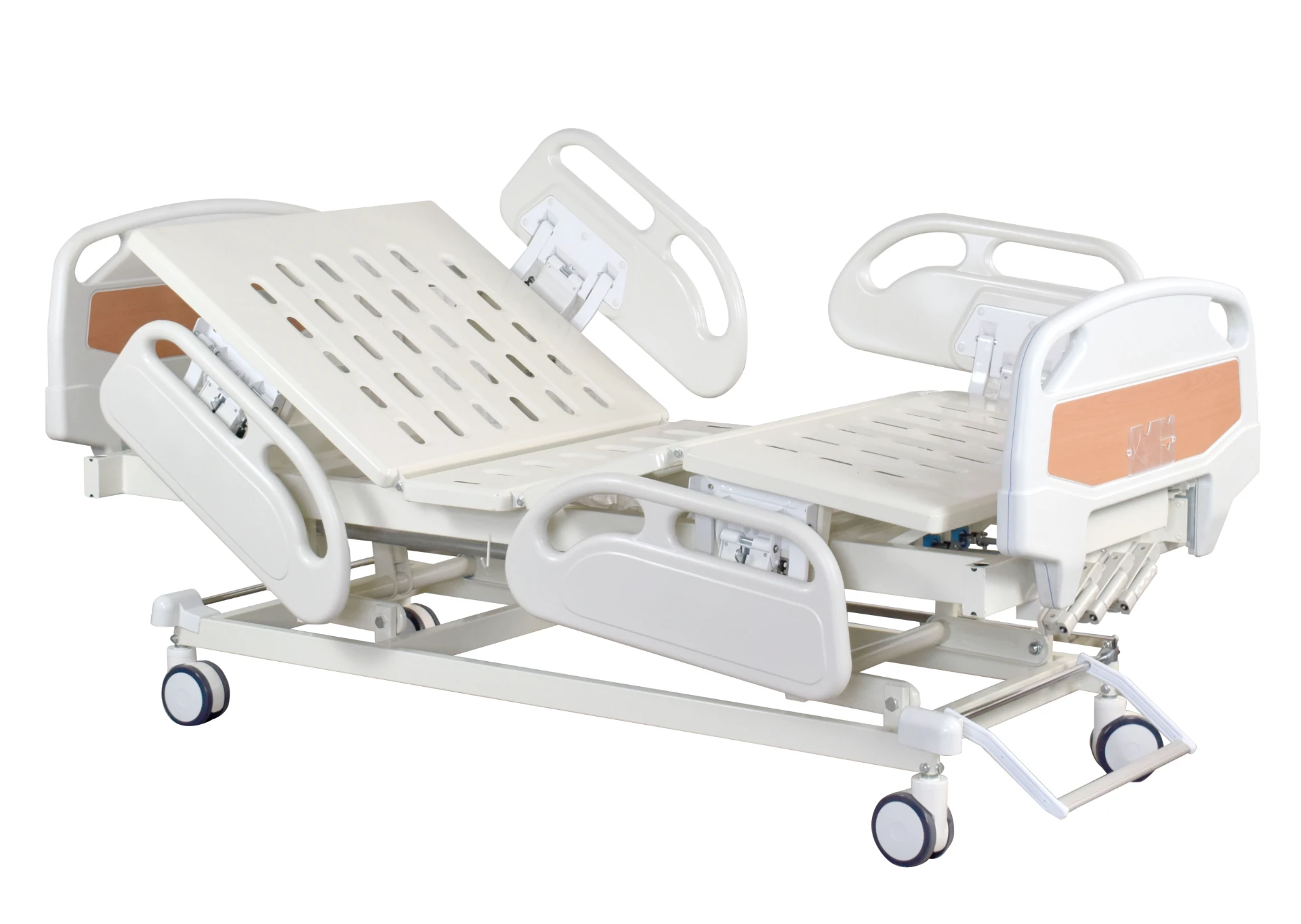
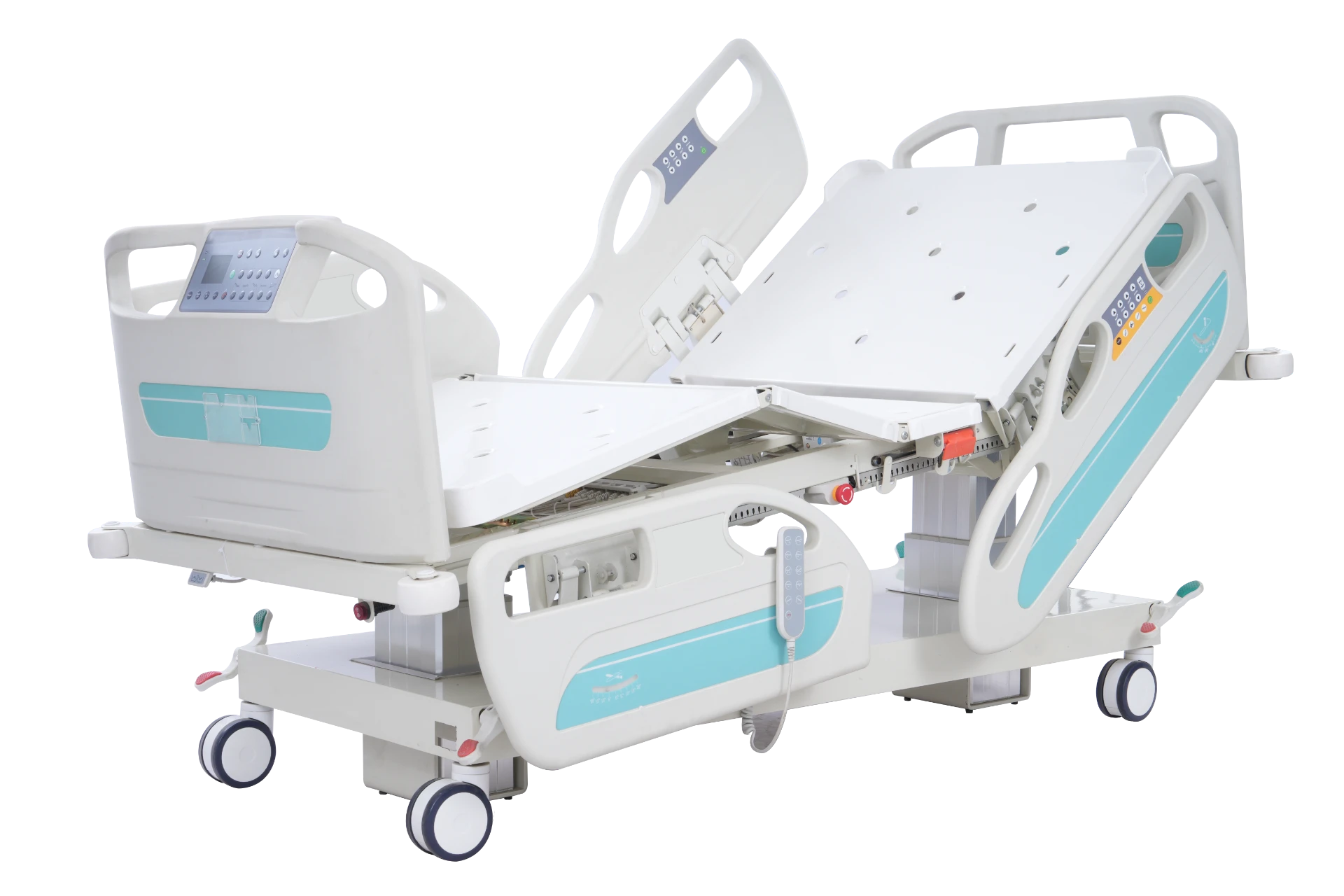
Having spent quite a few years tinkering around with industrial equipment, I find that some essentials never really go out of style — hospital style bed frames being a prime example. They’re kind of the unsung heroes in the healthcare world. Sure, advanced tech and monitoring systems get all the fanfare, but if the bed itself isn’t sturdy, adjustable, and safe, all that doesn’t matter much.
What’s interesting though is how these bed frames have evolved subtly over time. Back when I first got involved in this sector, hospital beds were often heavy, clunky steel monsters, almost intimidating in their presence. Today, the story is different: manufacturers focus on blending durability with ergonomic design, making sure caregivers and patients actually benefit from them instead of wrestling with the hardware.
Key Features That Define a Good Hospital Style Bed Frame
First off, durability is king. Few things are as demanding on a piece of equipment as a healthcare setting. The constant adjustments, patient movement, frequent wipe-downs with harsh cleaners — these bed frames need to take a beating and keep going. Most top-notch frames are built from cold-rolled steel or stainless steel, offering that sweet spot of strength without too much weight.
Adjustability is another major selling point. From raising the head or foot sections to adjusting height for easier patient transfer, these frames must be versatile. Many models use electric motors, but there are still mechanical versions that work well in low-tech settings. Safety rails, locking castors, and easy-to-clean surfaces round off what you really want to see.
Now, for anyone sourcing these beds, it’s wise to consider hospital style bed frame options that come with reliable warranty terms and certifications for infection control. It's not just about a frame anymore; it’s about compliance and peace of mind.
Hospital Style Bed Frame Specifications Snapshot
| Specification | Typical Range | Notes |
|---|---|---|
| Material | Cold-rolled steel / Stainless steel | Corrosion resistant |
| Weight Capacity | 300 - 600 kg (660 - 1320 lbs) | Varies by model |
| Adjustability | Electric or manual, multi-section | Head, foot, and height |
| Safety Features | Side rails, locking wheels | Essential for patient safety |
| Surface Finish | Powder-coated or enamel paint | Easy to clean and disinfect |
Comparing Top Vendors for Hospital Bed Frames
| Vendor | Material Quality | Adjustability Types | Warranty | Price Range |
|---|---|---|---|---|
| Boxin Medical | High-grade stainless steel | Electric motor, manual options | 3 years | $$$ |
| MedEquip Plus | Cold-rolled steel | Manual only | 2 years | $ |
| Hospital Gear Inc. | Stainless steel, powder coated | Electric motorized only | 5 years | $$$$ |
A Quick Word From Experience
In the field, I noticed that even the fanciest, most tech-laden hospital bed frames fail their purpose if they aren't intuitive and rugged. One hospital I worked with went through several brands before settling on a hospital style bed frame from Boxin. They liked the ease of maintenance, the quiet motor operation, and how the frame holds up under high patient turnover. It’s the kind of dependable gear that kinda just fades into the background — which is exactly where you want such equipment.
Oddly enough, what fascinates me is how the best hospital bed frames manage to combine brute industrial strength with a somewhat delicate task: comfort. Adjusting angles to relieve bedsores, helping patients sit up with minimal effort... all made possible by these frames. In real terms, investing in a solid bed frame can actually reduce nurse injuries and improve patient outcomes — a win-win.
So, if you're in the market for a new hospital style bed frame, I’d suggest looking closely at product specs but also reaching out for user reviews and warranty conditions. The last thing you want is a frame that costs less upfront but drags your maintenance costs through the roof.
At the end of the day, a hospital bed frame might seem like just a frame, but it’s really an integral part of healthcare delivery.
References and thoughts:
- Personal field experience across multiple hospital equipment projects, 2010–2023.
- Vendor catalogs and product literature from major medical furniture suppliers.
- Feedback and reviews collected from healthcare staff and procurement officers.
-
Ultimate Guide to Choosing Extra Wide Waiting Room ChairsNewsApr.16,2026
-
Guide to Choosing Professional Waiting Room Chairs Wipeable SeatingNewsApr.09,2026
-
Enhance Your Space with Comfortable Wide Waiting Room ChairsNewsApr.07,2026
-
Selecting the Ideal Brown Waiting Room Chairs for a Welcoming SpaceNewsApr.04,2026
-
Choosing Comfortable Patient Waiting Room Chairs for Healthcare FacilitiesNewsMar.31,2026
-
Finding the Best Deals on Affordable and Cheap Reception Chairs for Your BusinessNewsMar.28,2026
-
Enhance Your Business Reception with Comfortable Blue Reception ChairsNewsMar.26,2026