Welcome to our websites!


Durable and Adjustable Hospital Cot Bed – Expert Insights & Comparison
Hospital Cot Bed: Practical Insights from the Industrial Equipment Trenches
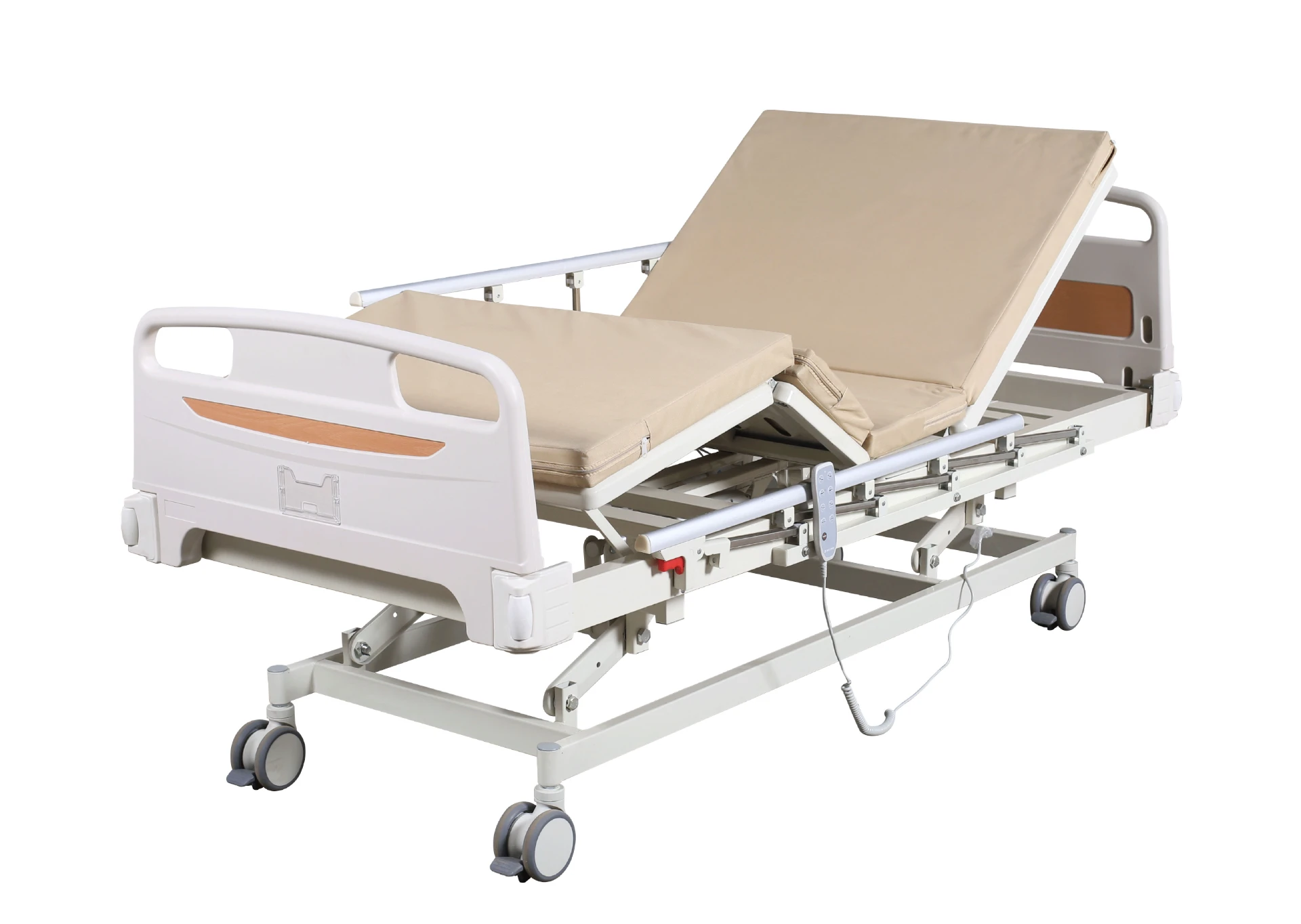
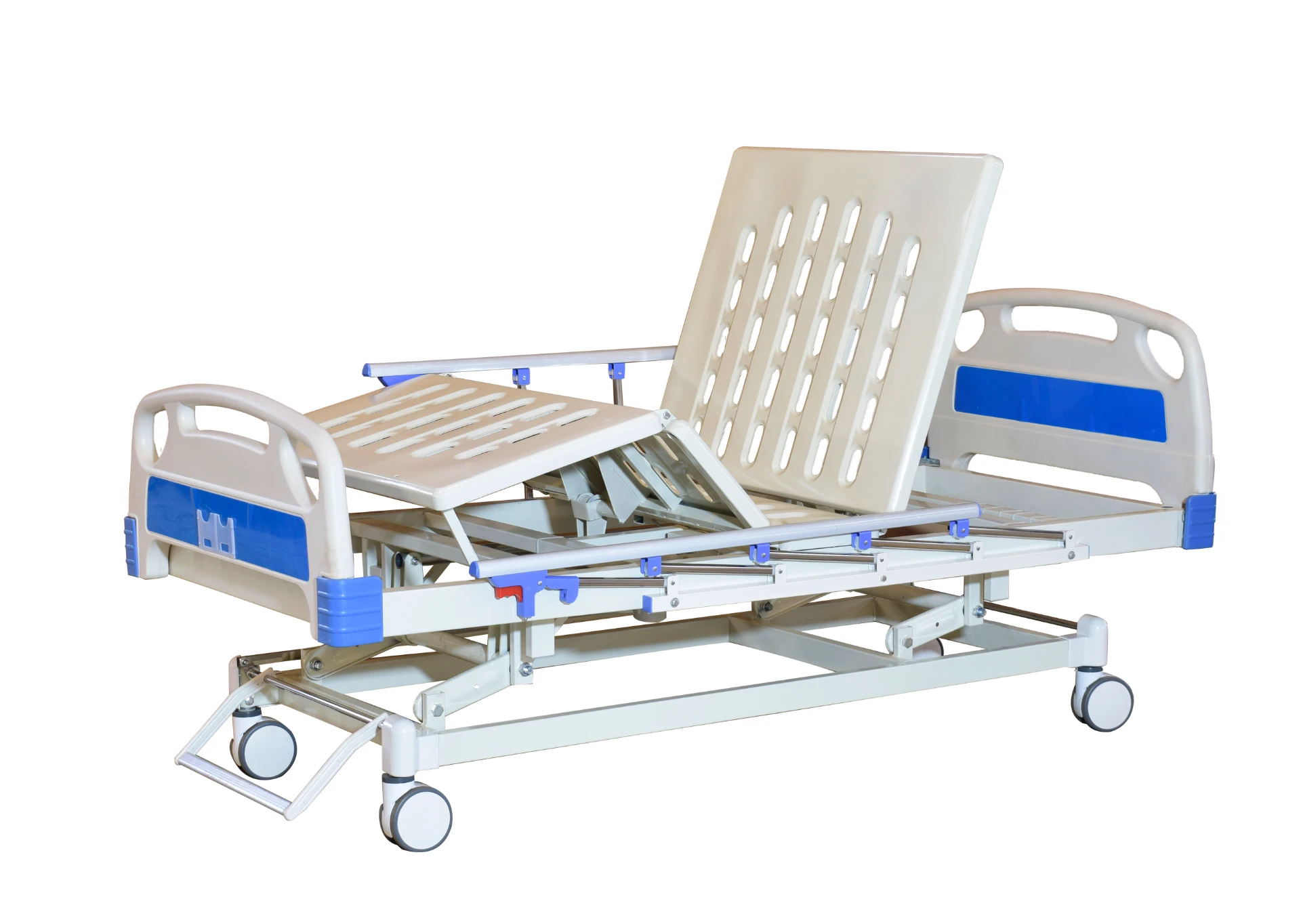
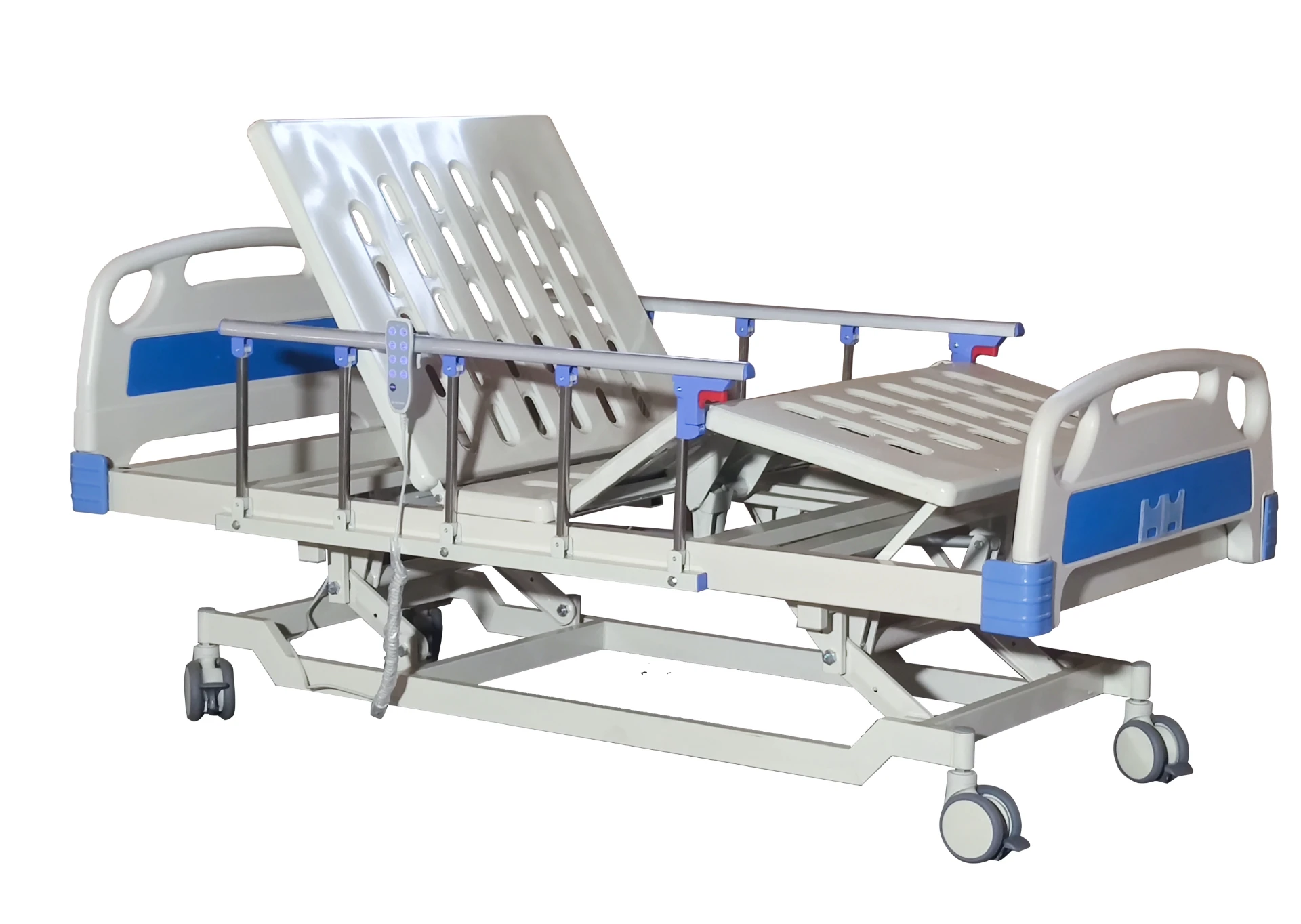
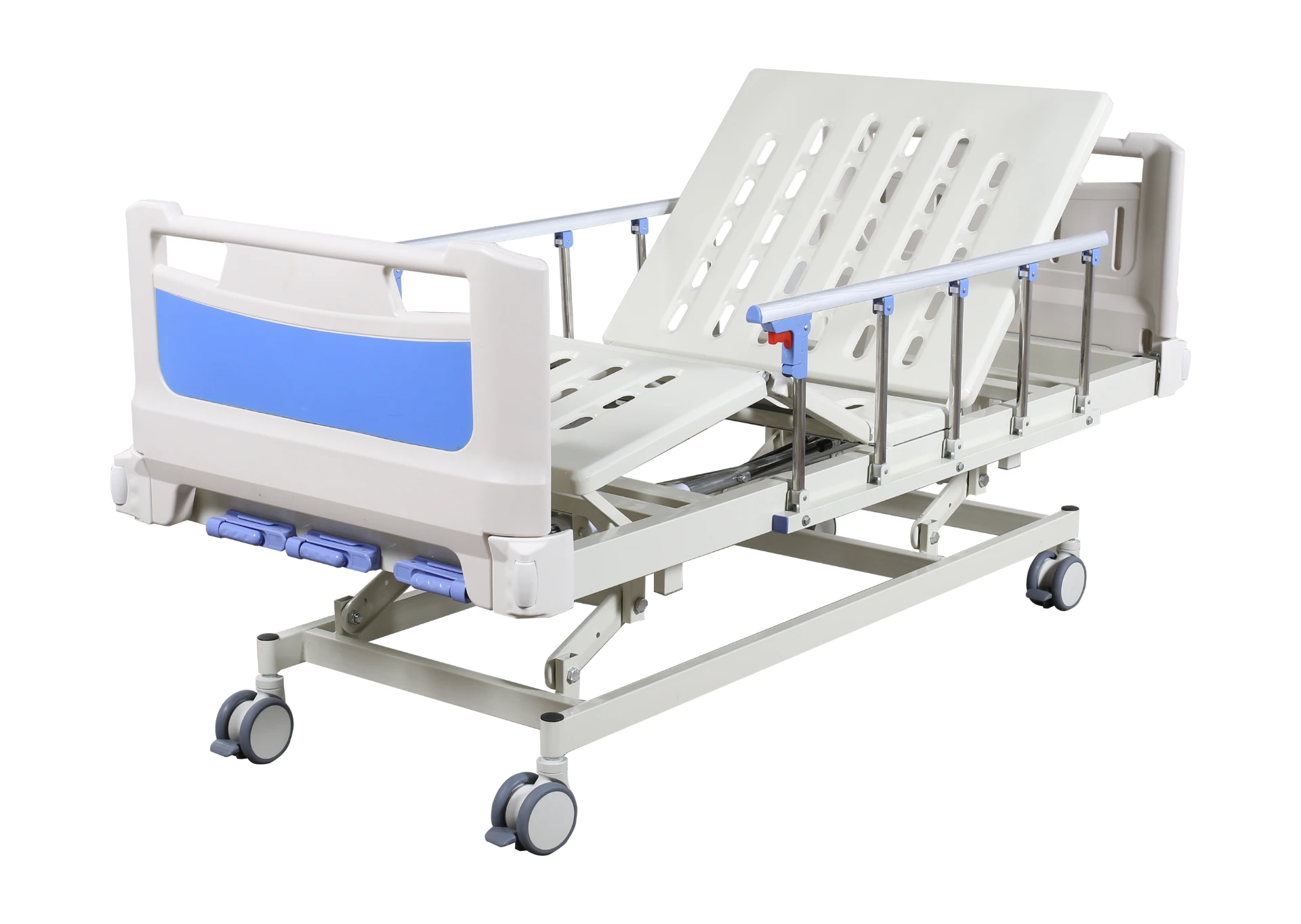
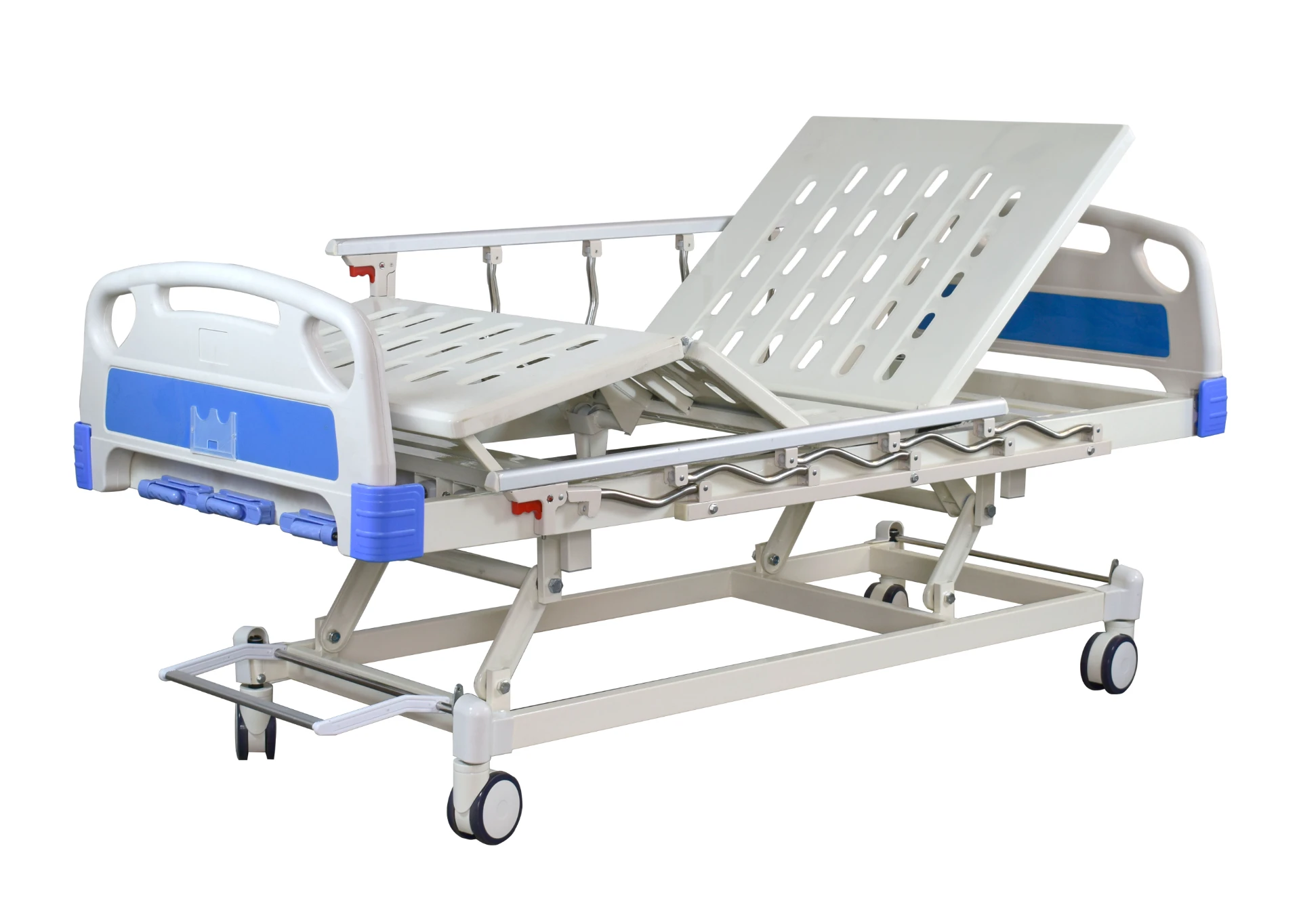
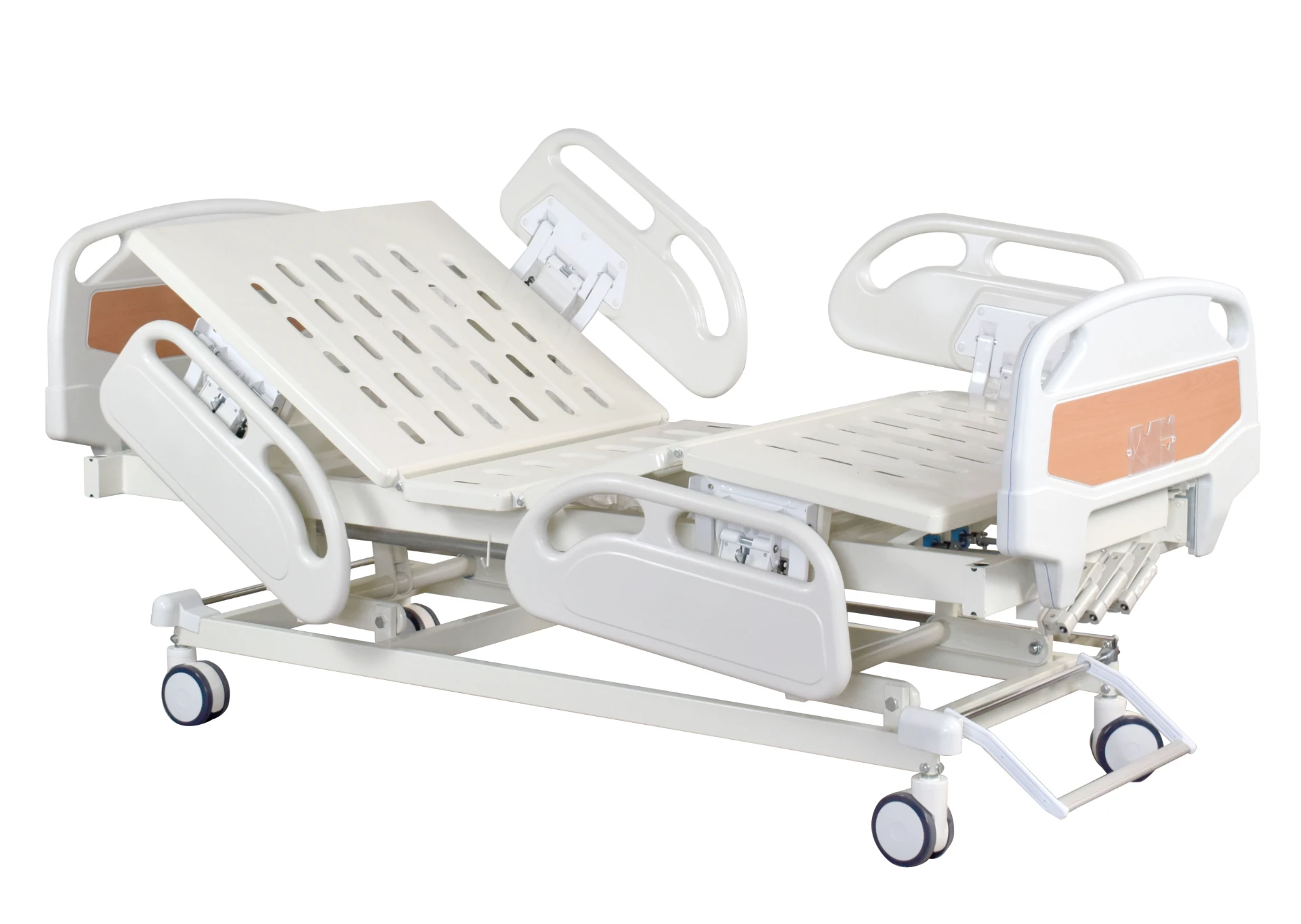
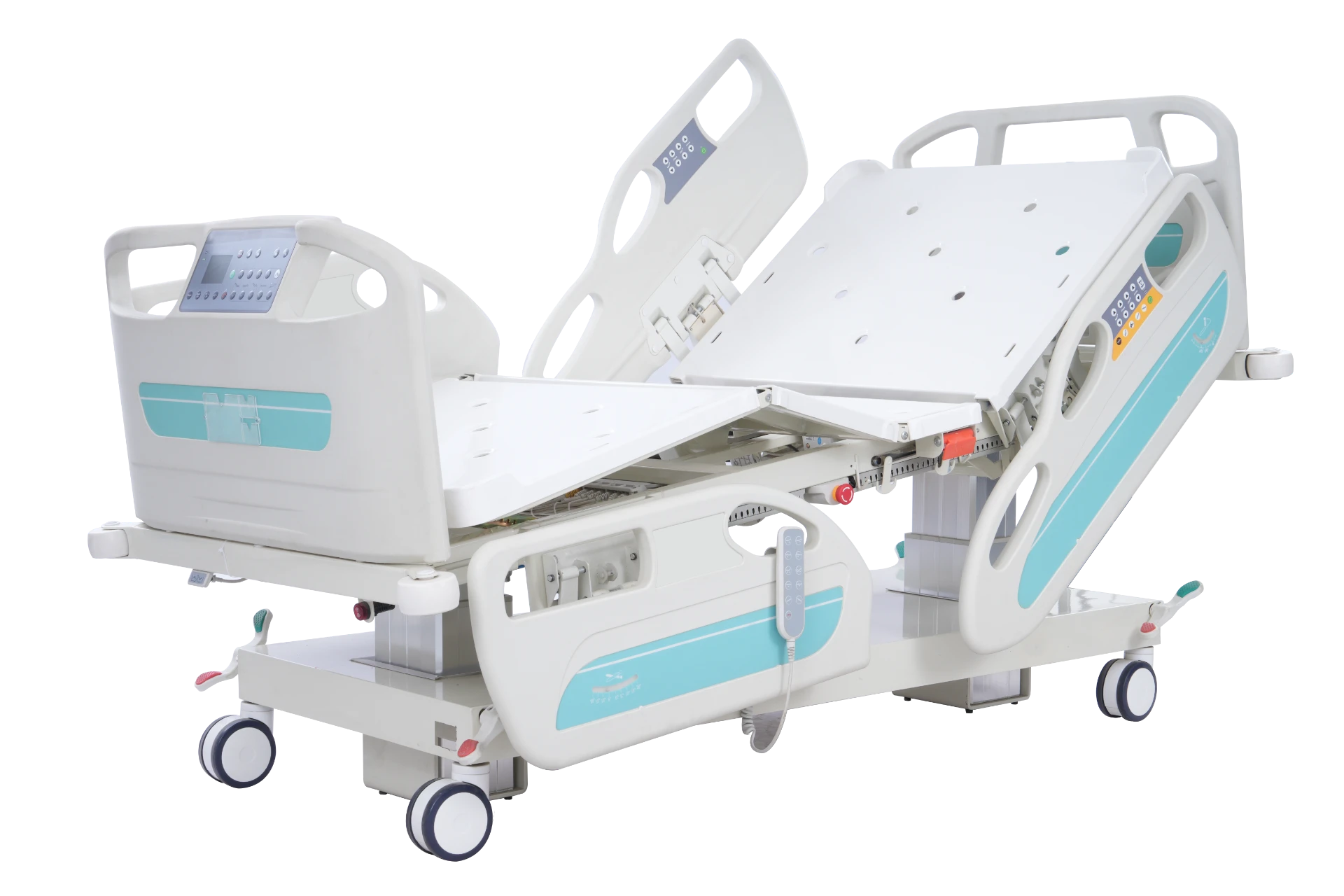
Having spent quite a few years around industrial equipment—particularly medical and hospital furnishings—I've come to appreciate how hospital cot beds aren't just simple beds on wheels. They're quite the unsung heroes in patient care. Honestly, they combine durability, mobility, and user-friendliness in ways that may not jump out at you on first glance.
When I first handled one of these cot beds on a busy hospital floor, I realized how important the design nuances were. For example, the material choice for the bedframe often balances strength with weight. Many hospital-grade cot beds, such as those crafted from high-quality tubular steel with corrosion-resistant powder coating, manage this beautifully—strong, yet not impossible to manoeuvre.
One thing that stands out is the attention to load capacity and adjustability. The average hospital cot bed typically supports anywhere from 150 to 250 kg of patient weight—a range designed to accommodate most patient profiles safely. Practicality demands that these beds adjust easily; whether it’s manual cranks or electric actuators, the mechanism's smoothness affects daily workflow more than you’d think.
Hospital cot bed models have also shifted with compliance standards and patient safety in mind. Side rails, brake locks, and mattress supports get tested to exacting parameters to avoid mishaps. I recall witnessing an older bed model with flimsy guardrails replaced overnight because it simply didn’t meet new ISO safety standards. And frankly, that kind of real-world testing and iteration is what keeps these products reliable.
Typical Hospital Cot Bed Specifications
| Specification | Details |
|---|---|
| Material | Powder-coated tubular steel frame |
| Weight Capacity | 200 kg (440 lbs) |
| Adjustability | Manual crank or electric actuators |
| Mobility | Four swivel wheels with brakes |
| Side Rails | Foldable, lockable steel rails |
| Mattress Size | 200 cm x 90 cm (approx.) |
| Certification | ISO 13485 & CE certified |
Oddly enough, the human element often influences which product gets chosen. I recall a facility where nurses preferred electric adjustments because it made their work less strenuous. Another hospital opted exclusively for manual models to reduce maintenance concerns. Both choices made sense in their distinct operational contexts.
Comparing Top Hospital Cot Bed Vendors
| Vendor | Price Range | Key Features | Warranty |
|---|---|---|---|
| CNBoxin | $$$ | Sturdy frame, electric adjustment, ISO certified | 3 years |
| SafeMed | $$ | Manual crank, foldable rails, light frame | 2 years |
| MediEquip | $$$$ | Advanced electric controls, antimicrobial paint | 5 years |
From a practical standpoint, choosing the right hospital cot bed often boils down to assessing reliability against your budget and operational needs. I’ve worked with facilities where frequent use meant prioritizing ease of maintenance, while others emphasized patient comfort and aesthetics.
Speaking of comfort, mattress compatibility and side rail ergonomics make a surprising difference — something I noticed first-hand watching patient recovery times improve when they felt secure and comfortable during transport.
For those curious, hospital cot bed manufacturers like CNBoxin combine sturdy engineering with practical features tailored for clinical environments. It's worth checking out their latest models if you're in the market—especially with their ISO certifications and multi-year warranty backing.
To wrap up: hospital cot beds blend industrial robustness with thoughtful patient-centric design. It’s a quietly complex product—sort of like a well-oiled machine you barely notice unless something goes wrong. Knowing the specs, vendor differences, and usage context can really help you pick the best fit.
In my experience, the best hospital cot bed is one that simply works well every day without calling attention to itself—that’s true quality in the industrial health sector.
References:
1. ISO 13485 Medical Devices – Quality Management Systems
2. CE Certification Guidelines for Hospital Equipment
3. Industry Insights from Hospital Procurement Managers (2023)
-
Ultimate Guide to Choosing Extra Wide Waiting Room ChairsNewsApr.16,2026
-
Guide to Choosing Professional Waiting Room Chairs Wipeable SeatingNewsApr.09,2026
-
Enhance Your Space with Comfortable Wide Waiting Room ChairsNewsApr.07,2026
-
Selecting the Ideal Brown Waiting Room Chairs for a Welcoming SpaceNewsApr.04,2026
-
Choosing Comfortable Patient Waiting Room Chairs for Healthcare FacilitiesNewsMar.31,2026
-
Finding the Best Deals on Affordable and Cheap Reception Chairs for Your BusinessNewsMar.28,2026
-
Enhance Your Business Reception with Comfortable Blue Reception ChairsNewsMar.26,2026