Welcome to our websites!


Dressing Trolley Price | Stainless Steel, Factory Direct
What’s Really Driving Dressing Trolley Price in 2025? An Insider’s Field Notes
If you’re benchmarking dressing trolley price this quarter, you’ve probably noticed wild swings between catalogs and RFQs. To be honest, it’s not just stainless-steel thickness or “brand tax.” It’s the supply chain (casters, steel, welding time), infection-control specs, and… yes, your cleaning protocol. I’ve toured factories from Kaiyuan Road in Jizhou to coastal OEMs and the story repeats: details matter.
Quick trendline
- 304 stainless with sealed welds is now baseline for wards; thicker tops (1.0–1.2 mm) nudge the dressing trolley price up but reduce vibration and denting.
- Quiet, medical-grade casters (≥100 mm, non-marking) with brake sets add 10–18% to cost; worth it for night rounds.
- Tool-less removable trays and splash rails are popular for faster terminal cleaning (and fewer HAIs).
Featured product context (bed + trolley ecosystem)
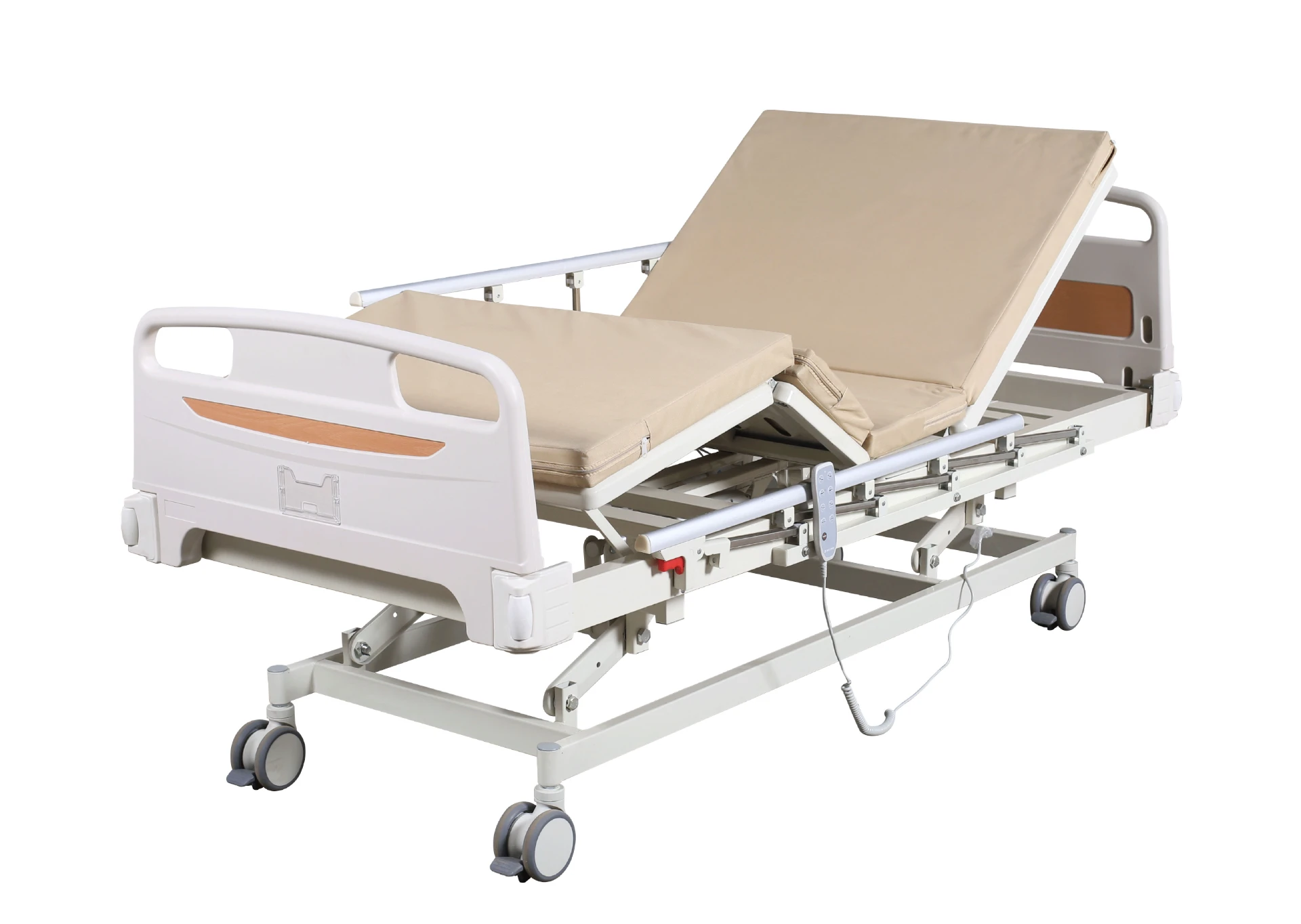
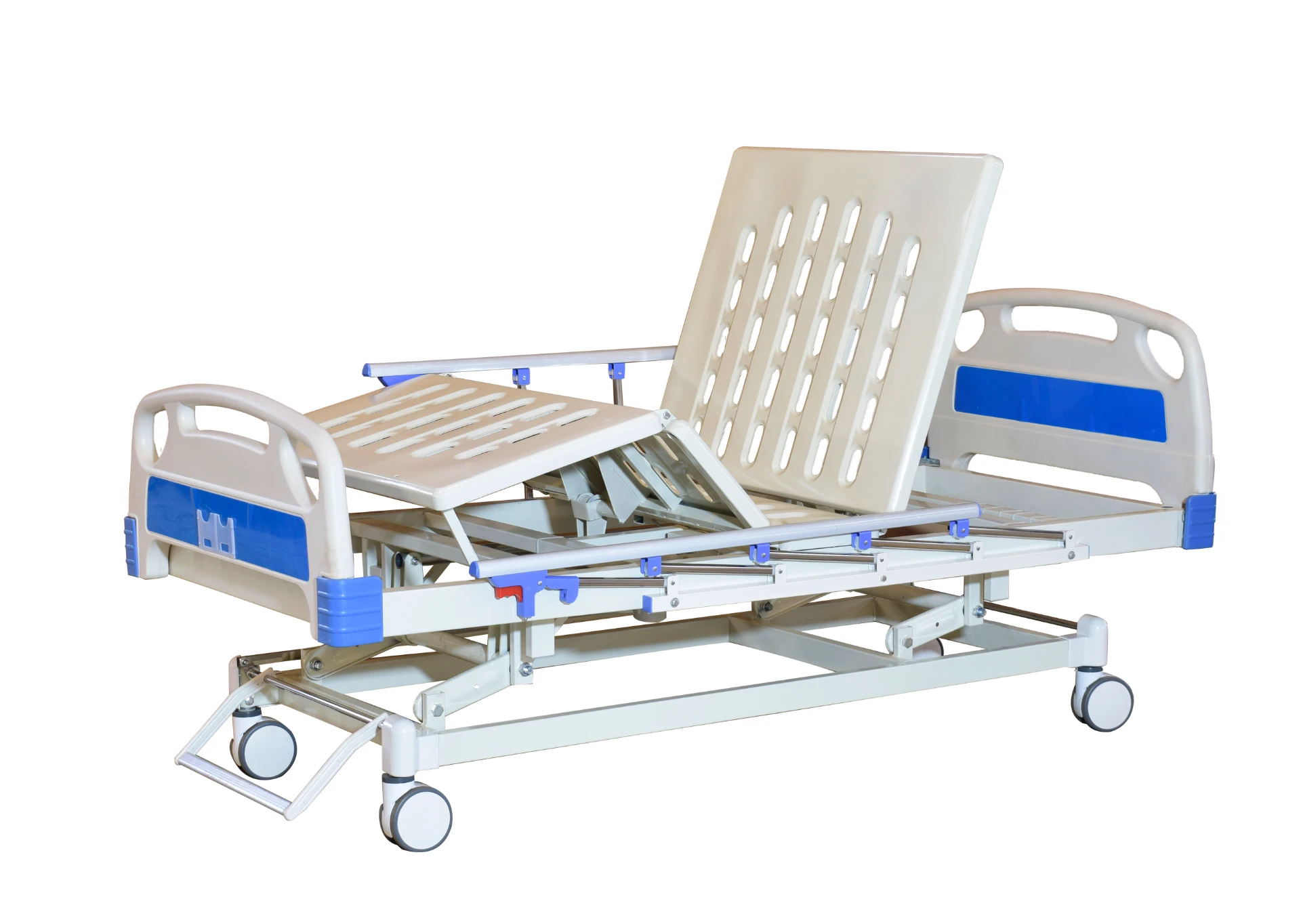
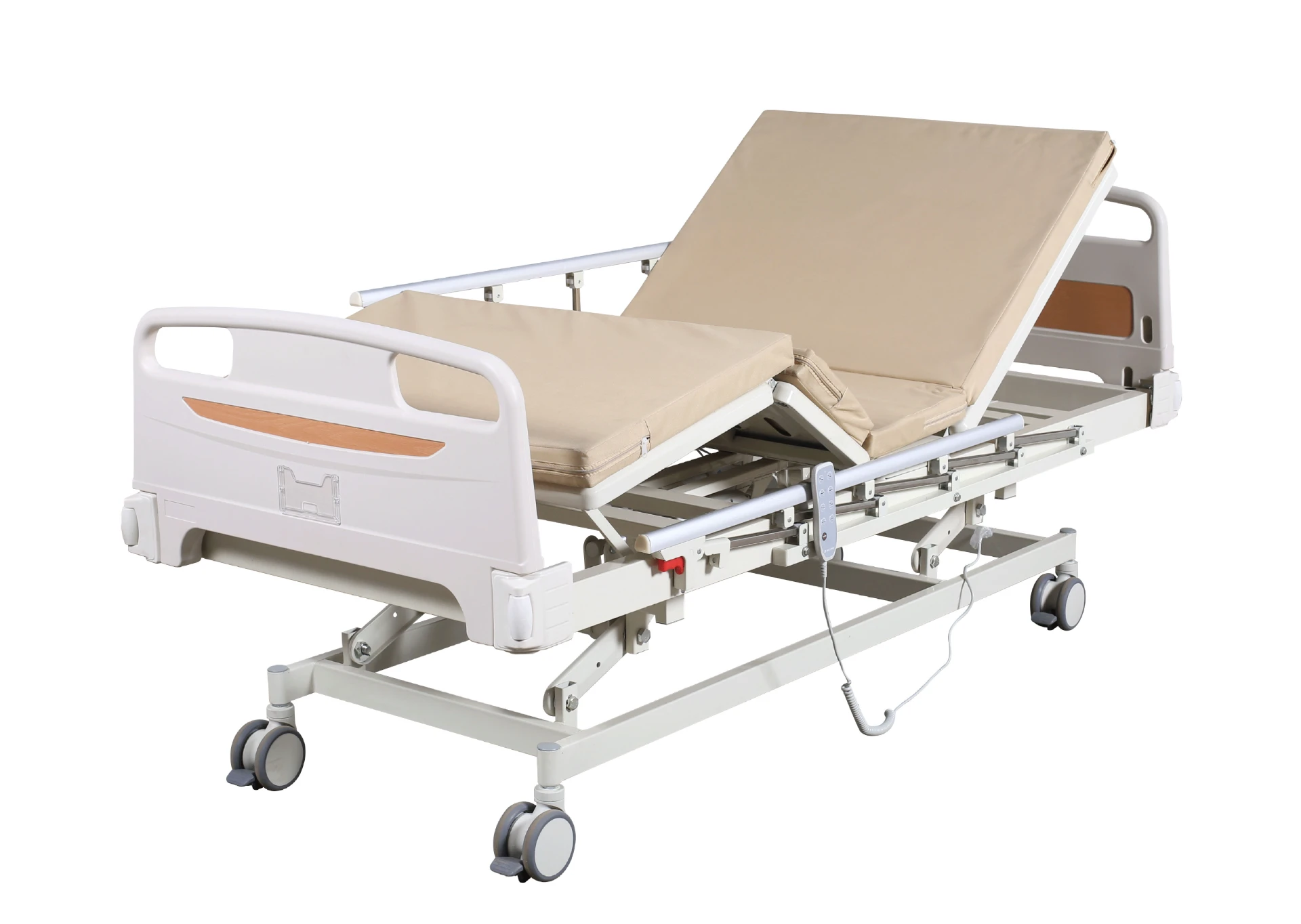
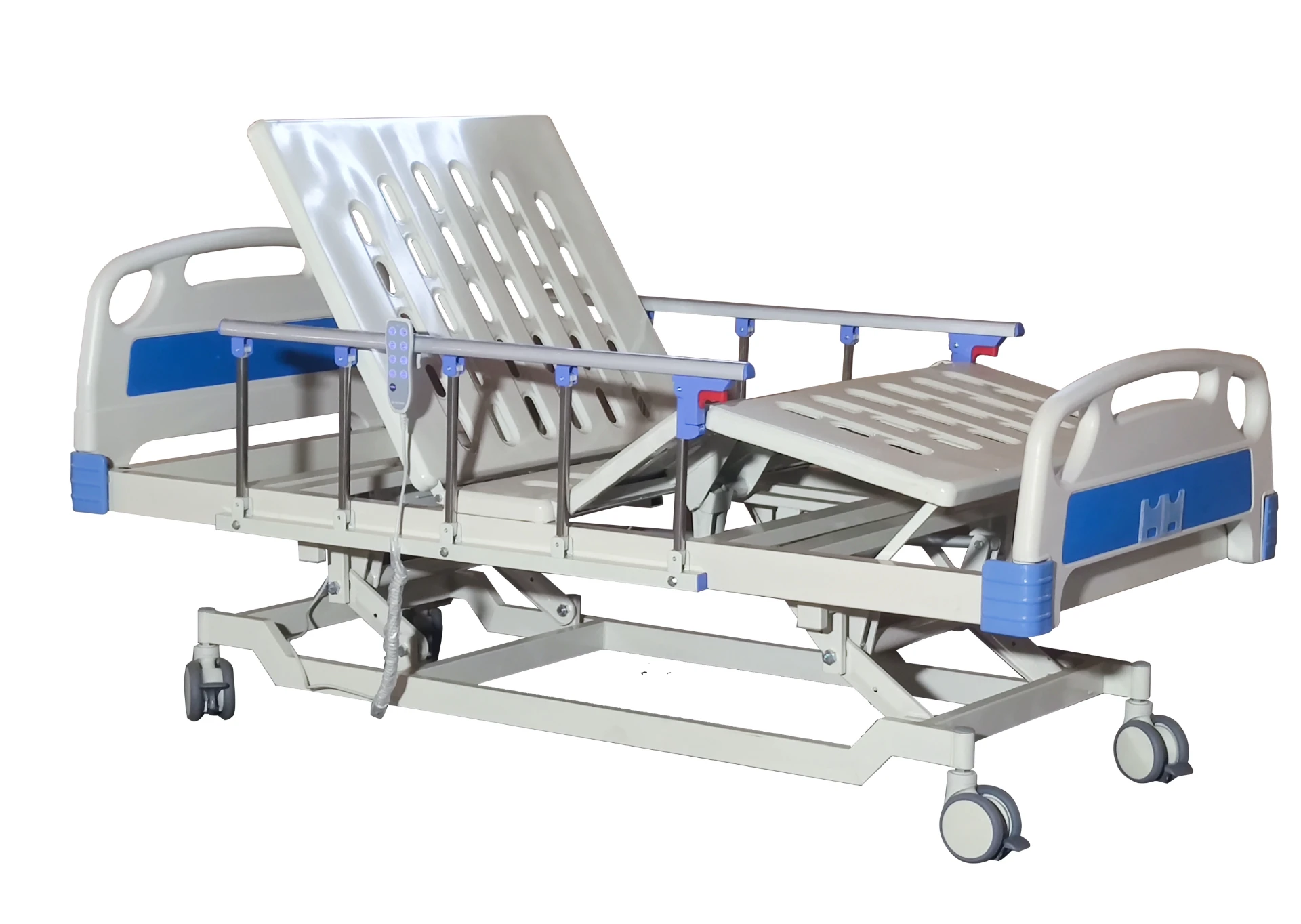
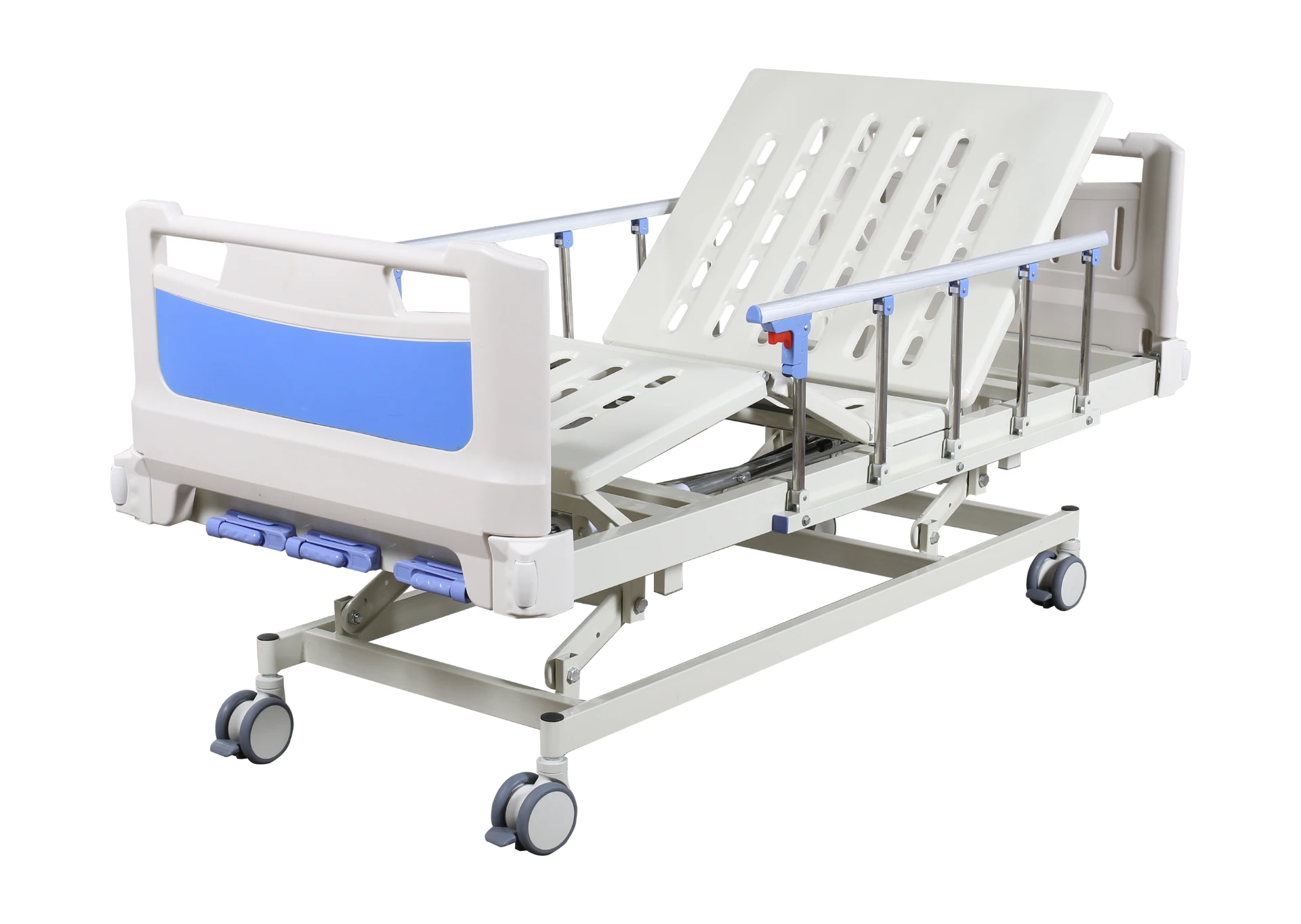
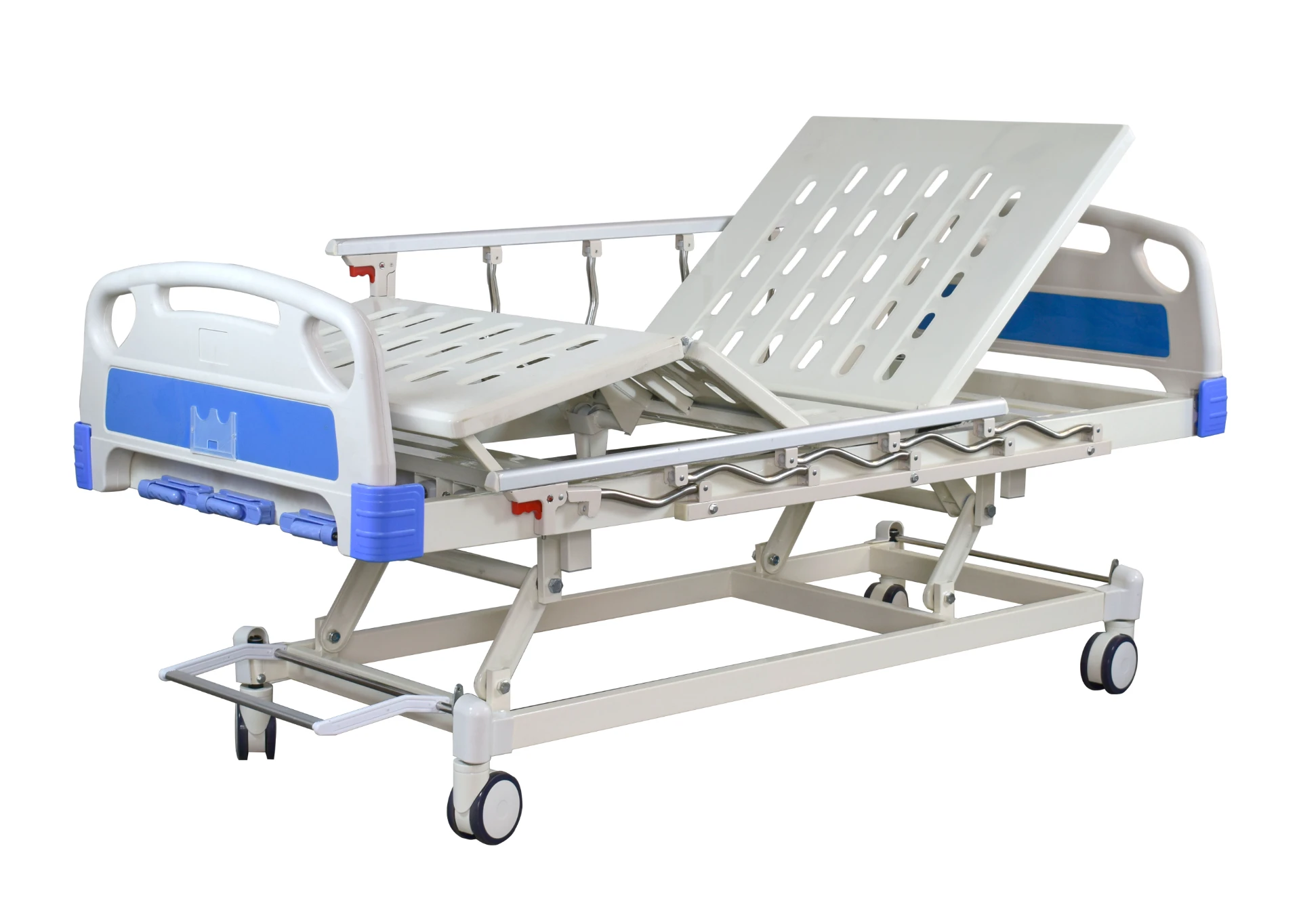
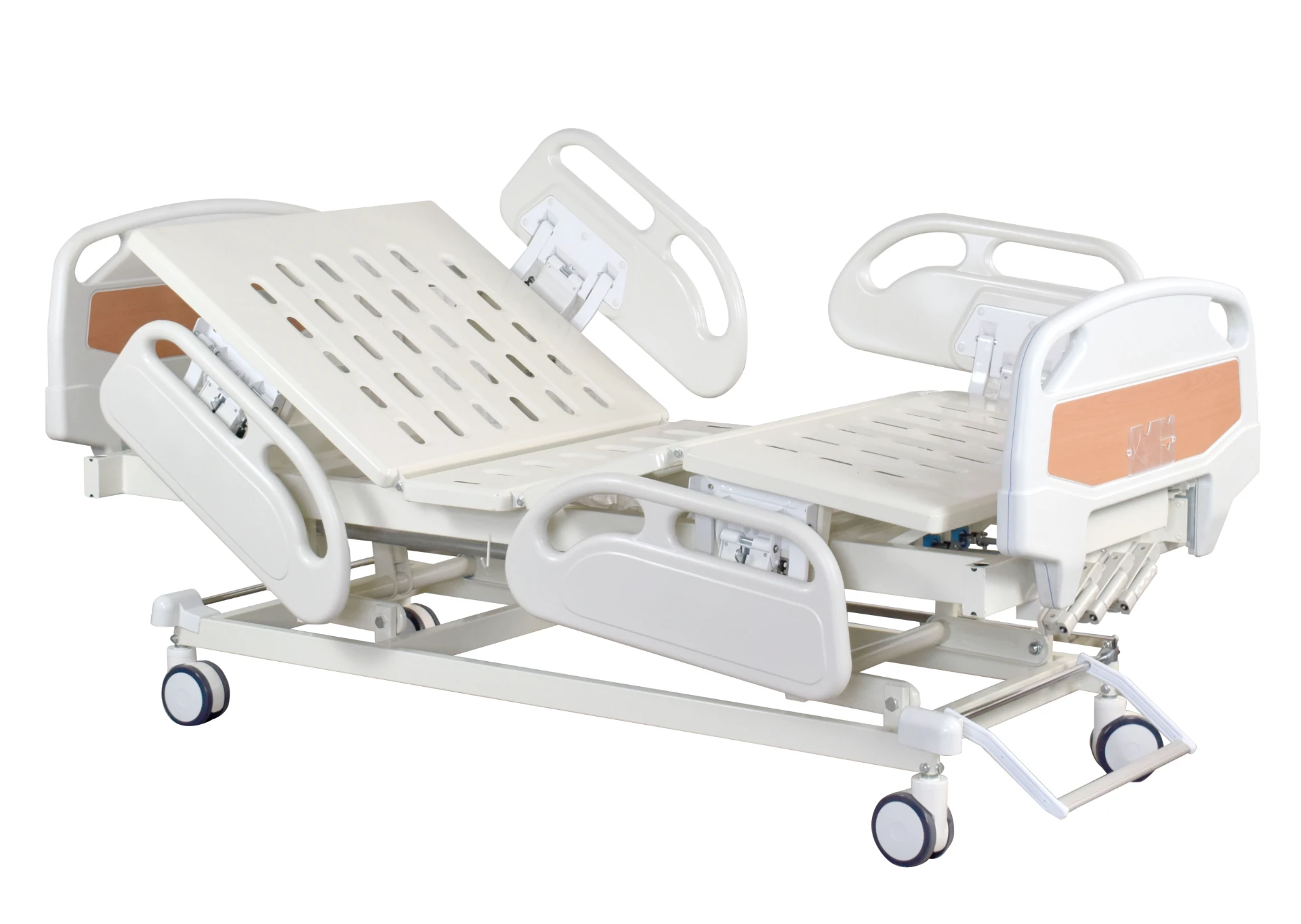
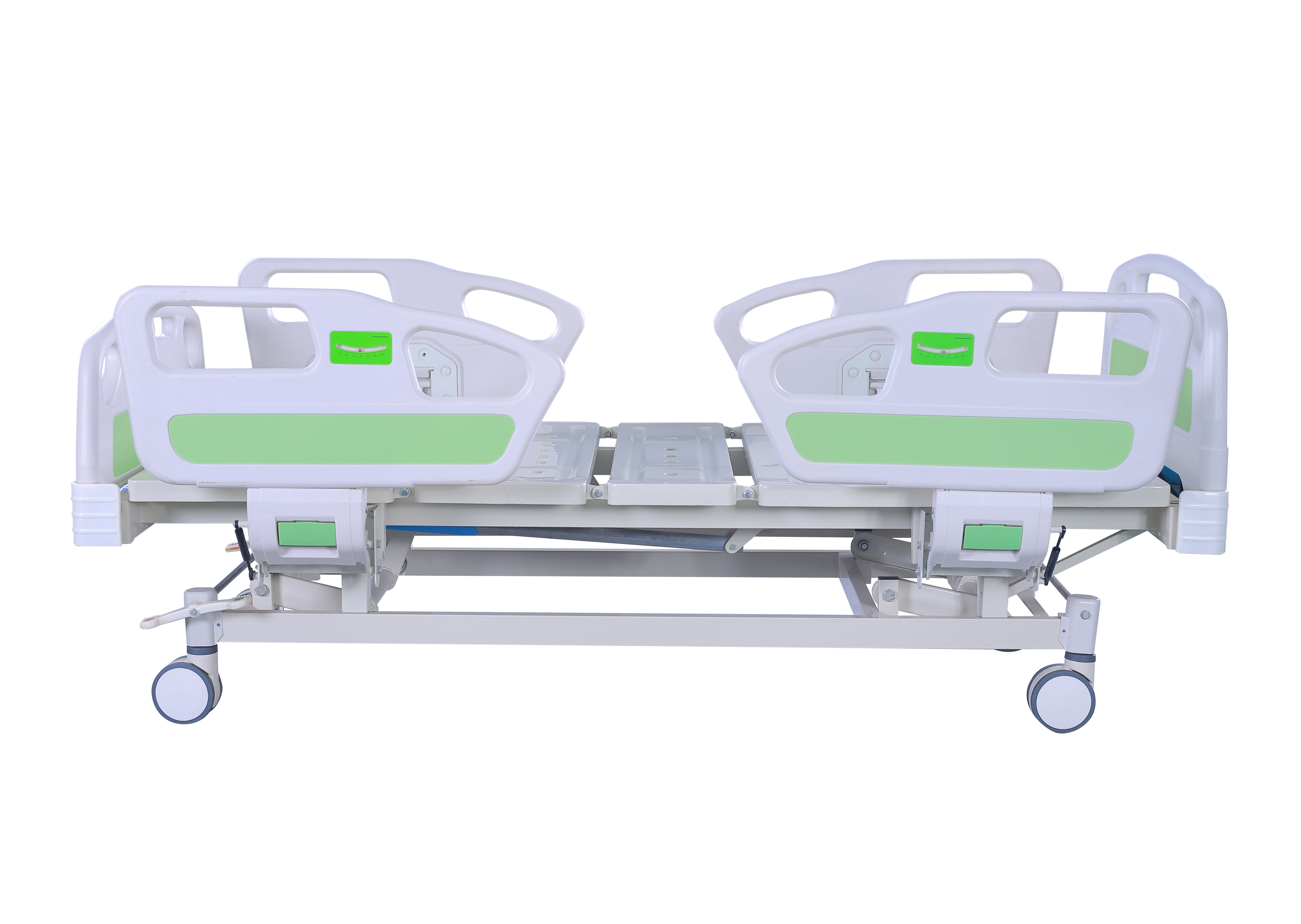
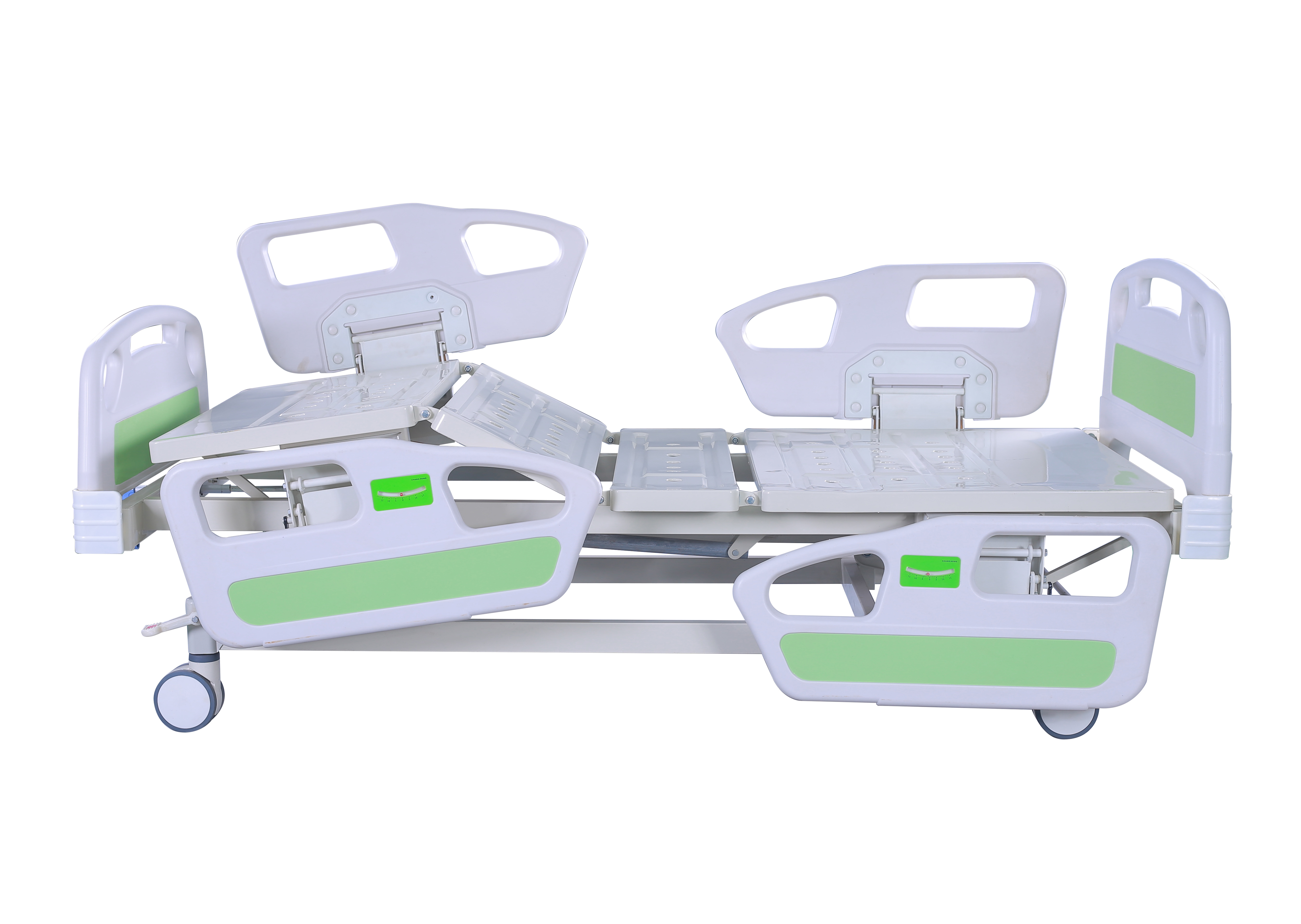
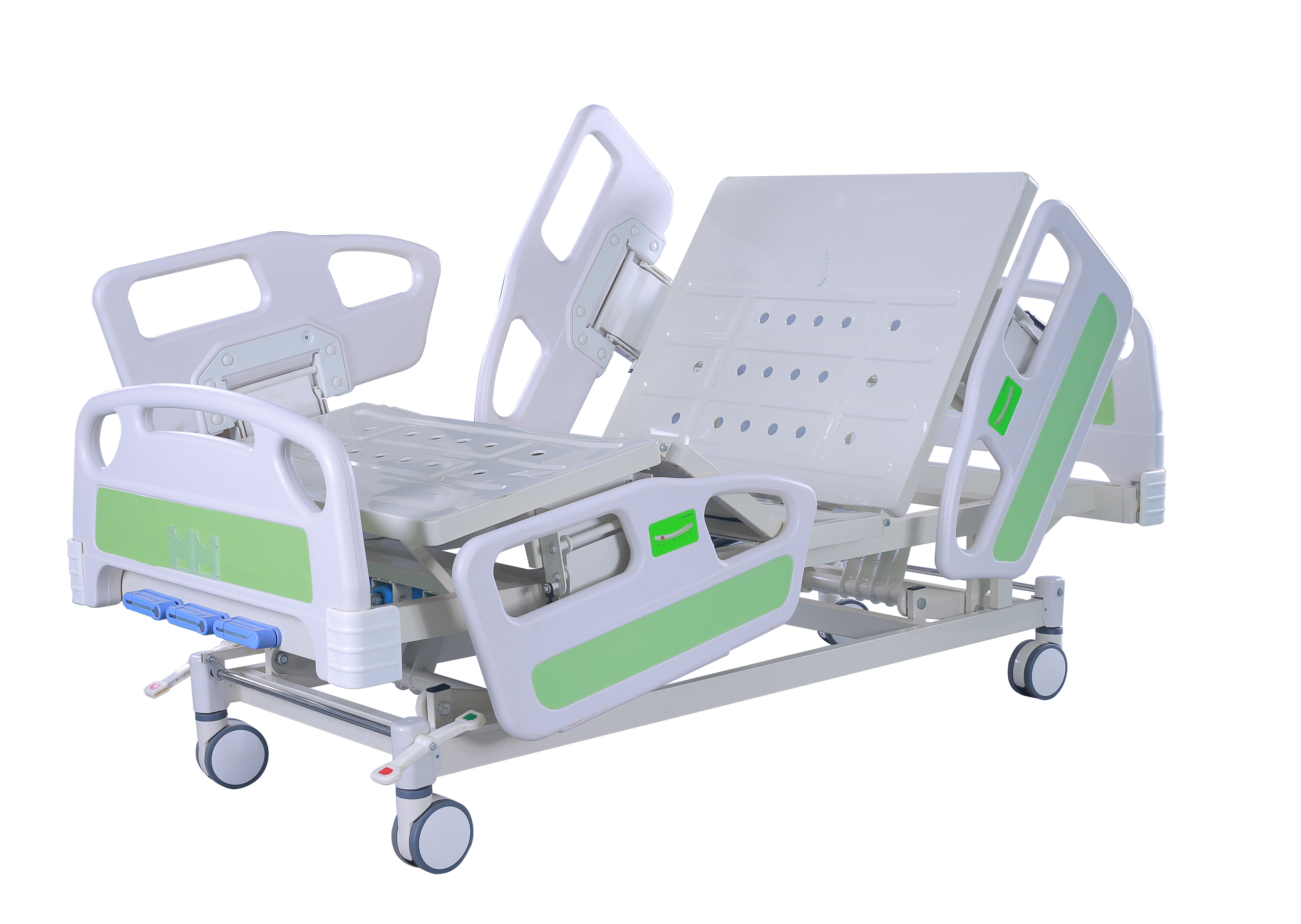
Procurement rarely happens in isolation. Many facilities spec trolleys alongside beds to standardize maintenance. Case in point: Boxin’s “Portable medical bed manual hospital bed 3 functions” from Jizhou District, Hengshui City. I’ll drop tech notes below because the same QC culture often extends to the matching dressing trolleys.
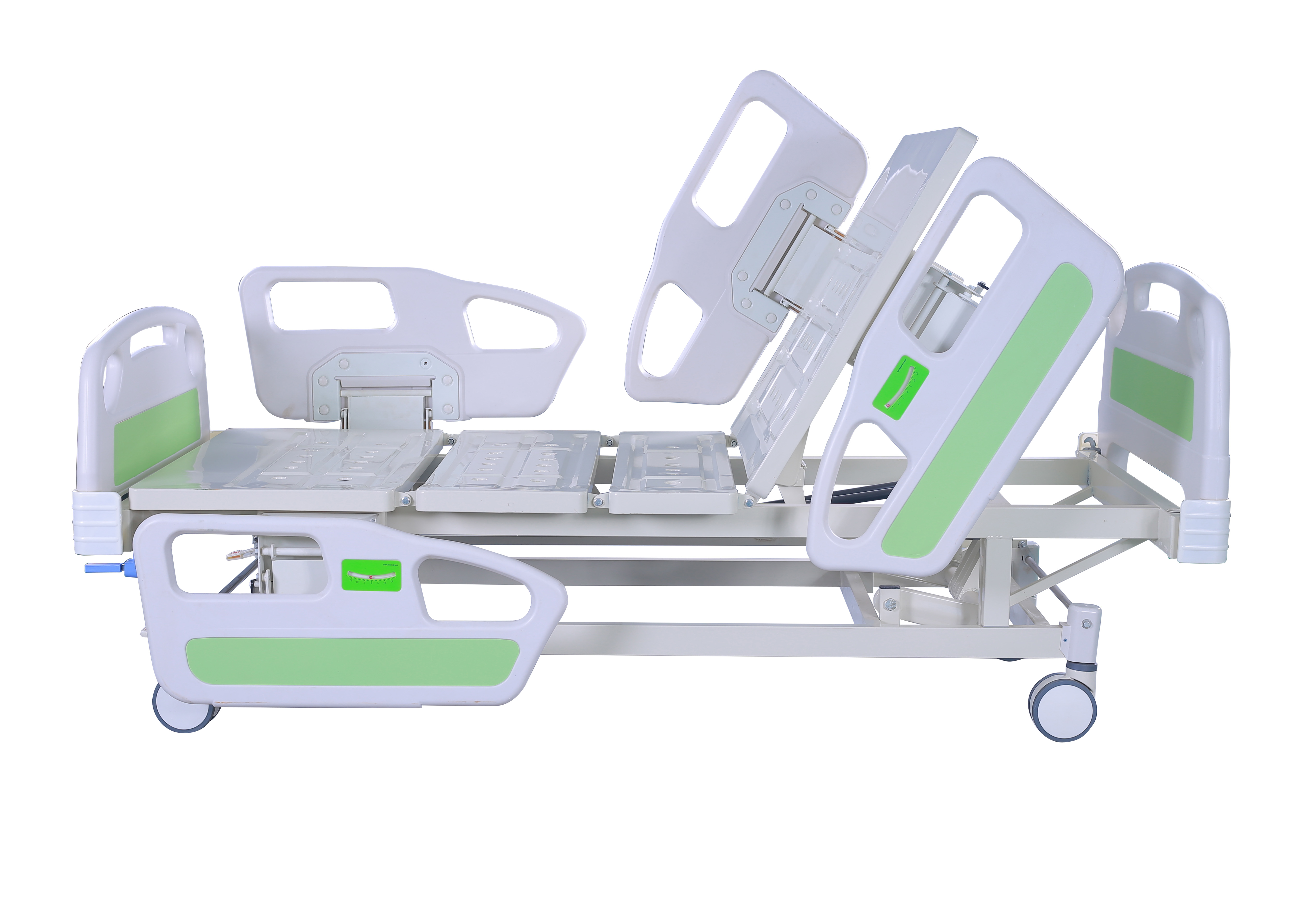
Product specification snapshot (Manual Hospital Bed, 3 Functions)
| Model | Manual 3-function bed |
| Frame | Powder-coated steel, ≈60–80 μm coating; ABS head/foot boards |
| Adjustments | Backrest 0–75°, Knee 0–35°, Height fixed ≈500 mm |
| Safe Working Load | ≈180 kg (real-world use may vary) |
| Casters | 125 mm, central lock (option) |
| Standards & QA | Designed to align with IEC 60601-2-52, ISO 14971; factory typically ISO 13485—verify certificates |
How the build impacts dressing trolley price
- Materials: 304 stainless (trolley frames/shelves), Q235 steel for bed frames; thicker plate increases durability and cost.
- Methods: TIG welding, passivation; powder coating for beds; rounded corners reduce injury risk.
- Testing: Load testing ≈150 kg shelf payload; 96 h salt-spray (ASTM B117) on coated parts; caster roll resistance and noise ≤50 dB in quiet hallways.
- Service life: 5–10 years typical with preventive maintenance; casters replaced ~every 18–30 months in busy wards.
- Industries: Acute care, day surgery, long-term care, ambulatory, veterinary (increasingly).
Vendor comparison (indicative)
| Vendor | Build & Options | Certs (typ.) | Price Band (ex-works) | Notes |
|---|---|---|---|---|
| Boxin (Jizhou, Hengshui) | 304 SS trolley, 2–3 shelves, drawers, 100–125 mm casters | ISO 13485, CE (verify) | dressing trolley price: ~$100–$190 | Stable QC; pairs with 3-function beds |
| Stainless Trolley Co. | Heavy-gauge SS, rail options, silent wheels | ISO 9001/13485 | dressing trolley price: ~$120–$220 | Premium casters; faster lead times |
| OEM Assembly (various) | Basic SS, limited drawer sets | Factory-level QA—confirm docs | dressing trolley price: ~$85–$140 | Watch weld finish and caster spec |
Use scenarios, feedback, customization
- OR/ER: splash rails and lockable drawers; high-load casters for ramps.
- Wards: two-shelf + bin holders; clipboard hooks for dressing plans.
- Customer feedback: “Drawer glide matters more than we thought.” “Noise at 2 a.m. is the real KPI.”
- Customization: shelf count, drawer configs, anti-static wheels, color-coded handles; etched asset IDs for inventory.
Two quick case notes
County clinic network: Switched to thicker tops and medical-grade casters; dressing trolley price rose ~12%, but annual maintenance tickets fell 28%—net savings in year two.
Tertiary hospital: Standardized beds (3-function manual) and trolleys from one vendor; unified spare parts and training cut downtime by ~19%.
Procurement checklist (short)
- Verify ISO 13485 and CE docs; ask for lot test data (load, salt-spray, caster noise).
- Request sample weld corners and drawer slide specs.
- Run a 2-week ward pilot before bulk PO; log noise and maneuverability.
Authoritative citations
-
Ultimate Guide to Choosing Extra Wide Waiting Room ChairsNewsApr.16,2026
-
Guide to Choosing Professional Waiting Room Chairs Wipeable SeatingNewsApr.09,2026
-
Enhance Your Space with Comfortable Wide Waiting Room ChairsNewsApr.07,2026
-
Selecting the Ideal Brown Waiting Room Chairs for a Welcoming SpaceNewsApr.04,2026
-
Choosing Comfortable Patient Waiting Room Chairs for Healthcare FacilitiesNewsMar.31,2026
-
Finding the Best Deals on Affordable and Cheap Reception Chairs for Your BusinessNewsMar.28,2026
-
Enhance Your Business Reception with Comfortable Blue Reception ChairsNewsMar.26,2026