Welcome to our websites!


Discover Comfort & Care with Hospital Style Recliner Chairs
Understanding Hospital Style Recliner Chairs: Comfort Meets Care
Hospital style recliner chairs might sound like just another piece of furniture, but globally, they’re a quiet hero in healthcare settings, combining comfort, functionality, and hygiene in a way that truly matters. As healthcare facilities strive to improve patient experience and operational efficiency, understanding the nitty-gritty of these chairs brings benefits not just in patient care but also in cost efficiency and workflow optimization.
Hospital Style Recliner Chairs in the Global Healthcare Landscape
Healthcare is evolving rapidly around the world—according to the World Health Organization (WHO), patient-centered care is now a key metric in hospital accreditation, which naturally increases demand for seating solutions that do more than just look good. Hospital style recliner chairs meet this challenge by offering an ergonomic and hygienic seating option for patients, visitors, and staff alike. Amid rising global aging populations—UN data projects that by 2050, one in six people worldwide will be over 65—these chairs' adaptability to varied patient needs is more crucial than ever.
But here’s where it gets interesting: these chairs aren’t just hospital staples. They’ve found their places in urgent care, chemotherapy suites, hospices, and even long-term care homes, offering comfort where it’s needed most. Yet, the challenge remains: how to design chairs that are comfortable without sacrificing durability or cleanability in high-use environments?
What Exactly Are Hospital Style Recliner Chairs?
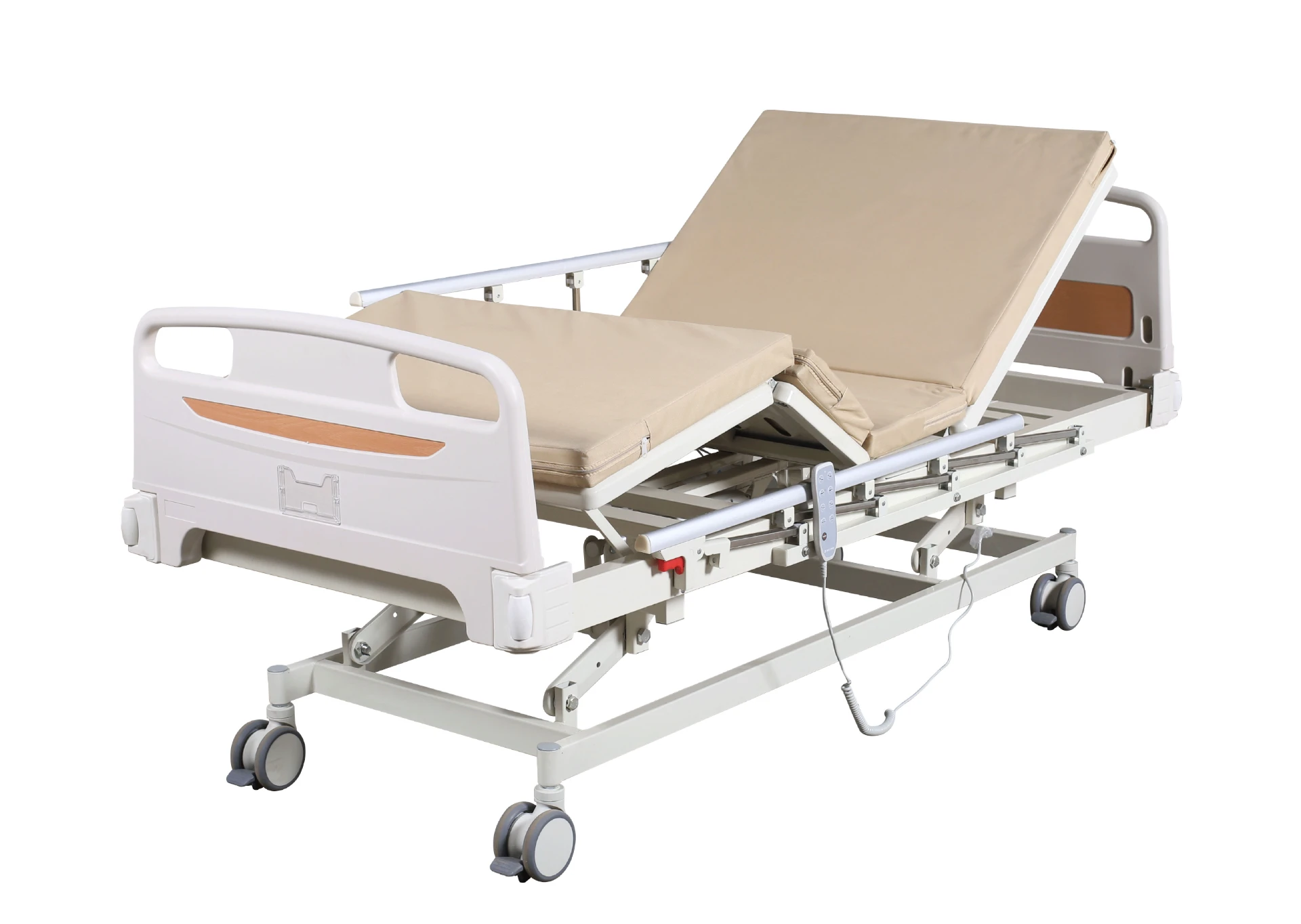
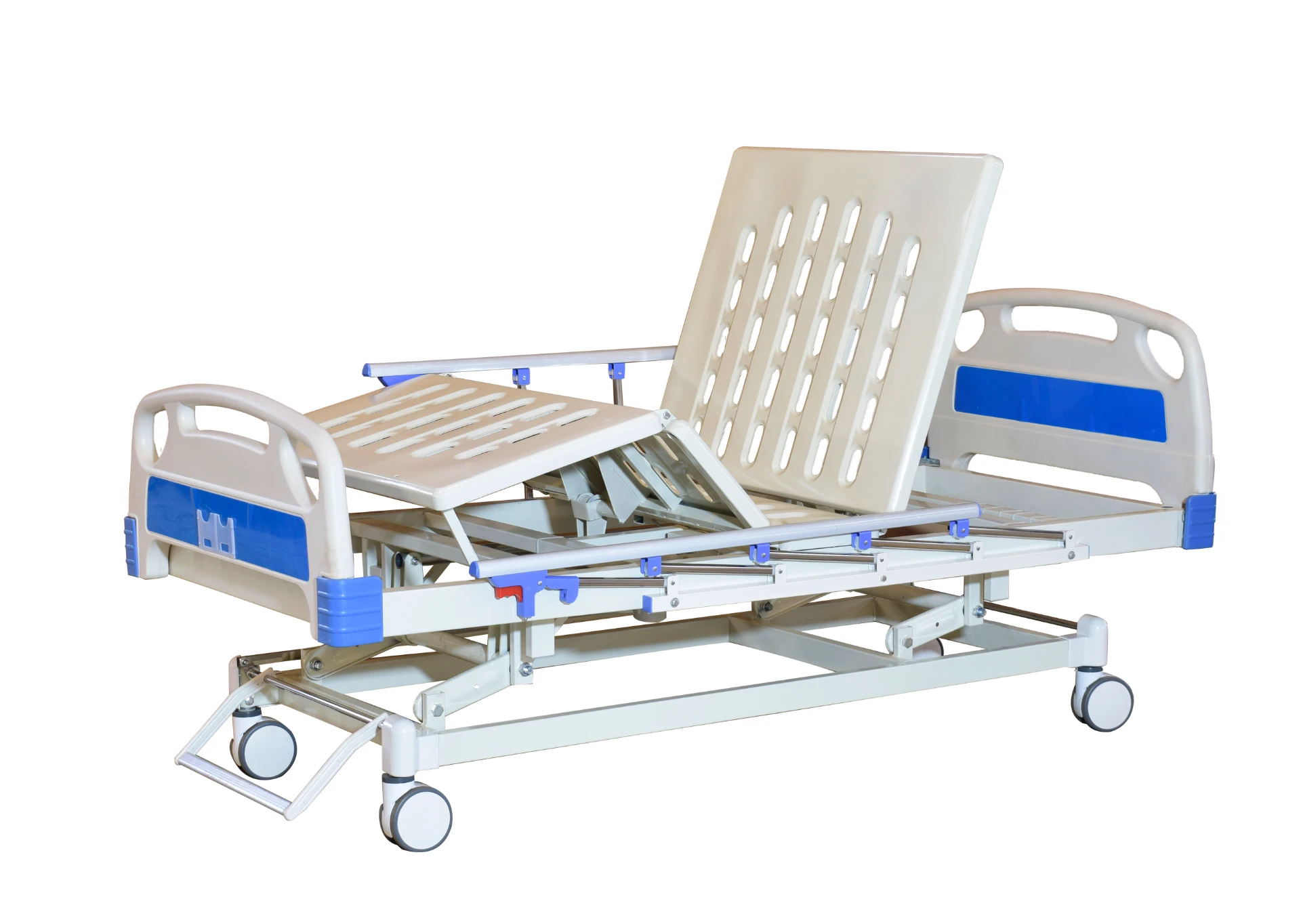
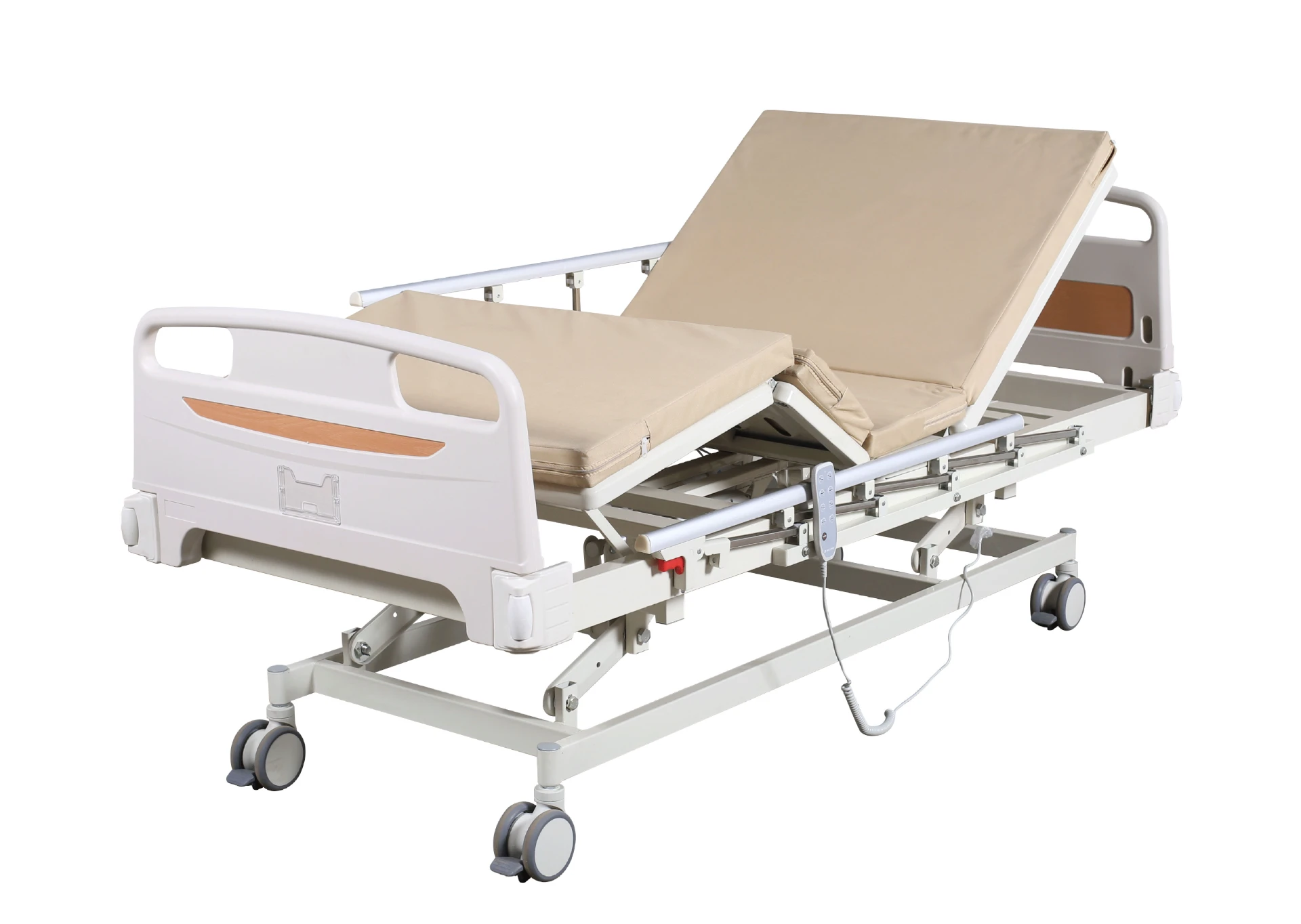
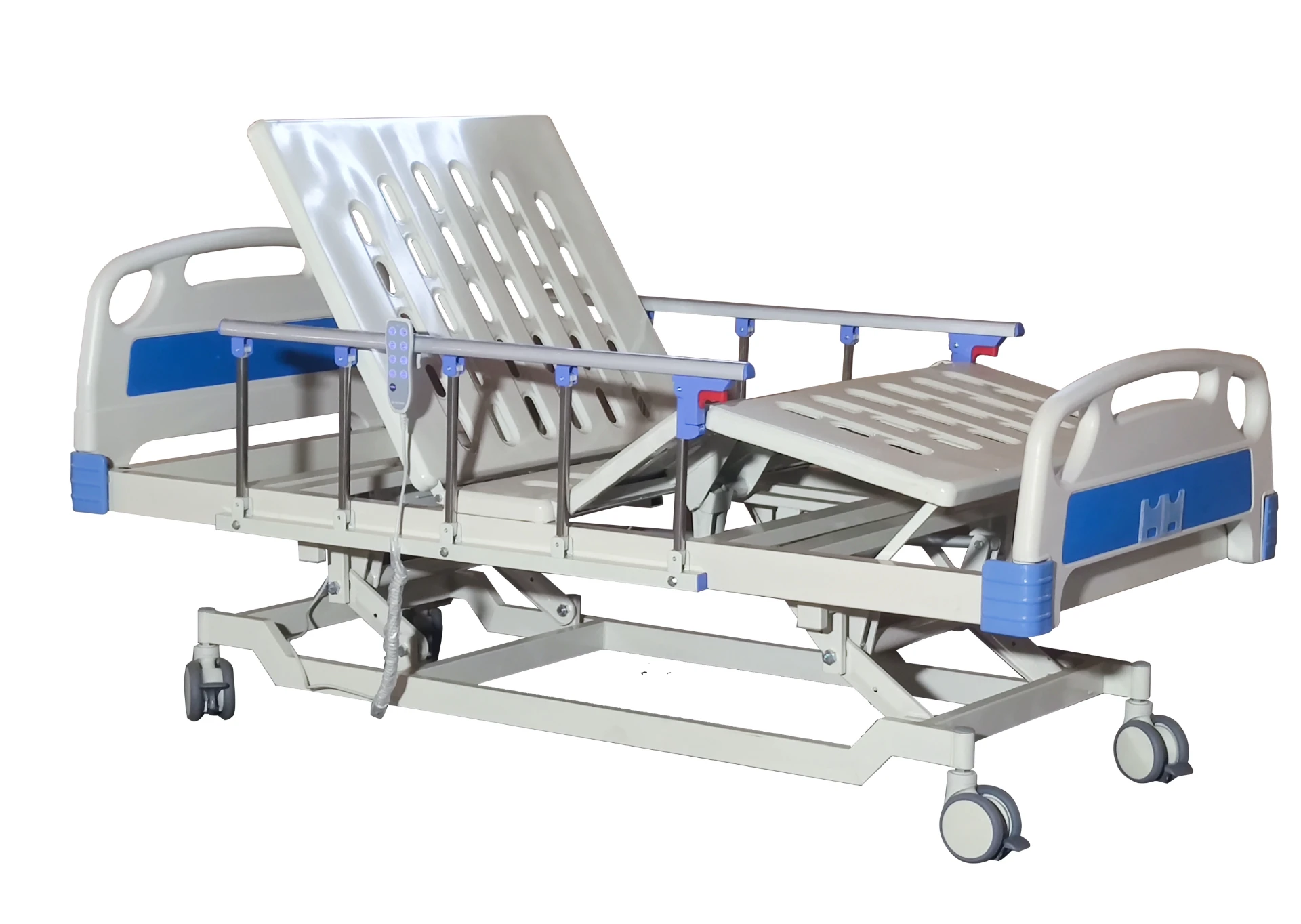
Put simply, hospital style recliner chairs are specially designed seating units tailored for medical environments. Unlike regular recliners, these chairs prioritize patient safety, infection control, and multi-functionality. They often come with features such as adjustable reclining angles, easy-to-clean surfaces, integrated wheels for mobility, and durable materials that withstand rigorous cleaning protocols.
These chairs are a key element of modern healthcare infrastructure—they support everything from routine examinations to long treatment sessions where patient comfort directly affects recovery.
Core Features of Hospital Style Recliner Chairs
Durability & Hygiene
Hospitals are tough places for furniture. The chairs must stand up to heavy daily use, disinfectants, and spills. Materials like medical-grade vinyl or antimicrobial fabrics are common, chosen precisely for their resilience and adherence to ISO 10993 standards for biocompatibility. Plus, seamless surfaces make cleaning quick and efficient.
Ergonomics & Comfort
When patients spend hours in these chairs, comfort isn’t a luxury—it’s essential. Adjustable backrests, leg rests, and armrests cater to different body types and medical needs. Designers often collaborate with physiotherapists to ensure postural support that can ease pain and prevent bedsores.
Mobility & Space Efficiency
Many units have locking casters, allowing staff to move patients easily without causing unnecessary strain. The chair footprint is often compact to fit crowded spaces but still wide enough to avoid claustrophobia—a delicate balancing act that manufacturers strive to perfect.
Cost Efficiency
Interestingly, investing upfront in higher-quality recliners often means fewer replacements and lower maintenance over years. Some hospitals have reported a 20-30% cost reduction on seating over a decade by choosing well-built models.
How Hospitals and Beyond Use These Chairs
The practical slipstream of hospital style recliner chairs flows well beyond hospitals themselves. Consider:
- Oncology Clinics: Patients spend long hours receiving chemotherapy, requiring comfort and easy access for nurses.
- Dialysis Centers: Chairs here must support patients for multiple sessions per week, combining durability and comfort.
- Disaster Relief and Field Hospitals: Lightweight, mobile recliners provide rapid patient care with minimal setup.
- Long-Term Care Facilities: Senior living centers need chairs that combine safety features with dignity and ease of use.
Oddly enough, even luxury health spas have started adopting hospital-style recliners, highlighting comfort and adjustability that audiences hadn’t expected.
Hospital Style Recliner Chairs Specification Table
| Feature | Typical Specification | Benefit |
|---|---|---|
| Material | Medical-grade vinyl, antimicrobial fabric | Hygienic and easy to clean |
| Adjustability | Multi-position recline & leg rest | Tailored comfort and support |
| Mobility | Locking casters | Ease of movement and positioning |
| Weight Capacity | Up to 250 kg (550 lbs) | Supports diverse patient populations |
| Dimensions | Width: ~75 cm; Depth: ~80 cm; Height: ~110 cm | Fits in tight clinical spaces |
Benefits and Lasting Value
It’s more than just a chair, really. Choosing the right hospital style recliner elevates patient dignity while simplifying staff workflows. The physical comfort helps reduce patient stress and, in some cases, improve clinical outcomes—especially important during long treatments.
From a budget standpoint, durability and ease of maintenance create savings over time, which can be redirected into care. On a human level, a well-designed recliner can foster a sense of trust and wellbeing, often losing less to wear and tear alongside reduced infection risks.
Looking Ahead: Innovations on the Horizon
Manufacturers are testing eco-friendly materials like recycled plastics and water-based vinyls to tackle sustainability. Digital integration is also gaining traction—some modern designs come fitted with sensors to monitor patient movement and vital signs discretely. Automation could soon allow chairs to adjust remotely or gently reposition patients to prevent soreness.
One particularly exciting trend is the overlap with smart hospital rooms, where lighting, temperature, and seating can be synced for optimal patient comfort and energy efficiency.
Common Challenges and How Experts Tackle Them
Despite these benefits, hospital style recliner chairs face hurdles. Cost can be a barrier for smaller clinics. Space limitations challenge designers to balance comfort with compactness. Also, patients’ diverse mobility needs mean one chair rarely fits all.
Experts suggest modular designs that allow easy swapping of cushions or accessories, customizable controls for patients with limited hand strength, and inclusive design guidelines influenced by ISO 21542 for accessibility. It’s a gradual progress but encouraging.
Frequently Asked Questions About Hospital Style Recliner Chairs
- What features make hospital style recliner chairs safer than regular recliners?
- They incorporate medical-grade materials resistant to pathogens, adjustable positions to reduce pressure sores, and locking wheels for secure mobility—features not typically found in consumer recliners.
- Can hospital style recliners be used in home care settings?
- Absolutely. Many models are designed with home health in mind, offering portability and comfort for long-term use, which helps caregivers and patients alike.
- How often should hospital recliners be cleaned or maintained?
- Daily surface cleaning with hospital-grade disinfectants is standard. Regular maintenance every 3–6 months ensures mechanical parts like wheels and reclining mechanisms function properly.
- Are these chairs customizable for different patient needs?
- Yes, features like adjustable armrests, cushions, and control mechanisms can often be tailored to suit different mobility or clinical requirements.
- Where can I find reliable suppliers of hospital style recliners?
- Many specialized medical furniture vendors exist globally. Comparing specs, warranties, and user feedback is essential. For example, hospital style recliner chairs offers a robust selection tailored to various budgets and needs.
Vendor Comparison Table
| Vendor | Price Range (USD) | Customizability | Warranty | Lead Time |
|---|---|---|---|---|
| Vendor A | $800 - $1,200 | High (multiple options) | 5 years | 4 weeks |
| Vendor B | $650 - $1,000 | Medium (selectable options) | 3 years | 6 weeks |
| Vendor C | $700 - $1,100 | Low (standard models) | 2 years | 3 weeks |
Wrap-Up: Why Hospital Style Recliner Chairs Matter
Choosing the right hospital style recliner chair has ripple effects beyond just seating. It’s about marrying patient comfort with operational efficiency — a challenge every healthcare facility faces. As the world ages and healthcare demands evolve, these chairs embody a quiet innovation; they help us care better, longer, and with dignity.
So if you’re considering an upgrade or outfitting a new clinic, don’t overlook the unsung value of a great hospital chair. It might just be the small upgrade that yields big comfort and trust for the people who need it most. For more expert options, check out hospital style recliner chairs.
References & Further Reading
-
Ultimate Guide to Choosing Extra Wide Waiting Room ChairsNewsApr.16,2026
-
Guide to Choosing Professional Waiting Room Chairs Wipeable SeatingNewsApr.09,2026
-
Enhance Your Space with Comfortable Wide Waiting Room ChairsNewsApr.07,2026
-
Selecting the Ideal Brown Waiting Room Chairs for a Welcoming SpaceNewsApr.04,2026
-
Choosing Comfortable Patient Waiting Room Chairs for Healthcare FacilitiesNewsMar.31,2026
-
Finding the Best Deals on Affordable and Cheap Reception Chairs for Your BusinessNewsMar.28,2026
-
Enhance Your Business Reception with Comfortable Blue Reception ChairsNewsMar.26,2026