Welcome to our websites!


Diamante Crutches – Stylish, Adjustable Support
Diamante Crutches: niche glam meets real clinical performance
I’ve seen mobility aids swing from purely functional to surprisingly stylish over the last five years. Case in point: diamante crutches. Sounds flashy—and it is—but the best designs today pair the sparkle with bona fide engineering. To be honest, most users care about comfort and safety first, but many still want something that looks like them, not a hospital storeroom.
What exactly are diamante crutches?
They’re lightweight forearm or underarm crutches dressed with rhinestone (diamante) accents—subtle trims or full shafts, depending on taste. Under the bling, you’ll typically find 6061-T6 aluminum or carbon-fiber tubes, medical-grade rubber tips, and gel or foam handgrips. In fact, the good ones undergo the same fatigue and slip testing as any clinical walking aid.
Industry trends I’m seeing
- Customization: color-matched housings, crystal patterns, laser-etched monograms on diamante crutches.
- Materials: move to anodized aluminum, carbon composites; antimicrobial handgrip compounds.
- Service: QR-coded sizing guides, user apps for tip-wear alerts (yes, really).
- Sustainability: replaceable components and recyclable shafts.
Process flow and QA (how they’re actually made)
- Materials: 6061‑T6 aluminum tubes (≈1.2–1.5 mm wall), ABS or nylon cuffs/handles, TPE gel pads, NR/SBR rubber tips.
- Methods: CNC cutting, swaging, anodizing or powder-coating; rhinestone application via UV-curable adhesive; low-temp bake.
- Assembly: riveted or stainless fasteners; 2–3 mm height-increment locking pins.
- Testing: ISO 11334-1 fatigue and static load; EN 12182 dimensional checks; CoF test on wet tile for tips.
- Service life: ≈3–5 years under typical outpatient use; tips replaced every 6–9 months (real-world use may vary).
- Industries: orthopedics, private clinics, event services (photo shoots), premium retail homecare.
Core specs (reference)
| Parameter | Diamante Crutches (typical premium) |
|---|---|
| Adjustable height | ≈ 720–980 mm (forearm style), 10–12 steps |
| Max user weight | ≈ 120 kg (static tested at 1.5× per ISO) |
| Net weight (pair) | 1.1–1.4 kg (aluminum); ≈0.9–1.1 kg (carbon) |
| Tips | NR/SBR high-grip, CoF on wet tile ≈0.45–0.55 |
| Finish | Anodized or powder-coat with rhinestone pattern; sweat-resistant adhesive |
Test data snapshot
Lab sample (aluminum pair) passed 120,000 cyclic load events at 1.1× rated load; no latch deformation, tip wear
Where users actually use them
- Post-op lower-limb recovery, day-to-day commuting.
- Events and media—subtle sparkle reads well on camera.
- Clinic-to-dinner transitions; travel (fold-flat forearm cuffs help).
Vendor comparison (indicative)
| Vendor | Certs | Lead time | Customization | Warranty |
|---|---|---|---|---|
| BOXIN Medical (Hengshui) | ISO 13485, CE marking (self-declared) | ≈ 20–30 days | Color, crystal layout, branding | 12–24 months |
| BoutiqueMobility | ISO 9001, CE | ≈ 25–40 days | High-end stones, custom cuffs | 12 months |
| ClinicSupply Co. | FDA Class I listed (US), CE | ≈ 15–25 days | Limited colors | 18 months |
Case notes from the field
• A private clinic reported 23% higher patient adherence when switching to diamante crutches with gel grips—comfort plus a bit of fun. • At a fashion event, the AV team said the light-catching trims made mobility aids “disappear” on stage, in a good way. • One caveat: if you’re rough on gear, choose matte trims; fewer snag risks.
Related essential: BOXIN Modern Wheelchair BX-WMI-05
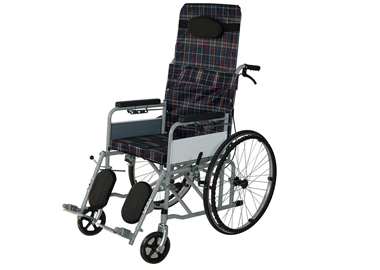
For clinics bundling discharge kits, pairing diamante crutches with a reliable chair makes sense. BOXIN’s Manual Wheelchair BX-WMI-05, from Kaiyuan Road, Jizhou Economic Development Zone, Jizhou District, Hengshui City, is a sturdy hospital-grade option with straightforward maintenance.
Quick take: steel/aluminum frame, manual brakes, foldable design, and easy upholstery swaps. See product page for specifics.
Certifications and compliance
- Manufacturing QMS: ISO 13485.
- Product safety: ISO 11334-1 (walking aids manipulated by one arm), EN 12182 general requirements.
- Regulatory: Typically Class I medical device (EU), FDA Class I (US), often 510(k)-exempt—check local rules.
Customer feedback, briefly
Many customers say the gel grips reduce palm fatigue by “a mile.” Some note that high-gloss stones can scuff if you lean them against rough walls—use the wrist strap, honestly.
Citations
- ISO 11334-1, Walking aids manipulated by one arm — Requirements and test methods, International Organization for Standardization.
- EN 12182, Assistive products for persons with disability — General requirements and test methods, CEN.
- U.S. FDA, Medical Devices: Physical Medicine Devices — Crutches, Class I (general controls), guidance and product classification.
-
Ultimate Guide to Choosing Extra Wide Waiting Room ChairsNewsApr.16,2026
-
Guide to Choosing Professional Waiting Room Chairs Wipeable SeatingNewsApr.09,2026
-
Enhance Your Space with Comfortable Wide Waiting Room ChairsNewsApr.07,2026
-
Selecting the Ideal Brown Waiting Room Chairs for a Welcoming SpaceNewsApr.04,2026
-
Choosing Comfortable Patient Waiting Room Chairs for Healthcare FacilitiesNewsMar.31,2026
-
Finding the Best Deals on Affordable and Cheap Reception Chairs for Your BusinessNewsMar.28,2026
-
Enhance Your Business Reception with Comfortable Blue Reception ChairsNewsMar.26,2026