Welcome to our websites!


Deluxe Hospital Bed – Advanced Comfort and Safety for Global Healthcare
What Is a Deluxe Hospital Bed and Why Does It Matter Worldwide?
When you think about a hospital bed, what comes to mind? Cold metal frames, simple mattresses, basic controls? Well, the deluxe hospital bed challenges all that. It’s not just about a place to rest—it’s about improving patient care, ensuring comfort, and supporting medical staff globally. In a world where healthcare standards vary widely, understanding what makes a deluxe hospital bed special can illuminate how modern hospitals and even temporary medical facilities raise the bar for patient recovery, dignity, and safety.
Globally, demand for hospital beds is massive. The World Health Organization estimates millions of beds are needed to cope with aging populations, pandemic surges, and expanding health services. But not all beds are created equal — the deluxe hospital bed sector bridges the gap between basic needs and advanced healthcare, incorporating ergonomic design, smart technology, and sustainable materials.
The Worldwide Importance of Deluxe Hospital Beds in Healthcare
In healthcare, especially in hospital or long-term care settings, the bed acts as the patient's immediate environment. According to recent UN health data, countries with higher bed-to-patient ratios — over 5 beds per 1,000 people — tend to have better recovery rates and lower hospital-acquired complication statistics.
But here’s the kicker: many healthcare systems struggle with outdated beds that hinder patient mobility or staff ergonomics. The deluxe hospital bed industry addresses these issues by offering solutions that improve rehabilitation processes and reduce incidents like bedsores or falls. Hospitals in Europe, Asia, and North America increasingly upgrade their equipment, reflecting a clear trend towards beds that integrate features like adjustable height, built-in weighing scales, and even remote controls.
Still, many regions — especially in developing countries or emergency relief zones — face a shortage of quality beds, making deluxe models a critical part of humanitarian aid planning. The International Organization for Standardization (ISO) has begun standardizing hospital bed safety and quality to ensure some consistency worldwide.
What Exactly Is a Deluxe Hospital Bed?
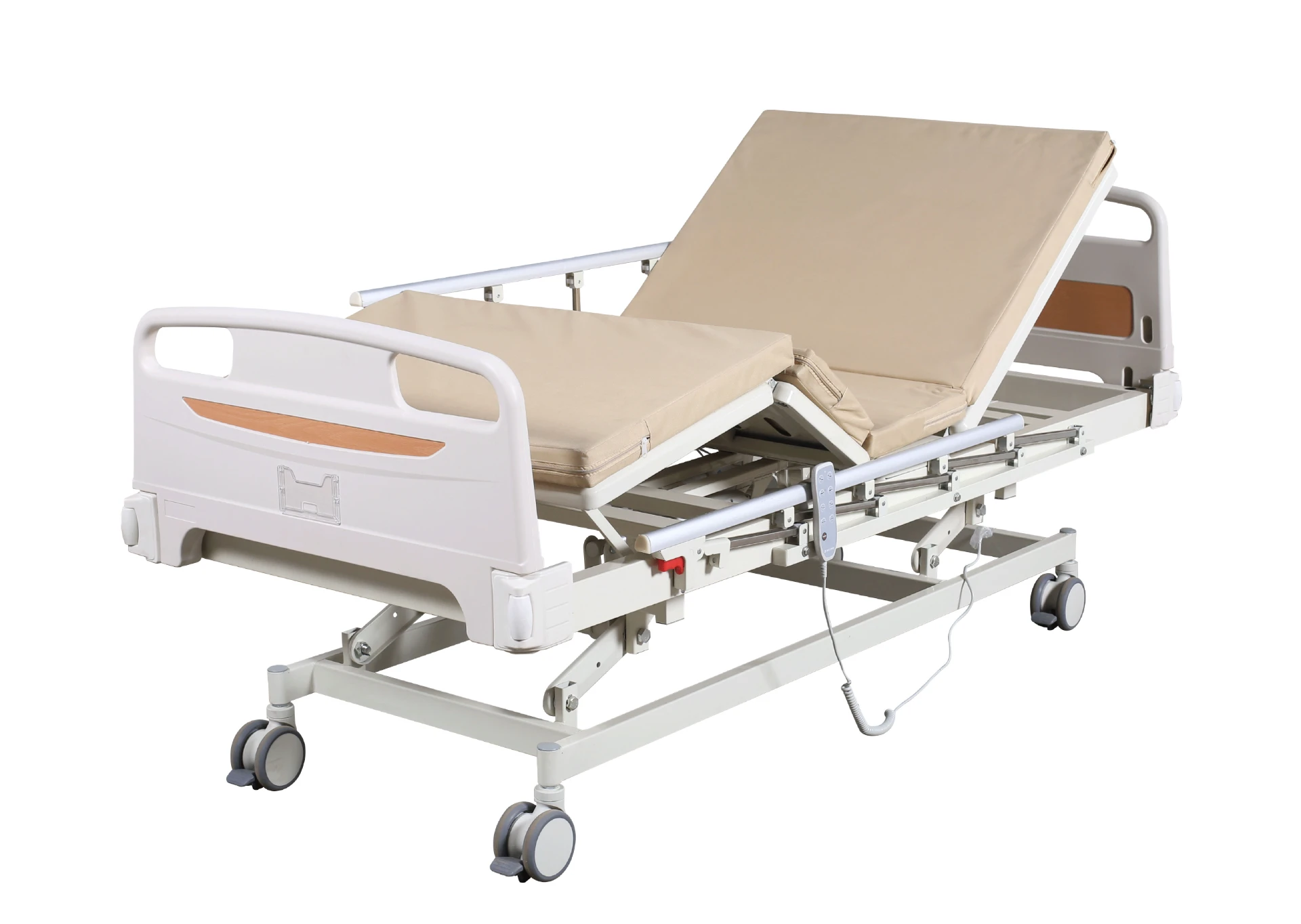
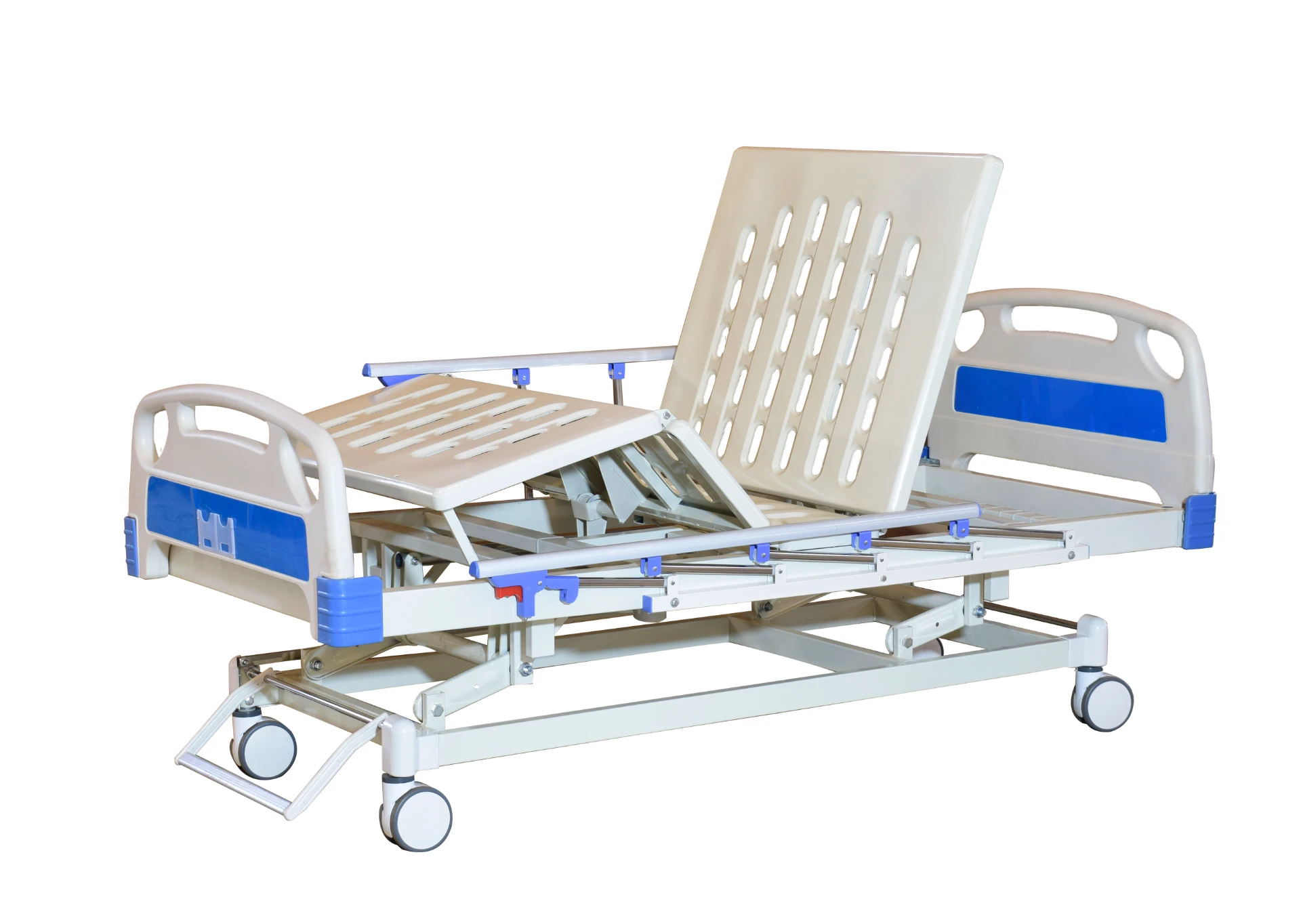
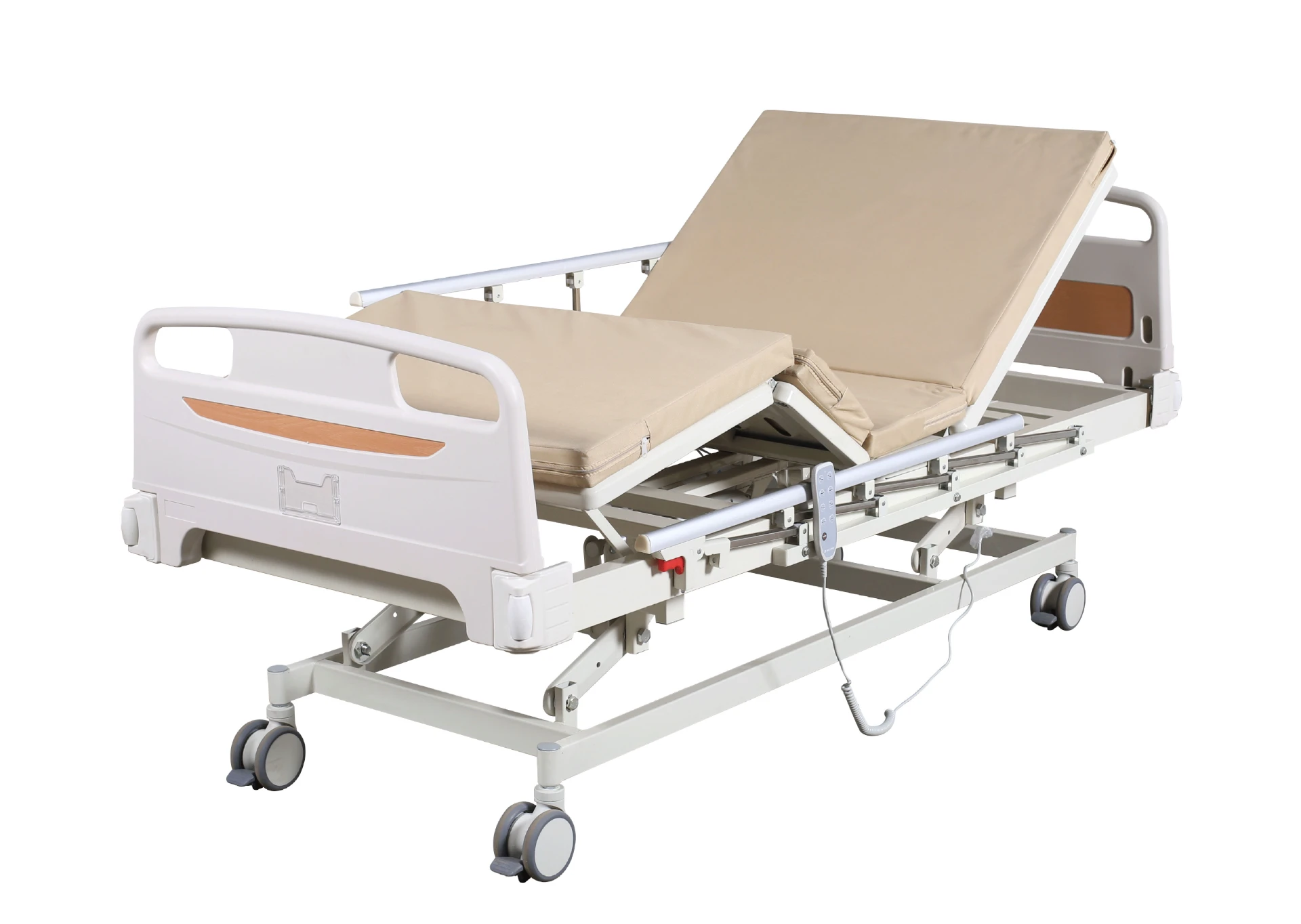
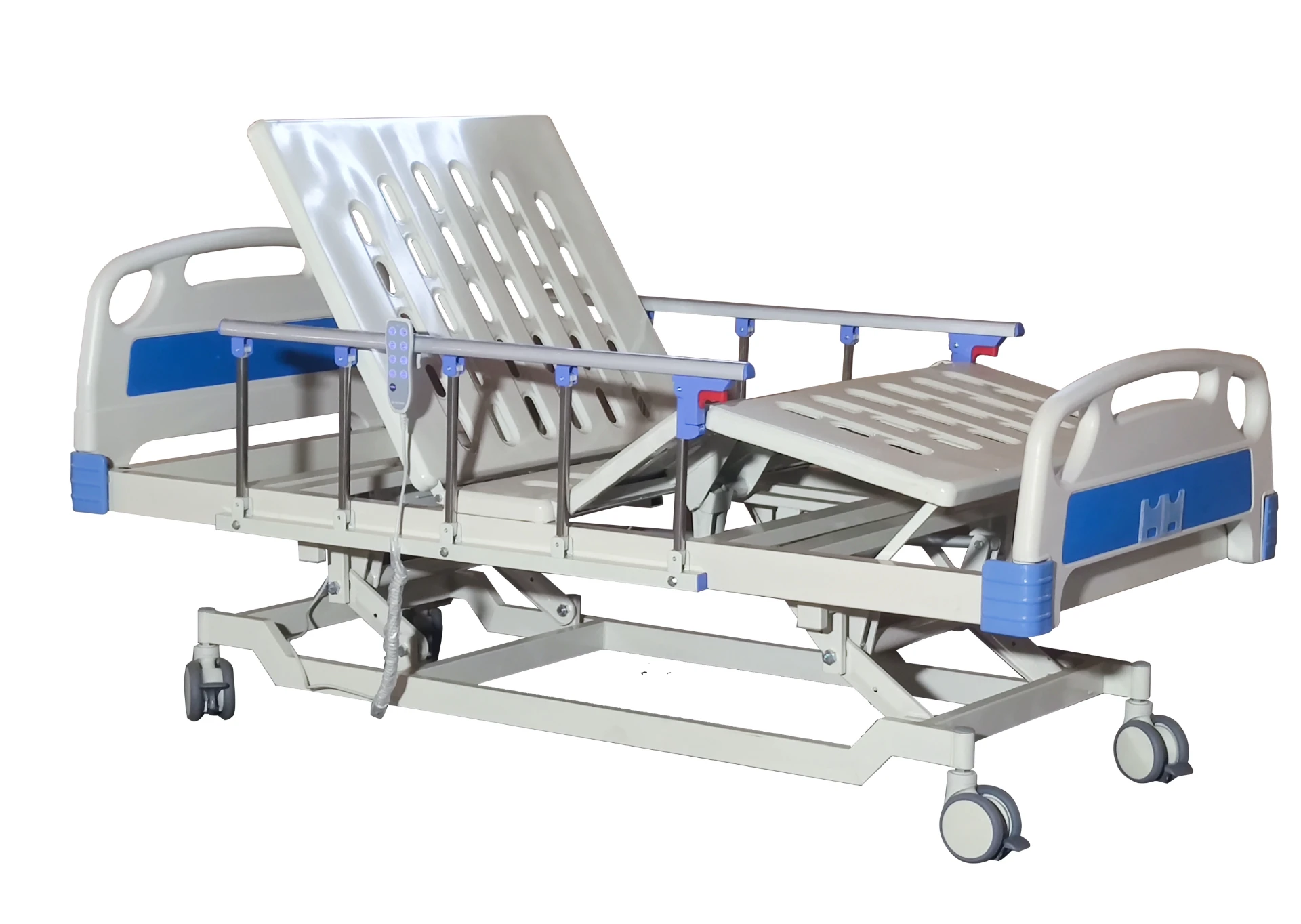
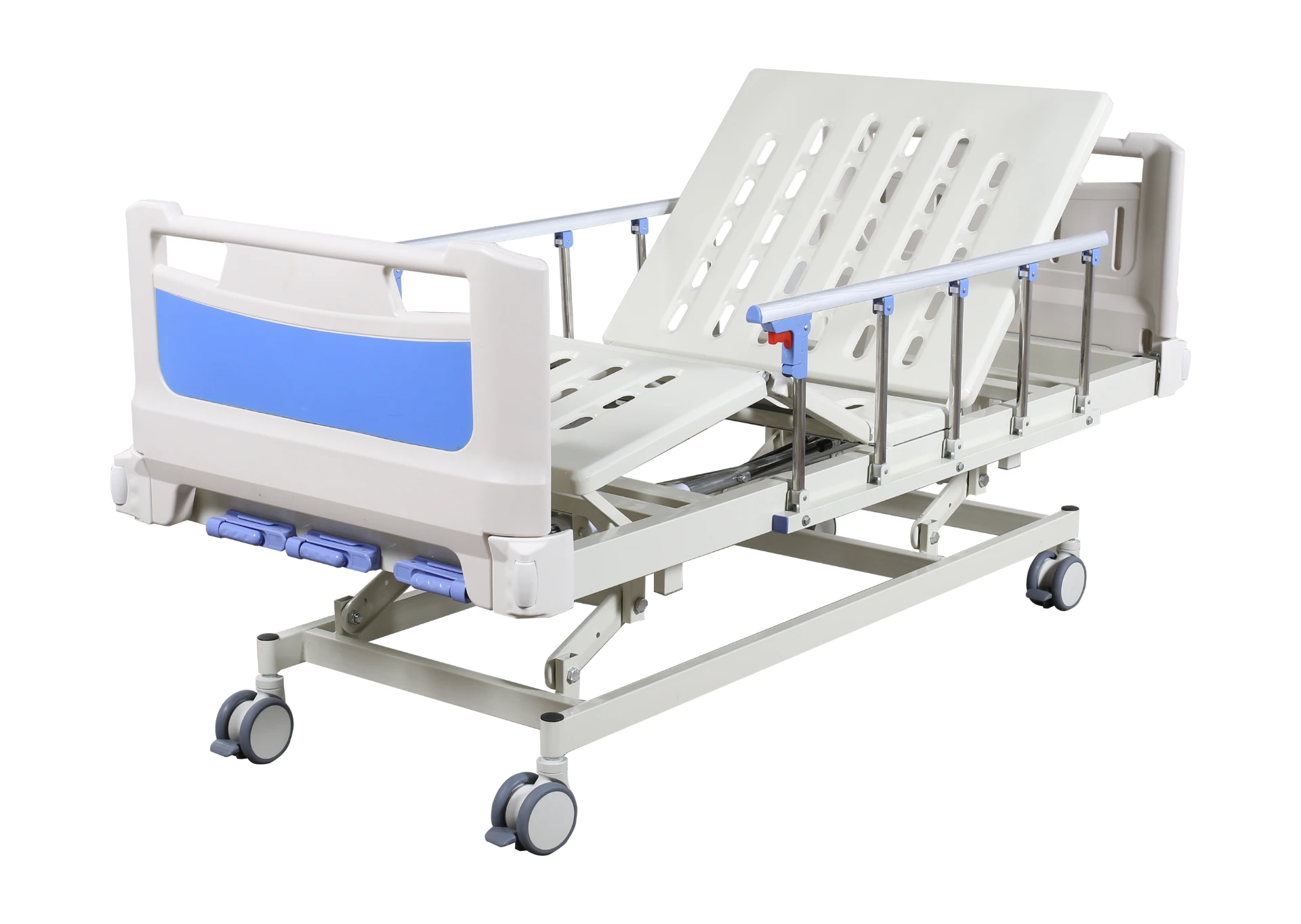
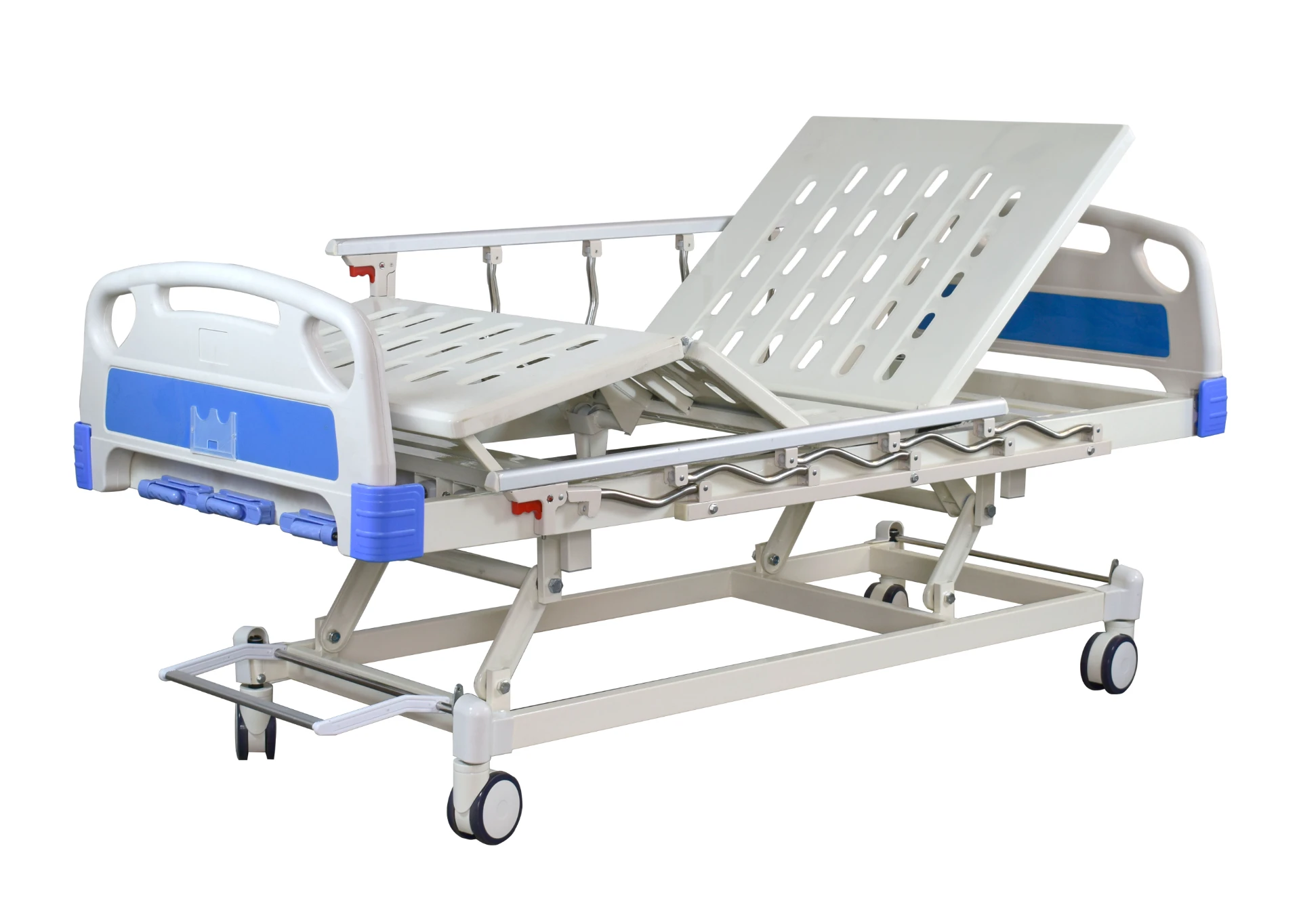
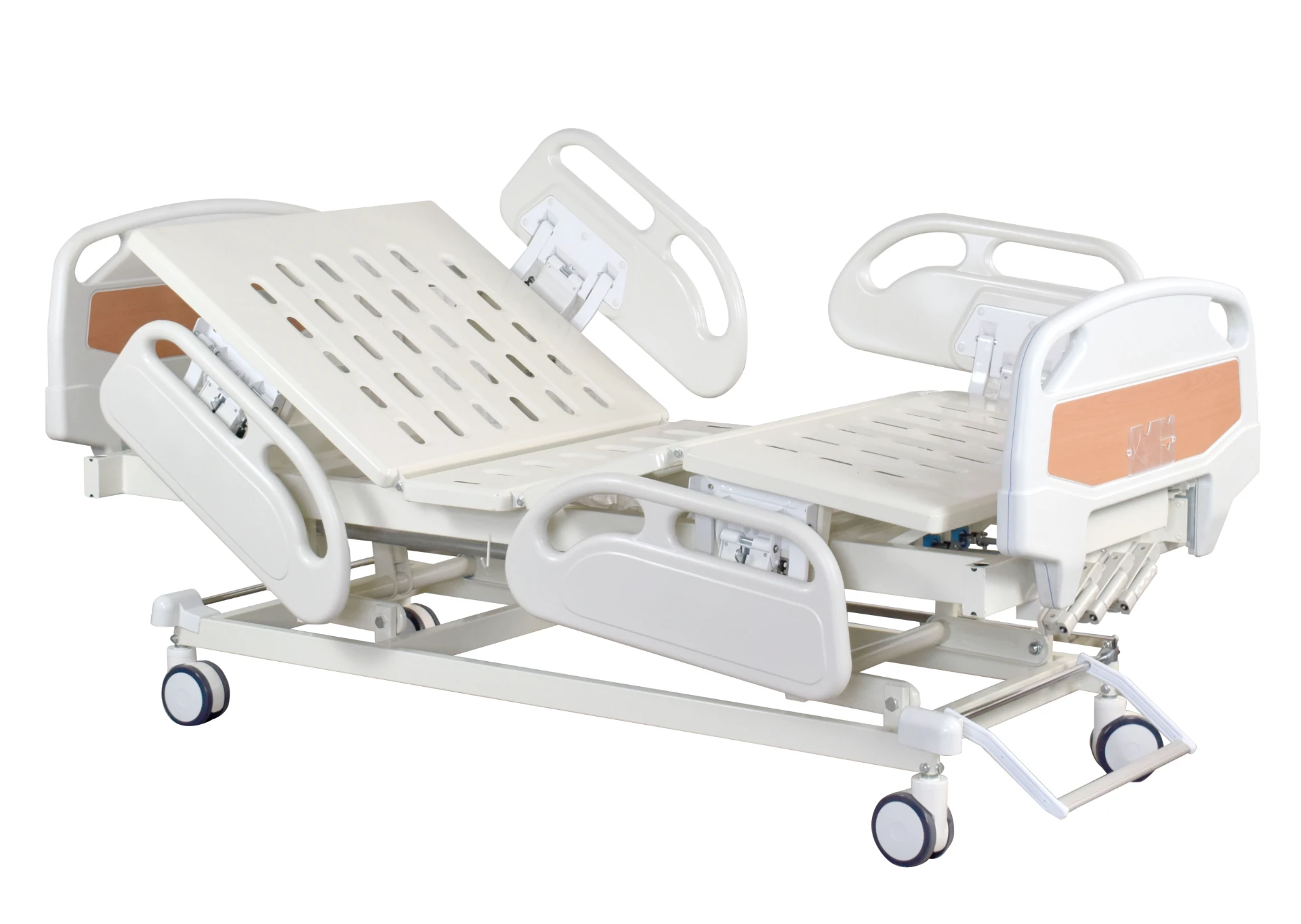
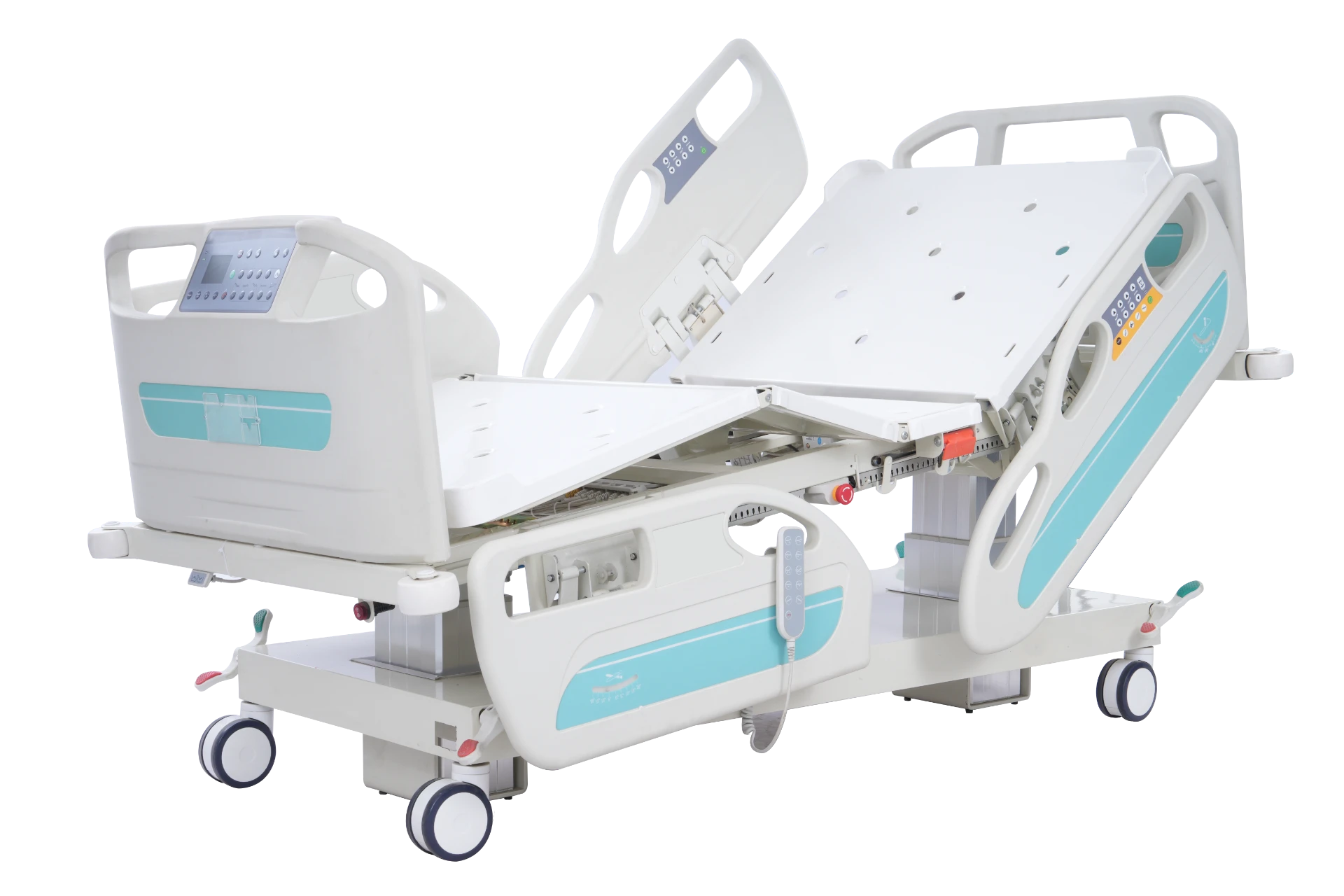
In simple terms, a deluxe hospital bed is a highly functional bed designed for hospitals or care facilities that incorporates multiple adjustable features, enhanced comfort elements, and safety mechanisms. Unlike a standard hospital bed, which might just allow basic reclining or manual adjustments, deluxe models often include:
- Multiple electric motors for adjusting head, foot, and height positioning
- Integrated side rails or fall prevention systems
- Comfort-focused mattresses with pressure relief technology
- Modern frames designed for durability and ease of sterilization
- Optional accessories like patient monitoring interfaces
These beds serve both medical needs—helping staff maneuver patients safely—and humane needs by ensuring patients stay comfortable during long stays. For hospitals rushing to improve care quality, a deluxe hospital bed is now as essential as any diagnostic machine.
Core Components That Make a Deluxe Hospital Bed Stand Out
1. Ergonomic Adjustability
One of the defining aspects of a deluxe hospital bed is its flexibility in positioning. A nurse can adjust the bed's height to ease transfer or lower the patient’s head with precision, helping reduce risks like aspiration pneumonia.
2. Safety Features
Automatic locking wheels and sturdy side rails with quick-release allow both stability and emergency accessibility. This can literally save lives when patients need sudden assistance.
3. Durable Construction
Constructed from high-grade steel or aluminum alloys, these beds are built to last years under heavy use. This robustness matters, especially in busy tertiary care centers. Plus, they’re often designed with antimicrobial coatings.
4. Patient Comfort Systems
Memory foam mattresses, alternating pressure cushions, or gel pads protect fragile skin. Integrated massagers or warming elements are rarer but emerging features.
5. Integration with Technology
Smart beds can communicate with hospital IT systems, alerting staff to movement or vitals changes, or facilitating electronic health monitoring. This digital transformation is changing bedside care.
Deluxe Hospital Beds in Action: Use Cases Around the World
From urban hospitals in London to remote clinics in sub-Saharan Africa, deluxe hospital beds find diverse applications.
- Post-Disaster Relief: After natural disasters like earthquakes, temporary clinics set up with deluxe beds offer injured survivors much-needed care and dignity.
- Long-Term Care Facilities: Elderly patients with chronic illnesses benefit from features preventing pressure ulcers and improving mobility, reducing caregiver strain.
- High-Tech ICUs: Critical care units use deluxe beds integrated with monitoring systems for constant health data feeding.
- Home Healthcare: Some deluxe beds even target home use for patients needing complex rehab, bringing hospital-grade comfort into living rooms.
Worldwide, governments and NGOs prioritize deluxe beds in funding healthcare modernization, understanding that patient outcomes often hinge on proper infrastructure.
Specification Table: Typical Deluxe Hospital Bed (Model X900)
| Feature | Specification | Benefit |
|---|---|---|
| Adjustable Positions | Head/foot, height, Trendelenburg | Customized patient posture for recovery |
| Weight Capacity | Up to 450 kg (990 lbs) | Accommodates bariatric patients safely |
| Mattress Type | Viscoelastic foam with cover | Pressure ulcer prevention and hygiene |
| Material | Powder-coated steel frame | Durability and ease of cleaning |
| Tech Integration | WiFi module with data output | Supports patient monitoring and alert systems |
Comparing Leading Deluxe Hospital Bed Vendors
| Vendor | Price Range | Key Features | Warranty | Global Reach |
|---|---|---|---|---|
| MedCare Plus | $2,500 - $4,000 | Smart controls, antimicrobial frame | 5 years | North America, Europe |
| Global Health Beds | $1,800 - $3,200 | Remote monitoring ready, modular parts | 3 years | Asia, Africa, South America |
| Elite Care Solutions | $3,000 - $5,500 | Luxury mattresses, automated alerts | 7 years | Global |
Why Investing in Deluxe Hospital Beds Makes Sense Long-Term
Yes, deluxe beds cost more upfront, but the benefits—both tangible and emotional—far outweigh the expense. For hospitals, having adjustable beds reduces staff injuries, minimizes patient complications, and shortens hospital stays. That's a direct cost saving, but more than that, it’s a way to build trust and improve patient satisfaction scores.
Patients feel safer, more dignified, and cared for. Families and caretakers see the value in equipment that helps their loved ones move comfortably and recover faster. In a world increasingly focused on sustainable operations, many deluxe hospital beds now use eco-friendly materials and energy-efficient motors, meaning a smaller carbon footprint overall.
Future Trends: What’s Next for Deluxe Hospital Beds?
Looking forward, deluxe hospital beds will continue evolving alongside medical technology. Here are some trends to keep an eye on:
- Green Technologies: Beds integrating solar power or using biodegradable materials.
- Digital Health Integration: Seamless communication with wearable health monitors via IoT.
- Automation: Beds that can self-adjust based on patient vitals or movement patterns.
- Customization: Modular beds tailored to patient-specific ergonomic and therapeutic needs.
All this promises a future where deluxe hospital beds become true smart assistants at the bedside.
Challenges and How Industry Leaders Are Addressing Them
Of course, deluxe beds are not perfect.
- Cost Barriers: High prices can limit access in lower-income areas—but grants and partnerships are helping bridge that gap.
- Maintenance Complexity: More tech means more potential faults—training programs and simplified designs are improving uptime.
- Logistical Challenges: Shipping and installation in remote regions remain tricky. Vendors are developing modular, lightweight designs to ease transport.
By embracing these hurdles head-on, manufacturers and healthcare providers collaborate to push quality, affordability, and access forward alike.
FAQ: Common Questions About Deluxe Hospital Beds
Q: What features should I look for when choosing a deluxe hospital bed?
A: Look for adjustable electric controls for height and positioning, robust safety rails, comfortable pressure-relieving mattresses, and easy-to-clean materials. Integration with monitoring tech is a plus if you want future-ready equipment.
Q: Are deluxe hospital beds suitable for home care?
A: Absolutely. Many models are designed for both hospital and home environments, offering advanced features that can improve mobility and ease of caregiver duties at home.
Q: How durable are deluxe hospital beds compared to standard ones?
A: Deluxe models are typically built from higher-grade materials with specialized coatings, making them more durable and better suited to heavy use over many years.
Q: Can deluxe hospital beds help prevent falls?
A: Yes. With adjustable side rails, alarm systems, and ergonomic designs, deluxe beds contribute significantly to patient safety and fall prevention.
Q: Are there international standards regulating deluxe hospital beds?
A: Yes. Organizations like ISO provide safety and quality standards that many manufacturers adhere to, ensuring consistency across markets.
Wrapping Up: Why You Should Consider a Deluxe Hospital Bed
At the end of the day, a deluxe hospital bed isn’t just a piece of equipment—it’s an investment in health, dignity, and recovery. Whether you’re running a hospital, managing a clinic, or even planning a healthcare project in challenging locations, these beds provide unmatched support to patients and staff alike. If you want to learn more or explore purchasing options for a deluxe hospital bed, don’t hesitate to visit our website and see the latest models demoed for every budget and need.
Healthcare’s future is here—comfortable, safe, and smart. And it starts with where we lay down to heal.
-
Ultimate Guide to Choosing Extra Wide Waiting Room ChairsNewsApr.16,2026
-
Guide to Choosing Professional Waiting Room Chairs Wipeable SeatingNewsApr.09,2026
-
Enhance Your Space with Comfortable Wide Waiting Room ChairsNewsApr.07,2026
-
Selecting the Ideal Brown Waiting Room Chairs for a Welcoming SpaceNewsApr.04,2026
-
Choosing Comfortable Patient Waiting Room Chairs for Healthcare FacilitiesNewsMar.31,2026
-
Finding the Best Deals on Affordable and Cheap Reception Chairs for Your BusinessNewsMar.28,2026
-
Enhance Your Business Reception with Comfortable Blue Reception ChairsNewsMar.26,2026