Welcome to our websites!


Comprehensive Guide to Patient Mattress Price: Factors, Trends & Global Insights
Understanding Patient Mattress Price: Why It Matters Globally
When we talk about hospital comfort and healthcare quality, one surprisingly important detail is the patient mattress price. Oddly enough, it may sound mundane, but the cost and quality of patient mattresses ripple into patient safety, hygiene, and overall hospital efficiency worldwide. For hospitals, clinics, even long-term care centers, understanding what drives mattress cost isn’t just about budgeting. It’s about making sure the mattresses support healing and dignity — things that matter deeply on a global scale.
Globally, healthcare providers face the constant challenge of balancing cost and patient care quality. According to the World Bank, healthcare expenditures are rising steadily, pushing institutions to seek effective investments. Here, patient mattress price comes into focus because, frankly, a poor mattress can lead to pressure ulcers, extended hospital stays, and expensive treatments. Hospitals that optimize mattress procurement reduce these risks and improve outcomes.
Definition: What Is Patient Mattress Price?
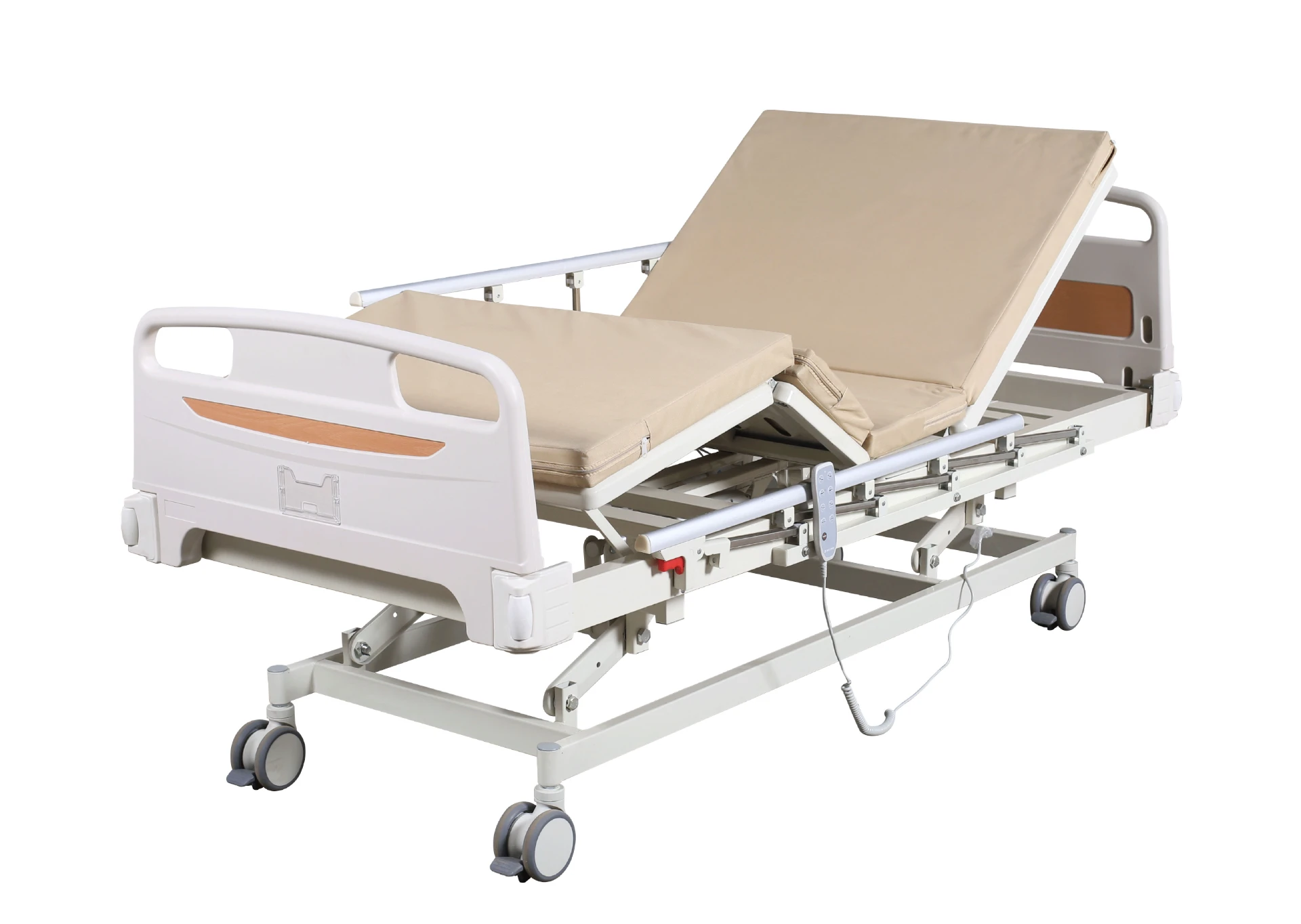
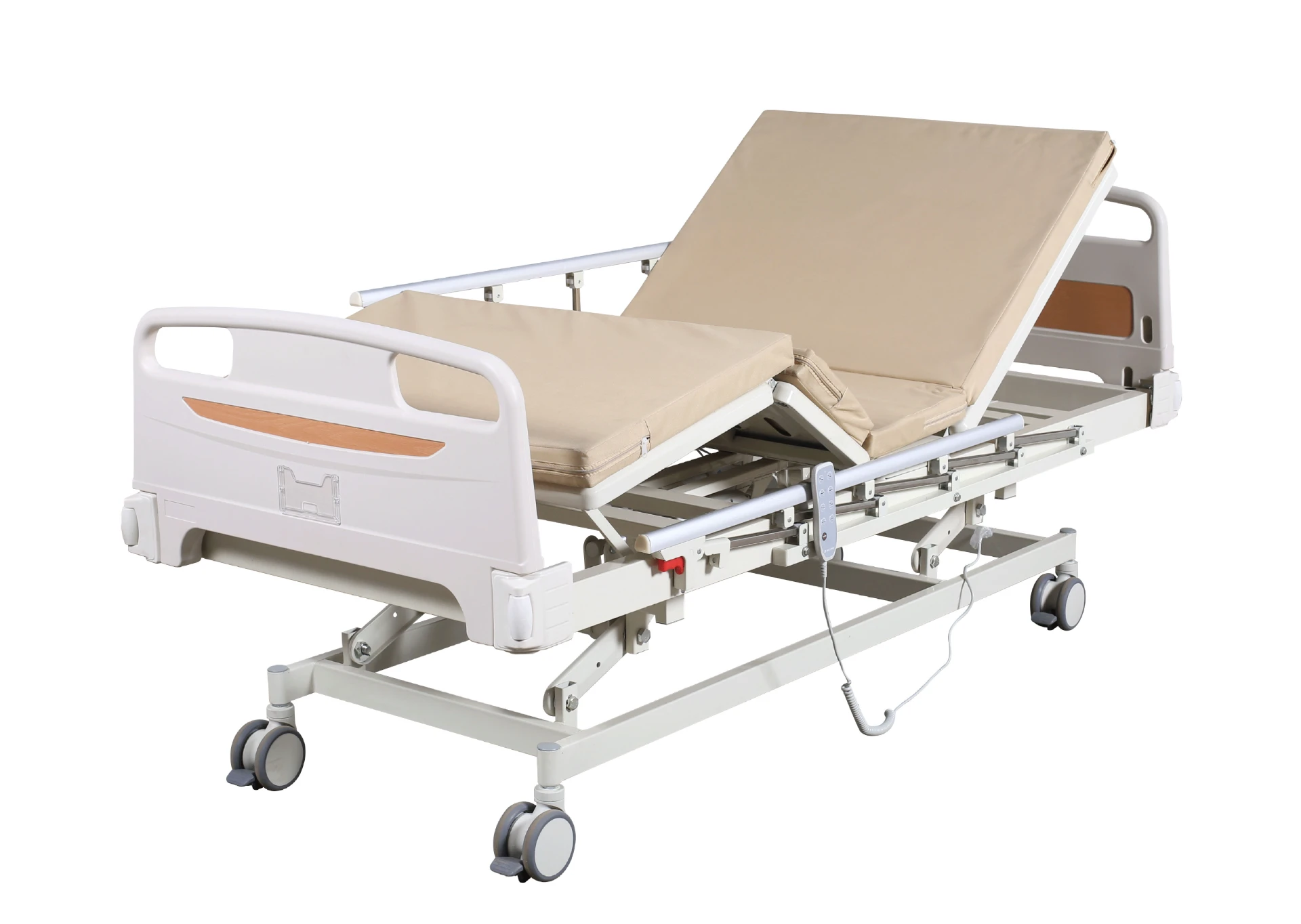
Simply put, patient mattress price refers to the cost hospitals pay for mattresses designed specifically for patient use. These mattresses must meet rigorous standards — think infection control, pressure relief, and durability. Unlike regular mattresses, patient mattresses are often made with specialized materials and unique designs geared for health care environments.
The price isn’t just for foam or springs; it reflects advanced features like waterproof covers, antimicrobial treatments, and pressure redistribution technology. These mattresses are crucial in modern healthcare because they directly affect patient recovery and comfort.
Key Factors Affecting Patient Mattress Price
1. Durability and Material Quality
The core of a patient mattress often defines price. High-density foams or gel inserts, for example, come at varying costs. A mattress designed to last years while resisting wear typically commands a higher price but saves money down the line.
2. Pressure Relief Technology
Many mattresses now incorporate pressure-relieving materials to prevent bedsores. The technology ranges from memory foam to alternating air systems. More advanced features increase price but enhance patient outcomes.
3. Infection Control Features
Waterproof covers with antimicrobial coatings reduce infection risks — a huge concern in hospitals. This treatment adds to the price but is essential in many clinical settings.
4. Compliance and Certifications
Mats that comply with international standards (ISO 13485 for medical devices, for example) may be costlier but assure safety and regulatory adherence, important for healthcare institutions worldwide.
5. Vendor Support and Warranty
Performance guarantees, warranty lengths, and customer service are often baked into cost. Longer warranties can justify higher upfront investment.
Typical Patient Mattress Specification Table
| Specification | Standard Value |
|---|---|
| Material | High-density polyurethane foam |
| Pressure Redistribution | Memory foam or viscoelastic insert |
| Cover | Waterproof, antimicrobial PU coating |
| Dimensions | 200 cm x 90 cm x 12 cm |
| Weight Capacity | Up to 250 kg |
| Warranty | 5 years |
Global Applications and Real-World Use Cases
Patient mattresses are crucial across the spectrum of healthcare, from intensive care units in major urban hospitals to makeshift clinics deployed in disaster zones. For instance, after the 2020 Cyclone Amphan in South Asia, temporary healthcare shelters urgently required durable, hygienic mattresses—this demand put pressure on procurement teams balancing mattress quality and patient mattress price.
Remote regions in Africa and Southeast Asia benefit greatly from mattresses that are affordable but still compliant with hygiene standards, limiting hospital-acquired infections. Similarly, veteran care homes in Europe are adopting advanced mattresses to enhance patient comfort while monitoring procurement costs carefully.
Comparison of Popular Patient Mattress Vendors
| Vendor | Price Range (USD) | Warranty | Key Features |
|---|---|---|---|
| MediFoam | $250 - $450 | 5 years | Pressure relief foam, waterproof cover |
| HealthRest | $300 - $500 | 7 years | Gel layer, antimicrobial coating |
| SafeSleep Medical | $200 - $400 | 4 years | Standard foam, basic waterproofing |
Advantages and Long-Term Value of Investing in Quality Patient Mattresses
Investing in the right mattress — well-designed, certified, and priced fairly — pays dividends long-term. It reduces the incidence of bedsores, which according to the International Wound Journal affect up to 10-15% of hospital patients worldwide. That alone cuts treatment costs dramatically.
Plus, it addresses patient dignity and comfort — factors that are sometimes overlooked but critical to recovery. A trusted mattress vendor with strong warranties adds predictability and reliability to hospital supply chains.
Future Trends: Innovations Affecting Patient Mattress Price
The future is quite exciting — new materials like bio-based foams and smart mattresses that monitor pressure points are emerging. These innovations promise to enhance patient outcomes while driving sustainability. Regulations are also evolving, pushing manufacturers to adopt more environmentally friendly production methods, which might adjust future mattress prices.
Challenges and How Industry Overcomes Them
Cost pressures are perhaps the biggest hurdle. Some hospitals struggle to invest upfront despite long-term savings. Also, lack of uniform standards globally complicates purchasing decisions. However, globally harmonized regulations (like ISO certifications) and bulk procurement strategies help tackle these challenges, ensuring cost-effective, safe acquisitions.
Frequently Asked Questions About Patient Mattress Price
- 1. What factors should I consider besides price when buying patient mattresses?
- Look beyond price at durability, warranty, infection control features, and compliance with medical standards. These factors affect long-term value and patient safety.
- 2. How often should patient mattresses be replaced to maintain quality?
- Most manufacturers recommend replacement every 5 years, depending on usage and care, to ensure pressure relief and hygiene remain optimal.
- 3. Are more expensive mattresses always better for patient care?
- Not necessarily. Price reflects features and quality, but matching mattress type to patient needs and care setting is more important than cost alone.
- 4. Can hospitals in developing countries afford advanced patient mattresses?
- Yes, many vendors offer scalable options balancing cost and quality. International aid programs also assist in procuring these essential supplies.
Conclusion
Understanding patient mattress price is more than a budget issue — it’s a key factor in healthcare quality and patient dignity globally. Balancing price with features like durability, pressure relief, and infection control saves money in the long run and improves patient outcomes. For the latest insights and competitive pricing, check out patient mattress price and explore your options.
Mini takeaway: Investing wisely in patient mattresses protects health, saves costs, and respects patient comfort — a win-win for all.
References:
-
Ultimate Guide to Choosing Extra Wide Waiting Room ChairsNewsApr.16,2026
-
Guide to Choosing Professional Waiting Room Chairs Wipeable SeatingNewsApr.09,2026
-
Enhance Your Space with Comfortable Wide Waiting Room ChairsNewsApr.07,2026
-
Selecting the Ideal Brown Waiting Room Chairs for a Welcoming SpaceNewsApr.04,2026
-
Choosing Comfortable Patient Waiting Room Chairs for Healthcare FacilitiesNewsMar.31,2026
-
Finding the Best Deals on Affordable and Cheap Reception Chairs for Your BusinessNewsMar.28,2026
-
Enhance Your Business Reception with Comfortable Blue Reception ChairsNewsMar.26,2026