Welcome to our websites!


Comprehensive Guide to Mattress in Hospital: Features, Benefits & Future Trends
Understanding the Importance of Mattress in Hospital Settings
When you think about a “mattress in hospital,” what probably comes to mind is just the simple bed accessory that patients rest on. But frankly, it’s so much more than that. Across the globe, the right hospital mattress impacts patient recovery, infection control, and overall healthcare efficiency. Given the demanding conditions in medical environments worldwide — from high patient turnover to infection risks — choosing the appropriate mattress is both a challenge and a necessity. Understanding these systems helps caregivers, hospital administrators, and suppliers optimize comfort, hygiene, and durability.
Introduction: Global Relevance of Hospital Mattresses
The healthcare industry is expanding worldwide. According to the World Bank, global healthcare spending reached $8.3 trillion in 2022, with a significant portion dedicated to hospital infrastructure — including beds and mattresses. Hospitals are diverse environments, from state-of-the-art urban centers to remote clinics in developing regions. The mattress, however, remains a constant. A subpar mattress can contribute to pressure ulcers, infections, and patient discomfort, which can extend stays and inflate healthcare costs.
Oddly enough, mattress technology and selection are often overlooked when discussing hospital improvements. Yet, it’s a critical component of patient care, and innovations here can have ripple effects globally.
What Is a Mattress in Hospital Context?
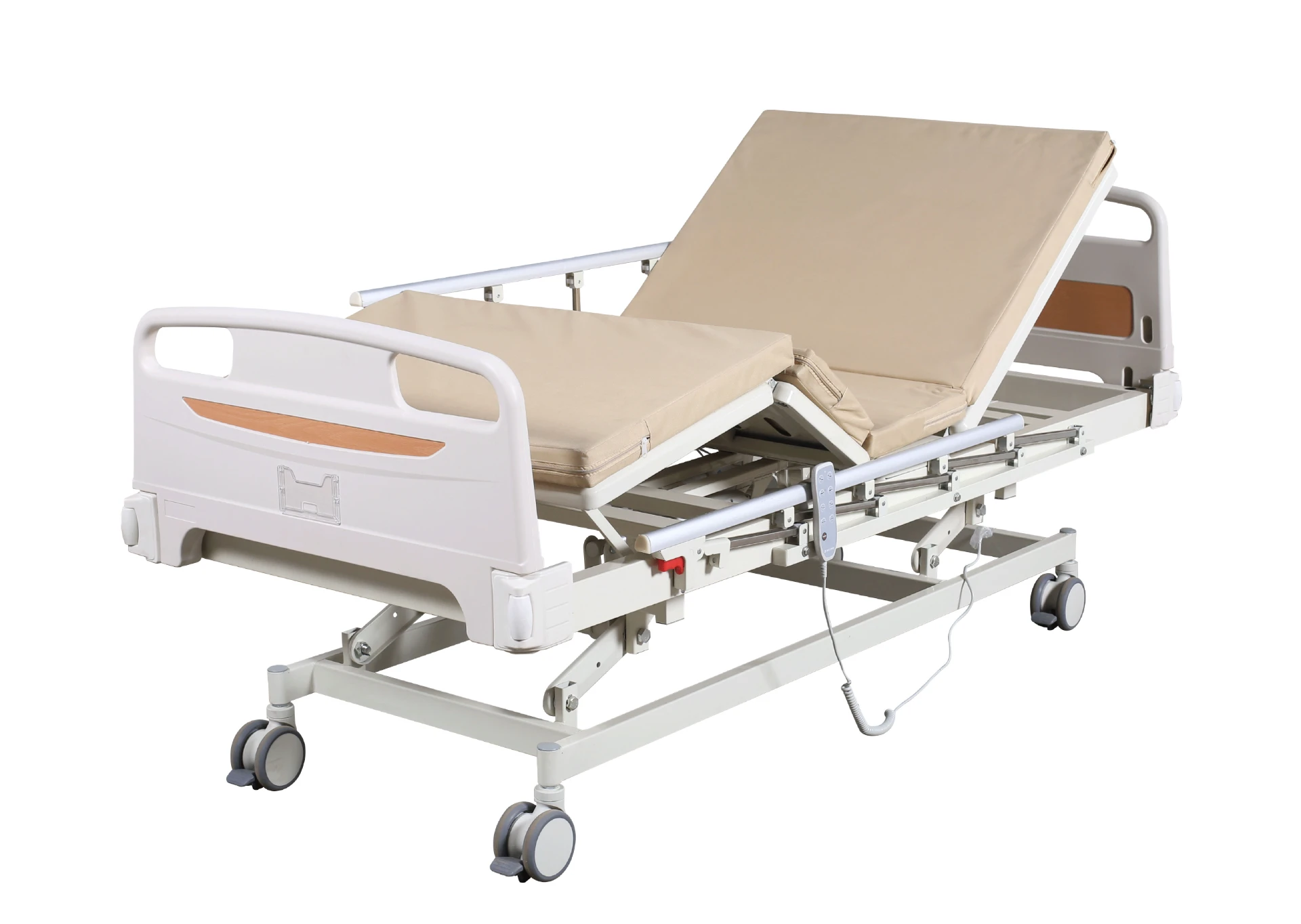
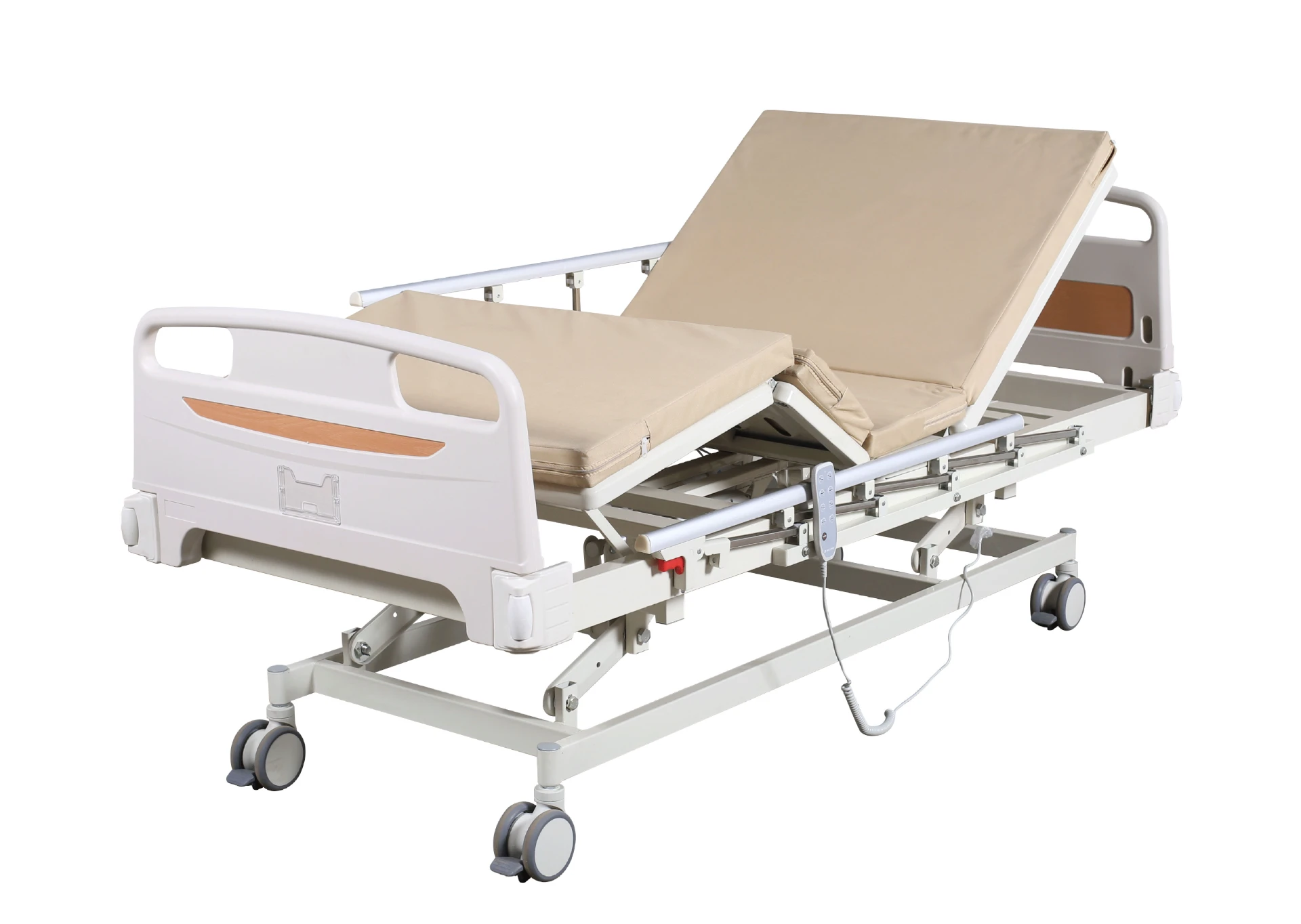
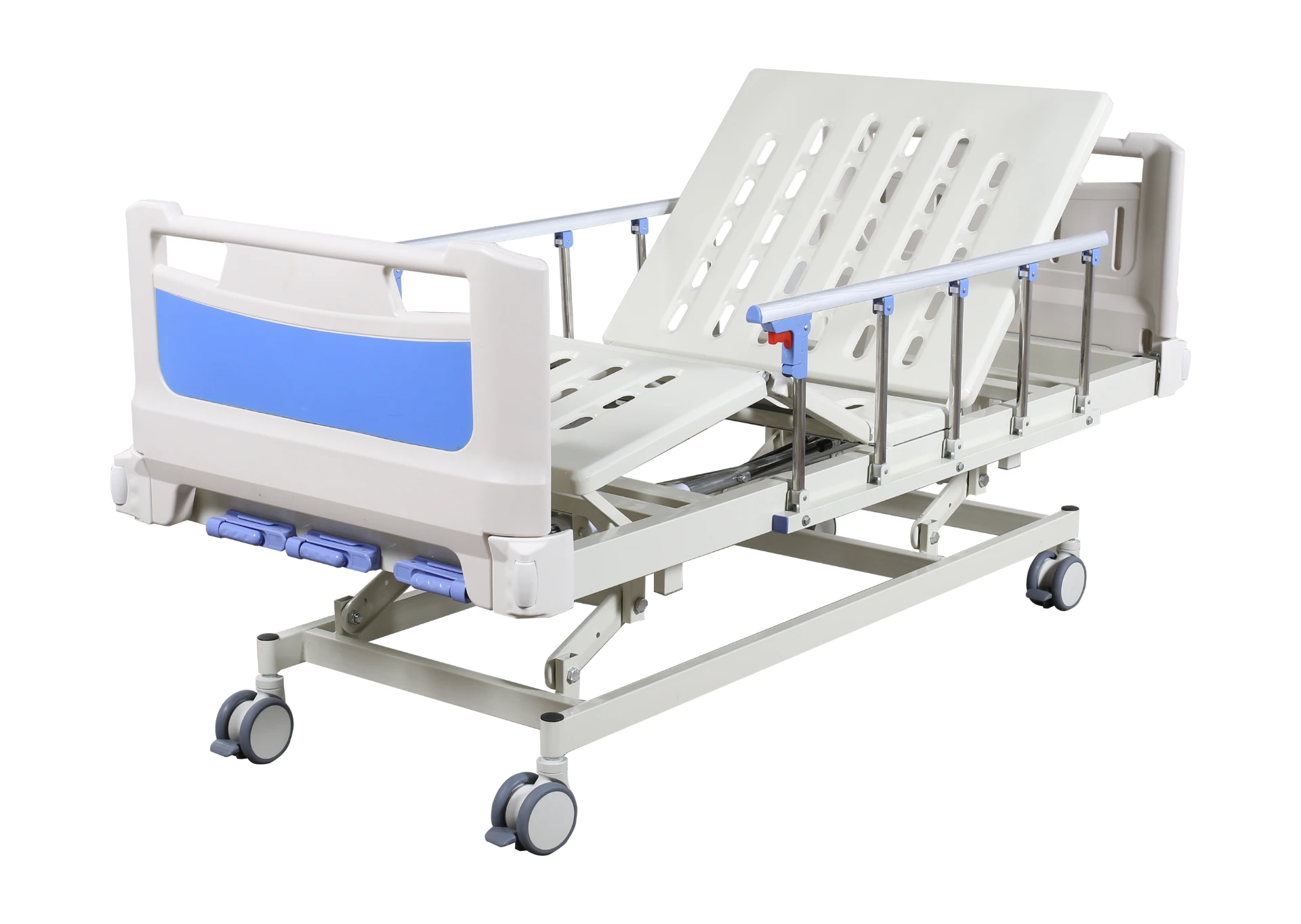
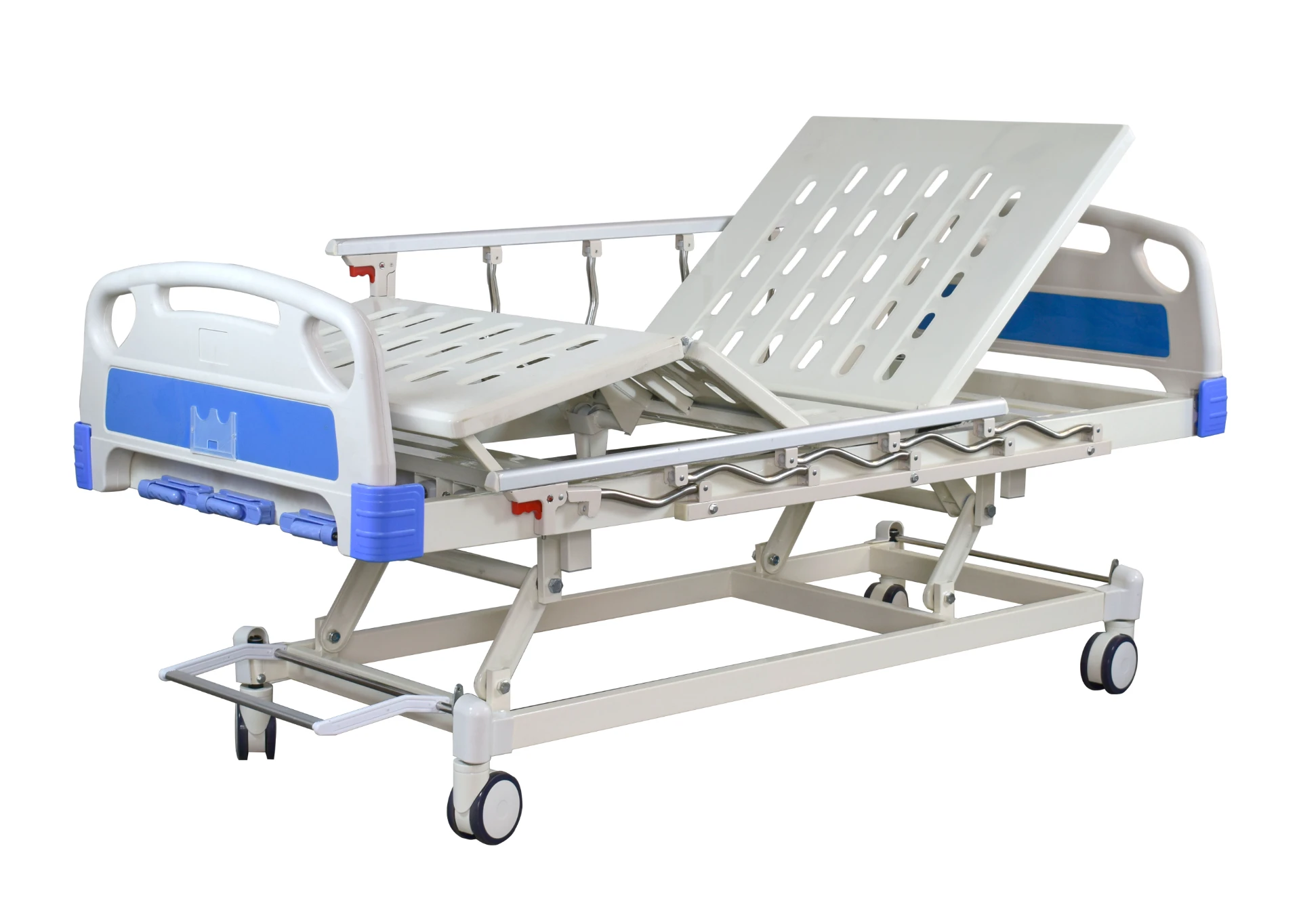
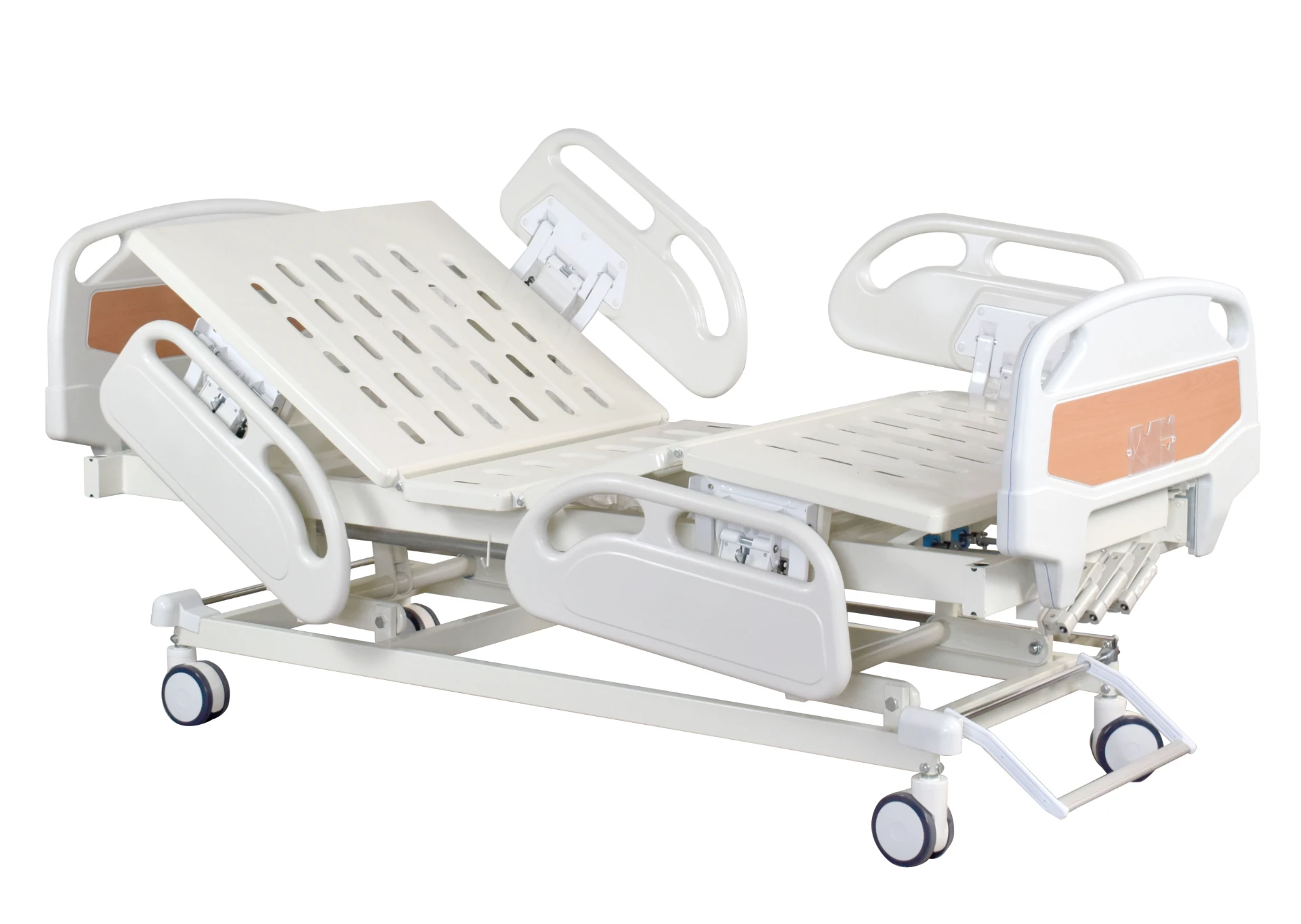
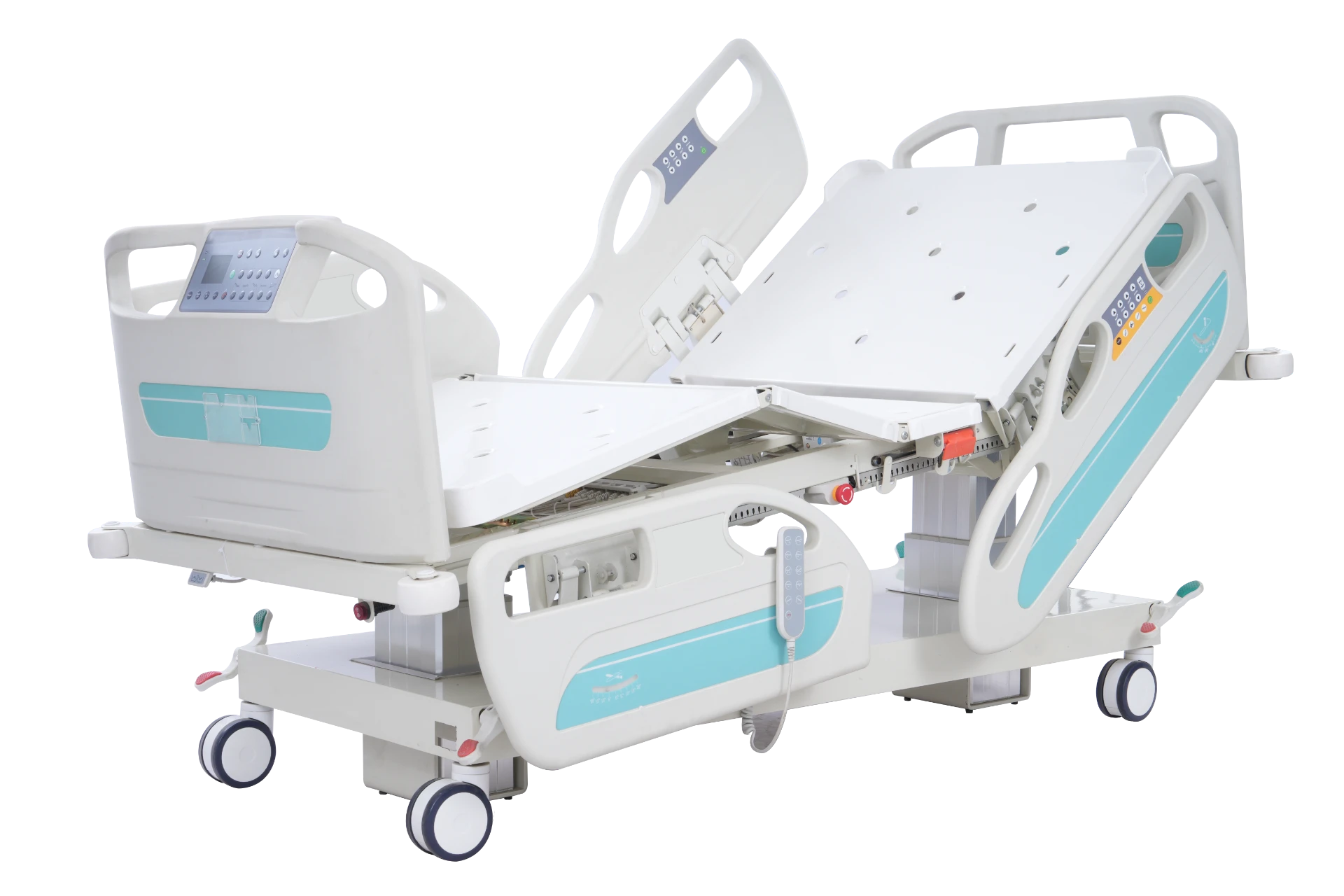
Simply put, a mattress in hospital is a specialized patient support system designed to provide comfort, promote healing, and reduce risks such as pressure injuries and microbial contamination. Unlike a regular mattress, these are engineered to withstand rigorous cleaning protocols, support bodies with varying health conditions, and integrate with medical equipment like adjustable beds.
In humanitarian contexts, such as refugee camps or disaster relief zones, hospital mattresses need to combine portability with functionality, sometimes under brutal conditions. This drives the need for durable, easy-to-clean, and sometimes inflatable or modular options.
Key Components of Hospital Mattresses
1. Durability & Material Quality
Hospital mattresses must endure constant use and frequent disinfection. High-grade materials like medical-grade polyurethane foam, antivirals, and water-resistant covers are common. Durability matters because mattresses need to resist tears and degrade slower even under harsh cleaning chemicals.
2. Pressure Redistribution
Pressure ulcers are a significant concern, especially for immobile patients. Mattresses designed to redistribute body pressure — such as memory foam layers or alternating pressure air cells — can drastically reduce ulcer incidence.
3. Hygiene and Infection Control
Given the risk of hospital-acquired infections (HAIs), mattress covers must be impermeable to fluids and easy to disinfect. Antimicrobial coatings and seamless designs help reduce contamination risks.
4. Comfort and Patient Safety
Beyond medical necessities, comfort influences recovery and patient morale. Proper spinal alignment, temperature regulation, and non-slip surfaces contribute to comfort and reduce fall risks.
5. Compatibility & Scalability
Mattresses must fit a variety of hospital beds and support systems, including electric or manual adjustments. Scalability is key for large hospitals balancing various patient needs.
| Specification | Typical Standards |
|---|---|
| Material | Closed-cell polyurethane foam with antimicrobial coating |
| Pressure Relief | Alternating pressure air cells, memory foam layers |
| Cover | Fluid-resistant, vapor-permeable laminated fabric |
| Weight Capacity | Up to 250-300 kg (550-660 lbs) |
| Cleaning | Compatible with hospital-grade disinfectants, wipes, and low-temperature sterilization |
Global Applications & Use Cases
Hospitals everywhere rely on these mattresses — but applications vary. In Europe and North America, hospitals increasingly use high-tech pressure-relieving and sensor-enabled mattresses to monitor patient health remotely. Meanwhile, in low-resource settings like parts of Africa and Asia, durability and hygiene take priority, with mattresses designed to survive rough handling and limited water availability.
Disaster relief organizations turn to rapidly deployable hospital mattress solutions. For example, after the 2015 Nepal earthquake, inflatable and modular mattresses were crucial in temporary field hospitals to aid thousands without sacrificing basic comfort or safety.
Oddly enough, even some correctional facilities and long-term care homes have adopted advanced hospital mattress standards to improve inmate or resident health outcomes.
Advantages & Long-Term Value
- Cost Efficiency: While premium hospital mattresses cost more upfront, their durability reduces replacement frequency, saving money.
- Sustainability: Many suppliers now emphasize eco-friendly materials and waste reduction.
- Patient Safety & Dignity: Proper support prevents sores and enhances comfort, preserving dignity for vulnerable patients.
- Innovation & Trust: Trusted suppliers back innovative design with certifications (ISO 13485 for medical devices, for example), reassuring procurement teams.
It’s quite moving to realize how much trust patients put in such a seemingly simple mattress during vulnerable times.
Future Trends & Innovations
Looking ahead, hospital mattresses are heading toward smart integration. Sensors measuring pressure points, moisture, and even patient movement are emerging, connected to hospital monitoring systems for early intervention.
Materials science is also evolving — biodegradable yet durable foams and covers aim to lessen environmental impacts without compromising safety. Green energy-powered manufacturing facilities and circular-economy approaches are on the rise.
With the digital transformation of healthcare, expect mattress customization through 3D printing and modular construction, tailoring support for each patient’s unique needs and hospital logistics.
Challenges & Solutions
Challenges remain — cost barriers in developing nations, balancing durability with comfort, and ensuring all mattresses meet different international medical standards. Supply chain disruptions sometimes delay mattress availability, impacting hospital preparedness.
Innovative solutions include:
- Developing affordable yet effective hybrid foam-air mattresses for low-income regions.
- Modular design allowing quick repair or part replacement instead of whole mattress swaps.
- International collaboration to harmonize standards, easing global procurement.
Vendor Comparison: Typical Hospital Mattress Suppliers
| Feature | Supplier A | Supplier B | Supplier C |
|---|---|---|---|
| Price Range | $$$ | $$ | $ |
| Pressure Relief Tech | Advanced alternating pressure | Memory foam layers | Basic foam |
| Antimicrobial Coatings | Yes | Yes, limited | No |
| Warranty Period | 5 Years | 3 Years | 1 Year |
| Eco-friendly Materials | Yes | Partial | No |
FAQ: Frequently Asked Questions About Mattress in Hospital
Q: What features should I look for in a hospital mattress to prevent bedsores?
A: Focus on pressure redistribution features like alternating pressure air cells or high-density memory foam. Also, a fluid-resistant cover that is easy to clean will help reduce infection risk. Sometimes, integrating sensors can alert staff to patient movement.
Q: How hard is maintenance and cleaning for hospital mattresses?
A: Hospital mattresses are designed to withstand frequent cleaning with hospital-grade disinfectants without degrading. Covers are usually fluid-resistant and seamless to prevent microbial ingress, so regular wiping and spot cleaning are straightforward.
Q: Are inflatable hospital mattresses effective compared to foam ones?
A: Inflatable mattresses can be great for pressure relief due to adjustable air cells, but they may require more maintenance and are vulnerable to punctures. Foam mattresses tend to be more durable but may lack adjustability.
Q: Can hospital mattresses be customized for individual patients?
A: Yes. Increasingly, mattresses come modular or with adjustable firmness zones, allowing personalized comfort and support depending on patient weight, condition, or healing needs.
Q: What’s the typical lifespan of a hospital mattress?
A: Depending on quality and usage, hospital mattresses last between 5 to 10 years. Regular inspection and proper maintenance extend lifespan, while heavy use or damage may require earlier replacement.
Conclusion
Ultimately, the mattress in hospital isn’t just a bed accessory; it’s a vital piece of medical equipment influencing patient outcomes, safety, and healthcare efficiency. As technology evolves, smart and sustainable mattress solutions are set to become the norm. Investing in the right mattress today means better care tomorrow — for both patients and hospitals.
If you want to explore professional-grade hospital mattress options or learn more about their applications, please visit our website: mattress in hospital.
Mini takeaway: Choosing the right hospital mattress blends science, care, and innovation — making every patient’s rest safer and more comfortable.
References
-
Ultimate Guide to Choosing Extra Wide Waiting Room ChairsNewsApr.16,2026
-
Guide to Choosing Professional Waiting Room Chairs Wipeable SeatingNewsApr.09,2026
-
Enhance Your Space with Comfortable Wide Waiting Room ChairsNewsApr.07,2026
-
Selecting the Ideal Brown Waiting Room Chairs for a Welcoming SpaceNewsApr.04,2026
-
Choosing Comfortable Patient Waiting Room Chairs for Healthcare FacilitiesNewsMar.31,2026
-
Finding the Best Deals on Affordable and Cheap Reception Chairs for Your BusinessNewsMar.28,2026
-
Enhance Your Business Reception with Comfortable Blue Reception ChairsNewsMar.26,2026