Welcome to our websites!


Nov . 18, 2025 09:00
Back to list
Comprehensive Guide to Hospital Bed Furniture: Features, Benefits & Trends
What Exactly Is Hospital Bed Furniture — and Why Should We Care?
When you hear "hospital bed furniture," the first thing that probably pops into your head is those classic hospital beds you see in TV dramas or clinics. But here’s the trick: the term covers a lot more than just beds. In a global context, this specialized furniture is critical—not just for patient comfort but also for operational efficiency, infection control, and even dignity. Whether you’re in a rural clinic in sub-Saharan Africa or a high-tech urban medical center in Europe, the design and quality of hospital bed furniture deeply impact outcomes. Globally, healthcare facilities are evolving rapidly, with rising chronic disease rates and an aging population demanding better, more adaptable solutions. The average investment in medical infrastructure is soaring worldwide, making hospital bed furniture a pivotal category in healthcare innovation and deployment. Knowing the ins and outs of this topic sheds light on critical advances in healthcare delivery and patient safety. ---Why Hospital Bed Furniture Matters on a Global Scale
According to WHO, over 60% of hospital-acquired infections relate to poor sanitation and inadequate facilities, including outdated or ill-fitted hospital furniture. Oddly enough, furniture design might not top your list when you think of healthcare challenges, but durability and cleanability are absolutely crucial. Also, the global hospital furniture market size was valued at roughly $5 billion in 2023 and is projected to grow steadily, driven by expanding healthcare infrastructure in developing countries (Source: Global Market Insights, 2023). One of the biggest problems this category addresses is balancing cost with quality and versatility. Many healthcare facilities struggle with budget constraints yet face a necessity for robust, adaptable bed furniture that can handle heavy use and diverse patient needs. In disaster zones or pandemic responses, the ability to quickly source, deliver, and set up versatile hospital beds and related furniture sometimes means the difference between life and death. ---Hospital Bed Furniture — What Does It Really Mean?
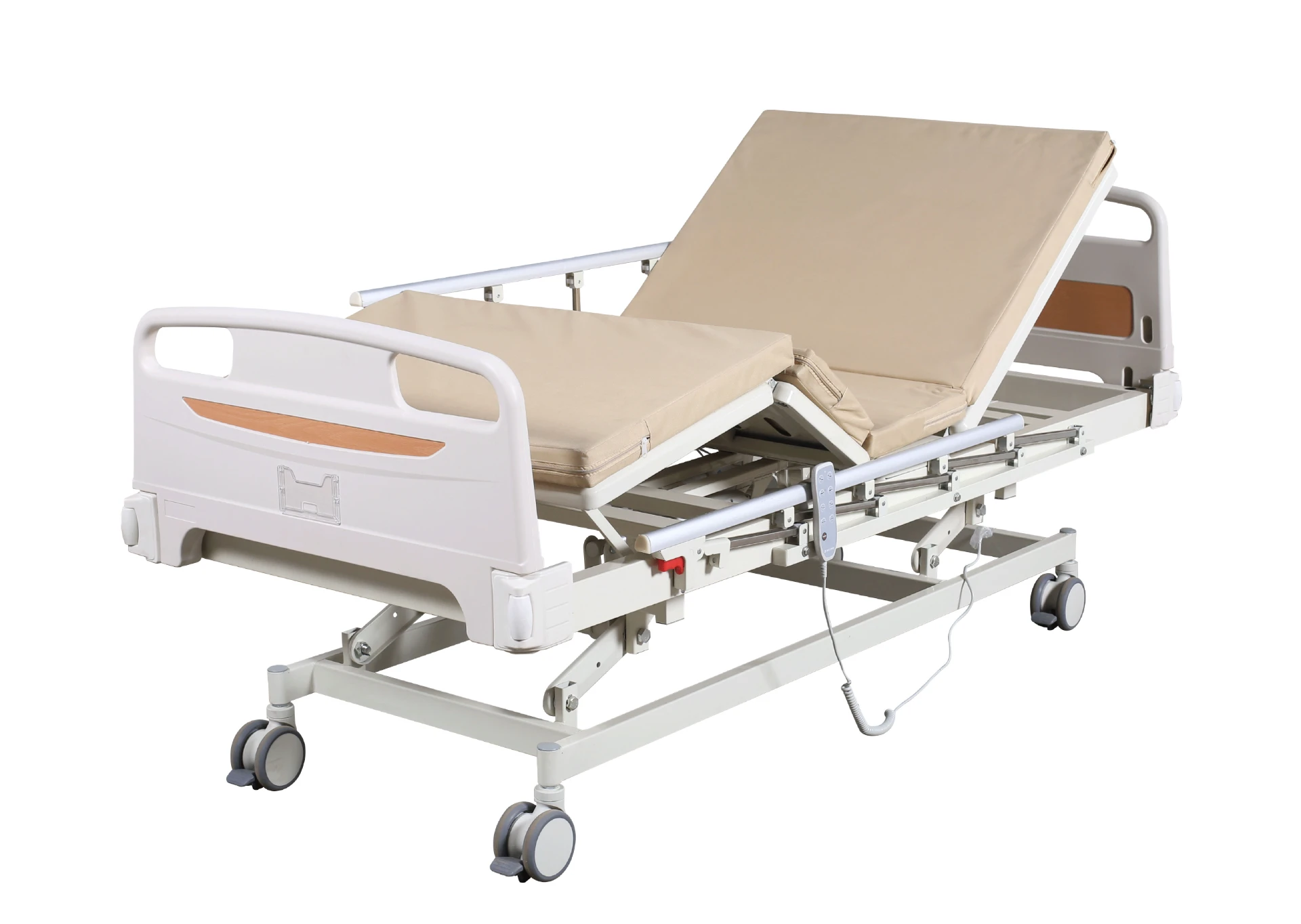
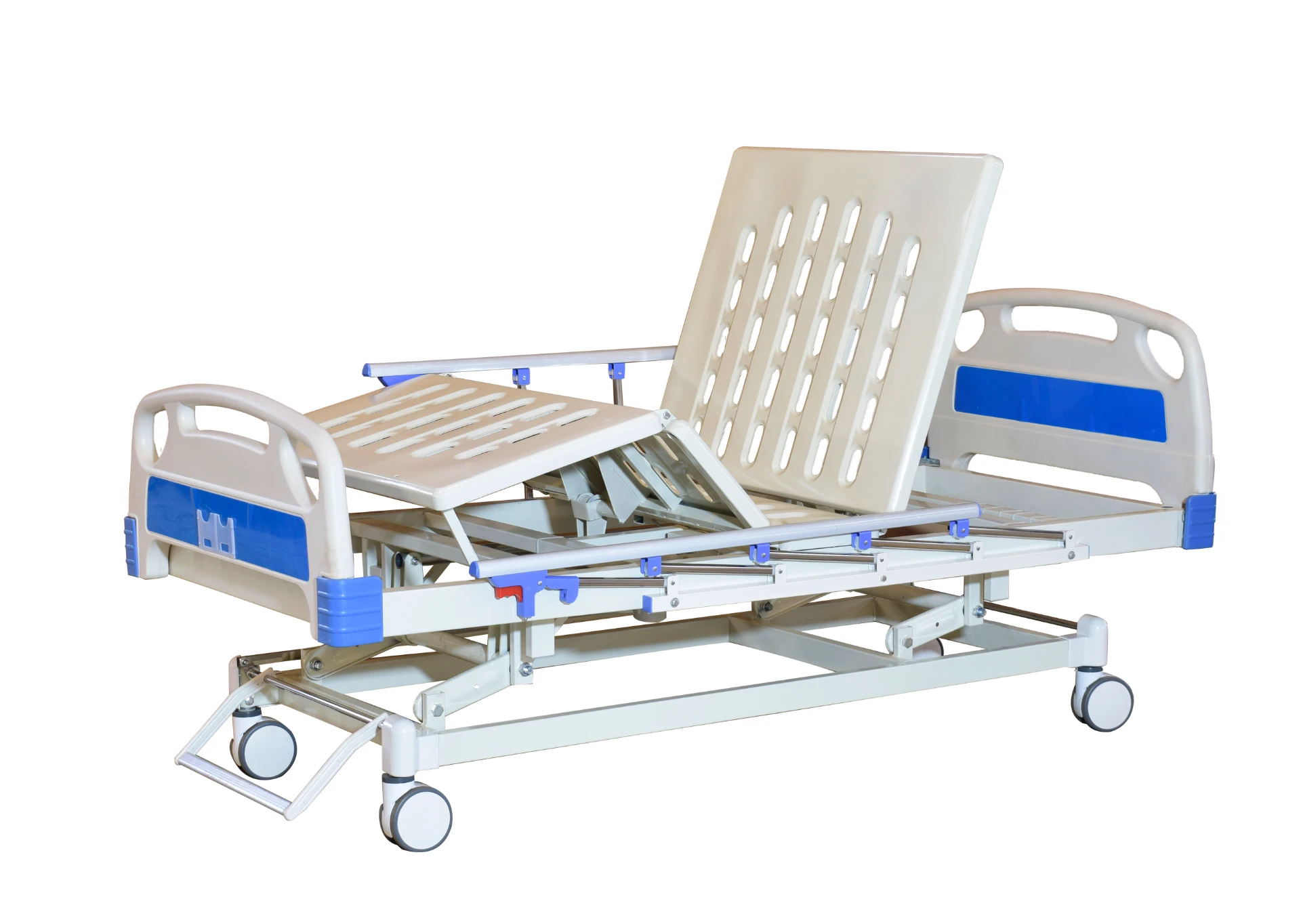
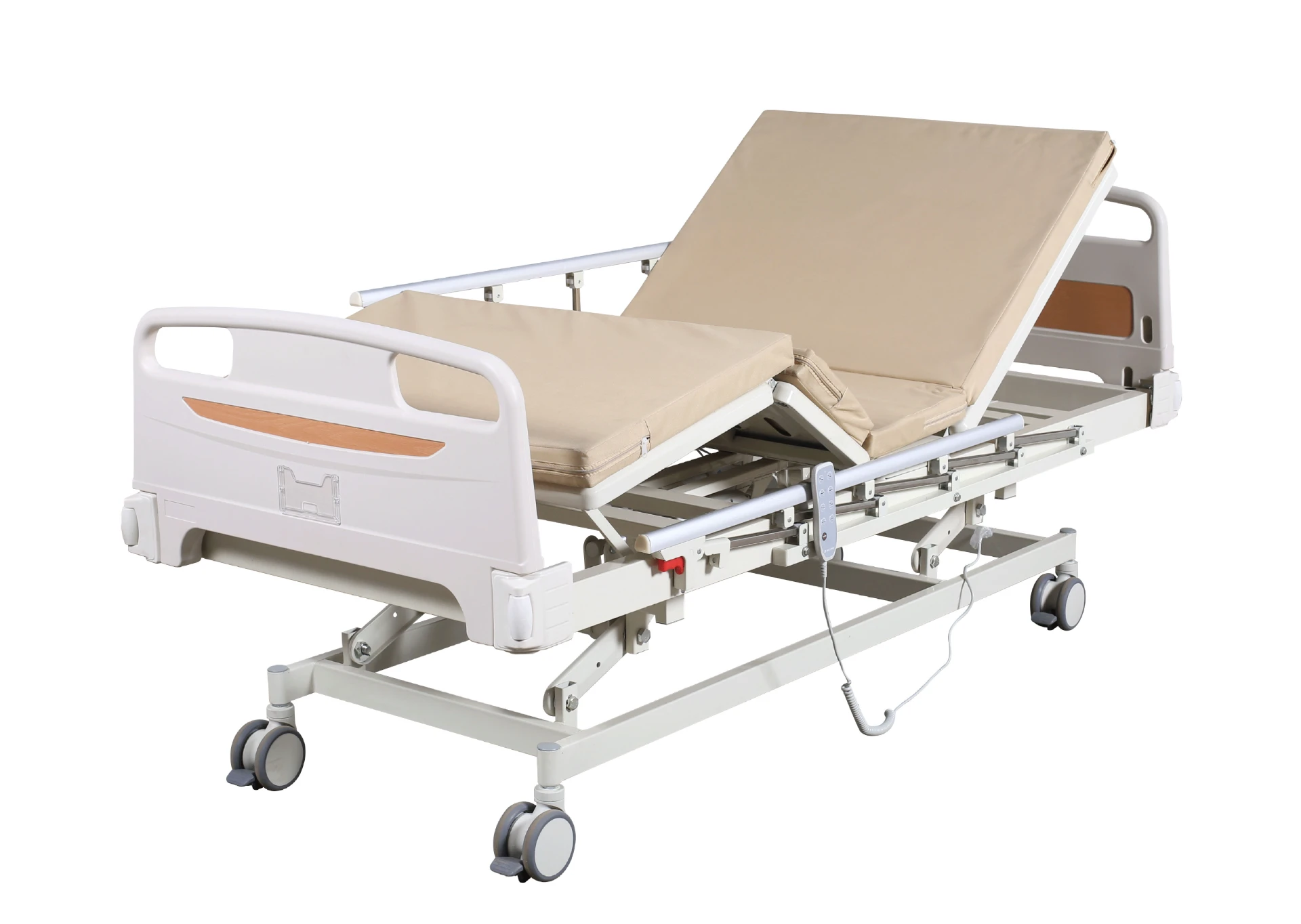
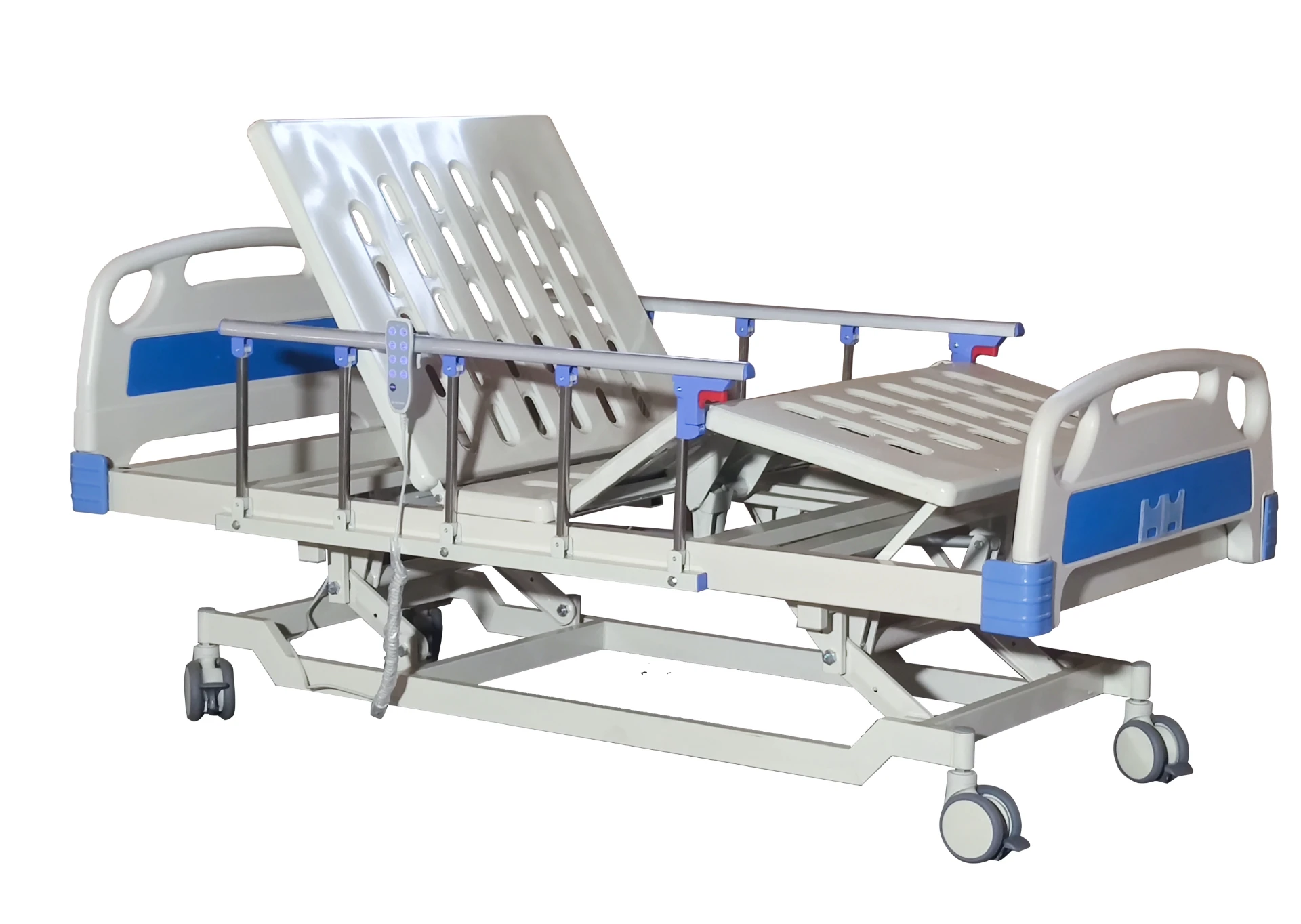
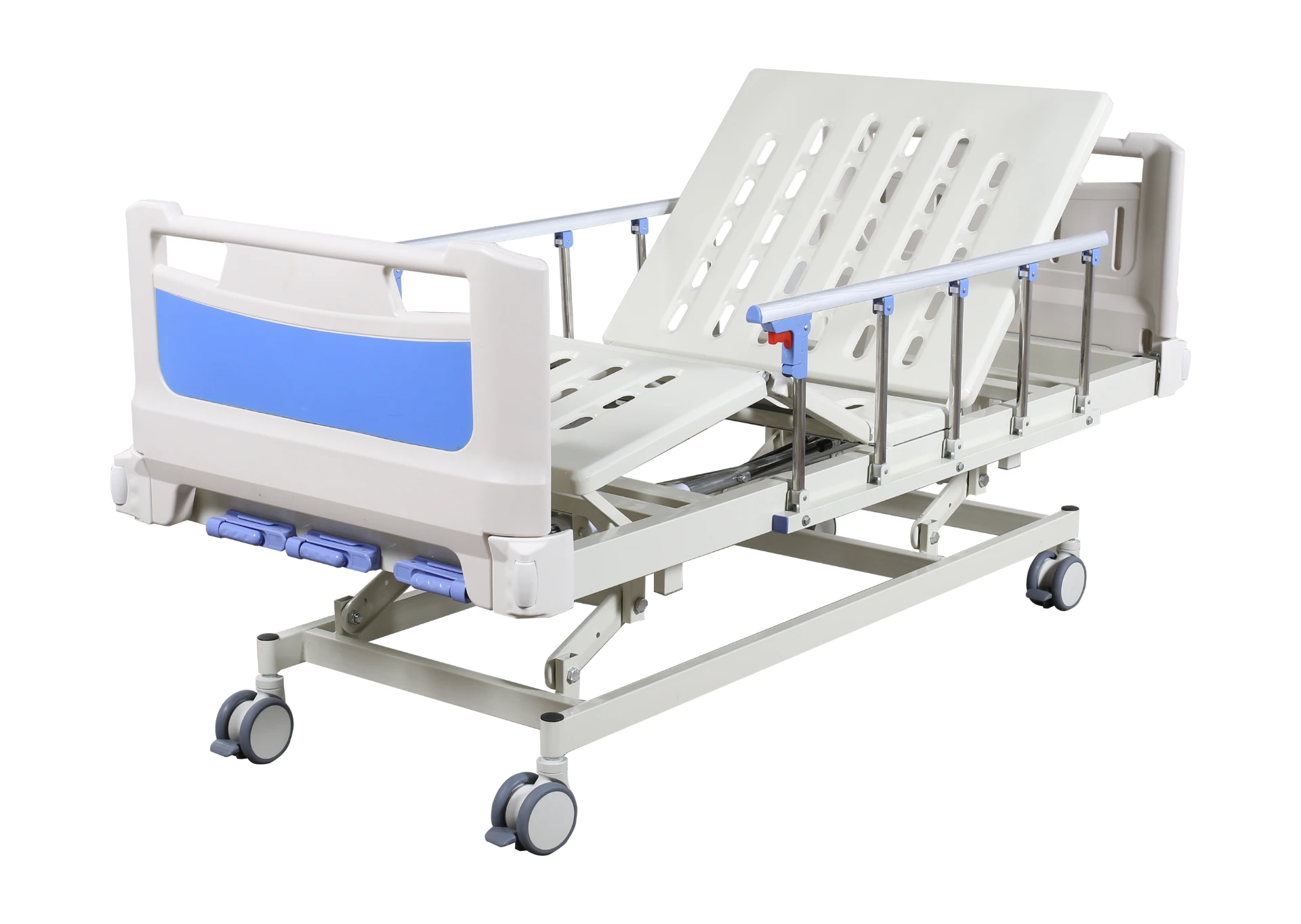
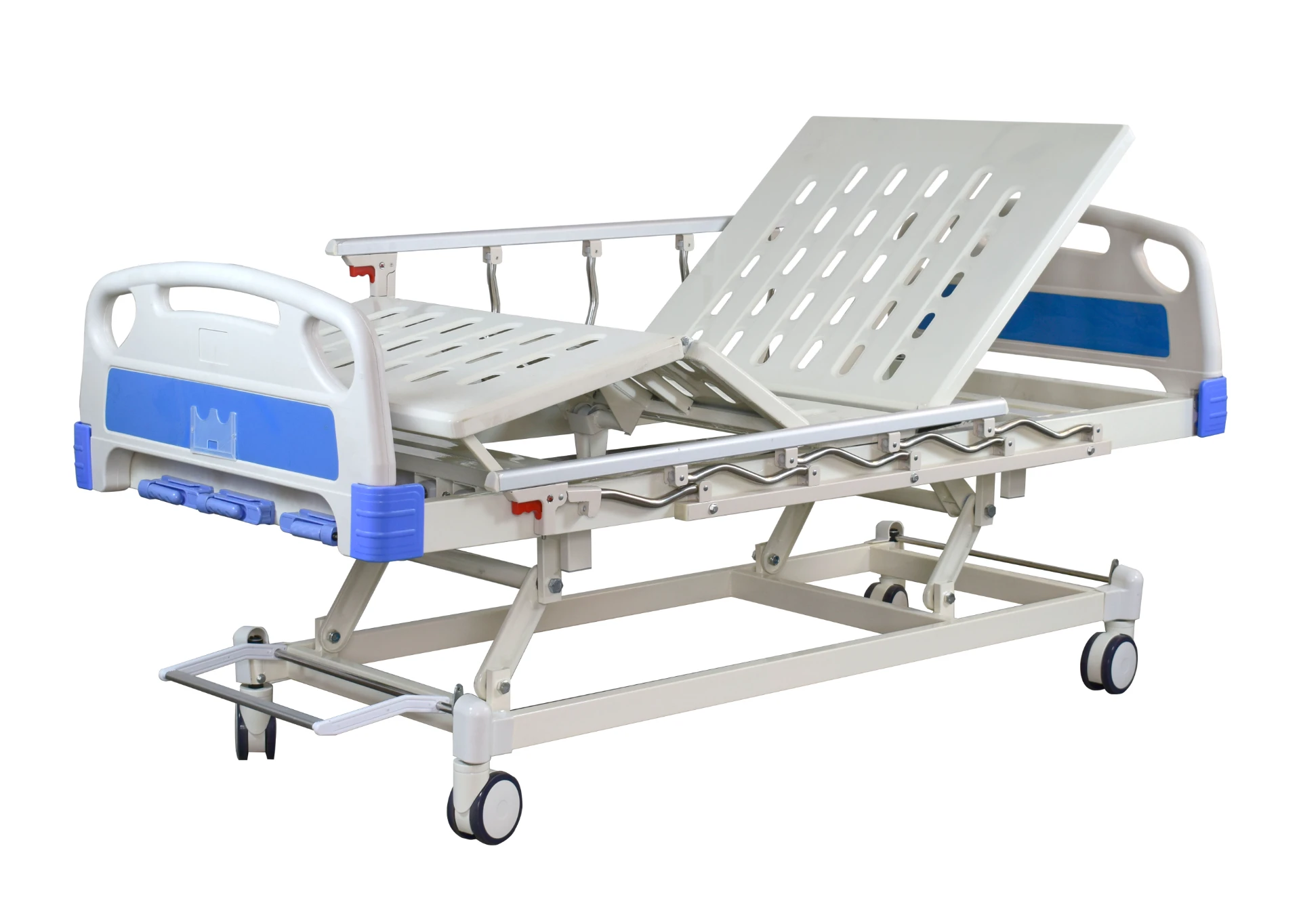
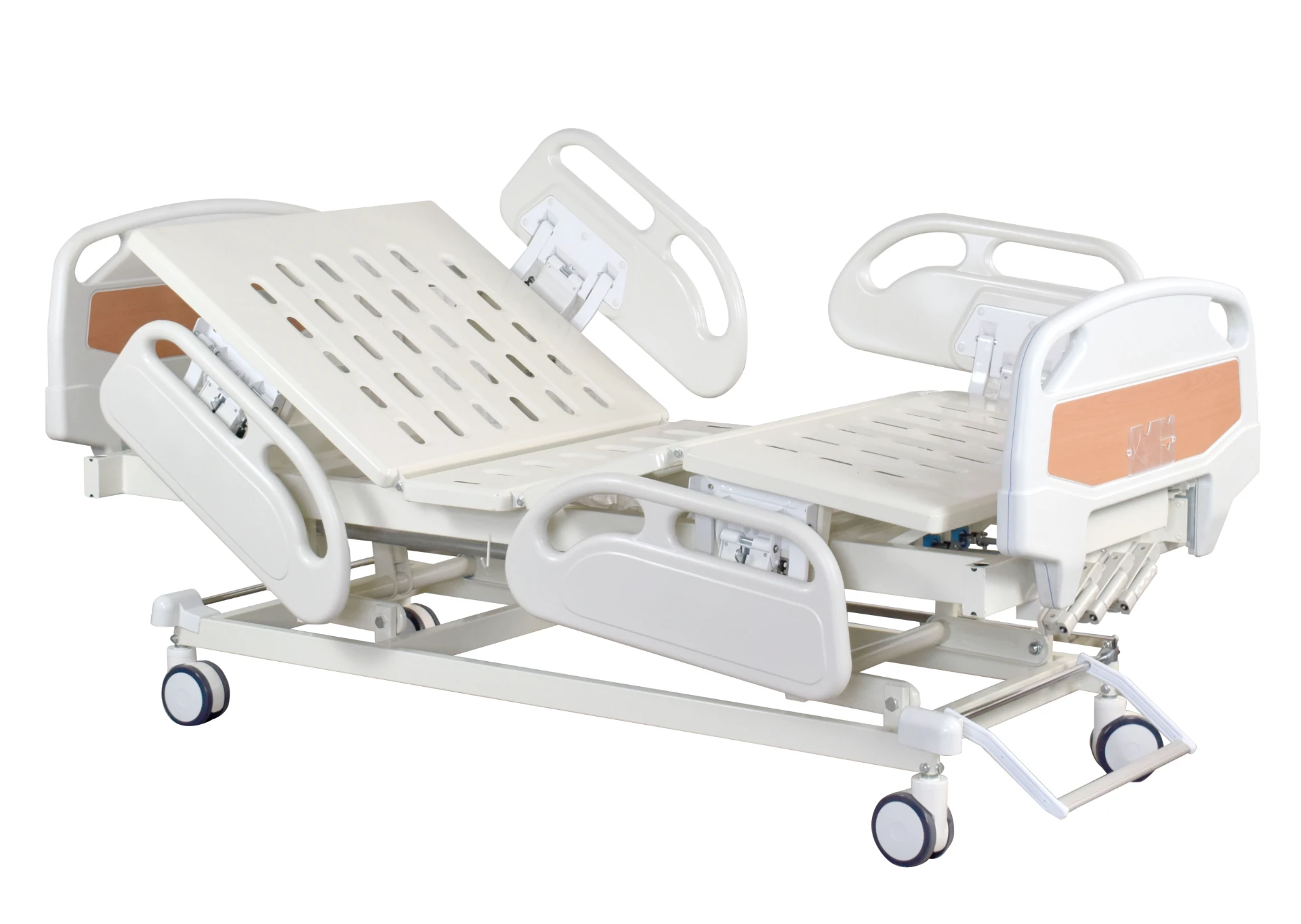
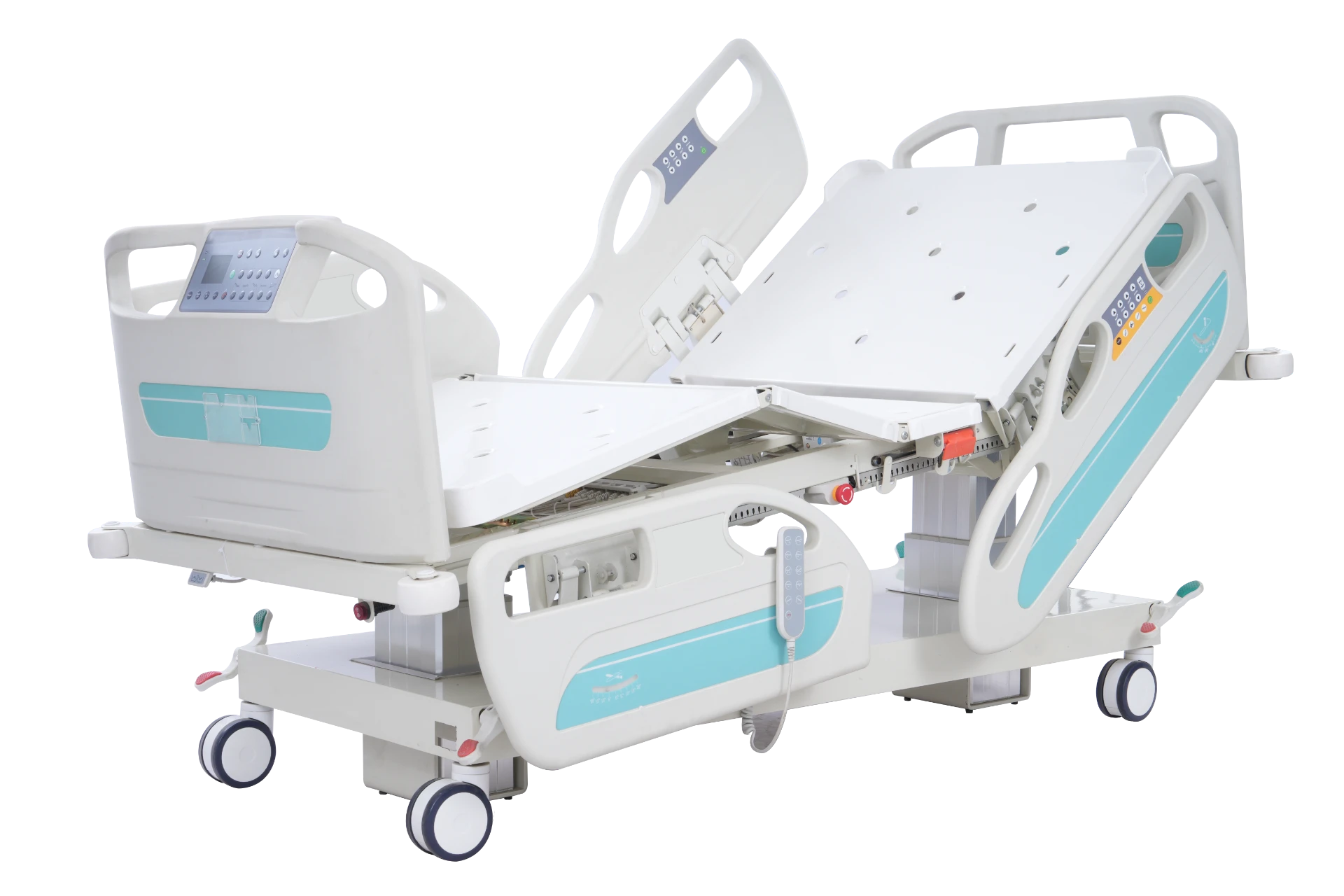
Simply put, hospital bed furniture refers to beds and the supporting furniture pieces designed specifically to meet the strict needs of medical environments. This includes patient beds, overbed tables, bedside cabinets, chairs, and sometimes even storage or mobility units designed for hospitals. Unlike your average bedroom bed, hospital beds often come with adjustable features—height, tilt, side rails, and mattress types—all geared toward patient comfort, nursing efficiency, and safety. Their materials also must withstand frequent cleaning with harsh disinfectants without degrading. In humanitarian and industrial contexts, this furniture is often modular, portable, and quickly deployable, reminiscent of hospital bed furniture solutions used in mobile clinics or temporary health camps. It’s fascinating how the furniture itself becomes a frontline tool in health outcomes. ---Core Features That Define Hospital Bed Furniture
1. Durability and Hygiene
Hospital bed furniture endures constant wear and tear—from patients shifting around to repeated deep cleanings using strong chemicals. It must resist corrosion, bodily fluids, and physical damage. Materials like powder-coated steel and antimicrobial plastics are common.2. Adjustability and Ergonomics
Modern designs allow caregivers to change bed height or backrest angle smoothly. This improves patient comfort and eases nursing tasks, reducing strain and injury risks. Ergonomics extend to bedside tables and cabinets with easy-to-reach controls.3. Scalability and Modularity
Hospitals need furniture that can plug into various environments—from ICU rooms to general wards. Modular components (detachable rails, customizable mattress platforms) make it flexible for different patients and clinical situations.4. Cost-Efficiency Without Compromising Quality
Budget constraints mean hospitals often look for the best bang for their buck. Balancing upfront spending with durability means furniture that lasts 5-10 years under heavy use is ideal.5. Safety Features
Side rails, lockable wheels, and load limits keep patients safe from falls or other injuries. Many beds even integrate alarms or call buttons directly into the design.Mini Takeaway:
Good hospital bed furniture isn’t just about comfort—it’s a complex interplay of form, function, durability, and safety. The real challenge lies in balancing these factors cost-effectively and flexibly across various healthcare needs. ---Where Is Hospital Bed Furniture Making the Biggest Impact?
Globally, this segment is quite dynamic. In North America and Europe, highly automated hospital beds with remote-control functionality and smart sensors are trending. Meanwhile, many parts of Asia, Africa, and Latin America focus on rugged, low-maintenance designs to fit resource-limited settings. Some notable applications: - Disaster relief camps: Quick setup portable hospital bed furniture forms the backbone of emergency health responses after earthquakes or floods. - Rural health centers: Durable, multipurpose beds help expand the reach of basic clinical services. - Aging population care: Adjustable beds aid elderly patients with mobility challenges, improving quality of life. - Private hospitals and clinics: Demand for high-end, customizable furniture grows alongside patient expectations. In fact, organizations like Médecins Sans Frontières and the Red Cross often rely heavily on simple yet robust hospital bed furniture designs for their field operations. ---Comparing Leading Hospital Bed Furniture Vendors
| Vendor | Product Range | Customization | Global Reach | Price Level |
|---|---|---|---|---|
| MedEquip Co. | Beds, Overbed Tables, Cabinets | High — tailored controls & dimensions | Worldwide | Premium |
| HealthCraft Furnishings | Basic Bed Ranges, Cabinets | Moderate — modular options | Regional (Asia-Pacific) | Budget-friendly |
| SafeRest Medical | Beds with safety rails & alarms | Low — Standardized lines | North America & Europe | Mid-range |
Hospital Bed Furniture Specifications — What to Expect
| Feature | Typical Specs | Importance |
|---|---|---|
| Material | Powder-coated steel, ABS plastics | Corrosion resistance, hygiene |
| Load Capacity | Up to 250kg (550 lbs) | Safety & structural integrity |
| Adjustments | Backrest, thigh elevation, height | Patient comfort & accessibility |
| Mobility | Caster wheels with brakes | Ease of repositioning, safety |
| Safety Features | Side rails, locking mechanisms | Prevents falls, injury reduction |
The Lasting Benefits of Investing in Good Hospital Bed Furniture
Think about this: a sturdy, adjustable bed doesn’t just benefit the patient physically — it also impacts their emotional well-being. Patients feel safer, more respected, and better cared for. For nurses and healthcare workers, ergonomic furniture reduces back injuries and fatigue, decreasing staff turnover rates and boosting efficiency. Long-term, investing in quality hospital bed furniture equals fewer replacements and lower maintenance costs. The sustainability angle is big; many manufacturers now focus on recyclable materials and energy-efficient production, which helps hospitals contribute to global green goals. ---What’s Next? Innovations in Hospital Bed Furniture
The future looks quite high-tech. We’re seeing beds with integrated IoT sensors that monitor patient vitals or movement, potentially alerting staff about falls or bedsores early. Materials are shifting toward antimicrobial coatings that actively reduce infection risks. Some manufacturers experiment with solar-powered mobility beds or energy-harvesting systems that leverage patient movement. Digitally controlled beds that patients can personalize via apps are no longer science fiction but a growing trend. These advancements dovetail nicely with broader moves toward smart hospitals and sustainable healthcare systems globally. ---Challenges and Solutions in Today’s Healthcare Furniture Market
Despite all the progress, challenges remain. Supply chain delays can make accessing specialty furniture difficult, especially in low-income countries. Customization adds costs, and rigid procurement policies often slow down adoption. One innovative solution gaining traction is modular hospital bed furniture kits that can be assembled on-site, reducing shipping costs and allowing tailored configurations. Another is the leasing or subscription model for expensive, high-tech beds — spreading costs and facilitating upgrades. ---Frequently Asked Questions About Hospital Bed Furniture
Q1: What features should I prioritize when buying hospital bed furniture for a small clinic?A1: Focus on durability, ease of cleaning, and basic adjustability (like backrest and height). Consider space-saving designs and modular options to keep costs manageable and functionality flexible.
Q2: Are there eco-friendly hospital beds available in the market?
A2: Absolutely. Many manufacturers now offer beds made from recycled materials or with antimicrobial, eco-certified coatings. Additionally, energy-efficient production and recyclable designs are increasingly common.
Q3: How often should hospital bed furniture be replaced?
A3: Typically, good-quality hospital beds last 5–10 years, depending on usage and maintenance. Regular inspections can extend their lifetime and ensure safety.
Q4: Can hospital beds be customized for special needs like bariatric patients?
A4: Yes, many vendors offer heavier load capacities and wider beds with reinforced frames specifically designed for bariatric care.
---
Wrapping Up: Why Hospital Bed Furniture Deserves Your Attention
In many ways, hospital bed furniture quietly shapes patient experiences and healthcare efficiency worldwide. Look beyond the surface, and you’ll find a fascinating convergence of engineering, hygiene, comfort, and innovation. Long term, the right choices here promote safer, kinder, and more sustainable healthcare. Whether upgrading an urban hospital or outfitting a field clinic, smart investment in hospital bed furniture pays dividends in quality of care and operational resilience. If you want to dive deeper or explore tailored solutions, visit our website at https://www.cnboxin.com. You might find exactly what your facility has been missing. ---References
Latest news
-
Ultimate Guide to Choosing Extra Wide Waiting Room ChairsNewsApr.16,2026
-
Guide to Choosing Professional Waiting Room Chairs Wipeable SeatingNewsApr.09,2026
-
Enhance Your Space with Comfortable Wide Waiting Room ChairsNewsApr.07,2026
-
Selecting the Ideal Brown Waiting Room Chairs for a Welcoming SpaceNewsApr.04,2026
-
Choosing Comfortable Patient Waiting Room Chairs for Healthcare FacilitiesNewsMar.31,2026
-
Finding the Best Deals on Affordable and Cheap Reception Chairs for Your BusinessNewsMar.28,2026
-
Enhance Your Business Reception with Comfortable Blue Reception ChairsNewsMar.26,2026
Related Products