Welcome to our websites!


Comprehensive Guide to Homecare Beds: Features, Benefits & Global Trends
Understanding the Homecare Bed: A Vital Care Solution Worldwide
Homecare beds might not be the flashiest topic in healthcare, but their impact on patient comfort and care quality is profound. They serve as the backbone for managing patient mobility and safety in home settings, especially with aging populations and more people recovering from illness outside hospitals. Globally, their relevance is skyrocketing—thanks to rising chronic illness rates and a shift toward personalized care. Learning about homecare beds helps us appreciate their design nuances, practical benefits, and how they fit into evolving healthcare models.
Introduction: The Global Significance of Homecare Beds
With the world’s population expected to hit 8.5 billion by 2030, according to the United Nations, health systems are under pressure to support long-term care outside traditional institutions. That’s where homecare beds step in—providing ergonomic, safe, and scalable solutions for patients at home. Interestingly, homecare bed demand grows fastest in regions like Europe and Asia-Pacific, reflecting aging demographics and healthcare policy shifts toward home-based care.
However, a core challenge remains: ensuring these beds meet diverse needs without sacrificing affordability or functionality. This is critical when you think about homecare environments that vary widely in space, caregiver expertise, and patient conditions.
What Is a Homecare Bed?
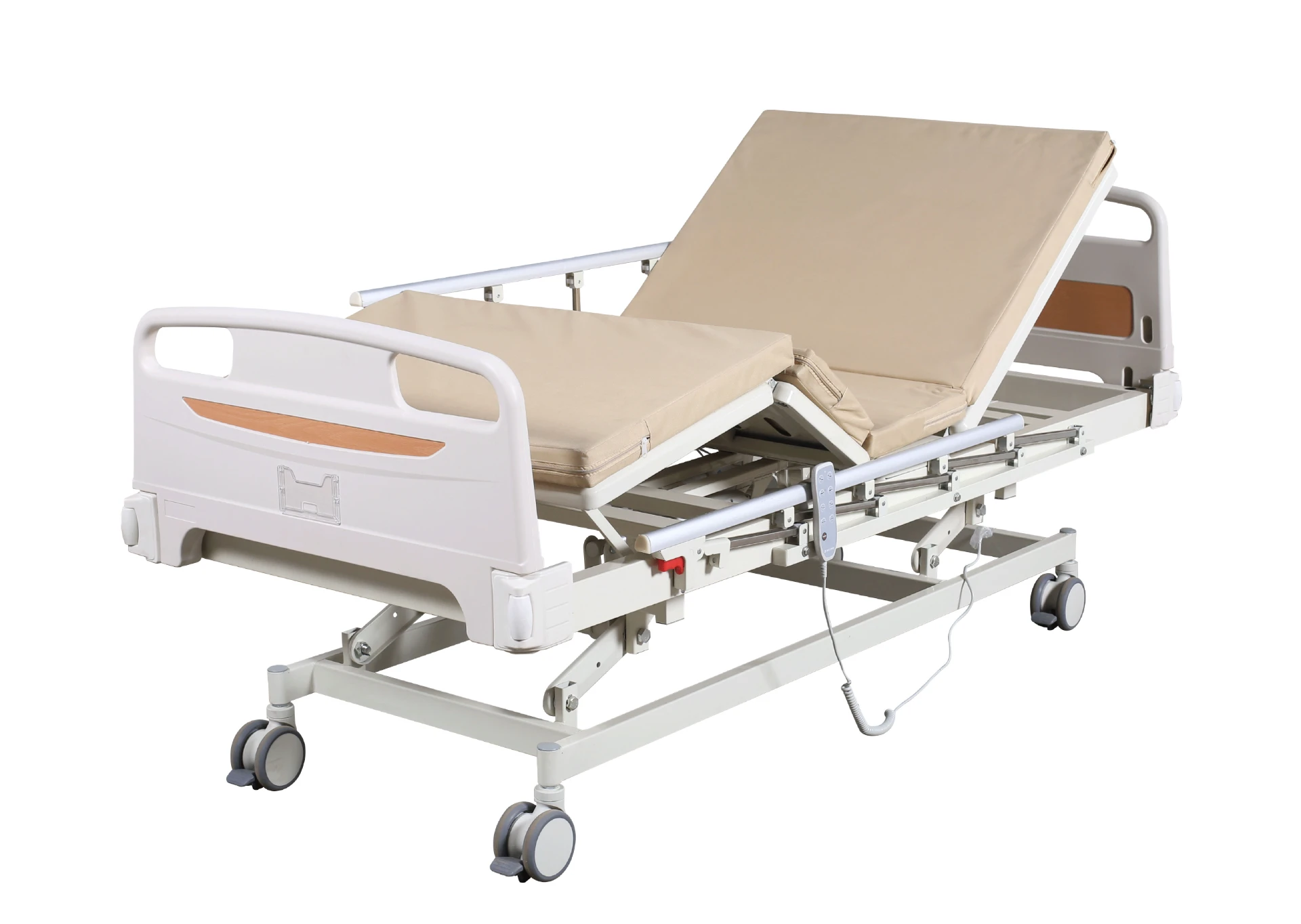
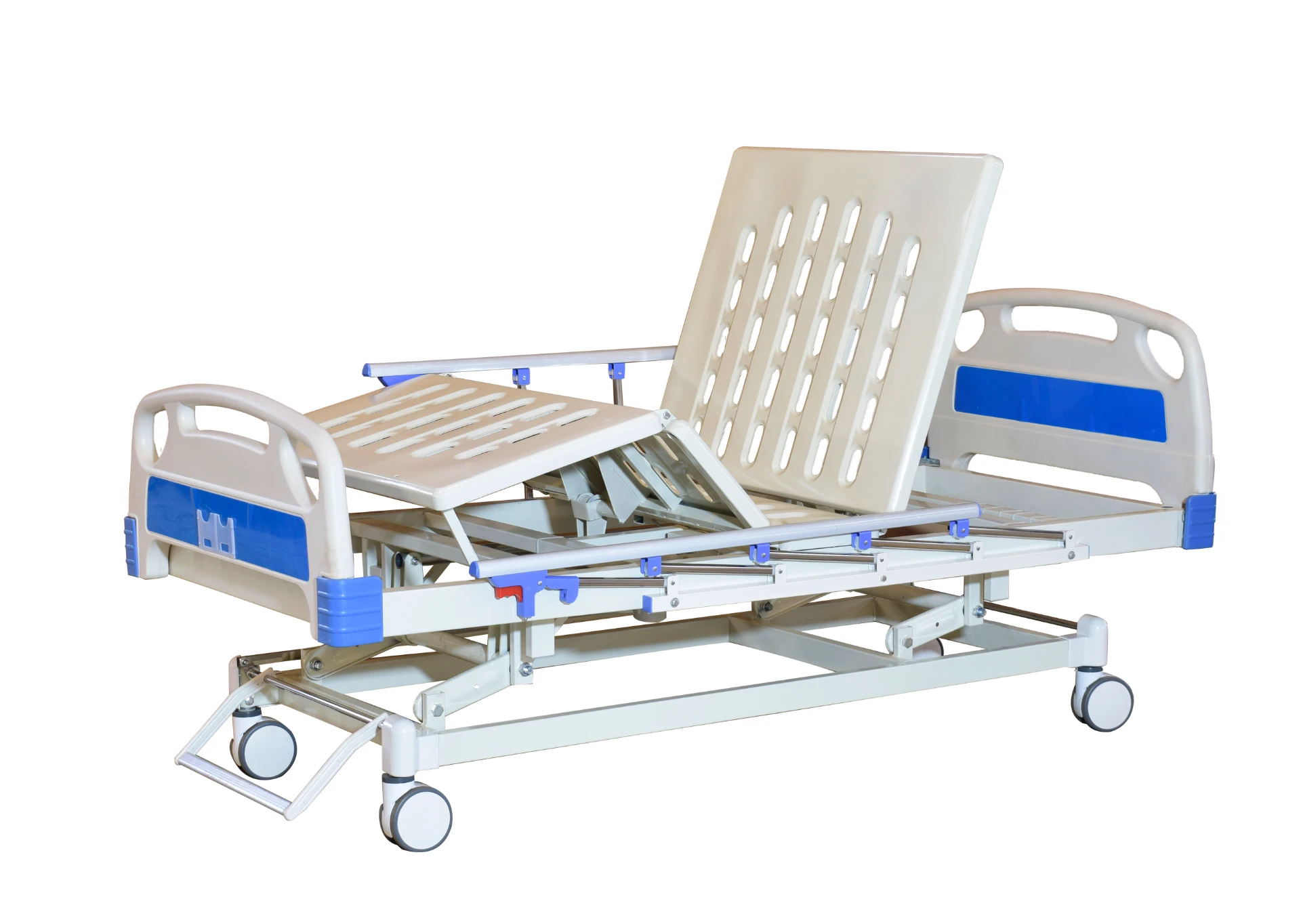
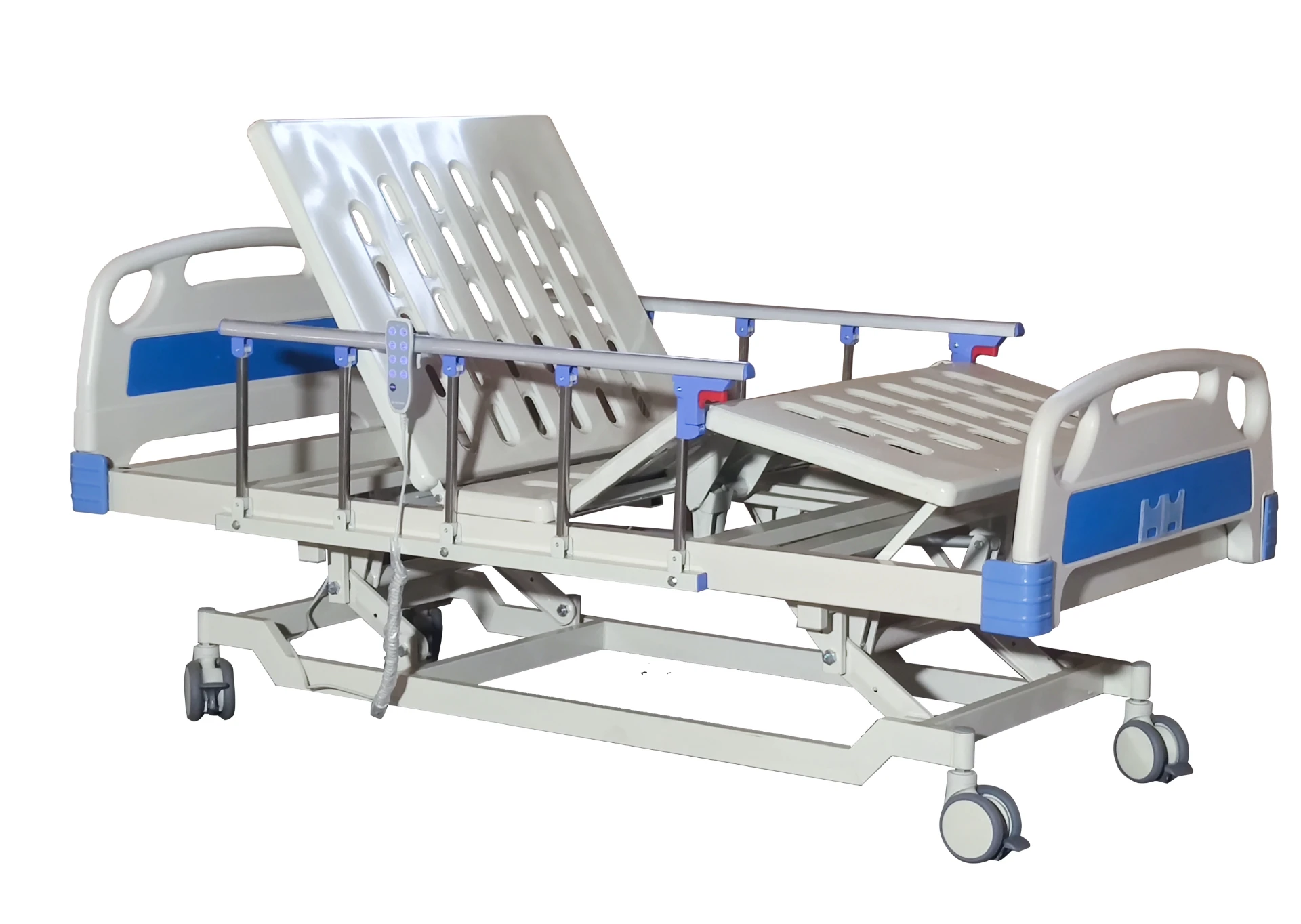
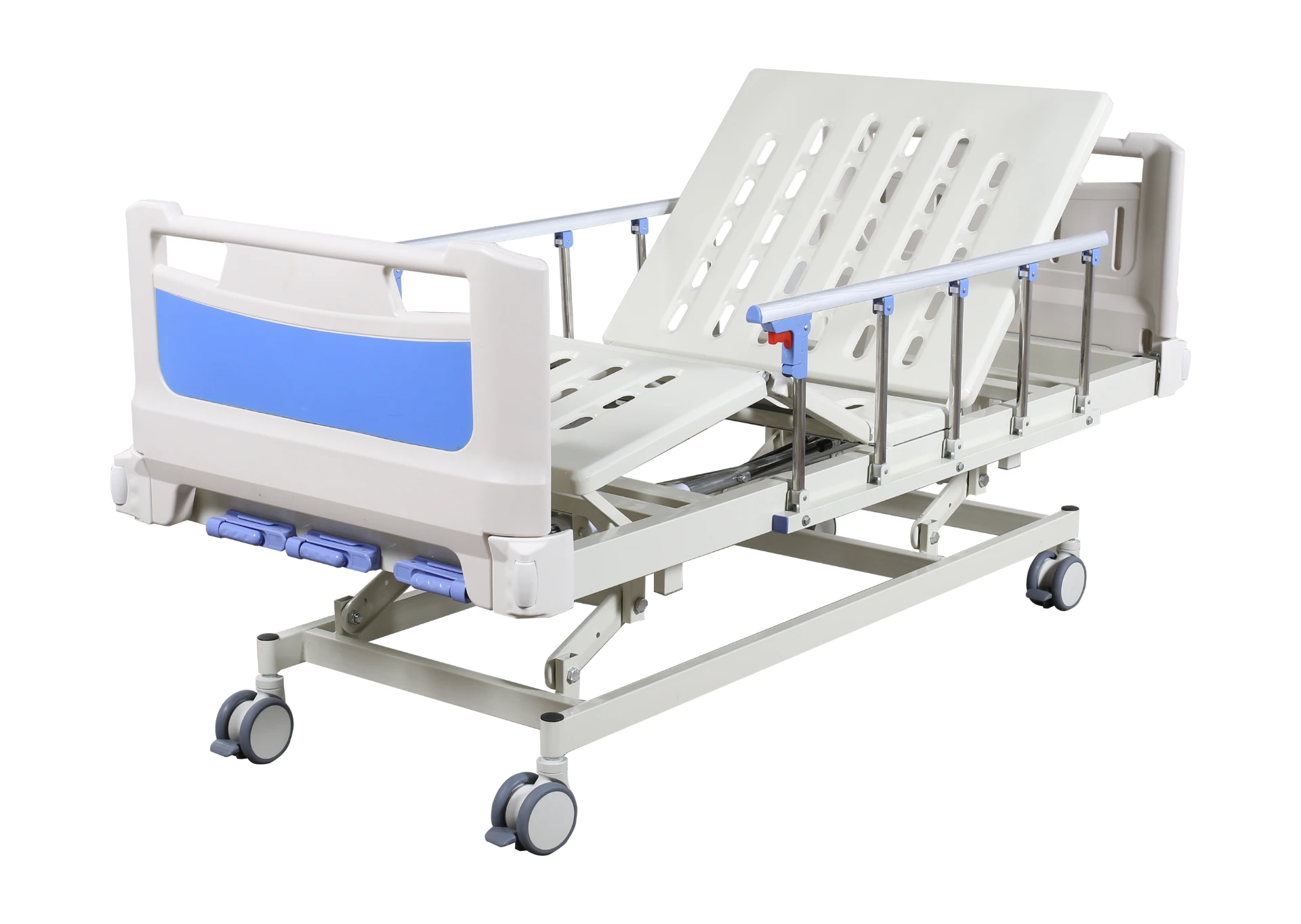
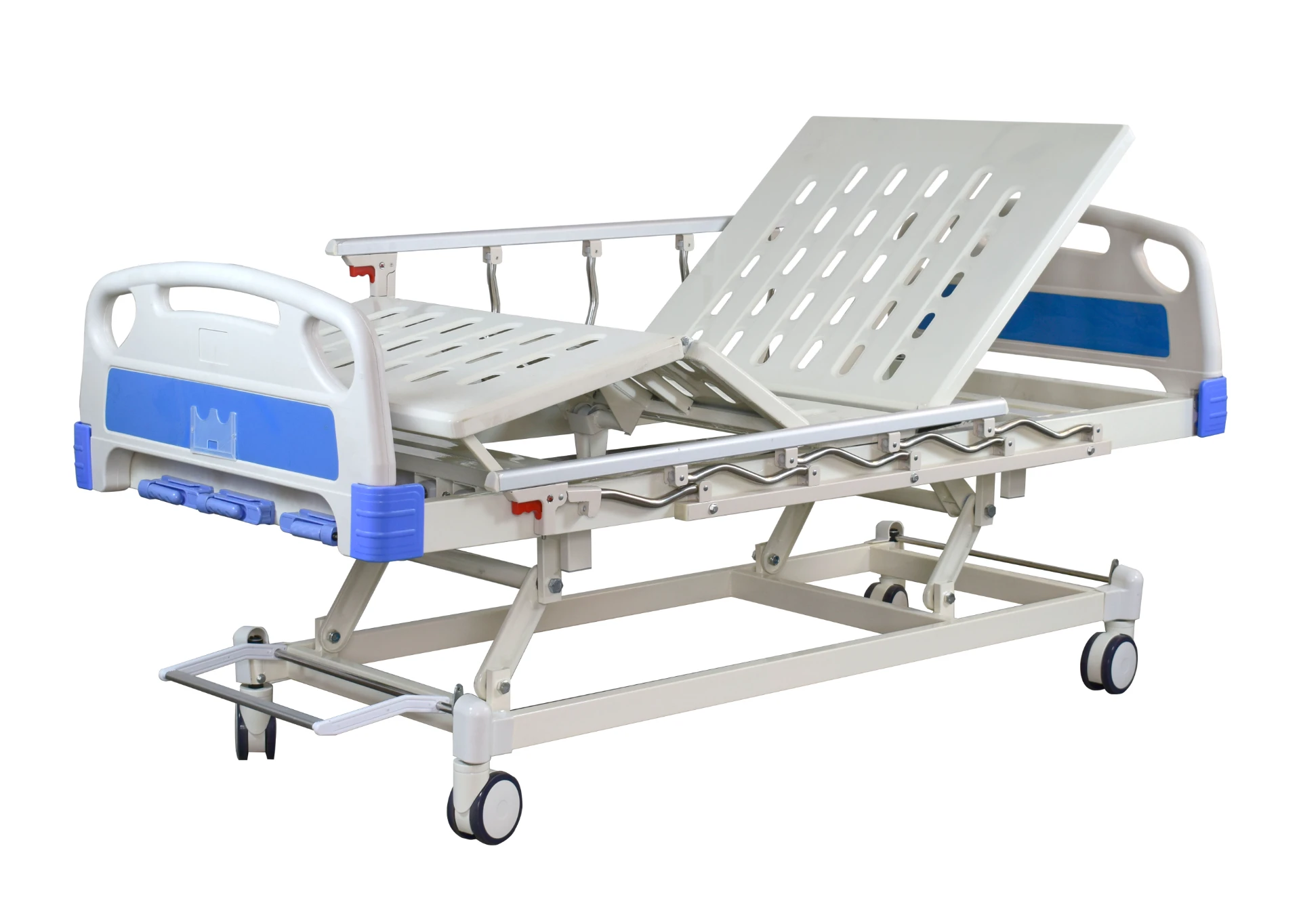
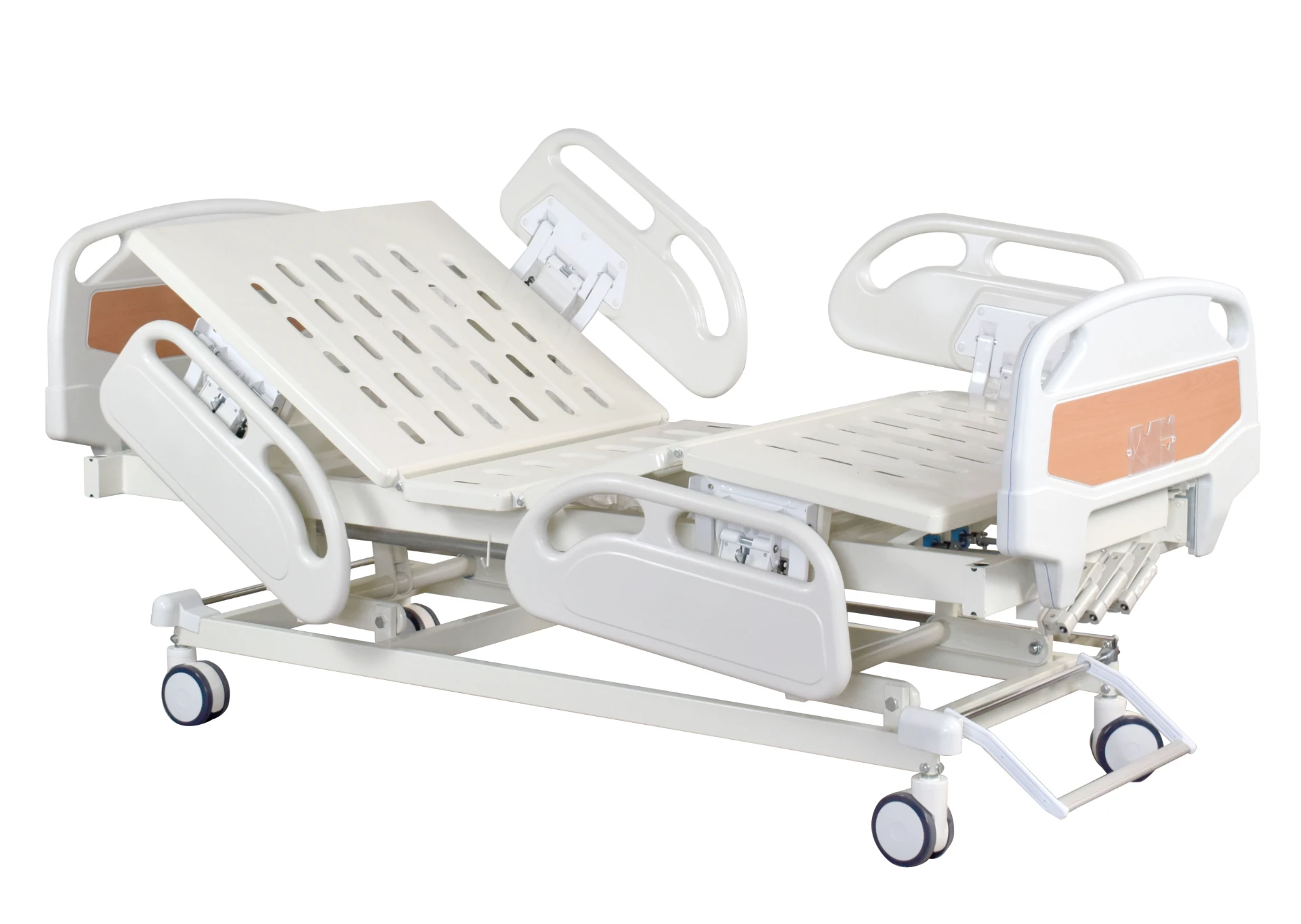
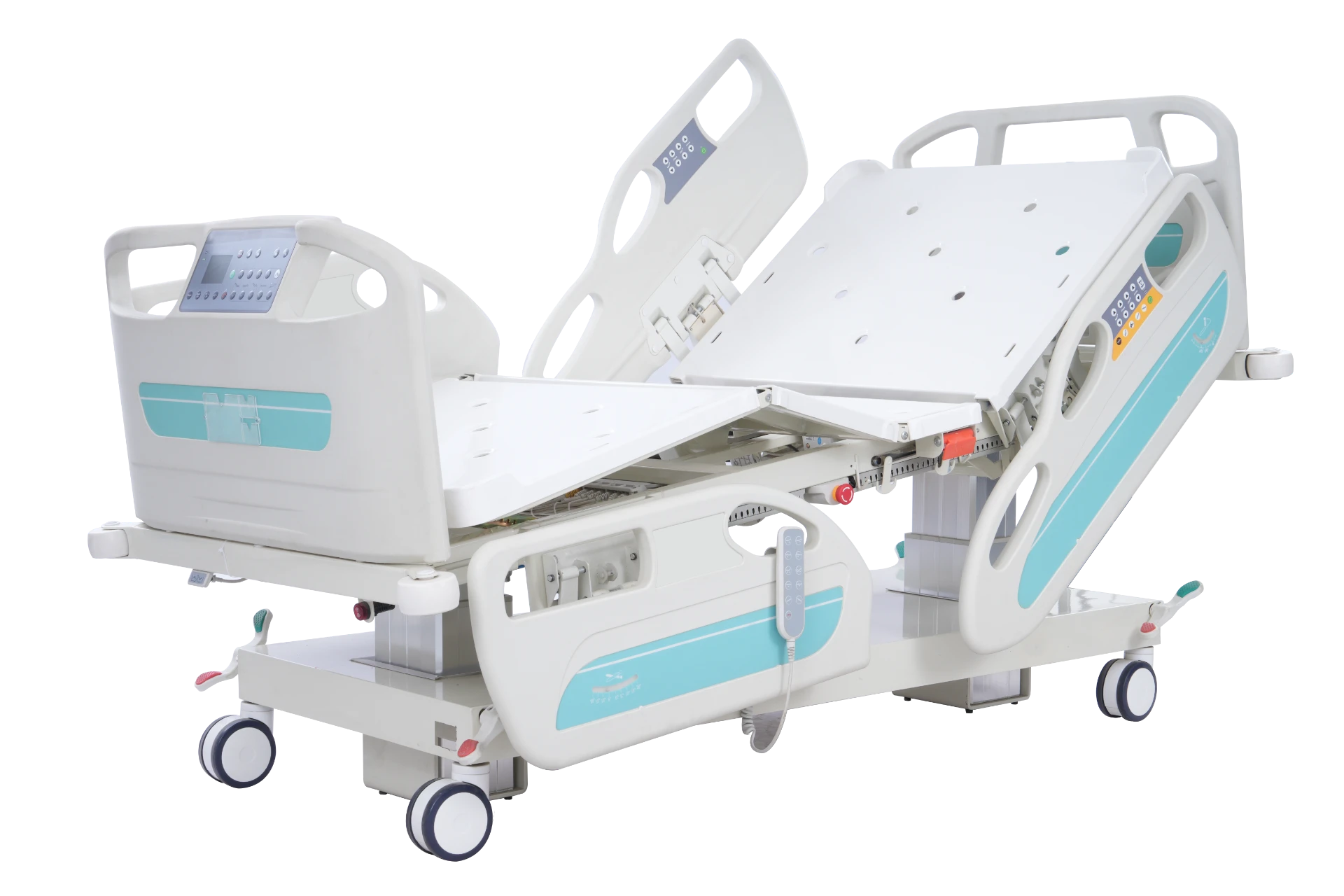
Simply put, a homecare bed is a specially designed bed adapted for medical and therapeutic use in private homes. It typically offers adjustable height, head and foot angles, and some level of portability or modularity to ease patient transfers and caregiving tasks. Far from traditional hospital beds, these are optimized for home use—sized right, quieter in operation, and user-friendly for non-professional caregivers.
Embedded in modern healthcare trends, homecare beds are a testament to how medical technology is democratizing care—bringing functionality once confined to hospitals into the comfort of one’s home.
Essential Features of Homecare Beds
1. Adjustability
This includes raising/lowering the bed, tilting the head or feet sections, and sometimes side rails. Adjustability enhances patient comfort, helps prevent bedsores, and assists caregivers by positioning the patient suitably during care activities.
2. Durability & Materials
Since homecare beds often see daily use, robust construction is key. Steel frames, high-density foam mattresses, and moisture-resistant surfaces are common to withstand wear, infection control, and ease of cleaning.
3. Portability & Size
Many models fold or can be disassembled for moving through tight doorways or for storage. Compact sizing allows a better fit in typical home environments where space is at a premium.
4. Safety Features
Side rails, emergency brakes on wheels, and smooth edge designs reduce risks of falls or injury, protecting vulnerable patients.
5. Cost Efficiency
While prices vary, homecare beds aim to balance affordability with functionality. Insurance coverage and rental options often help alleviate financial burdens for families.
Product Specifications of a Typical Homecare Bed
| Feature | Specification |
|---|---|
| Adjustable Height | 40-80 cm |
| Weight Capacity | Up to 180 kg (400 lbs) |
| Mattress Type | High-density, pressure-relief foam |
| Side Rails | Adjustable, removable |
| Mobility | Lockable caster wheels |
| Power Source | Electric (battery-backed), Manual options |
Global Applications & Use Cases of Homecare Beds
These beds find their place in a wide range of settings: from urban apartments in Western Europe to distant rural homes in Asia and Latin America. For example, in post-disaster relief, NGOs often deploy adjustable beds to enable temporary but dignified care for injured or bedridden individuals. In many industrial zones, homecare beds support workers recovering from injuries without requiring long hospital stays—helping reduce healthcare costs and boost rehabilitation.
Long-term care facilities increasingly incorporate homecare beds to offer more personalized patient experiences, aligning with WHO recommendations on aging and health.
Oddly enough, even in countries with advanced healthcare systems like Japan or Germany, these beds are key to “aging in place” programs, helping seniors retain independence.
Comparing Market Leaders in Homecare Beds
| Brand | Price Range | Key Features | Warranty |
|---|---|---|---|
| ComfortCare Pro | $800 - $1500 | Electric adjustments, pressure-relief mattress | 5 years |
| HomeEase Deluxe | $600 - $1200 | Manual crank, foldable side rails | 3 years |
| SafeRest Mobility | $1000 - $1800 | Battery backup, ergonomic design | 4 years |
Advantages & Long-Term Value of Homecare Beds
Besides obvious physical comfort, these beds represent dignity — providing users the ability to adjust their position independently or with minimal help. I suppose that emotional benefit is often underestimated but it’s key to mental health during recovery.
Logically, they reduce hospitalization duration and lower caregiver strain, which is huge considering global nursing shortages. Maybe even more compelling is evidence linking adjustable beds to fewer wounds from immobility and quicker overall healing (source: WHO).
Financially, investing in a quality homecare bed can cut long-term costs. Patients regain independence faster, meaning less expensive institutional care.
Emerging Trends & Innovations in Homecare Beds
Technology trends aren’t standing still. For instance, integration with IoT sensors to monitor patient movement and vital signs remotely is a growing field. Green materials and recyclable parts are becoming standard, reflecting sustainability goals (ISO 14001 compliance gains traction).
Automation too, with voice or app controls replacing manual switches, offers greater autonomy, especially for users with limited mobility. Oddly enough, miniaturization makes these beds more portable yet packed with features once only seen in hospital ICU units.
Challenges & Forward-Looking Solutions
A persistent issue is balancing affordability with advanced features—many families can’t afford premium beds. Some manufacturers are innovating by offering rental programs or modular upgrade kits that extend product lifetime without a full replacement.
Designing for universal accessibility remains challenging, but ongoing ergonomic studies help make newer models more intuitive and supportive for various disabilities.
FAQ: Frequently Asked Questions About Homecare Beds
- Q: What should I consider when choosing a homecare bed?
A: Focus on adjustability (height, head/foot), mattress quality, safety rails, and weight capacity. Also, consider your home’s space and whether you need electric or manual controls. - Q: Can a homecare bed reduce caregiver fatigue?
A: Absolutely. Features like adjustable height and tilt allow caregivers to work without awkward bending or lifting, reducing strain significantly. - Q: Are homecare beds covered by insurance?
A: Coverage varies by country and provider, but many insurers reimburse rental or purchase costs when prescribed by a physician for long-term care. - Q: How long do homecare beds typically last?
A: With proper care, a well-made bed can last 5 to 10 years. Regular maintenance and using washable, replaceable mattress covers extend lifespan. - Q: Can I customize a homecare bed?
A: Some manufacturers offer customizable features like side rail variations, mattress types, or control options to suit specific patient needs.
Conclusion: Why Investing in a Homecare Bed Matters
In real terms, a homecare bed isn’t just furniture—it’s a gateway to safer, more dignified recovery at home. Whether it’s for elderly care, chronic illness, or temporary convalescence, these beds ease the burden on families and healthcare systems alike. To explore a range of options and trusted solutions, I warmly invite you to visit our website: homecare bed.
Mini takeaway: Homecare beds combine comfort, safety, and innovation—shaping how healthcare meets people in their homes worldwide.
-
Ultimate Guide to Choosing Extra Wide Waiting Room ChairsNewsApr.16,2026
-
Guide to Choosing Professional Waiting Room Chairs Wipeable SeatingNewsApr.09,2026
-
Enhance Your Space with Comfortable Wide Waiting Room ChairsNewsApr.07,2026
-
Selecting the Ideal Brown Waiting Room Chairs for a Welcoming SpaceNewsApr.04,2026
-
Choosing Comfortable Patient Waiting Room Chairs for Healthcare FacilitiesNewsMar.31,2026
-
Finding the Best Deals on Affordable and Cheap Reception Chairs for Your BusinessNewsMar.28,2026
-
Enhance Your Business Reception with Comfortable Blue Reception ChairsNewsMar.26,2026