Welcome to our websites!


Comprehensive Guide to Attendant Bed Price – Features, Trends & Global Impact
Understanding Attendant Bed Price: Why It Matters in Today’s Global Landscape
Let’s take a moment to consider something quite practical, yet hugely impactful—the attendant bed price. On the surface, it might seem like just a number, but screw back a layer and you discover a complex interplay of economics, healthcare needs, technology, and even humanitarian logistics. Globally, the price of attendant beds influences everything from hospital budgeting to disaster relief readiness, especially in areas where rapid deployment of care is non-negotiable.
When we understand the attendant bed price, we’re really tapping into a bigger story about affordability, accessibility, and quality of care worldwide. Whether in a bustling city or a remote village recovering from disaster, the right pricing means the difference between a bed that’s simply there and one that truly supports care providers and patients alike.
Why the World is Watching Attendant Bed Price Closely
In a world increasingly interconnected yet divided by healthcare disparities, the attendant bed price is a surprisingly vital metric. Reports from the United Nations highlight ongoing gaps in medical infrastructure, especially in developing regions. According to WHO (World Health Organization) data from 2023, access to functional hospital beds remains a key indicator of health system robustness, with attendant bed availability and affordability directly influencing patient survival rates.
Yet, it’s not just about numbers. The cost of attendant beds reflects the challenges of material sourcing, manufacturing, transportation, and regulatory compliance across jurisdictions. For instance, global supply chain bottlenecks during the past few years drove prices up, showing us how sensitive this market is to external shocks.
Ultimately, managing and anticipating attendant bed price trends can mean better preparedness for pandemics, natural disasters, or everyday clinical demands worldwide—a challenge every health administrator keenly faces.
So, What Exactly Is Attendant Bed Price?
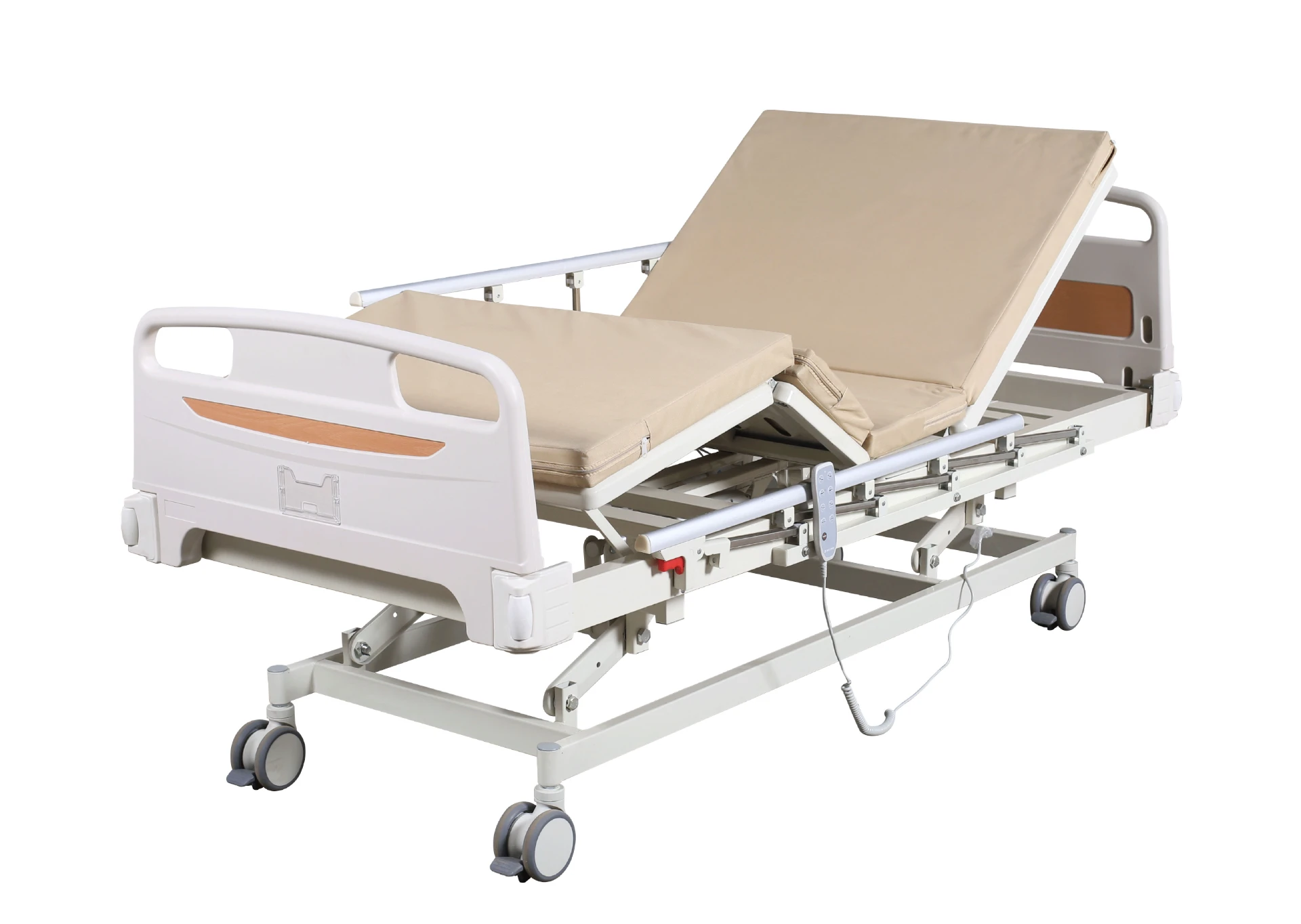
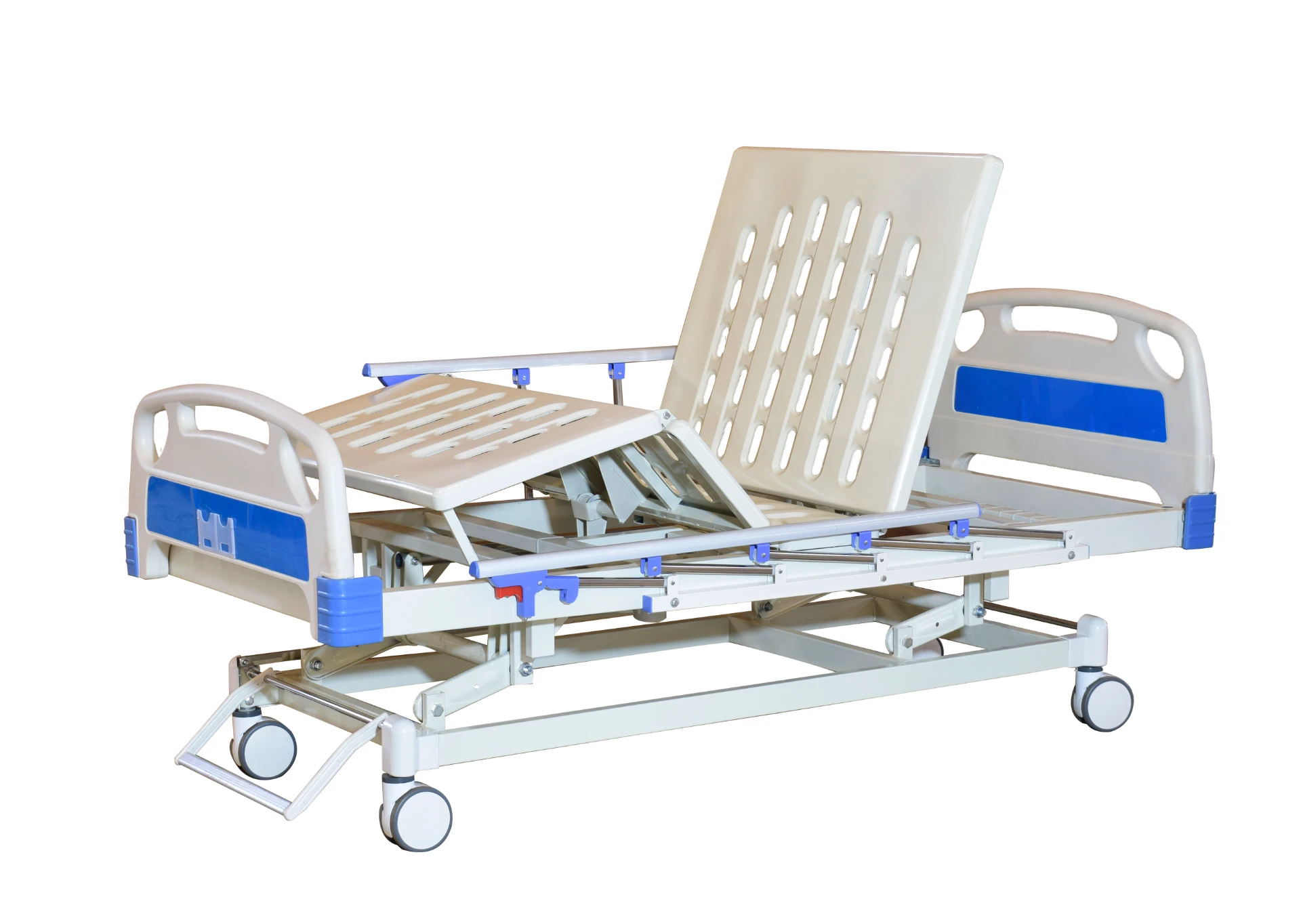
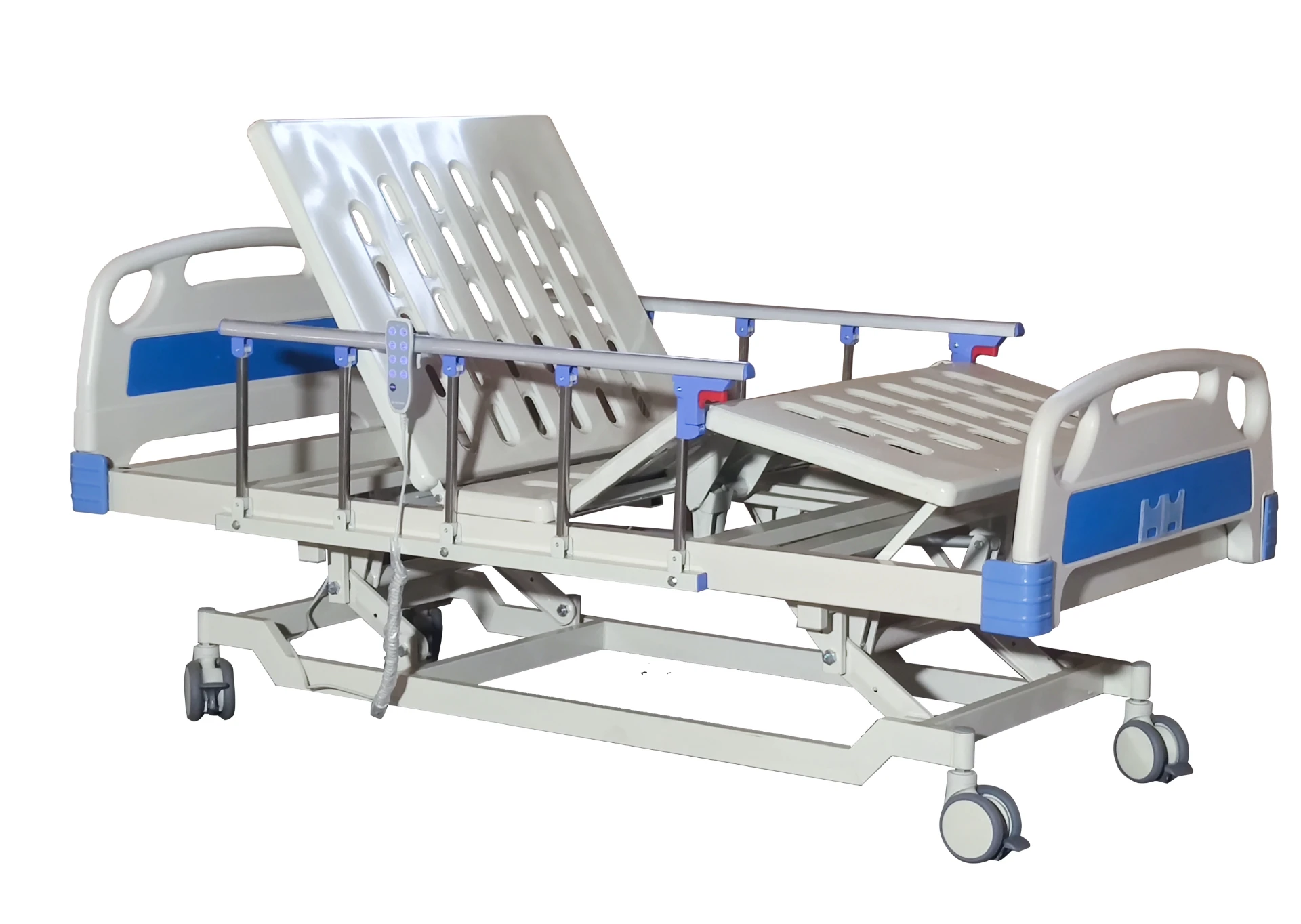
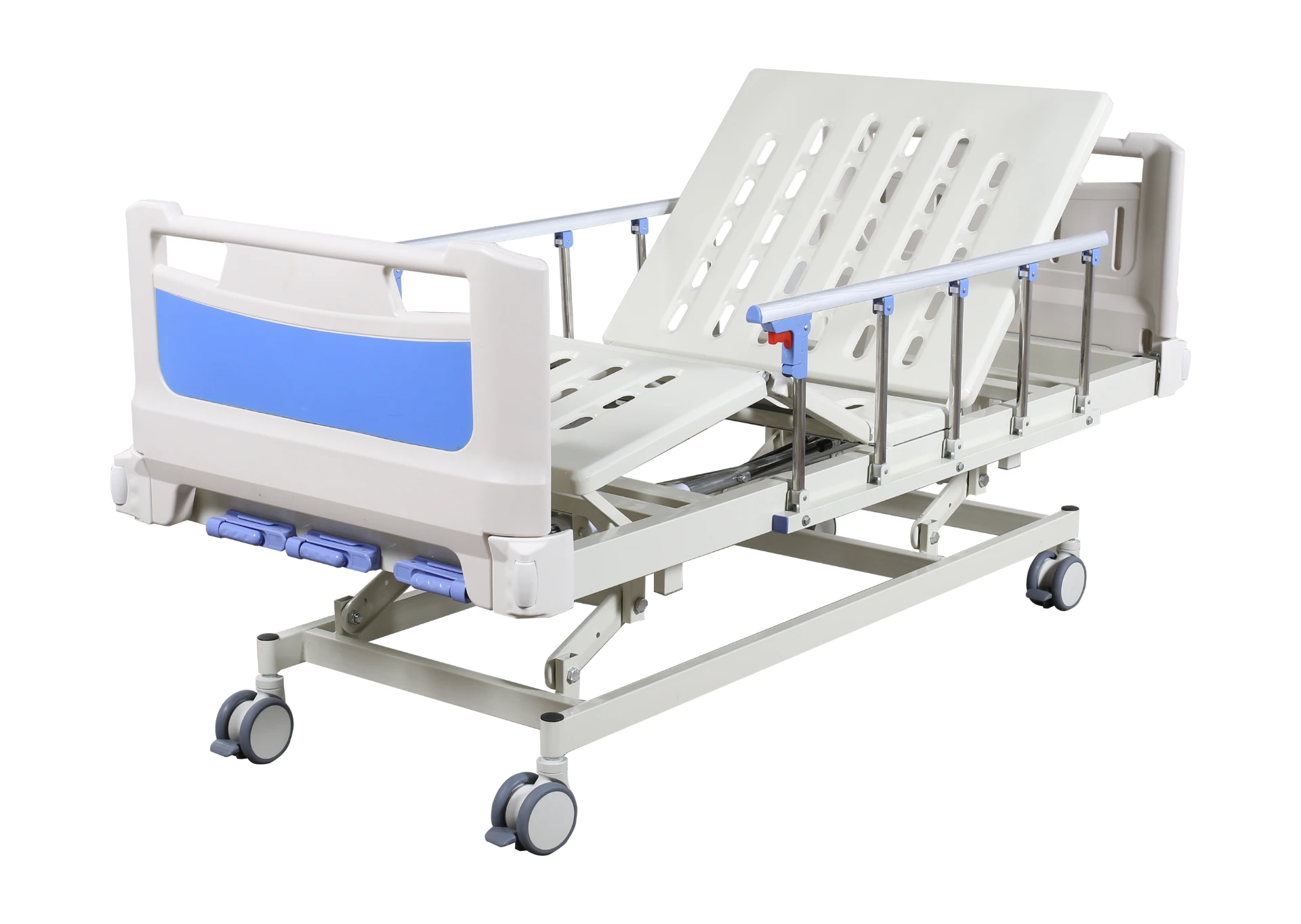
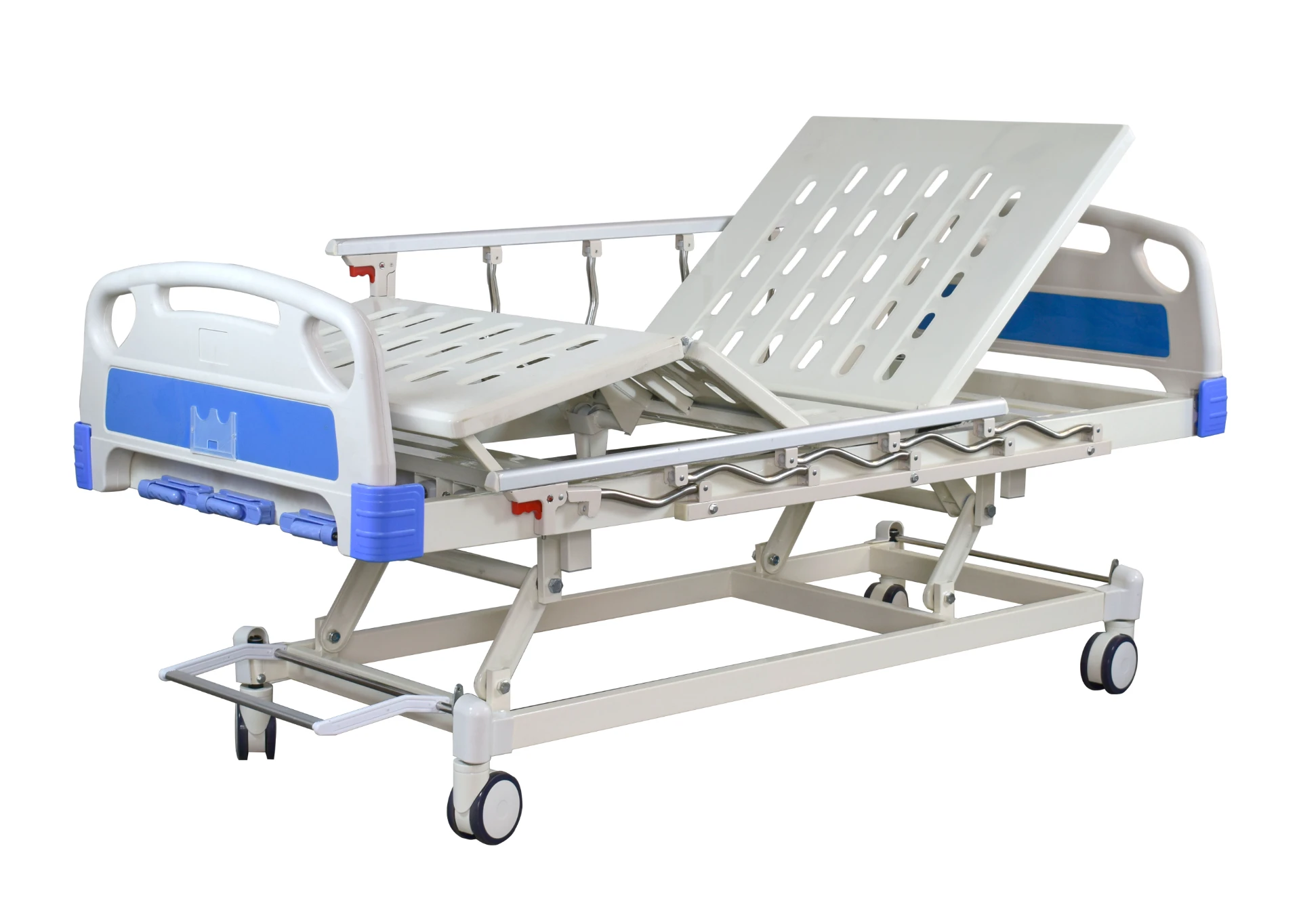
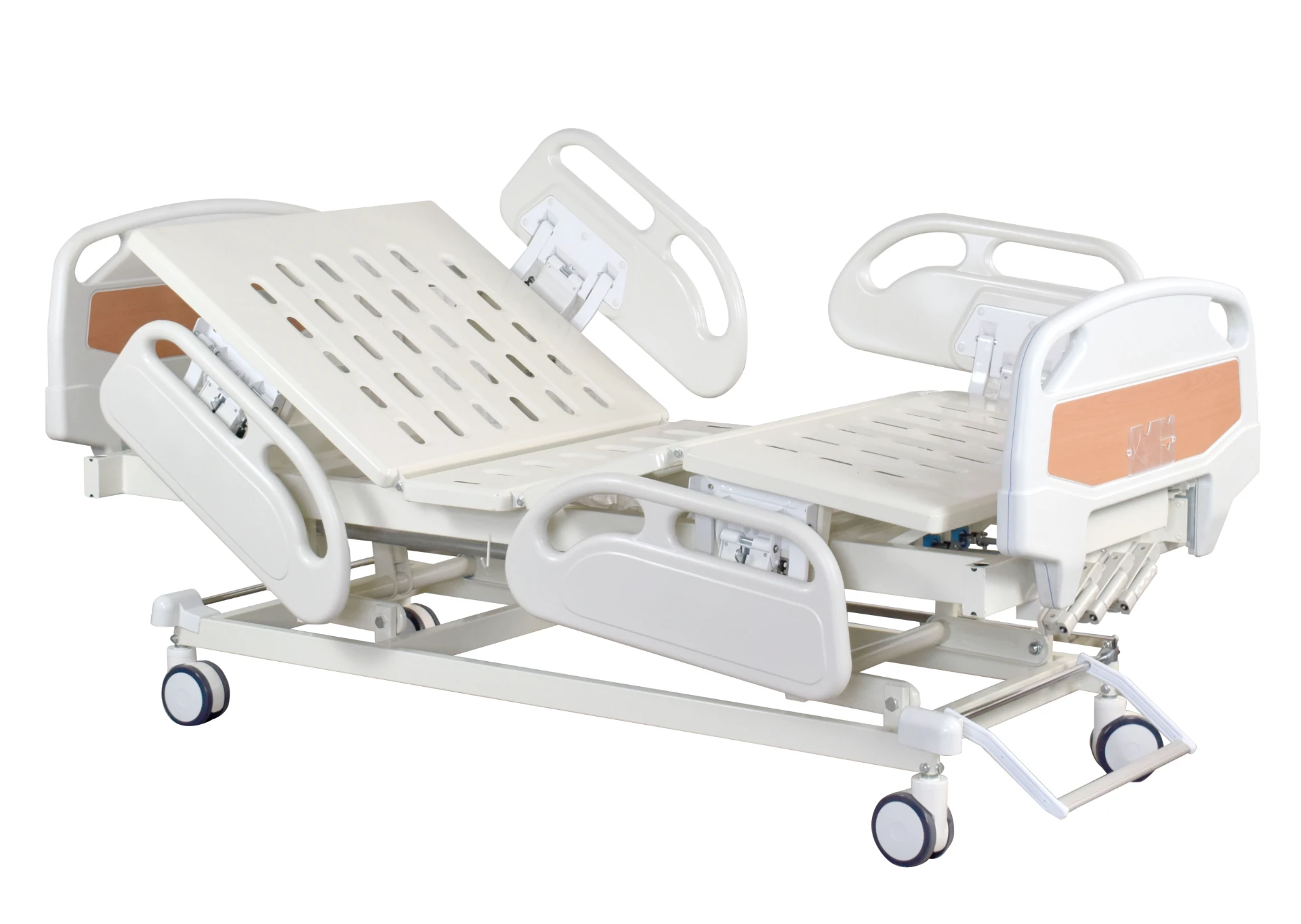
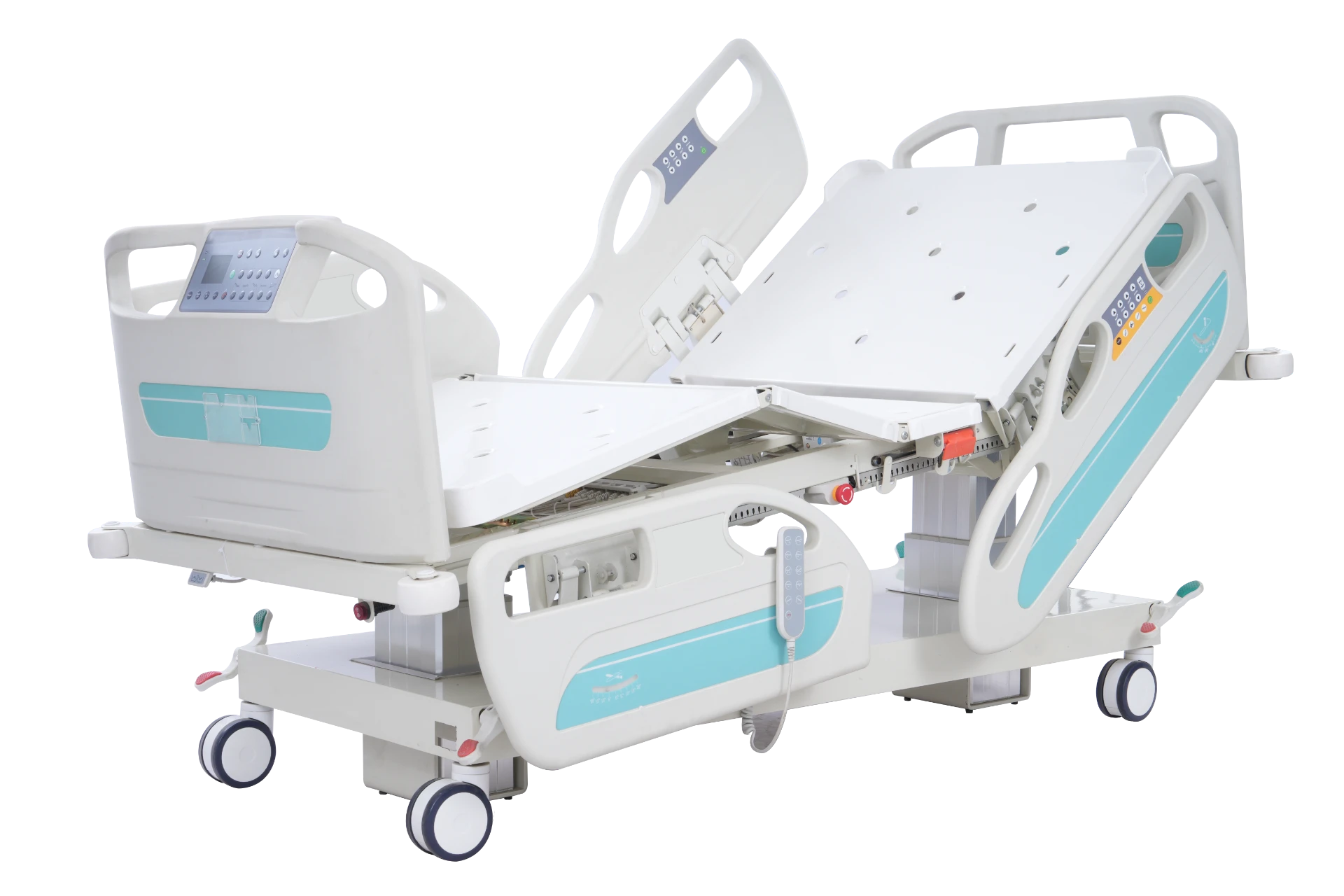
Simply put, attendant bed price is the total cost associated with purchasing and deploying a bed designed for attendants—think nurses, caregivers or even family members assisting patients. These beds often include special features like ergonomic designs, mobility aids, and durable materials designed to support longer stays and intensive care environments.
The price doesn’t just cover the seat or mattress; it’s a reflection of quality, compliance with health standards, and often customization. As healthcare environments evolve—ranging from permanent hospital wards to mobile field units—the attendant bed price becomes a key factor in making these environments functional and humane.
Key Factors Influencing Attendant Bed Price
1. Durability and Material Quality
Most engineers agree that durable steel frames and high-grade cushions increase bed longevity — which frankly translates to higher upfront costs but lower life-cycle expenses. Many beds use antibacterial coatings or fire-retardant fabrics that bump the price but improve safety and hygiene.
2. Design and Comfort Features
Features like adjustable positions, wheels for mobility, or built-in storage add functional value. Plus, ergonomic principles ensure attendants avoid fatigue—essential for long shifts. Such design tweaks naturally impact the attendant bed price.
3. Regulatory Compliance
Every region has its own healthcare and safety certifications—think ISO 13485 or FDA approvals. Complying with these standards raises costs but ensures peace of mind and legal alignment.
4. Production Scale and Customization
Large batches typically mean better prices, while bespoke options increase manufacturing complexity and cost. Some clients prefer modular designs, adding another layer of pricing variation.
5. Shipping and Logistics
Given the bulky nature of beds, freight costs can spike attendant bed prices, especially when delivering to remote or disaster-hit zones.
What Does the Attendant Bed Market Look Like Today? A Quick Specification Overview
| Specification | Description | Typical Range |
|---|---|---|
| Frame Material | Steel Alloy with Anti-corrosion Coating | Carbon Steel or Stainless Steel |
| Adjustability | Multiple Recline Positions and Height Variation | Manual or Electric |
| Load Capacity | Supports Up to 150 kg (330 lbs) | Varies by model |
| Mobility | Lockable Caster Wheels | Yes |
| Price Range | From basic to premium models | $300 - $1,200 USD |
Global Use Cases: Where Attendant Bed Pricing Really Comes into Play
Interestingly, you’ll find attendant beds in some unexpected places—not just big city hospitals. For example:
- Post-disaster relief: Temporary health setups in earthquake zones where rapid assembly and affordability decide deployment speed.
- Rural healthcare: Clinics in remote areas where budgets are tight but patient care standards remain high.
- Industrial zones and offshore rigs: Onsite medical rooms require durable, easy-to-clean beds to manage emergencies efficiently.
- Military field hospitals: Where both ruggedness and quick deployability affect warranty and price permutations.
For example, a recent UN report (2022) on healthcare infrastructure in sub-Saharan Africa emphasized that optimized attendant bed pricing helped scale up care capacity by nearly 25% in target regions.
Benefits That Go Beyond Price Tags
When done right, choosing an attendant bed at the right price can feel like a win-win in healthcare economics. Benefits include:
- Cost efficiency: Lower upfront costs can mean quicker deployment but beware of cheap models that don’t last.
- Sustainability: Durable beds reduce waste and replacement demand, aligning with green healthcare goals.
- Social impact: Affordable prices increase bed availability, improving patient dignity and attendant working conditions.
- Reliability: Trusted brands reduce maintenance headaches and downtime, making life easier for facility managers.
Emotionally, an attendant bed feels more than furniture — it symbolizes quality care, safety, and respect for patients and caregivers alike. In real terms, thoughtful pricing means investing in human dignity.
Looking Ahead: Innovations Shaping the Future of Attendant Beds
Technology marches on, and attendant beds aren’t exempt. Innovations to watch include:
- Smart beds with sensors: Integrated tech to monitor patient vitals and adjust position automatically.
- Sustainable materials: Using recycled plastics and eco-friendly coatings to reduce environmental footprint.
- Modular designs: Customizable parts for easier shipping and on-site assembly.
- Automation and robotics: For bed positioning and cleaning assistance, helping reduce attendant fatigue.
- Digital supply chain tools: Enhancing pricing transparency and order tracking.
These trends hint that attendant bed price future models won’t just reflect materials and labor but smart functionality and green credentials.
Current Challenges and How Industry Tackles Them
It’s not all smooth sailing. The attendant bed market faces hurdles such as:
- Price volatility: Raw material costs fluctuate, making budgeting tricky.
- Customization delays: Tailoring beds to specific needs can slow delivery and ramp costs.
- Regulatory complexity: Navigating divergent certification landscapes is time-consuming.
- Logistics bottleneck: Distributing bulky beds, especially to remote areas.
Innovative solutions include bulk purchasing consortia, modular shipping crates, and direct manufacturer partnerships, helping smooth out these bumps.
Vendor Comparison: At a Glance
| Vendor | Price Range (USD) | Customization | Warranty | Delivery Time |
|---|---|---|---|---|
| CNBoxin Healthcare | $400 - $1,100 | High (Modular Options) | 5 Years | 2-4 Weeks |
| Medicraft Solutions | $350 - $950 | Medium | 3 Years | 3-5 Weeks |
| Global Med Beds | $300 - $1,200 | Low | 2 Years | 3-6 Weeks |
Frequently Asked Questions About Attendant Bed Price
Q1: What factors most affect the pricing of attendant beds?
A1: The major factors include the quality of materials, ergonomic features, compliance with health regulations, customization level, and shipping logistics. All these combine to determine the final attendant bed price.
Q2: How can hospitals balance cost with quality when selecting beds?
A2: It's important to evaluate the total cost of ownership, not just upfront price. Durable materials and proper warranties can reduce costs over time by lowering maintenance and replacement frequency.
Q3: Are there eco-friendly attendant beds available, and do they cost more?
A3: Yes, many manufacturers offer beds made from sustainable materials. While initial prices might be slightly higher, these options often lead to long-term savings and environmental benefits.
Q4: How quickly can attendant beds be shipped to remote locations?
A4: Shipping times vary, but modular designs and efficient logistics can reduce delivery to 2–4 weeks even in challenging environments.
Q5: Can attendant beds be customized to specific healthcare environments?
A5: Absolutely, many providers offer customization options—from size and weight capacity to mobility features—to match diverse healthcare settings.
Wrapping Up: Why Keeping an Eye on Attendant Bed Price is a Smart Move
Looking back, the attendant bed price isn’t just a line item—it tells a story about healthcare quality, resource management, and innovation globally. Getting it right means improving patient dignity and supporting those who care for them, whether in major hospitals or remote clinics.
If this got you thinking about your facility’s needs, attendant bed price insights and tailored solutions await. By embracing the right mix of durability, compliance, and affordability, your next bed can truly be an investment in human care.
References:
1. World Health Organization, Global Health Observatory (2023) – Hospital Bed Density
2. United Nations Development Programme, Healthcare Infrastructure Report (2022)
3. ISO 13485 Medical Devices Standard (Latest Edition)
-
Ultimate Guide to Choosing Extra Wide Waiting Room ChairsNewsApr.16,2026
-
Guide to Choosing Professional Waiting Room Chairs Wipeable SeatingNewsApr.09,2026
-
Enhance Your Space with Comfortable Wide Waiting Room ChairsNewsApr.07,2026
-
Selecting the Ideal Brown Waiting Room Chairs for a Welcoming SpaceNewsApr.04,2026
-
Choosing Comfortable Patient Waiting Room Chairs for Healthcare FacilitiesNewsMar.31,2026
-
Finding the Best Deals on Affordable and Cheap Reception Chairs for Your BusinessNewsMar.28,2026
-
Enhance Your Business Reception with Comfortable Blue Reception ChairsNewsMar.26,2026