Welcome to our websites!


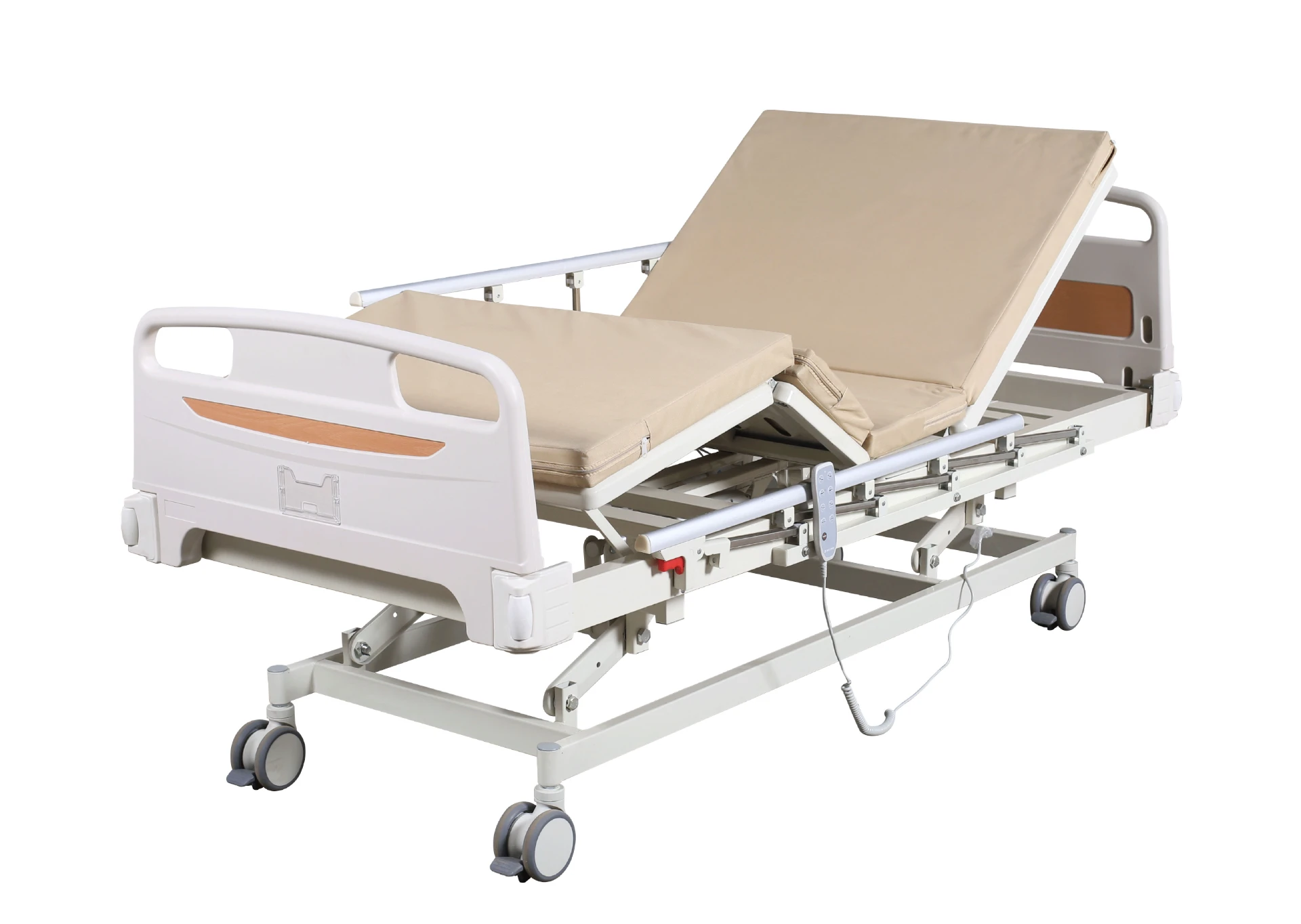
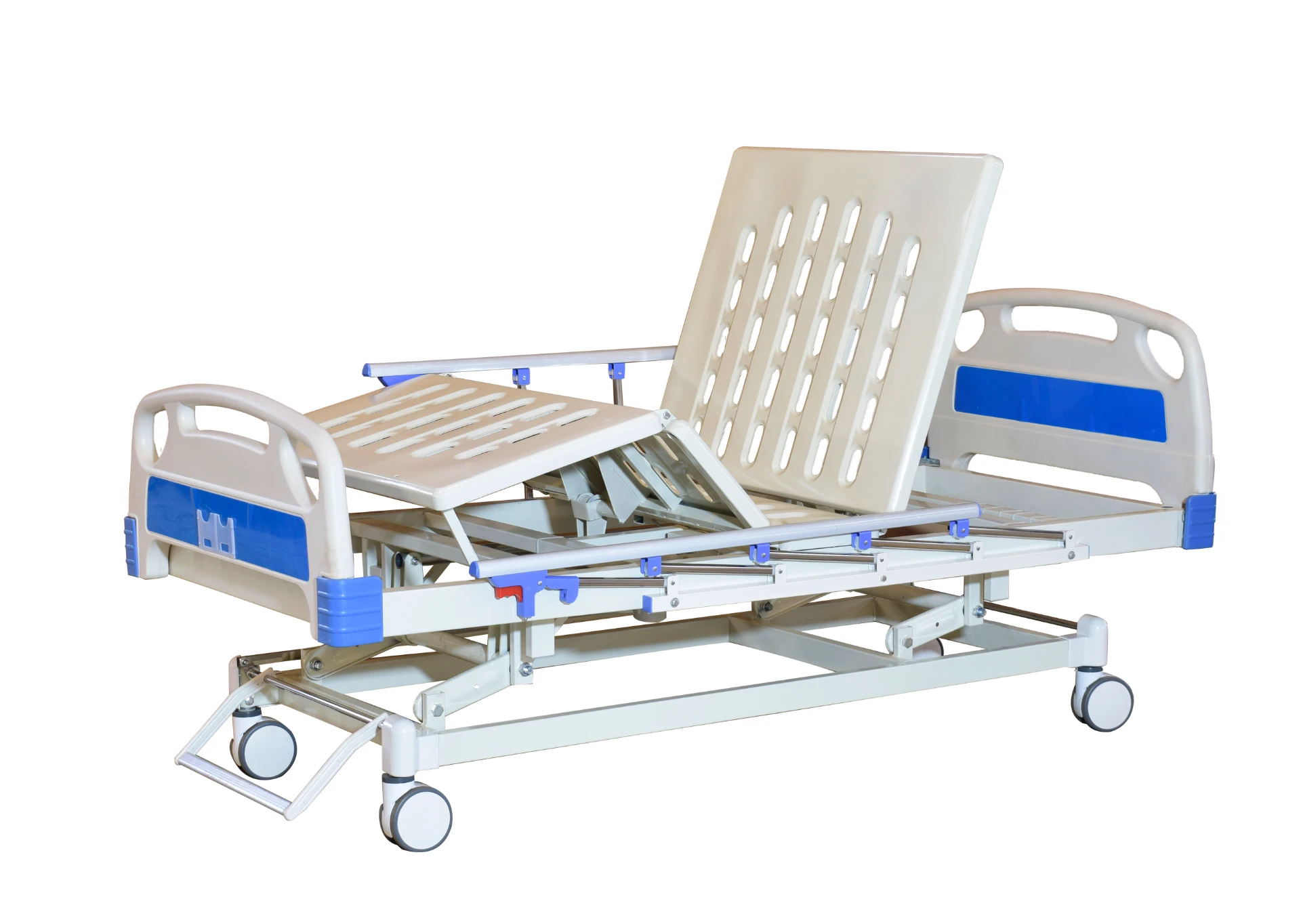
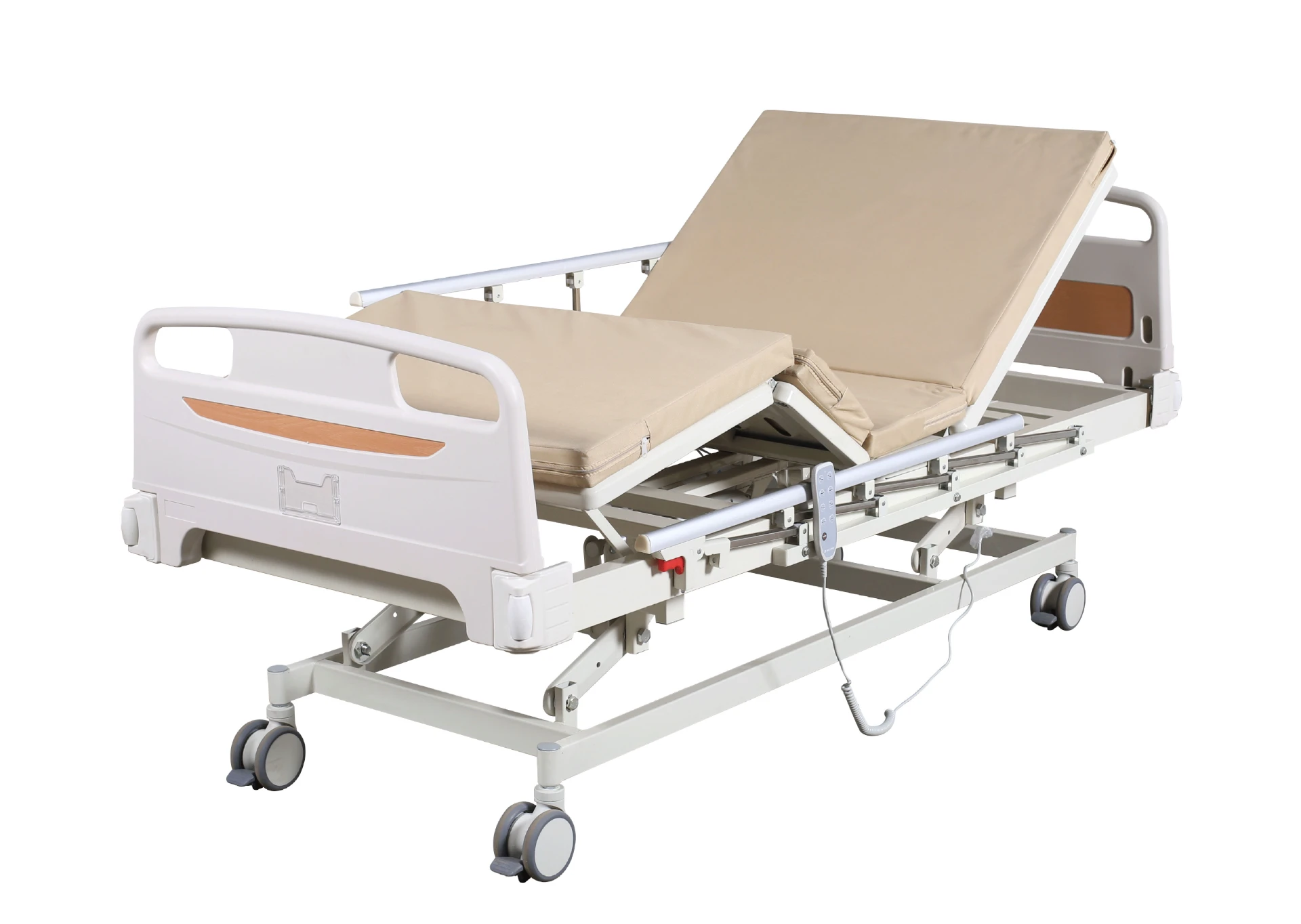
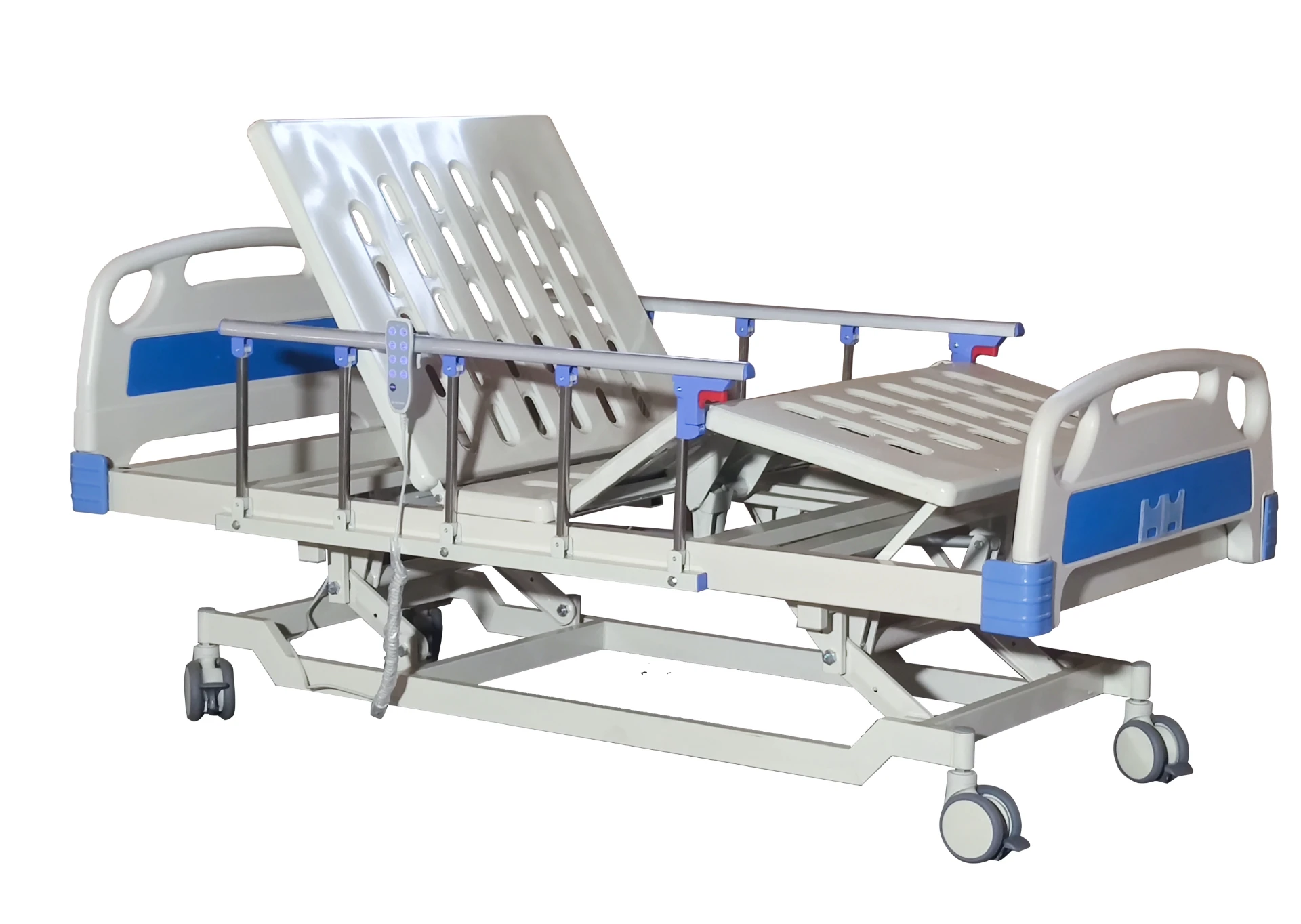
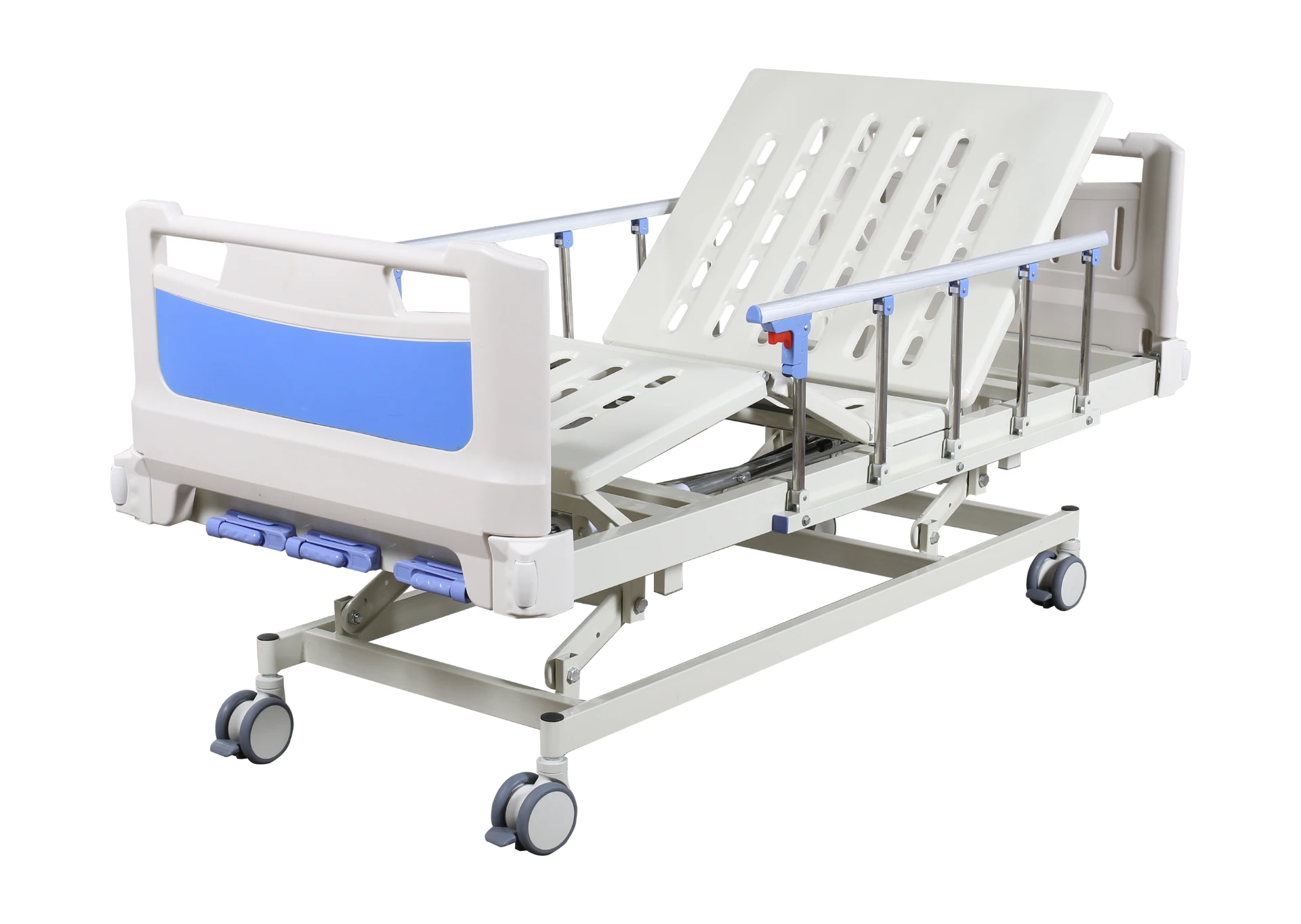
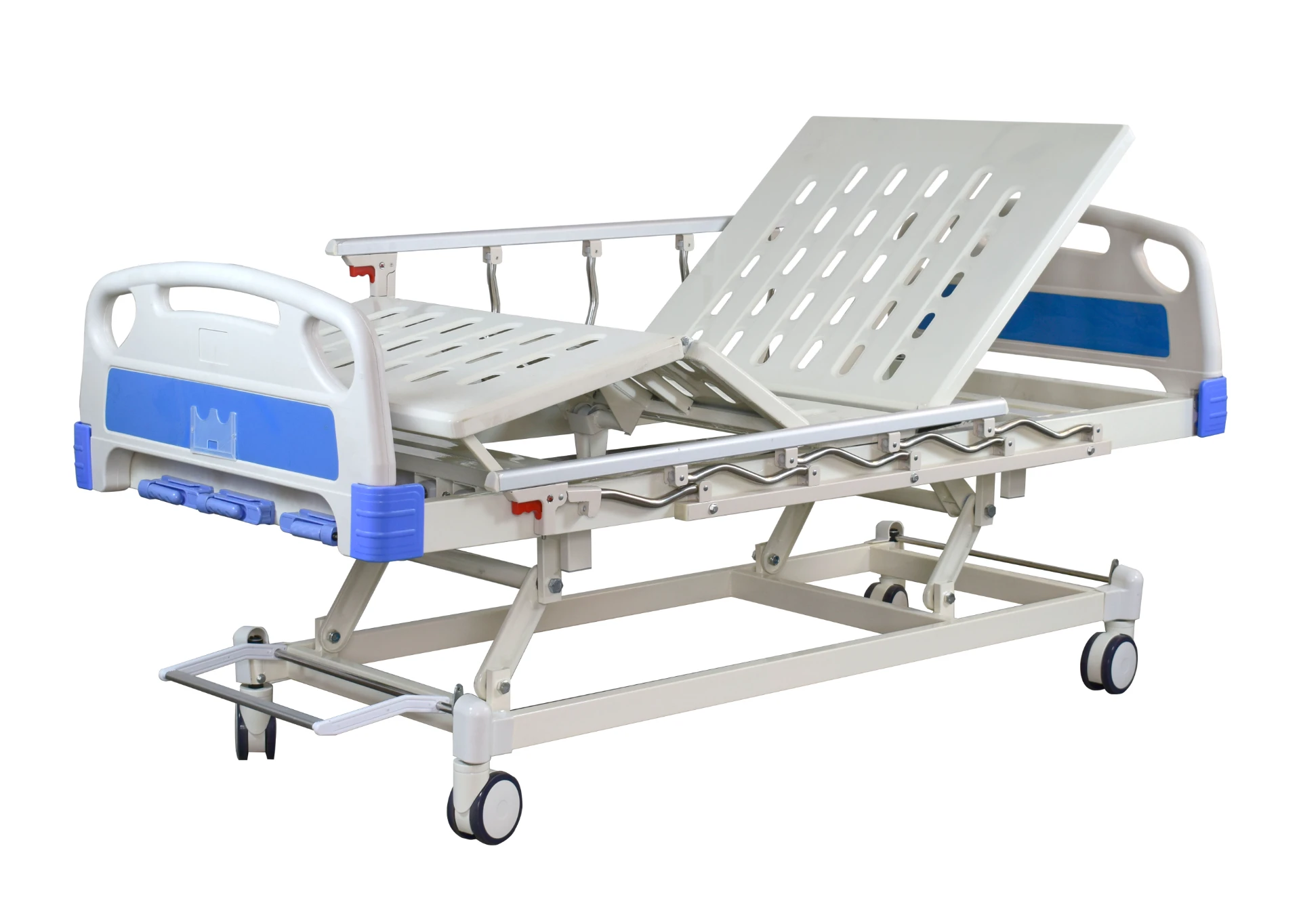
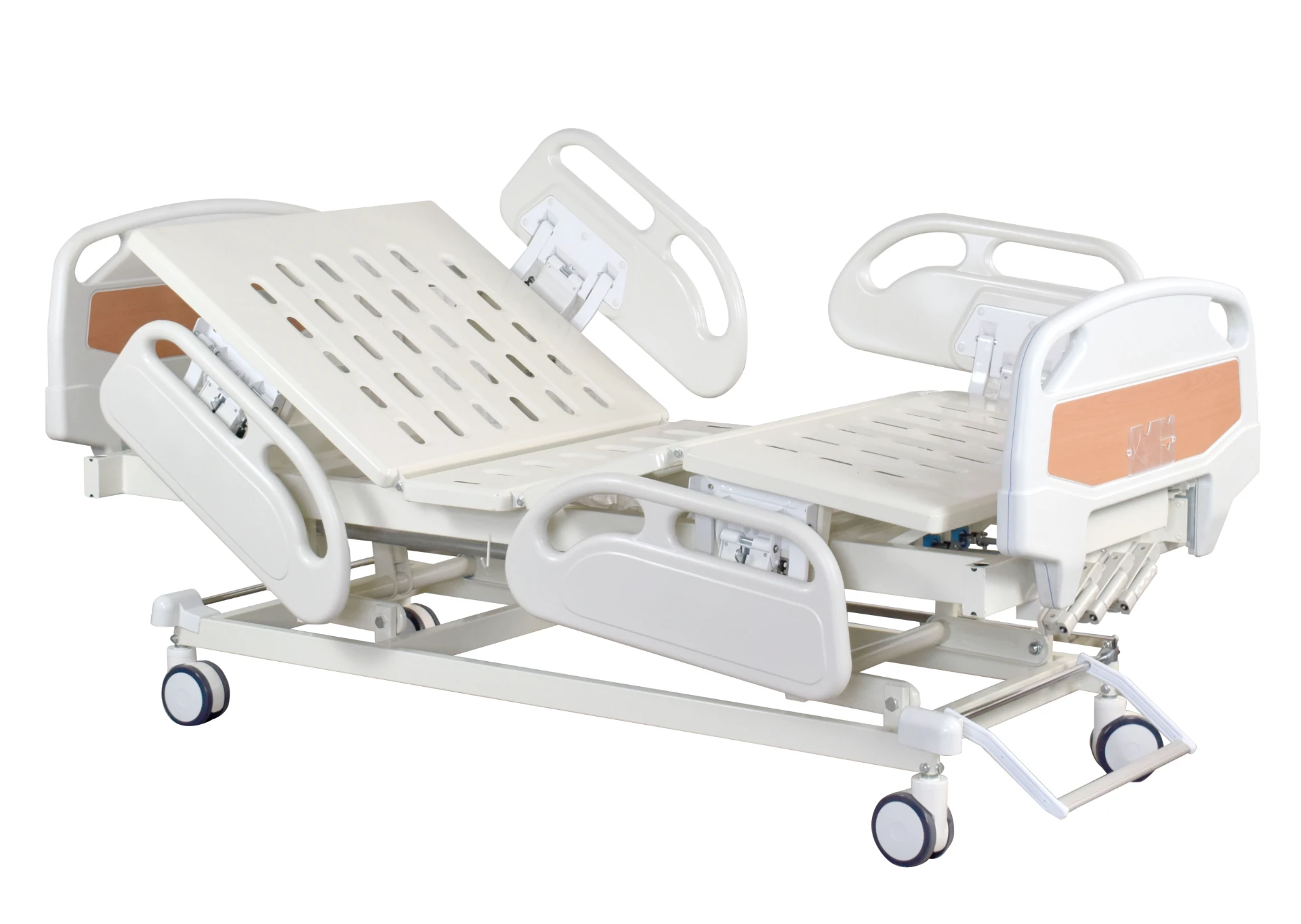
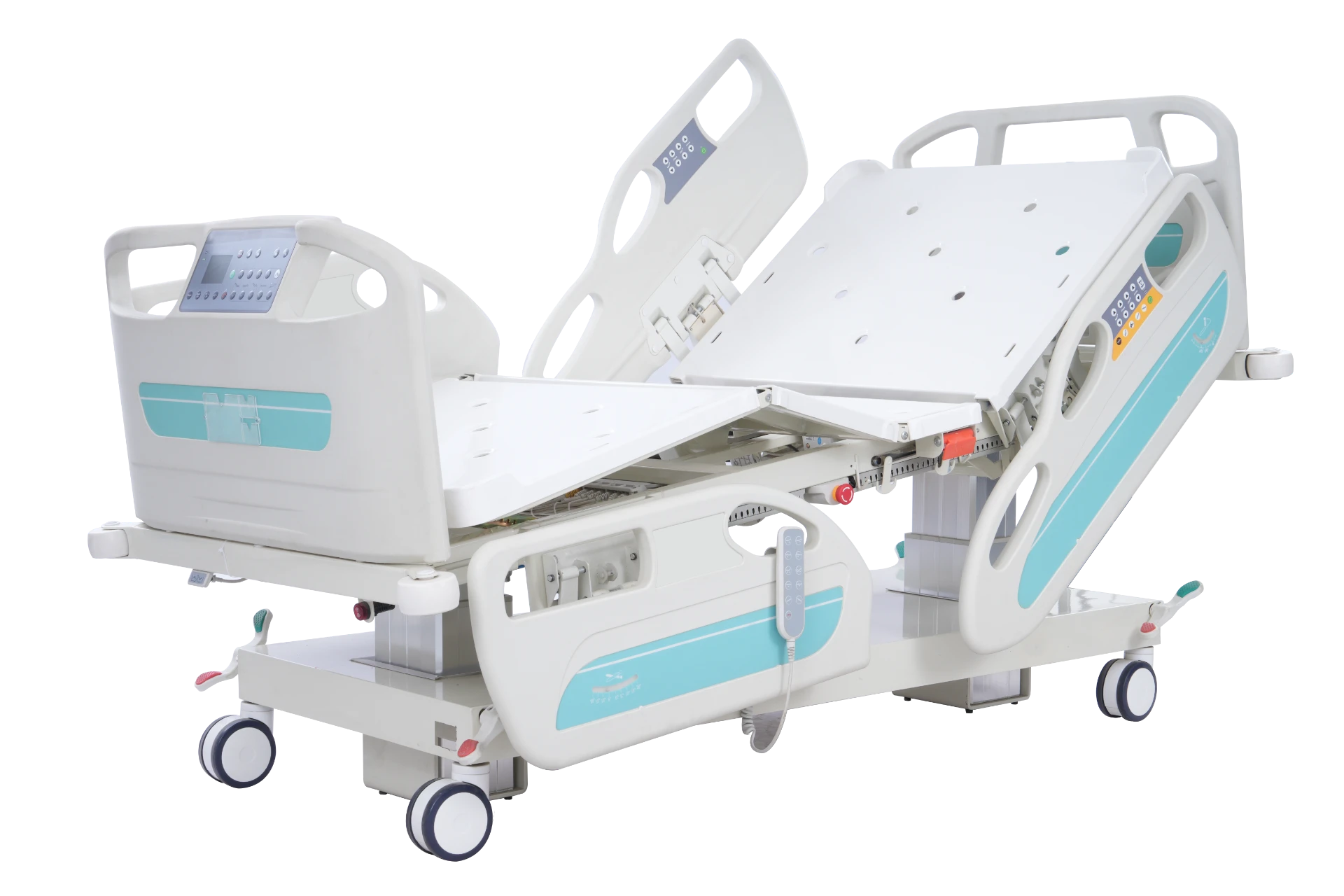
Comfortable Hospital Beds: Adjustable, Supportive Patient Care
In the global landscape of rehabilitation, prevention, inclusion, and care, few events command as much attention and respect as Rehacare International. This premier trade fair, held annually in Düsseldorf, Germany, serves as an unparalleled melting pot for innovation, a vibrant marketplace for groundbreaking technologies, and a crucial platform for forging international partnerships in assistive technologies and medical recovery equipment. For B2B decision-makers in the medical device industry, Rehacare isn't just an exhibition; it's a strategic imperative, offering a panoramic view of the future of patient care, mobility, and independent living. It's where the next generation of comfortable hospital beds, adjustable hospital chairs, and sophisticated rehabilitation solutions are unveiled, setting benchmarks for quality, functionality, and user experience.
Industry Trend Spotlight: The Evolution of Medical Recovery Equipment
The medical recovery equipment market is undergoing a profound transformation, driven by an confluence of demographic shifts, technological advancements, and evolving patient expectations. One of the most significant trends gaining global traction is the increasing demand for smart, connected recovery devices. We're talking about IoT-enabled wheelchairs that monitor vitals, patient monitors offering real-time data to caregivers, and adjustable hospital beds that intuitively adapt to patient needs. These intelligent solutions promise not only enhanced patient safety and comfort but also invaluable data for personalized care plans.
Beyond connectivity, the market is clamoring for personalized and modular equipment. No two patients are alike, and their recovery journeys demand adaptable solutions. This extends to highly configurable adjustable hospital chairs that can be tailored for various therapeutic needs, and modular designs that allow for easy upgrades or modifications. Lightweight and portable designs are also paramount, achieved through the innovative use of advanced materials like aerospace-grade aluminum and carbon fiber composites. This focus on portability is especially critical as healthcare increasingly shifts from institutional settings to home-care environments, where solutions optimized for independent living are paramount. Imagine a portable hospital table that can be easily maneuvered by patients themselves, or a lightweight commode chair that facilitates dignified self-care.
The market data reinforces this trajectory: The global medical recovery equipment market is projected for robust growth, driven by an aging population, rising prevalence of chronic conditions, increased focus on home healthcare, and continuous technological advancements. Analysts anticipate a Compound Annual Growth Rate (CAGR) of 6-8% over the next five years, with significant opportunities emerging in assistive technology and digital rehabilitation solutions. This growth isn't just about volume; it's about sophistication. Emerging focus areas include advanced mobility solutions that empower users with greater independence, seamless digital health integration for rehabilitation programs, comprehensive home care enablement platforms, the development of assistive robotics to aid daily tasks, and technologies explicitly designed to support independent living for an aging population and individuals with disabilities. These innovations are reshaping how we approach care, making devices like a modern dressing table hospital setup an integral part of a holistic recovery environment.
Profiles of Leading Manufacturers Driving Innovation
Rehacare International consistently shines a spotlight on the companies that are pushing the boundaries of what's possible in medical device manufacturing. Among the global leaders and innovative players, Chinese manufacturers have carved out a significant niche, demonstrating both high-volume capacity and a rapidly advancing commitment to quality and innovation.
Hebei Boxin Recovery Equipment Co.,Ltd.
A standout in the Chinese medical recovery equipment sector is Hebei Boxin Recovery Equipment Co.,Ltd. This manufacturer exemplifies the blend of strategic R&D and robust production that defines China's contribution to the global market. Hebei Boxin boasts strong in-house R&D capabilities, consistently innovating to meet the evolving demands for patient comfort and caregiver efficiency. Their commitment to global standards is evident through comprehensive product certifications, including CE, FDA, and ISO13485, ensuring their products meet rigorous international safety and quality benchmarks.
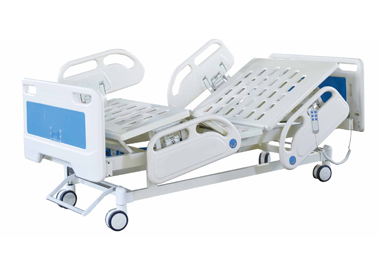
Hebei Boxin's broad portfolio of medical recovery equipment includes state-of-the-art comfortable hospital beds, advanced adjustable hospital chairs, various mobility aids, and other essential patient care solutions. Their offerings are designed with both durability and user-centric functionality in mind, addressing the core needs of hospitals, clinics, and home care environments. For instance, their Two-Function Hospital Bed for Seniors (EII-01) is a prime example of their dedication to combining ease of use with robust support, making it an ideal adjustable hospital bed for long-term care facilities and home use.
With an established global export network, Hebei Boxin has proven its ability to serve international markets effectively. Their high-volume manufacturing capacity, backed by modern production lines and stringent quality control, positions them as a reliable partner for B2B buyers seeking scalable and consistent supply.
Other Global Leaders at Rehacare
- Invacare Corporation: A global leader in medical equipment, offering a vast array of home and long-term care products, including mobility devices, respiratory products, and assistive technology.
- Sunrise Medical: Renowned for its manual and power wheelchairs, scooters, and seating and positioning systems, focusing on enhancing mobility and independence.
- Ottobock: A German powerhouse, celebrated for its advanced prosthetics, orthotics, and highly sophisticated mobility solutions, including high-tech wheelchairs and rehabilitation devices.
- Arjo: Specializes in solutions for patient handling, hygiene, disinfection, and early mobility, providing essential tools for safer and more efficient care environments, including specialized comfortable hospital beds.
- Permobil: A Swedish company at the forefront of power wheelchairs, manual wheelchairs, and cushions and backrests, known for their focus on personalized fit and advanced technology.
- Yuwell Medical: Another significant Chinese player, offering a diverse range of medical equipment including respiratory products, blood pressure monitors, and a variety of rehabilitation and homecare products.
Market Outlook & Emerging Opportunities for Buyers
For B2B buyers, understanding the trajectory of the medical device market is key to strategic procurement and long-term growth. Upcoming trends underscore a shift towards more integrated and technologically advanced solutions. Buyer demand is increasingly focused on devices that not only perform their primary function but also offer data analytics, remote monitoring capabilities, and interoperability with existing healthcare IT systems. This applies to everything from sophisticated adjustable hospital beds that track patient movement and sleep patterns, to adjustable hospital chairs equipped with pressure sensors to prevent decubitus ulcers.
Significant opportunities lie in the embrace of automation and smart manufacturing. Manufacturers who leverage AI, robotics, and advanced analytics in their production processes can offer higher quality, more customized products at competitive prices. This not only streamlines the supply chain but also ensures consistent excellence in critical medical devices. Furthermore, sustainability is rapidly becoming a non-negotiable factor. Buyers are seeking partners who prioritize eco-friendly materials, energy-efficient production, and devices with extended lifecycles and easy recyclability. This holistic approach to product development, from raw material sourcing to end-of-life considerations, is a strong differentiator in today's market. Devices like a durable, yet easily disassembled portable hospital table made from recycled polymers are becoming increasingly attractive.
The market is also ripe for innovation in assistive robotics for rehabilitation and daily living, virtual and augmented reality solutions for therapy, and advanced sensor technologies for proactive care. The demand for modular systems that can adapt to a patient's evolving needs, reducing the need for complete replacements, also presents a lucrative niche. This includes multi-functional equipment, such as a dressing table hospital setup that cleverly integrates storage, lighting, and adjustable surfaces to support various patient activities.
Buyer/Business Takeaways: Navigating the Future of Medical Devices
For B2B decision-makers, investing in cutting-edge medical devices, particularly those for recovery and rehabilitation, isn't just a cost; it's a strategic investment in patient outcomes, operational efficiency, and future readiness. The reasons are compelling:
- Enhanced Patient Care: Modern devices like smart comfortable hospital beds and ergonomic adjustable hospital chairs significantly improve patient comfort, reduce recovery times, and minimize complications.
- Operational Efficiency: Automated features and data integration streamline workflows for caregivers, freeing up valuable time and reducing manual effort.
- Cost-Effectiveness: While initial investment might be higher, durable, high-quality equipment with advanced features can lead to lower long-term maintenance costs, fewer replacements, and improved patient throughput.
- Competitive Advantage: Equipping facilities with the latest technology positions providers as leaders in patient care, attracting more patients and top-tier staff.
Tips for Adopting or Partnering with Chinese Manufacturers
- Prioritize Certifications: Always verify that manufacturers hold relevant international certifications like CE, FDA, and ISO13485. This is non-negotiable for quality and compliance.
- Assess R&D Capabilities: Look for manufacturers with strong in-house R&D. This indicates a commitment to innovation and the ability to adapt to future market demands, ensuring you have access to the latest generation of adjustable hospital beds and rehabilitation tech.
- Visit Facilities (if possible): Gaining first-hand insight into production lines, quality control processes, and manufacturing capacity can provide immense confidence.
- Check Global Footprint: A manufacturer with an established global export network demonstrates experience in international logistics, customs, and after-sales support.
- Focus on Customization and Support: Discuss possibilities for customization (e.g., specific features for an adjustable hospital chair) and robust after-sales service.
Future-Proof Strategies
To truly future-proof your procurement strategies, consider the following:
- Embrace Digital Integration: Prioritize devices that can integrate with digital health platforms for seamless data flow and remote patient management.
- Invest in Modularity: Opt for equipment that allows for upgrades and modifications, extending its lifespan and adaptability to future needs. This could apply to a dressing table hospital that can be reconfigured for different patient requirements.
- Sustainability as a Core Criterion: Partner with manufacturers committed to sustainable practices and eco-friendly product designs.
- Focus on User Experience: Devices that are intuitive for both patients and caregivers will see higher adoption and better outcomes.
- Diversify Supply Chains: While partnering with leading Chinese manufacturers offers immense benefits, a diversified supply strategy can mitigate risks and enhance resilience.
Conclusion: Rehacare's Enduring Impact
Rehacare International remains the definitive compass for the global medical device market, particularly for rehabilitation and recovery equipment. It's a place where the pulse of innovation is felt, where B2B partnerships are forged, and where the future of care begins to take shape. The presence and impact of Chinese manufacturers like Hebei Boxin Recovery Equipment Co.,Ltd. underscore a pivotal shift in the global supply chain, demonstrating a commitment to quality, technological advancement, and a scalable manufacturing prowess that meets international demand for everything from comfortable hospital beds to sophisticated mobility solutions.
For B2B decision-makers, keeping an eye on these trends and understanding the capabilities of leading manufacturers is crucial for making informed purchasing decisions that will not only improve patient outcomes but also drive the long-term success and resilience of their organizations. The evolving landscape of medical recovery equipment promises a future of greater independence, enhanced comfort, and more integrated care.
Ready to explore innovative medical recovery solutions?
Visit Hebei Boxin Recovery Equipment Co.,Ltd. to Learn More-
Ultimate Guide to Choosing Extra Wide Waiting Room ChairsNewsApr.16,2026
-
Guide to Choosing Professional Waiting Room Chairs Wipeable SeatingNewsApr.09,2026
-
Enhance Your Space with Comfortable Wide Waiting Room ChairsNewsApr.07,2026
-
Selecting the Ideal Brown Waiting Room Chairs for a Welcoming SpaceNewsApr.04,2026
-
Choosing Comfortable Patient Waiting Room Chairs for Healthcare FacilitiesNewsMar.31,2026
-
Finding the Best Deals on Affordable and Cheap Reception Chairs for Your BusinessNewsMar.28,2026
-
Enhance Your Business Reception with Comfortable Blue Reception ChairsNewsMar.26,2026