Welcome to our websites!


Choosing the Right Mattress for Adjustable Hospital Beds
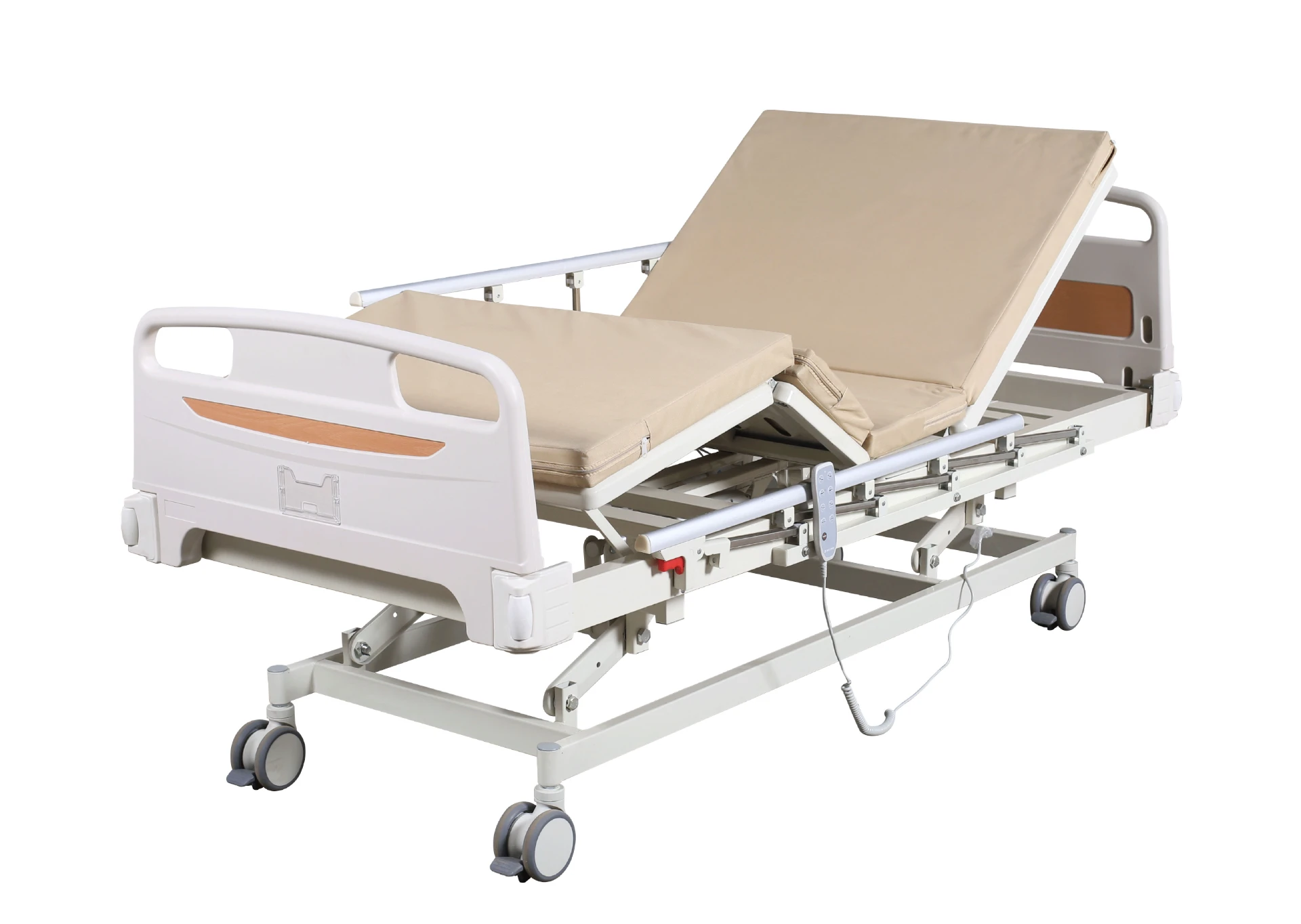
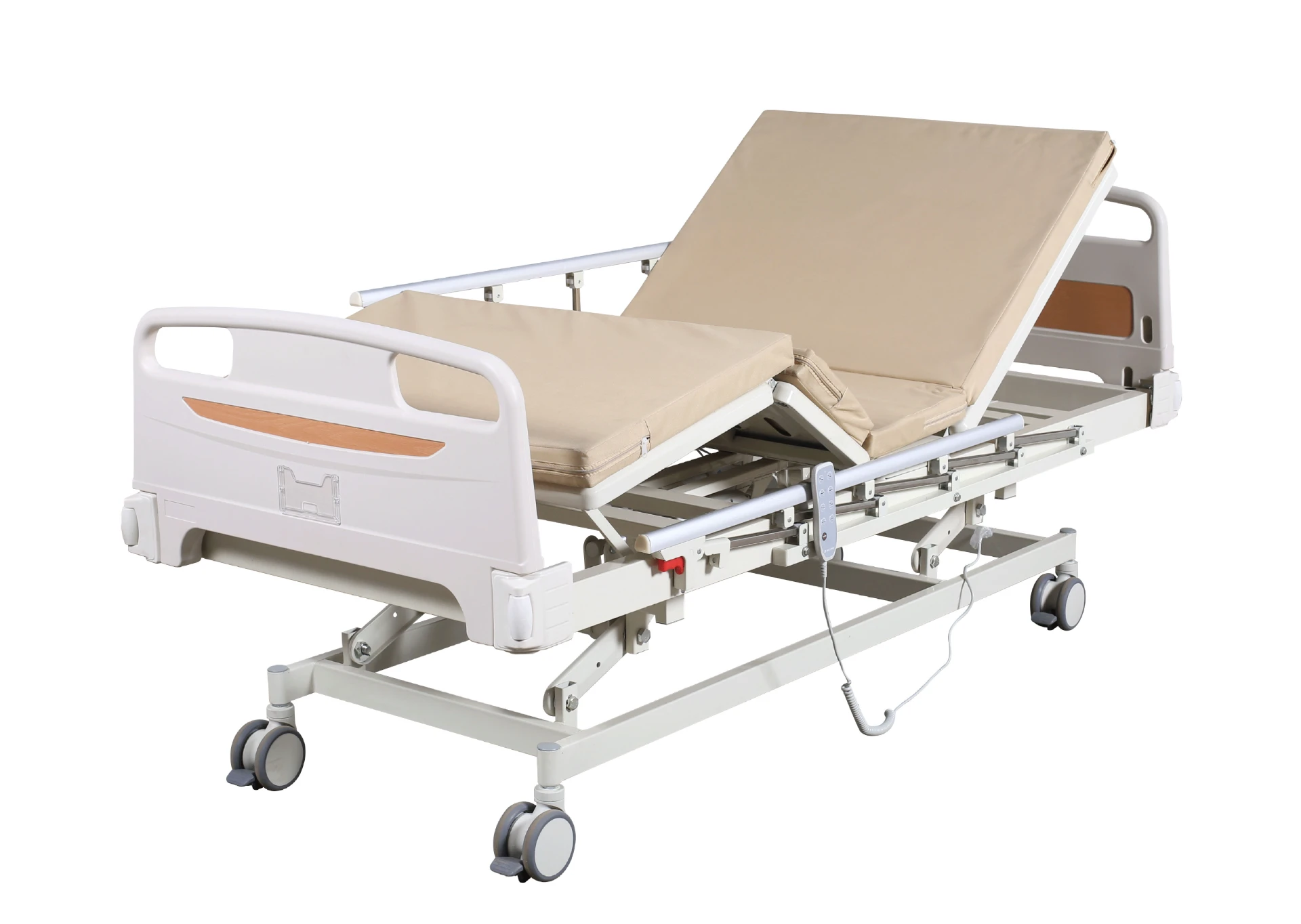
Mattress for Adjustable Hospital Bed: What You Should Know
Having spent over a decade in the industrial equipment sector—mainly focusing on healthcare products—I've seen a vast array of patient care solutions come and go. But mattresses for adjustable hospital beds? Those are a persistent challenge. They’re not just foam and cover; they’re a lifeline for comfort and recovery. Honestly, picking the right one sometimes feels like walking a tightrope between patient comfort, cost, and durability.
Why a mattress for adjustable hospital bed is more complex than a standard mattress
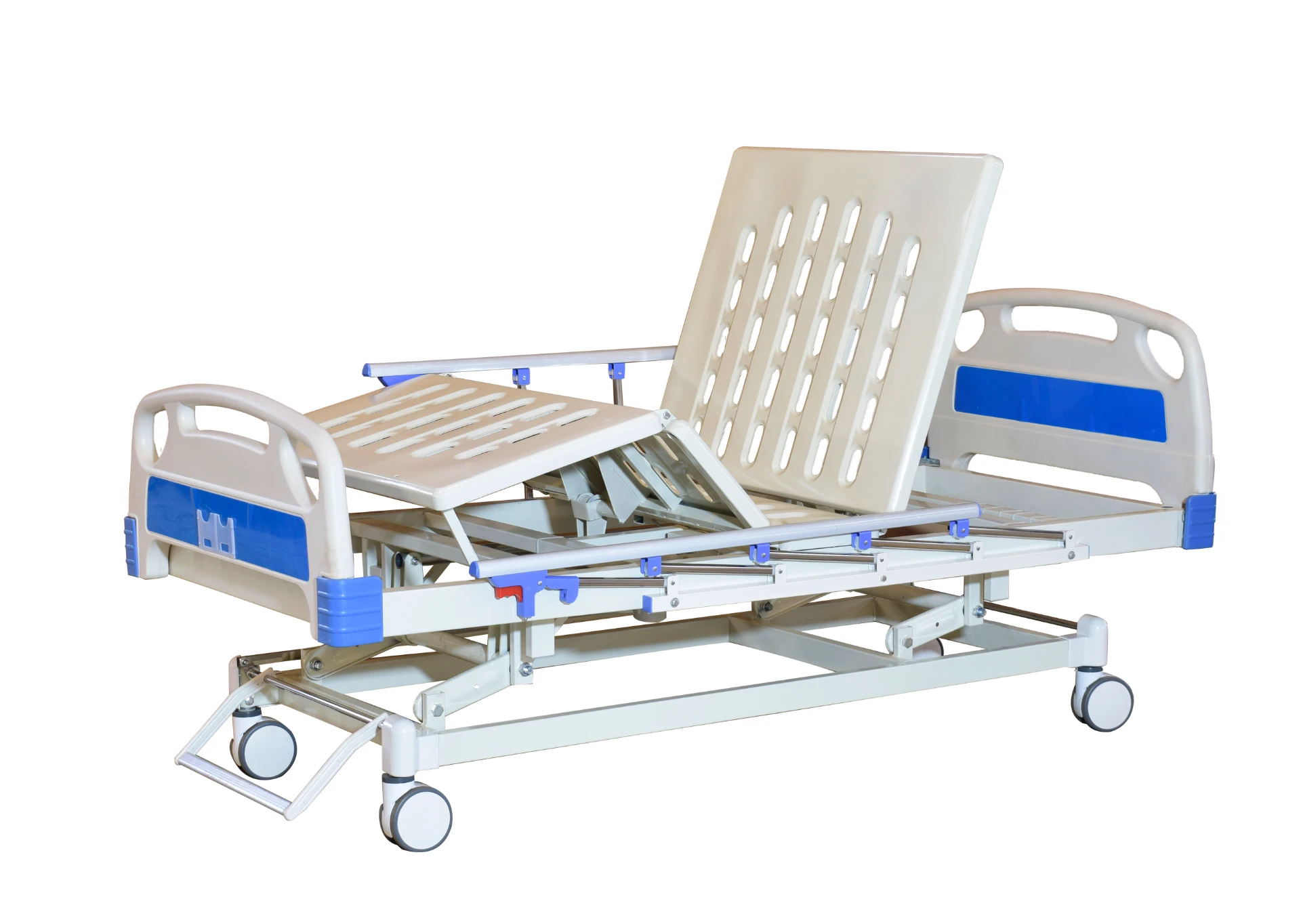
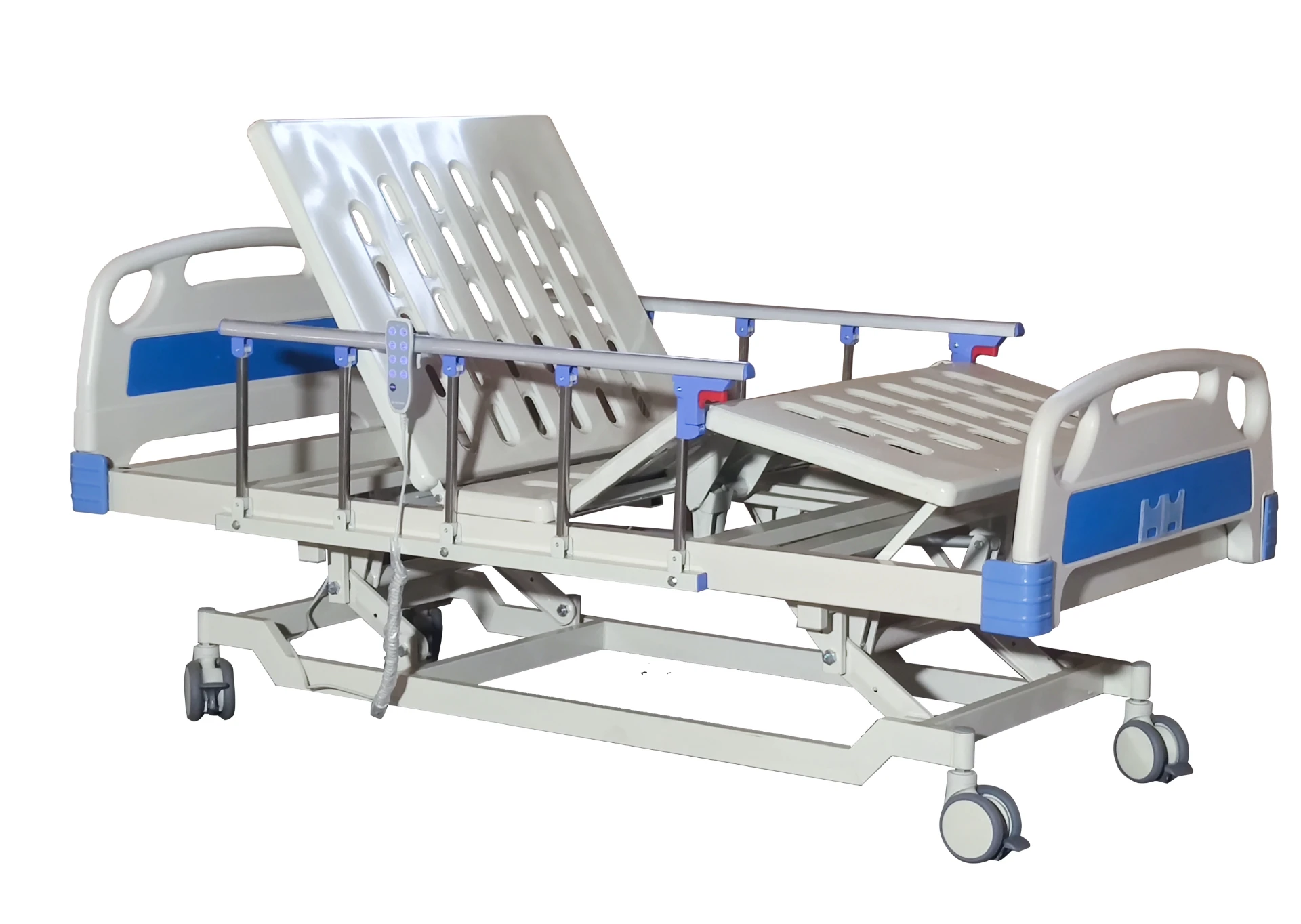
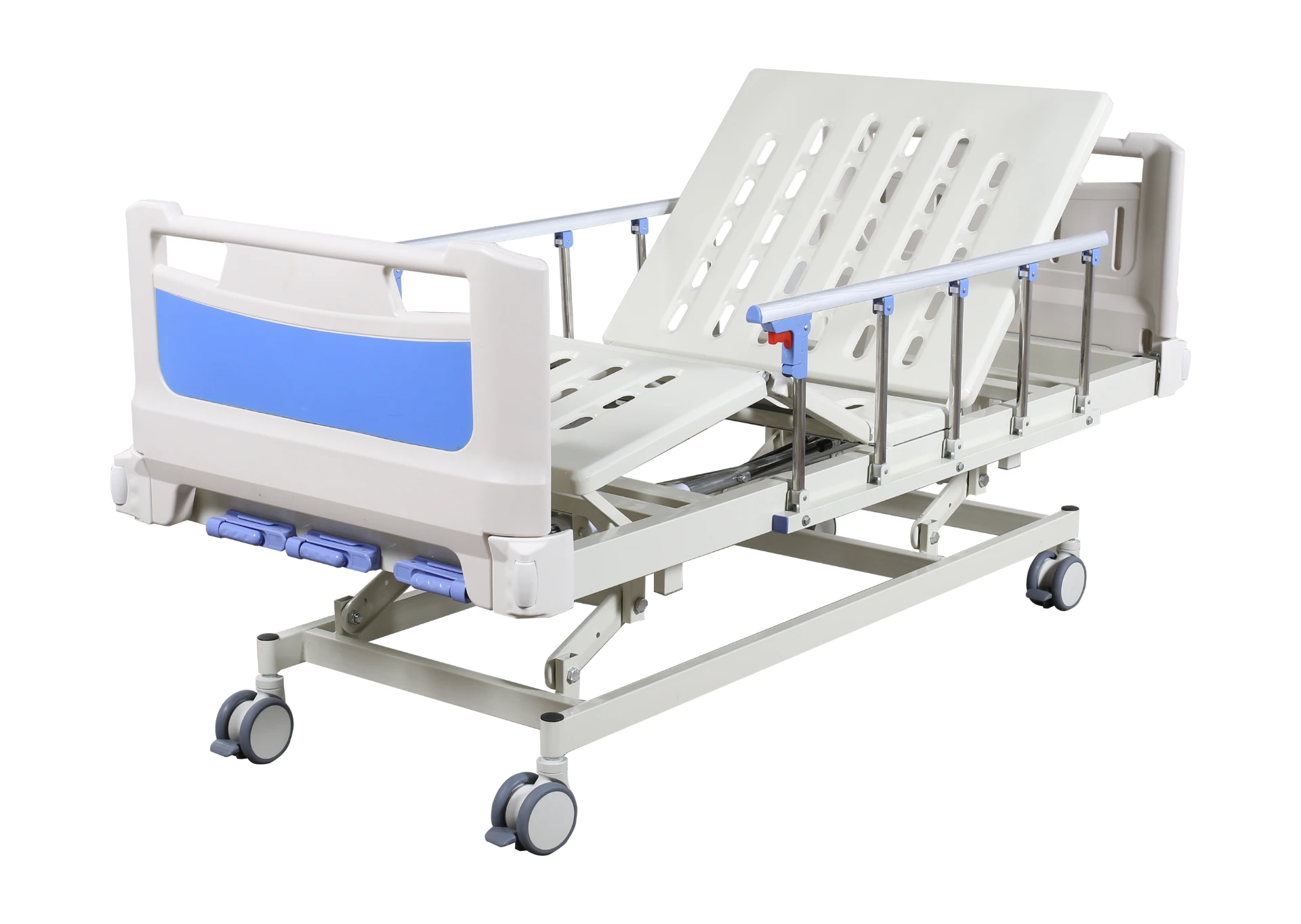
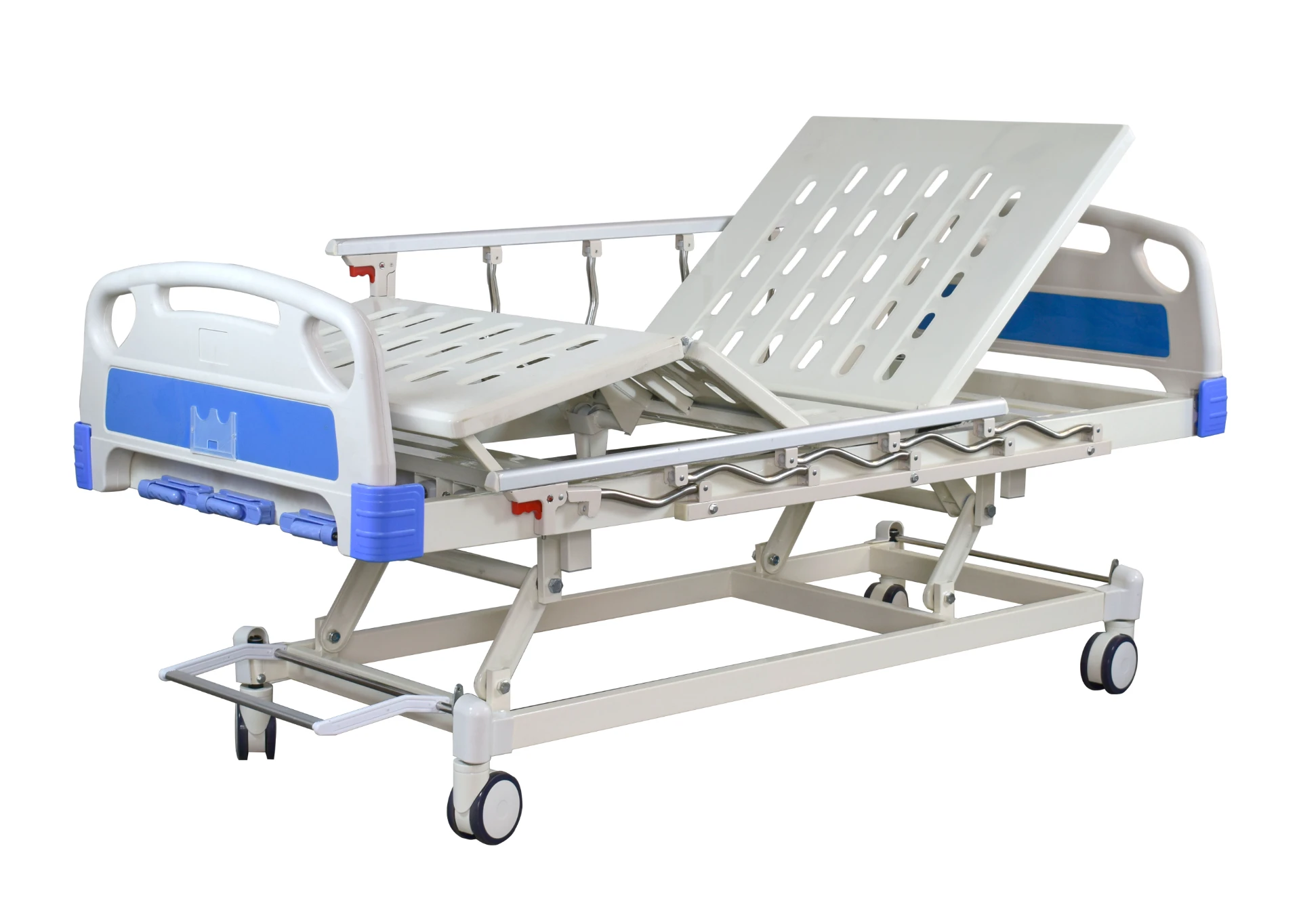
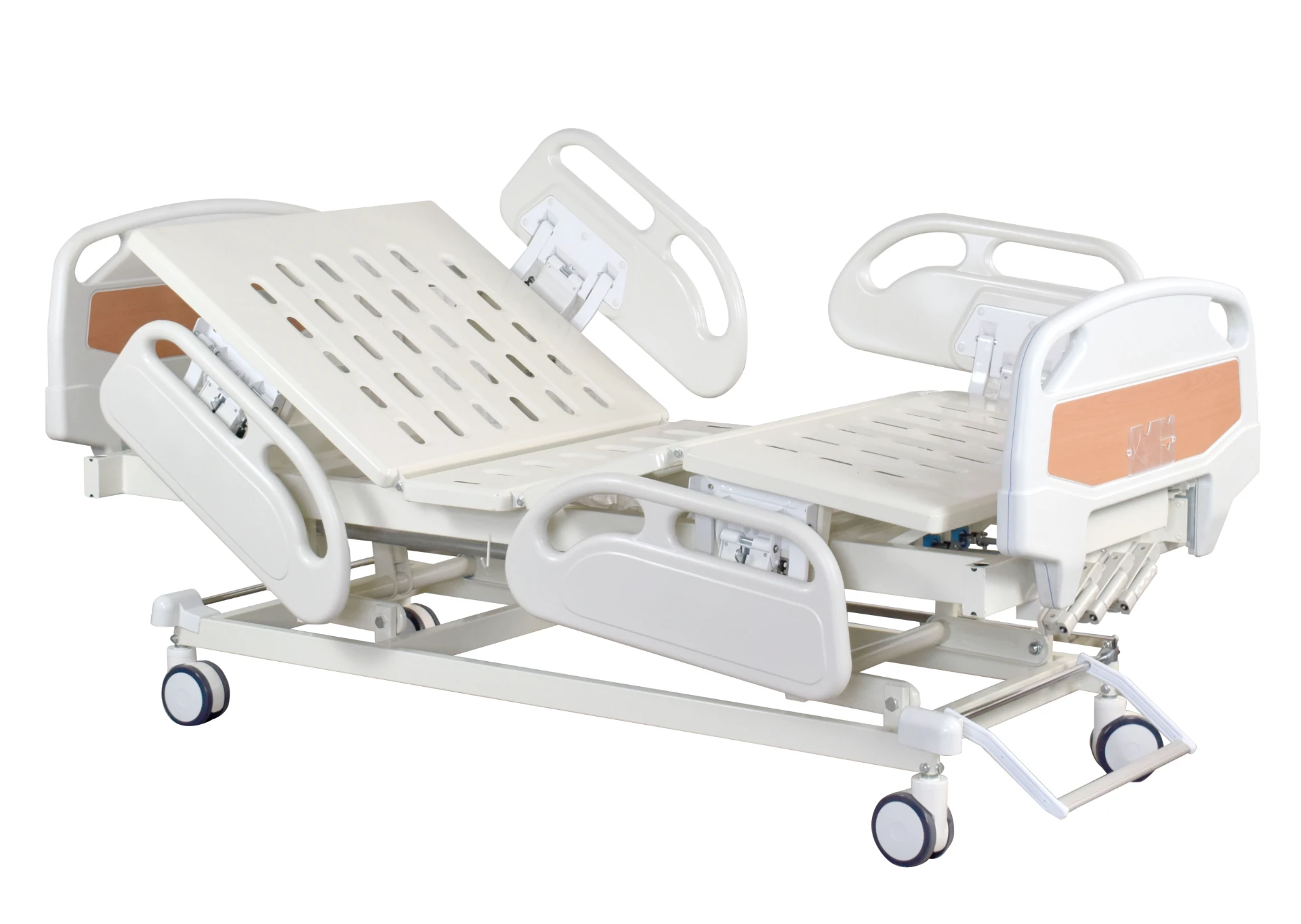
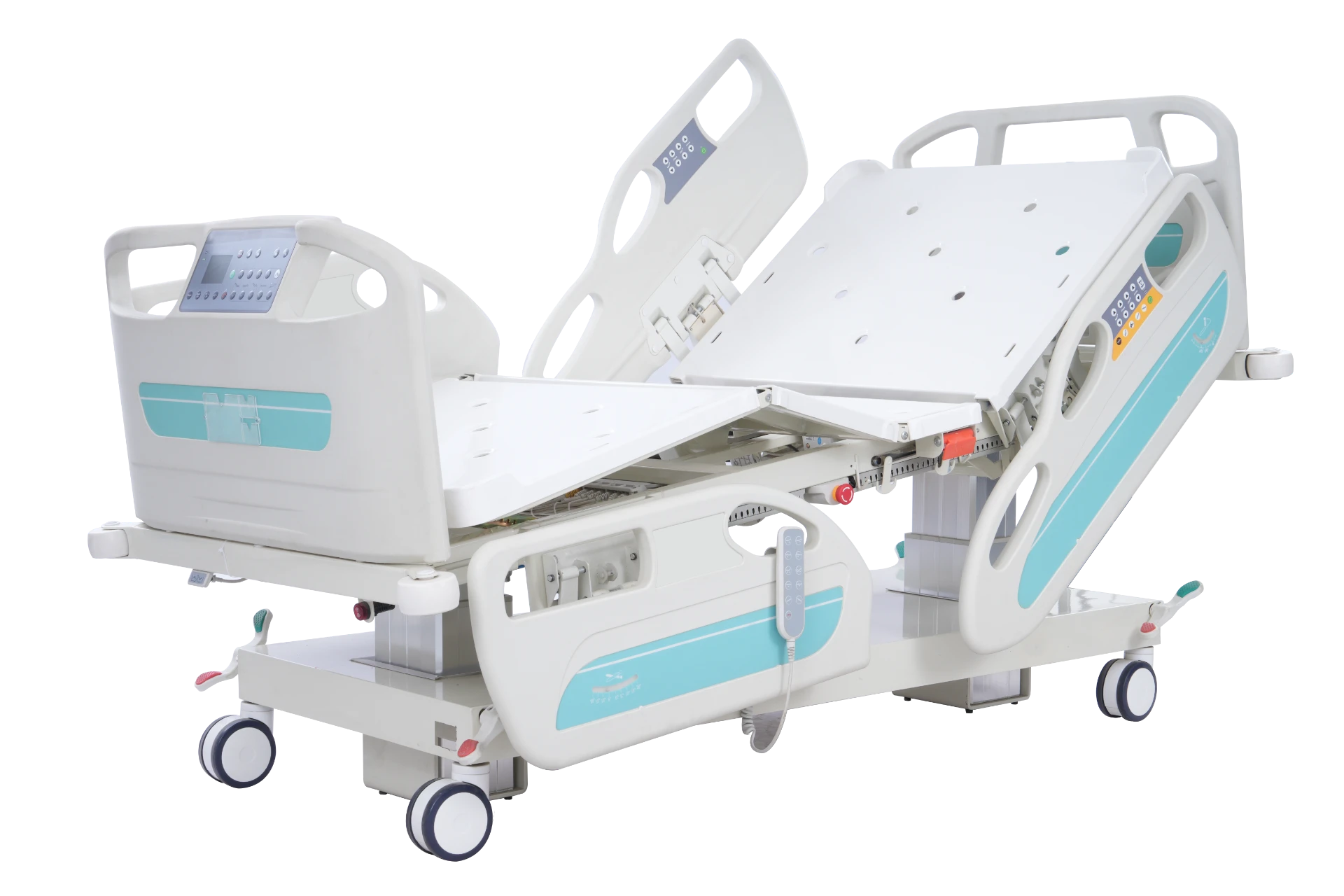
Adjustable hospital beds pose unique demands. When a bed flexes and shifts—be it elevating the head or bending knees—the mattress must flex along without bunching or losing support. I remember a friend in a rehab center complaining how her mattress would crease painfully every time the bed adjusted. That’s not just annoying — it can worsen pressure sores.
Materials matter immensely. Medical-grade high-resilience (HR) foams are often the go-to. They bounce back instead of sagging; that's crucial for long-term stays. But memory foam variants, while popular in home adjustable beds, sometimes lag in breathability, which can make patients sweaty or prone to maceration — not ideal in hospital environments.
Another big deal? Infection control. Hospital mattresses must often have waterproof, antimicrobial covers—sometimes vapor-permeable, sometimes wipeable. It’s a balancing act between comfort and hygiene.
| Specification | Typical Feature |
|---|---|
| Dimensions | 72” x 36” x 6” (standard) |
| Material | High-Resilience Foam with waterproof vinyl cover |
| Weight Capacity | Up to 350 lbs / 160 kg |
| Cover Features | Antimicrobial, fluid-resistant, stretcher compatible |
| Flexibility | High flexibility for articulating bed sections |
| Warranty | 3 years (typical) |
Comparing popular mattress suppliers for adjustable hospital beds
Over the years, I’ve worked with a handful of mattress vendors — some offering custom solutions, others sticking to ready-to-ship stock. The market can feel a little like an old factory floor: noisy with choices, but it pays to understand what you’re buying.
| Vendor | Material Type | Cover Quality | Custom Options | Price Range |
|---|---|---|---|---|
| Boxin Medical | HR Foam, gel-infused layers | Waterproof, antimicrobial, vapor-permeable | Yes, including custom sizes & zoning | $$$ (mid to high) |
| MedComfort Inc. | Memory Foam & Polyfoam combos | Standard waterproof PU cover | Limited to standard sizes | $$ (mid-range) |
| SureRest Healthcare | Latex foam, pressure relief tech | Antimicrobial, non-woven fabric | Custom firmness options available | $$$$ (premium) |
From a practical standpoint, smaller clinics I’ve visited tend to favor Boxin Medical’s mattresses thanks to that sweet spot between customization and durability. I recall a hospital in Ohio where they swapped out generic foam pads for these and immediately got better patient satisfaction scores — especially in the ICU where beds are adjusted constantly.
Incidentally, the ability to customize zoning — that is, tailoring mattress firmness in different sections — plays a massive role. Patients with limited mobility or pressure ulcer risk find these especially valuable. Oddly enough, what feels like a small change in the foam layering can mean the difference between a restless night and proper rest.
One frustration I often hear: pricing transparency. Some vendors quote extra for antimicrobial covers, others fold it in. So always ask for detailed specs. You don’t want surprises when your procurement team reviews the invoices.
Final thoughts on mattress selection
Choosing the right mattress isn’t glamorous, but it’s essential. It impacts patient comfort, staff ease, and overall care outcomes. Sure, the adjustable bed frame grabs attention, but honestly? The mattress is just as critical, if not more.
If you’re exploring options, give the mattress for adjustable hospital bed a hard look. In my experience, the right mattress can make long hospital stays more bearable and sometimes even speed recovery.
Hope this was helpful — in this weirdly niche corner of healthcare gear, a little knowledge goes a long way.
References:
1. Smith, J. “Advances in Medical Mattress Technology,” Medical Equipment Today, 2023.
2. Hospital Procurement Case Studies, Midwest Rehab Center, 2022.
3. Boxin Medical Product Catalog, 2024.
-
Ultimate Guide to Choosing Extra Wide Waiting Room ChairsNewsApr.16,2026
-
Guide to Choosing Professional Waiting Room Chairs Wipeable SeatingNewsApr.09,2026
-
Enhance Your Space with Comfortable Wide Waiting Room ChairsNewsApr.07,2026
-
Selecting the Ideal Brown Waiting Room Chairs for a Welcoming SpaceNewsApr.04,2026
-
Choosing Comfortable Patient Waiting Room Chairs for Healthcare FacilitiesNewsMar.31,2026
-
Finding the Best Deals on Affordable and Cheap Reception Chairs for Your BusinessNewsMar.28,2026
-
Enhance Your Business Reception with Comfortable Blue Reception ChairsNewsMar.26,2026