Welcome to our websites!


Choosing the Right Anti Bedsore Bed for Enhanced Patient Care and Comfort
Choosing the Right Anti Bedsore Bed: A Comprehensive Guide
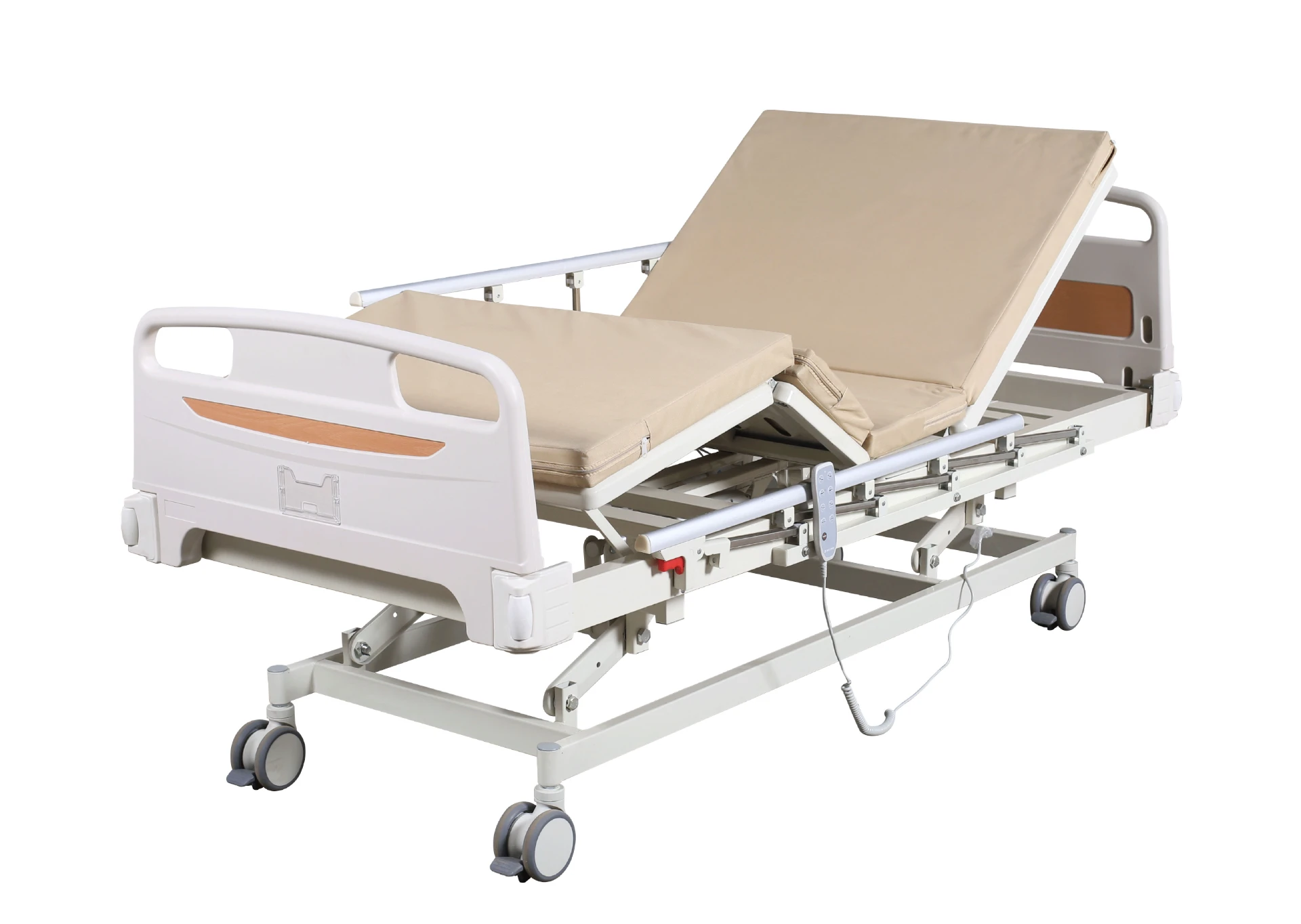
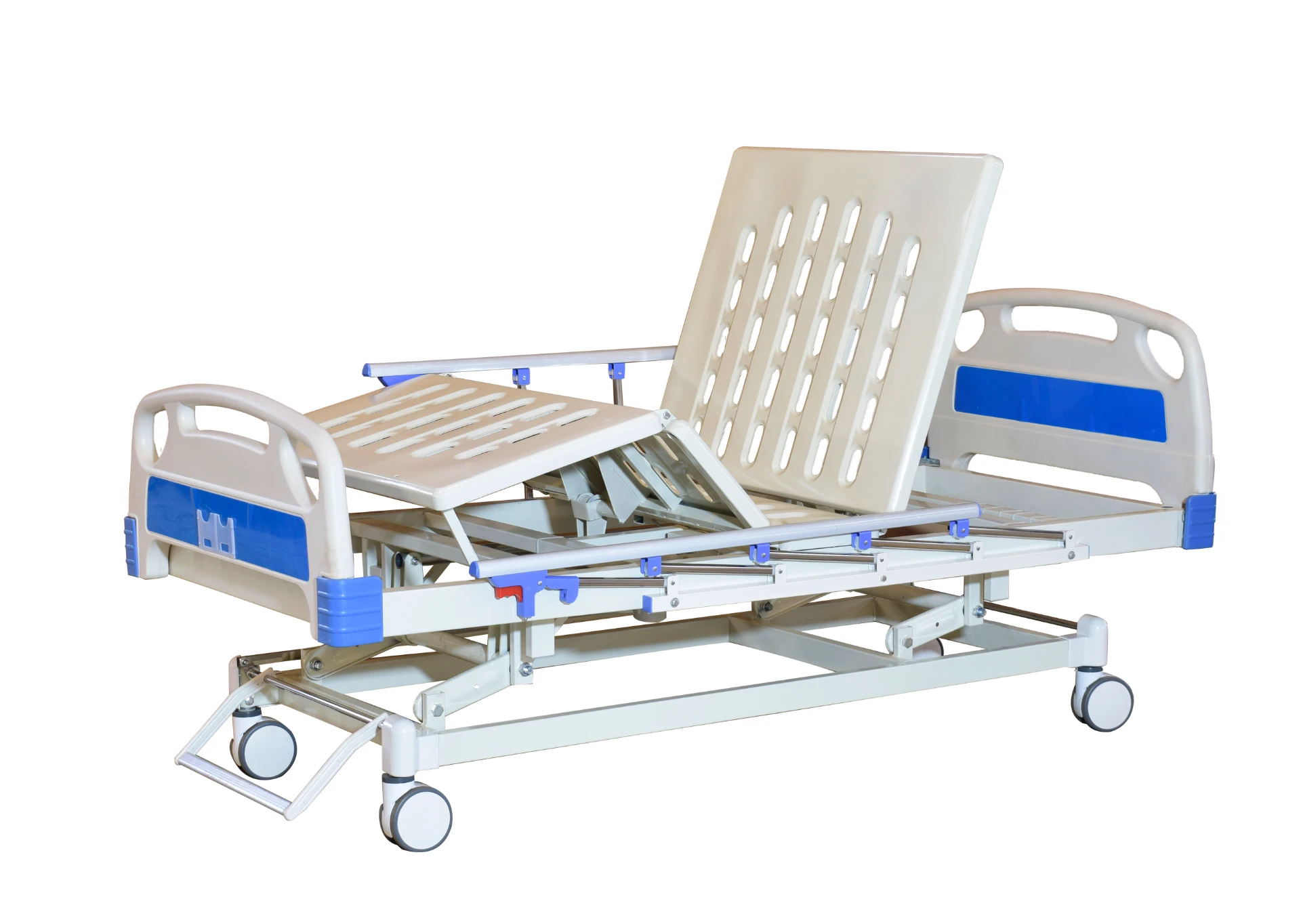
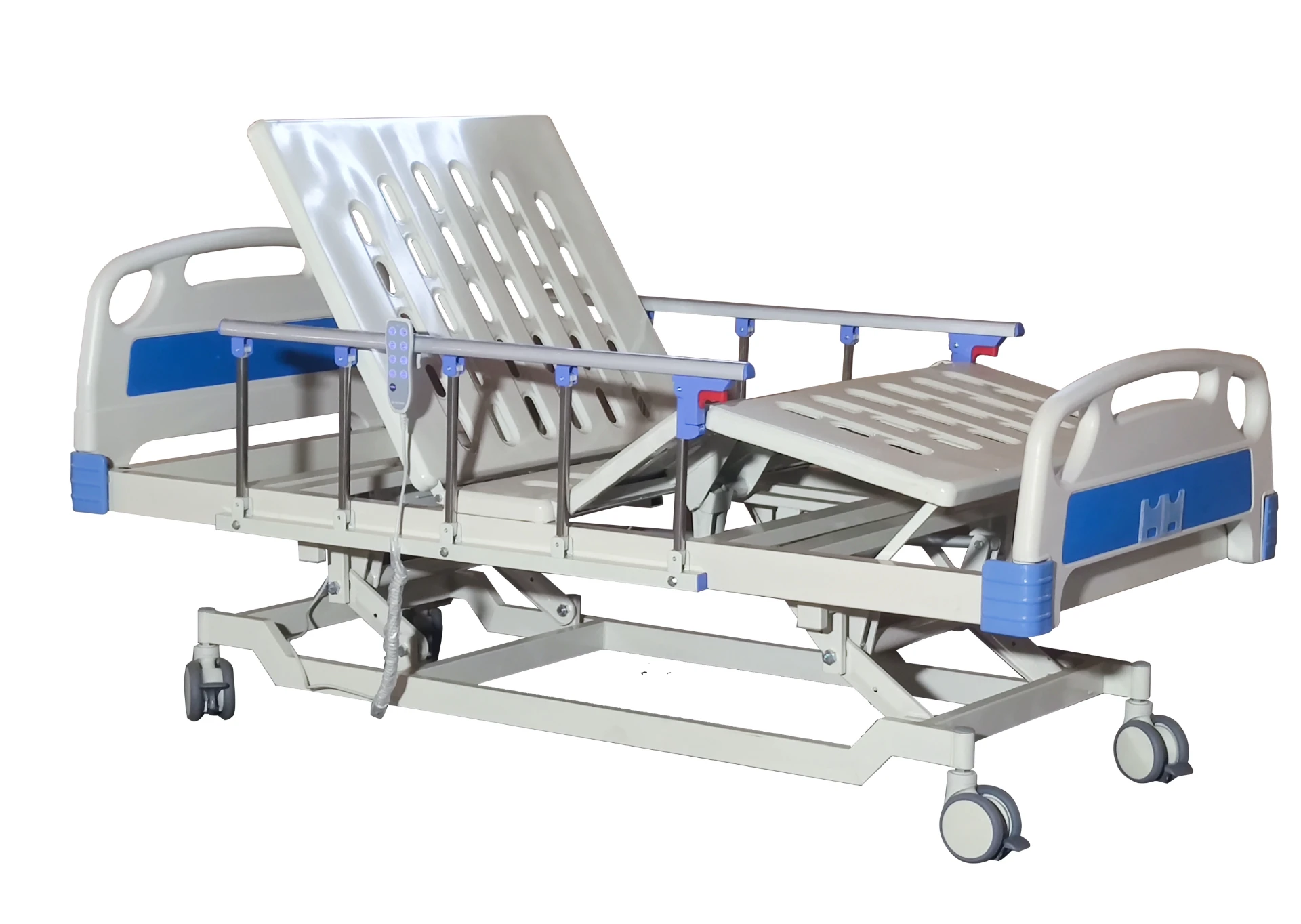
Pressure ulcers, commonly known as bedsores, pose a significant challenge in healthcare settings and for individuals with limited mobility. Selecting the appropriate anti bedsore bed is crucial for prevention and treatment. This article provides a detailed overview of anti bedsore beds, their features, benefits, and factors to consider when making a purchase. We’ll explore the technology behind these beds and how they improve patient care and quality of life. Investing in the right bed can dramatically reduce the risk of developing pressure injuries and enhance overall well-being.
Understanding Anti Bedsore Bed Technology
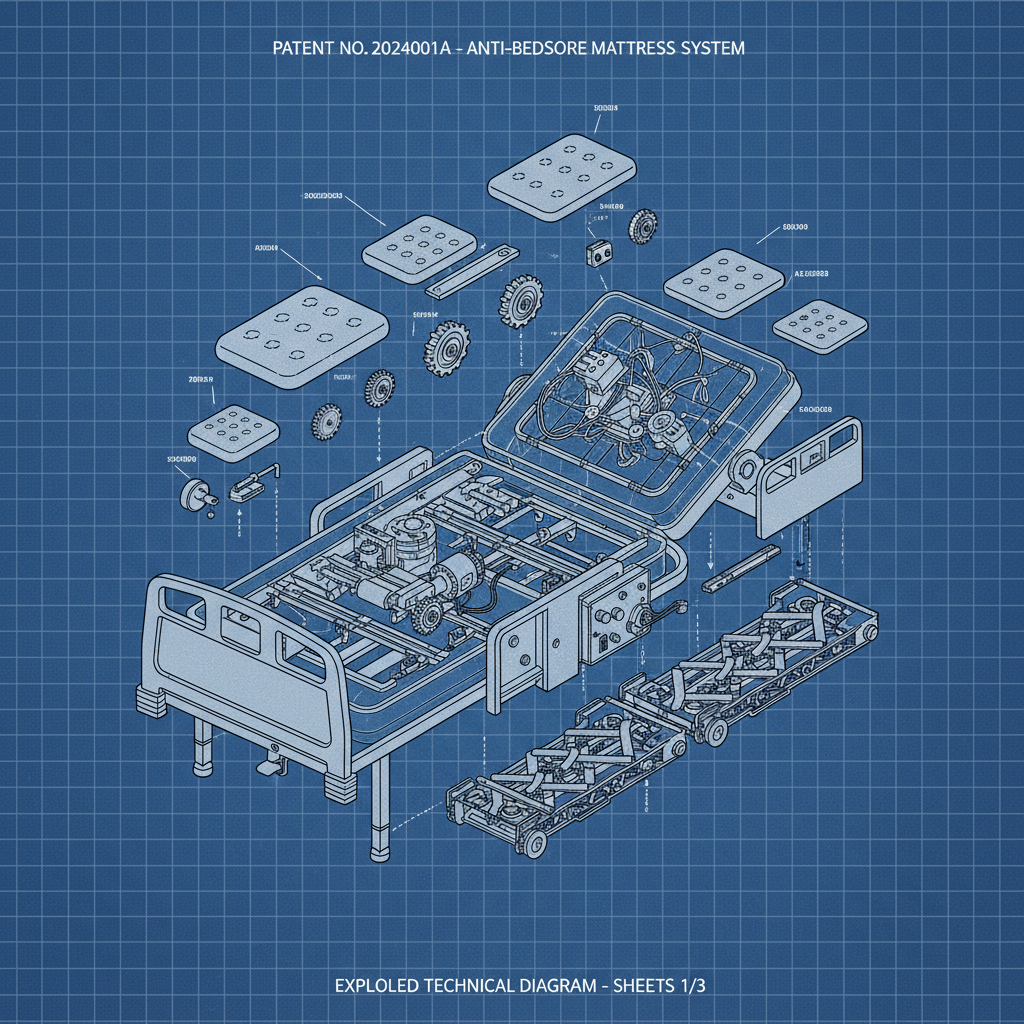
Anti bedsore beds, also known as pressure-relieving beds, utilize various technologies to redistribute pressure and minimize shear forces on the body. These technologies include alternating pressure, low air loss, and foam mattresses with specialized designs. Alternating pressure mattresses inflate and deflate air cells in a cyclical pattern, shifting the patient’s weight and preventing prolonged pressure on any single area. Low air loss mattresses gently circulate air to keep the skin dry and cool, reducing friction and moisture – both key contributors to bedsore development. CNBOXIN offers a range of beds utilizing these technologies to address diverse patient needs.
Key Benefits: Reduced pressure, improved circulation, minimized shear, enhanced skin health, and increased patient comfort.
Types of Anti Bedsore Beds
There are several types of anti bedsore beds available, each with its own advantages and disadvantages. These include static mattresses, dynamic mattresses (alternating pressure and low air loss), and hybrid mattresses combining different technologies. Static mattresses provide a consistent support surface, often using specialized foam. Dynamic mattresses actively adjust pressure distribution. Hybrid mattresses offer a customizable approach, allowing healthcare professionals to tailor the support level to the individual patient's requirements. Choosing the right type depends on the patient’s risk level, mobility, and overall health condition.
Bed Type Comparison:
• Static Mattresses: Ideal for low-risk patients, offering basic pressure redistribution.
• Dynamic Mattresses: Suited for moderate to high-risk patients requiring active pressure relief.
• Hybrid Mattresses: Offer versatility for varying patient needs and conditions.
Key Features to Consider When Choosing an Anti Bedsore Bed
When selecting an anti bedsore bed, consider factors such as weight capacity, adjustability, ease of cleaning, and noise level. Weight capacity ensures the bed can safely accommodate the patient’s weight. Adjustability allows for customized support and pressure distribution. Easy cleaning is crucial for maintaining hygiene and preventing infection. A quiet operation minimizes disruption to the patient’s sleep and recovery. Furthermore, look for beds with durable materials and reliable components to ensure long-term performance.
Benefits of Using an Anti Bedsore Bed
The benefits of utilizing an anti bedsore bed extend beyond just preventing pressure ulcers. They contribute to improved patient comfort, reduced pain, and faster healing. By minimizing pressure and shear, these beds promote better circulation and oxygenation to the tissues. This is especially important for patients with pre-existing conditions such as diabetes or vascular disease. Moreover, reducing the incidence of bedsores can significantly lower healthcare costs associated with treatment and management. Investing in preventative measures like an anti bedsore bed is a cost-effective solution in the long run.

CNBOXIN Anti Bedsore Beds: Product Specifications
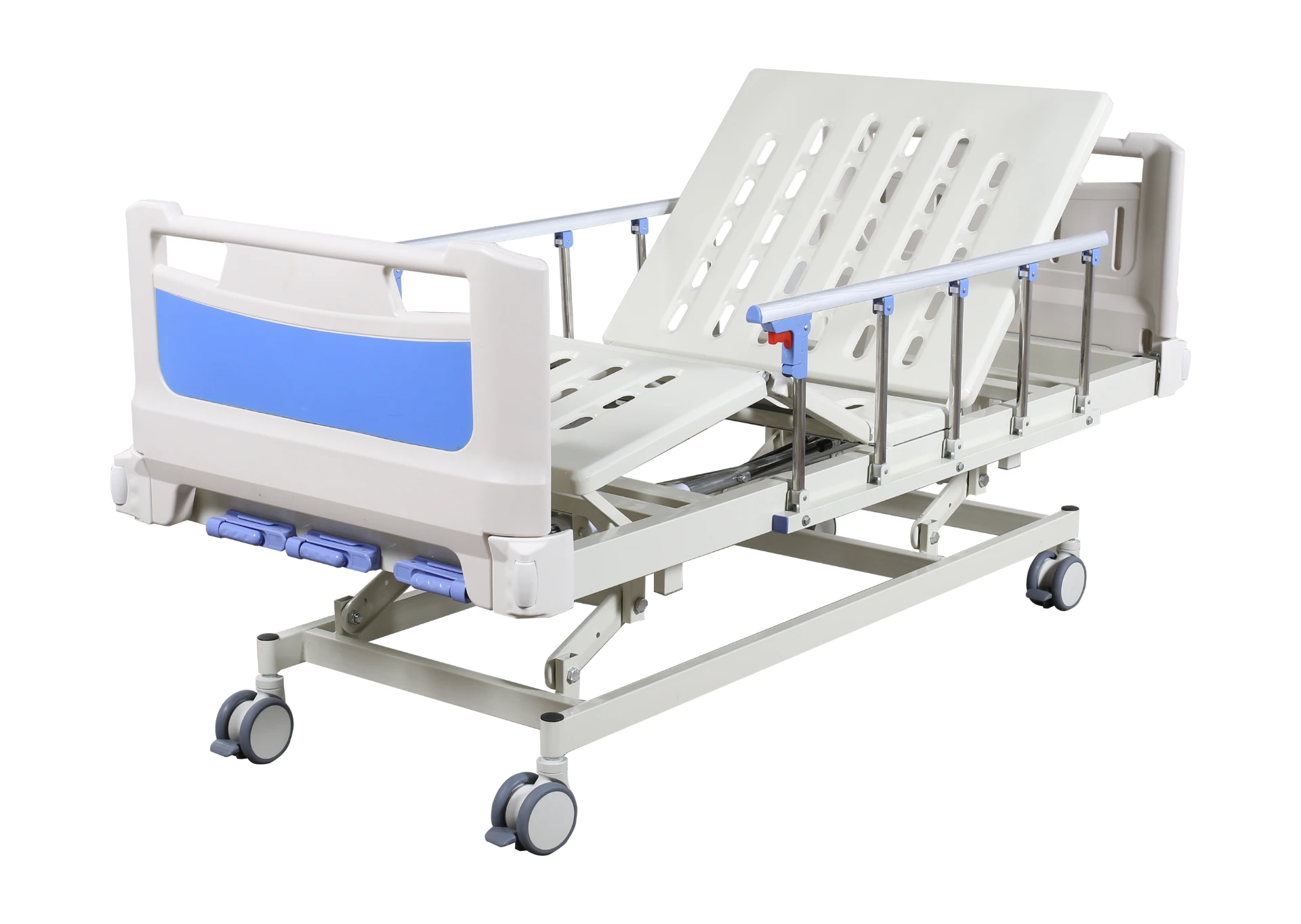
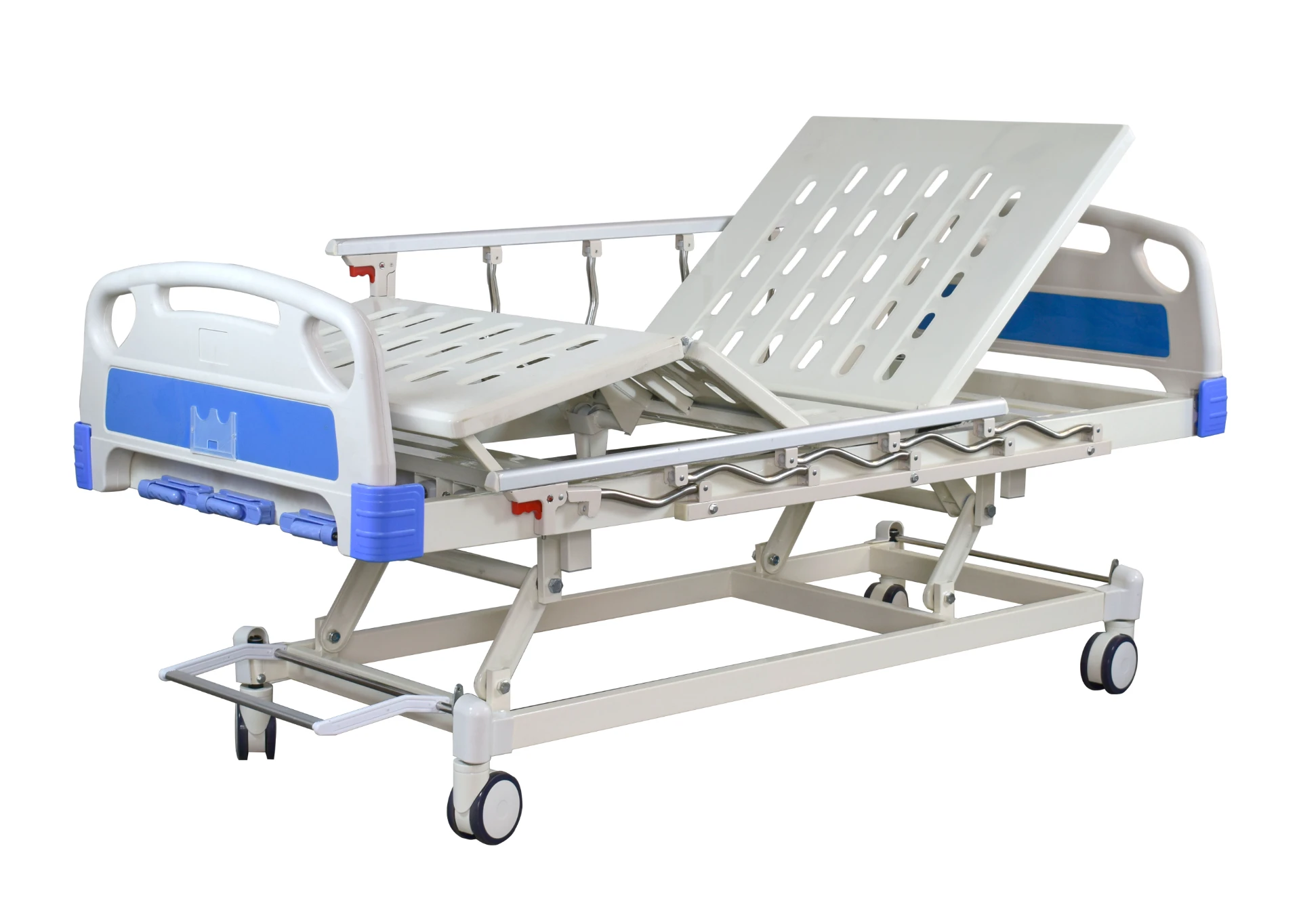
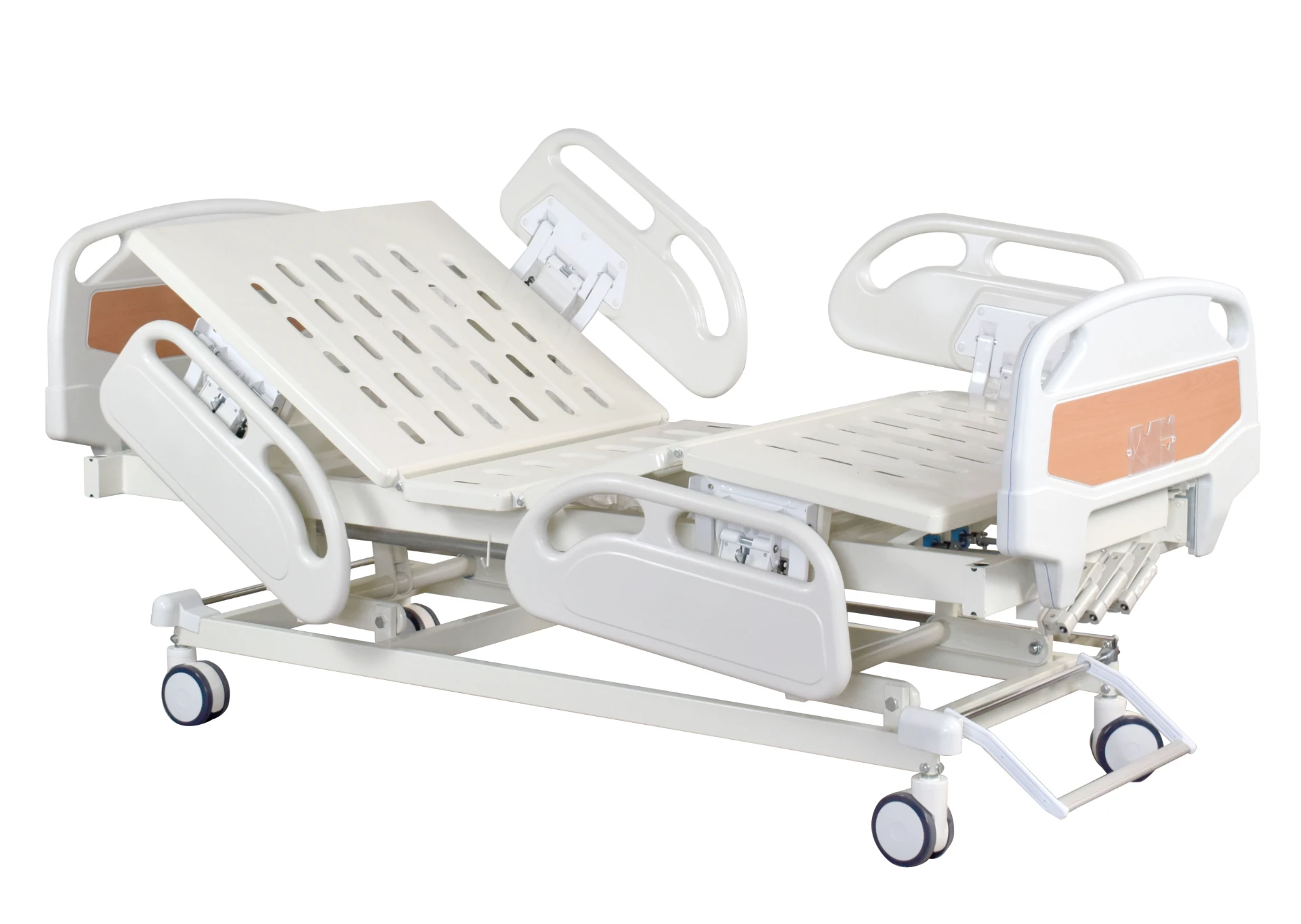
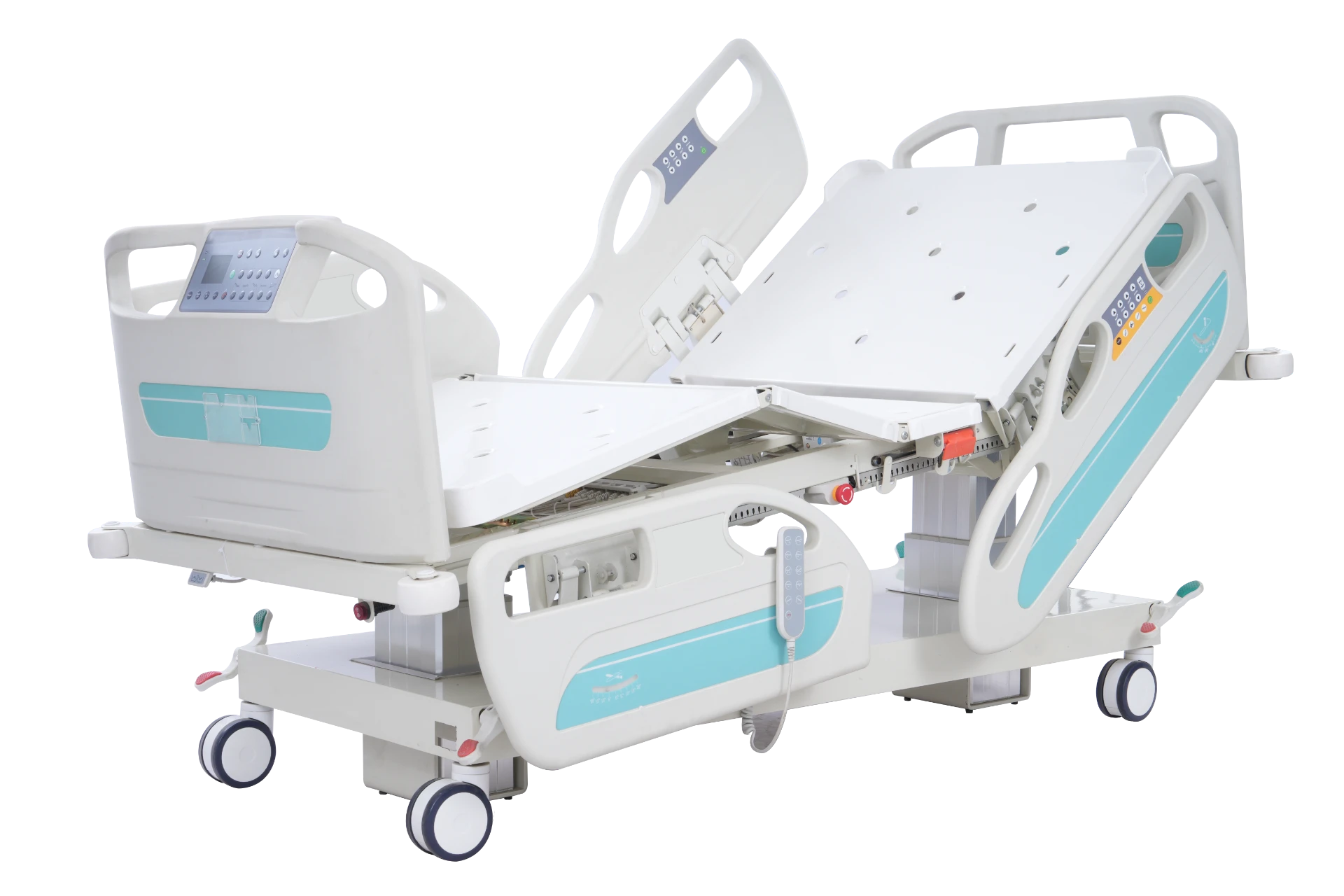
CNBOXIN offers a variety of anti bedsore beds to meet diverse needs. Here's a brief overview of some of our key models:
Conclusion: Prioritizing Patient Well-being with CNBOXIN
Investing in an anti bedsore bed from CNBOXIN is a proactive step towards enhancing patient care and preventing debilitating pressure injuries. Our commitment to quality, innovation, and patient comfort ensures that you receive a reliable and effective solution. Contact us today to learn more about our products and find the perfect bed to meet your needs.
Frequently Asked Questions (FAQs)
How often should the pressure settings on an anti bedsore bed be adjusted?
Pressure settings should be adjusted based on the patient’s individual needs and risk level. Initially, settings should be determined by a healthcare professional and monitored regularly. Adjustments may be necessary following changes in the patient’s condition, weight, or mobility. It's vital to observe the patient’s skin for any signs of redness or pressure damage and adjust the settings accordingly. Frequent assessment and adjustment optimize pressure redistribution and minimize the risk of complications.
What are the signs that an anti bedsore bed is not working effectively?
Signs that an anti bedsore bed may not be working effectively include persistent redness in pressure areas, skin breakdown, or the development of new pressure ulcers. Other indicators are discomfort reported by the patient, changes in skin temperature, or swelling in the affected areas. If any of these signs are observed, immediate assessment and adjustment of the bed’s settings are crucial. It may also be necessary to consider alternative pressure relief strategies.
How do I clean and maintain an anti bedsore bed?
Regular cleaning and maintenance are essential for ensuring the bed’s functionality and preventing infection. Follow the manufacturer’s instructions for cleaning, which typically involves wiping down the surface with a mild disinfectant solution. Regularly inspect the mattress for any signs of damage or wear and tear. Ensure that all electrical components are functioning correctly. Proper maintenance extends the lifespan of the bed and optimizes its effectiveness.
Are anti bedsore beds suitable for use at home?
Yes, anti bedsore beds can be suitable for home use, especially for individuals with limited mobility or those at high risk of developing pressure ulcers. However, it’s essential to consult with a healthcare professional to determine the appropriate type of bed and ensure proper setup and training for caregivers. Home use requires consistent monitoring and adherence to recommended pressure relief protocols to maximize effectiveness.
-
Ultimate Guide to Choosing Extra Wide Waiting Room ChairsNewsApr.16,2026
-
Guide to Choosing Professional Waiting Room Chairs Wipeable SeatingNewsApr.09,2026
-
Enhance Your Space with Comfortable Wide Waiting Room ChairsNewsApr.07,2026
-
Selecting the Ideal Brown Waiting Room Chairs for a Welcoming SpaceNewsApr.04,2026
-
Choosing Comfortable Patient Waiting Room Chairs for Healthcare FacilitiesNewsMar.31,2026
-
Finding the Best Deals on Affordable and Cheap Reception Chairs for Your BusinessNewsMar.28,2026
-
Enhance Your Business Reception with Comfortable Blue Reception ChairsNewsMar.26,2026