Welcome to our websites!


Choosing the Ideal Bedside Trolley for Hospital Environments and Patient Care
Choosing the Right Bedside Trolley for Hospital Environments
In the fast-paced and demanding environment of a hospital, efficient and organized workflows are critical. A key component in achieving this is the right bedside trolley. These mobile units serve as vital extensions of nursing stations, providing quick access to essential medical supplies and equipment directly at the patient's bedside. Selecting a durable, functional, and appropriately sized trolley is an investment in both patient care and staff efficiency. This article will explore the key considerations when choosing a hospital bedside trolley, covering types, features, materials, and crucial factors for ensuring a seamless healthcare experience.
Types of Hospital Bedside Trolleys
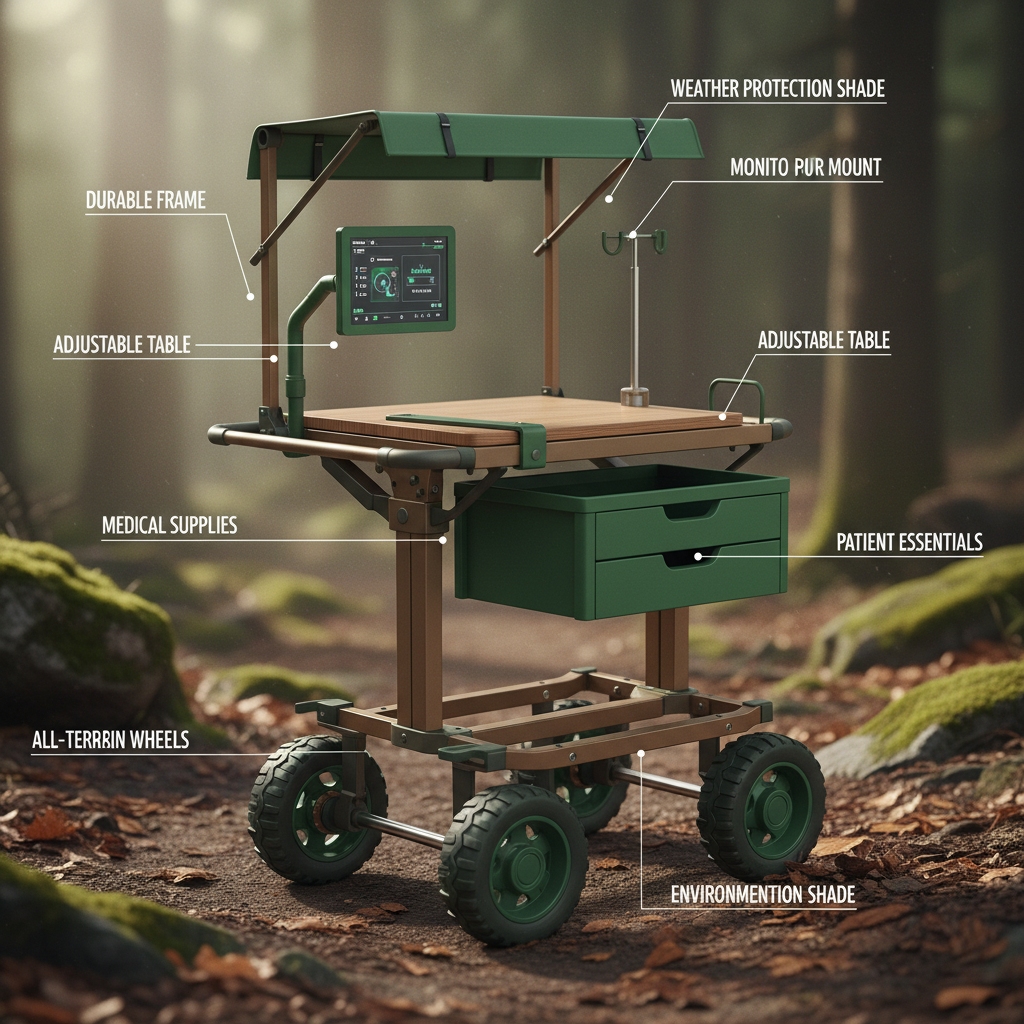
Hospital bedside trolleys come in a variety of designs, each suited to specific needs. Common types include: Medication Trolleys – secure, lockable units for controlled drug storage; General Purpose Trolleys – versatile for carrying routine supplies like dressings, linen, and personal care items; Emergency Trolleys – pre-stocked with life-saving equipment for rapid response; and Procedure Trolleys – specialized for specific procedures, often with integrated features like oxygen cylinder holders or suction units. Understanding the primary use case will guide you towards the most suitable type. Factors like maneuverability and the number of shelves are also important considerations, as are features such as central locking systems and adjustable height.
Key Takeaway: Choosing the correct type of bedside trolley significantly improves the efficiency of care delivery and the overall organization of hospital wards.
Key Features to Consider in a Bedside Trolley
Several features contribute to the functionality and usability of a hospital bedside trolley. Mobility is paramount – look for trolleys with smooth-rolling, lockable casters for easy maneuvering and stability. Material is also crucial; stainless steel offers durability, hygiene, and resistance to corrosion, while ABS plastic provides a lighter and more cost-effective alternative. Shelf Configuration should allow for flexible storage of items of various sizes. Central Locking Systems enhance security and prevent accidental spills. Finally, Ergonomic Design, including adjustable height, minimizes strain on healthcare professionals. These features contribute significantly to a more efficient and safer working environment.
Essential Features Checklist:
• Smooth-rolling, lockable casters
• Durable and hygienic material (stainless steel or ABS plastic)
• Flexible shelf configuration
• Central locking system
• Adjustable height
Comparing Materials: Stainless Steel vs. ABS Plastic
The choice between stainless steel and ABS plastic for a bedside trolley depends on the specific needs and budget of the hospital. Stainless steel is renowned for its durability, corrosion resistance, and ease of cleaning – making it ideal for environments requiring strict hygiene standards. However, it's generally heavier and more expensive. ABS plastic, on the other hand, is lighter, more cost-effective, and still offers good durability for many applications. The following table highlights the key differences:
Factors Influencing Trolley Size and Capacity
The size and capacity of your bedside trolley should be determined by the specific needs of the ward or department. Consider the volume and type of supplies that need to be readily accessible. Smaller trolleys are suitable for individual patient rooms, while larger trolleys are more appropriate for shared ward areas. Weight capacity is also crucial; ensure the trolley can safely support the anticipated load. Overloading can compromise stability and increase the risk of accidents. Careful assessment of workflow and storage requirements is essential for selecting the optimal size and capacity.
Ensuring Hygiene and Infection Control
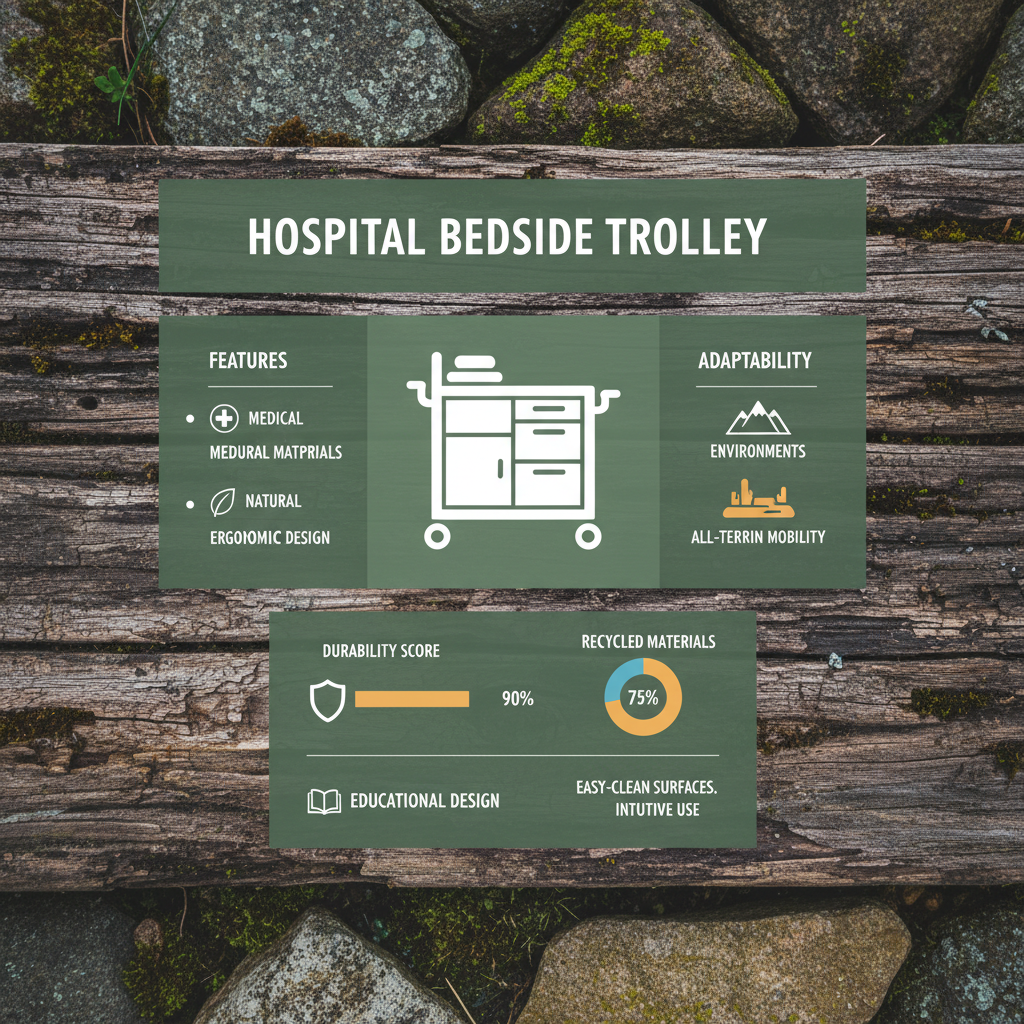
Maintaining hygiene is paramount in a hospital setting. A bedside trolley should be constructed from materials that are easy to clean and disinfect. Smooth, non-porous surfaces are essential to prevent the build-up of bacteria and viruses. Regularly cleaning and disinfecting the trolley with hospital-grade disinfectants is crucial. Consider trolleys with integrated waste disposal systems to promote hygienic waste management. The ability to easily access and clean all surfaces is vital for infection control.
Conclusion: Investing in the Right Bedside Trolley
Choosing the right bedside trolley is a critical decision that impacts efficiency, patient care, and infection control. By carefully considering the type, features, materials, size, and hygiene aspects, hospitals can select trolleys that meet their specific needs and contribute to a safer and more effective healthcare environment. cnboxin.com offers a wide range of high-quality hospital trolleys designed to meet the demands of modern healthcare facilities.
Frequently Asked Questions (FAQs)
What weight capacity should I look for in a bedside trolley?
The weight capacity of a bedside trolley depends on the items you anticipate storing on it. As a general guideline, a trolley should have a minimum weight capacity of 50kg (110lbs), but it’s better to overestimate. Consider the weight of frequently used items like fluids, medications, equipment, and even paperwork. Check the trolley’s specifications carefully to ensure it can safely handle the anticipated load. Exceeding the weight capacity can compromise stability and lead to accidents. It is also recommended to distribute the weight evenly across the shelves.
How often should hospital bedside trolleys be cleaned?
Hospital bedside trolleys should be cleaned and disinfected regularly – at least once per shift, and immediately after any spills or contamination. Use hospital-grade disinfectants that are effective against common pathogens. Pay particular attention to frequently touched surfaces like handles, shelves, and locking mechanisms. Follow the manufacturer’s instructions for cleaning and disinfection. Proper cleaning protocols are crucial for preventing the spread of infections in a healthcare setting.
What features are important for medication trolleys?
Medication trolleys require specific features to ensure security and accurate administration. Lockable drawers and doors are essential for preventing unauthorized access to controlled drugs. Shelves should be adjustable to accommodate different medication packaging. A clear labeling system helps with organization and quick identification of medications. Some medication trolleys also include features like electronic locking systems and audit trails to track medication access and usage. It’s critical to comply with all relevant regulations regarding medication storage and handling.
Are bedside trolleys with central locking systems worth the investment?
Yes, bedside trolleys with central locking systems are highly recommended. They allow you to lock all casters simultaneously with a single action, preventing the trolley from rolling and reducing the risk of accidents. This is particularly important when the trolley is positioned on a slope or in a busy hallway. Central locking also enhances security by locking all drawers and doors at once. While they may have a slightly higher initial cost, the added safety and convenience make them a worthwhile investment.
-
Ultimate Guide to Choosing Extra Wide Waiting Room ChairsNewsApr.16,2026
-
Guide to Choosing Professional Waiting Room Chairs Wipeable SeatingNewsApr.09,2026
-
Enhance Your Space with Comfortable Wide Waiting Room ChairsNewsApr.07,2026
-
Selecting the Ideal Brown Waiting Room Chairs for a Welcoming SpaceNewsApr.04,2026
-
Choosing Comfortable Patient Waiting Room Chairs for Healthcare FacilitiesNewsMar.31,2026
-
Finding the Best Deals on Affordable and Cheap Reception Chairs for Your BusinessNewsMar.28,2026
-
Enhance Your Business Reception with Comfortable Blue Reception ChairsNewsMar.26,2026