Welcome to our websites!


Buy ICU Mattress: Advanced Comfort & Pressure Relief
The Critical Role of Advanced Medical Mattresses in Intensive Care
In modern healthcare, particularly within intensive care units (ICUs), the choice of patient support surface is paramount. It directly impacts patient recovery, comfort, and the prevention of secondary complications. This article delves into the technological advancements, critical features, and strategic advantages of sophisticated medical mattresses designed for high-acuity environments. When facilities look to icu mattress solutions, they are seeking more than just a place for patients to lie; they require an integrated system for enhanced clinical outcomes. Understanding the nuances of these specialized products is crucial for B2B decision-makers aiming to optimize patient care and operational efficiency.
Industry Trends: Elevating Patient Care with Next-Gen Support Surfaces
The medical mattress industry is experiencing a significant paradigm shift driven by evolving patient demographics, technological innovation, and a heightened focus on pressure injury prevention. Key trends include the integration of smart technologies, modular designs, and enhanced material science for superior comfort and durability. The demand for a truly adaptive icu mattress that responds dynamically to patient needs is growing. Healthcare providers are increasingly looking to buy mattress solutions that offer a combination of low air loss, alternating pressure, and advanced shear reduction capabilities to combat the challenges associated with prolonged immobility. Furthermore, there's a clear move towards `hybrid mattress` designs, blending the best attributes of air and foam systems to provide optimal pressure redistribution and microclimate management. This evolution ensures patients receive the most effective support, significantly reducing the incidence of pressure ulcers and improving recovery times.
Technical Specifications: Engineering Excellence in Medical Mattresses
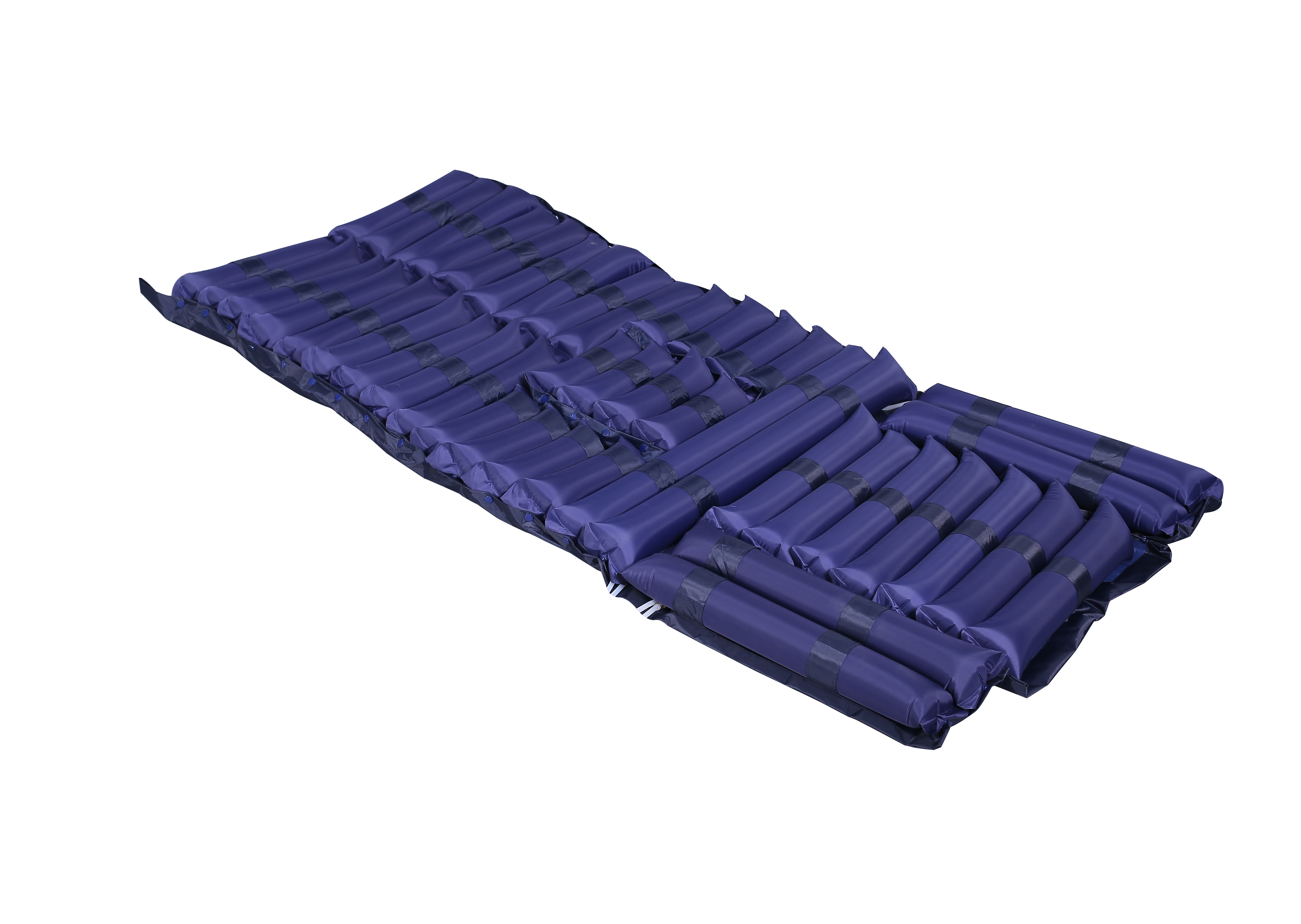
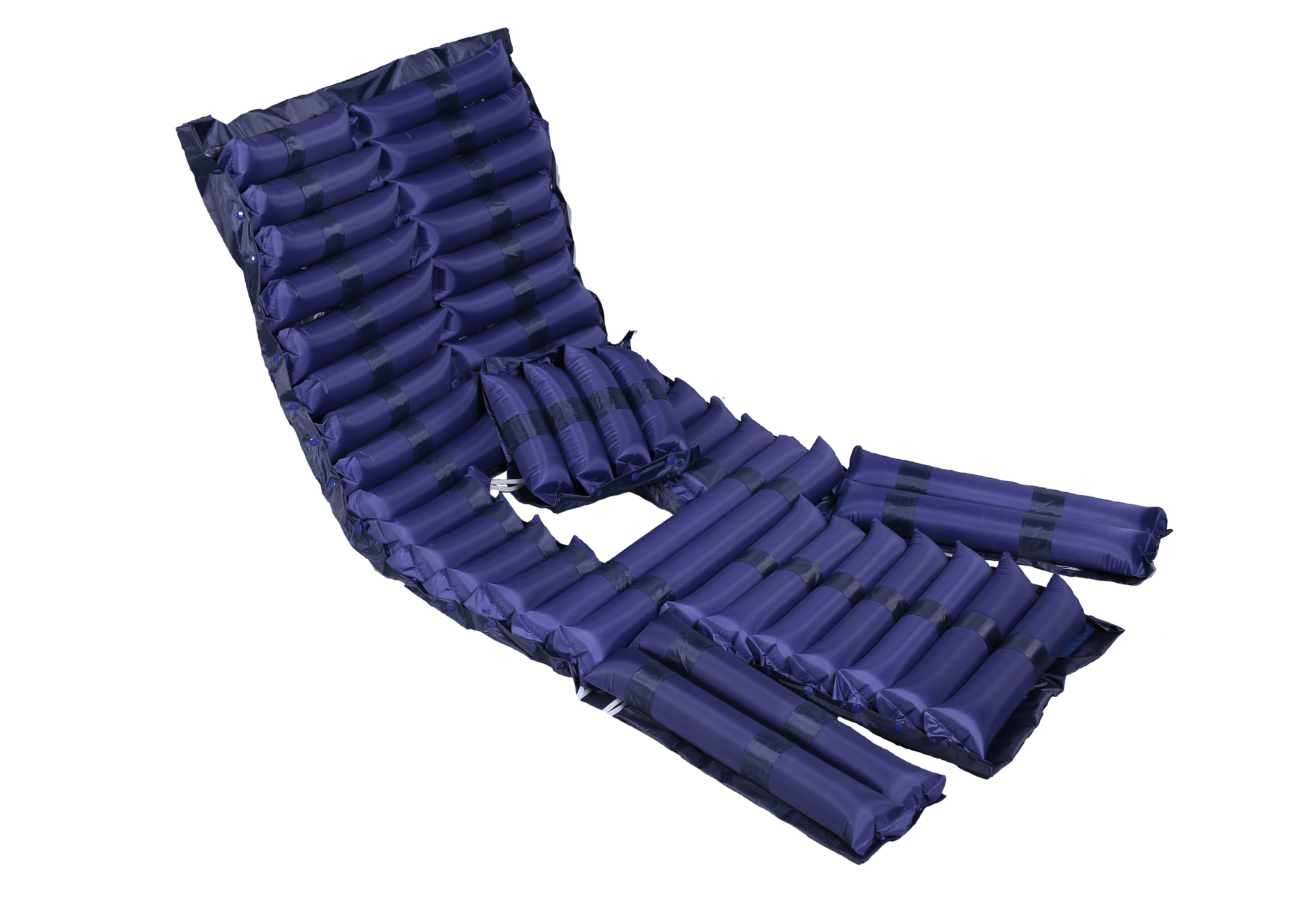
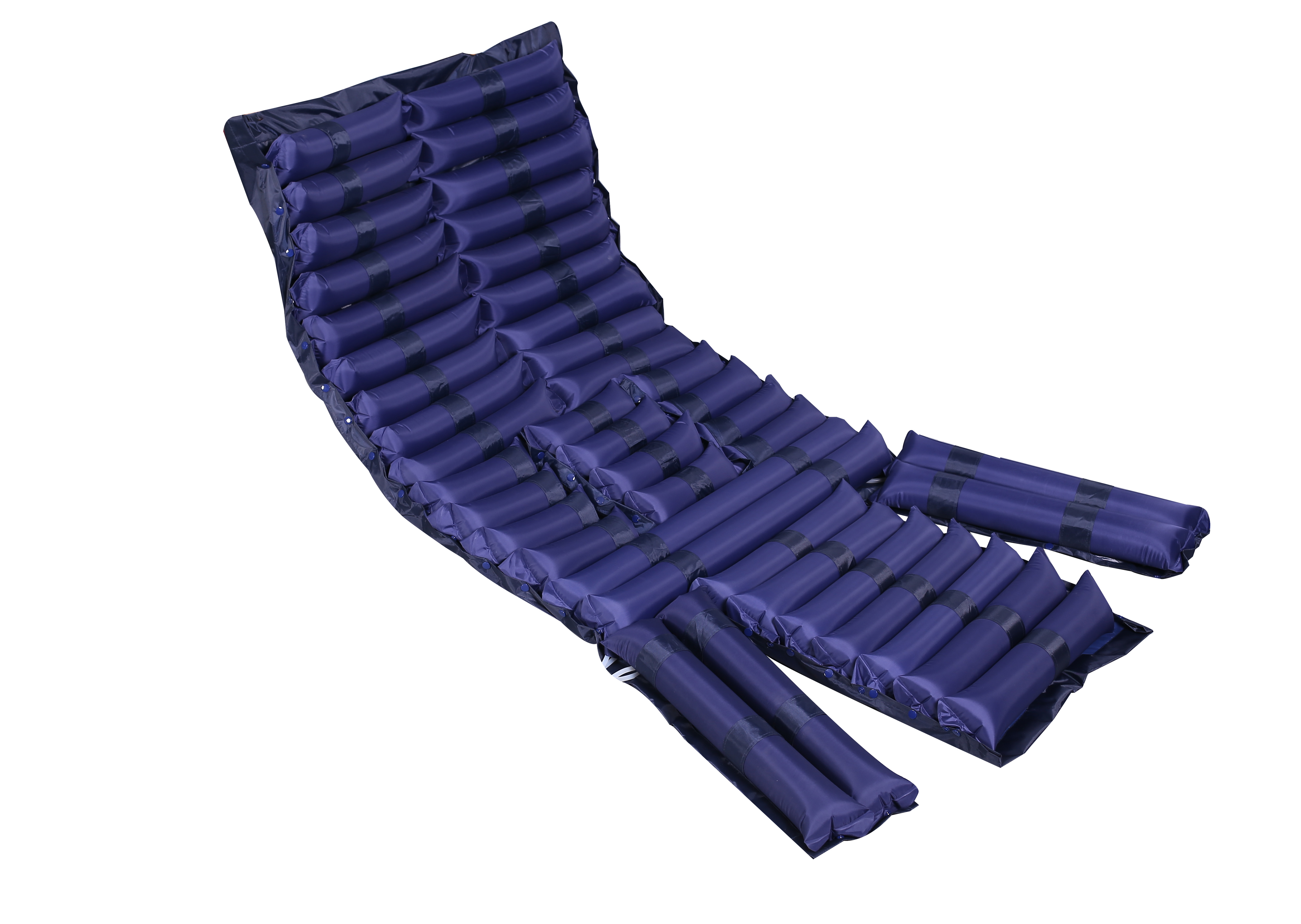
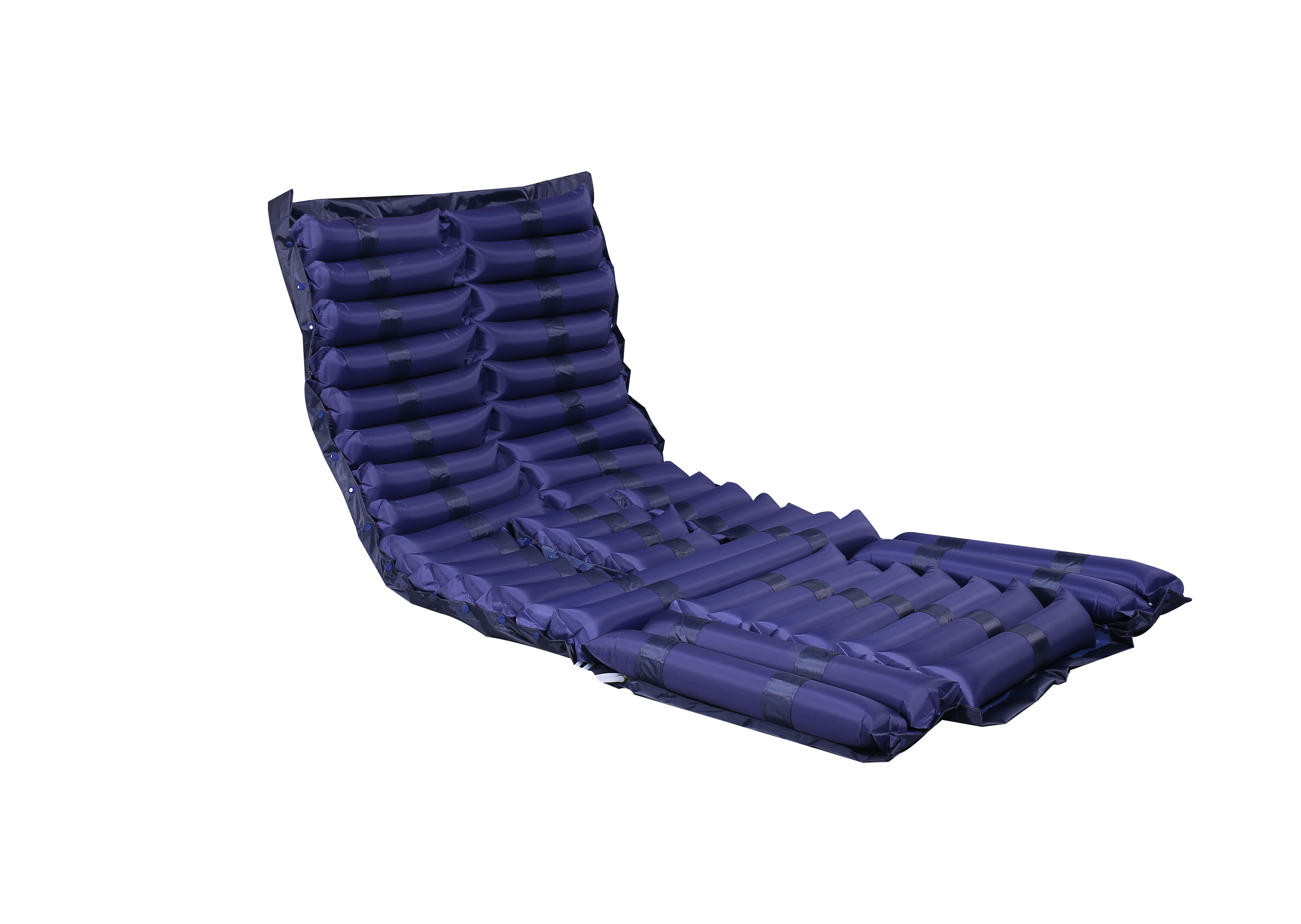
The design and construction of an advanced `bed mattress` for critical care environments require precision engineering and material science expertise. For specialized products like the paralysis patient bed air mattress with toilet hole, the specifications are particularly stringent to ensure both therapeutic efficacy and patient dignity. These mattresses are designed to address the complex needs of immobile patients, including pressure redistribution, moisture management, and facilitating hygiene.
Key Features and Materials:
- Medical-Grade TPU/PVC: Durable, waterproof, breathable, and biocompatible materials for the mattress cover and air cells, ensuring longevity and infection control.
- Alternating Pressure System: Microprocessor-controlled air pump cycles inflation and deflation of individual air cells to redistribute pressure and promote circulation.
- Low Air Loss Technology: Minimizes moisture and heat buildup, crucial for skin integrity and microclimate management.
- Built-in Toilet Hole: A strategically designed opening with a sealing mechanism to facilitate waste management without moving the patient, critical for paralysis patients.
- CPR Quick Release: Allows rapid deflation for emergency procedures.
- Sensor Integration: Some models include pressure sensors for real-time monitoring and adjustment.
- Weight Capacity: Engineered to support a wide range of patient weights, often up to 250 kg (550 lbs).
Product Specification Table: Paralysis Patient Bed Air Mattress
| Parameter | Specification |
|---|---|
| Mattress Dimensions (L x W x H) | 200cm x 90cm x 11cm (Standard Single) |
| Material | Medical-grade TPU/PVC |
| Air Cells | 18-22 individual alternating cells |
| Weight Capacity | Up to 250 kg (550 lbs) |
| Pump Cycle Time | Adjustable, typically 6-12 minutes |
| Noise Level (Pump) | < 20 dB (Whisper Quiet) |
| Therapeutic Modes | Alternating Pressure, Static, Pulsating |
| Safety Features | CPR Quick Release, Low Pressure Alarm |
| Certifications | CE, ISO 13485, FDA-compliant |
Manufacturing Process: Precision and Quality in Every ICU Mattress
The production of a high-performance `sleep mattress` for critical care is a multi-stage process demanding meticulous attention to detail and adherence to stringent medical device standards. Our manufacturing workflow emphasizes material integrity, automated precision, and rigorous quality control to ensure every icu mattress meets the highest benchmarks for patient safety and clinical efficacy.
Process Flow Overview:
- Material Sourcing & Preparation: We begin with medical-grade TPU or PVC films, selected for their durability, flexibility, and biocompatibility. These materials undergo strict incoming quality control (IQC) to ensure compliance with ISO standards for medical plastics.
- Precision Cutting (CNC Machining): Advanced CNC cutting machines precisely cut the mattress layers and individual air cells, including specialized openings like the toilet hole, ensuring perfect fit and functionality. This step minimizes material waste and guarantees dimensional accuracy.
- High-Frequency Welding & Sealing: Individual air cells are then sealed using high-frequency welding technology. This process creates incredibly strong, airtight seams crucial for the integrity and lifespan of the alternating pressure system, preventing leaks that could compromise therapeutic effect.
- Component Assembly: The welded air cells are assembled into the mattress structure, incorporating internal baffles and external connections for the air pump. The toilet hole mechanism is integrated at this stage, designed for seamless operation and hygiene.
- Air Pump Manufacturing & Calibration: The control unit (air pump) is assembled, featuring quiet operation (<20dB) and precise pressure sensors. Each pump is calibrated to deliver consistent, therapeutic alternating pressure cycles.
- Rigorous Testing Standards (ISO 13485, ANSI/AAMI):
- Air Leakage Testing: Every mattress undergoes comprehensive leakage tests to confirm airtight seals, critical for maintaining pressure.
- Load Bearing & Durability: Simulated patient loads and cycle testing ensure the mattress can withstand prolonged use and maintain structural integrity over its expected service life (typically 5-7 years for the mattress, 3-5 years for the pump).
- Functionality & Safety Tests: CPR rapid deflate, alarm systems, and pressure redistribution effectiveness are verified. Compliance with electrical safety standards is also confirmed.
- Sterilization & Packaging: Post-testing, mattresses are thoroughly cleaned and packaged in medical-grade materials to ensure sterility during transit and storage.
This meticulous process ensures that each icu mattress not only meets but exceeds industry benchmarks, offering enhanced energy saving through efficient pump design and superior corrosion resistance from medical-grade materials, vital for target industries such as long-term care facilities, rehabilitation centers, and home healthcare.
Application Scenarios and Technical Advantages
The specialized design of an icu mattress extends its application beyond traditional intensive care units to a variety of critical settings where patient immobility or high-risk for skin breakdown is a concern. These advanced systems are indispensable tools for managing complex patient needs across various healthcare sectors.
Target Industries:
- Acute Care Hospitals: Particularly ICUs, CCUs (Coronary Care Units), and high-dependency units for critically ill or post-surgical patients.
- Long-Term Care Facilities: For residents with chronic conditions, paralysis, or extended periods of bed rest requiring continuous pressure injury prevention.
- Rehabilitation Centers: Supporting patients recovering from spinal cord injuries, strokes, or severe trauma, aiding in early mobilization and preventing secondary complications.
- Home Healthcare: Providing hospital-grade support for individuals requiring long-term care at home, enhancing quality of life and reducing hospital readmissions.
Advantages in Typical Application Scenarios:
- Pressure Ulcer Prevention: The primary advantage. Alternating pressure and low air loss mechanisms prevent sustained pressure on vulnerable areas, significantly reducing the incidence of decubitus ulcers, a common and costly complication. Data indicates advanced support surfaces can reduce pressure injury rates by up to 60% compared to standard mattresses.
- Enhanced Patient Comfort and Sleep Quality: Dynamic pressure adjustments and microclimate control improve patient comfort, contributing to better `sleep mattress` experiences even in critical conditions. The quiet operation of modern pumps minimizes sleep disturbance.
- Improved Hygiene and Infection Control: Waterproof, vapor-permeable covers facilitate cleaning and disinfection. Features like the integrated toilet hole for paralysis patients streamline waste management, reducing caregiver burden and infection risk.
- Reduced Nursing Workload: Features such as easy-to-use controls, rapid deflation for CPR, and the ability to manage patient hygiene with less manual handling contribute to more efficient nursing care.
- Energy Efficiency: Modern air pumps are designed for low power consumption, offering significant energy saving for healthcare facilities, especially for continuous operation.
Vendor Comparison: Selecting Your Strategic ICU Mattress Partner
Choosing the right icu mattress vendor is a strategic decision that impacts patient care, operational costs, and long-term facility performance. Beyond basic product features, evaluating vendors requires a holistic approach considering their technological leadership, support infrastructure, and commitment to quality. When facilities `buy mattress` solutions, they are investing in a partnership.
Key Comparison Criteria:
- Technology & Innovation: Does the vendor offer the latest advancements like smart pressure sensing, dynamic microclimate control, or integrated patient turning assistance?
- Certifications & Compliance: Verify adherence to international standards such as ISO 13485 (Medical Device Quality Management), FDA, and CE Mark.
- Customization & Scalability: Can the vendor provide tailored solutions for specific patient populations (e.g., bariatric, pediatric) or integrate with existing bed frames?
- After-Sales Support & Service: Evaluate warranty, maintenance plans, spare parts availability, and responsiveness of technical support.
- Total Cost of Ownership (TCO): Consider not just the upfront cost but also energy consumption, maintenance, expected service life, and potential for reducing pressure injury treatment costs.
Hypothetical Vendor Comparison Table: Advanced ICU Mattress Solutions
| Feature/Criterion | Vendor A (Our Product Focus) | Vendor B (Competitor) | Vendor C (Competitor) |
|---|---|---|---|
| Alternating Pressure Therapy | Advanced, Customizable Cycles | Standard Cycles | Basic, Fixed Cycles |
| Low Air Loss (Microclimate) | Integrated & Adaptive | Present, Manual Adj. | Limited/Absent |
| Integrated Toilet Hole | Yes, with Sealing Mechanism | No | No |
| Noise Level (Pump) | < 20 dB (Ultra-Quiet) | 25-30 dB | > 35 dB |
| Certifications | CE, ISO 13485, FDA | CE, ISO 13485 | CE Only |
| Warranty (Mattress/Pump) | 5 Years / 3 Years | 3 Years / 2 Years | 1 Year / 1 Year |
Customized Solutions and Application Case Studies
The diverse and complex needs of modern healthcare demand more than off-the-shelf products. We offer customized icu mattress solutions designed to integrate seamlessly into existing healthcare infrastructures and cater to unique patient requirements. This flexibility is crucial for facilities aiming to `new mattress` technologies into their care protocols efficiently.
Customization Capabilities:
- Size and Configuration: Tailoring mattress dimensions to fit specialized bed frames (e.g., bariatric beds, pediatric cribs) or integrating into existing hospital beds.
- Therapeutic Modes: Programming specific alternating pressure cycles, static therapy, or pulsation modes to address particular clinical protocols or patient conditions.
- Cover Materials: Offering options for enhanced breathability, anti-shear properties, or specific infection control coatings based on environmental needs.
- Integrated Accessories: Customizing with patient turning assists, advanced sensor systems for pressure mapping, or specific attachment points for medical devices.
Application Case Studies:
Case Study 1: Large Urban Hospital ICU
- Challenge: A 50-bed ICU experienced a 12% hospital-acquired pressure injury (HAPI) rate, leading to extended patient stays and increased costs.
- Solution: Implementation of 50 advanced icu mattress units with automated alternating pressure and low air loss features. Staff received comprehensive training on proper usage and patient assessment.
- Outcome: Within 12 months, the HAPI rate dropped to 3.5%, a 70% reduction. Average ICU stay for high-risk patients decreased by 1.5 days. The hospital reported an estimated annual saving of $1.2 million in treatment costs and improved patient satisfaction scores.
Case Study 2: Regional Rehabilitation Center
- Challenge: A rehabilitation center specializing in spinal cord injuries faced difficulties in managing hygiene for paralyzed patients without frequent, labor-intensive transfers.
- Solution: Deployment of custom-sized paralysis patient air mattresses with integrated toilet holes and remote-controlled inflation/deflation.
- Outcome: Nursing time spent on patient hygiene decreased by 30%, allowing more focus on rehabilitation therapy. Patient comfort improved significantly, and staff reported a reduction in musculoskeletal injuries related to lifting. The facility observed a notable increase in positive patient feedback regarding dignity and independence.
Ensuring Trustworthiness: Support, Commitment, and Transparency
At the core of a reliable B2B partnership lies unwavering commitment to service and transparent operations. Our dedication to supporting clients in deploying and maintaining their icu mattress investments is paramount. From initial inquiry to long-term operation, we prioritize client confidence and operational continuity. This ensures that when hospitals or care facilities decide to `mattress online`, they are also investing in robust support infrastructure.

Frequently Asked Questions (FAQ):
- Q: What is the typical lifespan of an ICU air mattress system?
A: The mattress typically has a service life of 5-7 years, while the air pump unit is designed for 3-5 years, depending on usage and maintenance. Regular servicing can extend these lifespans. - Q: Are your mattresses compatible with all hospital bed frames?
A: Our standard dimensions fit most conventional hospital bed frames. We also offer customized sizes and configurations to ensure perfect compatibility with specialized or bariatric beds. - Q: How do you handle installation and staff training?
A: We provide comprehensive installation guides and offer on-site or virtual training sessions for clinical and biomedical engineering staff to ensure correct setup, operation, and basic maintenance. - Q: What are the maintenance requirements for the air mattress?
A: Routine maintenance includes daily cleaning of the cover, weekly inspection of air hoses and connections, and periodic filter replacement in the pump unit. Detailed guidelines are provided with each product.
Lead Time and Fulfillment:
Standard orders for our advanced icu mattress units typically have a lead time of 2-4 weeks from order confirmation to shipment, depending on quantity. For large-volume procurements or customized solutions, lead times may vary and will be communicated transparently. We employ robust logistics networks to ensure timely and secure delivery globally, minimizing disruption to your operational planning.
Warranty Commitments:
We stand by the quality and durability of our products with comprehensive warranty policies. Our icu mattress (the mattress overlay) is covered by a 5-year warranty against manufacturing defects, and the air pump unit carries a 3-year warranty. Extended warranty options and service contracts are available to provide additional peace of mind and predictable maintenance costs.
Customer Support:
Our dedicated customer support team is available to assist with technical queries, troubleshooting, and spare parts orders. We offer multi-channel support including phone, email, and a comprehensive online resource center. Biomedical engineers can access detailed service manuals and remote diagnostic assistance to minimize downtime and ensure continuous patient care.
Conclusion
The advanced icu mattress represents a cornerstone of modern critical care, offering indispensable support for patient recovery and pressure injury prevention. Through continuous innovation in material science, engineering, and digital integration, these specialized support surfaces provide therapeutic benefits that translate directly into improved patient outcomes, enhanced operational efficiencies, and significant cost savings for healthcare institutions. By partnering with a vendor committed to quality, innovation, and comprehensive support, healthcare decision-makers can confidently invest in solutions that elevate the standard of care in their facilities.
Authoritative References:
- National Pressure Ulcer Advisory Panel (NPUAP). (2019). Prevention and Treatment of Pressure Ulcers: Clinical Practice Guideline.
- European Pressure Ulcer Advisory Panel (EPUAP). (2019). Pressure Ulcer Prevention and Treatment: Quick Reference Guide.
- World Health Organization (WHO). (2016). Patient Safety: Surgical Safety Checklist.
- Medical Device Regulation (EU) 2017/745. (2017). European Parliament and Council on Medical Devices.
- International Organization for Standardization (ISO). (2016). ISO 13485: Medical devices – Quality management systems – Requirements for regulatory purposes.
-
Ultimate Guide to Choosing Extra Wide Waiting Room ChairsNewsApr.16,2026
-
Guide to Choosing Professional Waiting Room Chairs Wipeable SeatingNewsApr.09,2026
-
Enhance Your Space with Comfortable Wide Waiting Room ChairsNewsApr.07,2026
-
Selecting the Ideal Brown Waiting Room Chairs for a Welcoming SpaceNewsApr.04,2026
-
Choosing Comfortable Patient Waiting Room Chairs for Healthcare FacilitiesNewsMar.31,2026
-
Finding the Best Deals on Affordable and Cheap Reception Chairs for Your BusinessNewsMar.28,2026
-
Enhance Your Business Reception with Comfortable Blue Reception ChairsNewsMar.26,2026