Welcome to our websites!


Anti Bed Sore Bed - Industrial Healthcare Equipment Essentials
Understanding the Anti Bed Sore Bed: Essential Equipment in Industrial Healthcare
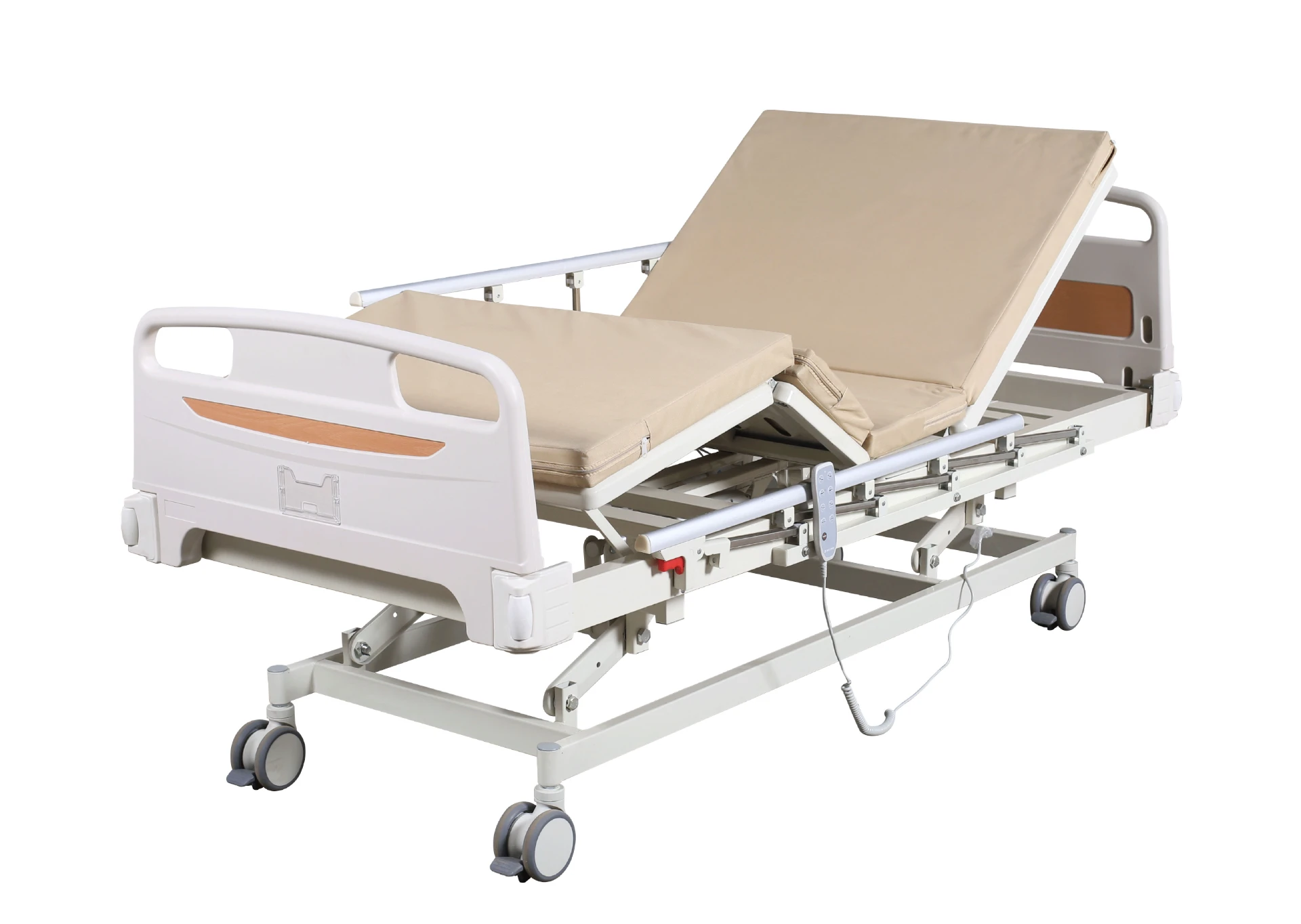
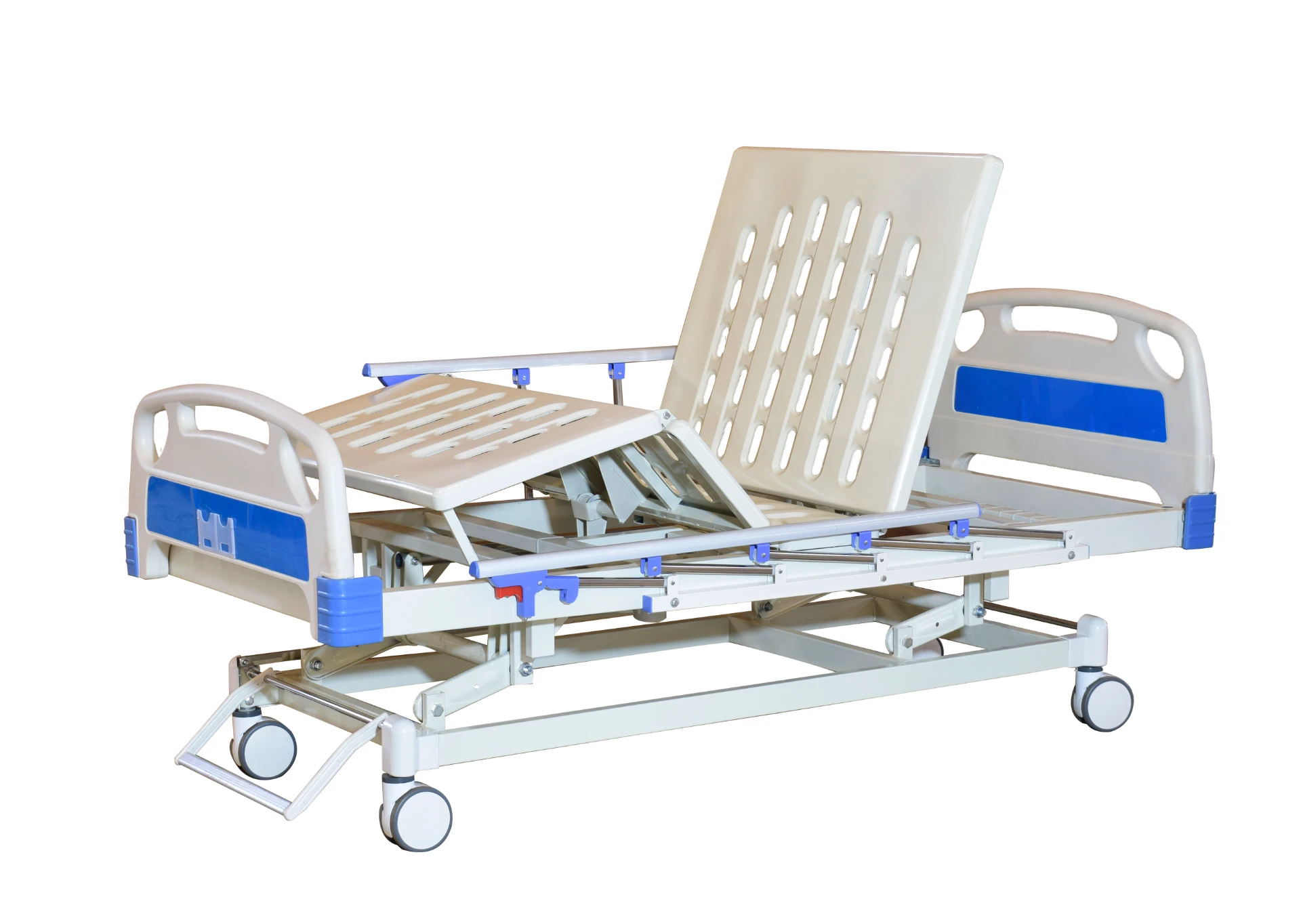
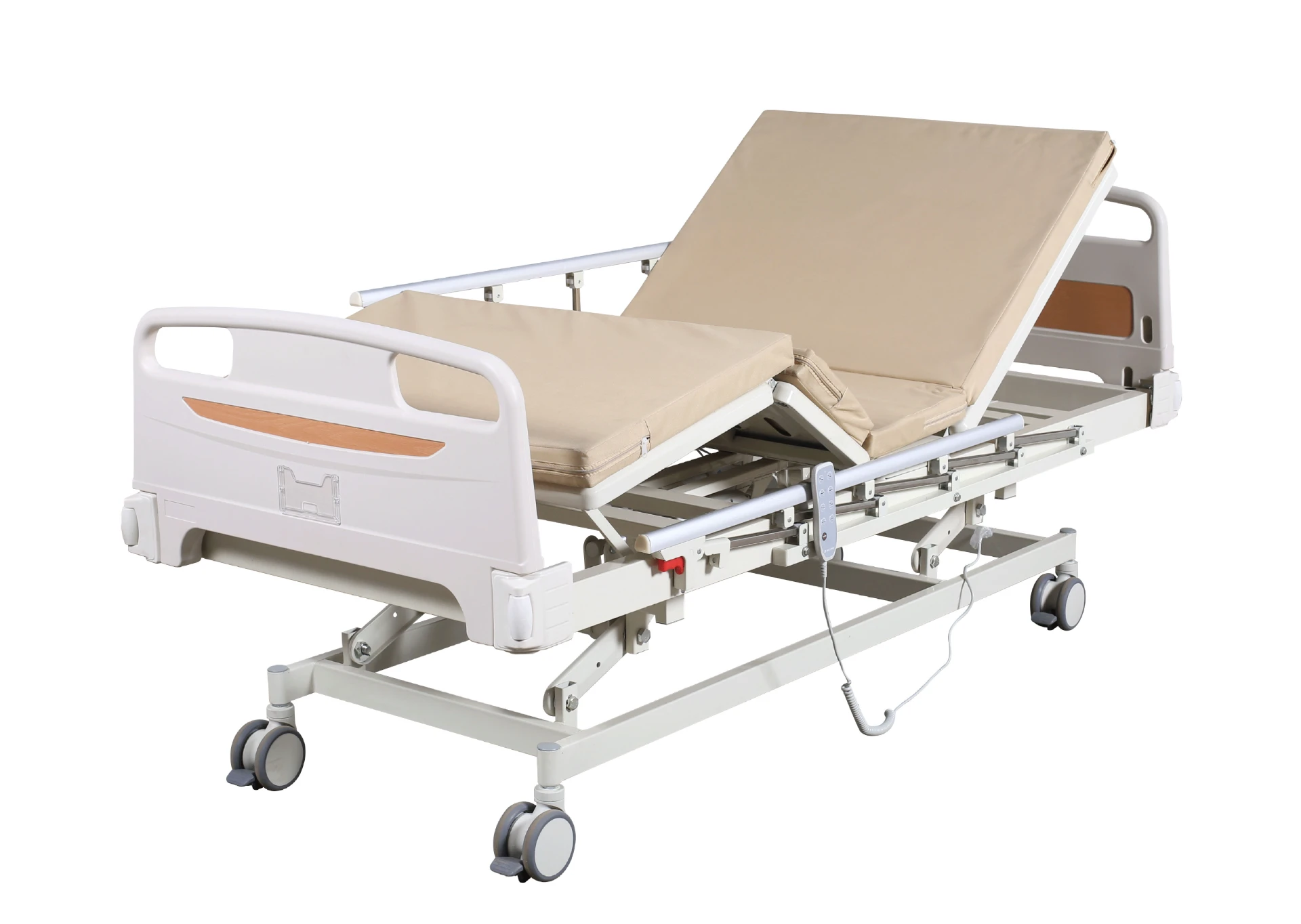
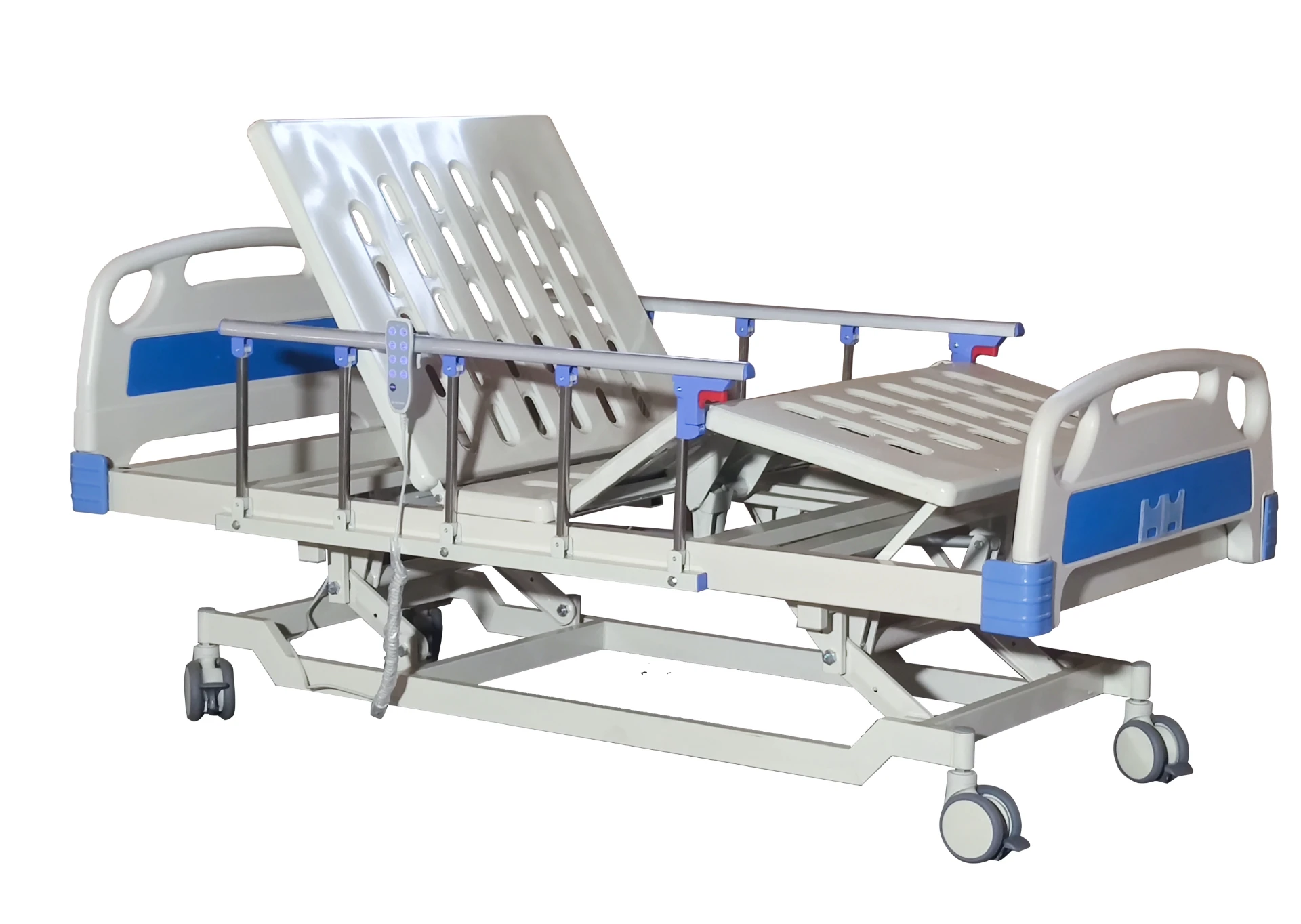
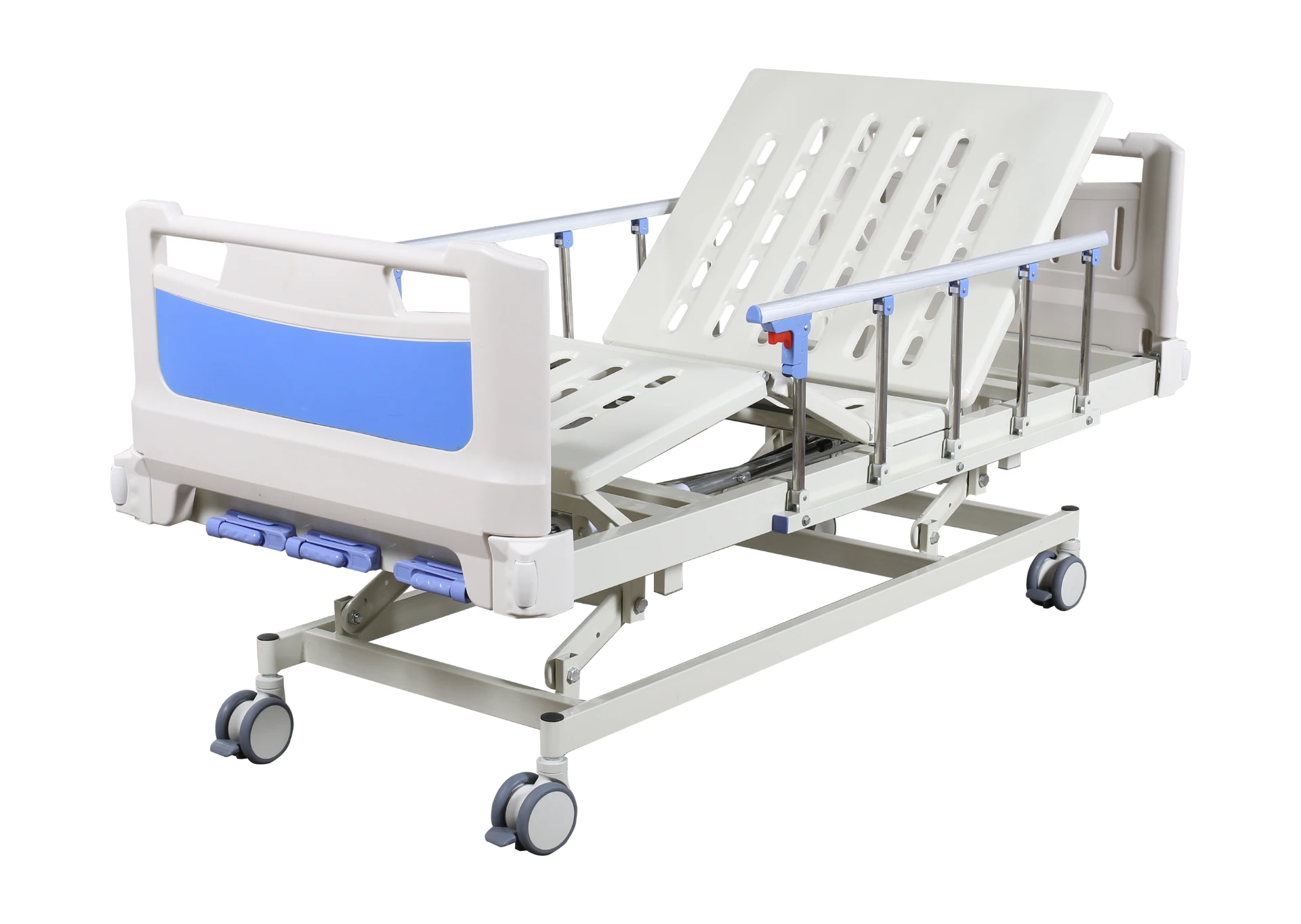
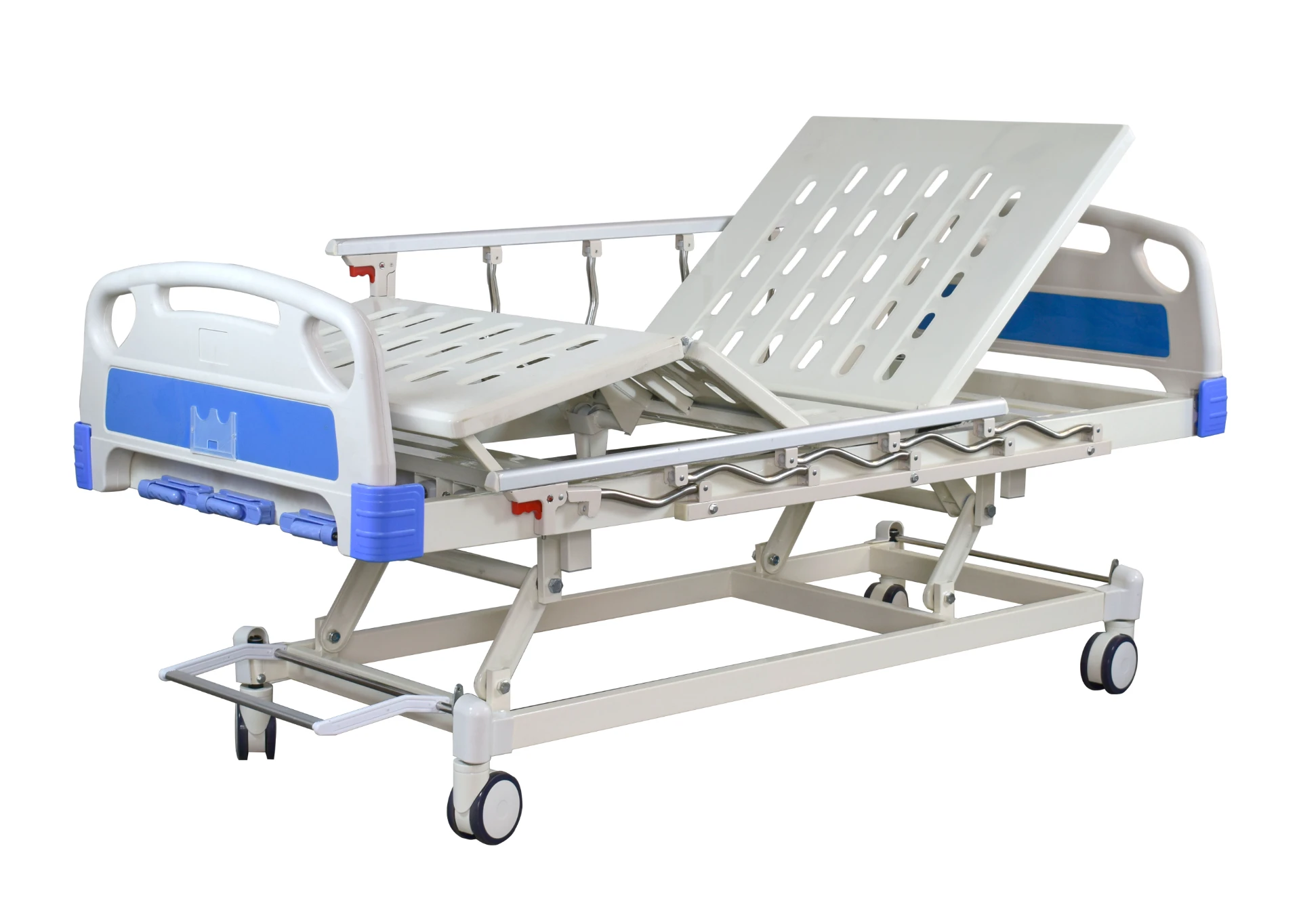
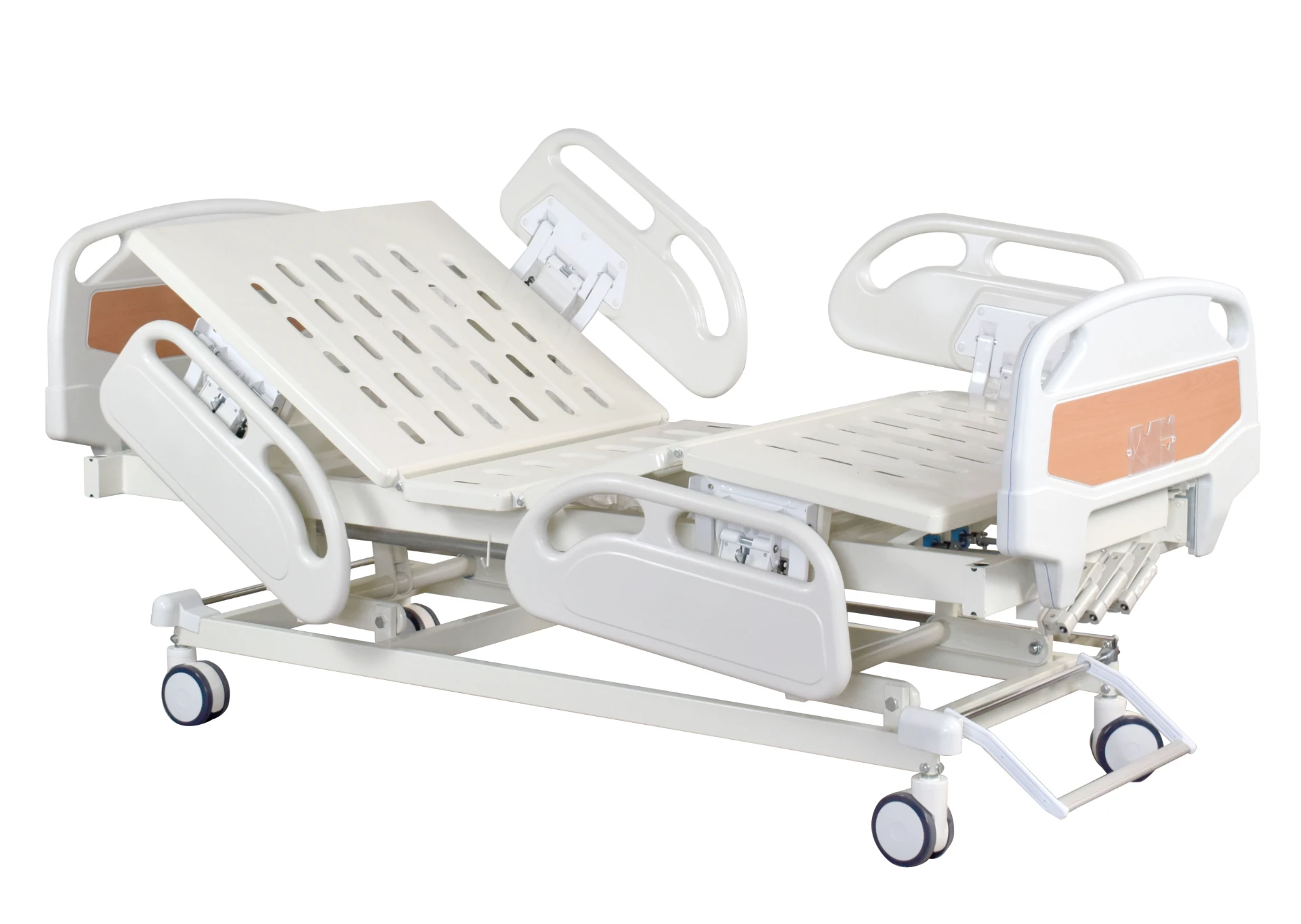
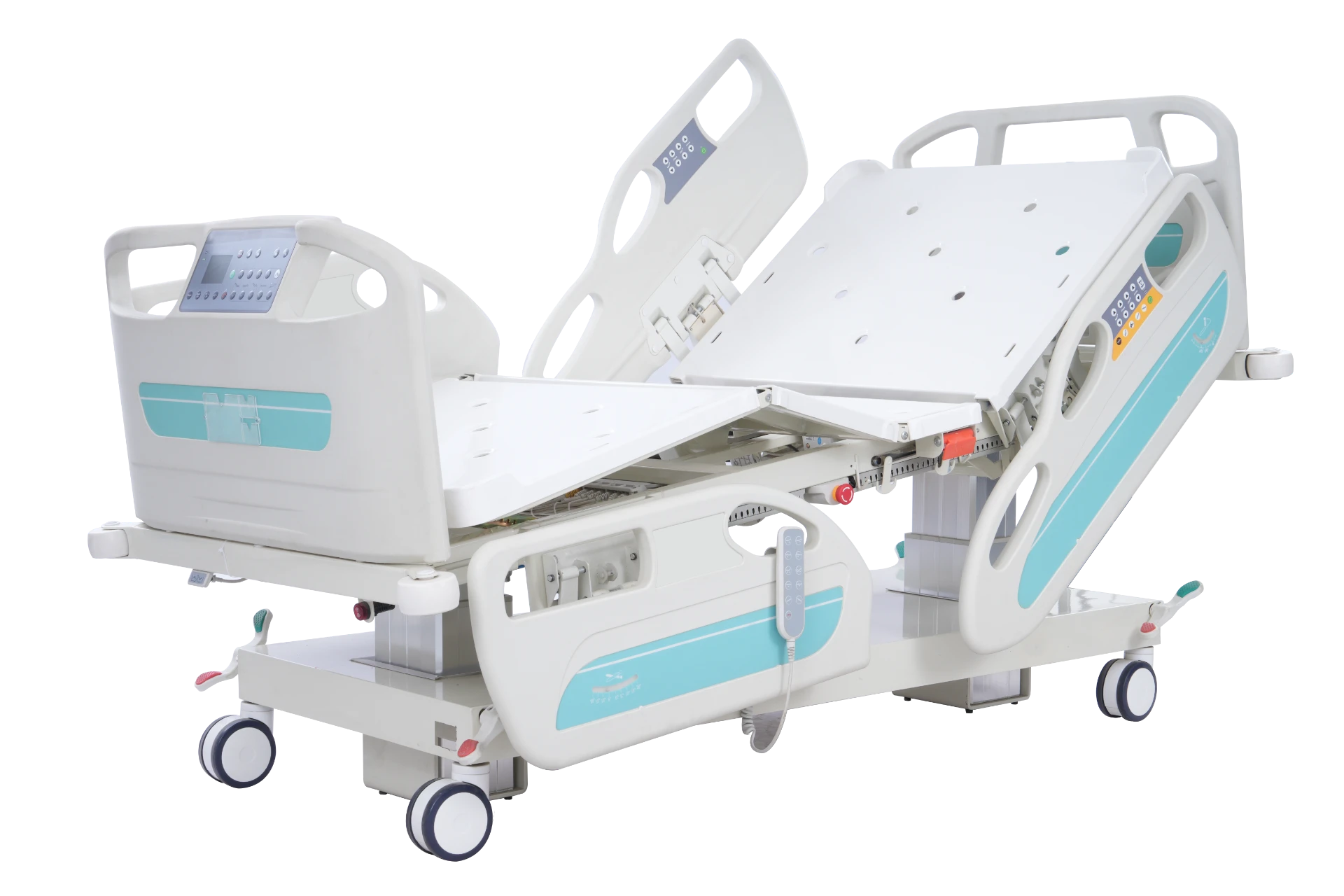
Having spent a good chunk of my career around medical and industrial equipment—particularly beds designed for long-term patient care—I've come to appreciate just how vital an anti bed sore bed really is. You don’t often hear about it until you need one, but for those bedridden patients at risk of pressure ulcers, these beds are game-changers.
Oddly enough, I remember early on seeing patients suffer from bedsores that could have been avoided. For many engineers and caregivers I've talked to, the development of specialized beds to mitigate that hazard has been a big step forward—both in patient wellbeing and in reducing hospital stays.
So what exactly sets these beds apart from a regular hospital bed? Well, much of it comes down to pressure redistribution and material technology. Many manufacturers employ multi-layered foam or incorporate alternating pressure air cells. The idea is pretty simple: keeping pressure moving prevents tissue damage. But in real terms, the design and testing are surprisingly complex.
Material choice is crucial. For instance, you’ll often see high-density polyurethane foam combined with breathable, waterproof covers that are easy to clean. The covers also prevent moisture buildup that can contribute to skin breakdown. I’ve noticed that the best models strike a balance between firmness and cushioning—too soft, and the patient sinks in causing hotspots; too firm, and they might just hurt.
Let me share a quick anecdote: A long-term care facility I worked with upgraded from standard beds to advanced anti bed sore models. Nurses reported fewer dressing changes and better patient comfort within just a couple of weeks. That kind of frontline feedback is what really matters.
Customization options can also be quite significant. Depending on the patient’s weight, mobility, or skin condition, features like adjustable height, lateral tilt, or integrated alarms for repositioning reminders are invaluable. Frankly, some beds feel more like high-tech massage tables than what you’d expect.
| Feature | Specification |
|---|---|
| Mattress Type | Alternating Pressure Air Cell Mattress |
| Weight Capacity | Up to 250 kg (550 lbs) |
| Cover Material | Waterproof, breathable polyurethane fabric |
| Adjustability | Manual/automatic height and tilt adjustment |
| Power Source | Electric (110-240V), battery backup optional |
| Additional Features | Repositioning alarm, anti-microbial coating |
Now, if you’re a procurement professional—or even a hospital engineer—you’re probably weighing options across brands. Below is a quick comparison of three notable anti bed sore beds widely used in the industry:
| Vendor | Mattress Type | Key Feature | Price Range (USD) |
|---|---|---|---|
| CNBoxin | Alternating Air Cells | Customizable firmness; robust waterproof cover | $1,200 - $1,600 |
| MedEquip Co. | Foam layered with gel inserts | Pressure mapping technology | $1,400 - $1,800 |
| SafeRest Solutions | Hybrid air and foam cells | Built-in repositioning alarms | $1,350 - $1,700 |
From what I’ve seen, CNBoxin’s models hit a nice sweet spot between quality and cost, especially for facilities that need reliable, long-lasting equipment without the super-premium price tag. I suppose it’s the sort of balance that gets appreciated more the longer you work with these beds.
That brings me to a critical point about testing and certification. In this market, trustworthiness is everything. Products should meet standards like ISO 13485 for medical devices and undergo rigorous pressure distribution studies. Many companies, including CNBoxin, publish validated test results to back their claims—which frankly is refreshing. It’s one thing to claim clinical benefits and quite another to provide hard data.
If you’re selecting an anti bed sore bed, consider this: Can it be easily maintained? Are replacement parts widely available? And how intuitive is the control system for caregivers? In practical terms, those questions often decide if a bed is a help or a hassle on the floor.
All things considered, the right anti bed sore bed can be a vital part of patient care, reducing complications and improving quality of life. And even after years bouncing between factories and hospitals, I’m convinced that proper equipment design really can change outcomes—something we shouldn’t overlook.
Some reflections worth noting:
- Pressure redistribution remains the cornerstone of bed sore prevention.
- Material durability combined with patient comfort is non-negotiable.
- Vendor transparency and post-sale support make a world of difference.
So whenever you come across the term anti bed sore bed, remember: there’s an entire world of design, testing, and real-world experience behind those beds quietly keeping patients safe.
-
Ultimate Guide to Choosing Extra Wide Waiting Room ChairsNewsApr.16,2026
-
Guide to Choosing Professional Waiting Room Chairs Wipeable SeatingNewsApr.09,2026
-
Enhance Your Space with Comfortable Wide Waiting Room ChairsNewsApr.07,2026
-
Selecting the Ideal Brown Waiting Room Chairs for a Welcoming SpaceNewsApr.04,2026
-
Choosing Comfortable Patient Waiting Room Chairs for Healthcare FacilitiesNewsMar.31,2026
-
Finding the Best Deals on Affordable and Cheap Reception Chairs for Your BusinessNewsMar.28,2026
-
Enhance Your Business Reception with Comfortable Blue Reception ChairsNewsMar.26,2026