Welcome to our websites!


Affordable Delivery Bed Price | Safe & Comfortable Maternity Beds
Market Dynamics and Industry Trends in Medical Beds
The global healthcare sector is undergoing rapid transformation, driven by an aging population, increasing prevalence of chronic diseases, and advancements in medical technology. Within this evolving landscape, the demand for sophisticated medical equipment, particularly patient beds, is escalating. For healthcare procurement professionals, understanding the multifaceted considerations influencing delivery bed price is crucial. The market is witnessing a shift towards beds that offer enhanced patient comfort, caregiver ergonomics, and robust infection control features, all while maintaining cost-effectiveness.
Current trends indicate a strong emphasis on multi-functional beds capable of supporting various medical procedures, from intensive care to maternity. This includes specialized units where the delivery bed price is benchmarked against features such as electric adjustability, integrated patient scales, and advanced safety mechanisms. Beyond delivery rooms, there's a growing market for specialized units like those influencing surgical bed price, designed for operating theatres and recovery areas, as well as an increasing focus on patient mobility solutions like advanced crutches. The expanding homecare sector also drives demand, making homecare beds price a significant consideration for both private individuals and care providers. Furthermore, institutions are optimizing their emergency response capabilities, which directly impacts the emergency bed price for rapid deployment units, alongside the utilitarian needs reflected in waiting bench price for common areas. These broader market dynamics highlight the strategic importance of investing in high-quality, durable, and technologically advanced medical beds.
Precision Manufacturing Process of CE Certified Hospital Beds
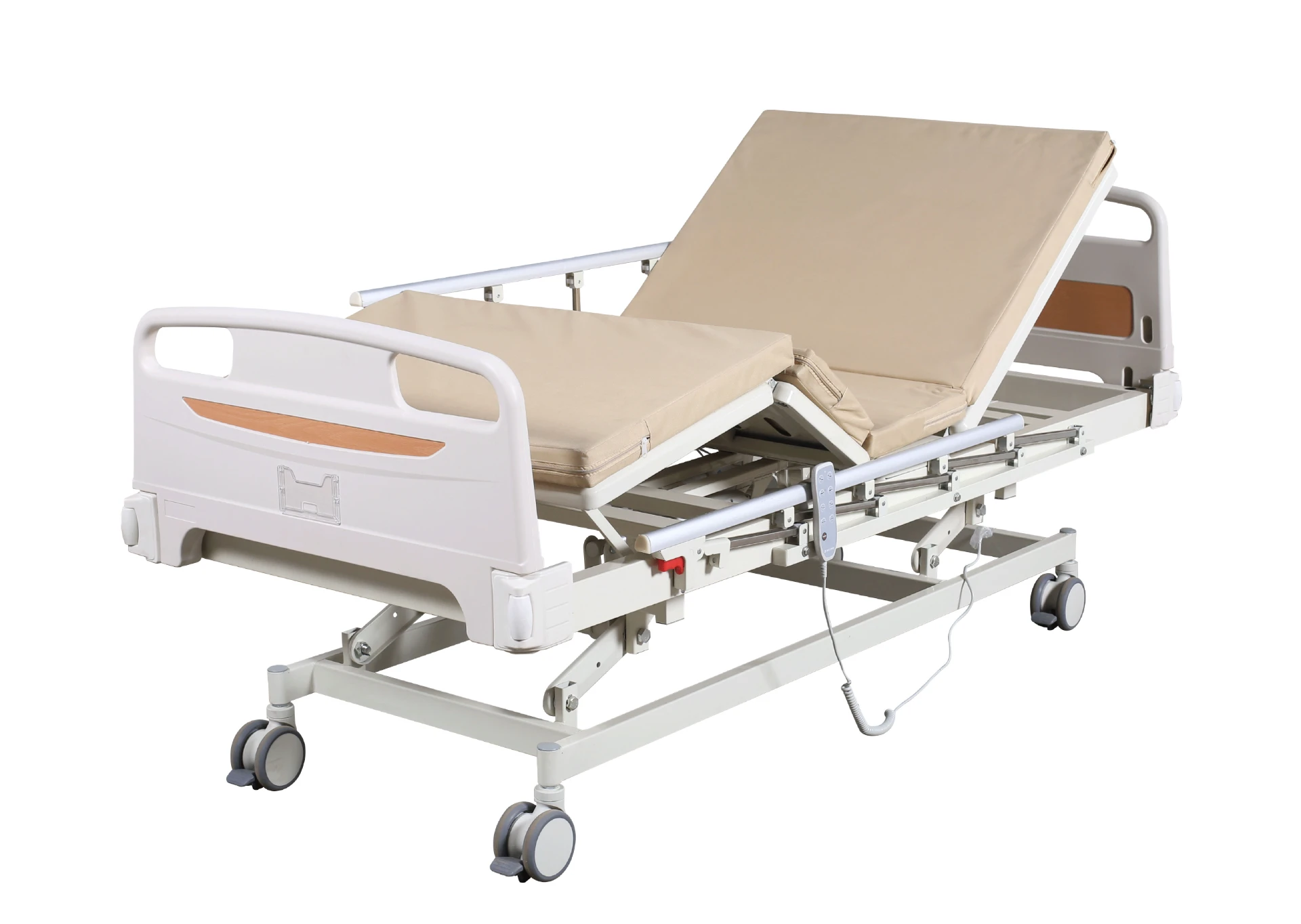
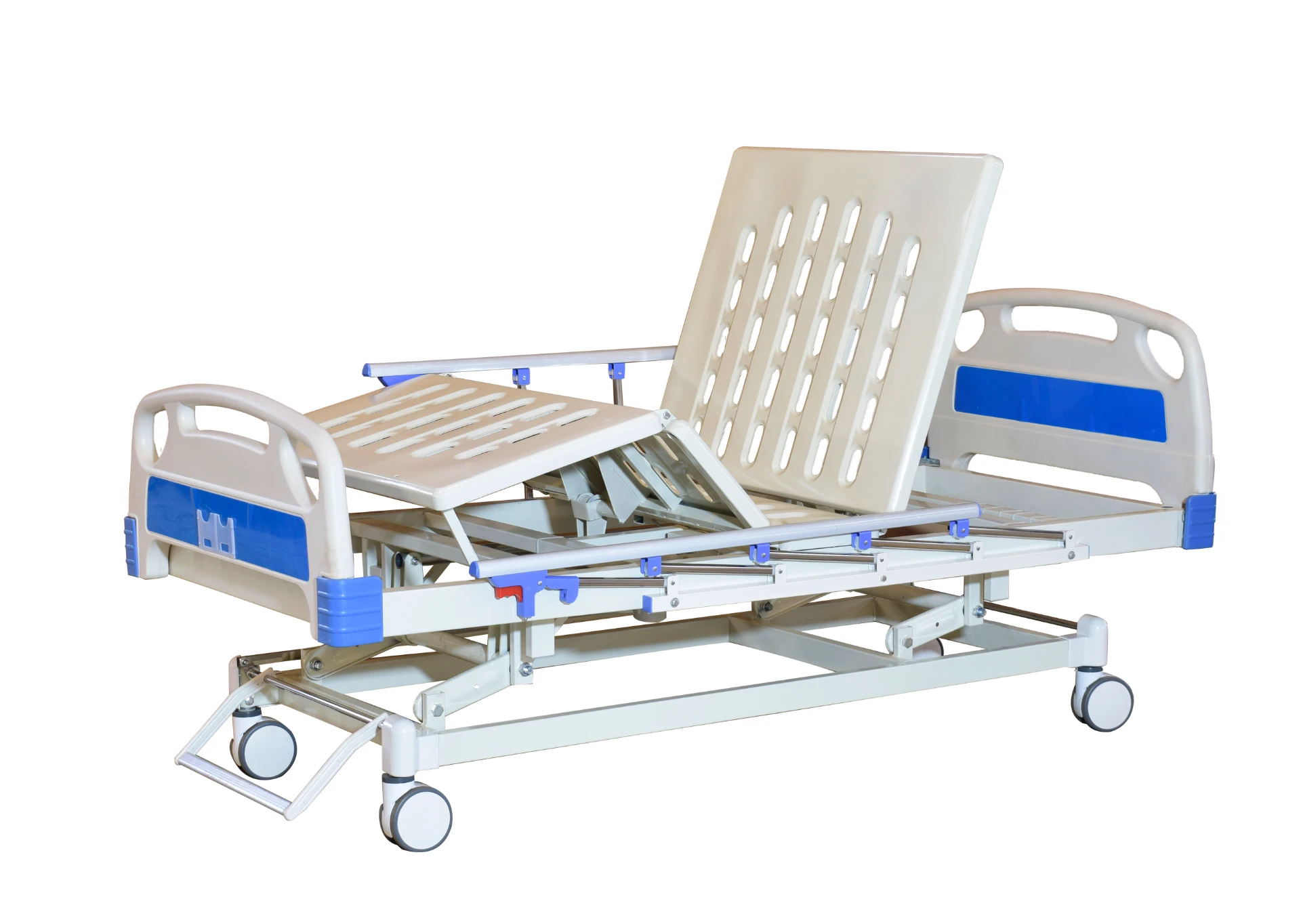
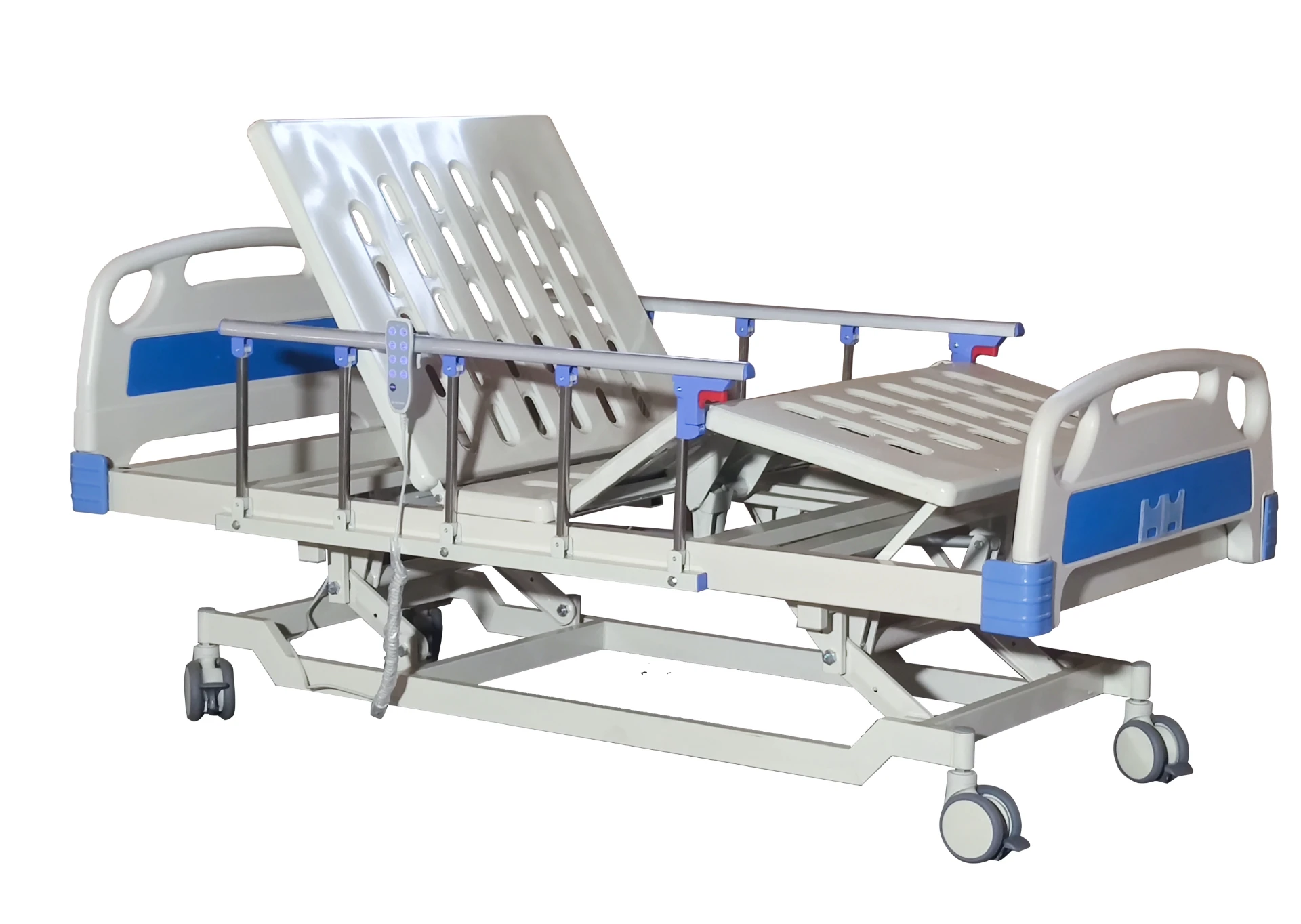
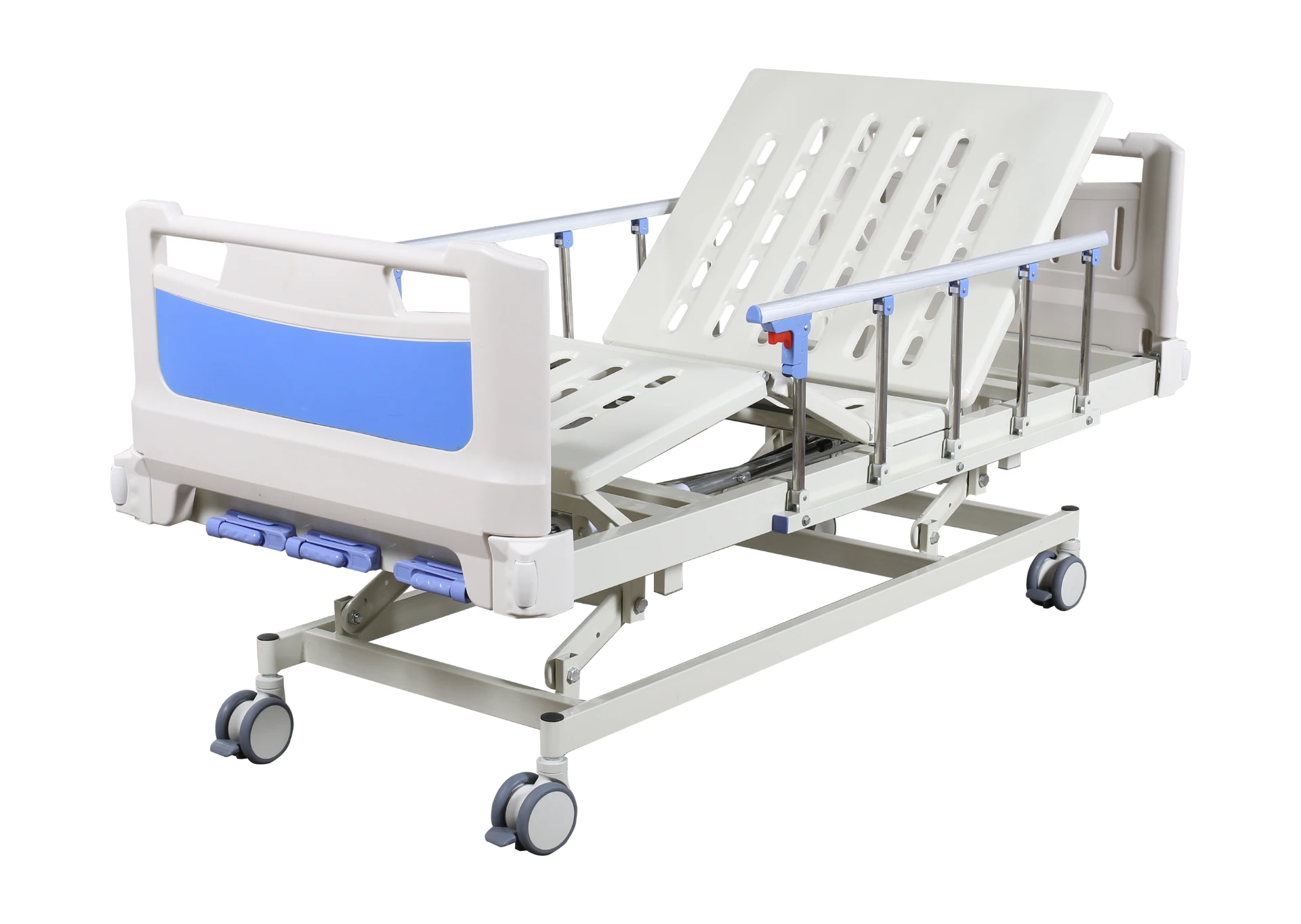
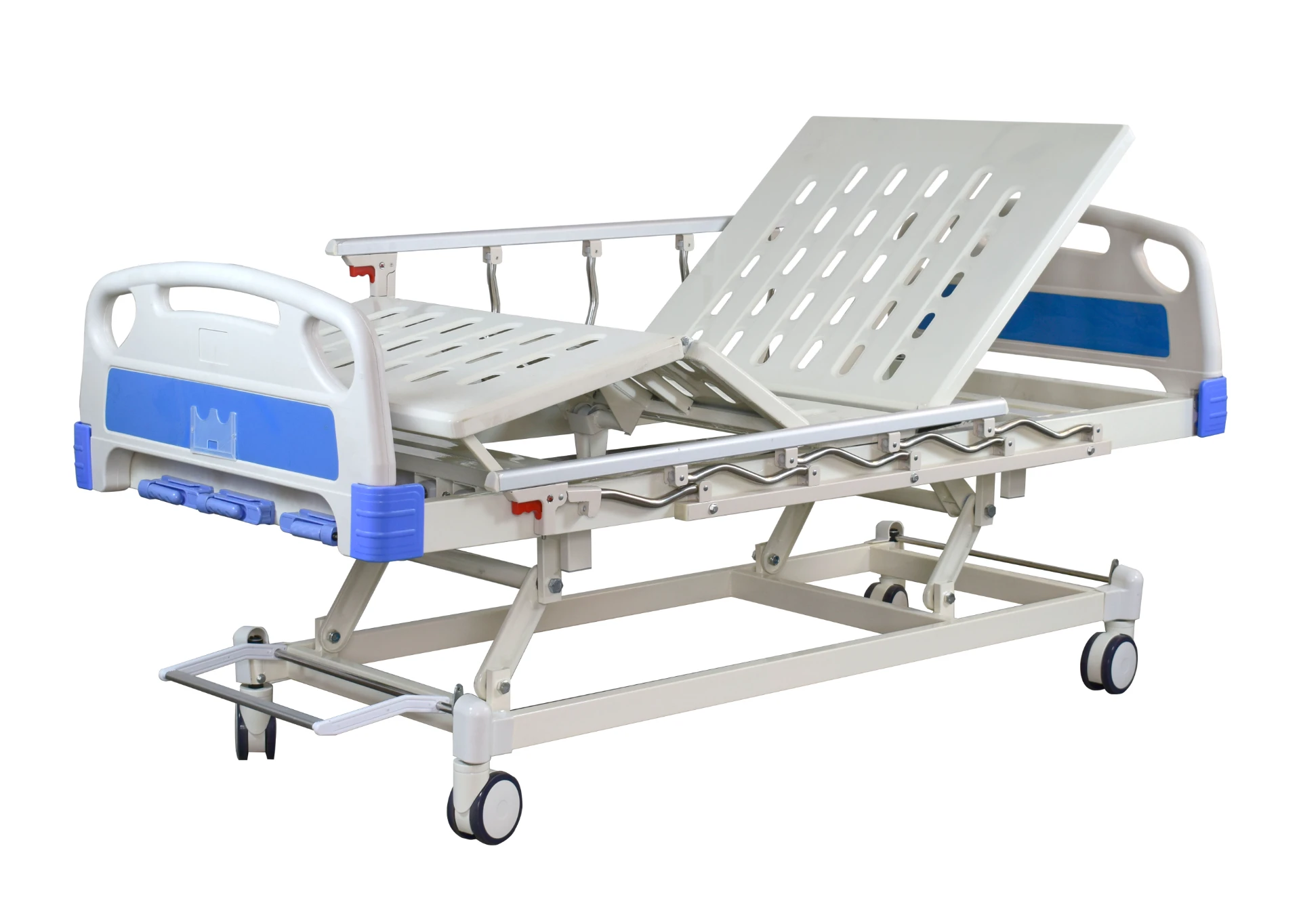
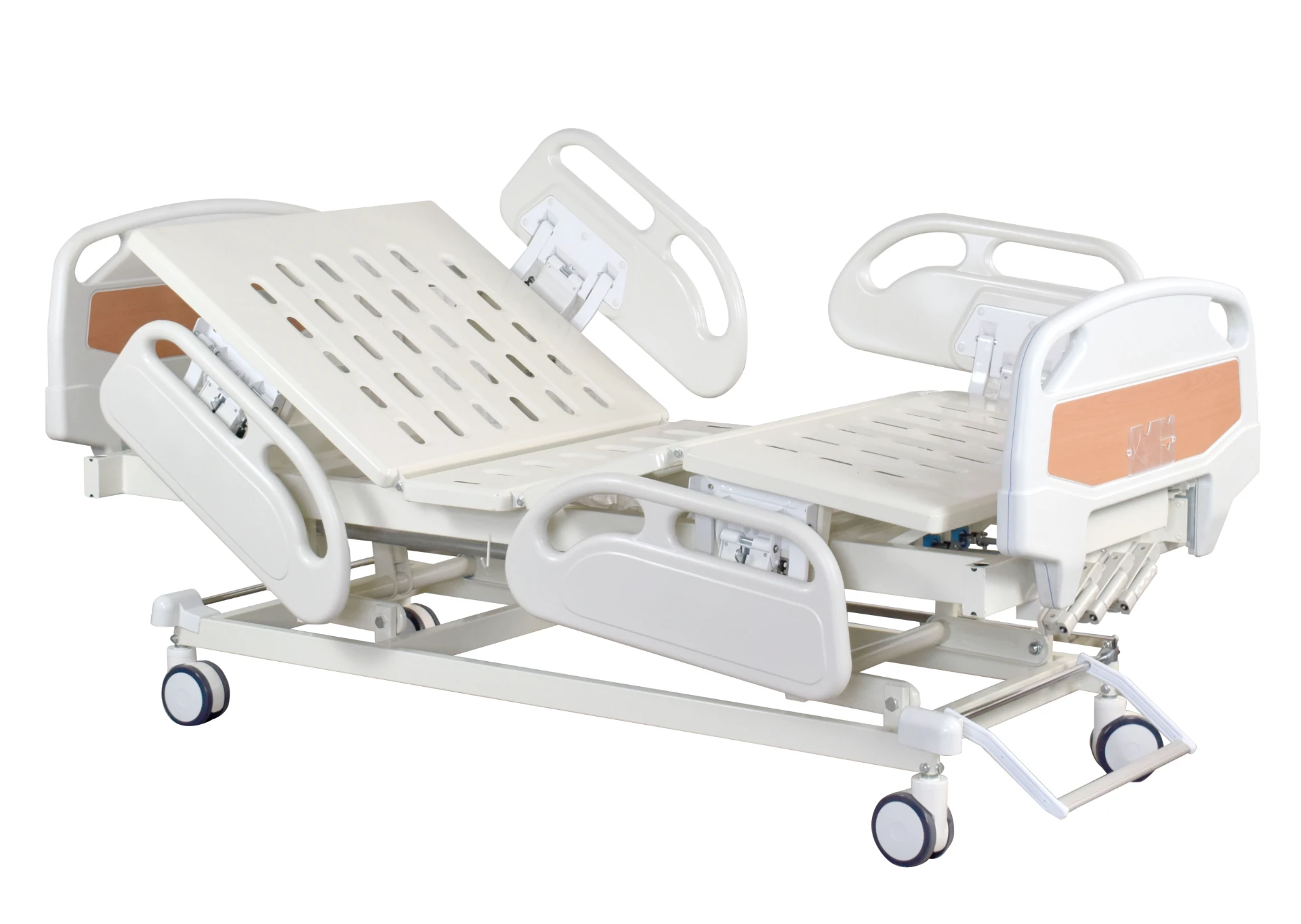
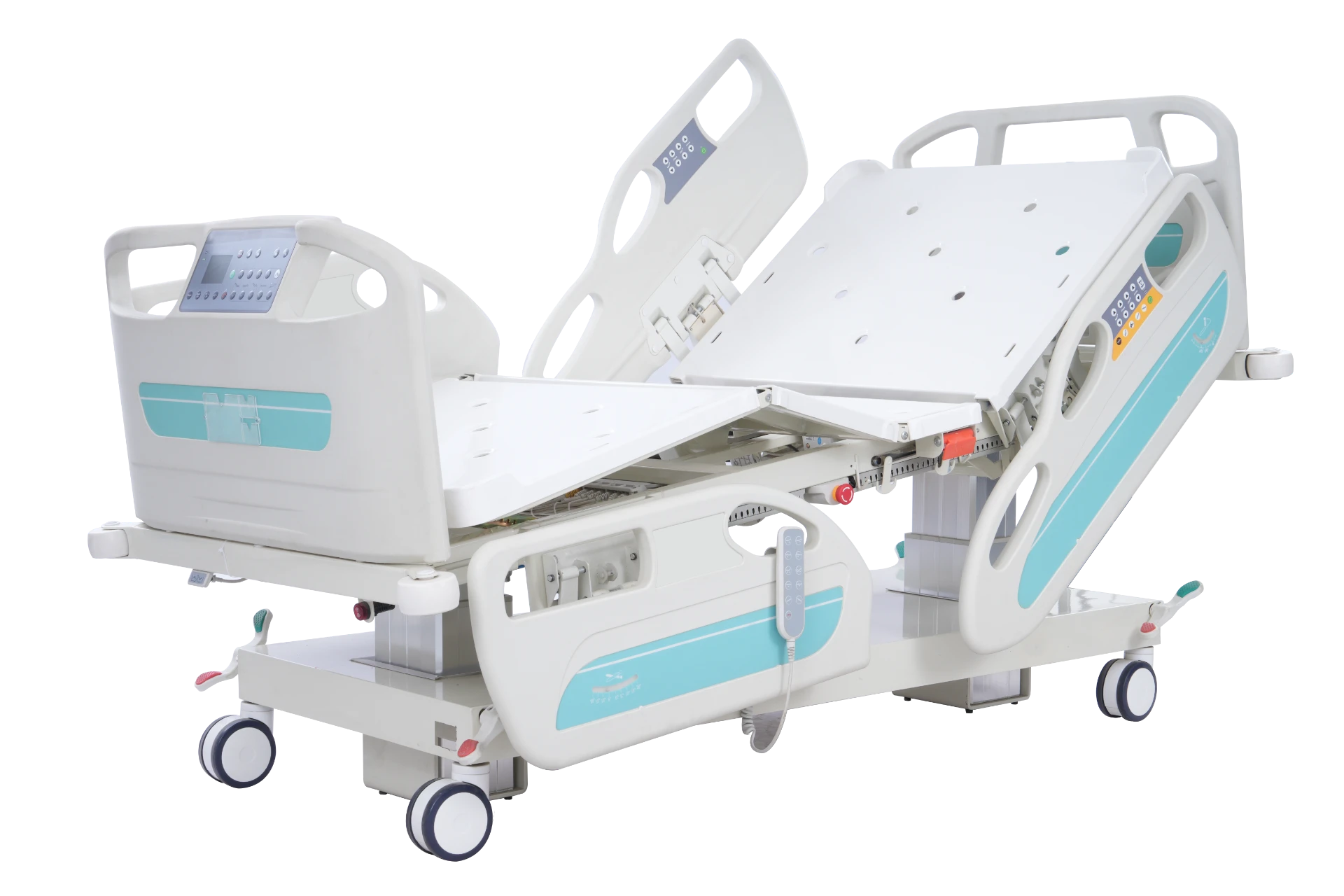
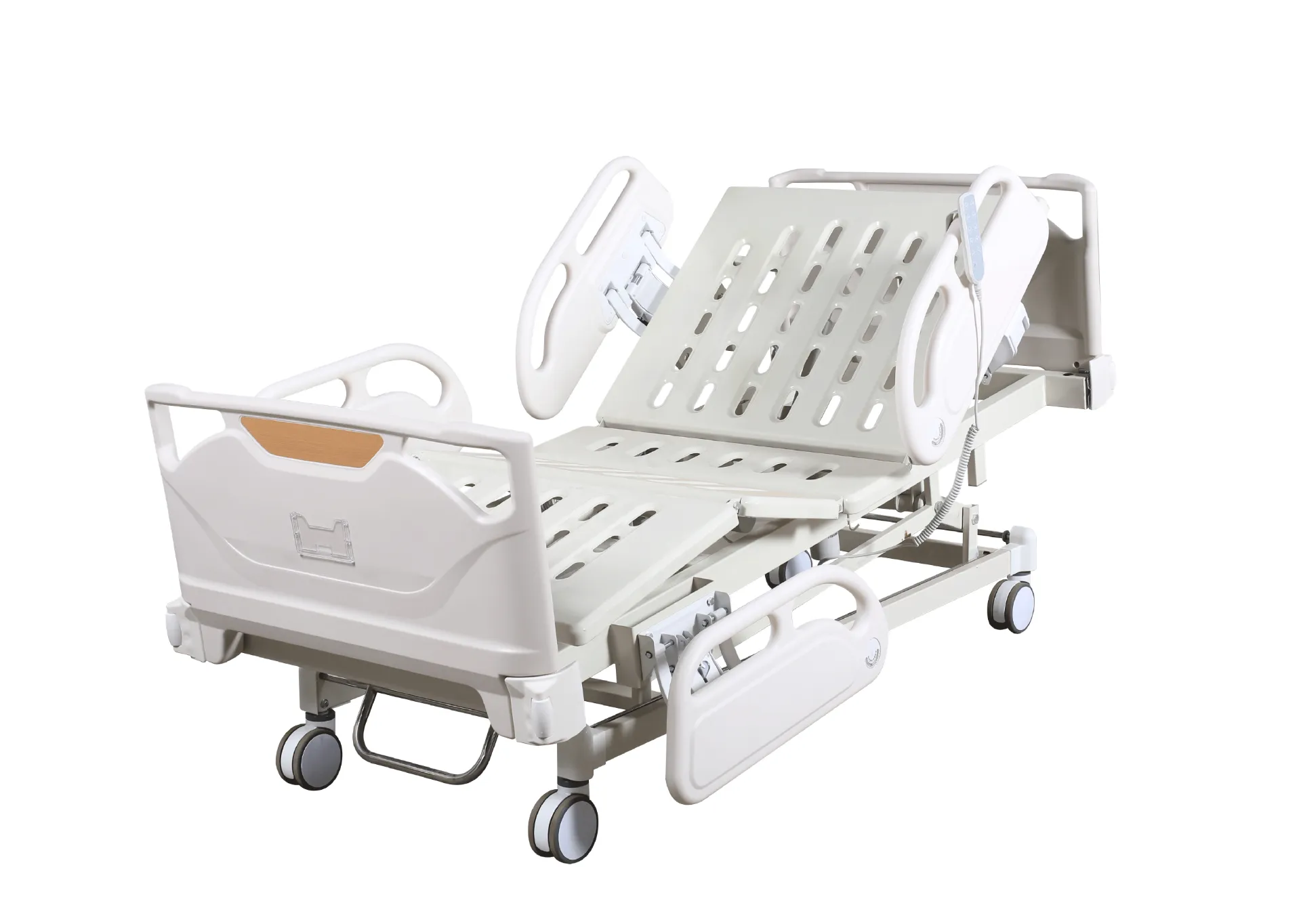
The manufacturing of high-quality hospital beds, such as the CE certification adjustable hospital style bed for patient, involves a meticulous, multi-stage process designed to ensure durability, safety, and functionality. This process adheres strictly to international standards, impacting the overall delivery bed price through material selection, advanced fabrication techniques, and rigorous quality control.
Manufacturing Process Flow:
- Material Selection & Procurement: High-grade cold-rolled steel (Q235) is selected for the bed frame, offering superior strength and longevity. ABS plastic (Acrylonitrile Butadiene Styrene) is chosen for head/foot boards and side rails due to its impact resistance, ease of cleaning, and aesthetic properties. Polypropylene (PP) is used for other non-load-bearing components. All materials are sourced from certified suppliers to ensure compliance with medical-grade requirements.
- Frame Fabrication (Cutting, Forming, Welding): CNC laser cutting machines precisely cut steel tubes and sheets according to design specifications. This ensures high dimensional accuracy. Subsequent hydraulic bending and forming machines shape the components. Robotic welding systems are employed for the main bed frame assembly, ensuring strong, consistent, and smooth welds, critical for structural integrity and patient safety.
- Surface Treatment (Pre-treatment & Powder Coating): Fabricated steel components undergo a multi-stage pre-treatment process, including degreasing, rust removal, and phosphating. This prepares the surface for optimal adhesion of the powder coat. Electrostatic powder coating, typically in an antimicrobial epoxy-polyester finish, is then applied and baked at high temperatures. This creates a durable, corrosion-resistant, and easy-to-sanitize surface, essential for the demanding hospital environment and extending the product’s service life.
- Component Machining (CNC Machining): Smaller, intricate components, such as those for articulation mechanisms or accessory mounts, are manufactured using advanced CNC machining. This ensures precise fits and smooth operation for adjustable features.
- Assembly: The finished frame, ABS components, electric motors, control systems, and castors are assembled by skilled technicians. This stage includes the installation of articulation mechanisms, safety rails, and control panels.
- Quality Control & Testing: Each bed undergoes rigorous testing at various stages. Final product testing includes load capacity testing (static and dynamic), functional testing of all electric and manual adjustments, brake effectiveness, and material integrity. Beds are tested against ISO 13485:2016 and CE MDD 93/42/EEC standards to ensure compliance with European medical device regulations. ANSI/AAMI ES60601-1 is also a key reference for electrical safety.
- Packaging & Shipment: After passing all tests, beds are thoroughly cleaned, inspected, and carefully packaged to prevent damage during transit.
This comprehensive process ensures a service life typically exceeding 10-15 years under normal operational conditions. The target industries benefiting from these advanced beds include general hospitals, specialized maternity and pediatric clinics, long-term care facilities, and home healthcare providers. Advantages include enhanced energy saving through efficient motor systems, superior corrosion resistance from advanced coatings, and robust construction preventing structural fatigue. In petrochemical and metallurgy sectors, robust construction is paramount for specific industrial beds, whereas in water supply & drainage, corrosion resistance is critical for equipment longevity.
Technical Specifications and Parameters (Expertise)
Understanding the technical specifications of a medical bed is paramount for B2B decision-makers. These parameters not only define functionality and patient safety but also directly influence the delivery bed price. The "CE certification adjustable hospital style bed for patient" exemplifies a balance of advanced features and robust construction.
Product Specification Table: CE Certification Adjustable Hospital Style Bed
Key terminology for understanding these specifications: "Trendelenburg" refers to a position where the patient's head is lower than their feet, often used to improve blood flow to the brain or in certain surgical procedures. "Reverse-Trendelenburg" is the opposite. The "Safe Working Load" (SWL) indicates the maximum weight the bed can safely support, including the patient, mattress, and accessories. Detachable ABS head/foot boards facilitate easier patient transfer and emergency access. A central braking system on castors ensures stability and maneuverability.
Application Scenarios and Enhanced Patient Experience
The versatility and robust design of modern hospital beds extend their application across a wide spectrum of healthcare environments. The "CE certification adjustable hospital style bed for patient" is engineered to meet the diverse needs of both patients and caregivers, contributing significantly to operational efficiency and patient outcomes. Understanding these scenarios further clarifies the value proposition behind the delivery bed price.
- Maternity Wards and Birthing Centers: These beds are crucial for mothers during pre-delivery, labor, and post-partum recovery. The electric adjustability allows for comfortable positions, easing the birthing process and facilitating recovery. The easy-to-clean surfaces and infection control features are paramount in this sensitive environment.
- General Wards and Semi-Private Rooms: Providing comfortable and safe accommodations for patients requiring general medical care, these beds assist with daily activities, repositioning to prevent pressure sores, and facilitating interaction with caregivers.
- Critical Care Units (CCU) and Intensive Care Units (ICU): While more specialized ICU beds might be required, the core features of these adjustable beds serve as foundational support, especially when integrated with monitoring equipment. The adjustability allows for quick patient repositioning necessary for medical interventions and respiratory support. For acute needs, the rapid response required can also influence considerations around emergency bed price and the need for quick setup.
- Post-Operative Recovery Rooms: Following surgical procedures, patients often require specific positioning for comfort, pain management, and wound care. The smooth electric adjustments ensure minimal disturbance to recovering patients. This directly relates to the importance of the surgical bed price for pre- and post-operative care solutions.
- Home Healthcare Settings: With increasing demand for elder care and chronic disease management at home, these beds provide hospital-grade comfort and functionality in a residential setting. The robust construction ensures long-term reliability for homecare needs, where the homecare beds price is a key determinant for families and providers alike.
Customer Feedback & Usage Scenario: A recent case study from a regional hospital indicated that implementing these adjustable beds in their maternity ward reduced staff strain by 15% due to easier patient handling and improved patient satisfaction scores by 10% due to enhanced comfort and independence. The robust design minimized maintenance requirements, which significantly influenced the long-term total cost of ownership, making the initial delivery bed price a worthwhile investment.
Technical Advantages and Compliance (Authoritativeness)
The competitive edge of advanced medical beds stems from their integration of superior technical advantages and adherence to stringent international compliance standards. These elements not only assure operational excellence but also justify the investment associated with the delivery bed price.
- Multi-functional Electric Adjustability: Equipped with advanced motor systems (e.g., Linak or Dewert), these beds offer smooth, quiet, and precise electric control of backrest, leg rest, height, and optional Trendelenburg/Reverse-Trendelenburg positions. This reduces physical strain on caregivers and allows patients to easily find comfortable and therapeutic positions, enhancing recovery and general well-being.
- Robust Construction and Material Science: The use of cold-rolled steel for the frame, treated with electrostatic powder coating, provides exceptional structural integrity and resistance to corrosion, disinfectants, and general wear and tear. ABS plastic components for headboards, footboards, and side rails ensure durability, impact resistance, and ease of sterilization, contributing to a longer product lifespan and lower maintenance costs over time.
- Enhanced Patient Safety Features: Integrated safety features such as four-section foldable side rails with safety locks prevent accidental falls. A central braking system on the noiseless castors ensures the bed remains stable during patient transfer or medical procedures. Backup battery systems ensure full functionality even during power outages.
- Infection Control Optimization: Seamless bed board sections, smooth surfaces, and materials resistant to common hospital disinfectants facilitate thorough cleaning and disinfection. Detachable head/foot boards further streamline deep cleaning protocols, minimizing the risk of Healthcare-Associated Infections (HAIs).
- International Certifications and Compliance: Products hold critical certifications such as CE (Conformité Européenne) under the Medical Device Directive (MDD 93/42/EEC) and ISO 13485:2016 for Quality Management Systems in Medical Devices. These certifications demonstrate compliance with rigorous European health, safety, and environmental protection standards, providing a strong assurance of product quality and reliability to B2B buyers. Our long-standing partnerships with leading healthcare institutions and over 15 years of dedicated service in the medical equipment sector further underscore our authoritative position.
These technical advantages collectively contribute to a lower total cost of ownership by reducing maintenance, improving patient outcomes, and enhancing operational efficiency, thus providing exceptional value relative to the initial delivery bed price.
Vendor Comparison: Evaluating Medical Equipment Investments
Selecting the right medical equipment supplier requires a comprehensive evaluation beyond just the immediate delivery bed price. A thorough vendor comparison should consider product features, certifications, after-sales support, and overall value. Below is a conceptual comparison across various types of medical equipment, including our "CE certification adjustable hospital style bed for patient" and related products, highlighting key differentiators.
Medical Equipment Vendor Comparison Matrix
While a lower delivery bed price might seem attractive initially, the long-term cost of ownership, including maintenance, potential patient injury liabilities, and shorter product lifespan, often outweighs initial savings. Vendors with strong certifications (CE, ISO), superior material specifications, and advanced features generally offer better value and reliability. Similarly, for auxiliary equipment like advanced crutches, robust construction and ergonomic design prevent complications and improve patient mobility outcomes. Our commitment is to provide premium quality and certified products, ensuring optimal performance and patient safety, thus offering a competitive edge even when considering the initial delivery bed price.
Customized Solutions for Specialized Healthcare Needs
Recognizing that standard medical equipment may not always meet the unique requirements of every healthcare institution, we offer comprehensive customized solutions. Our approach ensures that the investment in delivery bed price delivers maximum functional and operational alignment with client-specific needs, distinguishing us from competitors. Customization options can range from minor adjustments to significant design modifications.
- Dimension and Configuration Adjustments: We can modify bed dimensions (length, width, height range) to fit specific room layouts or patient demographics (e.g., bariatric or pediatric units). Customization also includes adjusting the number of motor functions (e.g., adding cardiac chair position) or integrating specialized mattress platforms.
- Material and Finish Options: While our standard beds feature high-grade steel and ABS, clients can specify alternative materials or finishes for enhanced aesthetic integration with hospital interiors or for specific infection control requirements. This could include specialized antimicrobial coatings or unique color schemes for departmental differentiation.
- Accessory Integration: Customization extends to integrating a variety of accessories such as patient scales, IV poles with specific load capacities, over-bed tables, drainage bag hooks, and chart holders. These integrations are designed to be seamless, improving workflow and patient care efficiency.
- Control System Modifications: Tailoring control interfaces for specific user groups, such as nurse-side only controls, patient lockout features, or compatibility with centralized hospital management systems, is also possible. This ensures intuitive operation and enhanced safety.
Each customized solution undergoes the same rigorous design, manufacturing, and testing protocols as our standard products, ensuring that CE and ISO certifications are maintained. While customization may influence the final delivery bed price, the long-term benefits of perfectly tailored equipment in terms of patient care, operational efficiency, and staff satisfaction often yield a superior return on investment.
Application Case Studies: Proven Impact
Real-world application demonstrates the tangible benefits of investing in high-quality medical beds. Our "CE certification adjustable hospital style bed for patient" has been successfully deployed in various challenging environments, showcasing its reliability, efficiency, and positive impact on patient outcomes. These case studies underscore the strategic value beyond the initial delivery bed price.
Case Study 1: Large Urban Hospital Maternity Ward Upgrade
Client: Metropolitan General Hospital, Obstetrics Department (50 beds)
Challenge: The hospital needed to replace its aging fleet of manual delivery beds. Key requirements included enhanced patient comfort, improved caregiver ergonomics to reduce injury rates, stringent infection control, and a solution that represented a long-term investment rather than just a low delivery bed price.
Solution: We supplied 50 units of our CE certified adjustable hospital style beds with customized mattress platforms and integrated IV poles. The beds featured multi-functional electric adjustments, easily detachable ABS head/footboards, and a central braking system. Pre-installation training was provided to nursing staff.
Results: Post-implementation, the hospital reported a 20% reduction in nurse back injuries attributed to manual patient handling. Patient satisfaction scores in the maternity ward increased by 15% due to superior comfort and ease of self-adjustment. The ease of cleaning significantly reduced turnaround time between patients and enhanced infection control protocols. The hospital acknowledged that while the initial delivery bed price was a strategic investment, the operational savings and improved patient care quickly justified the expenditure.
Case Study 2: Remote Rural Clinic Expansion
Client: Green Valley Community Clinic (5 beds)
Challenge: A newly established rural clinic required durable, reliable, and versatile beds suitable for general patient care, minor procedures, and short-term recovery, operating with limited maintenance resources. The budget for the delivery bed price was constrained, but quality and longevity were paramount.
Solution: We provided 5 units of our adjustable hospital style beds, configured for robustness and ease of maintenance. The beds were equipped with heavy-duty castors for easy relocation within the clinic and backup battery systems to ensure uninterrupted operation despite potential power fluctuations in the remote area.
Results: The clinic praised the beds for their exceptional durability and reliability under demanding conditions. The electric adjustability proved invaluable for accommodating diverse patient needs, from basic examinations to post-minor surgery recovery, making each bed a multi-purpose asset. The low maintenance requirements and long service life ensured a positive return on their investment in the delivery bed price, despite the remote location challenges.
Trustworthiness: FAQ, Fulfillment, Warranty & Support
Frequently Asked Questions (FAQ)
Q1: What is included in the standard delivery bed price?
A1: The standard delivery bed price typically includes the bed frame, electric motor system, ABS head/foot boards, ABS foldable side rails, central braking castors, and a hand pendant control. Mattresses and additional accessories are usually quoted separately.
Q2: Are spare parts readily available for your hospital beds?
A2: Yes, we maintain a comprehensive inventory of spare parts for all our products, including motors, control units, castors, and ABS components, ensuring quick availability and minimizing downtime.
Q3: How do your beds comply with international safety standards?
A3: Our beds are CE certified under the Medical Device Directive (MDD 93/42/EEC) and manufactured under an ISO 13485:2016 certified Quality Management System. This ensures compliance with stringent safety, performance, and environmental standards.
Lead Time and Fulfillment
Our standard lead time for manufacturing and preparing hospital beds for shipment is typically 30-45 days for orders up to 100 units, depending on customization requirements. For larger orders or highly specialized configurations, lead times will be confirmed upon order placement. We work with trusted logistics partners to ensure timely and secure global delivery. Expedited options may be available upon request, which can influence the overall delivery bed price for urgent requirements.
Warranty Commitments
We stand behind the quality of our products with a comprehensive warranty program:
- Frame and Welds: 5-year warranty against manufacturing defects.
- Electric Motors and Control Systems: 2-year warranty.
- Other Components (e.g., ABS parts, castors): 1-year warranty.
This warranty covers parts and labor for defects in materials or workmanship under normal use. Full warranty terms and conditions are provided with each purchase.
Dedicated Customer Support and After-Sales Service
Our commitment extends beyond the sale. We provide robust after-sales support to ensure optimal performance and longevity of our products. Our services include:
- Technical Assistance: Expert technical support available via phone, email, or video conference to troubleshoot issues and provide operational guidance.
- Spare Parts Supply: Efficient global supply chain for genuine replacement parts.
- Maintenance Guidance: Detailed user manuals and maintenance guides to help institutions perform routine checks and upkeep.
- Training: On-site or remote training sessions for staff on product operation and basic maintenance, ensuring maximum utility from your investment in delivery bed price.
Conclusion
The modern healthcare landscape demands medical equipment that combines advanced functionality, unwavering safety, and long-term economic value. The "CE certification adjustable hospital style bed for patient" represents a pinnacle in this regard, offering a comprehensive solution that addresses the complex needs of diverse medical environments. From its meticulously engineered manufacturing process and adherence to international standards (CE, ISO 13485) to its robust technical specifications and proven application in real-world scenarios, this bed delivers exceptional performance.
For B2B decision-makers, evaluating the delivery bed price is not merely about the initial outlay but about the total cost of ownership, operational efficiency gains, enhanced patient safety, and improved staff satisfaction. Our commitment to quality, customized solutions, and dedicated after-sales support ensures that clients receive not just a product, but a reliable partnership for superior patient care. Investing in such advanced equipment is a strategic move towards future-proofing healthcare infrastructure and upholding the highest standards of medical service.
References
- International Organization for Standardization. (2016). ISO 13485:2016 Medical devices — Quality management systems — Requirements for regulatory purposes. Geneva, Switzerland: ISO.
- European Parliament and Council of the European Union. (1993). Council Directive 93/42/EEC of 14 June 1993 concerning medical devices. Official Journal of the European Communities, L 169, 1-43.
- Association for the Advancement of Medical Instrumentation (AAMI). (2012). ANSI/AAMI ES60601-1:2012 Medical electrical equipment – Part 1: General requirements for basic safety and essential performance. Arlington, VA: AAMI.
- World Health Organization. (2020). Patient Safety: A global public health priority. Geneva, Switzerland: WHO.
- Mordor Intelligence. (2023). Hospital Beds Market - Growth, Trends, COVID-19 Impact, and Forecasts (2023 - 2028). Retrieved from Mordor Intelligence website.
-
Ultimate Guide to Choosing Extra Wide Waiting Room ChairsNewsApr.16,2026
-
Guide to Choosing Professional Waiting Room Chairs Wipeable SeatingNewsApr.09,2026
-
Enhance Your Space with Comfortable Wide Waiting Room ChairsNewsApr.07,2026
-
Selecting the Ideal Brown Waiting Room Chairs for a Welcoming SpaceNewsApr.04,2026
-
Choosing Comfortable Patient Waiting Room Chairs for Healthcare FacilitiesNewsMar.31,2026
-
Finding the Best Deals on Affordable and Cheap Reception Chairs for Your BusinessNewsMar.28,2026
-
Enhance Your Business Reception with Comfortable Blue Reception ChairsNewsMar.26,2026