
Regional Analysis
The Landscape of Medical Furniture in Egypt
Analyzing the intersection of healthcare demand and infrastructure needs in the Egyptian market.
The Egyptian healthcare sector is undergoing a significant transformation as the government invests in upgrading public hospitals and encouraging private sector healthcare development. In major hubs like Cairo and Giza, the demand for specialized medical furniture is driven by a growing focus on critical care and emergency response. The local market requires equipment that can withstand high patient turnover and harsh environmental conditions, emphasizing the need for durable materials and robust mechanical designs in medical bed for sale listings.
Current market trends indicate a shift toward "Smart Care" environments. Hospitals are increasingly seeking electric nursing beds and integrated ICU systems that reduce the physical burden on staff. There is a noticeable trend toward consolidating procurement to manufacturers who can provide a full suite of solutions, including the hospital bed and mattress combinations. This shift is driven by a desire for interoperability and simplified maintenance schedules across large hospital wings.
While the opportunity for modernization is vast, the market faces constraints related to import logistics and strict quality compliance. The preference is moving toward suppliers who hold European CE (MDR) and ISO certifications, as these ensure a baseline of safety and reliability. The outlook for the Egyptian medical equipment market is positive, with a particular growth trajectory in rehabilitation centers and home-care nursing equipment as the population ages and the demand for long-term care increases.
Industry Progress
Evolution of Patient Care Furniture
From basic support to integrated clinical therapeutic systems.
Manual Era
Basic Support
Early hospital beds focused solely on patient containment and basic elevation, requiring significant manual effort from nurses to adjust positions.
Mechanical Shift
Ergonomic Adoption
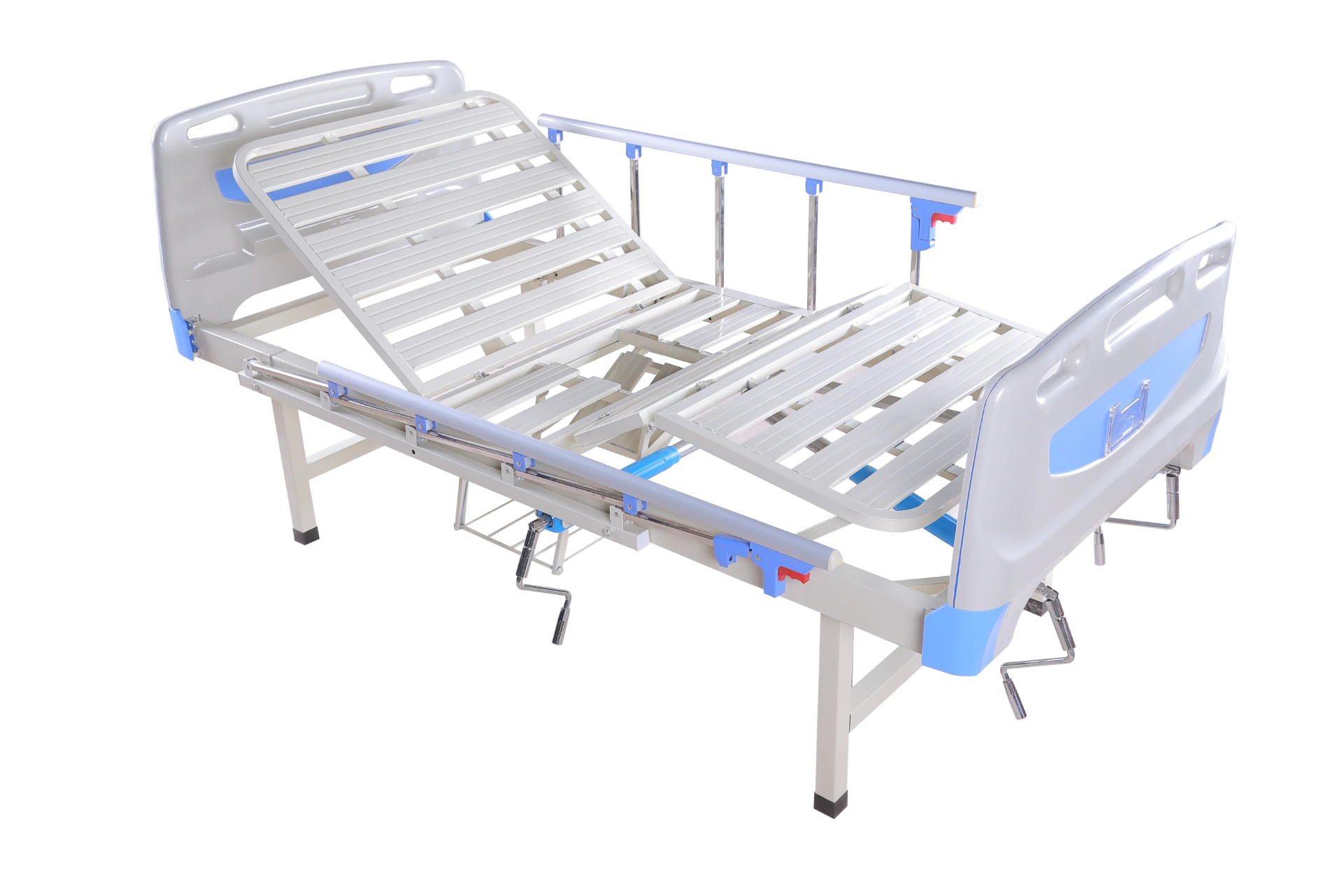
The introduction of crank-operated mechanisms allowed for better patient positioning, though still limited in precision and speed of adjustment.
Modern Phase
Electric Integration
Current standards feature fully electric ICU and nursing beds with integrated pressure-relief mattresses and intuitive caregiver controls.
From Furniture to Medical Device
Modern hospital beds are no longer viewed as simple furniture but as critical medical devices. The integration of MDR certifications ensures that every joint and motor is tested for clinical safety.
Material Science Advancements
The move toward antimicrobial coatings and high-tensile alloys has extended the lifecycle of equipment in high-humidity and high-use environments like those found in Egypt.
Patient-Centric Design
Design focus has shifted toward patient autonomy, providing integrated controls that allow patients to adjust their own positions, which is proven to speed up recovery times.
Future Outlook
Emerging Trends in Medical Bed Technology
How innovation is shaping the next generation of patient care equipment.
Automated Positioning Systems
Integration of preset clinical positions (e.g., Cardiac Chair, Trendelenburg) allows caregivers to change patient orientation with a single touch, enhancing critical care efficiency.
Dynamic Pressure redistribution
The shift from static foam to intelligent air mattresses that automatically adjust pressure zones to prevent ulcers based on patient weight and position.
Modular Ward Integration
Development of standardized bed-rail and accessory systems that allow hospital chair and trolley attachments to be swapped rapidly.
Sustainable Medical Materials
Increased use of recyclable high-strength polymers and eco-friendly powder coatings to reduce the environmental impact of hospital decommissioning.
The convergence of IoT and patient furniture is creating a new paradigm where beds can assist in patient monitoring. While early stages, the move toward integrated weighing scales and exit-alarm sensors is becoming a priority for high-acuity wards in Egypt's premier hospitals. This reduces the need for frequent manual transfers and decreases the risk of patient falls, directly impacting the quality of care and reducing liability for hospital administrators.
Furthermore, the focus on home-care recovery is expanding the market for specialized "Home Care Nursing Beds." These products bridge the gap between clinical-grade functionality and residential aesthetics. By providing the same ergonomic support found in hospitals but in a more compact and aesthetically pleasing form, manufacturers are enabling a smoother transition from hospital to home, which is a key goal of Egypt's broader healthcare strategy to reduce long-term hospital occupancy.
Practical Application
Deployment Scenarios in Egyptian Healthcare
How our equipment adapts to specific clinical environments across Egypt.
01
Public Hospital ICU Upgrade in Cairo
In high-volume public ICUs, the primary challenge is equipment durability. Deploying Boxin's electric ICU beds with reinforced YASKAWA-welded frames ensures that the beds can handle 24/7 operation. The integrated electric positioning allows staff to rapidly adjust patients for emergency procedures, reducing the time required for manual repositioning in critical moments.
02
Private Rehabilitation Clinic in Alexandria
Focusing on long-term recovery, these clinics require advanced pressure relief. By implementing chair hospital solutions and air mattresses, these facilities reduce the incidence of bedsores for immobile patients. The ergonomic design allows for easier transfers from bed to wheelchair, enhancing the patient's mobility experience.
03
Home Care Setup for Elderly Patients
Egyptian families increasingly seek professional care at home. Our home care nursing beds provide clinical-grade elevation and stability in a residential setting. The easy-to-use remote controls allow family members to assist patients without specialized medical training, improving the quality of life for the elderly while maintaining safety.
04
Emergency Transfer Units in Urban Hubs
Rapid patient transport requires stable and agile equipment. Our transfer trolleys and stretchers are designed for the fast-paced environment of urban emergency rooms. The high-grade locking mechanisms and smooth-glide casters ensure patient stability during transit through busy hospital corridors.
05
Specialized Surgical Recovery Wards
Post-operative patients require precise positioning to prevent complications. Our electric beds allow for micro-adjustments of the head and foot sections, facilitating lymphatic drainage and reducing post-surgical edema. The inclusion of high-quality mattresses ensures a stable recovery environment that minimizes patient discomfort.
Evidence of Impact
Representative Clinical Perspectives
Illustrating the operational impact of Boxin equipment in real-world medical settings.
The transition to electric ICU beds has significantly reduced the physical strain on our nursing team. The durability of the frames is evident even under high patient turnover, and the CE MDR certification provided the necessary confidence for our regulatory compliance audit.
Integrating the air mattress systems with ergonomic beds has led to a visible decrease in pressure ulcer reports among our long-term care patients. The ability to easily customize the bed's position has improved patient comfort and accelerated the recovery process.
For home-care requirements, finding a bed that balances professional functionality with ease of use is critical. The Boxin nursing beds provided the stability needed for patient safety while being intuitive enough for non-medical caregivers to operate effectively.
Our Legacy
About Hebei Boxin Recovery Equipment
A commitment to precision manufacturing and patient recovery since 2008.
2008
Company Foundation
Hebei Boxin Recovery Equipment Co.,Ltd was established as a professional manufacturer focusing on the design and production of medical and rehabilitation equipment to improve patient care.
Growth Phase
Industrial Expansion
Expanded operations to cover 40,000 square meters, incorporating advanced YASKAWA robot welding and laser cutting technology to ensure high-precision manufacturing.
Global Reach
International Certification
Achieved comprehensive certifications including CE (MDR), ISO13485, and ISO9001, enabling the company to enter more than 5,000 hospitals across 80+ countries.
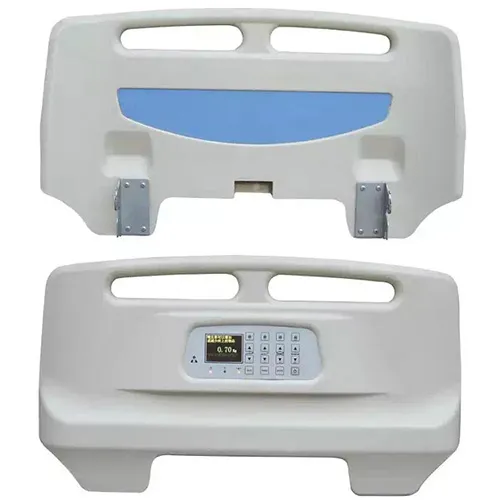
Med shop medical equipment accessories head board with nurse control
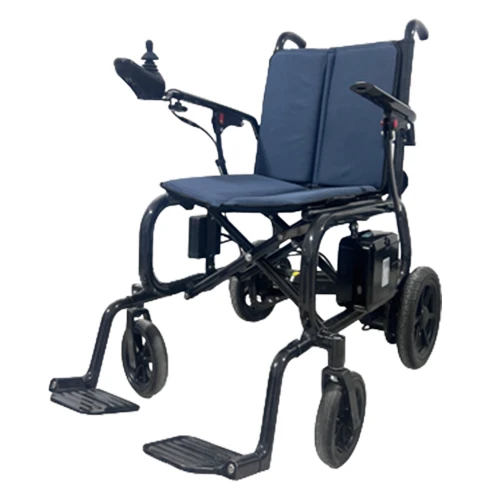
Portable Foldable Carbon Fibre Electric Wheelchair for Elderly and Disabled People Rehabilitation Equipment
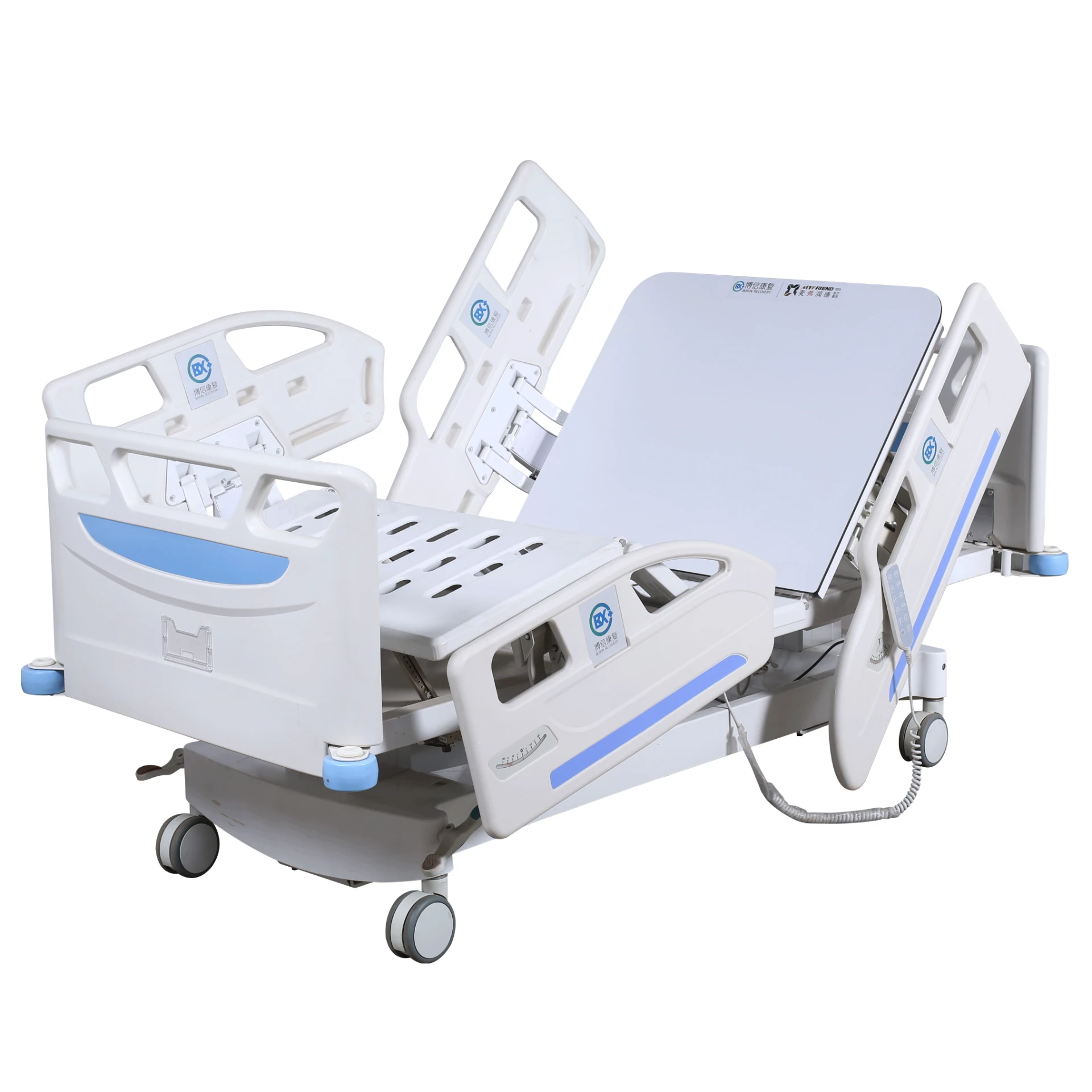
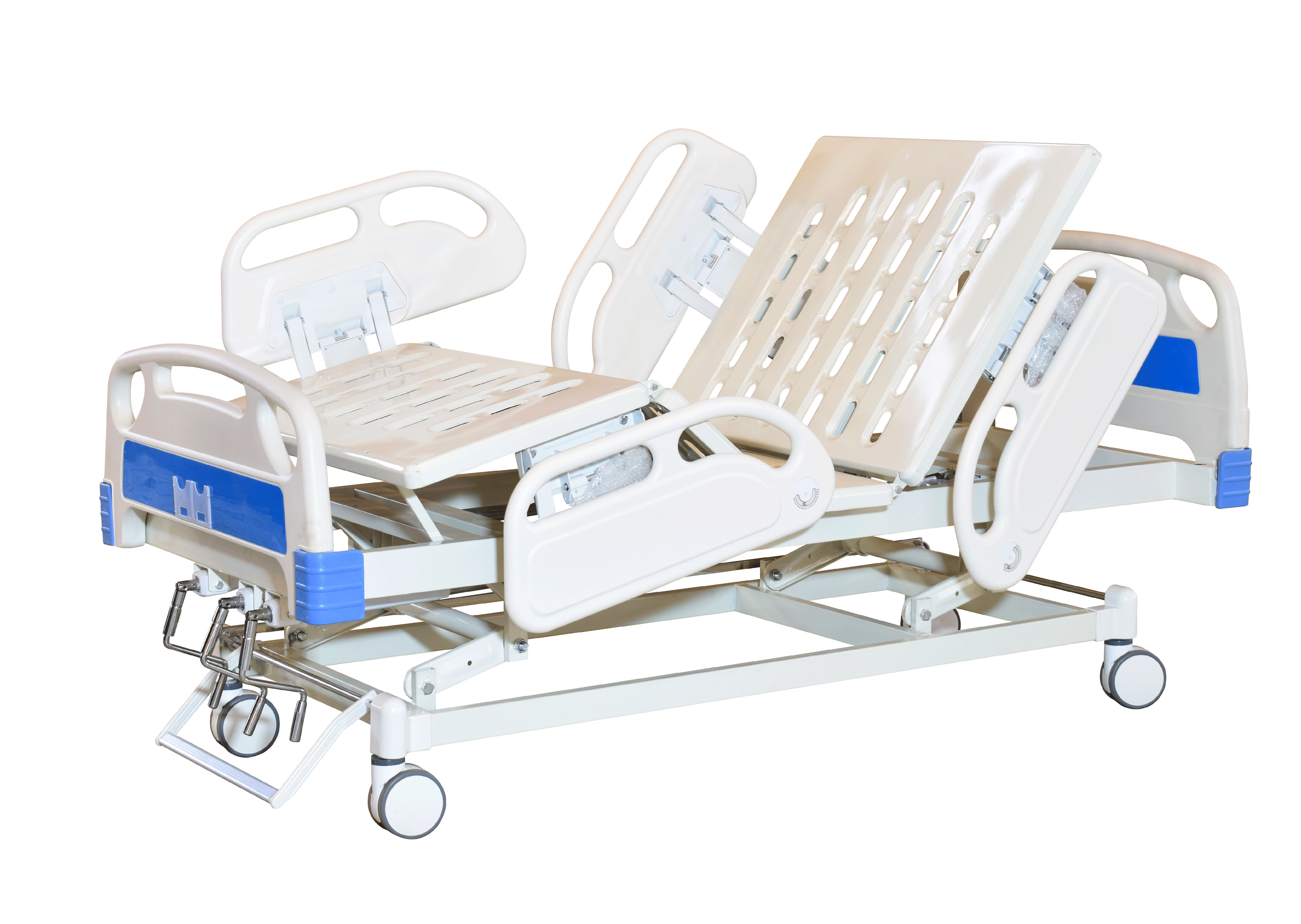
Five-function electric hospital bed with dual guardrails, anti-collision casters, and X-ray-transparent panels
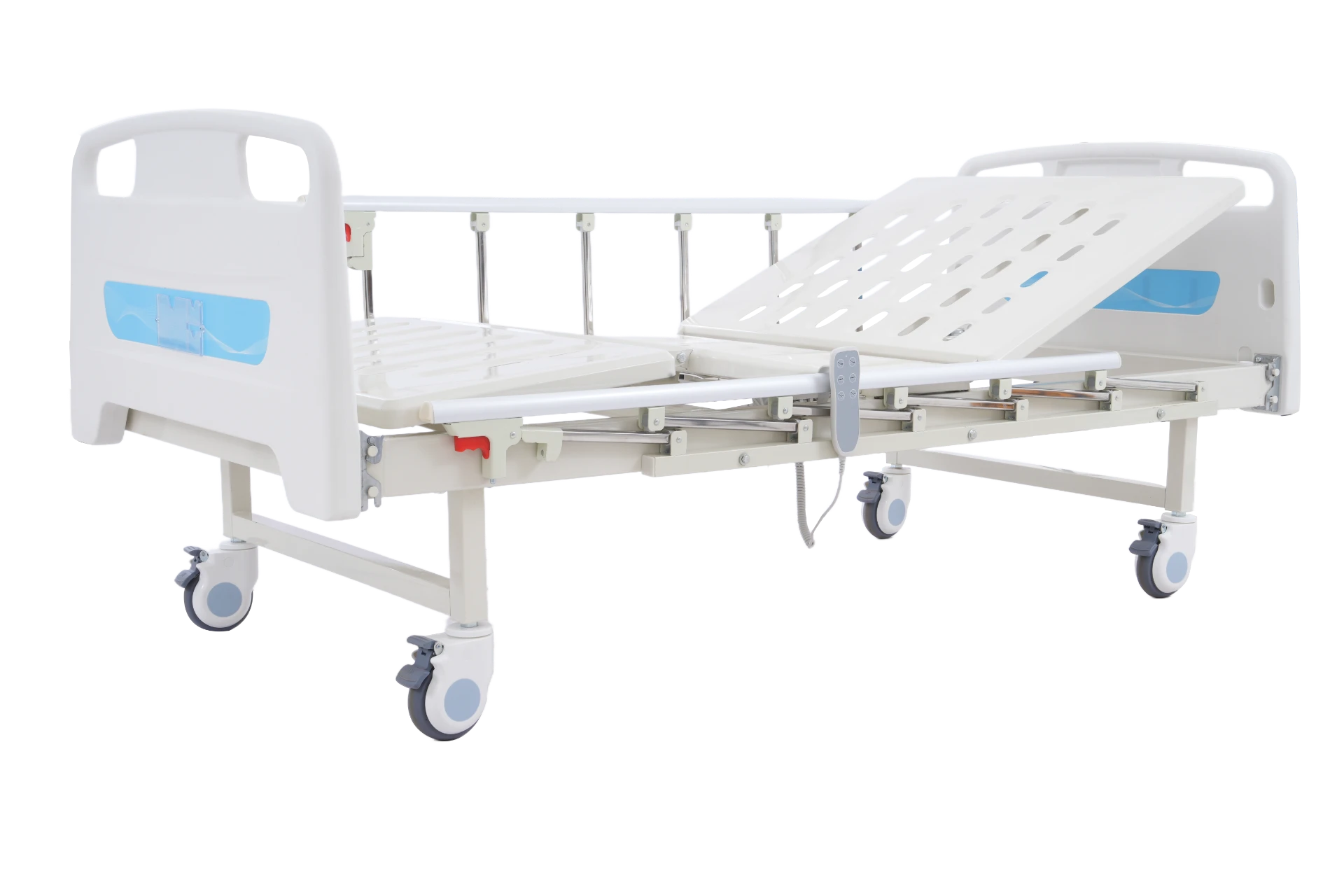
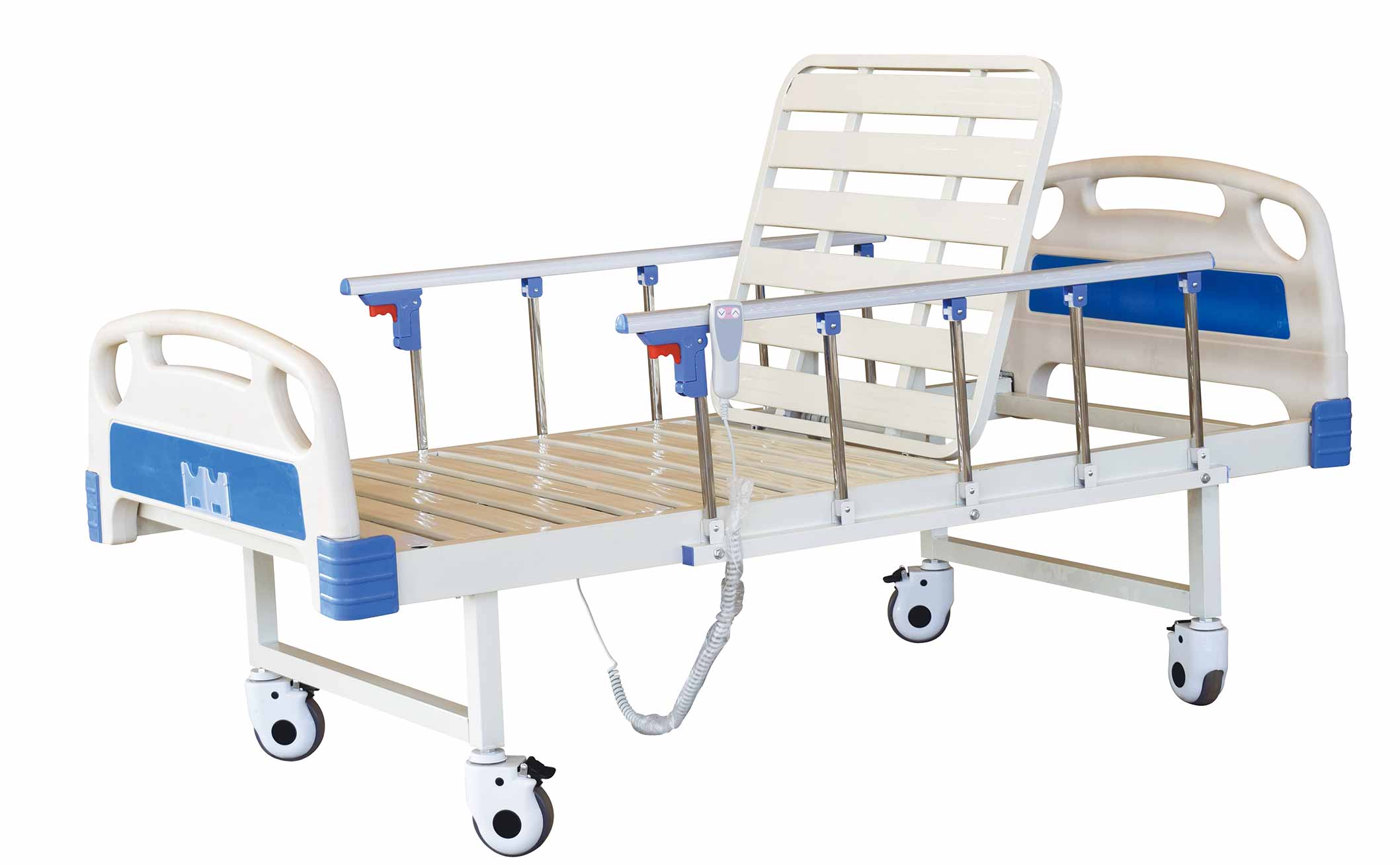
Electric Dual-Function Hospital Bed with Back-Raising Feature
Expert Guidance
Frequently Asked Questions
Providing clear answers to common procurement and technical queries.
What are the primary differences between manual and electric hospital beds for clinical use?
Manual beds rely on hand-cranks for adjustment and are suitable for basic care or areas with unstable power. Electric beds use motorized actuators for precise positioning of the head, height, and knees. The primary benefit of electric systems is the drastic reduction in caregiver physical strain and the ability for patients to maintain some autonomy in their positioning, which is essential for ICU and long-term recovery environments.
How is the hospital bed price determined for large-scale procurement in Egypt?
Pricing is typically based on the level of automation (manual vs. electric), the grade of materials used in the frame, and the specific certifications required (e.g., CE MDR). For large-scale orders, costs are optimized through bulk manufacturing and direct shipping. Factors such as customized mattress specifications and the inclusion of side-rail safety features also influence the final investment cost per unit.
Can your equipment be customized for specific Egyptian regulatory or environmental standards?
Yes, our products are designed to meet international standards that exceed most local requirements. We provide documentation for CE (MDR), ISO13485, and ISO9001, which are widely recognized by Egyptian health authorities. Additionally, our powder-coating and material selection are optimized to resist corrosion and withstand the temperature variations common in the North African climate.
What maintenance protocols are recommended for electric beds to ensure long-term reliability?
We recommend a quarterly inspection of all motorized actuators and a monthly check of the electrical connections and caster locks. Ensuring that the bed is cleaned with approved non-corrosive medical detergents prevents frame degradation. Because our beds use standardized components, replacing worn parts is straightforward and does not require specialized tooling, which minimizes downtime in active hospital wards.
How do you ensure the compatibility between the hospital bed and mattress for pressure relief?
Compatibility is ensured through precision engineering of the bed platform and mattress dimensions. Our air mattresses are designed to synchronize with the bed's articulation points, ensuring that as the bed head or foot is raised, the mattress maintains consistent support and pressure redistribution. This synergy is critical for preventing skin shear and ensuring the mattress does not shift during patient movement.
What is the recommended process for selecting the right bed for a new recovery center?
The selection process should start with a patient acuity assessment—determine the ratio of fully dependent patients to those requiring minimal assistance. For high-acuity zones, prioritize electric ICU beds with full articulation. For general recovery, a mix of electric nursing beds and manual options may be cost-effective. Finally, evaluate the staff-to-patient ratio; higher ratios favor manual beds, while lower ratios necessitate electric systems to prevent caregiver burnout.
Ready to Upgrade
Optimize Your Patient Care Infrastructure in Egypt
Whether you are equipping a new private clinic in Cairo or upgrading a public hospital in Alexandria, Boxin provides the certified durability and clinical precision your facility needs. Our team is ready to help you select the ideal configuration of medical beds and accessories to match your budget and patient needs.
Discuss Your Requirements