
Regional Analysis
The Medical Furniture Landscape in Sri Lanka
Evaluating the intersection of healthcare demand and equipment supply in the South Asian market.
Sri Lanka's healthcare sector is characterized by a dual system of public and private providers. In recent years, there has been a significant shift toward expanding specialized nursing care and elderly support facilities. The geographical distribution of hospitals—ranging from urban centers like Colombo to rural provinces—creates a varied demand for medical equipment. While urban centers prioritize high-end ICU beds with advanced automation, rural clinics often seek durable, manual solutions that can be easily maintained without specialized technical support, making reliability the primary procurement metric.
Market trends indicate an increasing preference for integrated care solutions. Healthcare providers are no longer looking for isolated pieces of furniture but rather complementary systems, such as combining a specific hospital bed and mattress to reduce pressure ulcers. There is also a growing awareness of ergonomic standards for caregivers. The demand for specialized chair hospital designs is rising, as facilities aim to reduce occupational injuries among nursing staff while improving the mobility of recovering patients.
Despite the growth, constraints such as import duties and logistical challenges impact the local supply chain. However, the outlook remains positive as the government continues to invest in healthcare infrastructure. The opportunity lies in providing medical devices that balance cost-efficiency with international certifications. Manufacturers who can offer comprehensive warranties and standardized parts will find a competitive advantage, as Sri Lankan hospitals increasingly prioritize the total cost of ownership over the initial purchase price.
Industry Progress
Evolution of Patient Care Equipment
Tracing the transition from basic support structures to intelligent rehabilitation systems.
Early Phase
Basic Support
Focus was primarily on static frames and basic manual adjustments. Equipment was heavy and lacked ergonomic considerations for either the patient or the caregiver.
Growth Phase
Mechanization
Introduction of crank-operated height adjustments and standardized mattresses, improving patient positioning and reducing the physical labor required for basic care.
Current Phase
Smart Integration
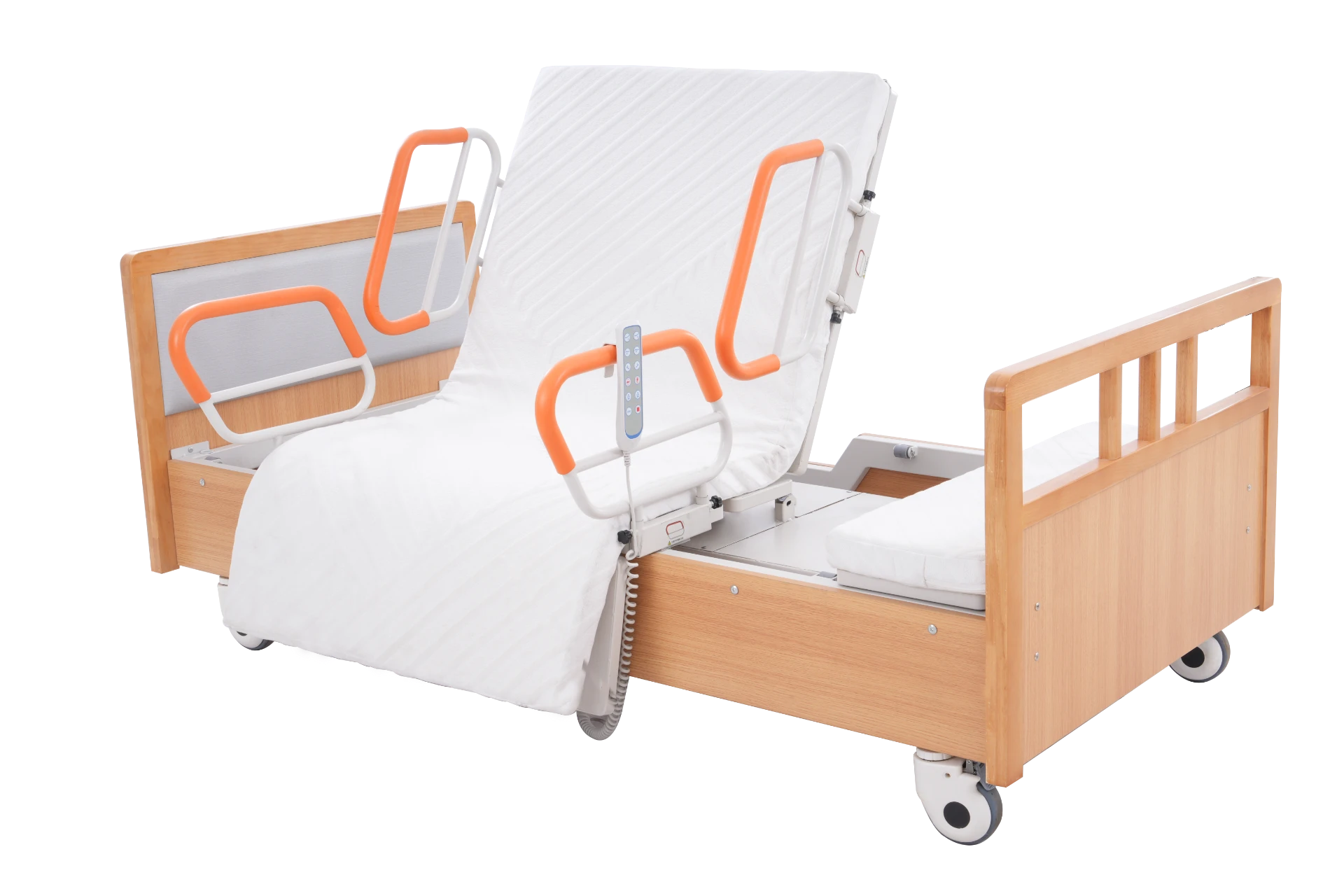
Transition to electric actuators, pressure-relieving air mattresses, and multi-functional rehab beds designed for ICU and long-term home care environments.
From Static to Dynamic Positioning
Modern medical beds have evolved from simple sleeping platforms to active therapeutic tools. The integration of Trendelenburg and reverse Trendelenburg positions allows for critical medical interventions and improved venous return, which was previously unattainable with basic manual frames.
Materials Science Advancement
The industry has shifted from simple painted carbon steel to medical-grade alloys and antimicrobial powder coatings. This evolution addresses the critical need for infection control and durability in high-turnover hospital environments across Asia.
Focus on Holistic Mobility
The scope of "bedding" has expanded to include the entire patient journey. This includes the seamless integration of transfer trolleys and medical chairs, ensuring that the patient's stability is maintained from the ICU bed to the diagnostic room.
Future Outlook
Emerging Trends in Medical Equipment
How technological innovation is reshaping patient care and operational efficiency.
Automation in Patient Handling
Increased adoption of fully electric ICU beds that automate positioning, reducing the risk of caregiver burnout and improving the precision of patient therapeutic angles.
Advanced Pressure Management
The shift toward dynamic air mattresses that automatically cycle pressure points to prevent bedsores without requiring manual intervention from staff.
Sustainable Material Sourcing
Moving toward eco-friendly, medical-grade polymers and recyclable metals to reduce the environmental impact of large-scale hospital equipment replacement.
Home-Care Integration
Designing hospital-grade beds specifically for home environments, bridging the gap between acute clinical care and long-term home recovery.
The convergence of robotic welding and precision laser cutting has allowed for the mass production of equipment with tighter tolerances. This technical evolution ensures that every joint in a medical bed is structurally sound, reducing the risk of mechanical failure under the weight of bariatric patients. In regions like Sri Lanka, where maintenance resources may be limited, this inherent structural integrity is a critical factor in reducing the total cost of ownership for healthcare providers.
Furthermore, the integration of MDR (Medical Device Regulation) standards reflects a global shift toward transparency and rigorous safety validation. By adopting these standards, manufacturers are moving away from generic furniture and toward "medical devices" that are clinically validated for specific patient outcomes. This trend ensures that every piece of equipment, from a simple stretcher to a complex ICU bed, contributes actively to the patient's healing process rather than just providing passive support.
Practical Application
Deployment Scenarios in Sri Lankan Healthcare
How our equipment performs in real-world clinical and home-care settings.
01
Public Hospital ICU Upgrade in Colombo
In a high-turnover public ICU, the primary challenge is rapid patient turnover and intensive monitoring. By deploying electric ICU beds with integrated side rails and precise positioning, the facility reduces the time required for patient adjustment and enhances the safety of critical care interventions, directly improving nursing efficiency in a high-pressure environment.
02
Rural Clinic Rehabilitation Center
In rural provinces where power stability is inconsistent, the use of heavy-duty manual hospital beds provides a reliable alternative. These beds focus on mechanical durability and ease of cleaning, ensuring that patients in remote areas still receive standardized care without the risk of electronic failure, utilizing high-grade steel to resist local humidity.
03
Private Elderly Care Facility
Private nursing homes often prioritize patient comfort and caregiver ergonomics. The implementation of home care nursing beds combined with pressure-relieving air mattresses allows for long-term residency without the risk of bedsores, while ergonomic hospital chairs facilitate safe movement from the bedroom to the dining area.
04
Emergency Response and Triage Centers
During emergency surges, the need for rapid patient transport is critical. Using high-stability stretchers and transfer trolleys allows medical teams to move patients from ambulances to triage beds with minimal physical strain and maximum patient stability, ensuring that the transition does not compromise the patient's condition.
05
Specialized Post-Surgical Recovery Suite
For patients recovering from orthopedic surgery, precise bed angling is essential. The use of electric beds with refined height and backrest controls allows for optimal lymphatic drainage and ease of movement, significantly speeding up the rehabilitation process and reducing the need for constant manual assistance from staff.
Clinical Perspectives
Representative Deployment Outcomes
Illustrative scenarios showing the impact of professional-grade equipment on care delivery.
The transition to electric beds in our ICU has significantly reduced the physical strain on our nursing staff. The stability of the frames and the ease of positioning have allowed us to handle high-acuity patients more safely and efficiently than with our previous manual equipment.
Integrating a specialized air mattress system has been a game-changer for our long-term care patients. We have seen a marked decrease in the incidence of pressure ulcers, and the durability of the bed frames is impressive even in our humid coastal environment.
The combination of ergonomic hospital chairs and transfer trolleys has streamlined our patient mobility workflow. The equipment is intuitive, sturdy, and meets all the safety certifications we require for our private clinic audits.
Our Heritage
Hebei Boxin Recovery Equipment Co.,Ltd
Dedicated to advancing medical rehabilitation through professional manufacturing since 2008.
2008
Company Foundation
Hebei Boxin Recovery Equipment Co.,Ltd was established in Hengshui City, Hebei Province, focusing on the professional manufacture of medical and rehabilitation equipment to improve patient care quality.
Expansion Phase
Infrastructure Scaling
Expanded production capacity to cover 40,000 square meters, integrating advanced YASKAWA robot welding and laser cutting technology to ensure precision and durability in every medical bed.
Certification Era
Global Compliance Achievement
Achieved comprehensive certifications including ISO9001, ISO13485, ISO45001, ISO14001, and the European Union CE (MDR), enabling seamless exportation to over 80 countries.
Market Reach
Global Hospital Integration
Successfully entered more than 5,000 hospitals worldwide, providing critical health care services and receiving positive clinical feedback from medical staff in over 80 regions.
R&D Focus
Team Specialization
Developed a highly educated R&D team and core technical group to continuously innovate manual and electric hospital beds, transfer trolleys, and specialized nursing furniture.
Current State
Trusted Global Supplier
Now operating as a leading professional manufacturer of rehabilitation equipment, blending advanced production technology with mature experience in domestic and foreign healthcare markets.
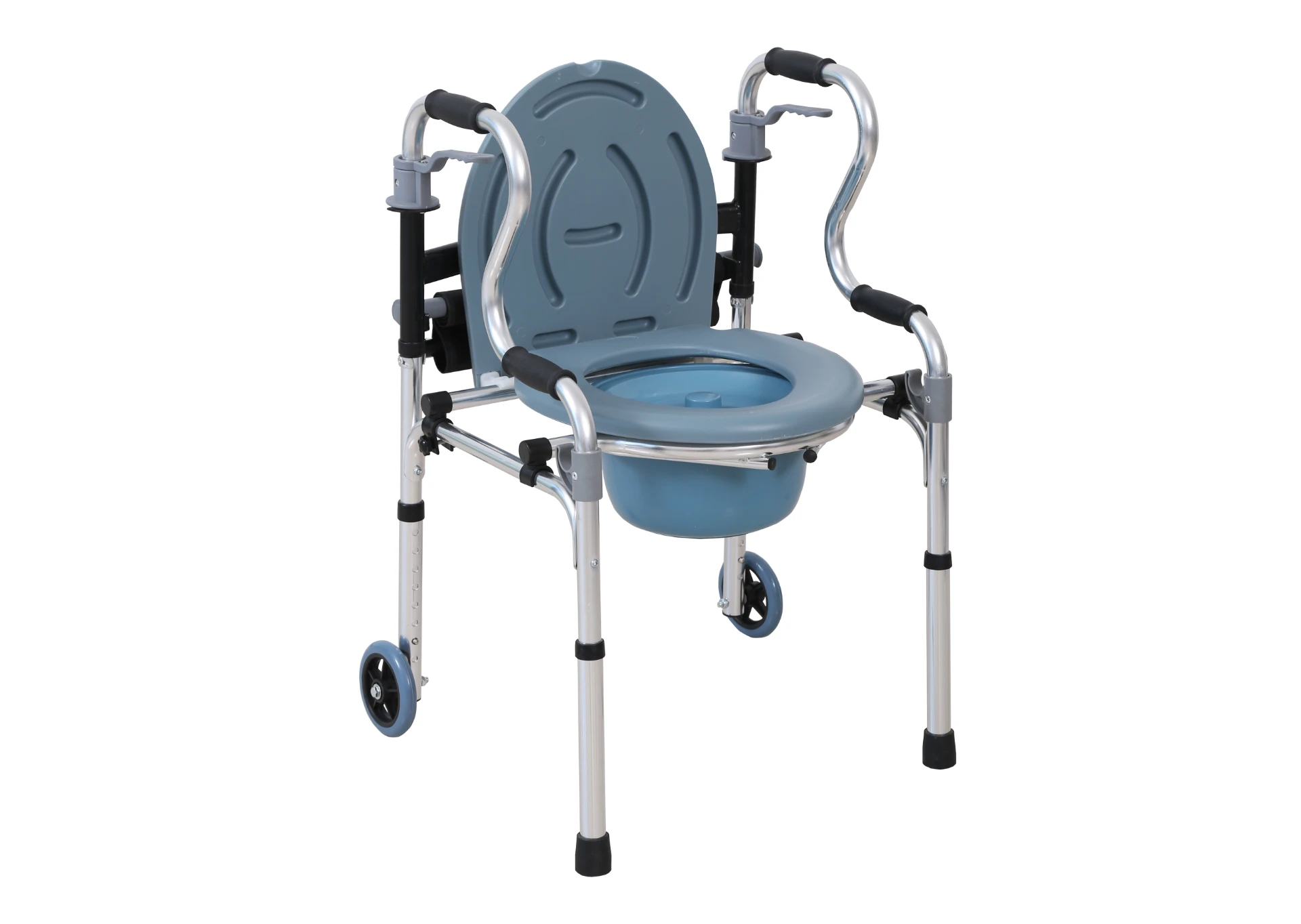
Walking assistance equipment invalid walking aids walking assist device for disabled
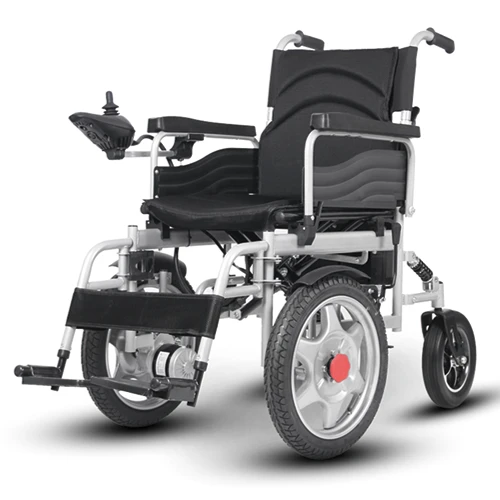
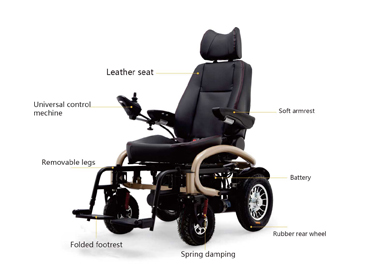
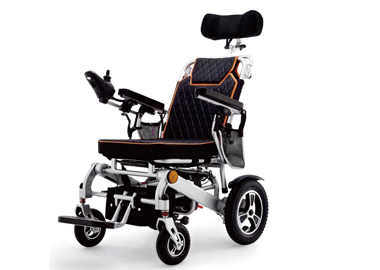
High Quality Electric Wheelchair Outdoor Use Lightweight Folding Electric Wheelchair for Elderly
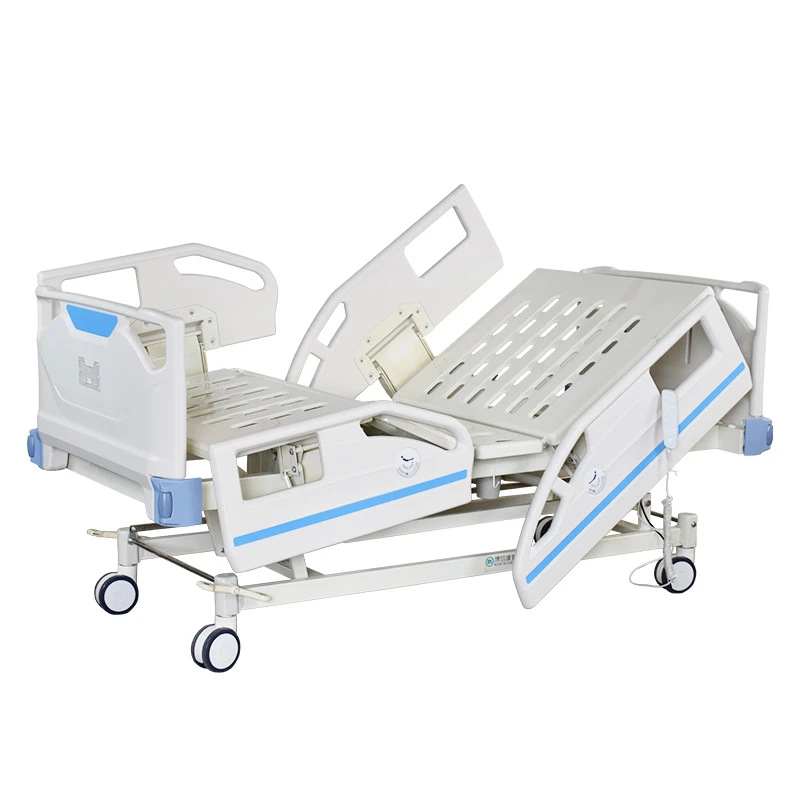
Five-Function Electric Hospital Bed Anti-Collision Wheel Punching Surface
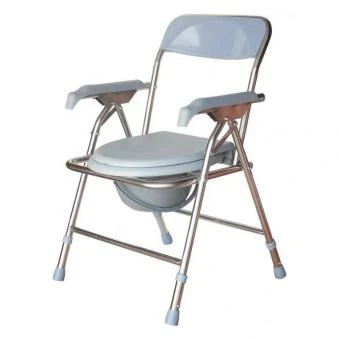
Portable Stainless Steel Folding Commode Chair with Backrest Medical Commode Toilet for Elderly Bathroom Safety Equipment
Expert Guidance
Hospital Bed Procurement FAQ
Essential answers to help Sri Lankan healthcare providers make informed equipment decisions.
What are the main differences between manual and electric hospital beds for long-term care?
Manual beds rely on hand-crank mechanisms for height and position adjustments, making them highly reliable in areas with unstable electricity and more cost-effective. Electric beds use actuators for effortless positioning, which significantly reduces the physical burden on nurses and provides better comfort for patients who wish to adjust their own position. For ICU settings, electric is preferred; for basic wards or rural clinics, manual beds are often more practical.
How is the hospital bed price determined for bulk orders in Sri Lanka?
The pricing is primarily driven by the bed type (manual vs. electric), the materials used (e.g., grade of steel and coating), and the included accessories like air mattresses. For bulk orders, costs are optimized through direct factory shipping and volume discounts. We recommend specifying the required certifications (like CE MDR) and technical specs upfront to get an accurate indicative value that accounts for the total cost of ownership.
Which mattress type is best for preventing pressure ulcers in immobile patients?
For high-risk immobile patients, an alternating pressure air mattress is the most effective solution. These mattresses use a pump to cycle air between cells, constantly changing the pressure points on the patient's skin. This prevents the prolonged compression of capillaries that leads to bedsores. For lower-risk patients, high-density orthopedic foam mattresses provide sufficient support and alignment to maintain skin integrity.
Are your medical beds compatible with international safety certifications?
Yes, our equipment is manufactured under a rigorous quality management system. We hold ISO9001, ISO13485 (Medical Device Quality), ISO45001, and ISO14001 certifications. Most importantly, our products comply with the European Union CE (MDR) certification, ensuring they meet the strictest safety and efficacy standards required for medical devices globally, including those used in Sri Lankan healthcare facilities.
What maintenance is required for electric nursing beds in tropical climates?
In tropical climates like Sri Lanka, the primary focus should be on preventing corrosion and protecting electronic components from humidity. We use advanced powder coating to protect the frame. Maintenance should include regular lubrication of moving joints, checking the integrity of electrical cables, and ensuring the actuators are free of dust. Using a voltage stabilizer is highly recommended to protect the motors from local power fluctuations.
How do I choose the right hospital chair for patient transfer?
When selecting a hospital chair, prioritize ergonomics, weight capacity, and ease of movement. A good chair should have a stable base and supportive cushioning to prevent patient discomfort. Ensure the chair's height is compatible with your existing beds to facilitate a seamless transfer. We recommend chairs with locking mechanisms and high-quality castors to ensure stability during movement within the facility.
Ready to Upgrade Your Facility
Optimize Your Patient Care with Certified Medical Beds in Sri Lanka
Whether you are equipping a new ICU in Colombo or upgrading a regional clinic, Hebei Boxin provides the technical expertise and manufacturing scale to meet your specific needs. Our certified rehabilitation solutions ensure patient safety and caregiver efficiency. Contact us today to discuss your technical requirements and receive a detailed quote for your facility.
Request a Consultation